What's in a six-bottle Austrian wine case
An Austrian wine case is six bottles from a single producer. Nothing is blended in from another cellar, so every bottle in the case comes from one estate's own range. A case from a Wachau producer might move you through a dry Grüner Veltliner and a couple of Riesling Smaragd bottlings, while one from a Burgenland estate could take you from a lighter Zweigelt into a fuller Blaufränkisch. You can explore the Austrian wines behind these boxes, or compare with wine cases from Italy and France to see how the format works across different wine cultures.
The wine regions an Austrian box can cover
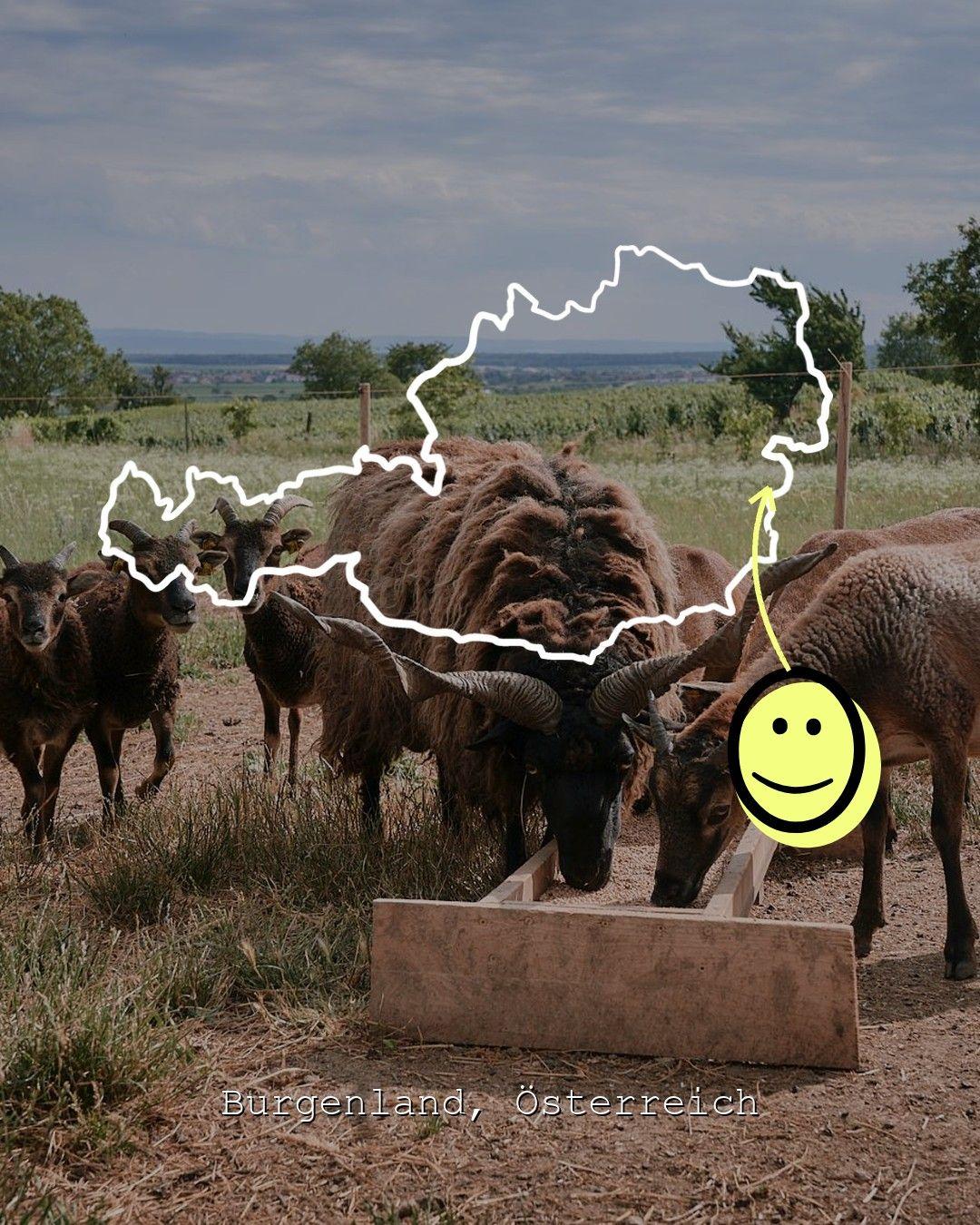
Austria's wine regions each pull in a different direction, and a single producer's box can be a compact introduction to one of them. Niederösterreich is the country's largest wine region, and home to the Wachau, the Kremstal and the Kamptal, all of which have built their reputations on Grüner Veltliner and Riesling grown on steep terraced slopes above the Danube. Burgenland runs warmer and is better known for red varieties: Blaufränkisch, Zweigelt and the occasional international blend. Steiermark sits in the south and leans white, with crisp, aromatic Sauvignon Blanc and Welschriesling. Because each six-bottle wine case here comes from one producer, the case you choose reflects where that grower farms and what they make in their own cellar, not a blend of cellars across the country.
Signature grapes you will meet in an Austrian box
Austria's most distinctive contribution to European wine is Grüner Veltliner, a white grape found almost nowhere else at any volume. In its lighter, younger form it is peppery and fresh; in Smaragd-classified bottlings from the Wachau it can be broad and age-worthy. Riesling is the second pillar of the country's white wine identity, and Austrian Riesling tends to be drier than German examples of the same variety. On the red side, Blaufränkisch is the grape with the most individual character: firm acidity, dark fruit and a spicy edge that makes it distinct from warmer-climate reds. Zweigelt, a crossing of Blaufränkisch and St. Laurent, is softer and more approachable and is widely planted across the country. Welschriesling, despite the name, is unrelated to Riesling and is used both as a dry table wine and as the base for some of Austria's best botrytised sweet wines. An Austrian wine case built around any of these varieties is a direct route into what makes the country's wine culture different from its neighbours.