Wine regions of Austria
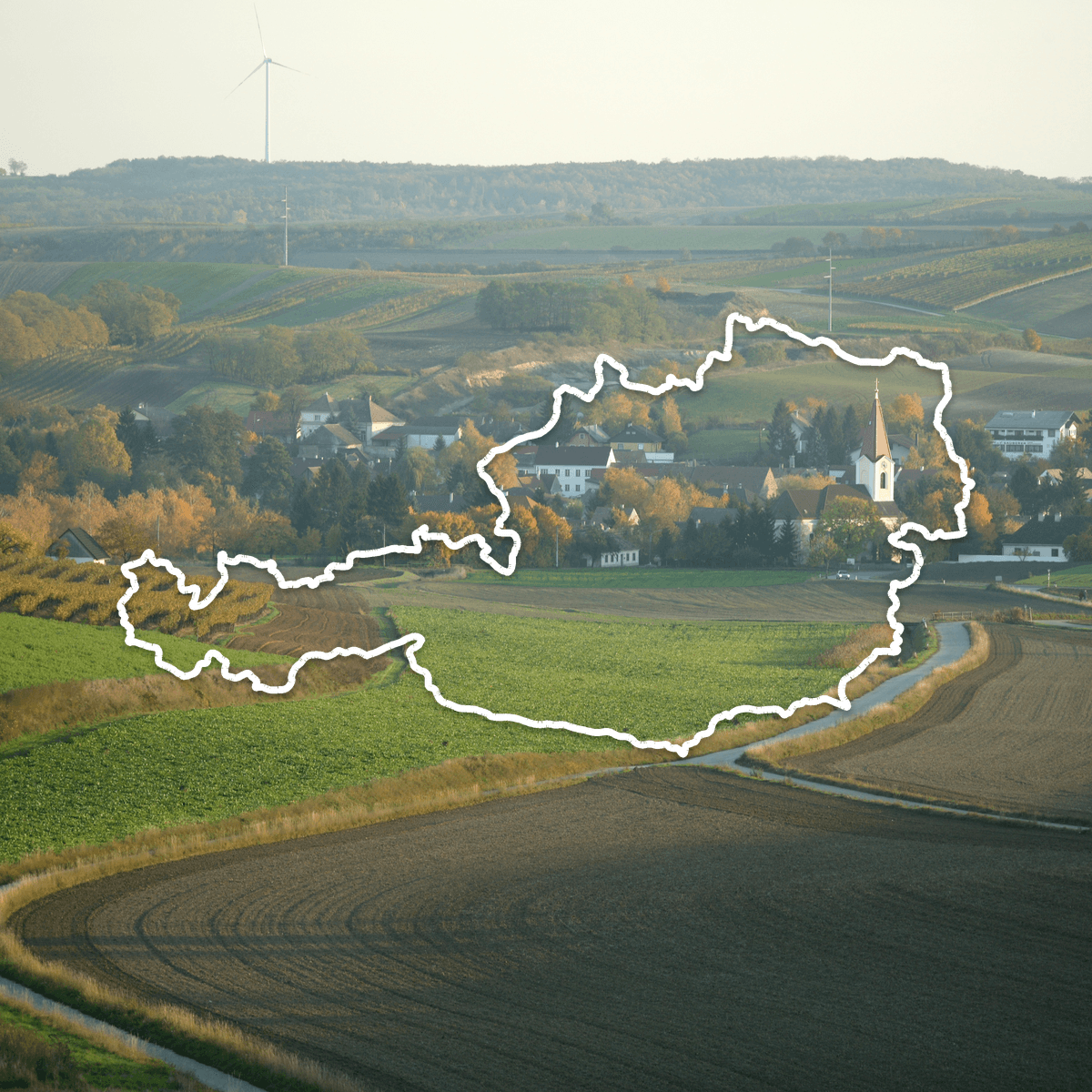
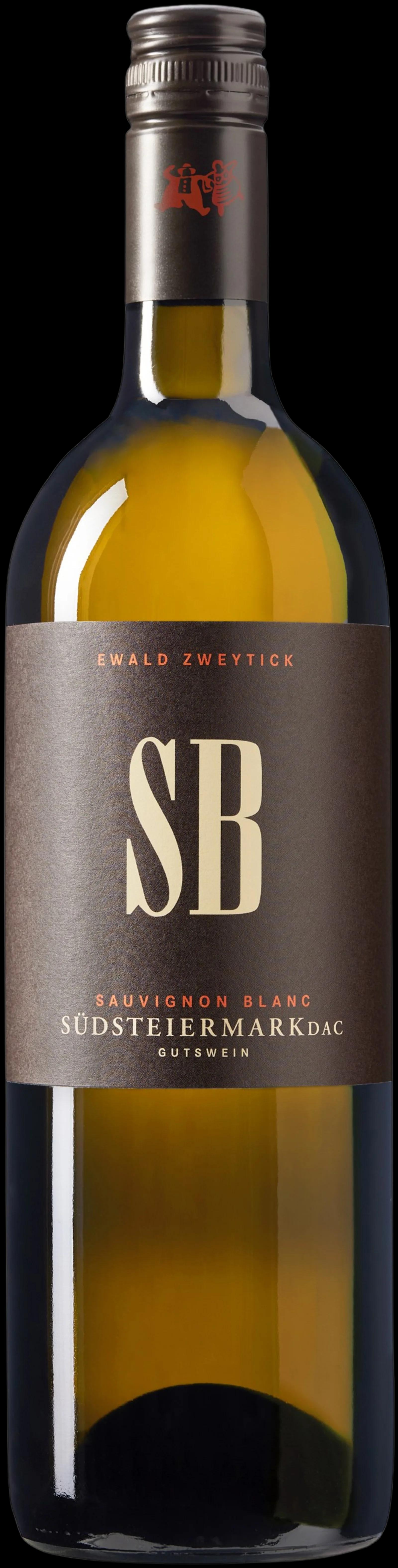
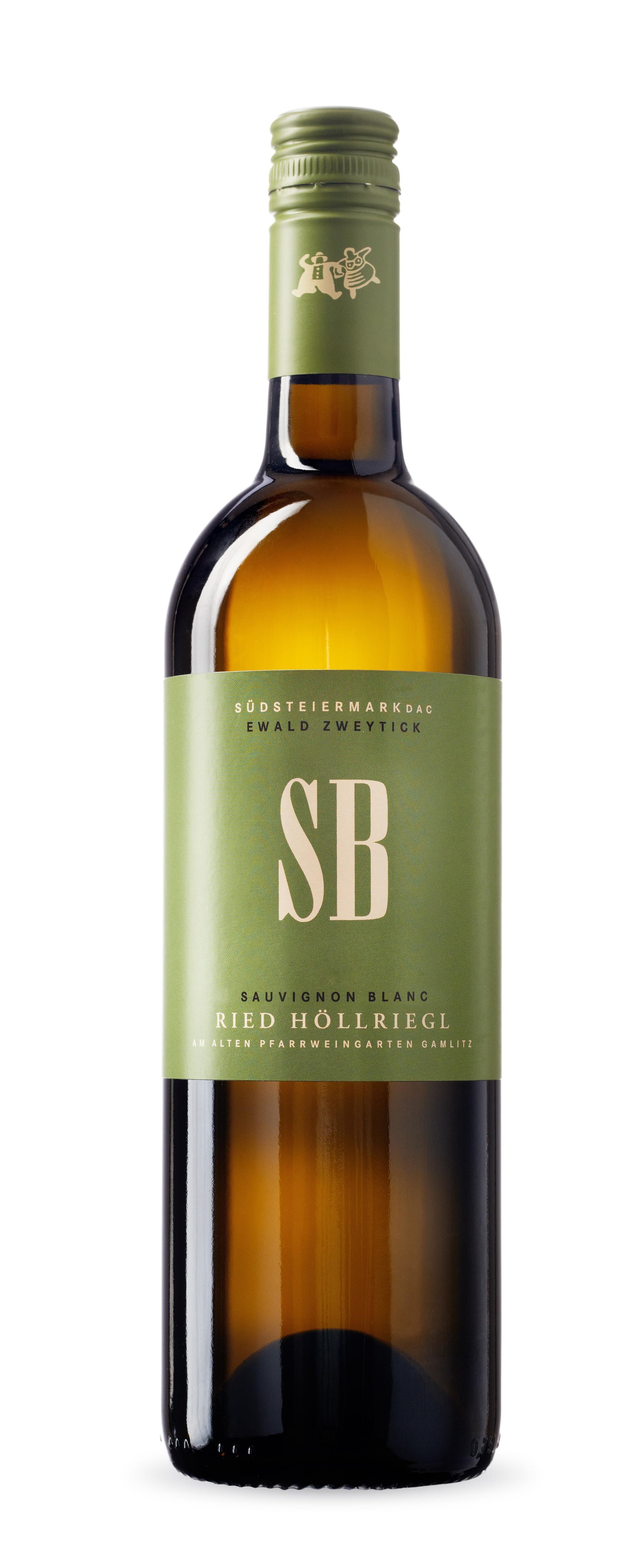
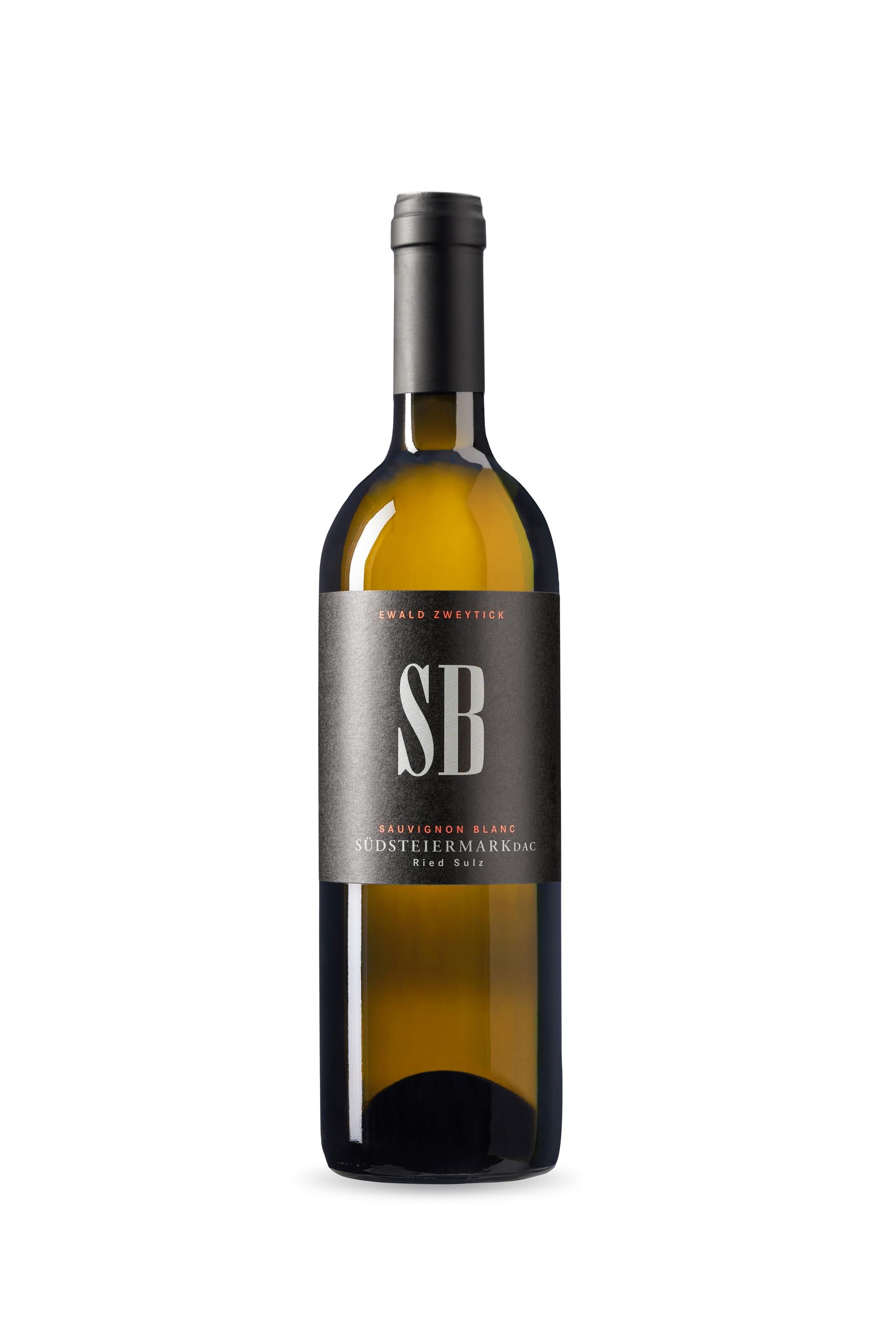
Austria's wine geography is compact but internally diverse. Niederösterreich accounts for roughly 60% of total production and contains some of the country's most consequential subzones: Wachau, Kremstal, Kamptal, and Traisental. These are cool-climate river valleys where Grüner Veltliner and Riesling reach unusual precision and mineral tension. The Wachau alone operates under its own internal classification system — Steinfeder, Federspiel, and Smaragd — that predates Austria's national DAC appellation framework and is not legally codified but is widely followed by producers. Burgenland, to the southeast, is a warmer region bordering Hungary. The shallow Neusiedlersee lake creates microclimatic humidity that historically supported noble rot production, giving Austria one of Europe's most credible traditions in botrytised sweet wine. Today, Burgenland is equally known for structured reds, particularly from Blaufränkisch, a grape that expresses cooler vintages with notable grip and darker fruit character. Steiermark — Styria in English — sits in the south and is almost entirely given over to white wine. Sauvignon Blanc performs atypically here, retaining acidity at ripeness levels that soften it in warmer climates. The region's wines are among Austria's least exported, which means they remain underpriced relative to quality.
Grüner Veltliner and the grapes that define Austrian wine
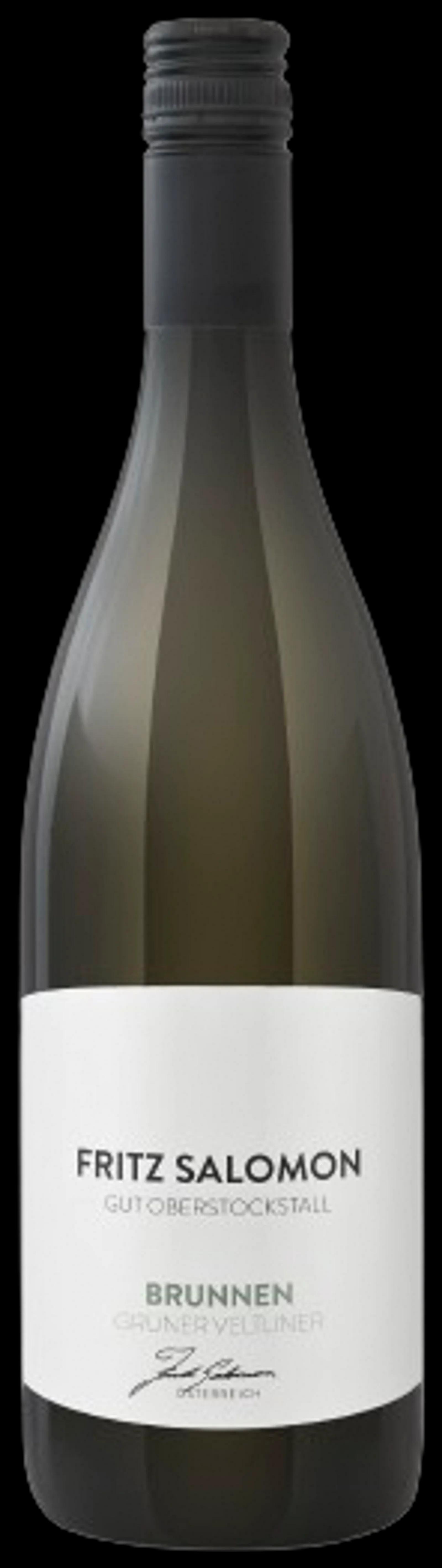
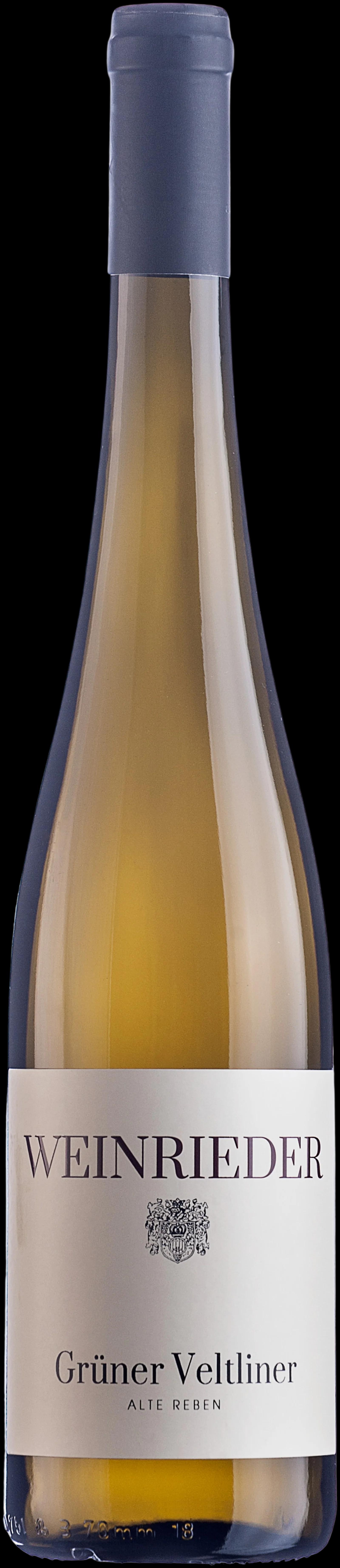
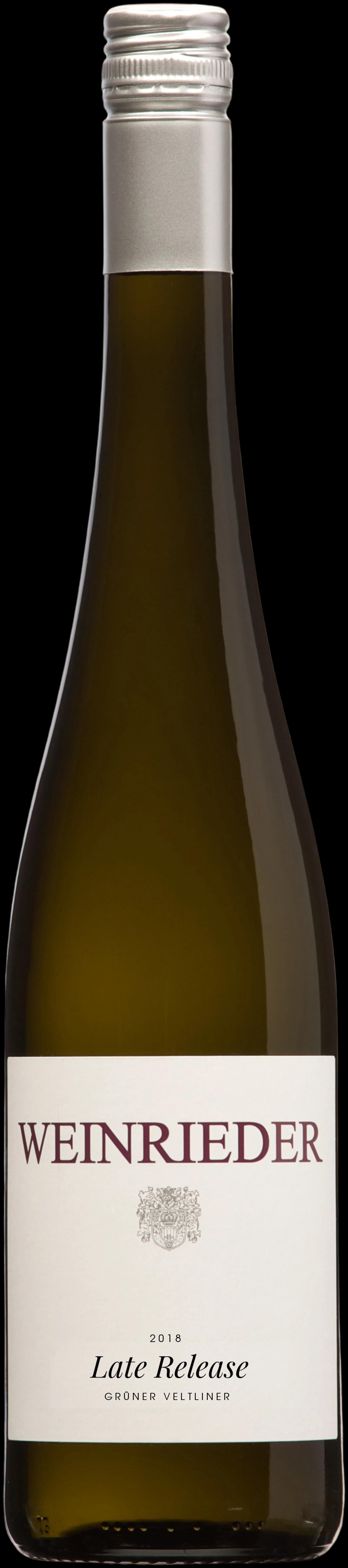
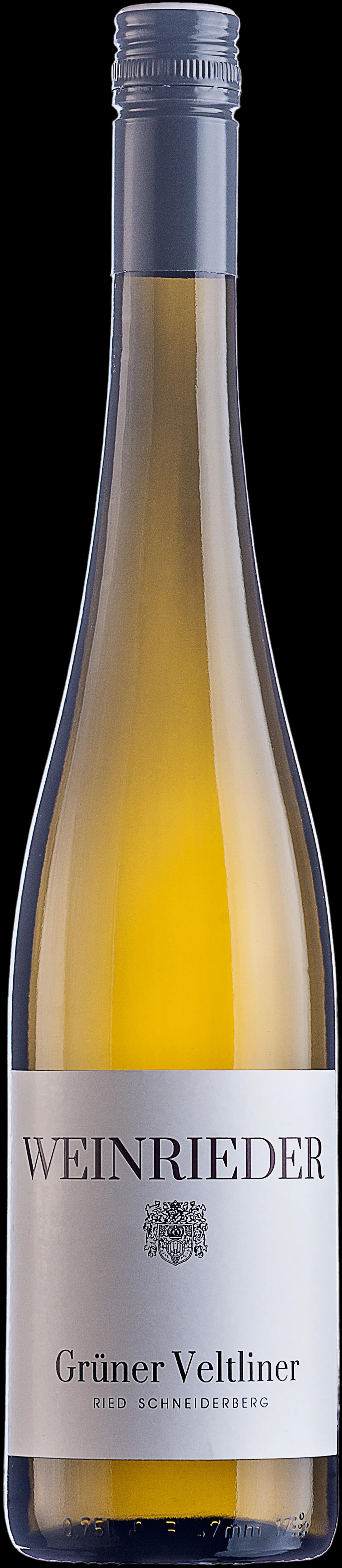
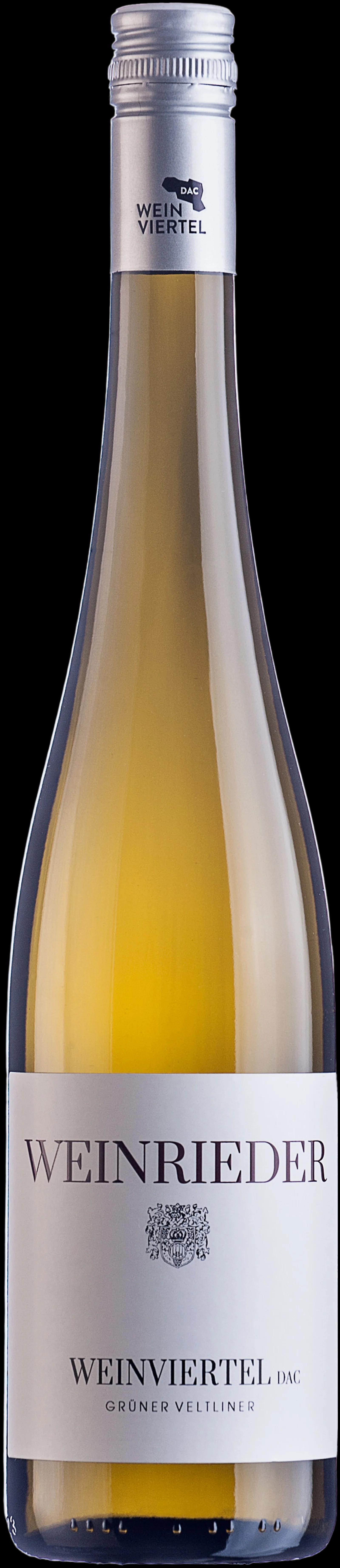
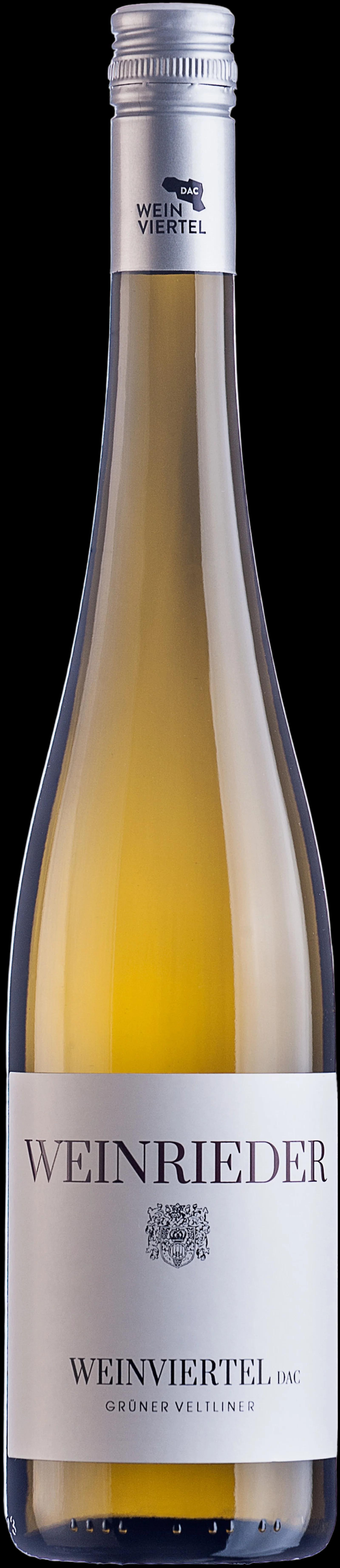
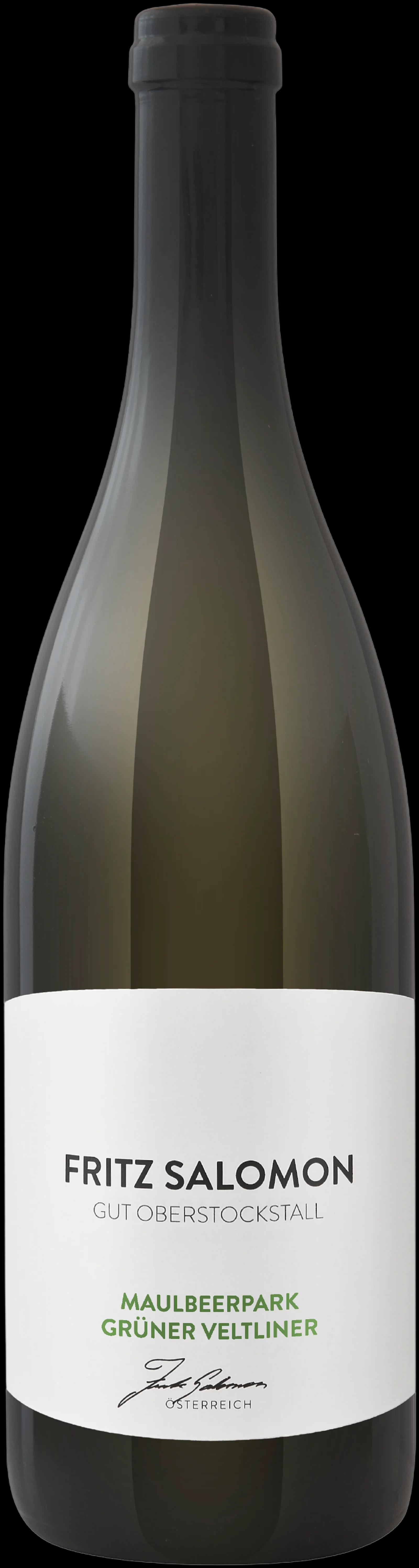
Grüner Veltliner is not a relative of any widely grown international variety. It is Austria's own — planted on approximately 30% of the country's total vineyard area — and it produces a range of styles that most wine drinkers underestimate. At entry level, it is dry, light-bodied, and marked by white pepper. At the top of the quality pyramid, in single-vineyard Smaragd-level Wachau wines, it can age for 15 or more years and develop a complexity closer to grand cru white Burgundy than to anything in a casual category. Riesling covers a smaller share of Austrian planting but is concentrated in the best sites. Austrian Riesling is structurally distinct from both German and Alsatian expressions: it is typically drier than German styles and slightly less aromatic than Alsatian, with mineral character that reflects the gneiss and primary rock soils of the Wachau. Blaufränkisch is Austria's most significant red grape and the reference variety for Burgenland. It is related to Gamay and tends toward firm acidity, moderate tannin, and a signature spice character that holds better in cooler vintages. Zweigelt, a 1922 cross between Blaufränkisch and St. Laurent, is Austria's most widely planted red and dominates volume production. Producers working at higher quality levels generally favour Blaufränkisch for its structural range. White wines from Austria span from light-bodied Grüner Veltliner to full-weighted barrel-fermented single-vineyard expressions. Red Austrian wines are led by Blaufränkisch and Zweigelt, with smaller volumes of St. Laurent, a grape related to Pinot Noir that remains almost entirely unknown outside Central Europe.
Climate, terroir, and what shapes Austrian wine
Austria's vineyards sit at the continental edge of a temperate climate zone. The country shares a latitude band with Burgundy and parts of Germany, but its eastern position means hotter summers, colder winters, and sharper diurnal temperature swings than Atlantic-influenced wine regions at the same latitude. This temperature gap between warm days and cool nights is a primary driver of acidity retention in Austrian whites. The Wachau is shaped by two competing air masses: warm Pannonian air from the east and cool Atlantic air channelled through the Danube valley. The river itself moderates temperature and maintains humidity in a corridor where otherwise the continental climate would be too extreme for fine white wine. Loess soils dominate the flatter sites of Niederösterreich and produce Grüner Veltliner with a broader, more rounded texture. Primary rock — gneiss and granite — characterises the steep terraced vineyards along the Danube and tends to produce wines with more mineral linearity. Producers working small parcels on these sites often vinify them separately, which is why single-vineyard Austrian whites have become a distinct commercial and qualitative category. Austria's wine law was overhauled substantially after the 1985 glycol scandal, in which a small number of producers were found to have used diethylene glycol to artificially sweeten wines. The response was the strictest wine-testing regime in Europe at the time. It restructured the industry toward quality production and is a documented reason why Austrian wine regained and ultimately exceeded its pre-scandal export reputation within two decades. Bottles ship from the producer's cellar. Not from a warehouse in the Netherlands. That matters most for Austrian wines at the top of the quality tier, where storage conditions affect what reaches the glass.