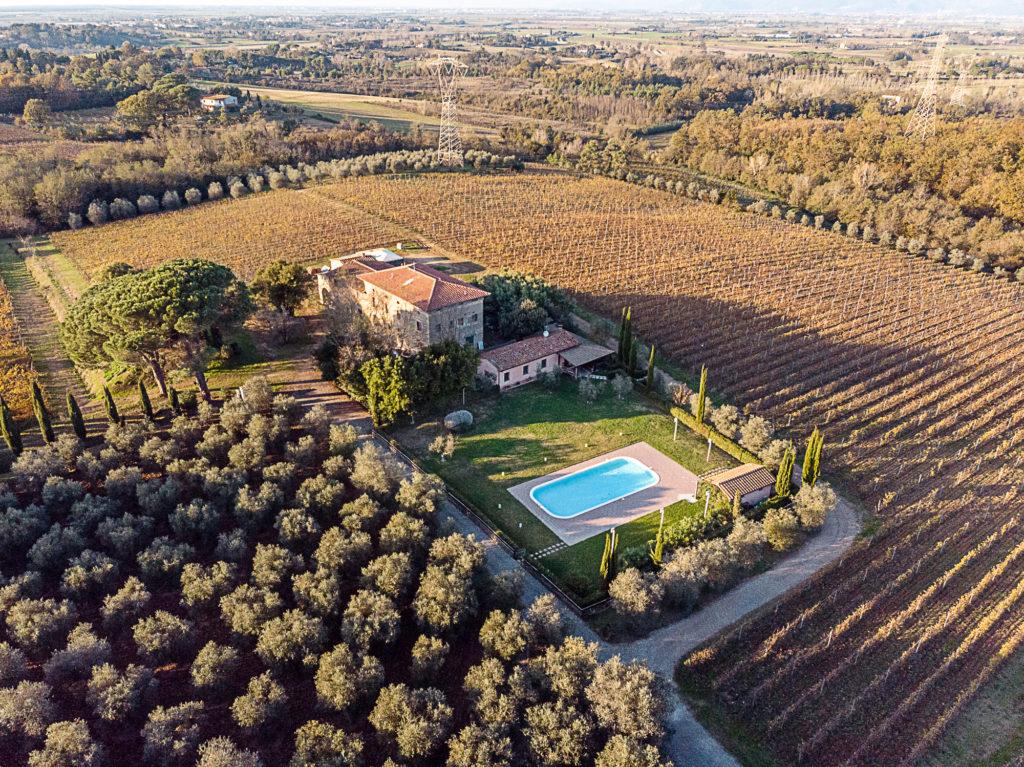
Where Blaufränkisch grows
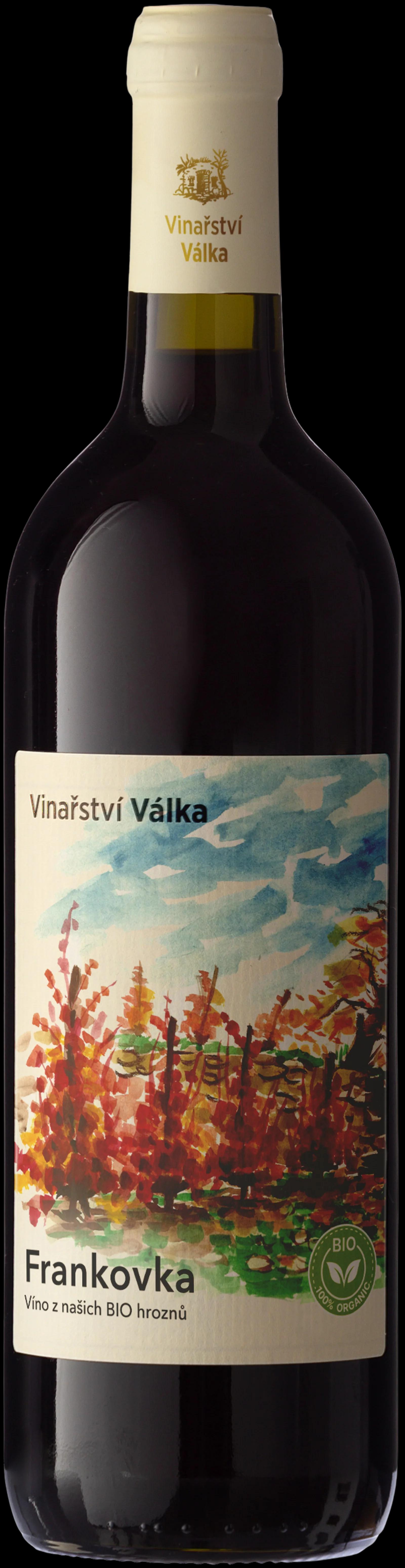
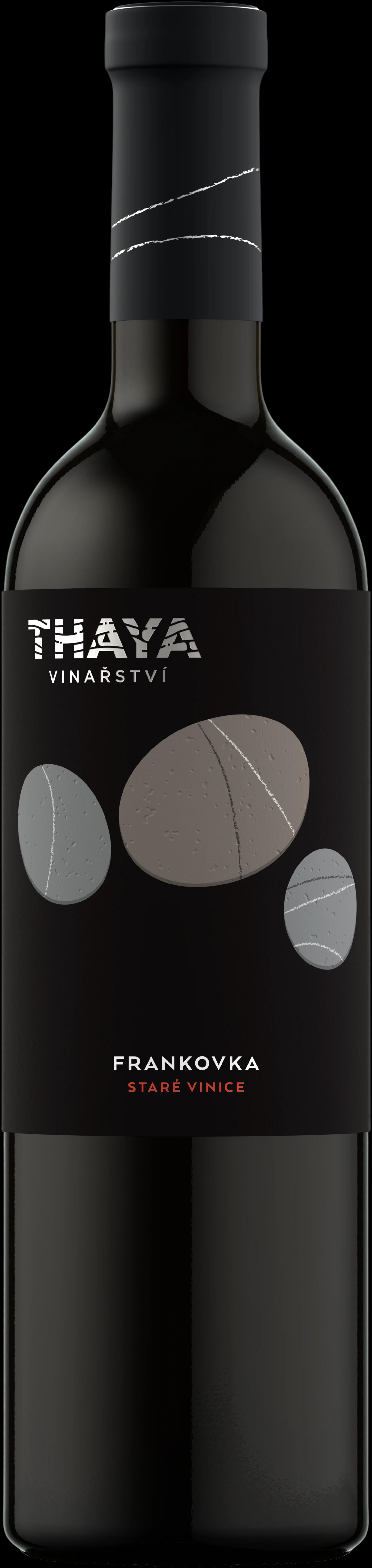
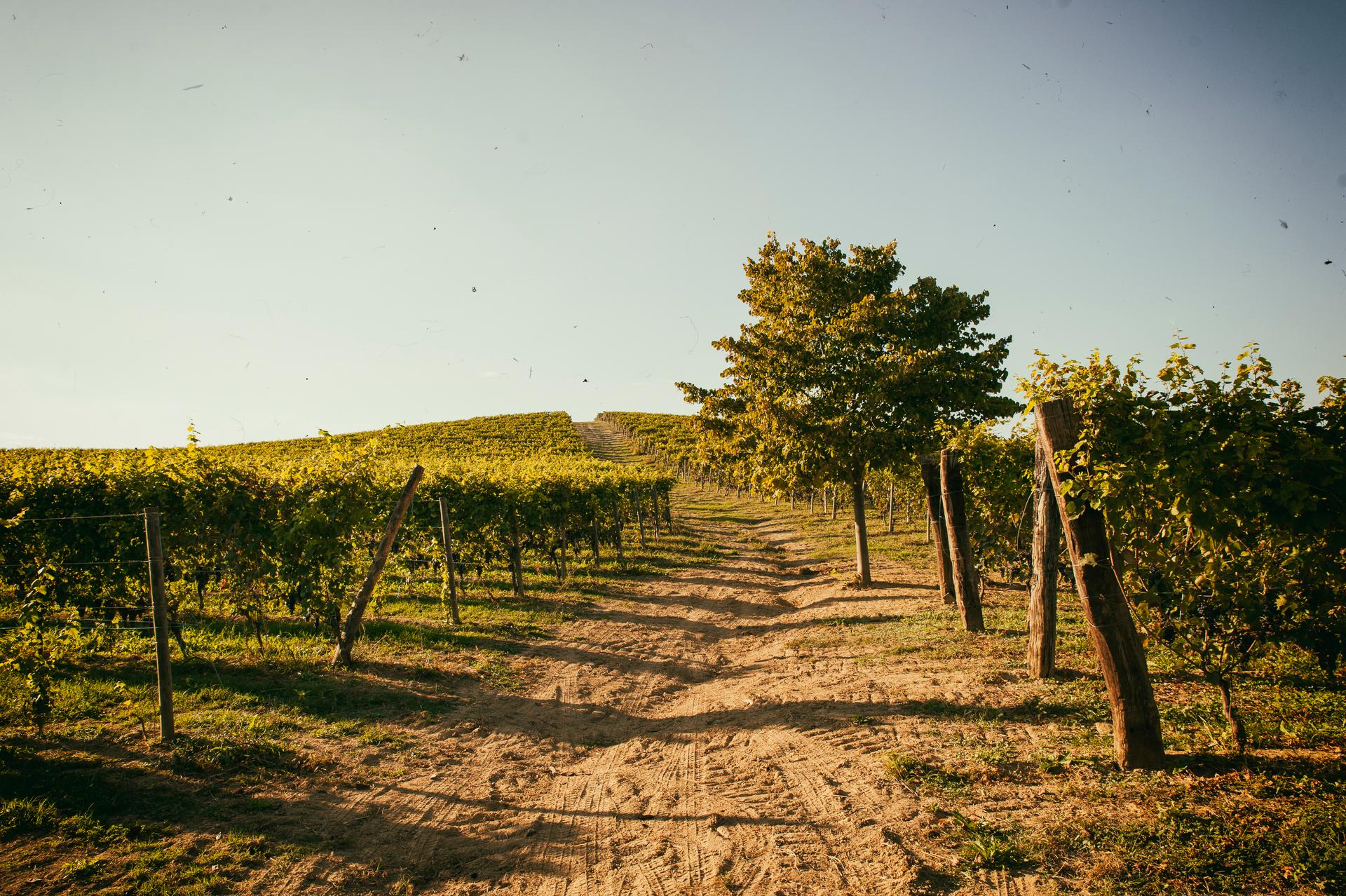
Blaufränkisch is Austria's most important red grape, and the region that defines it most clearly is Burgenland, a flat, warm stretch of eastern Austria where the Pannonian climate pushes the grape toward full ripeness without losing its characteristic grip. In Burgenland, Blaufränkisch produces wines with dark fruit, firm tannin, and a pronounced peppery edge — sometimes compared to Syrah in structure, though the two share no parentage. Within Burgenland, the DAC appellations of Mittelburgenland and Eisenberg are the quality benchmarks: Mittelburgenland for powerful, age-worthy reds, Eisenberg for more mineral, iron-tinged expressions grown on volcanic soils. Beyond Austria, the same grape appears under different names. In Germany it is called Lemberger or Blauer Limberger, planted mainly in Württemberg. In Hungary it is Kékfrankos, where it forms the backbone of Egri Bikavér. Across these regions the common thread is acidity and spice — Blaufränkisch rarely produces soft, approachable wines in the way that warmer-climate grapes do. It stays angular and food-driven regardless of where it grows, which is partly why it rewards patience in the glass.
What Blaufränkisch tastes like — and how climate changes it
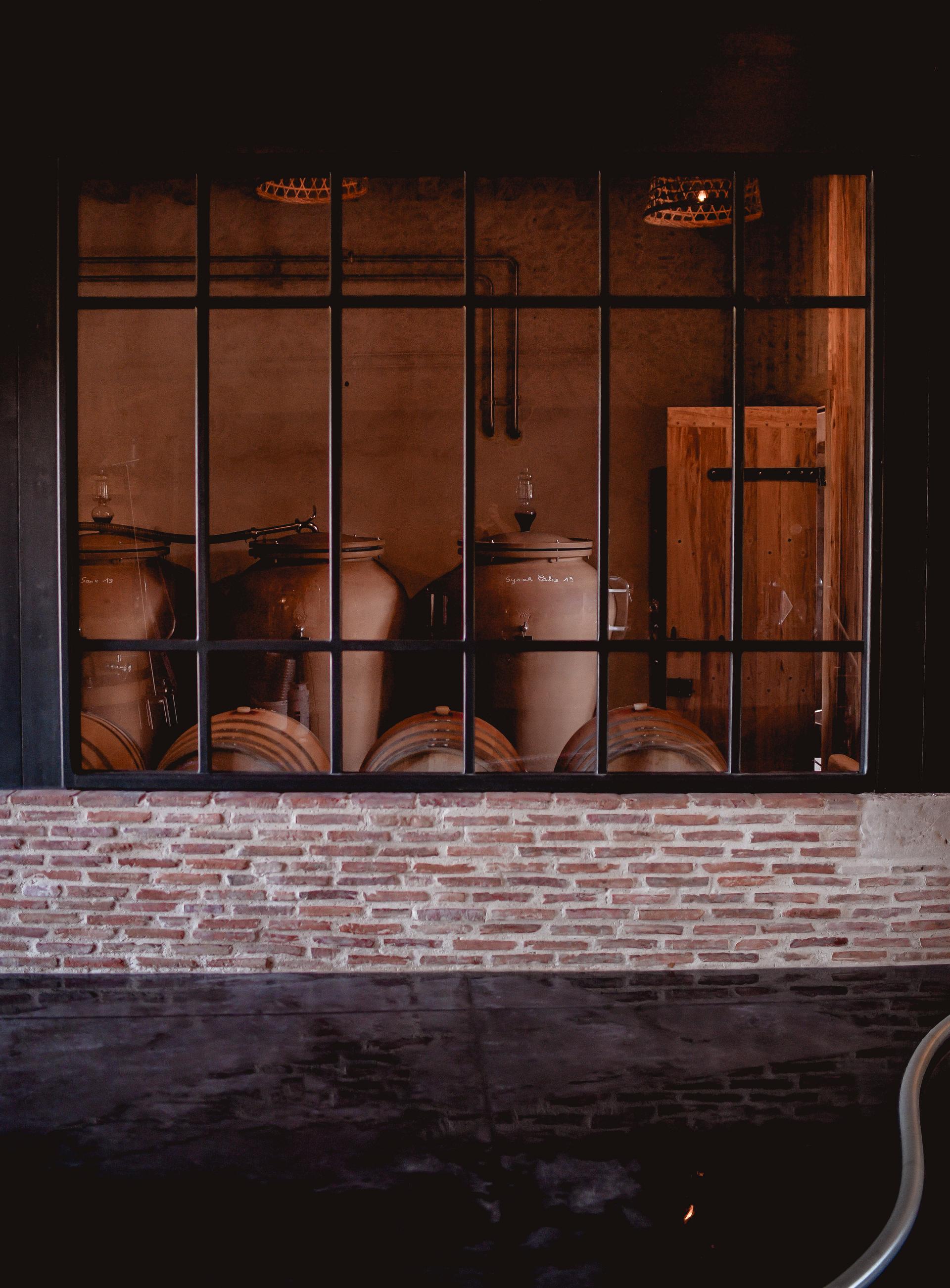
Blaufränkisch is a grape of contrast. The fruit is dark — blackberry, black cherry, plum — but it sits alongside high acidity and a distinctive white-pepper spice that marks almost every expression of the variety. In cooler sites the pepper and mineral notes dominate; in warmer years and lower-lying vineyards the fruit pushes forward and the tannins soften. Oak treatment divides producers: some age Blaufränkisch in large neutral oak to preserve its freshness, others use small barrique to add structure and complexity, and a growing number work with concrete or amphora to keep the grape as direct as possible. The result is a variety with real stylistic range — from lean, almost Burgundian expressions to dense, cellar-worthy reds that need several years to open. The commonality is energy. Blaufränkisch rarely sits still in the glass. It cuts through rich food and ages in a way that Grüner Veltliner's red-wine counterpart rarely does, making it one of the most versatile grapes to come out of Austria. For context on how other Central European varieties behave, Grüner Veltliner shows what the white-wine side of the Austrian tradition looks like.
Blaufränkisch at the table
Because of its acidity and tannin structure, Blaufränkisch is one of the more food-friendly red varieties available from independent producers. It cuts through fat and salt in a way that softer, lower-acid reds cannot. Roasted pork, duck with braised red cabbage, venison, beef goulash, and hard aged cheeses all work well. The peppery character also makes it a natural match for dishes with moderate spice — it echoes rather than clashes. Lighter styles, particularly those from cooler vintages or elevated sites in Eisenberg, can handle salmon, roasted root vegetables, and mushroom-based dishes without the wine overwhelming the food. On Free Grape Society, producers ship Blaufränkisch directly from their own cellars, with no importer or warehouse in between — which means the wines arrive in the condition the producer intended, without sitting in a warehouse for months. For producers who work across multiple varieties, it is worth exploring what else they make alongside their Blaufränkisch: many of the growers who work seriously with this grape also produce wines from Nebbiolo, Syrah, and other structured reds that pair similarly at the table. Free Grape Society is a society of producers, independent experts and wine lovers, not a shop.