Luxembourg six-bottle wine cases
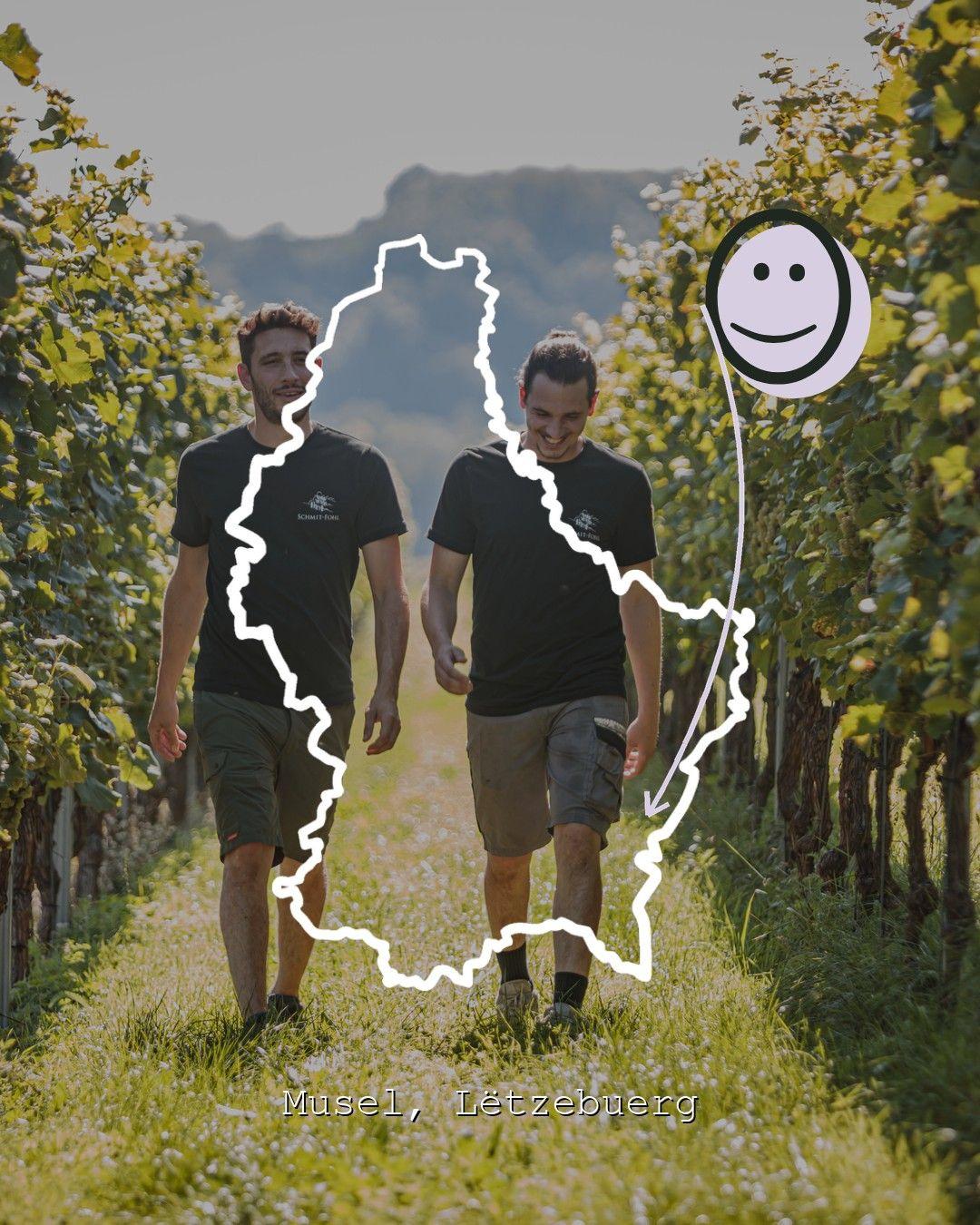
Luxembourg's wine country runs along the Moselle river, where Auxerrois, Pinot Gris, Riesling, and Pinot Blanc grow on slate and limestone soils that the river shapes with cool nights and long summer days. A wine case from a Luxembourg producer holds six bottles from one grower — a way to move across their range in a single order, from a bone-dry Riesling to a fuller Pinot Gris, all from the same cellar.

No match yet!
It looks like we don't have a match for your selected criteria today. Try clearing or adjusting your filters. Or check back soon!
What's in a six-bottle Luxembourg wine case
A Luxembourg wine case is six bottles from a single producer. Nothing is pulled in from other cellars: every case holds one estate's own wines. Luxembourg sits in the Moselle valley, where a cool continental climate and slate-heavy soils shape wines built on precision and mineral tension rather than weight. A case from a producer working with Riesling and Pinot Gris might move across dry, aromatic whites, showing how the same valley reads differently depending on plot and variety. If you want to explore what other countries offer in the same format, Spanish wine cases, French wine cases, and Italian wine cases follow the same logic: one producer, six bottles.
The grapes and regions behind Luxembourg wine
Luxembourg's wine map runs along a narrow strip of the Moselle valley on the country's southeastern border. The appellation is the Moselle Luxembourgeoise, and it covers a cluster of villages where Riesling, Pinot Gris, Auxerrois, and Pinot Blanc are the dominant varieties. The soils shift from shell limestone in the north to slate and sandstone further south, and those differences show in the glass: limestone tends toward rounder, more textured wines, while slate sites lean into a nervy mineral edge. Auxerrois is perhaps the grape most closely associated with Luxembourg, producing a softer, gently spiced white that sits apart from the more internationally recognisable varieties. Sparkling wine, made by the traditional method under the Crémant de Luxembourg appellation, has grown steadily and is now one of the country's most recognised exports. For comparison, French wines and Austrian wines come from neighbouring wine cultures shaped by some of the same northern-European growing conditions.
What buying directly from a Luxembourg producer means
Luxembourg's wine industry is built on small, often family-run estates that have worked the same valley for generations. On Free Grape Society, producers from Luxembourg sell and ship directly from their own cellar, with no importer, agent, or warehouse involved. That removes several steps from the chain between the person who made the wine and the person who drinks it, and it means the price reflects the producer's own decision rather than a margin built up along a distribution route. Wines are tasted before they are listed, and independent wine experts can rate and review individual bottles, with those reviews visible on the wine page and on each expert's profile. Free Grape Society is a society of producers, independent experts, and wine lovers, not a shop. If Luxembourg does not have the right box for you right now, Austrian wine cases, Portuguese wine cases, and Czech wine cases are also available from producers working in a similar direct-from-cellar way.