How Spanish wine pairs with food
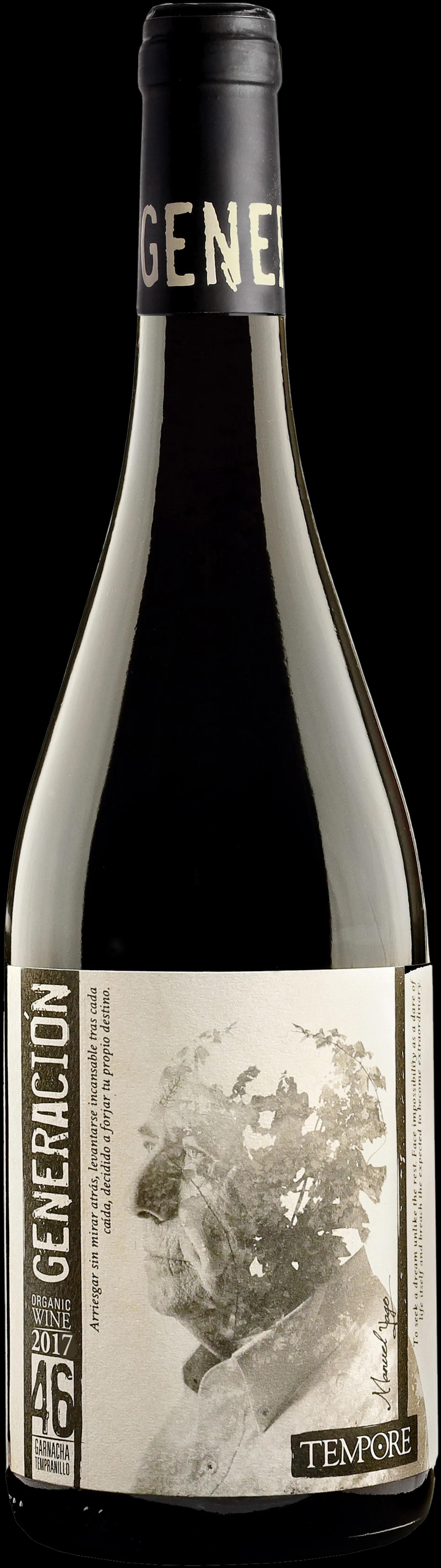
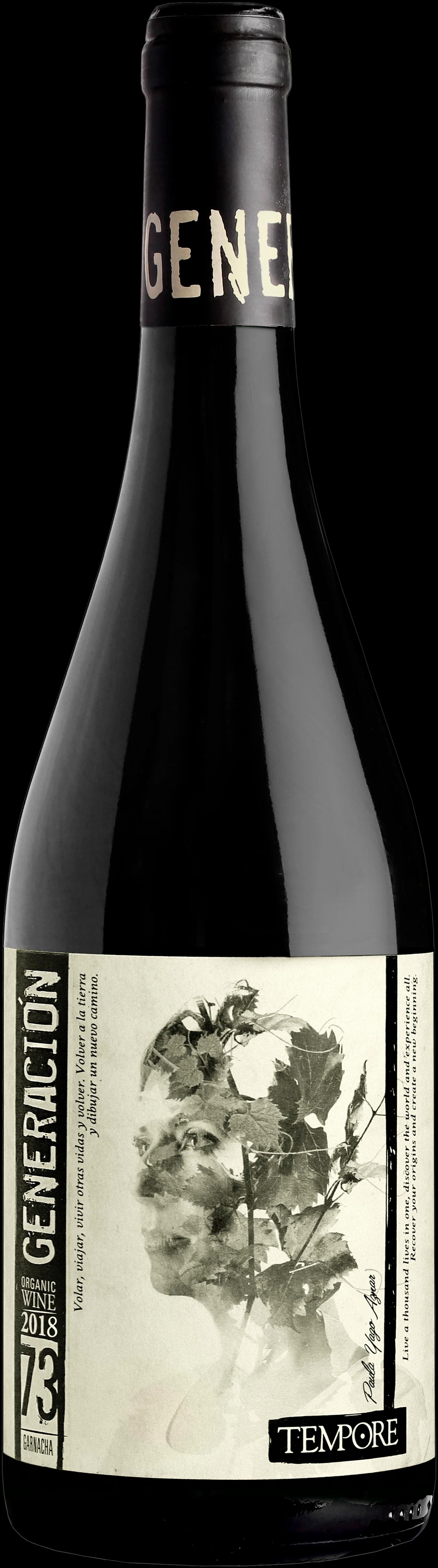
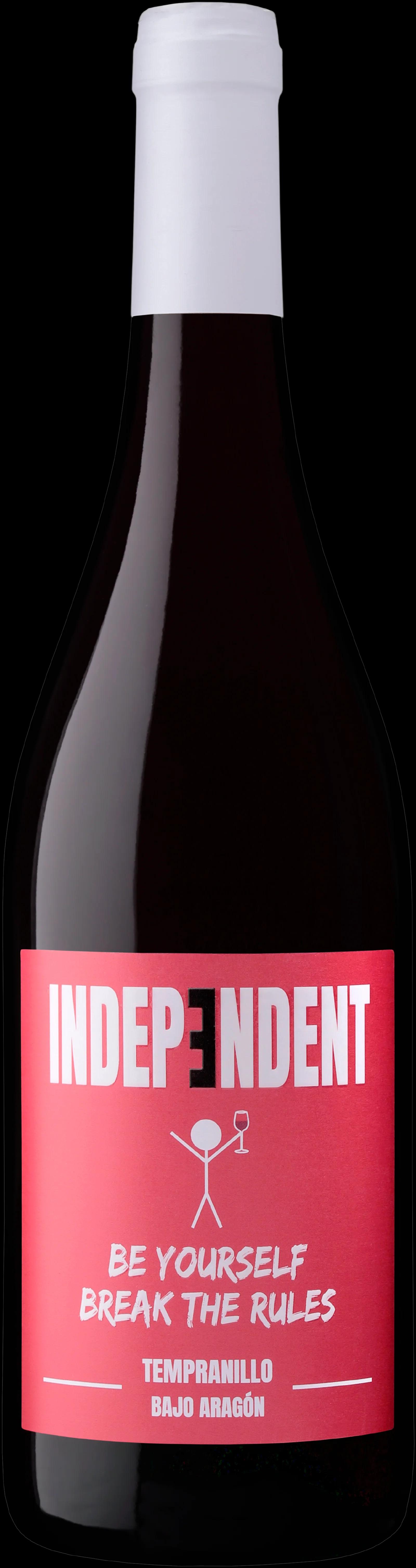
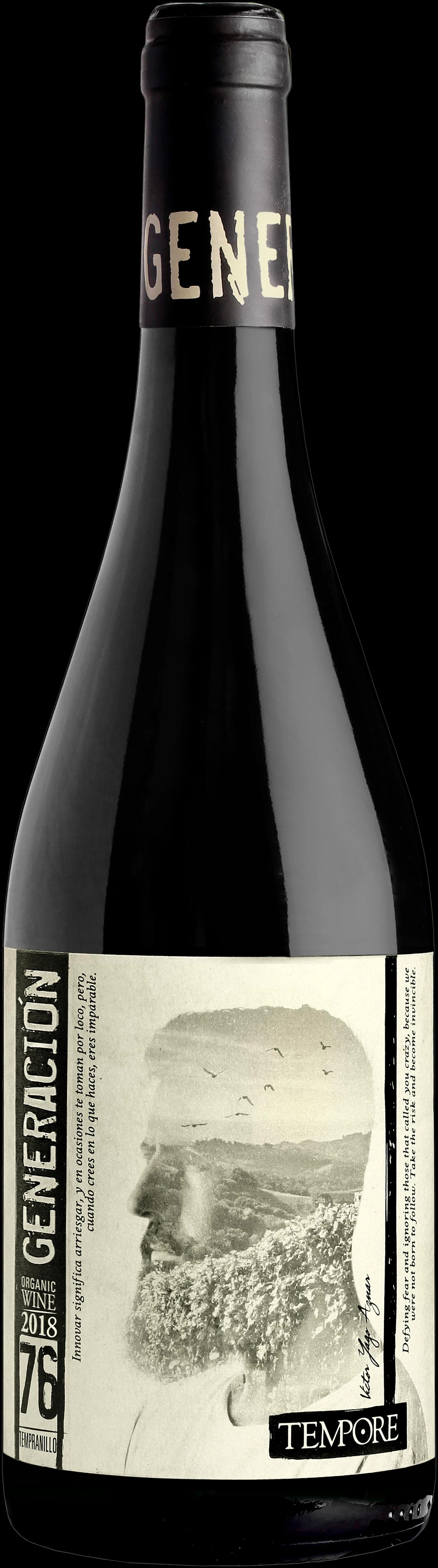
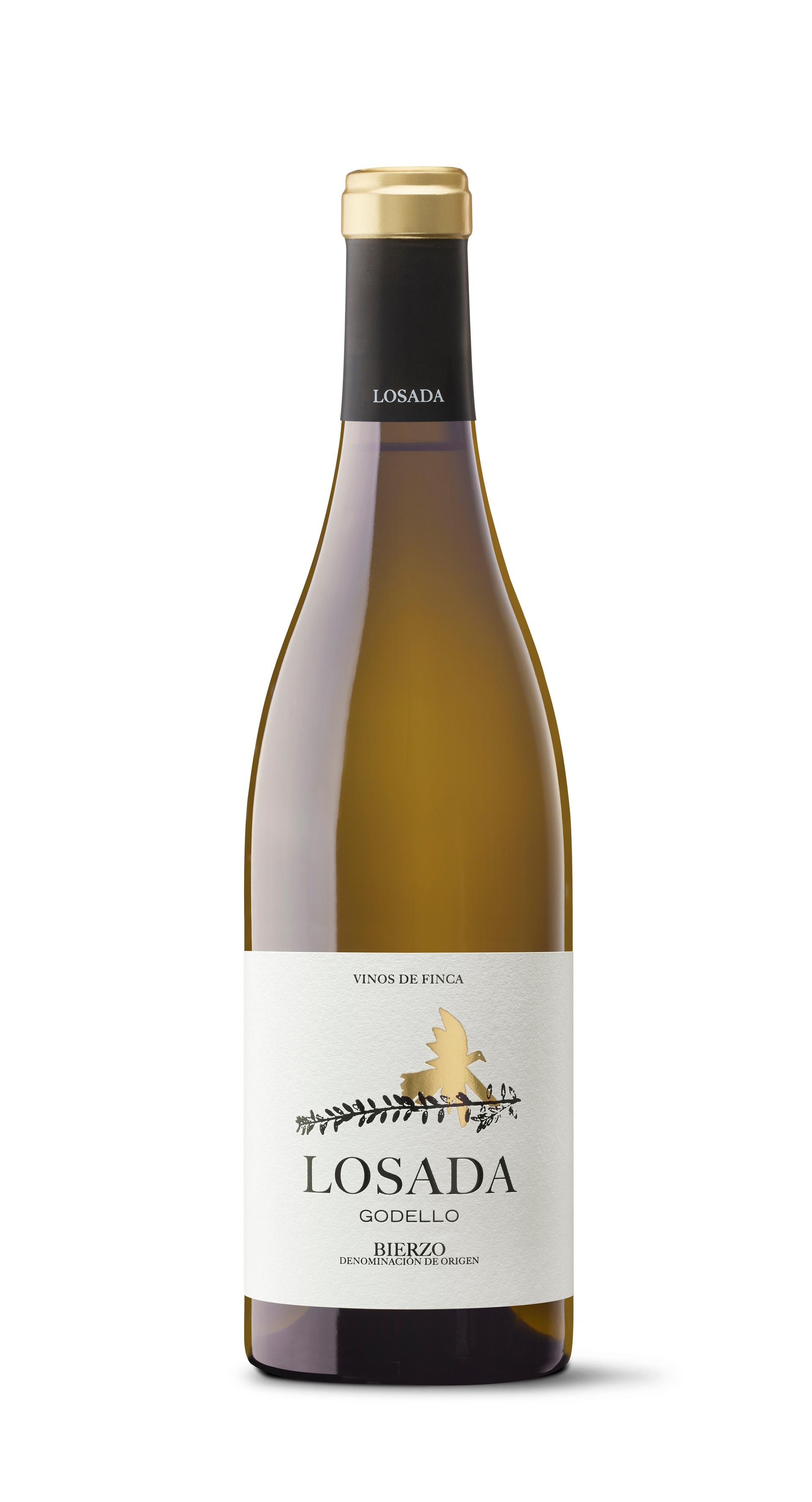
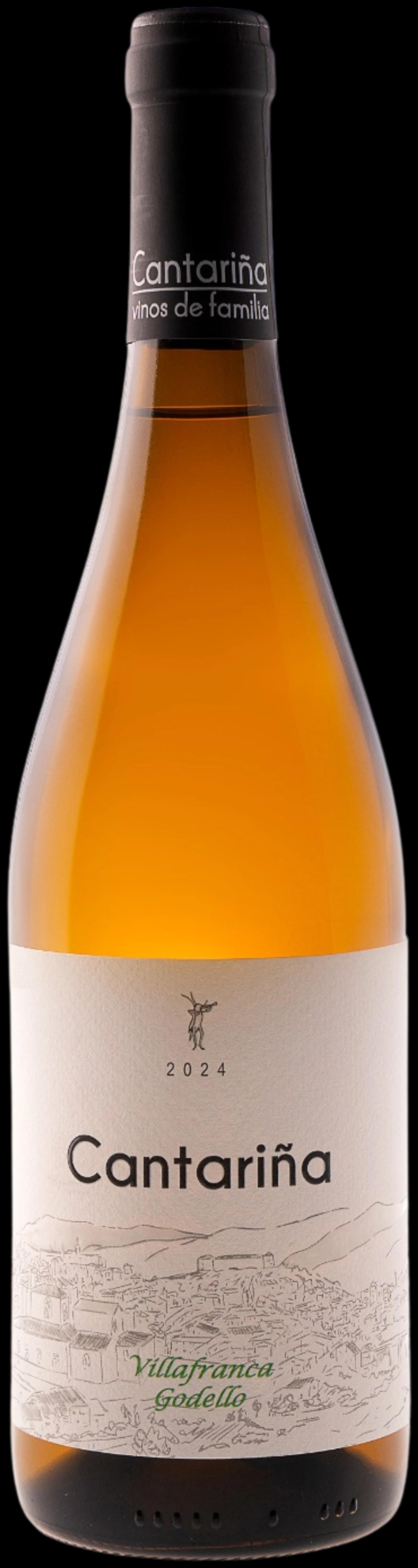
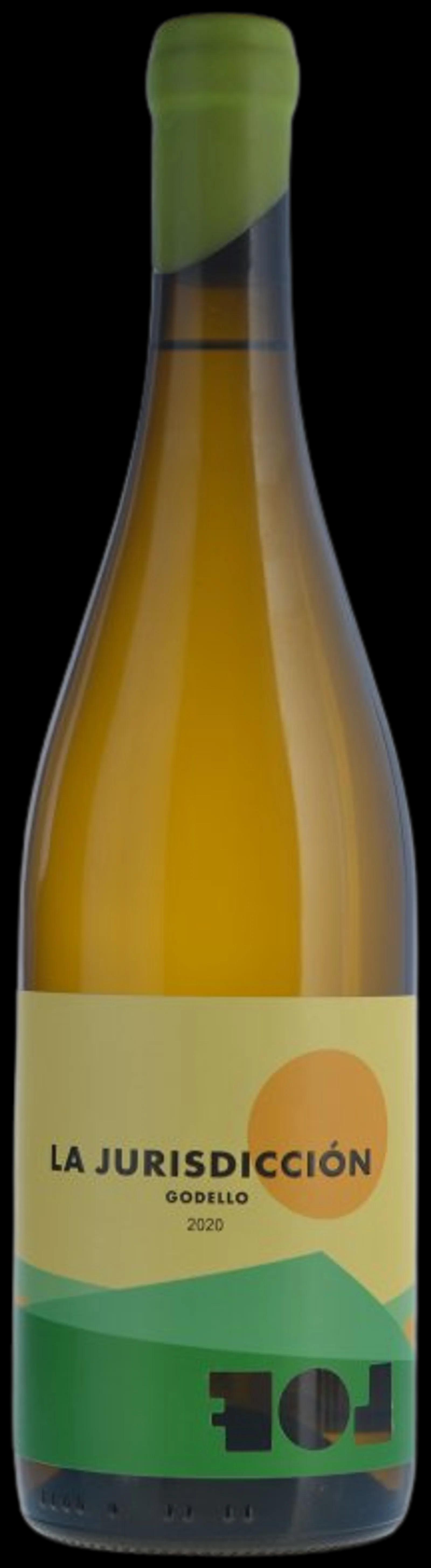
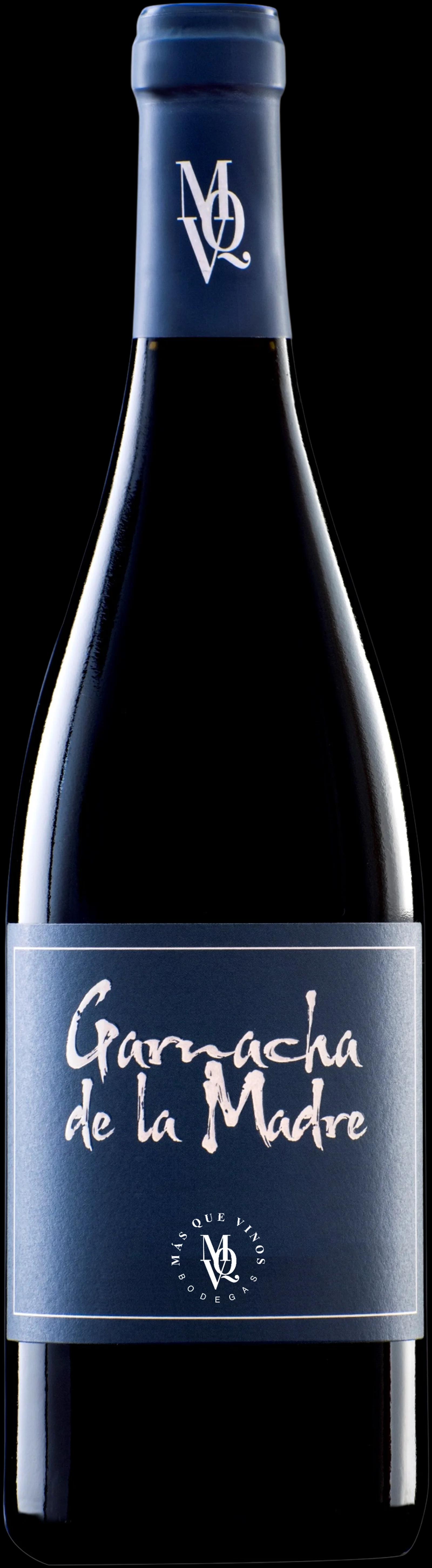
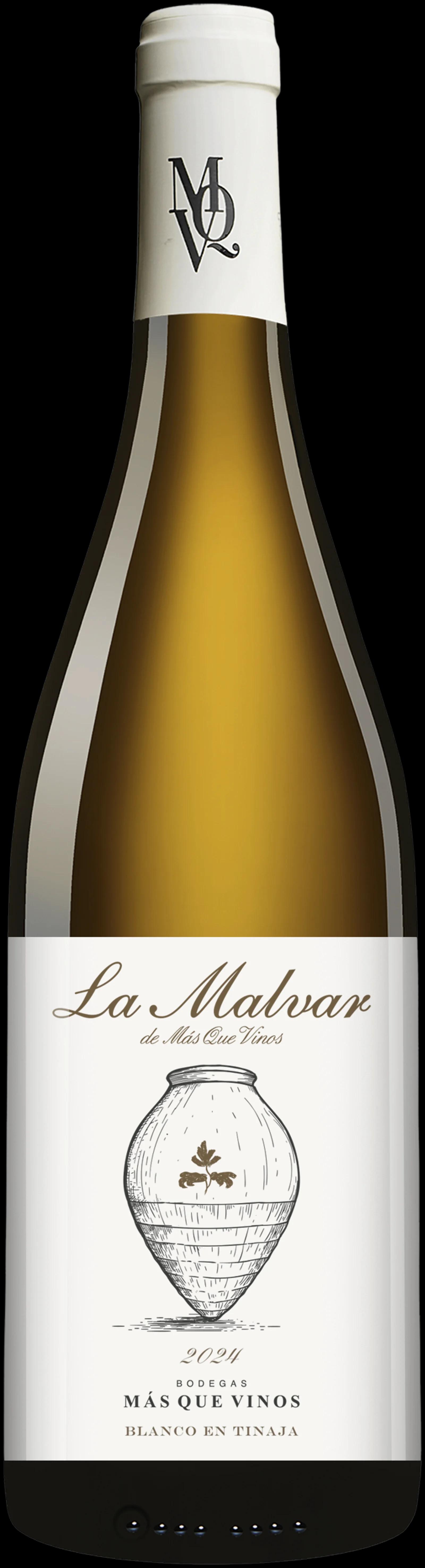
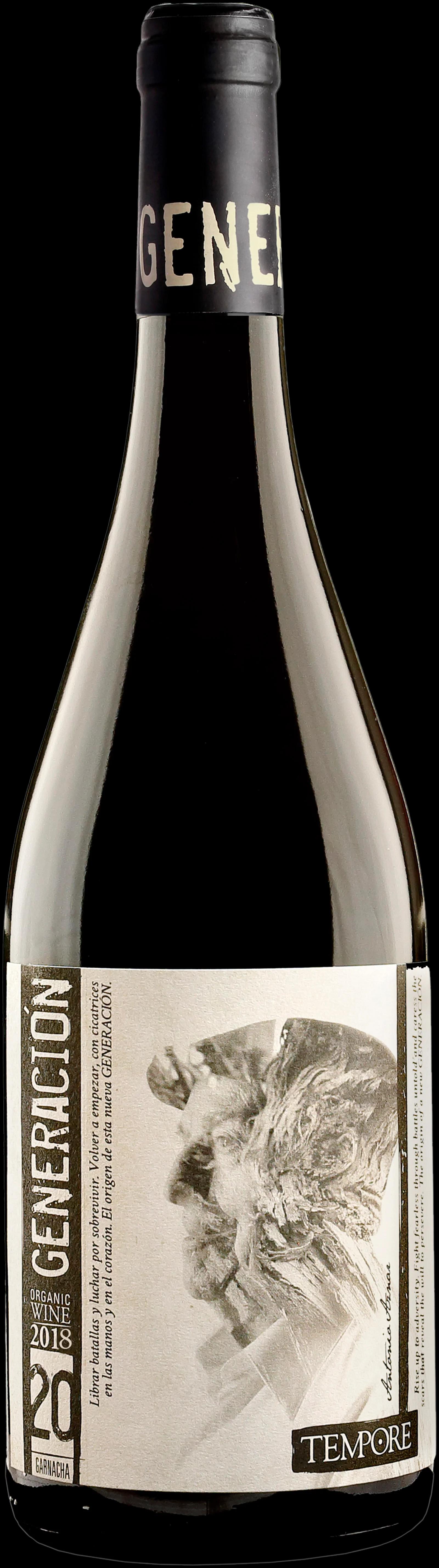
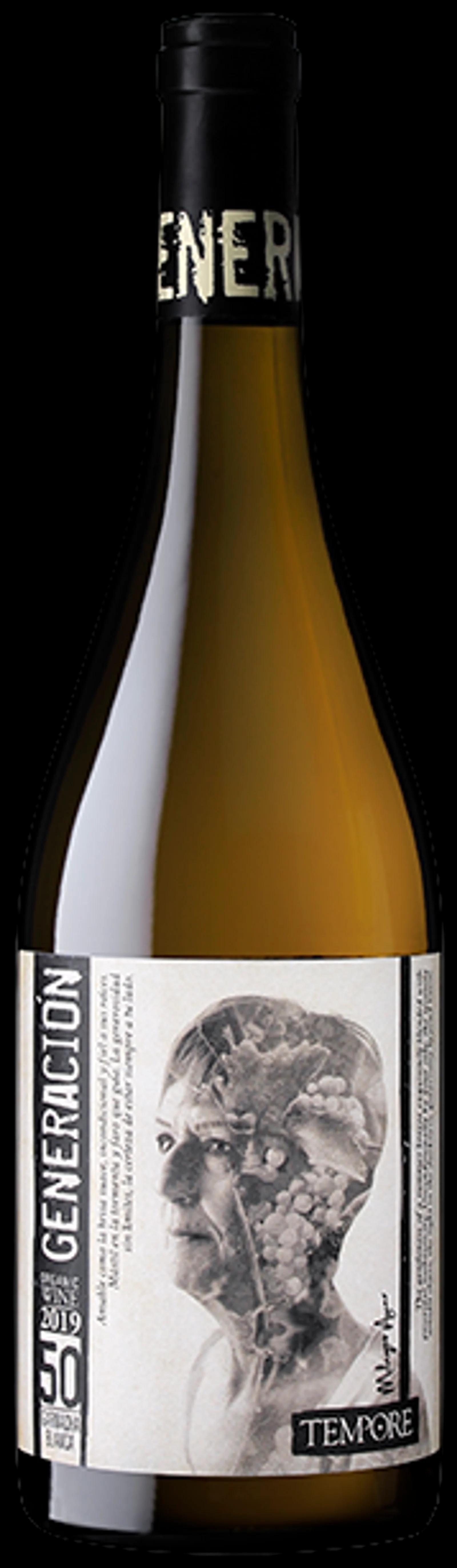
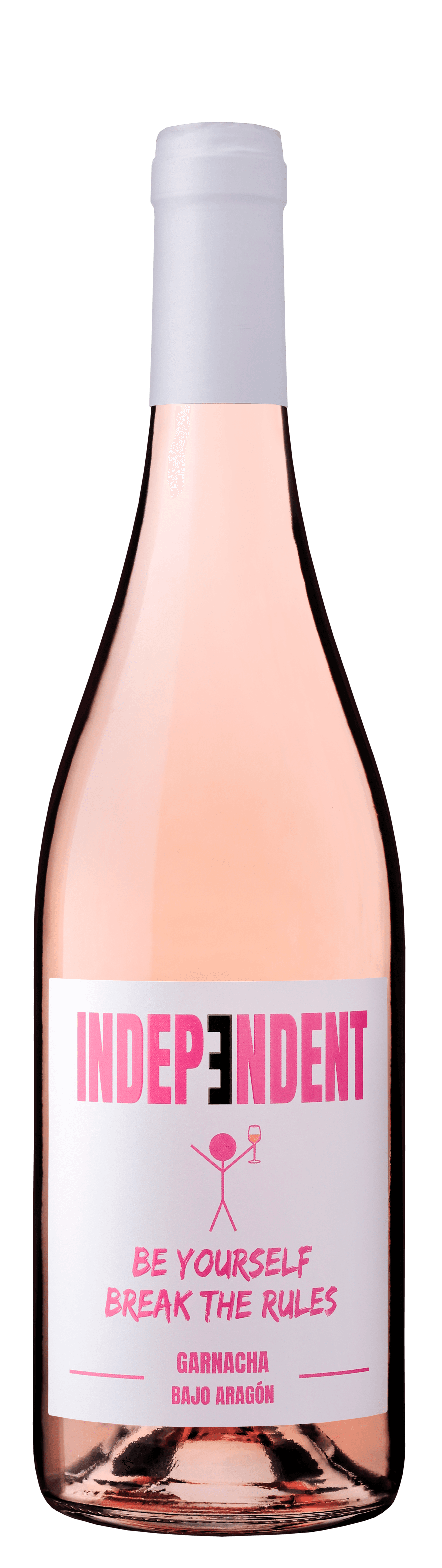
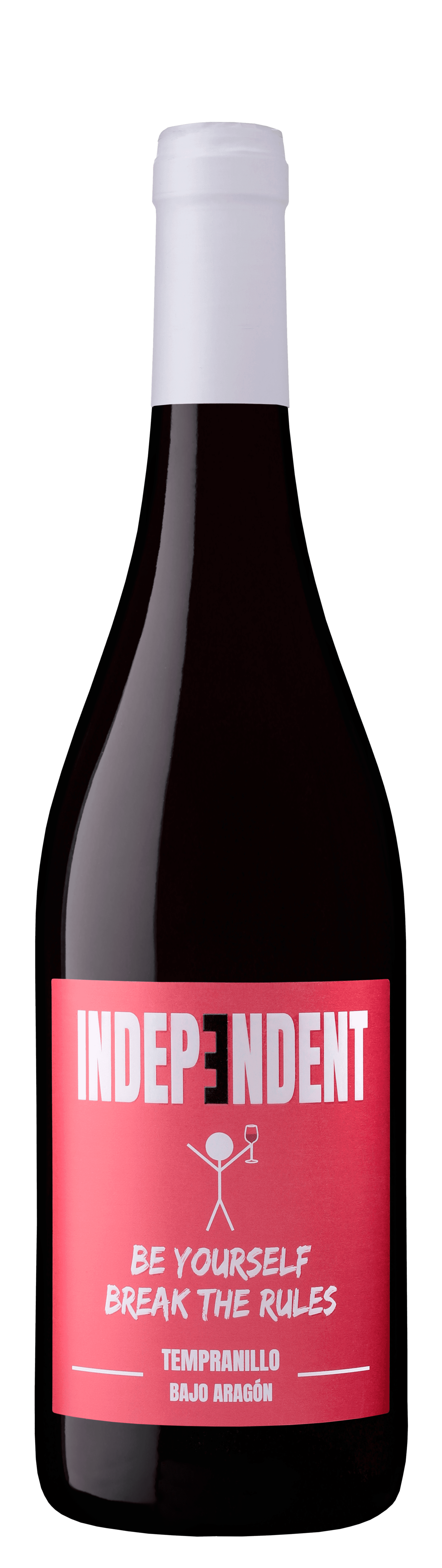
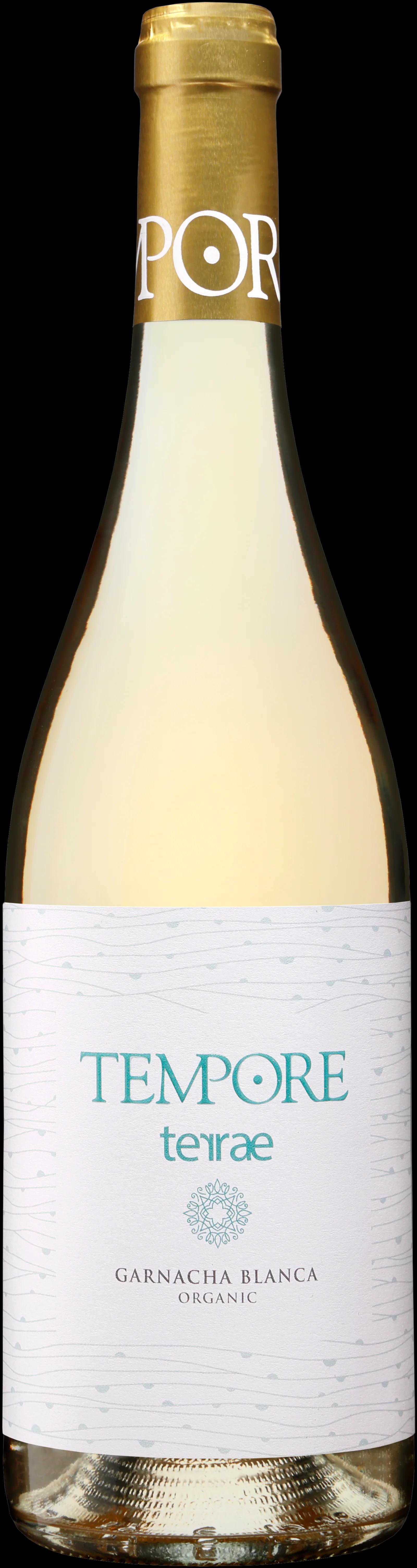
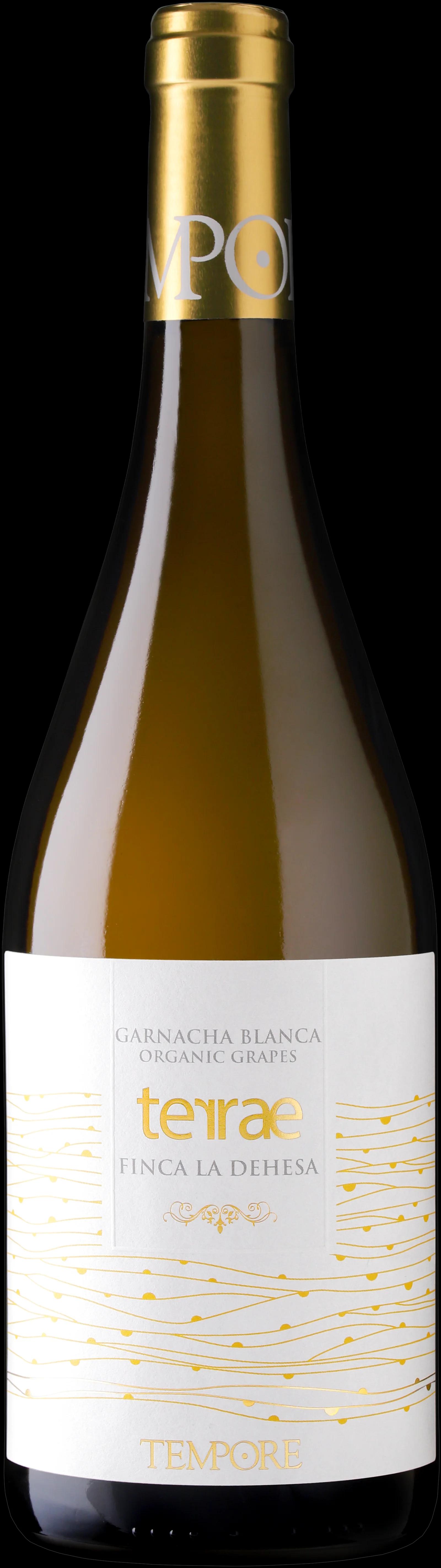
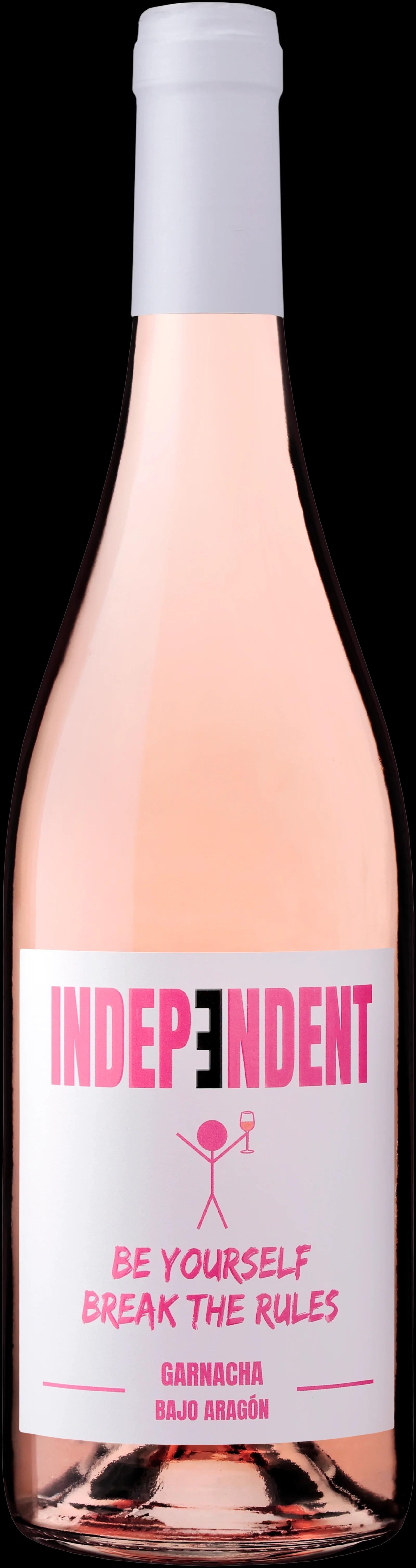
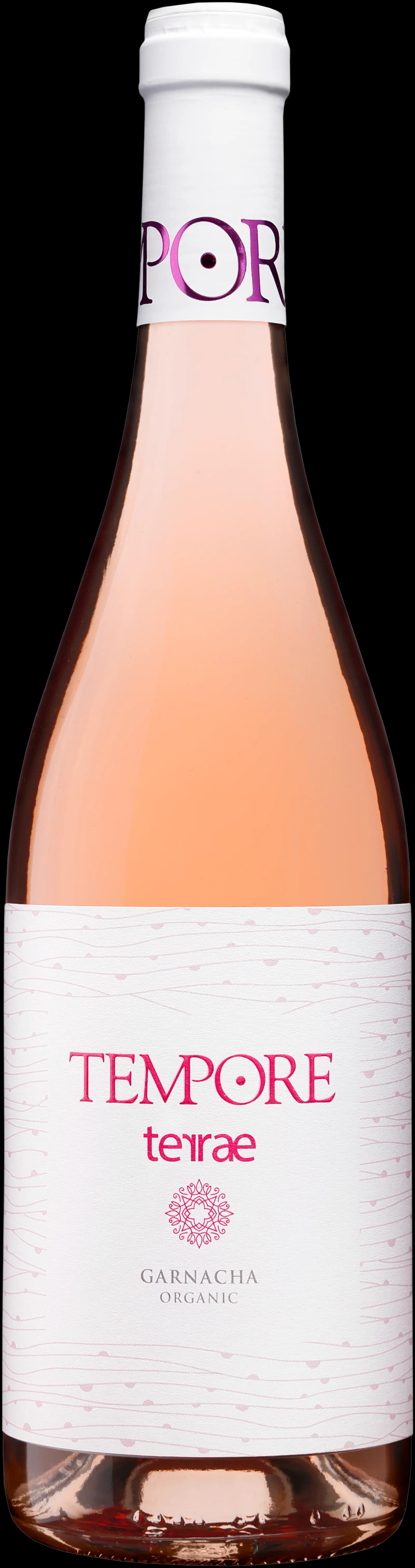
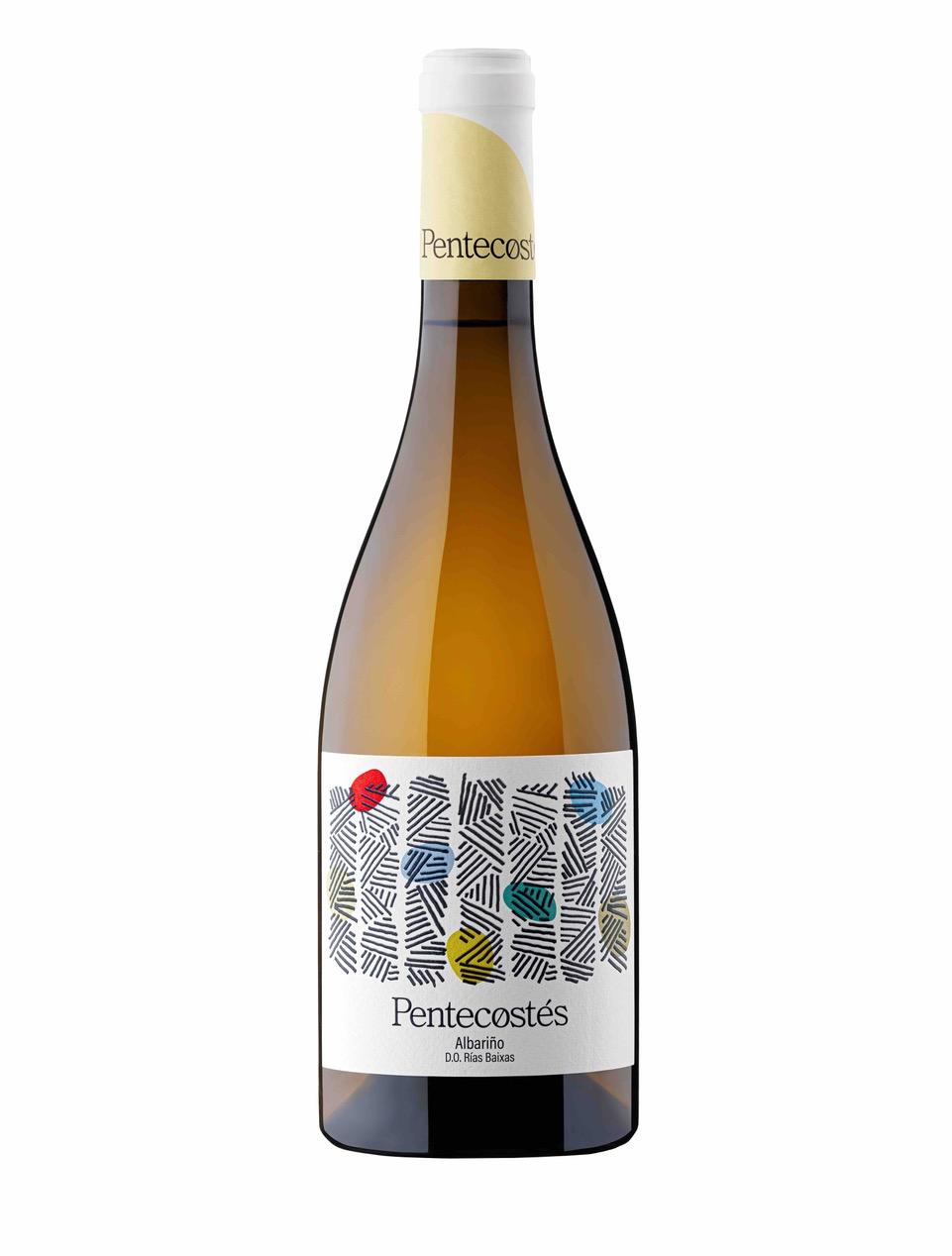
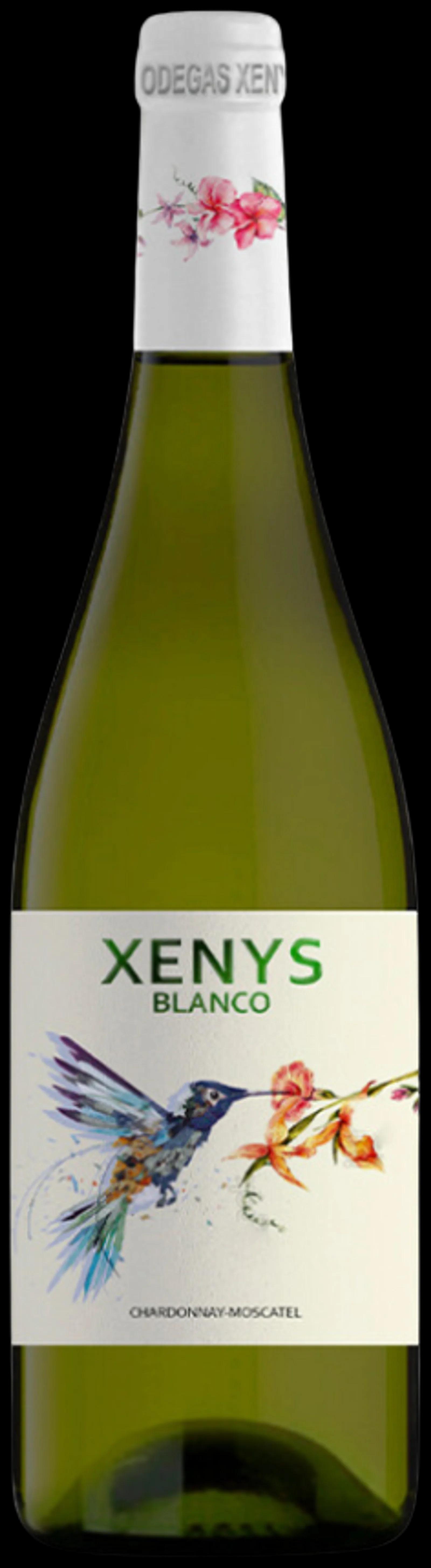
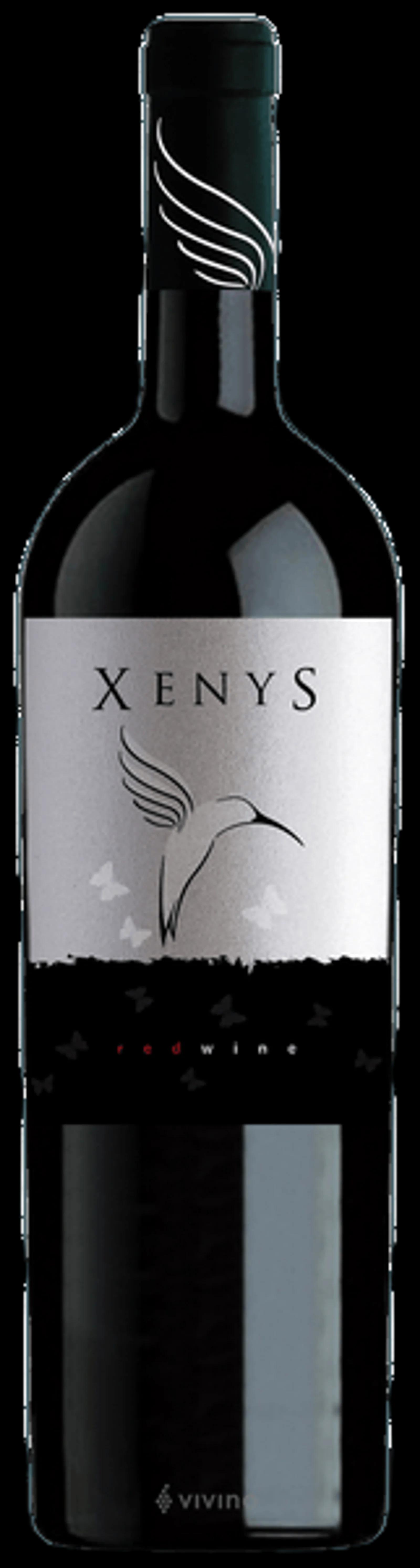
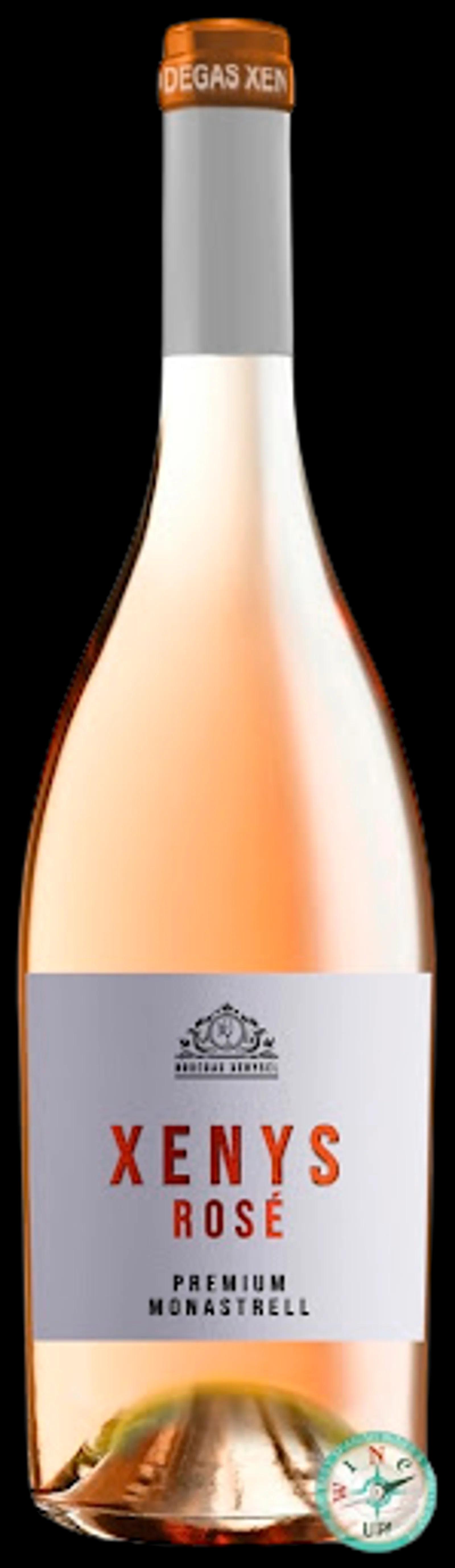
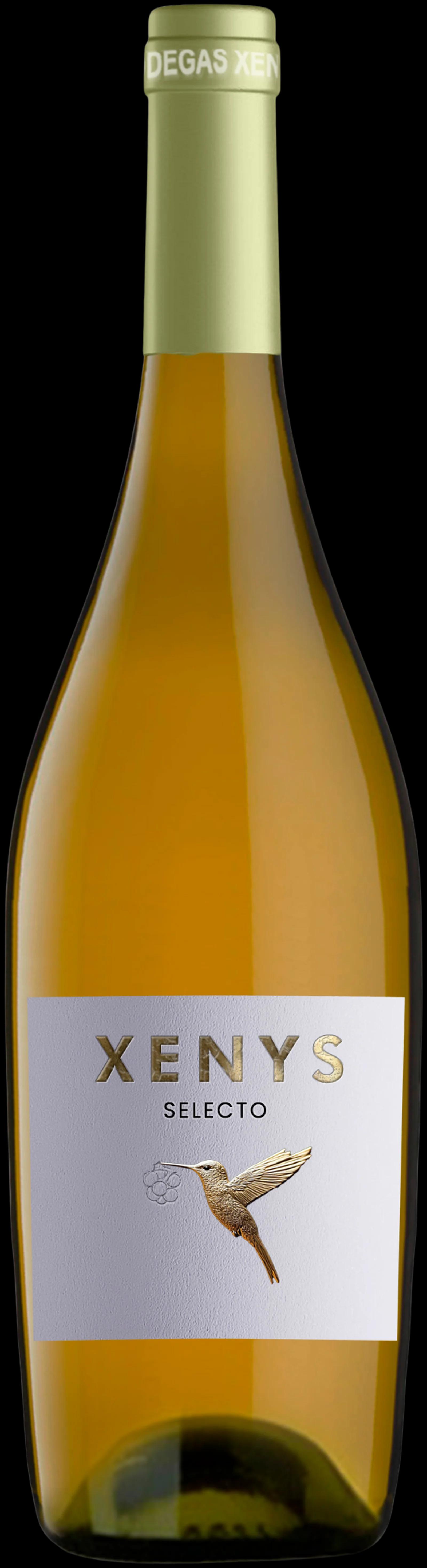
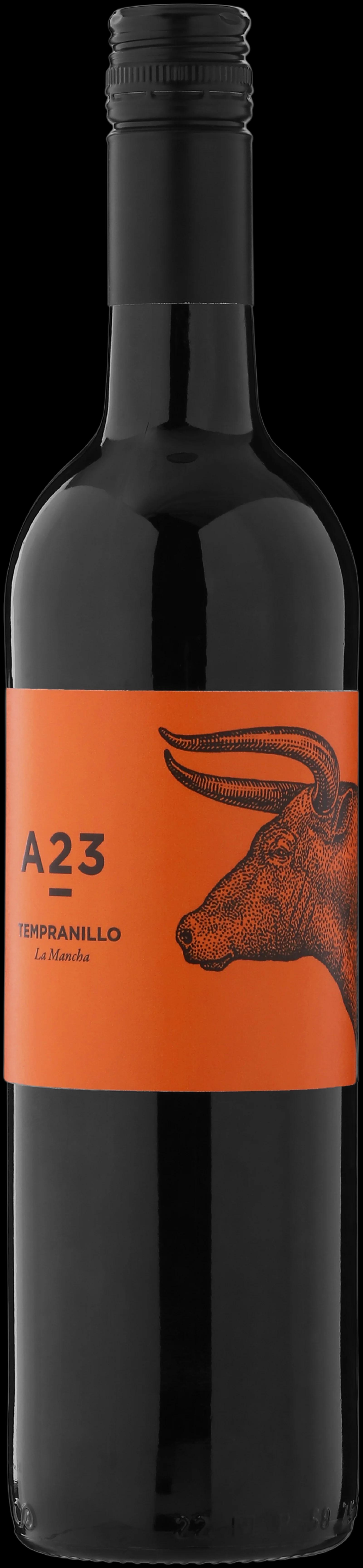
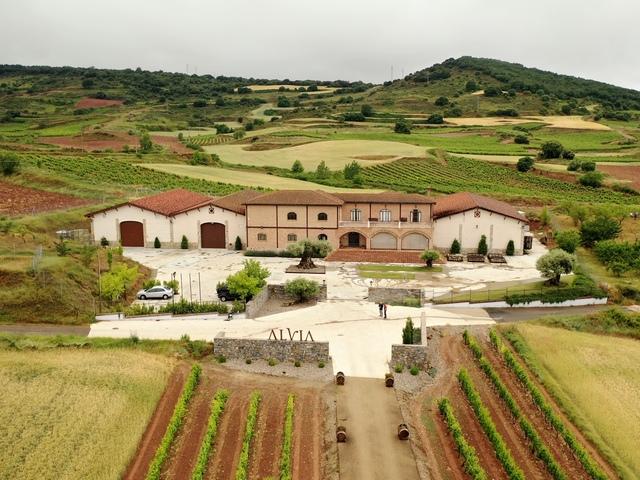
Spanish food culture and Spanish wine evolved side by side, which means the pairings are less a matter of rules and more a matter of history. Tempranillo from Rioja was built around lamb and roasted meats — the region's high-altitude vineyards produce wines with enough acidity to cut through fat without needing heavy tannin. Garnacha from Aragón and Catalonia runs warmer and riper, pairing naturally with cured meats, braised dishes, and aged cheeses. On the white side, Godello from Galicia and the northwest is structured enough to stand alongside oily fish, octopus, and shellfish — a role that Albariño shares in the same coastal zone. Monastrell, grown across Murcia and parts of the southeast, is dense and sun-driven, suited to dishes with smoky or earthy notes. A producer composing a 6-bottle mixbox from their estate is, in effect, giving you their own answer to this question: these are the wines I make, and this is how I think about them together.
How a winemaker composes a 6-bottle selection
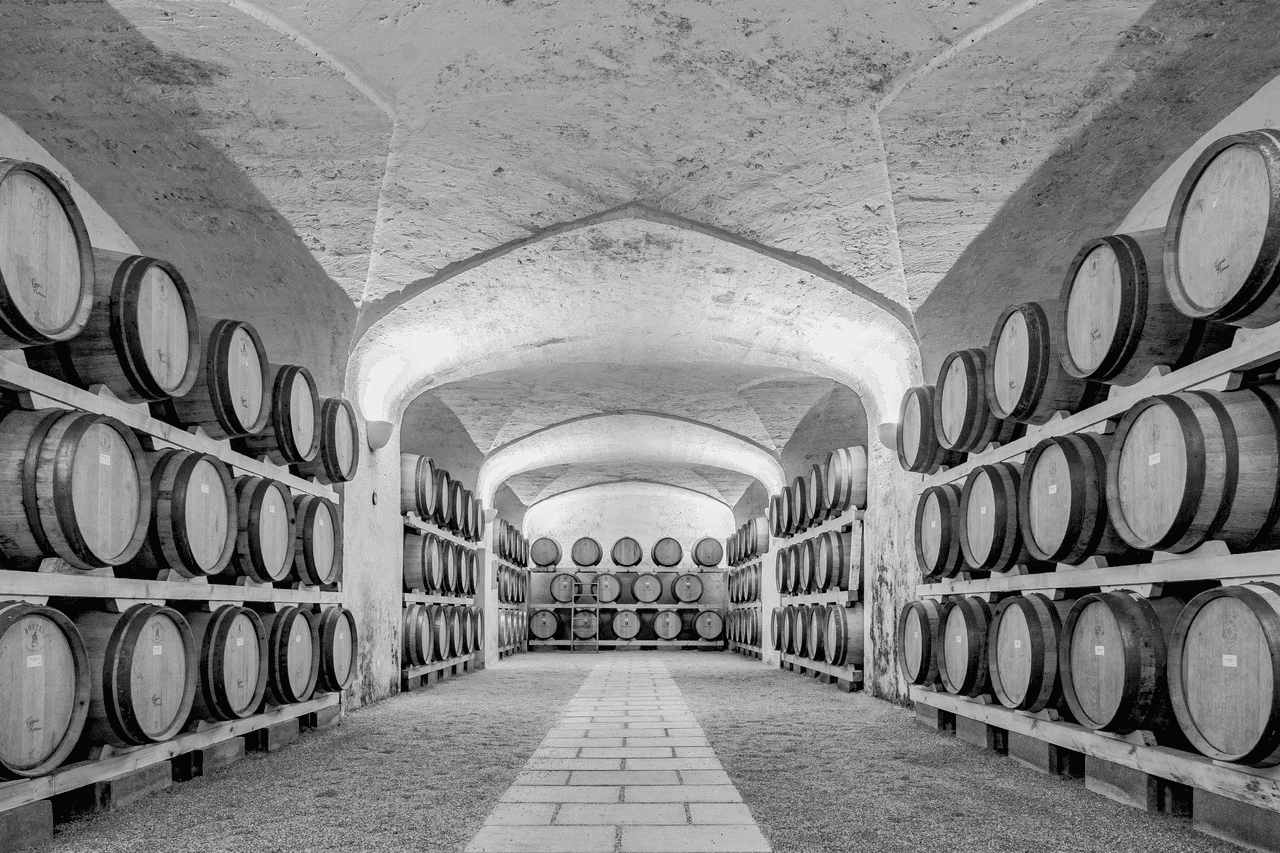
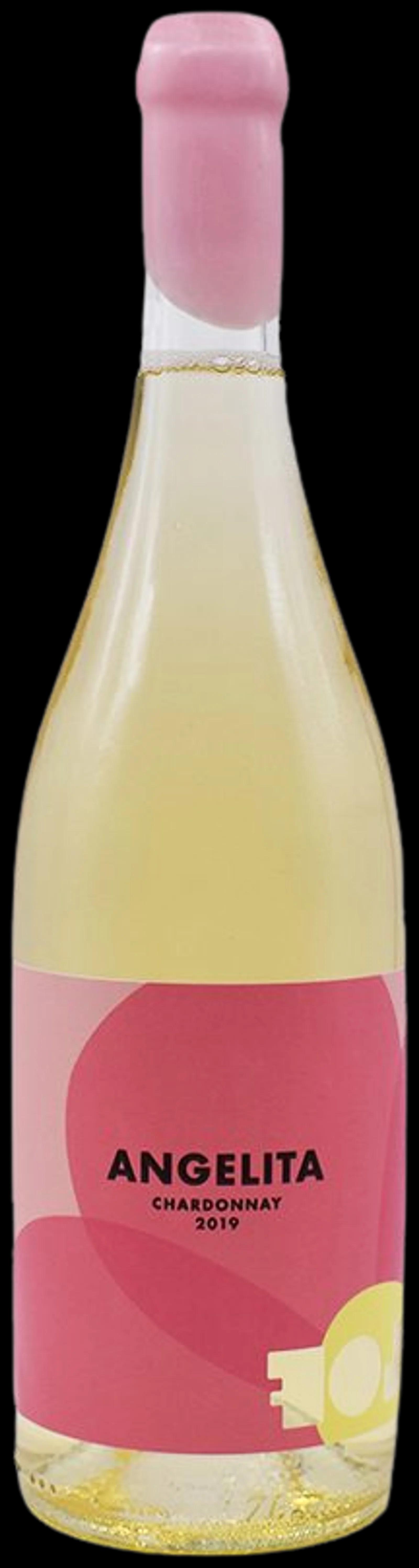
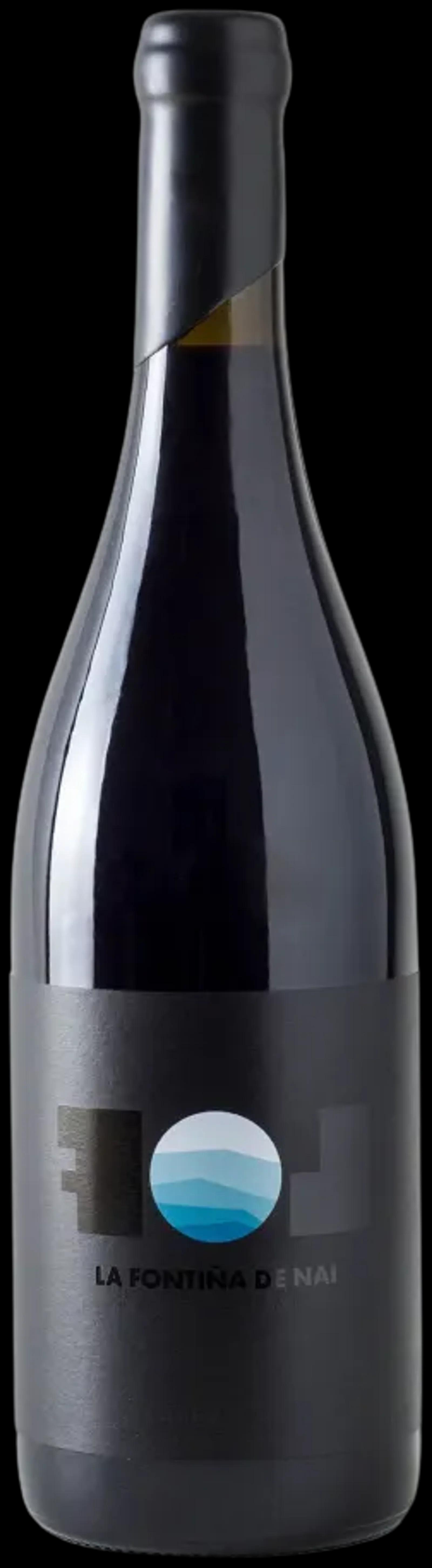
Every Spanish mixbox on Free Grape Society contains exactly 6 bottles, all from one producer, composed by that producer as their own recommendation. The producer decides which wines go in, in what order, and why. This is not a merchandising decision made by a buying team. It is the producer's own statement about their range. Some producers use the format to show breadth — a red, a white, a rosé, maybe a reserve. Others use it to show depth within a single grape or appellation. A Rioja producer might place a young Tempranillo alongside a Reserva from the same vineyard block, separated by several years in oak. The difference between the two bottles teaches you something a tasting note cannot. Spain's DO system divides aging requirements into Joven, Crianza, Reserva, and Gran Reserva — the minimum time in barrel and bottle is legally defined per denomination, which means a producer composing across these categories is giving you a structured education in how time and wood change the same base material. No other format does that in six bottles.
Reading a Spanish wine label
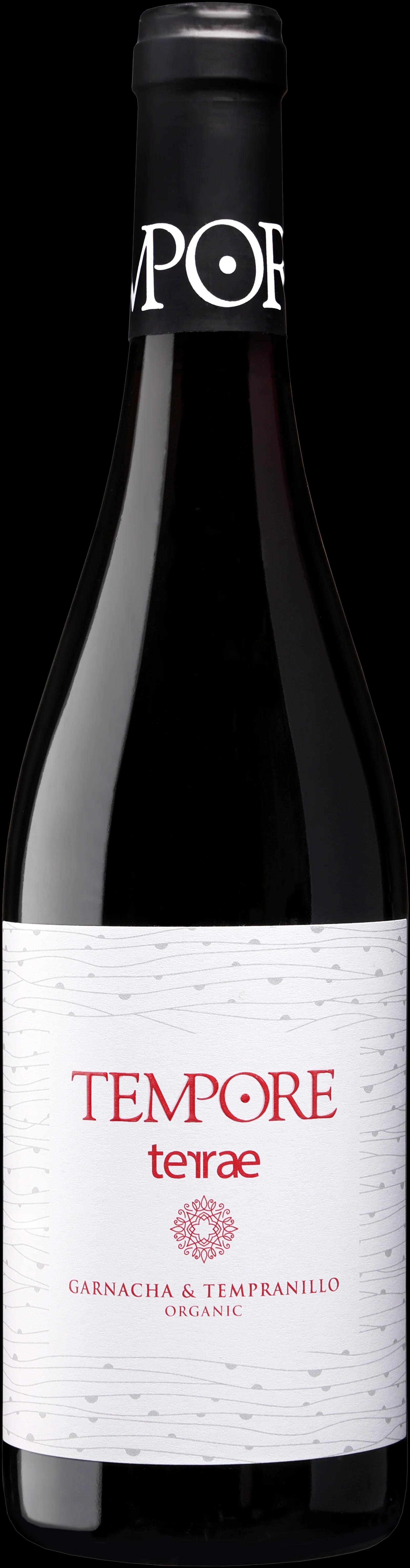
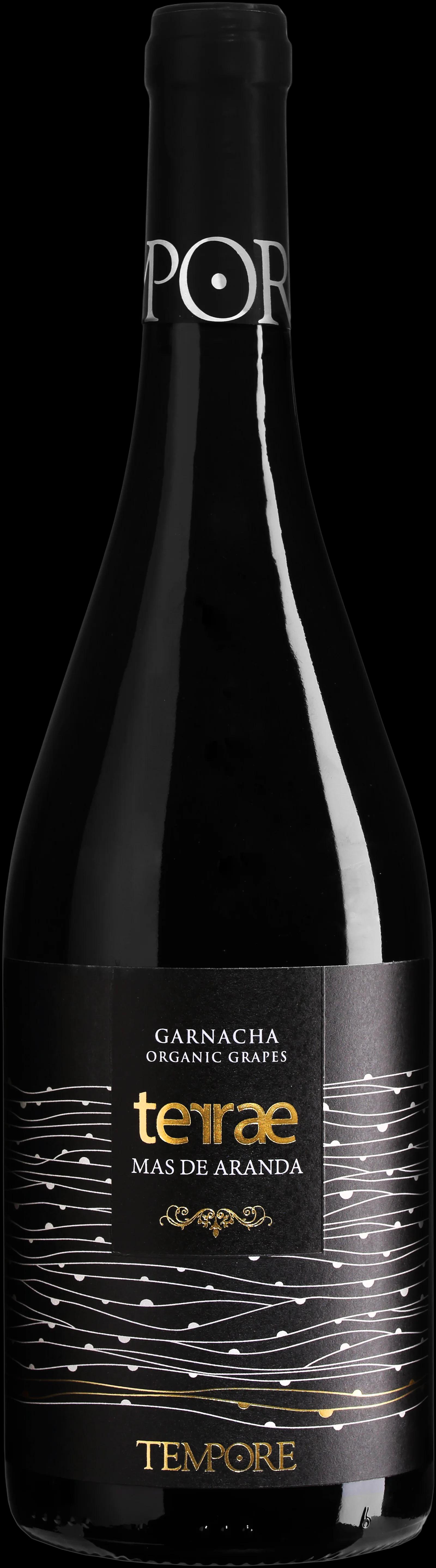
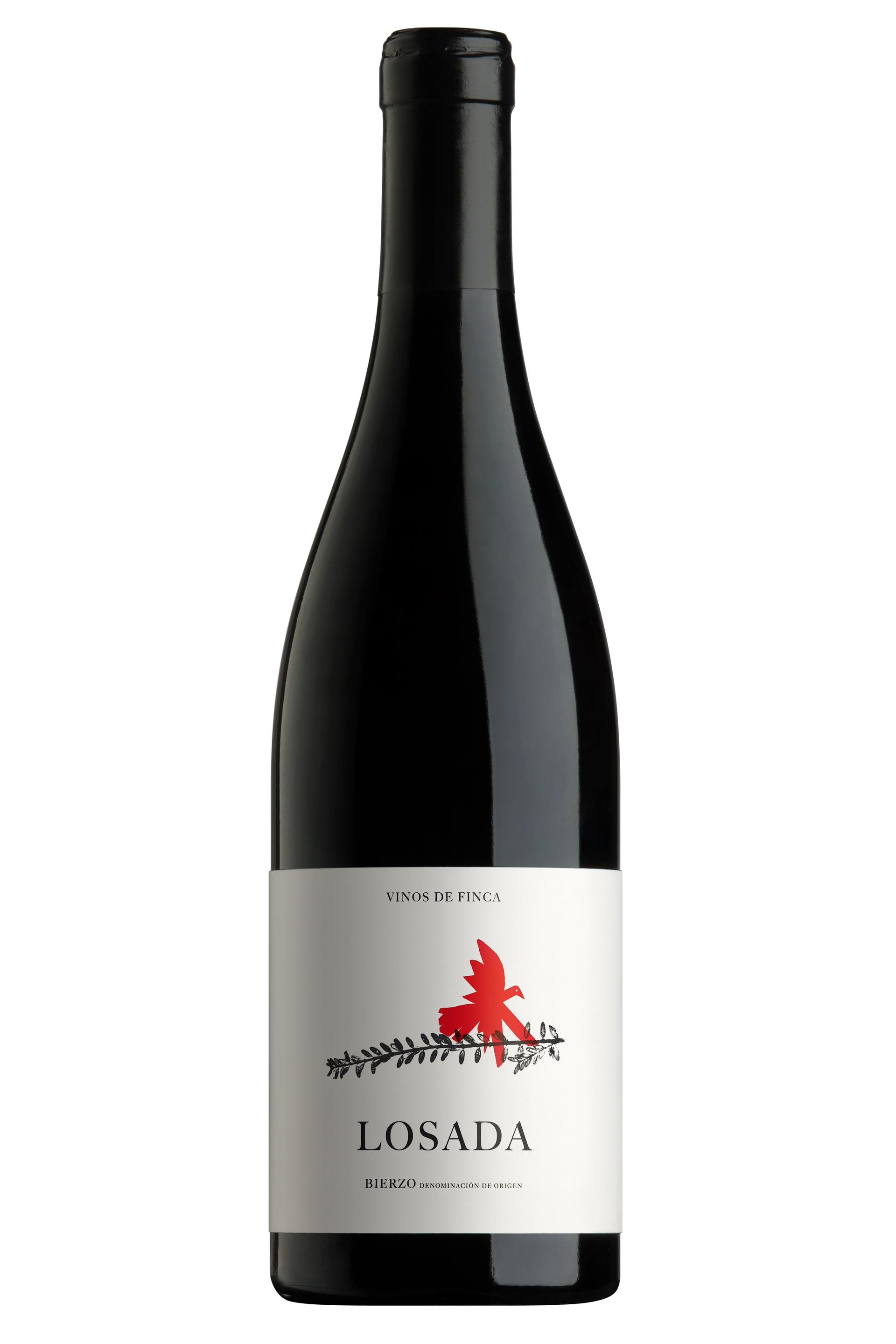
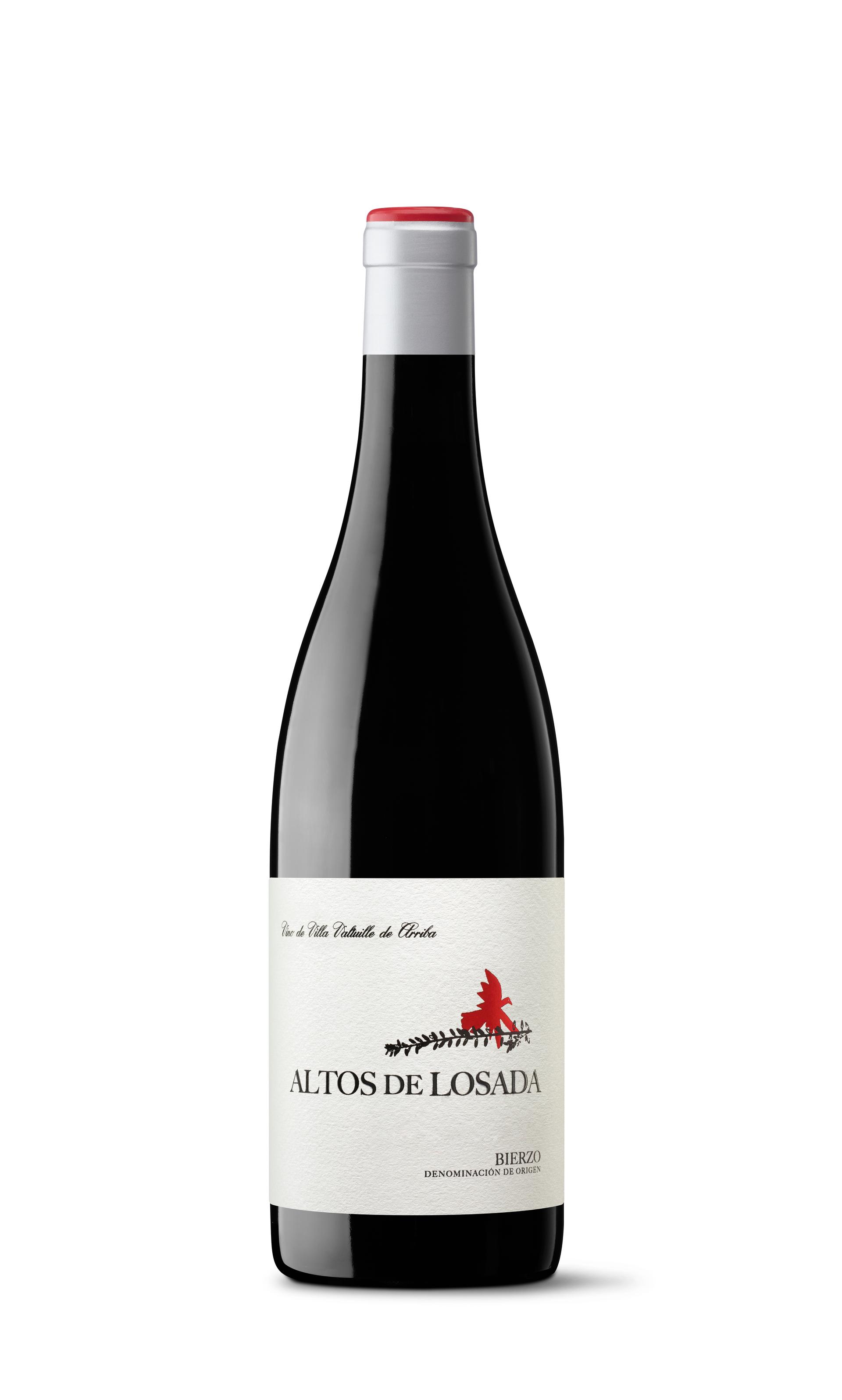
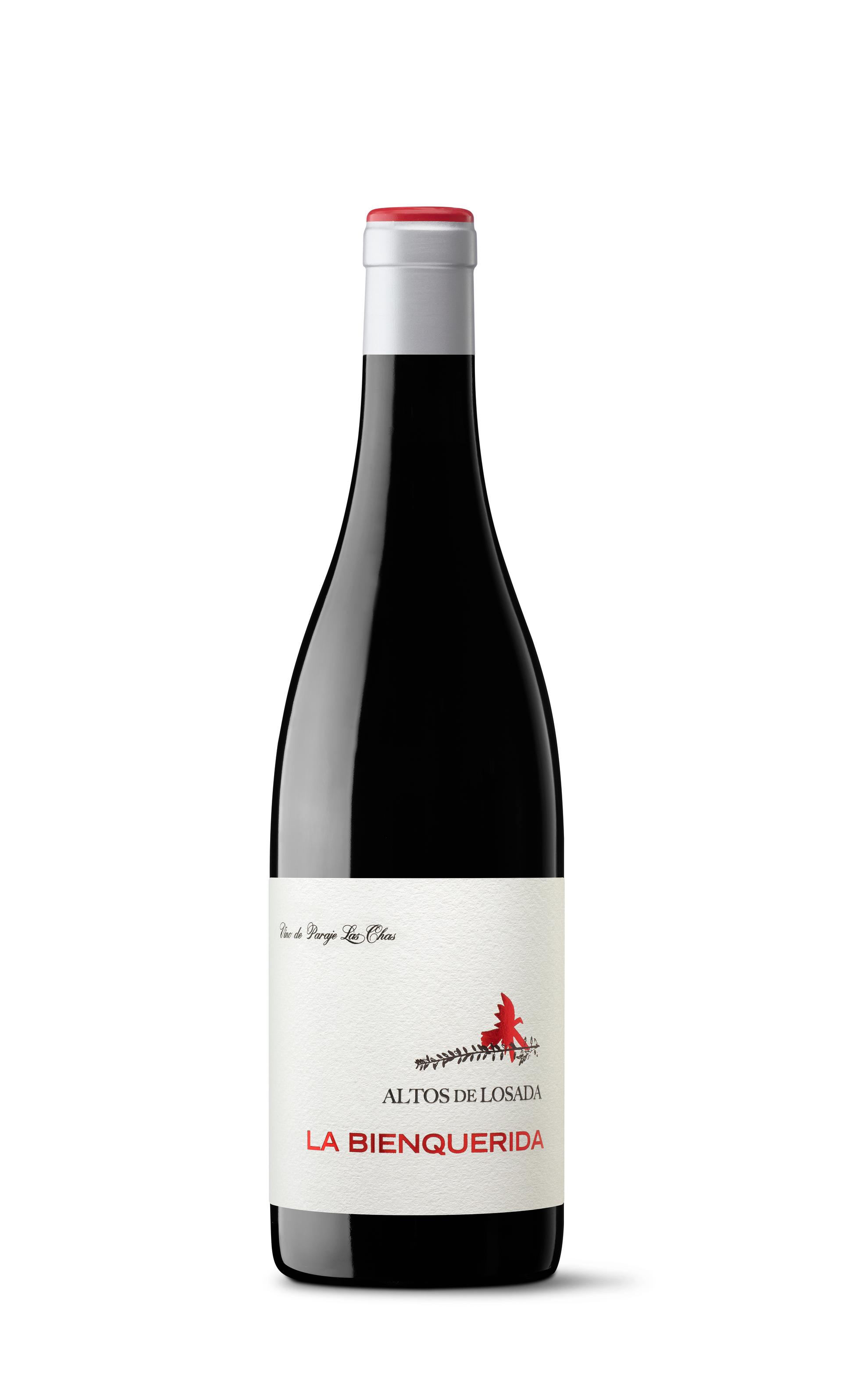
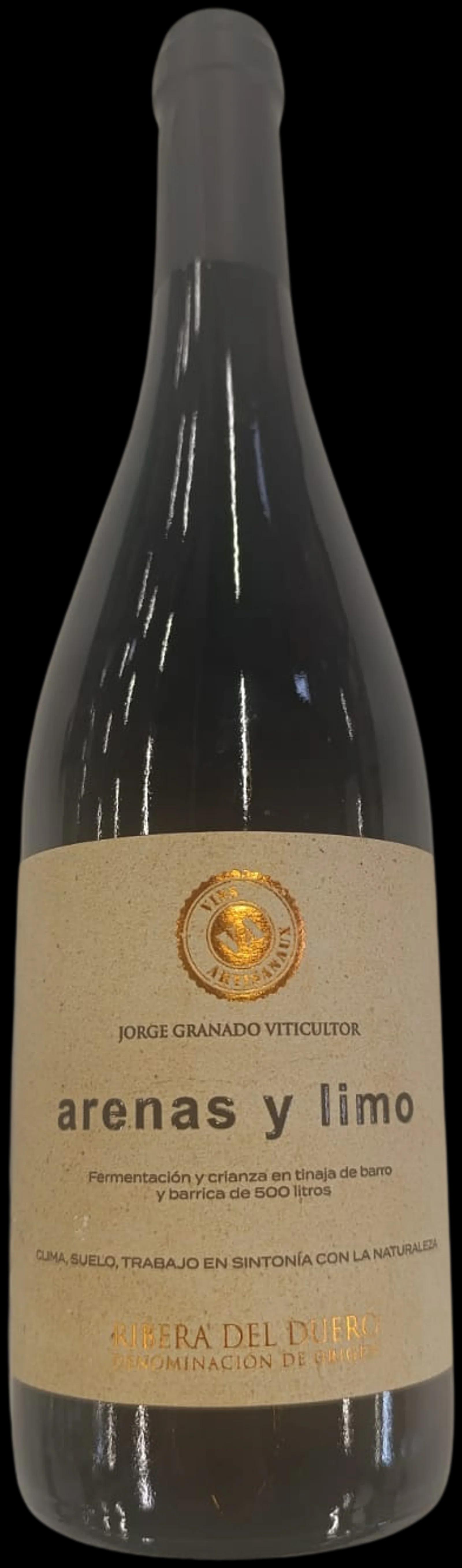
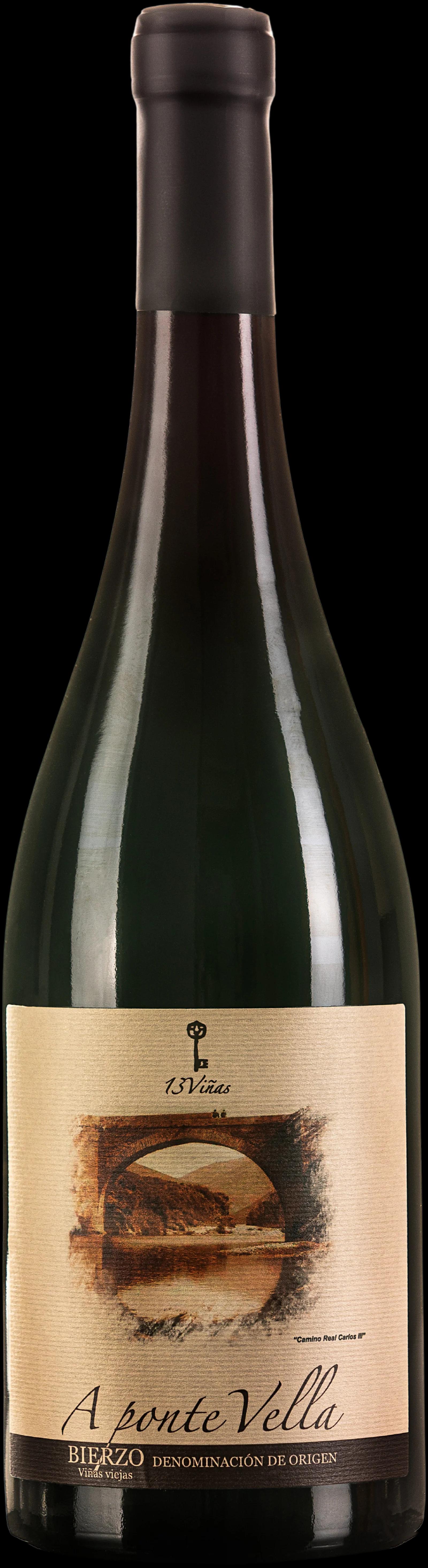
Spanish labels carry more legal information than most, once you know what to look for. The Denominación de Origen (DO) or Denominación de Origen Calificada (DOCa) tells you the appellation — Rioja and Priorat are the only two regions currently holding DOCa status, a classification requiring stricter production controls than the standard DO. The aging tier (Crianza, Reserva, Gran Reserva) is listed on a back label or a collarette, and the requirements differ by region: in Rioja, a Reserva must spend at least 12 months in oak and 12 months in bottle before release; in Castile and León, the rules differ. Vino de Pago is a single-estate classification sitting above DOCa, applicable to individual estates with demonstrated terroir distinctiveness — there are fewer than 20 recognized Vinos de Pago in all of Spain. Producers on Free Grape Society set their own prices. No importer, no wholesaler. The price you see is the price the producer agreed to — which, on aged Spanish wines with legally mandated release timelines, is worth understanding before you compare to a shelf price in a retail chain.