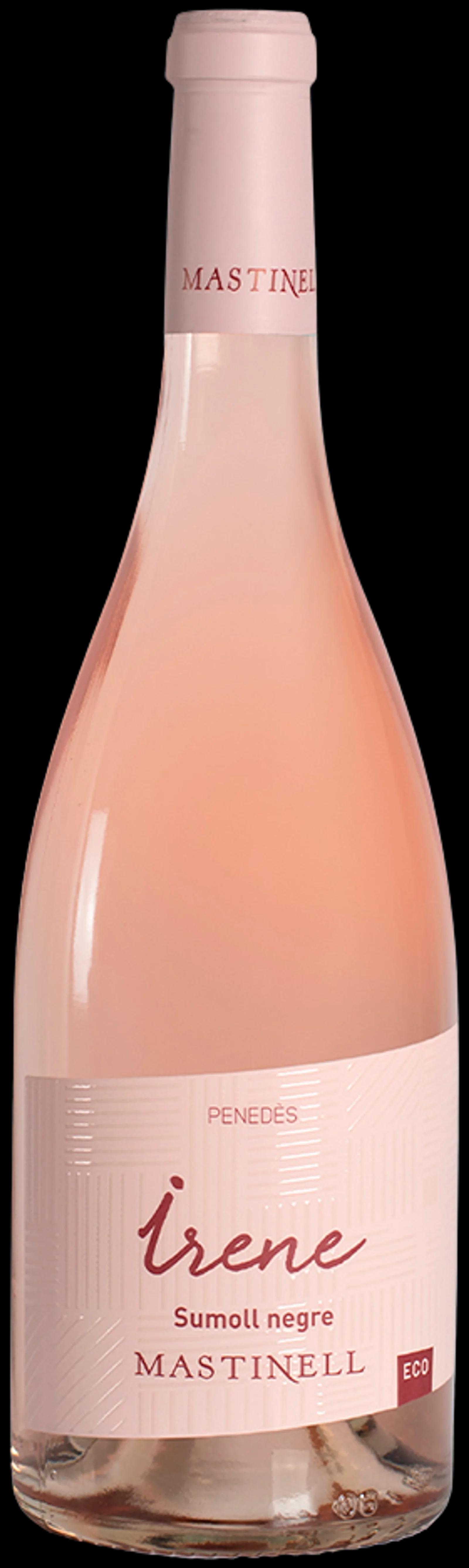
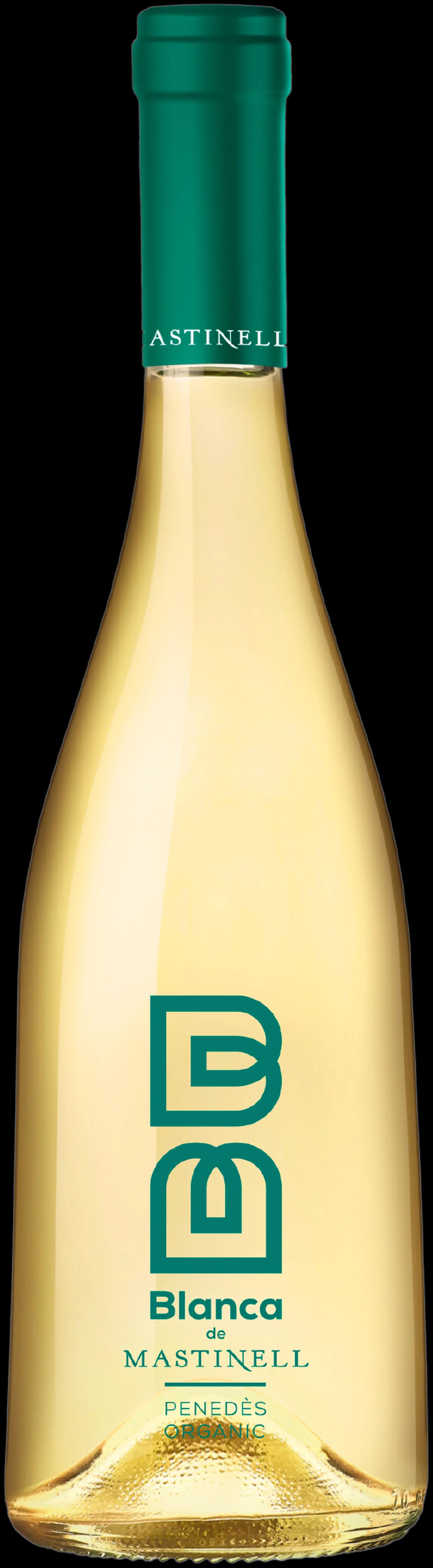
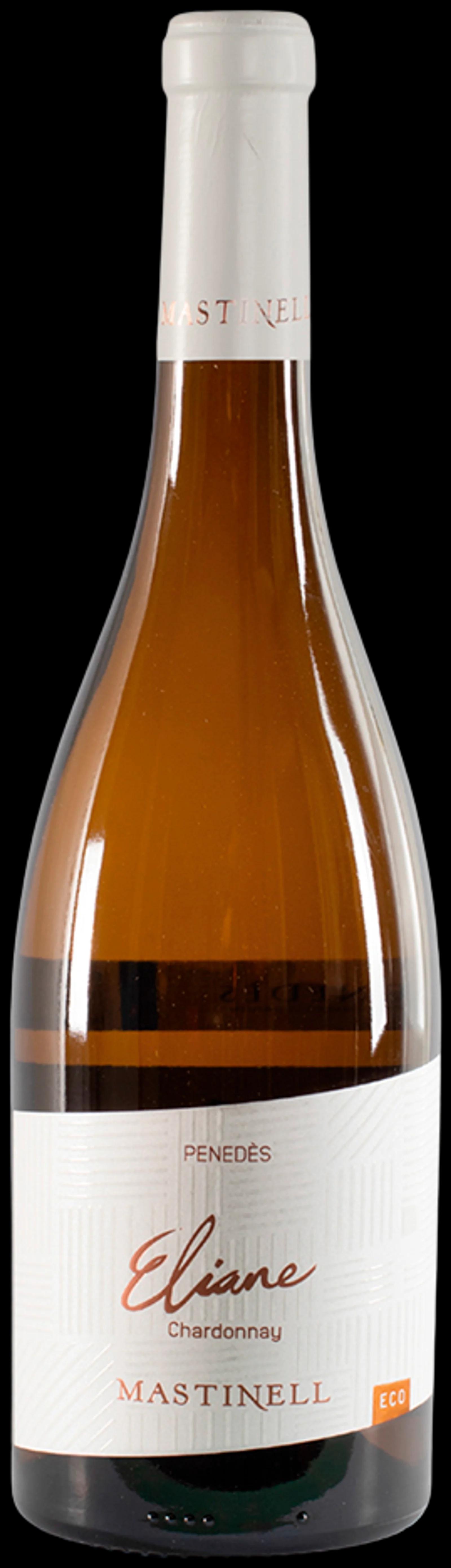
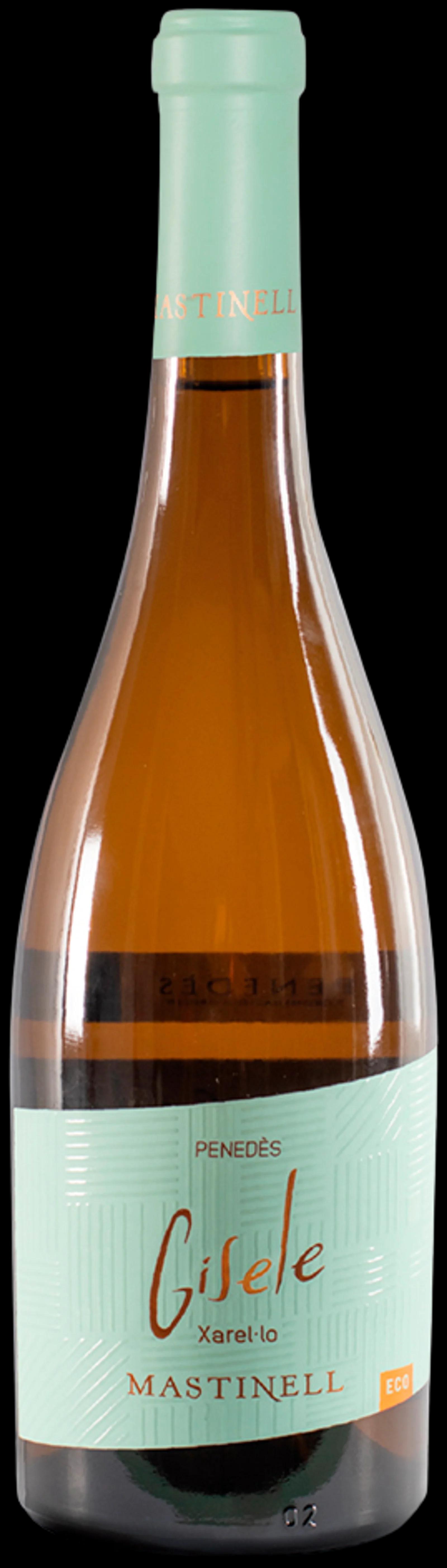
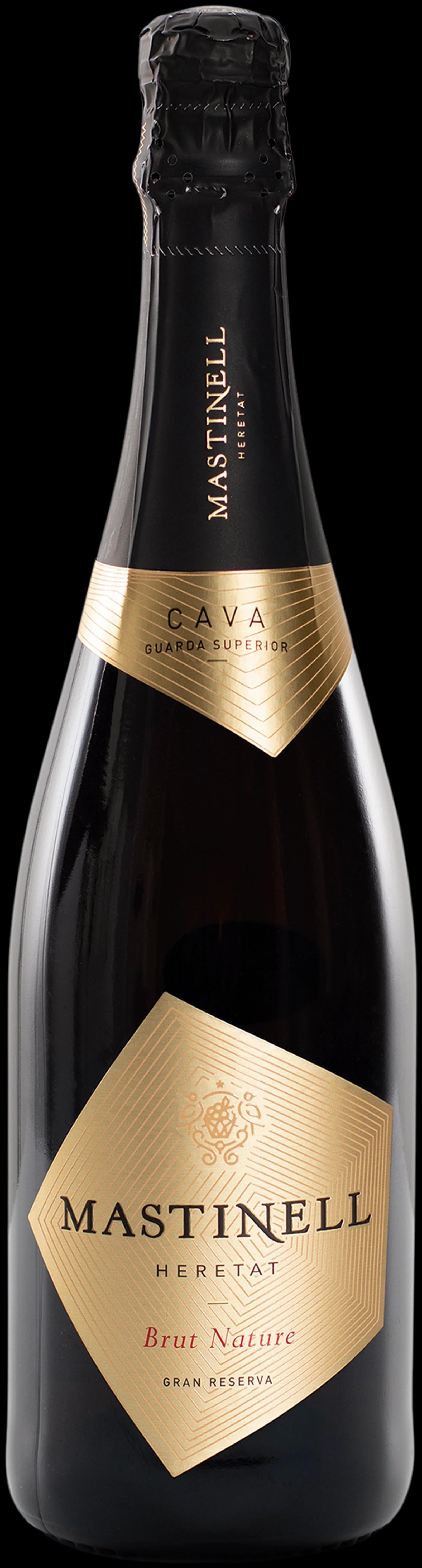
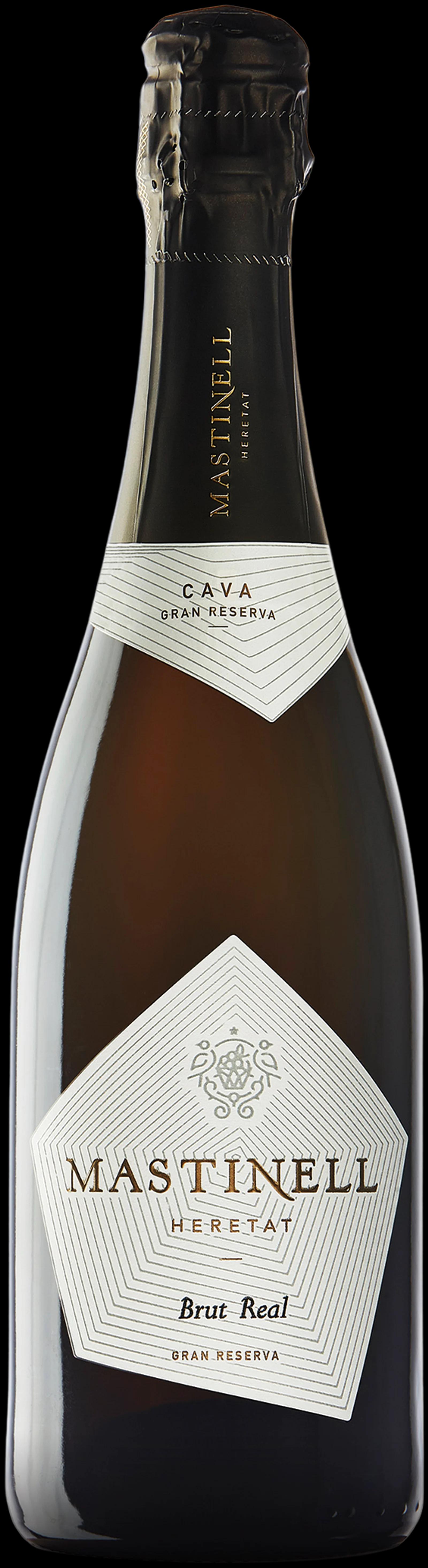
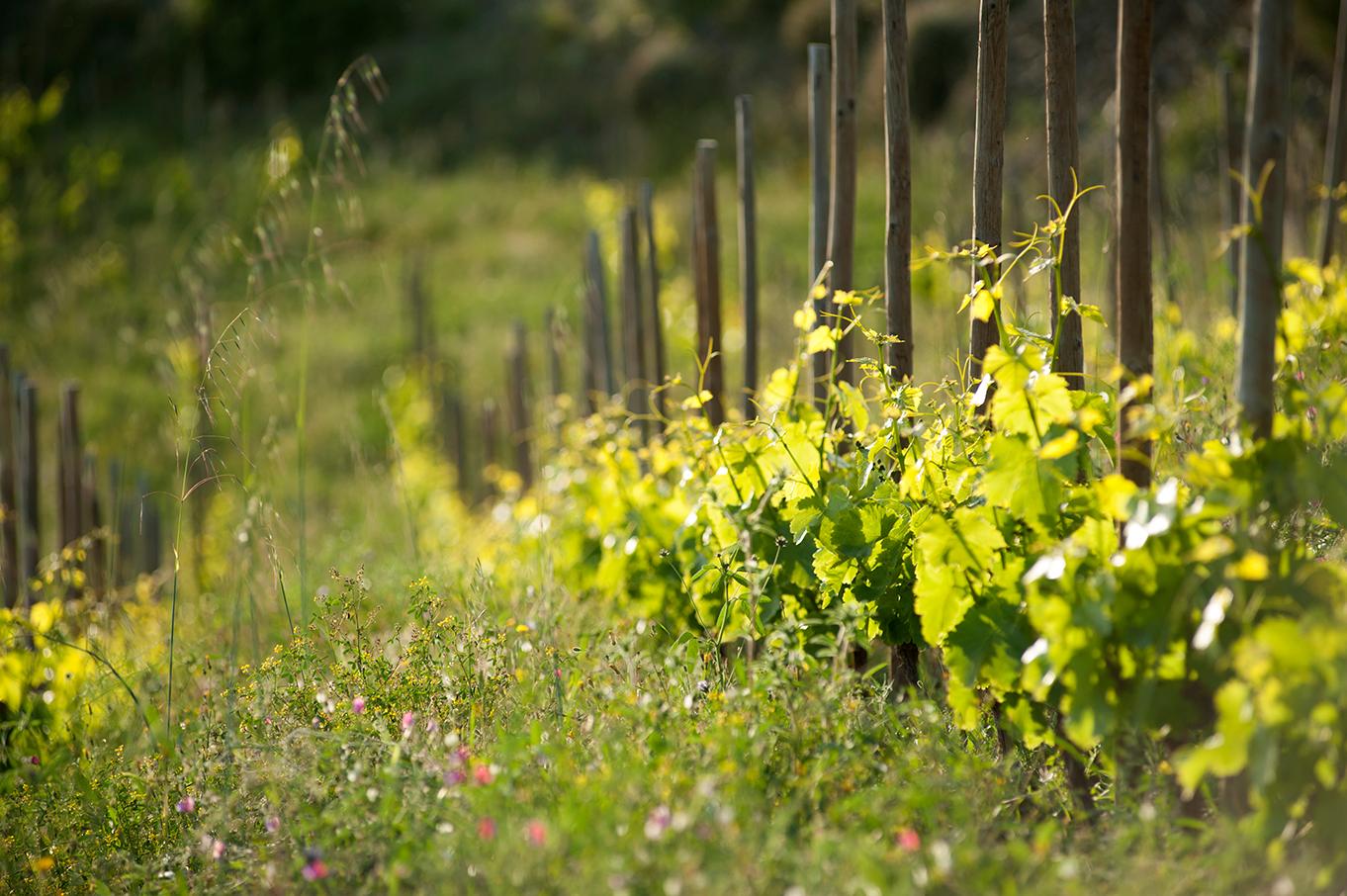
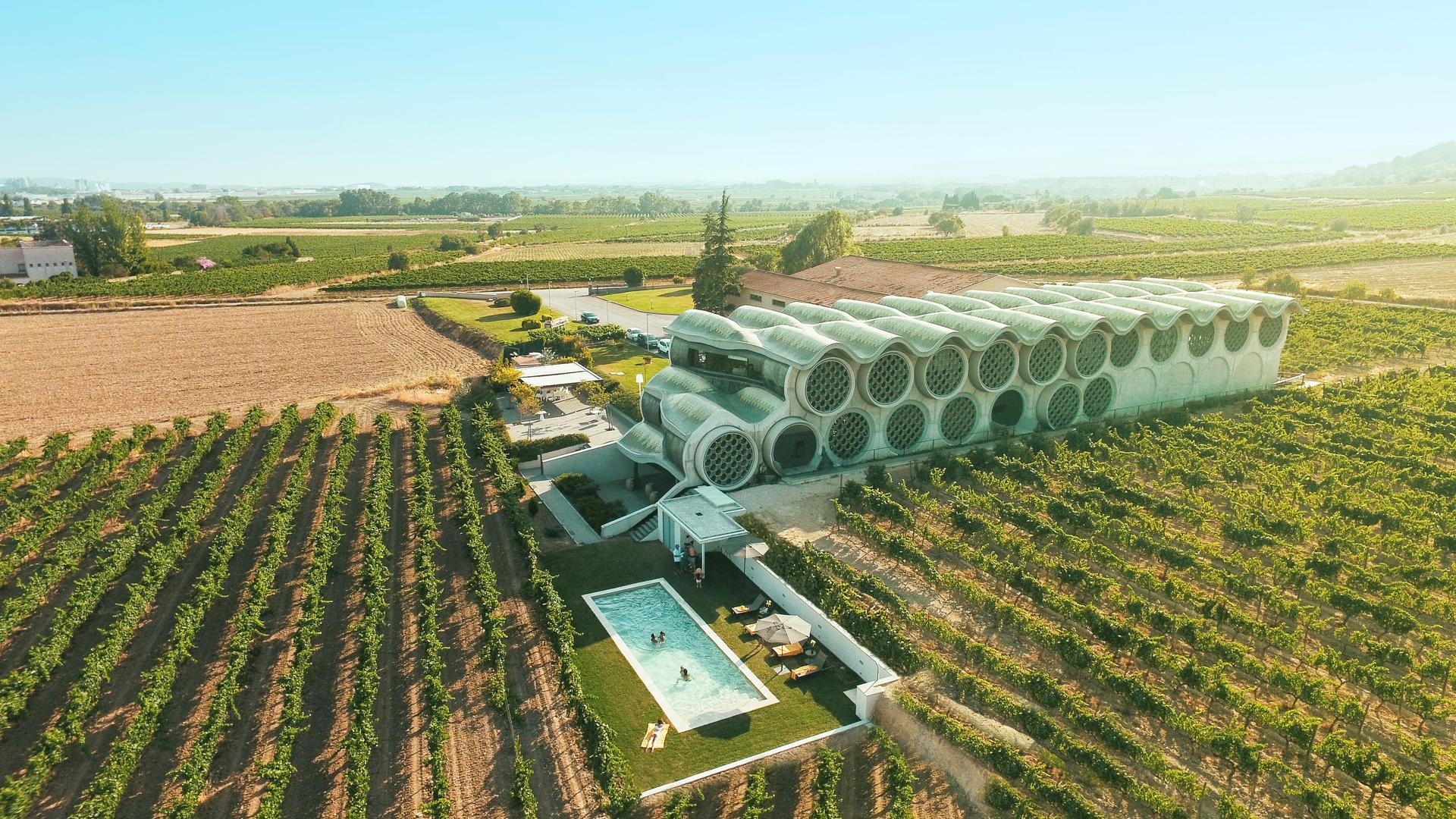

Catalan wines from independent cellars across the region

Wines from Catalonia's independent estates. Priorat, Penedès, and beyond. Direct from the cellar.

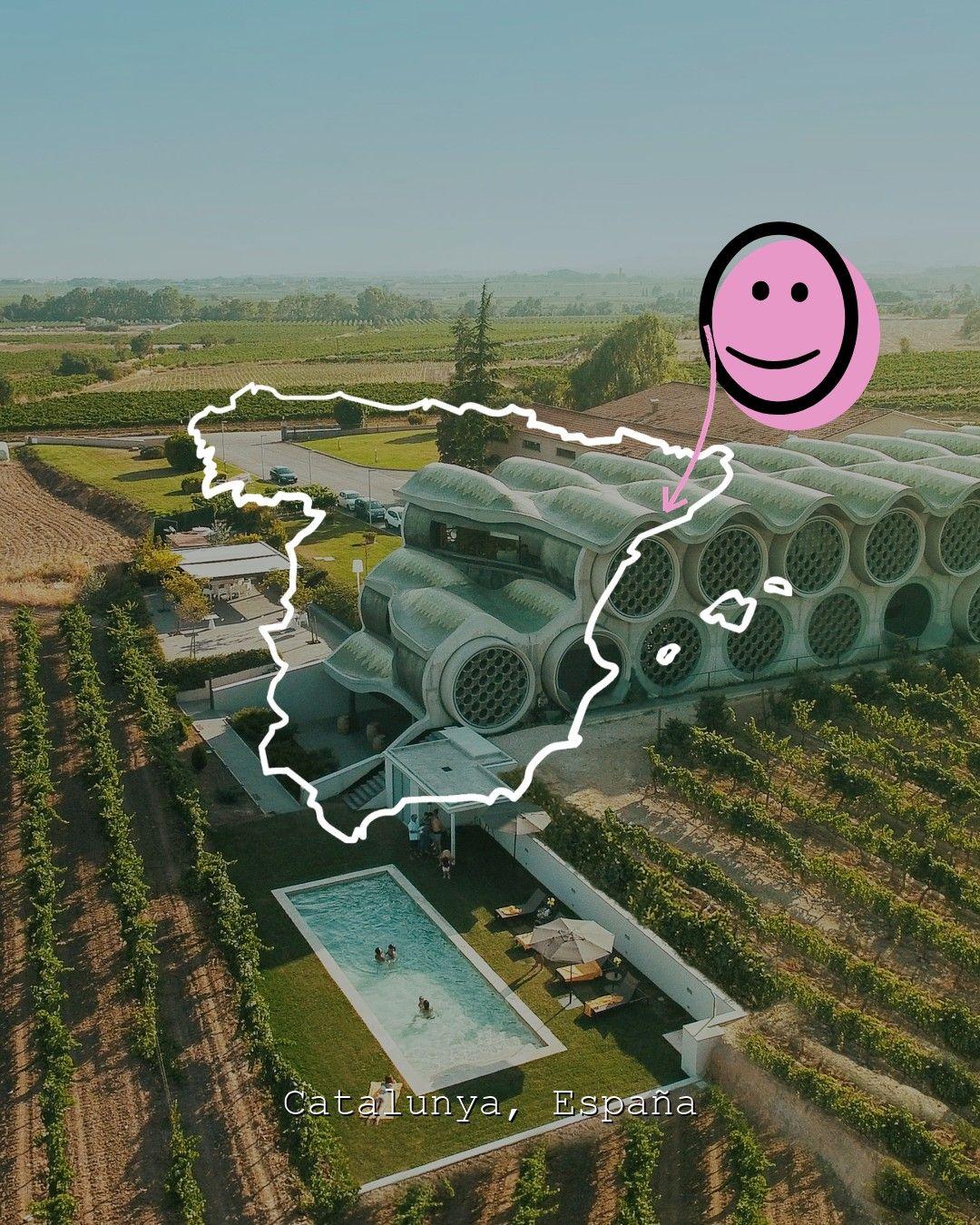
From Priorat's steep slate to Penedès sparkling producers.

Color

Dropdown arrow

Type

Dropdown arrow

Country

Dropdown arrow

Region (1)

Dropdown arrow

Grape

Dropdown arrow

Pairing

Dropdown arrow

Sort by

Sort arrow
Catalonia

Wines from Catalonia

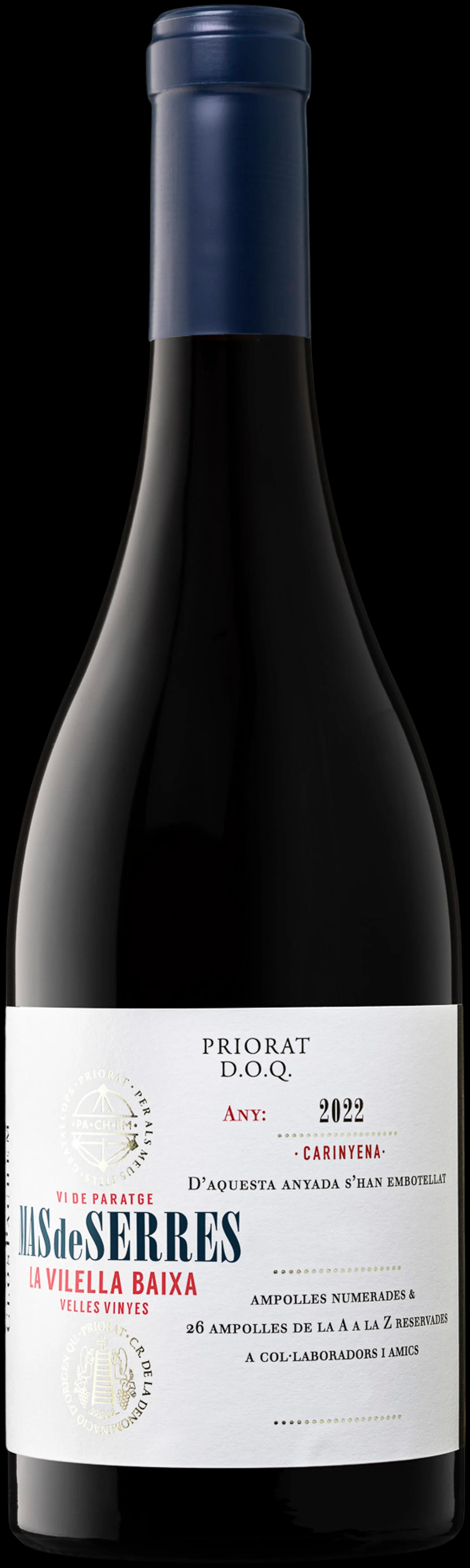
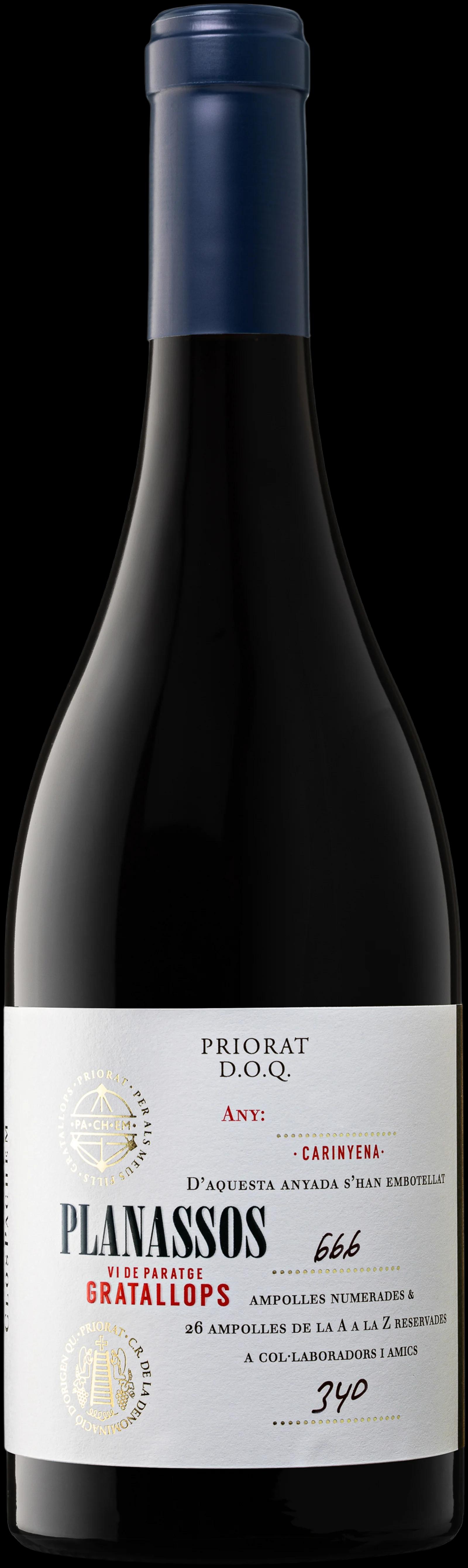
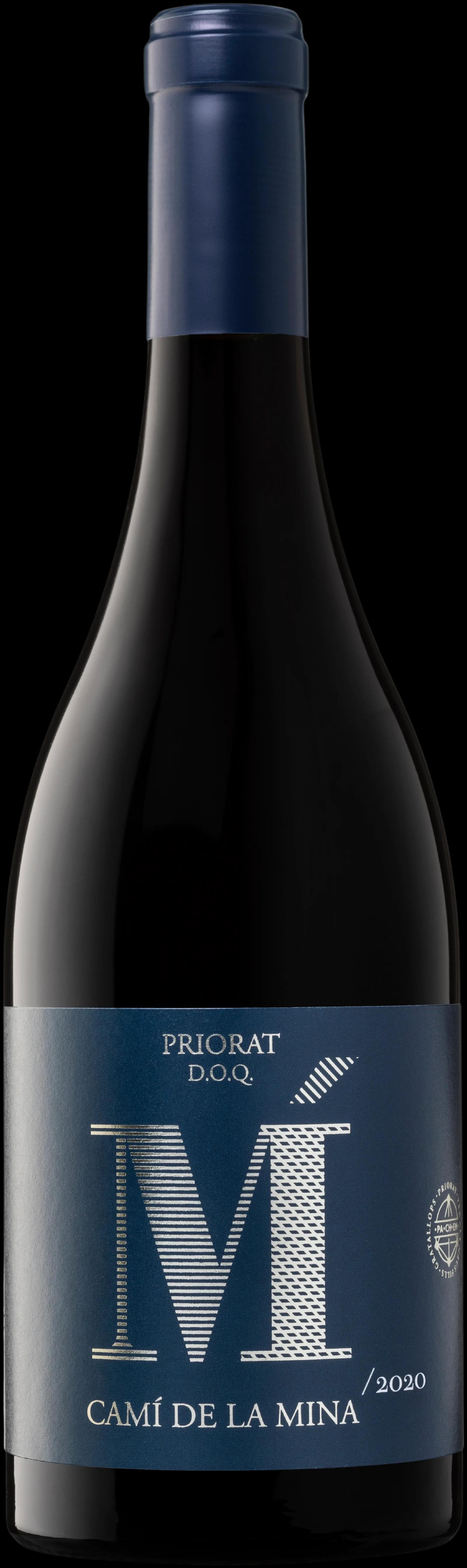
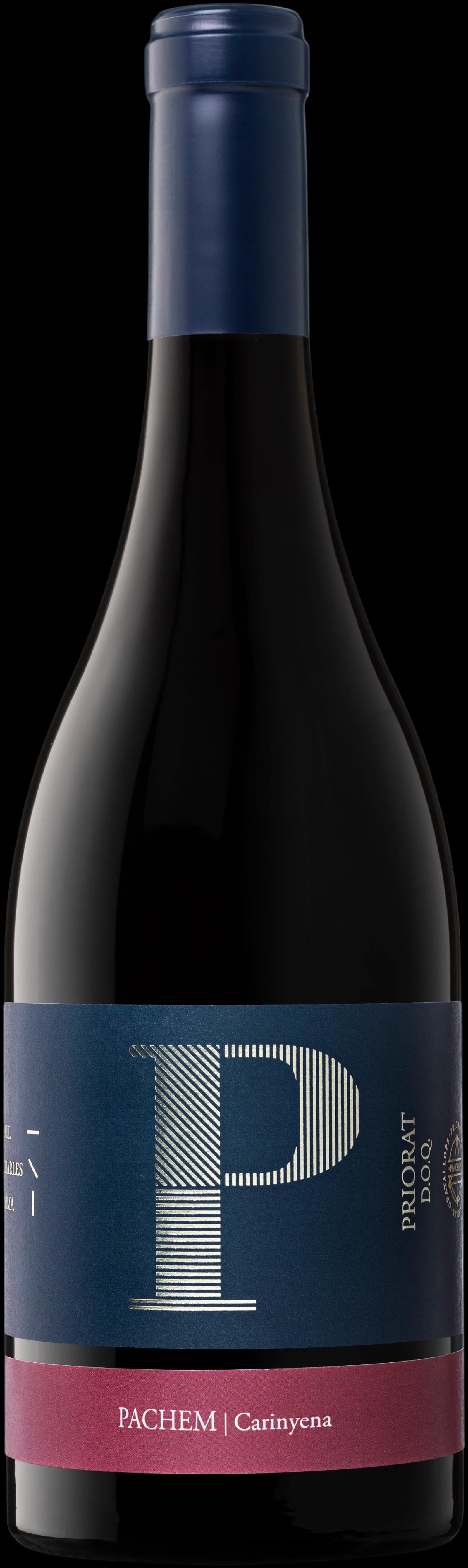
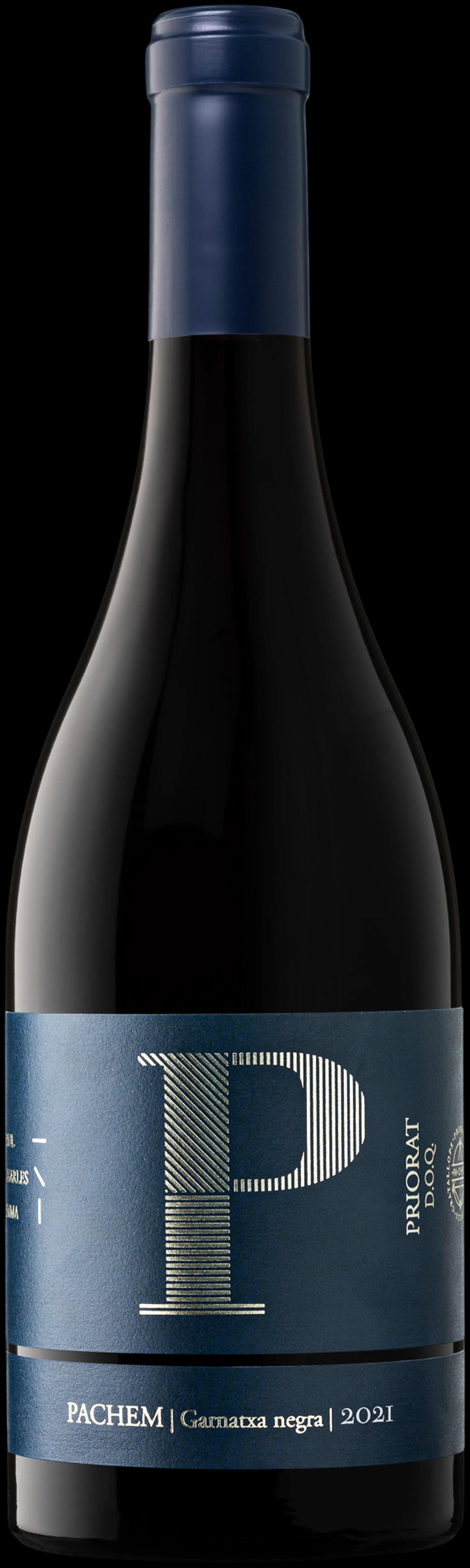
Catalonia contains twelve DO-designated wine zones. Priorat is one of only two Spanish regions to hold the higher DOCa classification, alongside Rioja. The zone sits inland from Tarragona, built on llicorella, a dark slate and quartz soil that forces vines deep and produces wines with pronounced mineral density. Garnacha and Cariñena are the backbone varieties. The producers on Free Grape Society ship directly from their cellars, no importer or wholesaler between them and your door.

Previous1 of 1Next

Catalan producers

Several of the Catalan producers listed above also compose sample boxes. A mixbox on Free Grape Society always contains exactly 6 bottles, all from one producer, chosen by the producer as their own recommendation. Not a buyer's assembly from multiple estates. The producer decides what goes in the box and why.

View all wineries from Catalonia

Wine experts

Independent wine experts on Free Grape Society rate and review wines they have personally tasted. Their reviews appear on the individual wine page and on the expert's profile, where you can see their full tasting history. Several of the experts below have reviewed Catalan wines featured on this page. You can message any expert directly to ask for a specific recommendation.

View all wine experts

Frequently asked questions

How do I buy directly from a Catalonia winery on Free Grape Society?

Browse the Catalan producers listed here and open any winery profile to see their wines. Add bottles to your cart and check out — the producer ships the order directly from their own cellar. Payment is handled securely via Klarna or card, and free shipping is included. Delivery takes between 4 and 14 days depending on the producer's location.

What happens if a bottle arrives broken or doesn't taste right?

Send a photo to Free Grape Society customer support within 7 days of delivery. We will arrange a replacement or a refund. Because producers ship directly, quality issues are handled with the producer's direct involvement. Shared responsibility is built into how FGS works.

Do I need an account to order from a Catalan winery?

Joining Free Grape Society is free. Creating an account lets you save favourites, track your orders, and ask a wine expert for a recommendation before you buy. You can browse all Catalan wineries and their wines without an account, but you will need to register to place an order.

How long does delivery take?

Average delivery is 8 to 9 days from order to door. The full range is 4 to 14 days depending on the producer's location and your delivery address. Wines ship directly from the producer's cellar, not from a central warehouse.

How do I find the right Catalan producer for what I am looking for?

Start by thinking about the style you want — a structured red from Priorat, a fresh white from a coastal appellation, or something from a grower working with native varieties. Each winery profile on Free Grape Society includes a short introduction to the estate, the wines they make, and any expert reviews. You can also ask a wine expert directly if you want a personal recommendation for a specific occasion or food pairing.

What kinds of producers are listed from Catalonia?

The Catalan producers on Free Grape Society are independent — family estates, small domaines, and growers who own and farm their own vineyards. You will not find large commercial wineries or cooperative-blended bottles here. The range covers the region's main appellations, from the slate-terraced estates of Priorat to the broader plantings of Penedès and the emerging appellations further inland.

Which Catalonia wine expert can recommend something for me?

Several independent wine experts on Free Grape Society have tasted and reviewed wines from Catalan producers. Open any expert's profile to read their reviews and see their tasting track record. If you want a personal recommendation — for a producer, a style, or a specific occasion — you can submit a question through the wine expert form and an expert will reply directly.

Why don't you carry every wine from every Catalonia producer you work with?

Free Grape Society lists wines tasted before listing, from producers we have a direct relationship with. Not every bottle a producer makes goes through that process, and some wines are only available in limited quantities or for specific markets. What you see on the page is the range we have tasted and can stand behind — not a complete catalogue of every producer's output.

Can I buy Catalan wines that I can't find at a wine merchant?

Yes. Because Free Grape Society works directly with independent producers, many of the wines here are not distributed through traditional retail or import channels. Small family estates in Catalonia rarely reach wine merchants outside Spain. Buying through Free Grape Society is often the only way to access these bottles outside the producer's own cellar.

Appellations and grapes of Catalonia

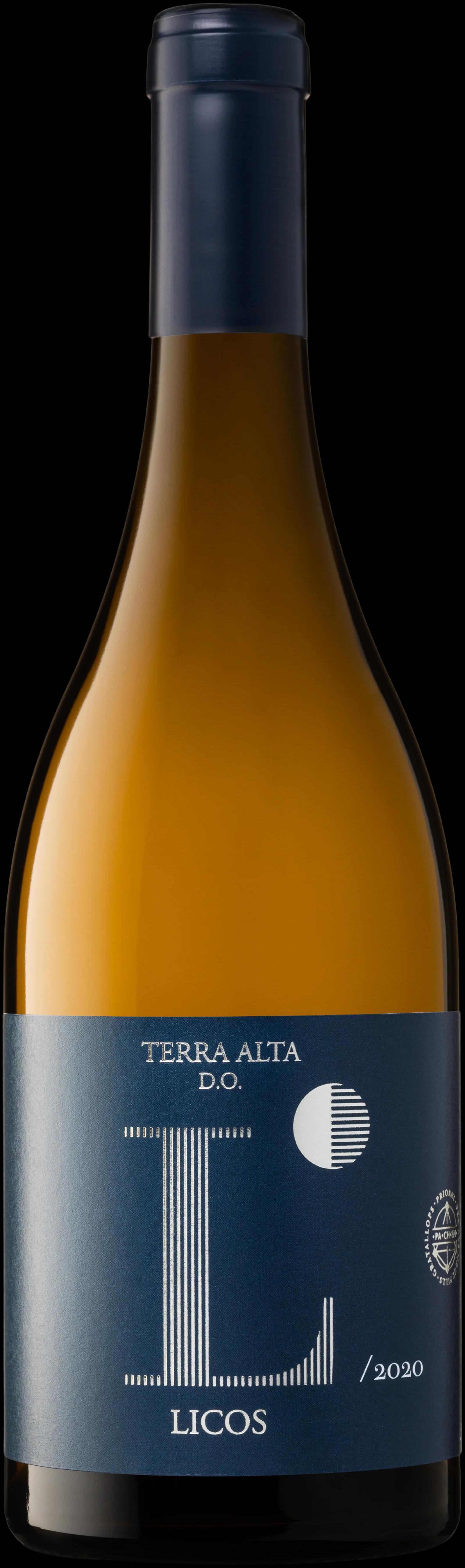
Catalonia contains eleven DO (Denominació d'Origen) zones, more than any other Spanish autonomous community. Each operates under its own regulatory council with distinct permitted varieties and production rules. Penedès is the largest and most export-oriented, historically associated with Cava production but increasingly recognised for still wines made from Garnacha, Tempranillo, and international varieties planted in the 1970s and 1980s. Priorat, elevated to DOQ (Denominació d'Origen Qualificada) status in 2000 — one of only two regions in Spain at that classification level — builds its identity on old-vine Garnacha and Monastrell grown in llicorella soils: a fragmented slate and quartz mix that forces roots down several metres to find water. Montsant surrounds Priorat geographically and shares much of the same terroir logic, but without the DOQ designation or the corresponding price structure. Xarel·lo, Macabeu, and Parellada are the three native white varieties behind Cava; outside the sparkling context, Xarel·lo is being re-examined by producers working with lower yields and longer skin contact, producing textured whites that sit closer to orange wine than to the neutral base wines Cava traditionally required.

Climate, altitude, and soil in Catalan wine country

Catalonia's wine geography runs from sea level to above 700 metres. Coastal zones like Alella sit close enough to the Mediterranean that average summer temperatures rarely drop below 25°C. Inland appellations — Conca de Barberà, Costers del Segre — are continental in character, with diurnal temperature swings of 15–20°C during the growing season. That range is what preserves acidity in grapes that would otherwise over-ripen. Priorat's average annual rainfall sits around 500 mm, one of the lowest in any Spanish wine region, which combined with llicorella's poor water retention produces the naturally low yields — often below 20 hectolitres per hectare — that characterise the appellation. At higher elevations in Penedès, producers have been replanting Garnacha on north-facing slopes to reduce alcohol and extend hang time, a direct response to the growing season shortening by roughly two weeks on average over the past three decades. These are structural decisions made at the vineyard level, not marketing positions. The red wines from Spain produced under these conditions carry that physical logic in the glass — density without excess heat, tannin without extraction.

How Catalan producers work with Free Grape Society

Every producer on Free Grape Society is quality-vetted before listing. Producers send samples to our Head of Product, who tastes every wine before it goes live on the platform. Independent wine experts Rate & Review individual wines once listed, and those reviews are visible on both the wine page and the expert's own profile. No buyer with quarterly targets. No chain defending shelf space. The producer decides if they want to be here, and what is here. That applies to Catalonia the same way it applies to Rioja, Tuscany, or Burgundy. Producers set their own prices. Free Grape Society takes a platform fee; beyond that, the margin structure is transparent to everyone on the platform. For wine lovers this means the price of a bottle from a small Priorat estate reflects what that producer chose to charge — not what three layers of distribution added on top. Bottles ship from the producer's cellar, not from a centralised warehouse. You can also find Catalan wines alongside producers from the rest of Spain or compare them against other Spanish regions directly on the platform.