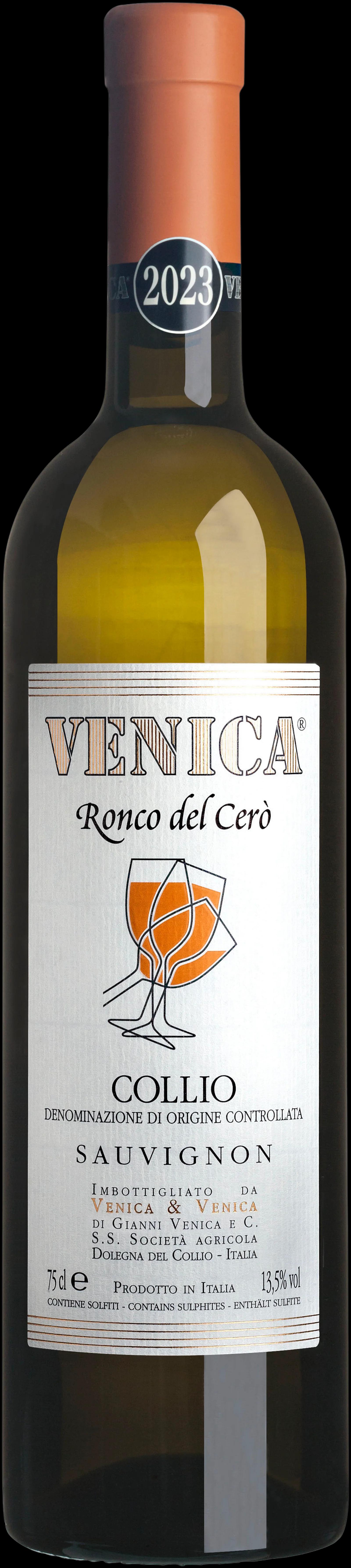
Sauvignon Blanc: from the Loire to Marlborough, grown by independent producers

Sauvignon Blanc wine is one of the most recognisable whites in the world, yet it tastes radically different depending on where it is grown. The producers below make it across France, Italy, Spain and beyond.

A sharp, aromatic white that shifts from grassy and mineral in cool climates to tropical and full in warmer ones.

Color

Dropdown arrow

Type

Dropdown arrow

Country

Dropdown arrow

Region

Dropdown arrow

Grape

Dropdown arrow

Pairing

Dropdown arrow

Sort by

Sort arrow
Sauvignon Blanc

Sauvignon Blanc wines

Sauvignon Blanc is one of the few grapes where the region announces itself immediately in the glass. Grown in the Loire Valley it tends toward cut grass, flint and sharp citrus; in warmer pockets of northern Italy or Spain it softens into stone fruit and rounder acidity. That range is part of what makes it interesting to explore across producers. On Free Grape Society, each bottle is shipped directly from the grower's own cellar, with no importer or warehouse in between.

Showing 1–33 of 37 wines

Previous1 of 2Next

Sauvignon Blanc mixboxes

A mixbox is a producer's own selection of six bottles, put together as the recommendation they would make if you visited their cellar. With Sauvignon Blanc, that often means tasting one estate's interpretation across a run of vintages or alongside complementary whites from the same region — a useful way to understand how a single producer's style develops. Free Grape Society is a society of producers, independent experts and wine lovers, not a shop.

View all mixboxes

Wineries

The growers below work with Sauvignon Blanc in very different conditions — from the cool, chalky soils of the Loire to warmer sites further south. Reading a producer's own notes is often the quickest route to understanding why their Sauvignon Blanc tastes the way it does, and the wine-advice service is there if you would rather talk through the options before choosing.

View all wineries

Wine experts

Sauvignon Blanc attracts strong opinions, and a second view before buying is often worth having. Independent wine experts on Free Grape Society review wines they have personally tasted, and their reviews are visible on each wine page and on the expert's own profile. Several of the experts below have reviewed Sauvignon Blanc wines featured on this page, so you can see what they thought before deciding.

View all wine experts

Frequently asked questions

How do I order Sauvignon Blanc wine on Free Grape Society?

Browse the wines above and add bottles to your cart. Each bottle is sold directly by the producer and ships from their cellar to your door. Free shipping is included, and payment is handled securely at checkout. You can order from more than one producer in the same session.

What happens if a bottle arrives broken or doesn't taste right?

Send a photo to Free Grape Society customer support within 7 days of delivery. We will arrange a replacement or a refund. Because producers ship directly, quality issues are handled with the producer's direct involvement. Shared responsibility is built into how FGS works.

Can I order Sauvignon Blanc from more than one producer at once?

Yes. You can add wines from different producers to the same order. Each producer ships their own wines separately, so you may receive more than one delivery. Delivery takes between 4 and 14 days per shipment, with an average of around 8 to 9 days.

How long does delivery take?

Average delivery is 8 to 9 days from order to door. The full range is 4 to 14 days depending on the producer's location and your delivery address. Wines ship directly from the producer's cellar, not from a central warehouse.

How do I find the right Sauvignon Blanc for me?

Start with the region. Loire Valley Sauvignon Blanc — Sancerre, Pouilly-Fumé, Touraine — tends to be leaner, more mineral and higher in acidity. Sauvignon Blanc from Italy or Spain is usually rounder and more fruit-forward. If you are unsure, the wine-advice service connects you with an independent expert who can suggest something based on your taste and budget.

How do the producers on this page work with Sauvignon Blanc?

Each producer grows, vinifies and bottles their own Sauvignon Blanc. Many work on a small scale, with estate-grown fruit and minimal intervention in the cellar. You can read each producer's own description of how they approach the grape on their winery page.

Which Sauvignon Blanc wine expert can recommend something for me?

The independent wine experts on Free Grape Society specialise in different regions and styles. Browse the experts section on this page, read their profiles and recent reviews, and use the advice form to put your question directly to an expert who knows Sauvignon Blanc well.

Why don't you sell supermarket-brand Sauvignon Blanc wines?

The Sauvignon Blanc on Free Grape Society comes from producers who grow their own grapes and bottle under their own name. Supermarket own-label wines are typically blended and bottled at scale by large négociants. The producers here make smaller quantities, often from a single estate or a defined set of their own vineyards, which is why the wines taste the way they do.

How is buying Sauvignon Blanc on Free Grape Society different from buying it in a wine shop?

In most European countries, wine passes through an importer, a distributor and a retailer before it reaches you. On Free Grape Society, the producer ships directly from their own cellar. That removes several steps from the chain, which means you are buying closer to the source and the producer receives a larger share of what you pay.

Where Sauvignon Blanc comes from and how region shapes it

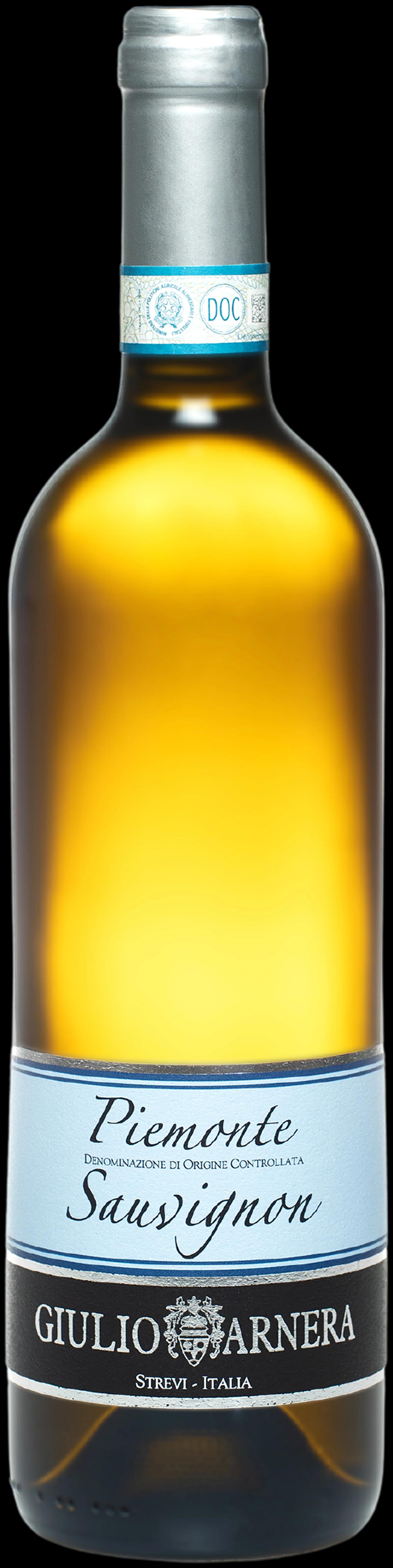
Sauvignon Blanc originated in the Loire Valley in France, where it still produces some of its most recognisable expressions: the flint-and-smoke mineral character of Sancerre and Pouilly-Fumé, both made from grapes grown on the chalky soils around the river. The grape spread from there to Bordeaux, where it has long been blended with Sémillon in the dry whites of Pessac-Léognan and the sweet wines of Sauternes. Its other great stronghold is New Zealand's Marlborough, though the producers on Free Grape Society work entirely in Europe, where the variety appears in quite different forms depending on where it grows. In the Loire it tends toward high acidity and green, herbaceous notes. In warmer pockets of southern France and northern Italy it softens, the acidity rounds, and stone fruit starts to show alongside the grass. In Friuli Venezia Giulia it is sometimes labelled as Sauvignon tout court, made in a richer, more textured style than its Loire counterpart. Exploring the Loire Valley wines, Bordeaux wines and Friuli Venezia Giulia wines pages gives a clear sense of how differently the same grape can behave across three regions.

How Sauvignon Blanc tastes, and what to drink it with

Sauvignon Blanc is defined above all by its aromatic intensity and its acidity. The classic descriptors are cut grass, green pepper, gooseberry, and grapefruit, with a citrus-driven finish that makes it feel clean and direct in the glass. In cooler growing conditions these green and herbaceous qualities dominate; in warmer sites, ripe peach and passion fruit come forward and the edges soften. The grape has almost no tannin, which is why it is vinified as a white, and the acidity that runs through every version is what makes it one of the more food-friendly whites to pour. It cuts through oily fish and works well alongside fresh chèvre, salads dressed with lemon, and dishes where herbal notes in the food echo those in the wine. Asparagus, which notoriously clashes with many wines, is one of the better pairings for Sauvignon Blanc. It also holds up to mildly spiced food because the acidity resets the palate between bites. Producers in Alsace and Galicia make versions that are particularly expressive alongside seafood and shellfish.

Buying Sauvignon Blanc direct from independent producers

Most Sauvignon Blanc on supermarket shelves comes from large negociants who buy grapes or bulk wine across a wide area and blend for consistency. The independent producers on Free Grape Society work differently: each bottles wine from their own estate, often from specific parcels, and ships it directly from their own cellar to the buyer, with no importer or warehouse in between. That directness makes it easier to trace what you are drinking back to a single decision-maker, whether that is a grower in the Loire working on chalk and limestone or a family estate in Tuscany making a Sauvignon that reflects the local climate rather than a house style. The wines on this page sit across a range of regions and styles, from the crisper, higher-acid expressions of northern France to the rounder versions that come from warmer southern sites. If you are unsure which style suits you best, independent wine experts review wines they have personally tasted, and their notes are visible on each wine page and on the expert's own profile. Free Grape Society is a society of producers, independent experts and wine lovers, not a shop. You can also explore white wines from France, white wines from Italy and white wines from Spain to see where Sauvignon Blanc sits alongside other varieties from the same producers.