Appellations and grapes of Lombardy
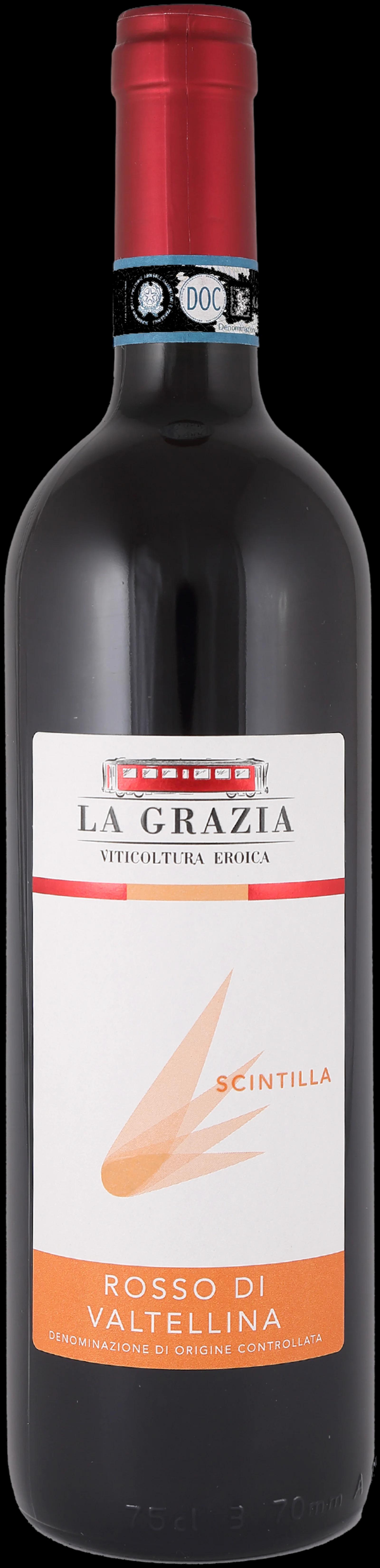
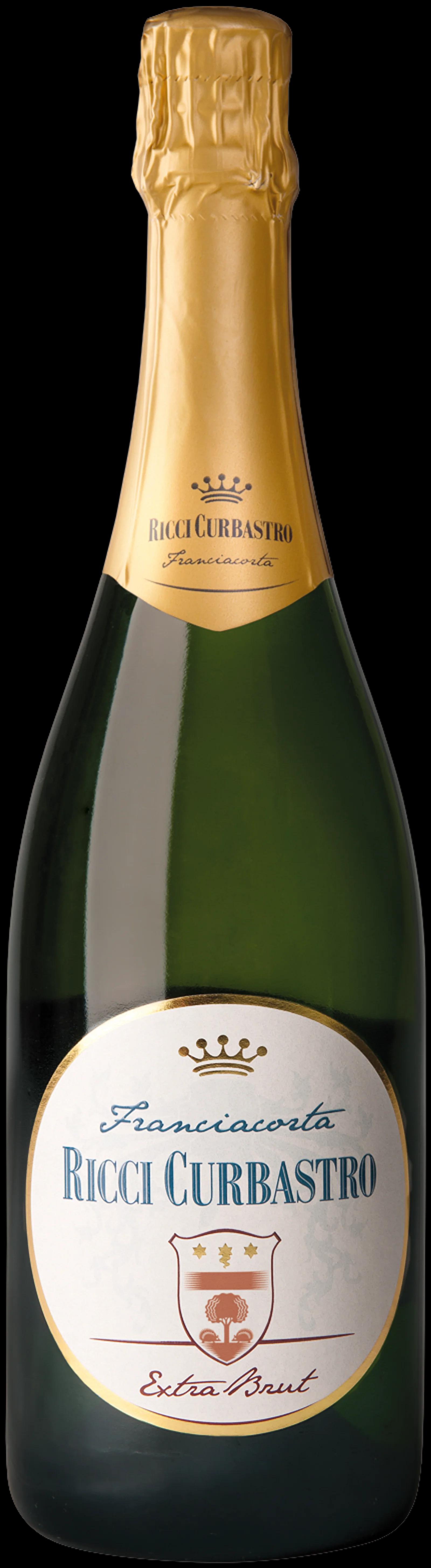
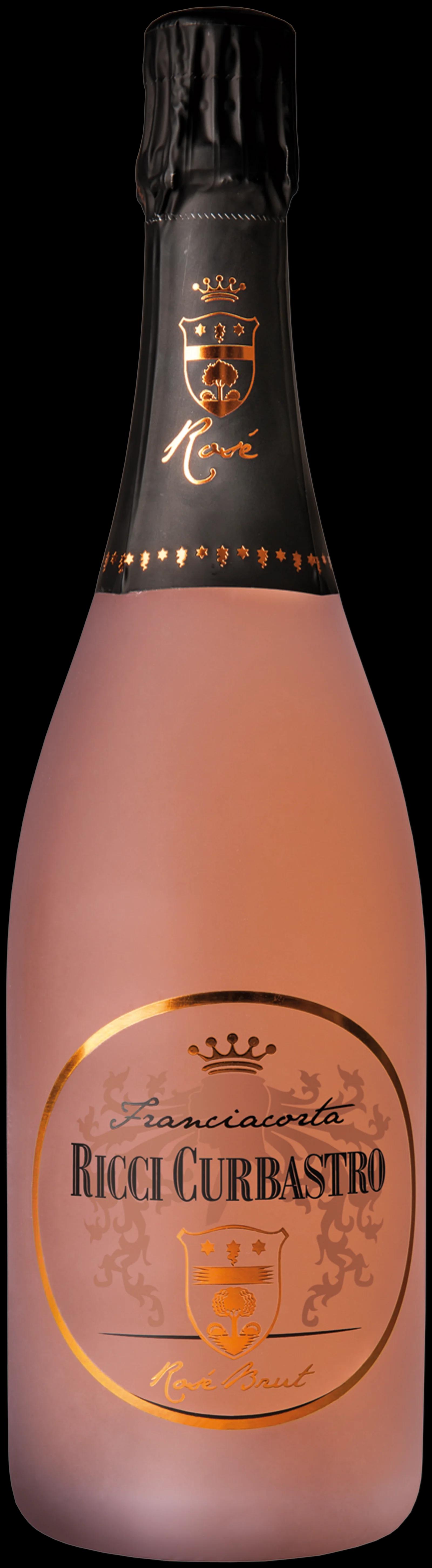
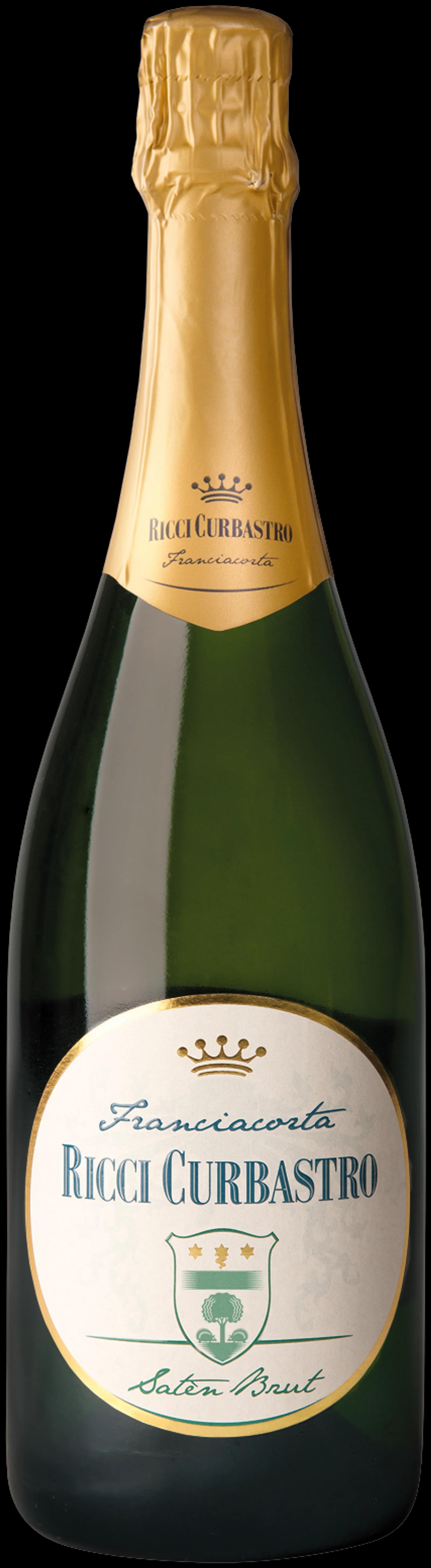
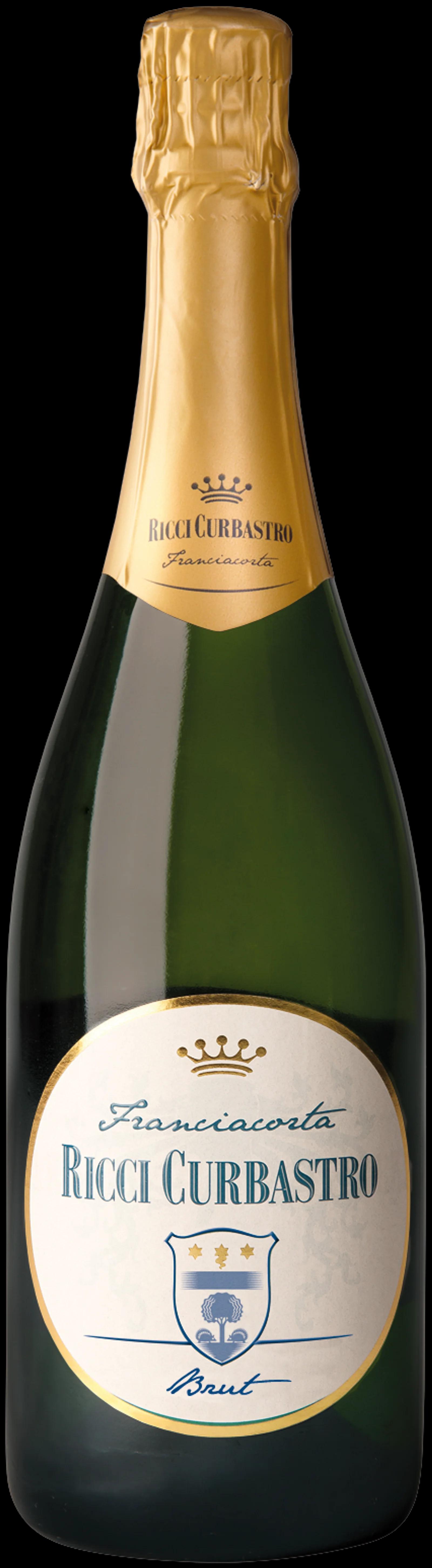
Lombardy holds 27 DOC and 5 DOCG designations, more than any other Italian region by geographic area relative to output. The appellations read very differently from one another. Franciacorta is the only Italian DOCG dedicated entirely to metodo classico sparkling wine, made predominantly from Chardonnay and Pinot Nero with a minimum 18-month refermentation on the lees for non-vintage and 30 months for vintage. Oltrepò Pavese, south of the Po river, is technically Lombardy's largest red wine zone and one of the most planted areas for Pinot Nero in Italy, though most of it has historically fed the sparkling base-wine market rather than bottled estate wine. Valtellina stands apart from both: a narrow Alpine valley running east to west along the Swiss border, where Nebbiolo — locally called Chiavennasca — is grown on steep granite terraces at 300 to 700 metres elevation. The four Valtellina Superiore sub-zones (Sassella, Grumello, Inferno, Valgella) each sit on different exposures of the same valley wall. Lugana, on the southern shore of Lake Garda, produces white wines from Turbiana, a biotype of Trebbiano di Lugana that is genetically distinct from other Trebbiano clones and shows notably higher aromatic concentration. Producers from Piedmont and Veneto sometimes draw comparisons to Valtellina Nebbiolo, but the granite soils and Alpine climate produce a leaner, more mineral profile than the clay-rich marl of Barolo or Barbaresco.
Winemaking traditions in Lombardy
Valtellina has the longest documented winemaking record in Lombardy: Pliny the Elder referenced wines from the valley in the first century AD. The steep terraces — called ronchi locally — are still hand-farmed because no mechanization can reach them. That is not a marketing phrase; it is a structural fact of the terrain. Sforzato di Valtellina, the region's one passito-style red DOCG, is made from partially dried Nebbiolo grapes, requiring a minimum of 14% alcohol and at least 20% weight loss in drying. The result is a wine with the density of Amarone but the structure of Nebbiolo. In Franciacorta, the shift toward zero-dosage and extra-brut styles over the past two decades has moved the zone closer to Champagne in technical approach, though the calcareous-clay soils and warmer growing season produce a noticeably different base wine. Lugana producers working with old Turbiana vines — some exceeding 40 years — have documented significant differences in aromatic intensity and age-worthiness compared to younger plantings, driving a renewed interest in single-vineyard releases. Bottles from Italian wineries listed on Free Grape Society ship directly from the producer's cellar. No importer, no wholesaler. The price you see is the price the producer agreed to.
How we choose Lombardy producers
Every producer on Free Grape Society is quality-vetted before listing. Producers send samples to our Head of Product, who tastes every wine before it goes live. Independent wine experts Rate and Review individual wines on the platform; those reviews are visible on the wine page and on each expert's profile. The producer sets their own price. Free Grape Society does not negotiate assortment or apply purchasing pressure. Producers decide if they want to be here, and which wines they list. That structure matters especially in a region like Lombardy, where the same appellation name can cover wines from a co-operative producing hundreds of thousands of bottles and a family estate farming two hectares of terraced granite. The listings you see are not filtered by volume or commercial convenience. They reflect producers who sent samples, whose wines passed tasting, and who chose to participate. For broader Italian context, see Italian red wines and Italian white wines. For neighboring regions, Tuscany, Piedmont, and Veneto each have their own producer pages on the platform.