Sangiovese in Italy: how soil and altitude shape the grape
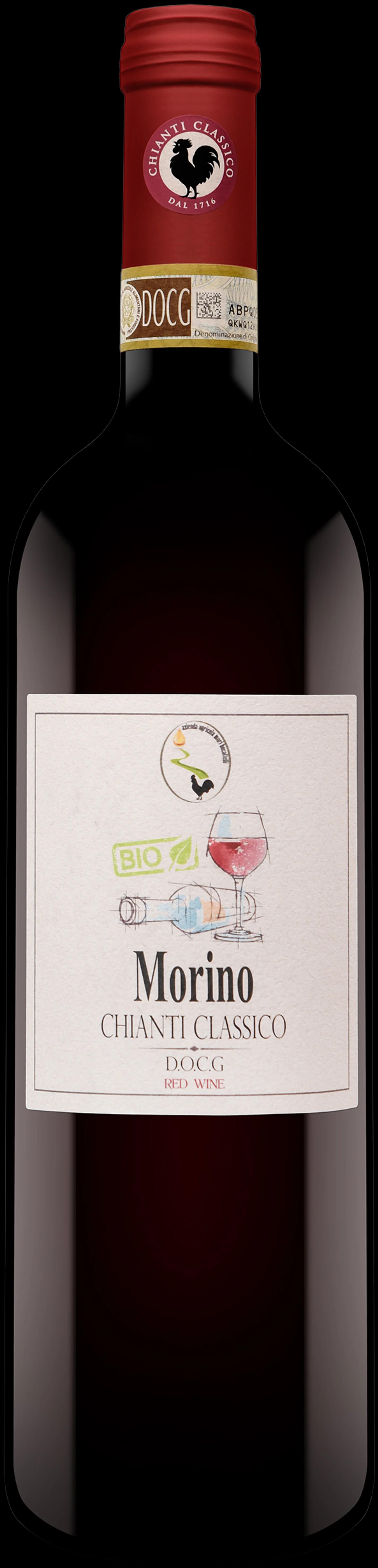
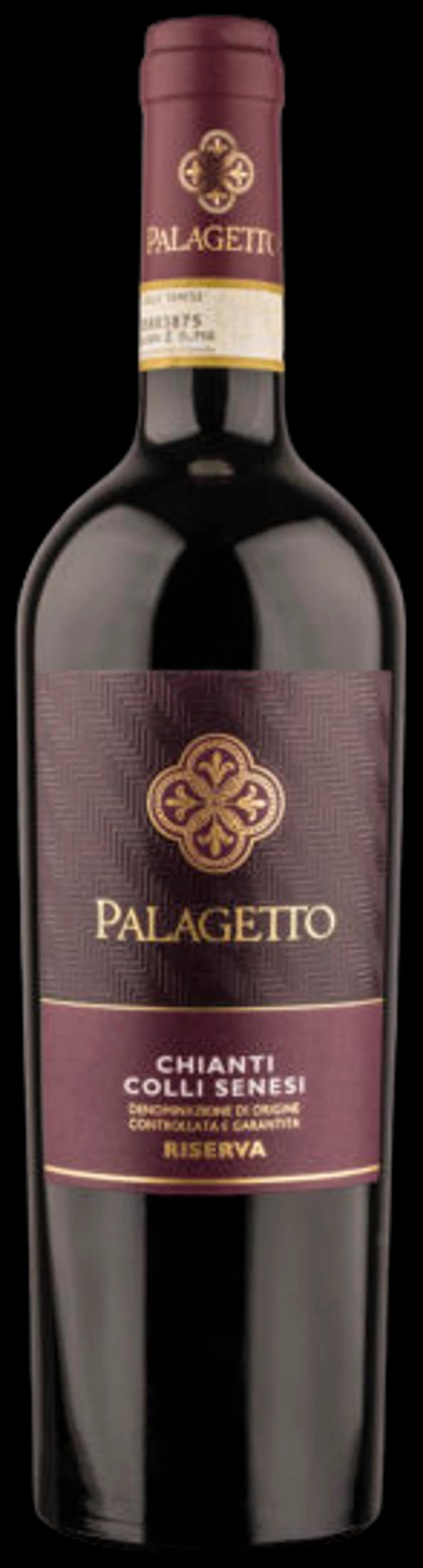
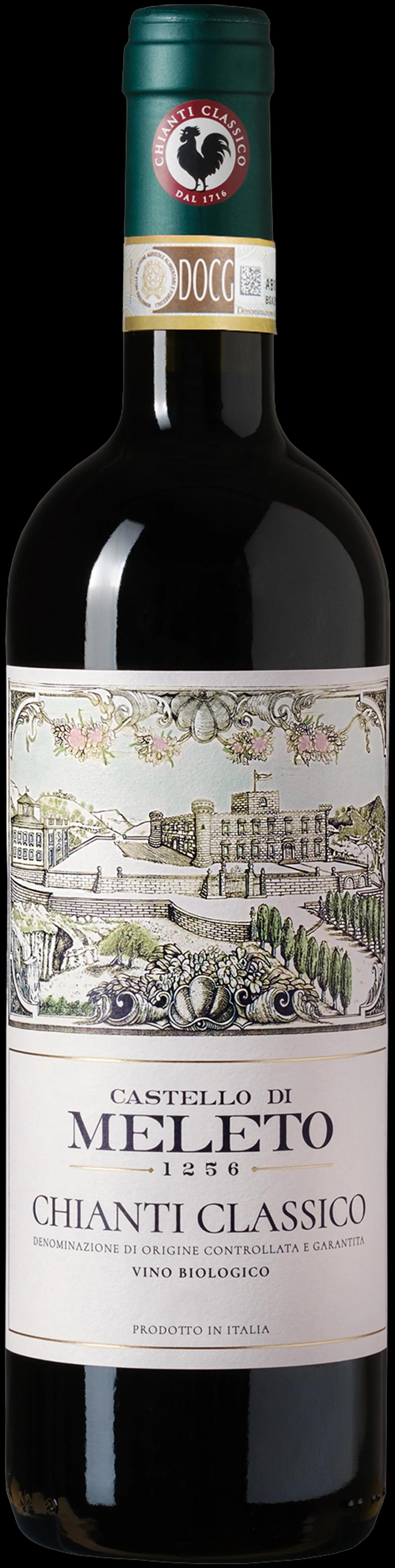
Sangiovese is not a single wine. It is a family of expressions shaped by where in Italy it grows and how high above sea level the vines sit. In Tuscany, the grape dominates — but even within Tuscany the variation is structural, not cosmetic. Chianti Classico sits between 250m and 600m altitude on galestro and alberese soils: rocky, mineral, high-draining. Those conditions hold the grape's natural acidity intact and slow phenolic ripeness, which is why Chianti Classico built its reputation on structure rather than fruit weight. Brunello di Montalcino, a clone called Sangiovese Grosso or Brunello, grows on slopes southeast of Siena at elevations where diurnal temperature shifts exceed 15°C in September. That gap between day and night temperature is what concentrates the grape without losing freshness. Montepulciano (the town, not the grape) produces Vino Nobile on clay-rich soils that give a rounder, less angular expression than Classico. In Umbria, Sangiovese blends into Sagrantino-based wines or stands alone in Rosso di Torgiano, where lower altitudes and more clay push the grape toward earlier approachability. In Marches, it appears in Rosso Conero blends alongside Montepulciano the grape — a different variety entirely, despite the naming confusion. The grape accounts for roughly 10% of all Italian vineyards by area, making it the most planted red variety in the country. That scale means the quality range is wide: the same name covers entry-level blending wine and decade-aging single-vineyard Brunello.
How Italian Sangiovese compares to itself across regions
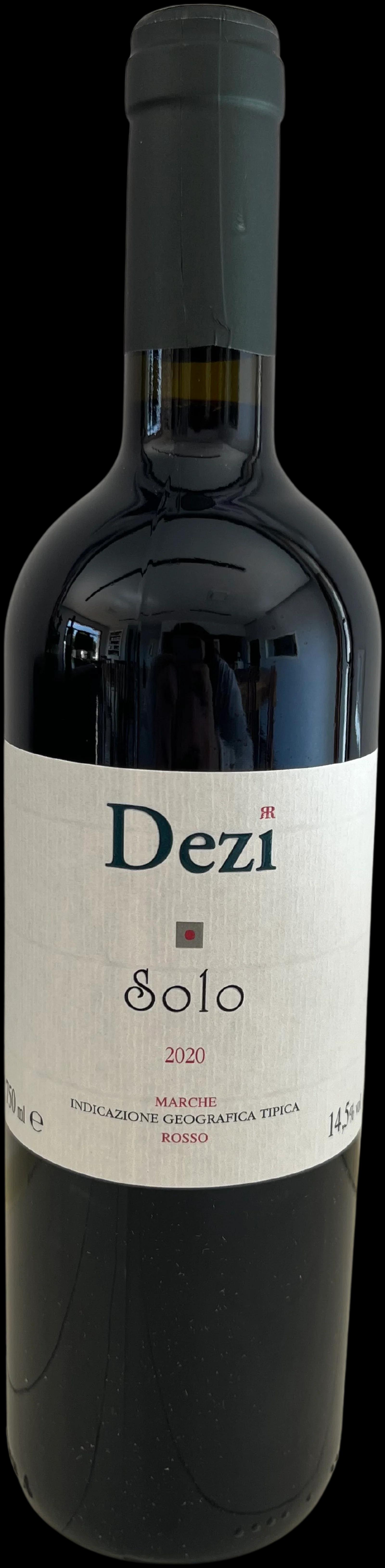
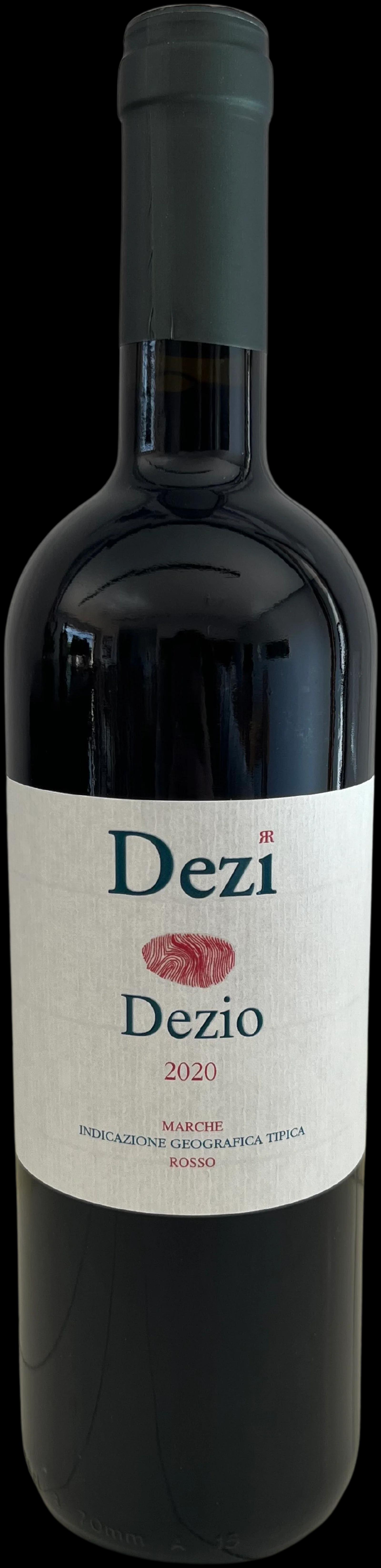
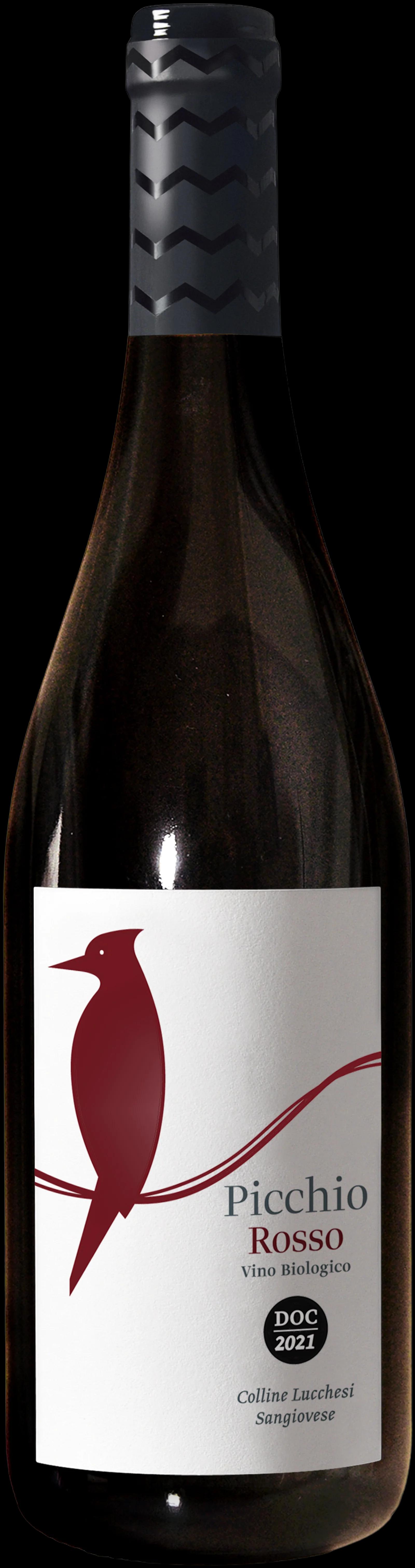
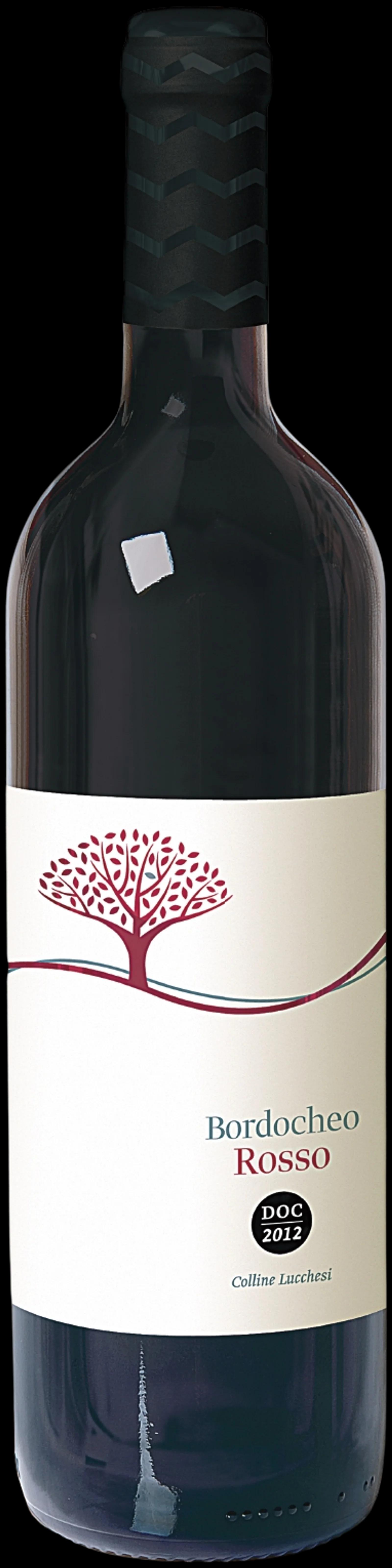
The most useful comparison for Sangiovese is not between Italy and anywhere else — it is between different Italian regions using the same grape. Producers in Tuscany working at altitude with galestro soils tend to produce wines where tannin is the dominant structural element at release, acid is high, and fruit reads red rather than dark (sour cherry, dried plum, iron). Age softens the tannin but rarely flattens the acid. That longevity is built into the variety's chemistry at these elevations. Producers in Umbria and Marches, working with warmer sites and different soils, generally harvest a Sangiovese with more accessible tannin and darker fruit character. The wines are often drinkable earlier. Neither expression is a compromise — they reflect honest site conditions, not production shortcuts. On Free Grape Society, the Sangiovese wines come from independent estates making their own decisions about when to harvest, how long to macerate, and whether to use large Slavonian oak or smaller French barrique. Those decisions are documented per producer and per wine. A bottle from a family estate in Chianti Classico and a bottle from a smaller producer in Umbria will not taste the same — and they should not. Producers, experts, restaurants, and wine lovers on the same platform, on the same terms. No importer adjusting a blend to fit a price bracket. The wine in the bottle is the one the producer decided to make.
Styles of Sangiovese from Italy: young, aged, and everything between
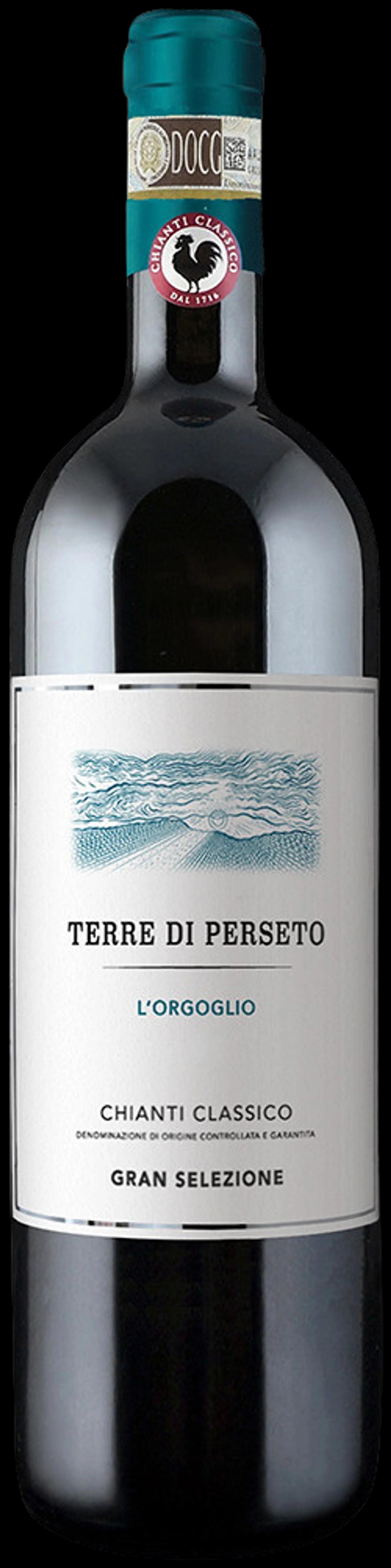
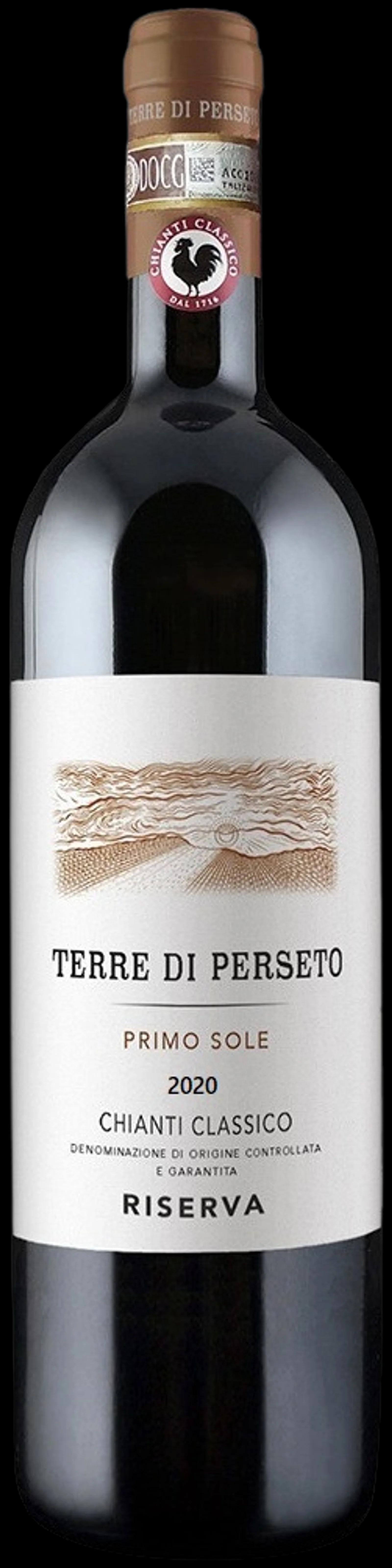
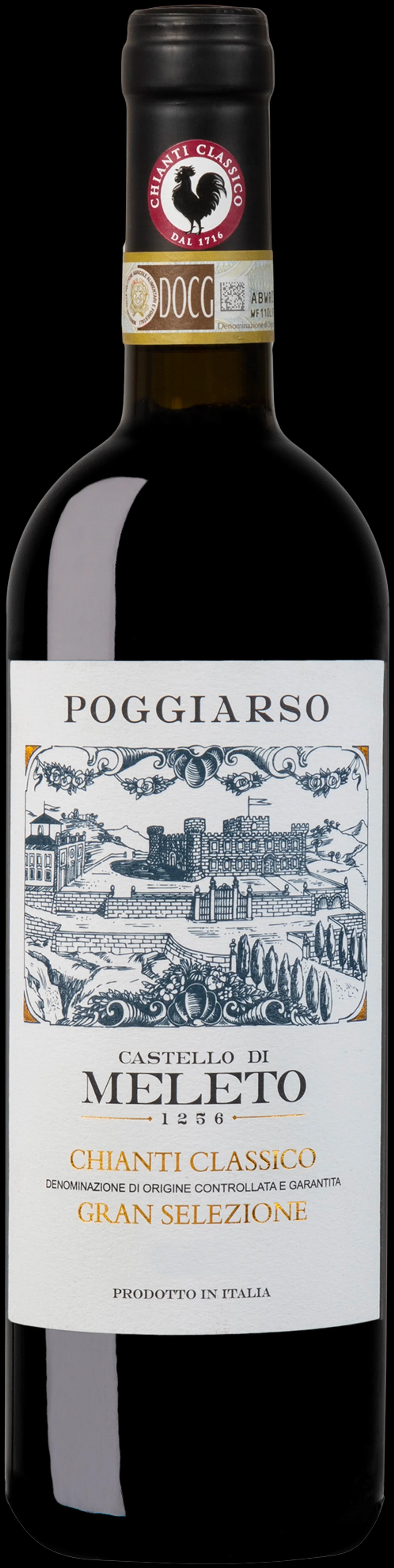
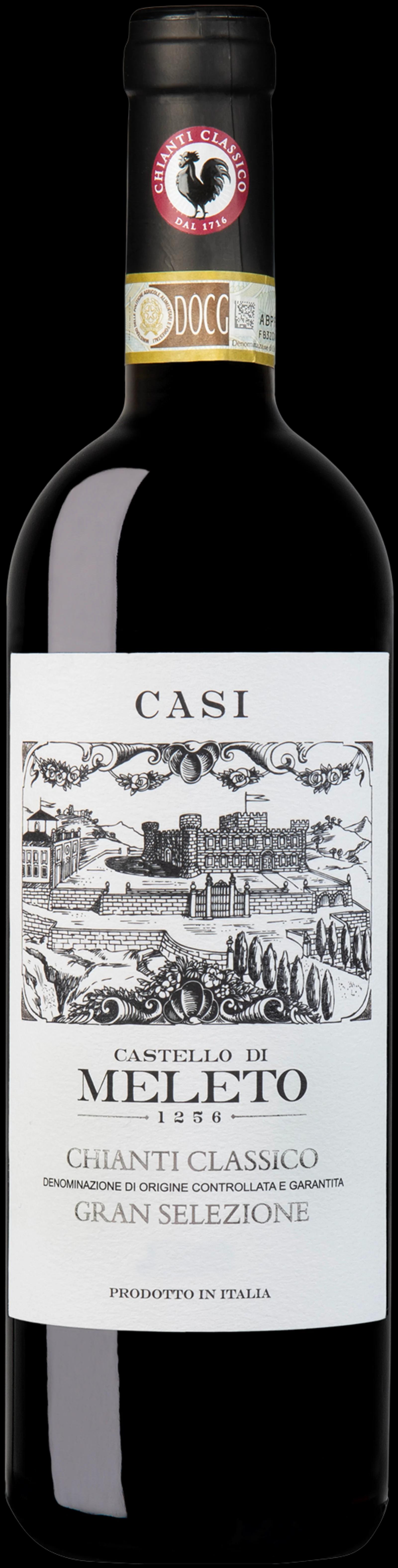
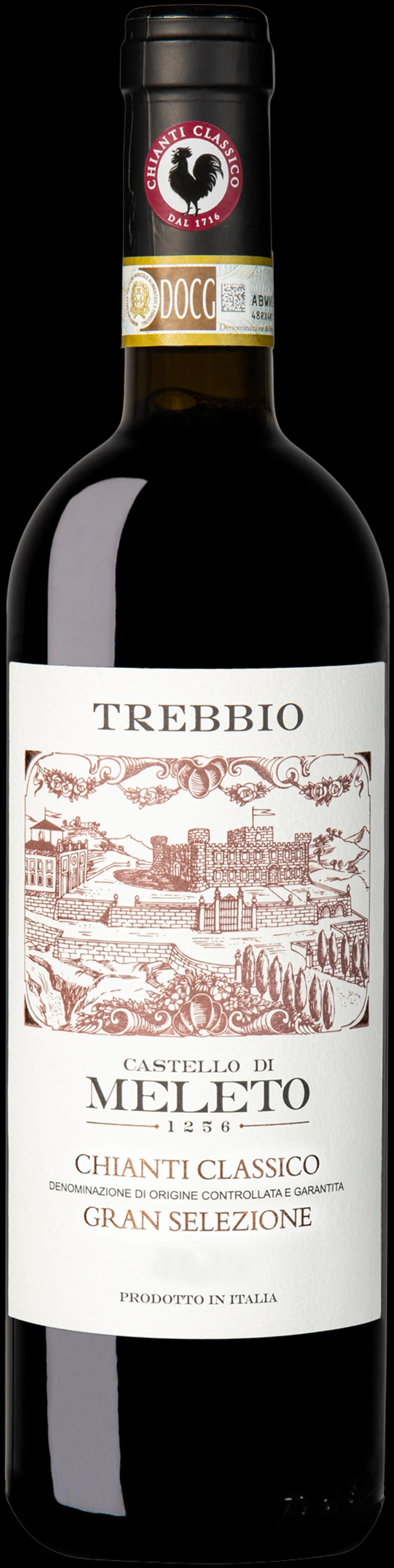
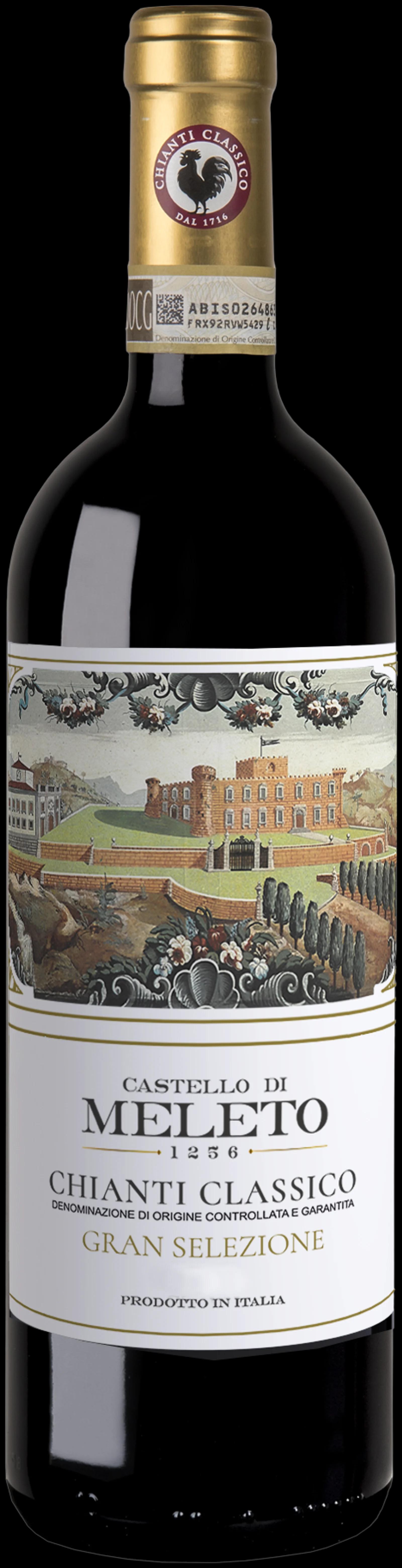
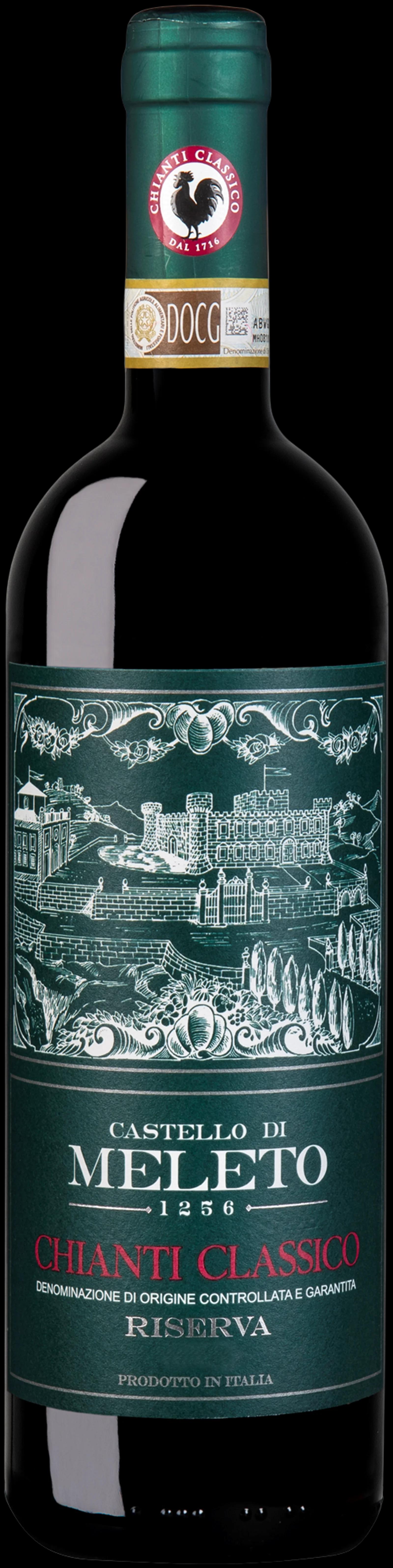
Sangiovese produces legally distinct wine categories in Italy that define minimum aging before release — and those requirements correlate with structural differences in the wine, not just marketing tiers. A Chianti (without Classico designation) has a minimum aging of around 11 months and is typically released as a fruit-forward, lower-tannin wine. Chianti Classico Riserva requires at least 24 months including 3 in bottle. Gran Selezione, the top Chianti Classico tier introduced in 2014, requires 30 months minimum and must be a single-vineyard or estate selection. Brunello di Montalcino requires 5 years aging from harvest (6 for Riserva), with at least 2 years in oak. Rosso di Montalcino, made from the same Sangiovese on the same estates, is released after just 1 year — it functions as an early-drinking alternative using younger vines or declassified juice. The production decision to declassify into Rosso rather than Brunello is not a failure; it is a way of keeping quality standards consistent across vintages. Producers working with Sangiovese also vary on oak format: traditional Brunello producers used large Slavonian oak casks (2500–5000 liters) for decades; a wave of producers from the 1980s onward experimented with small French barriques (225 liters), which accelerated development but changed the aromatic profile. Today many estates use a combination. Independent producers on FGS — including those from Piedmont who work with Nebbiolo under similar long-aging logic — tend to document their oak choices clearly. For Sangiovese specifically, that transparency matters because the oak decision shapes the wine's trajectory over 10–20 years.