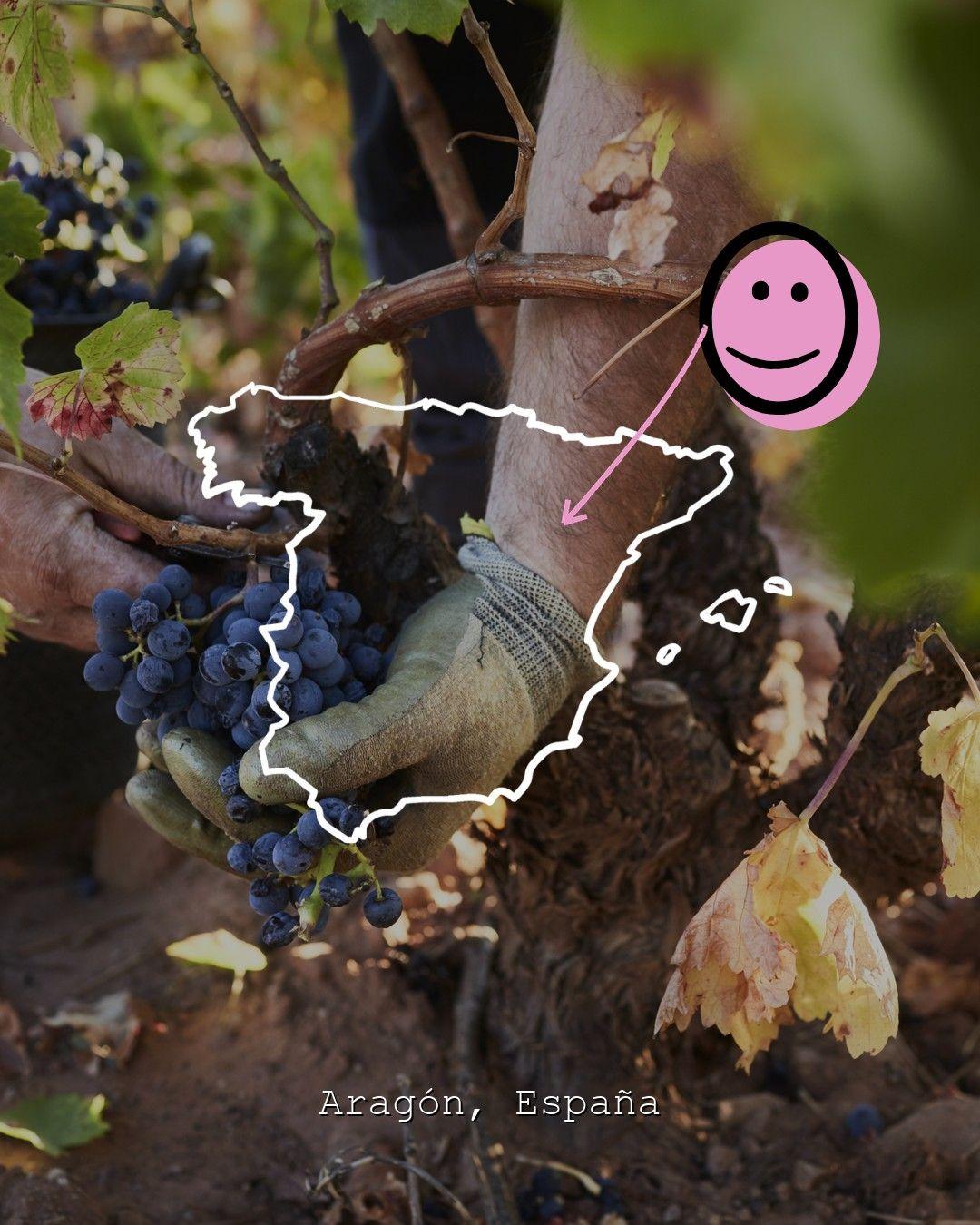
Aragón wine cases – six bottles from one winery
An Aragón wine case is six bottles from one estate, drawn from the wines they make. The wines are chosen by the winery or by one of our wine experts, and the case is shipped directly from the winery. The region divides into distinct zones — the warm Ebro corridor, the cooler Pyrenean foothills around Campo de Borja and Somontano, and the high-altitude vineyards of Calatayud — and a case's six bottles often trace how the estate's parcels sit within that geography. Free Grape Society is a society of producers, independent experts and wine lovers, not a shop, and the cases here reflect that: each one comes from a single grower's cellar.

No match yet!
It looks like we don't have a match for your selected criteria today. Try clearing or adjusting your filters. Or check back soon!
What goes into a six-bottle Aragón wine case
Every wine case from Aragón comes from one producer — six bottles from a single cellar, not assembled from across the region. That matters here because Aragón is not a uniform place. A producer farming old Garnacha vines in the high-altitude Campo de Borja is working in a different register entirely from a grower in the warmer, lower-lying Cariñena, and a case lets you taste how one estate reads its own corner of the region before you start picking individual bottles. Aragón's three main appellations — Cariñena, Campo de Borja and Calatayud — each bring something distinct: Cariñena is the oldest and largest, historically built around the grape the rest of the world calls Carignan but Aragón named first; Campo de Borja tends toward fuller Garnacha; Calatayud sits higher and cooler, with some of the region's oldest vines. A six-bottle case typically draws on the styles the producer's own parcels produce best, so the line-up is shaped by where they farm and what they make rather than by a category brief. Browse Aragón wine cases or compare with cases from elsewhere in Spain.
Garnacha, Carignan and the grapes that define Aragón
Garnacha — Grenache Noir elsewhere in the world — has been grown in Aragón for centuries, and the region's oldest bush-vine plantings are among the best arguments for what the grape can do when it has age and altitude on its side. Old Garnacha from Calatayud or Campo de Borja tends to be darker, more structured and less immediately plush than younger plantings, with the kind of grip that asks for food rather than apology. Carignan, which the Spanish call Cariñena after the Aragonese town it likely originated from, is the region's other anchor variety — high acidity, firm tannin, often blended but increasingly bottled alone by growers who want to show what the grape achieves on its own terms. White production is smaller but genuine: Macabeo and Garnacha Blanca appear across the DO zones, and some producers are returning to old white plantings that sat in mixed vineyards for decades without ever being labelled separately. For context on how Spanish varieties look across the country, see Tempranillo, Garnacha and Monastrell.
Getting to know Aragón through one grower
Aragón is one of those regions where the producer is often a more useful guide than the appellation label alone. The DO system here is real — Cariñena, Campo de Borja, Calatayud and Somontano each have distinct soil and climate profiles — but within any one DO the range between a producer making easy, commercial wine and one farming old vines at altitude is wide enough that the label tells you less than you might expect. A six-bottle case from one estate compresses that gap: six bottles across the styles that cellar makes, which read as a position rather than a category. It is a practical way to orient yourself in a region before committing to individual bottles. Producers on Free Grape Society ship directly from their own cellars, with no importer or warehouse in between, which means the wine that arrives is the same one the grower bottled and named. For other Spanish regions worth exploring by case, see Castile and León, Valencia and Galicia.