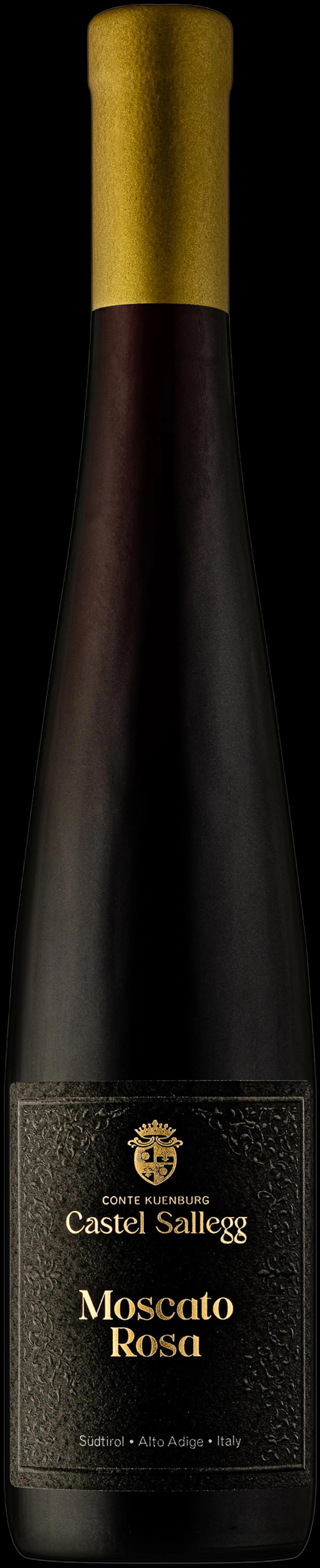
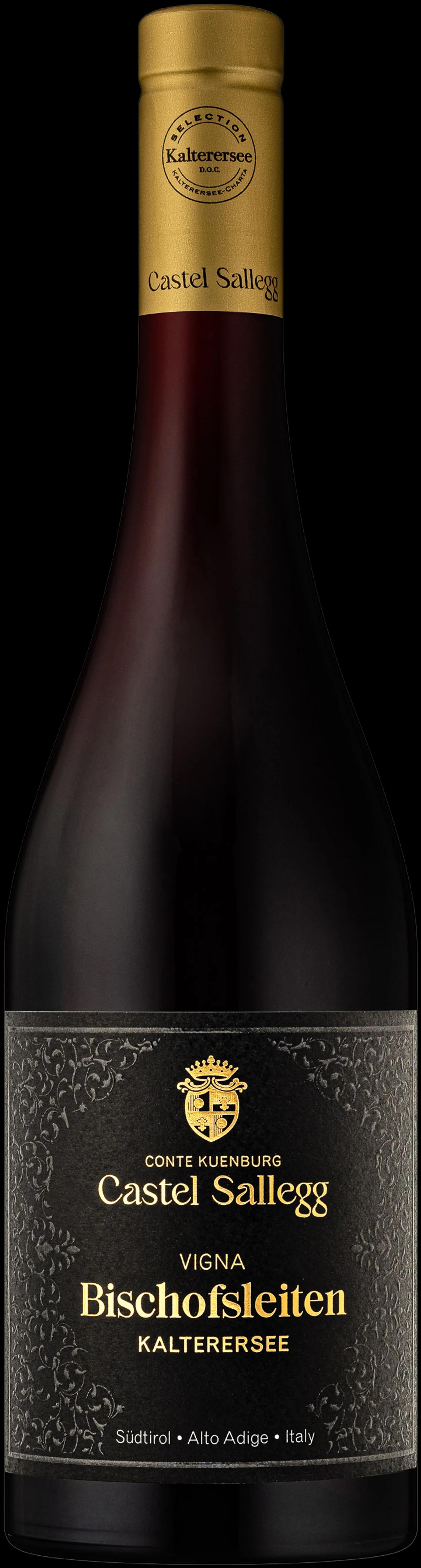
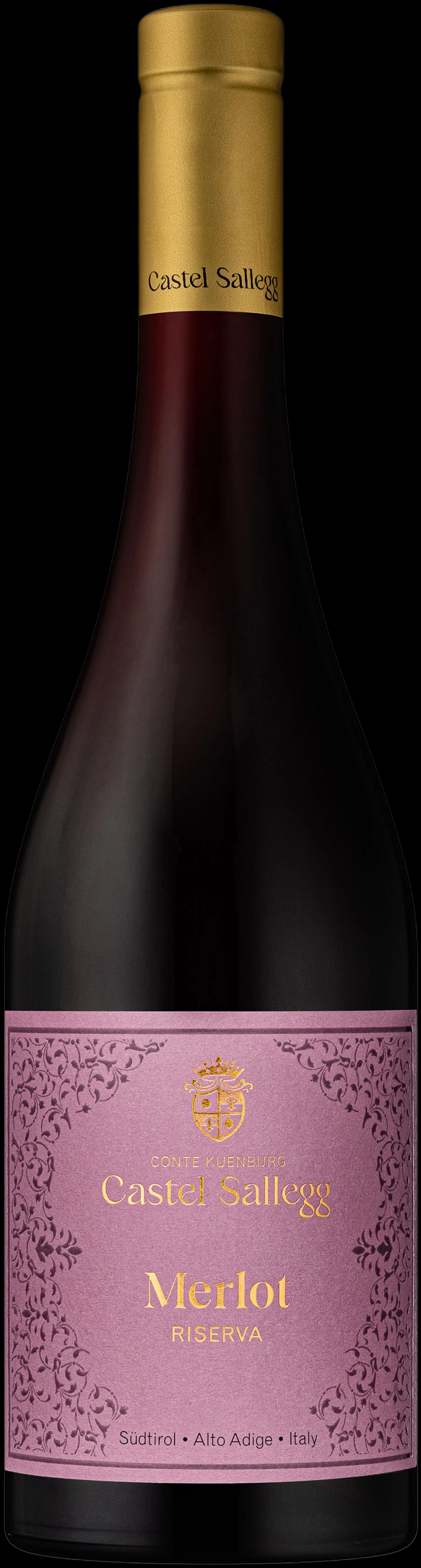
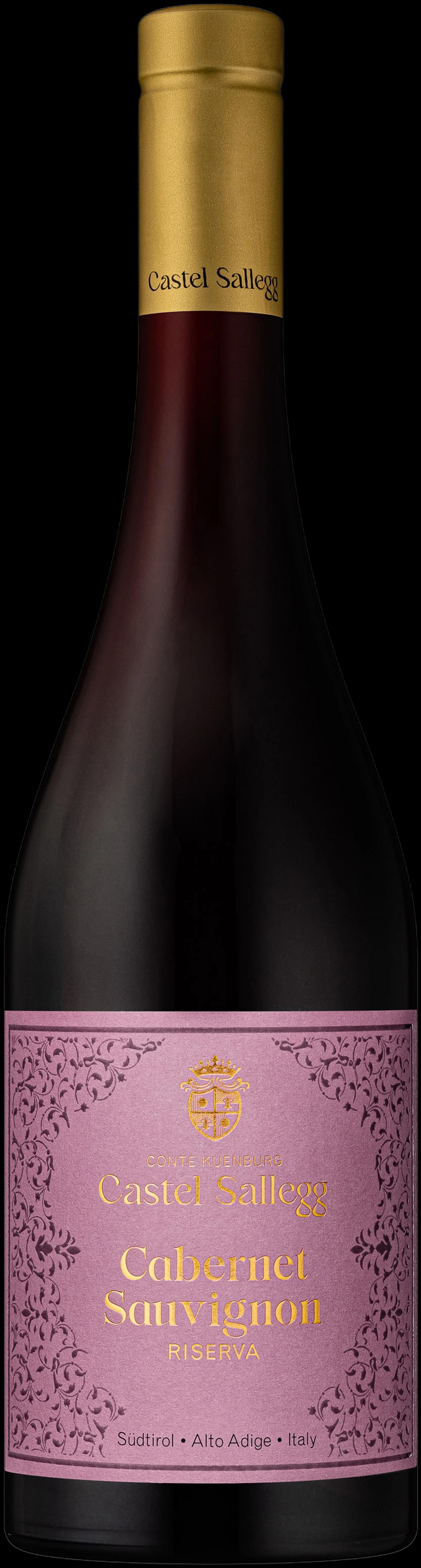
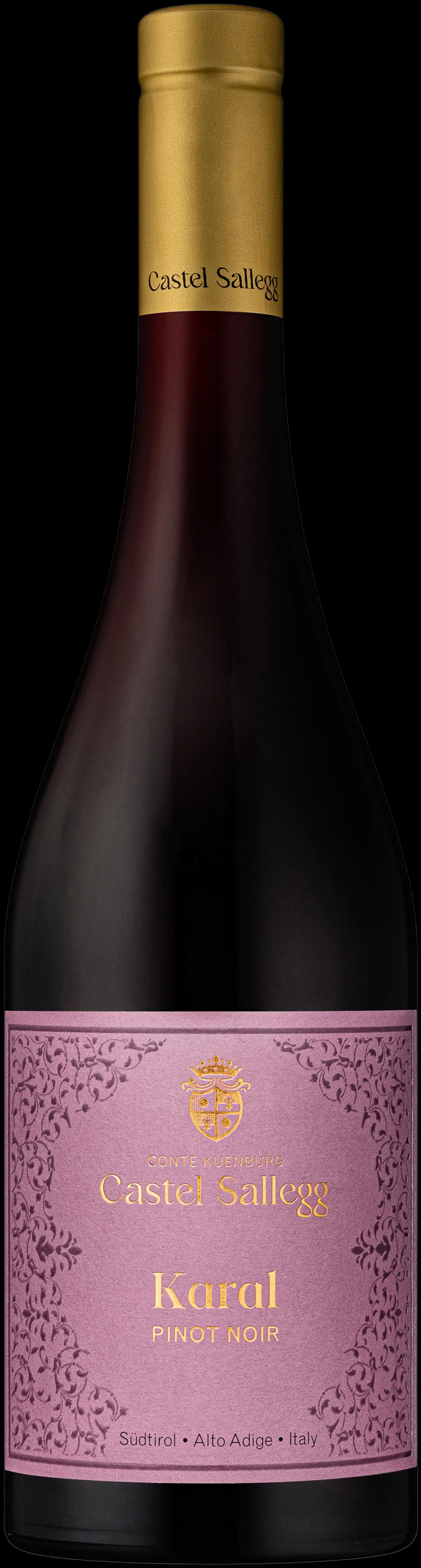
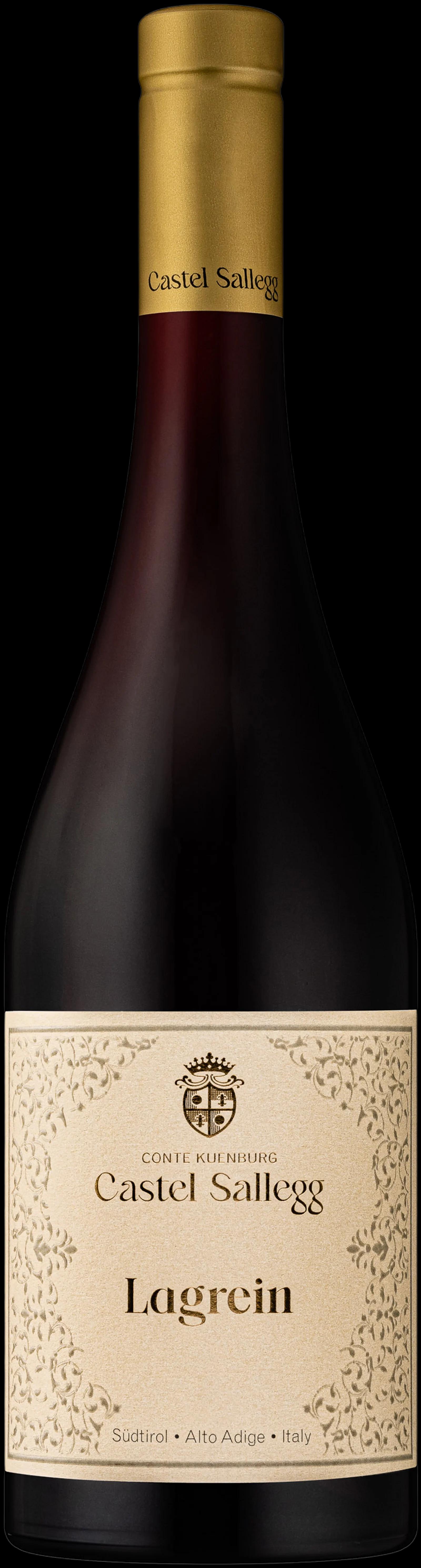
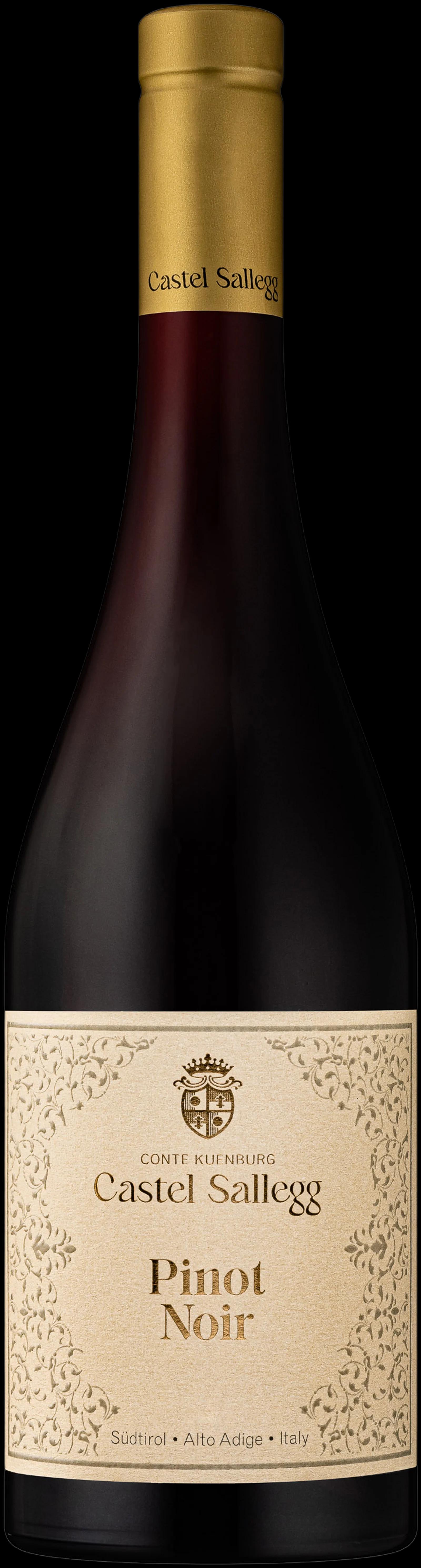
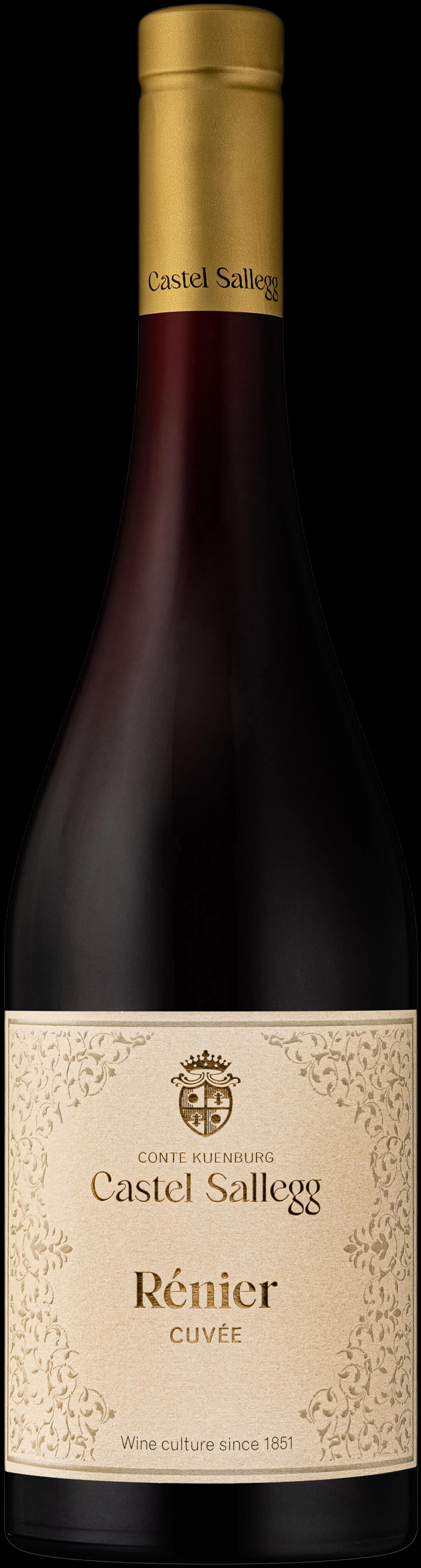
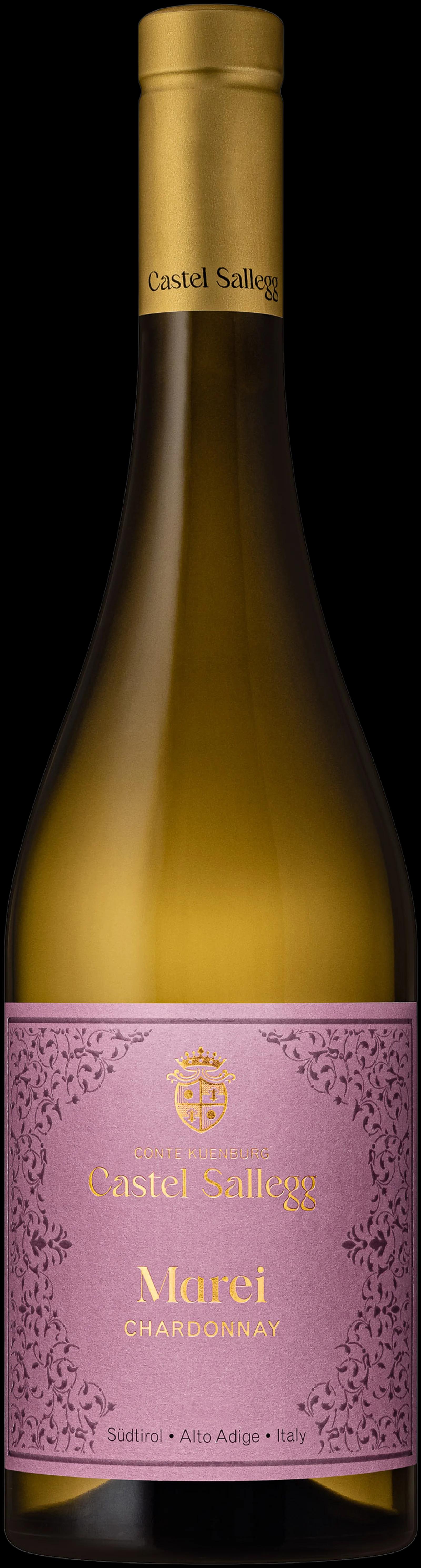
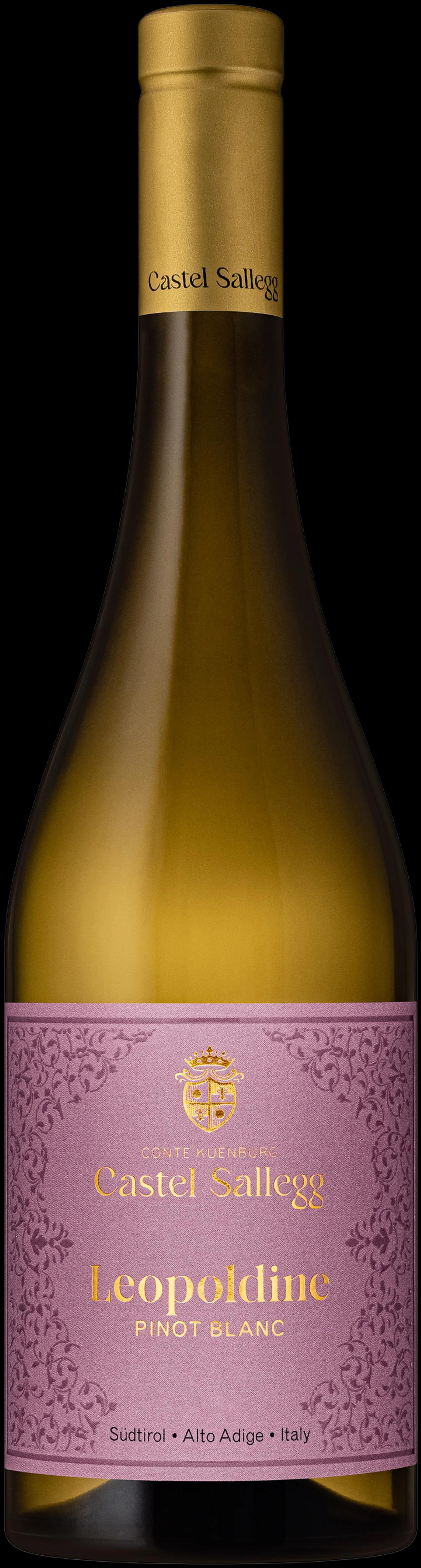
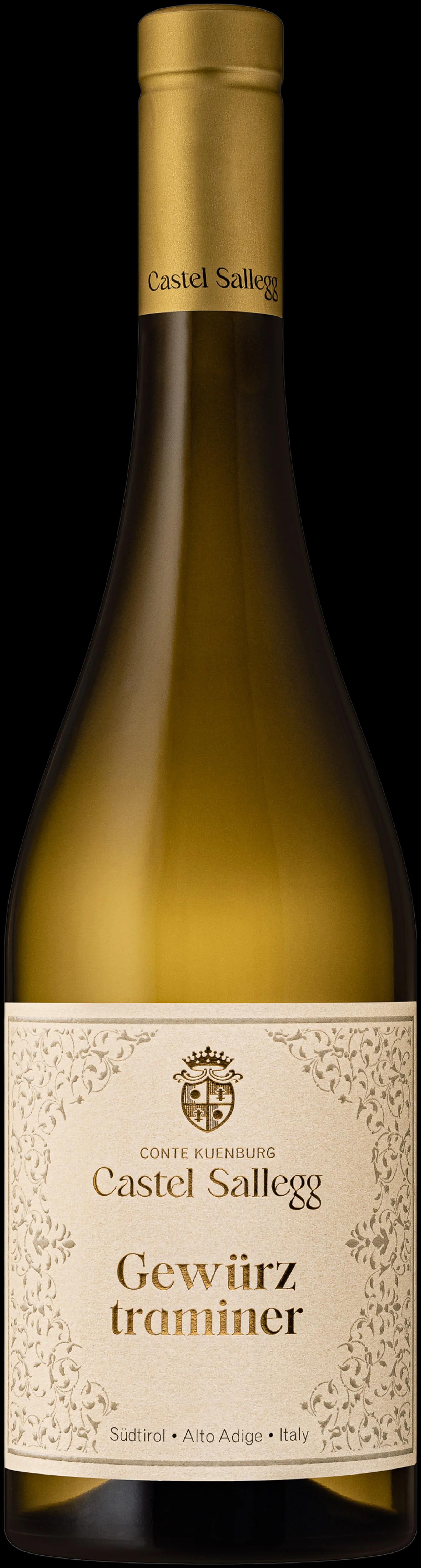
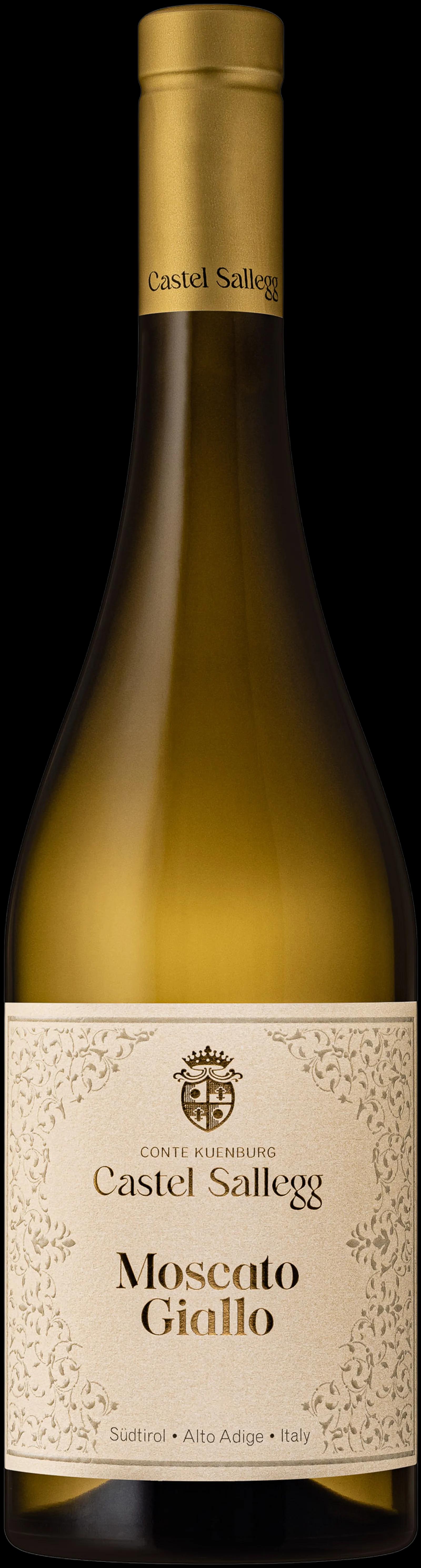
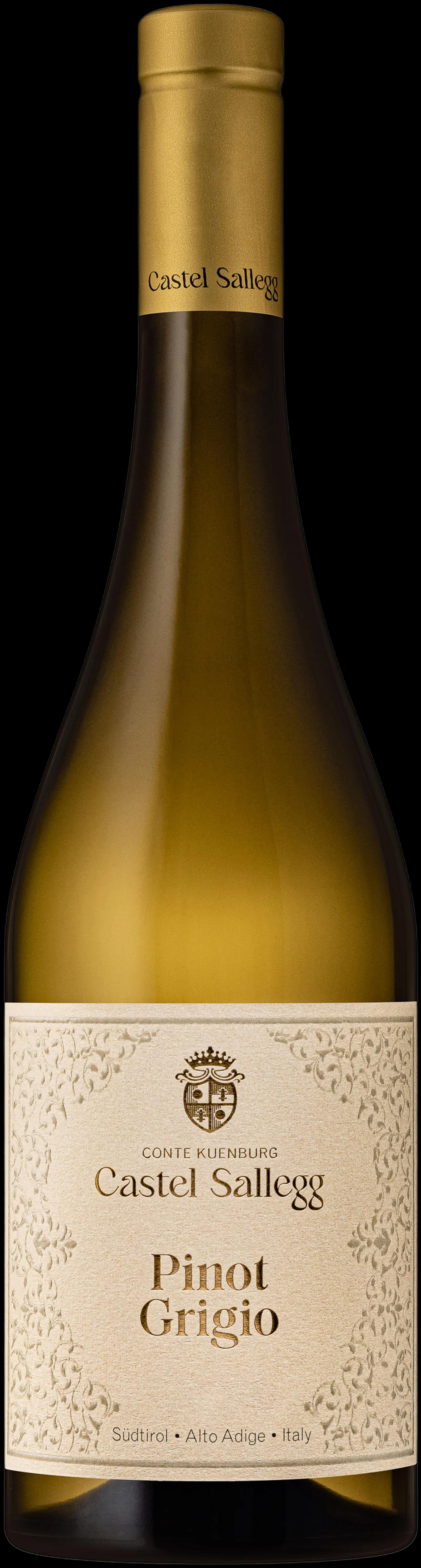
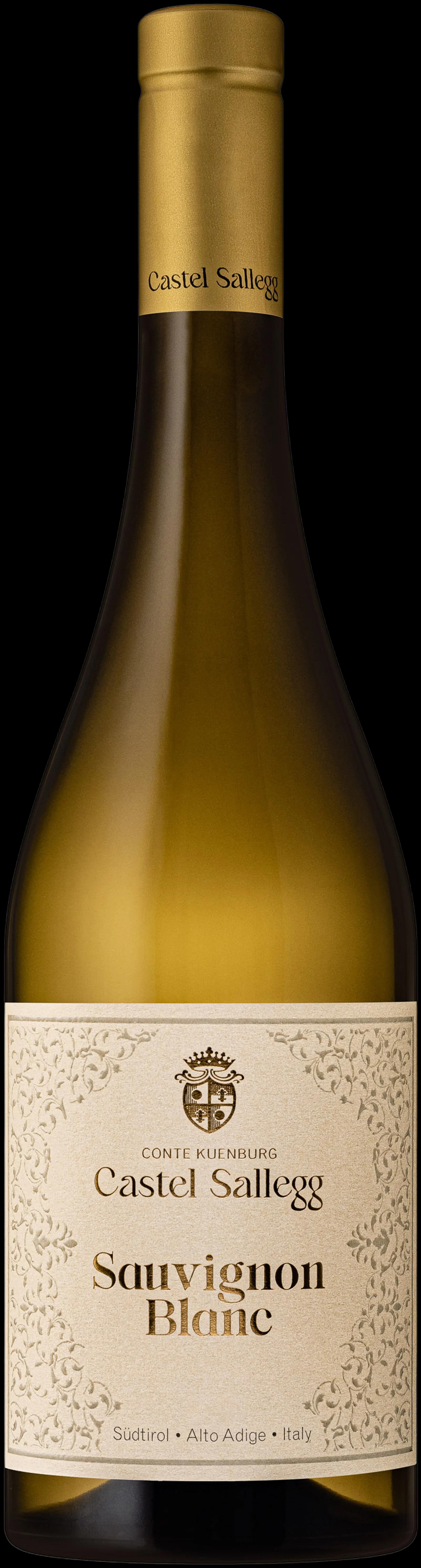
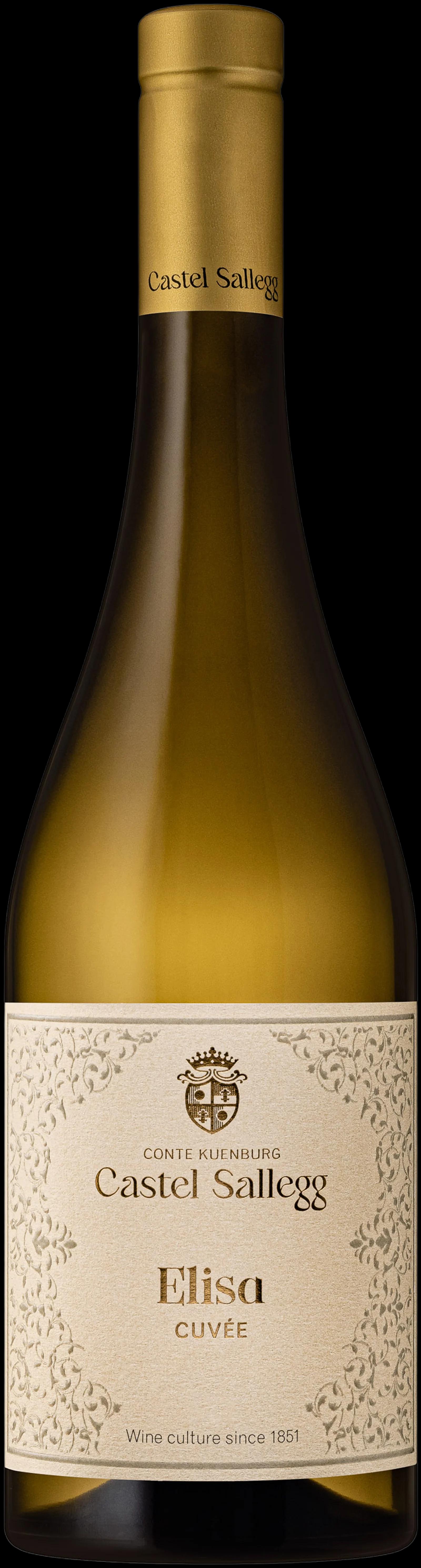
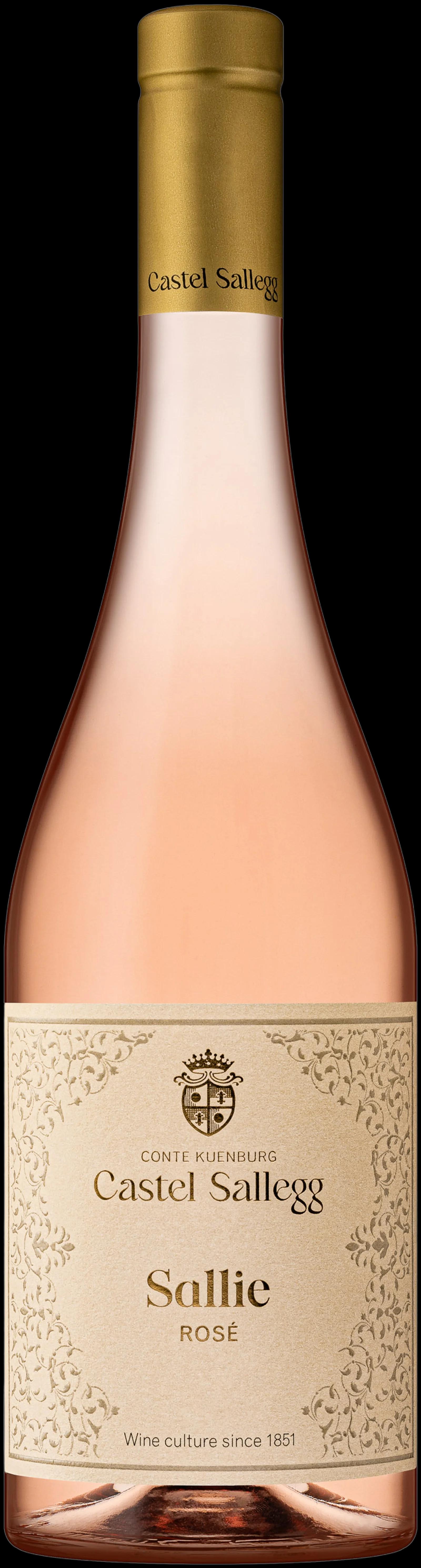
Trentino-South Tyrol wines — Alpine producers, direct from the cellar

Wines from independent producers in Trentino-South Tyrol. Alpine elevation, distinct varieties, direct from the estate.

From Pinot Grigio and Gewürztraminer to Teroldego and Lagrein.

Color

Dropdown arrow

Type

Dropdown arrow

Country

Dropdown arrow

Region (1)

Dropdown arrow

Grape

Dropdown arrow

Pairing

Dropdown arrow

Sort by

Sort arrow
Trentino-Alto Adige

Trentino-South Tyrol wines

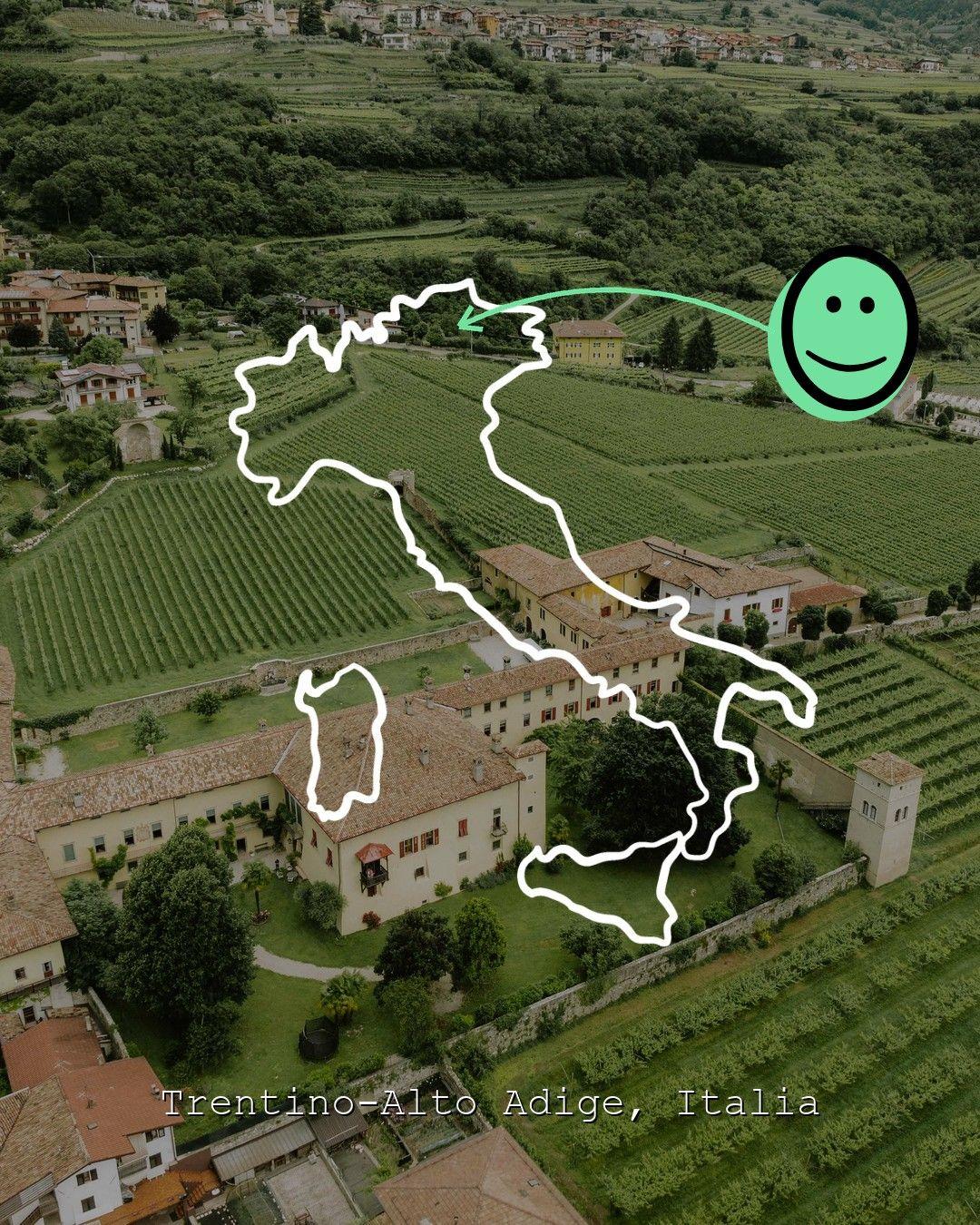
Trentino-South Tyrol sits at the northern tip of Italy, bordered by Austria to the north and Switzerland to the west. Vineyards here are planted at altitudes between 200 and 1,000 metres above sea level. That elevation produces a diurnal temperature range that few Italian regions can match, which preserves acidity and aromatics in both red and white varieties. The producers below ship directly from their cellars in the Adige Valley and its lateral valleys.

Previous1 of 1Next

Trentino-South Tyrol producers

South Tyrol, known locally as Südtirol and officially as Alto Adige, is one of Italy's smallest wine regions by area but ranks among the highest for DOC-classified production. Over 98% of all wine produced in Alto Adige carries a DOC designation. The estates and cooperatives in this region operate under some of the strictest quality thresholds in Italian viticulture. Several of the producers in the grid above also appear in the mixboxes below, composed by the producer as their own recommendation.

View all wineries from Trentino-Alto Adige

Wine experts

Independent wine experts on Free Grape Society rate and review wines they have personally tasted. Their reviews appear on the individual wine page and on the expert's own profile. Some of the experts listed below have reviewed wines from Trentino-South Tyrol producers featured on this page. Their track records and review activity are visible on the platform, so you can assess the basis for any recommendation before acting on it.

View all wine experts

Frequently asked questions

How do I buy directly from a Trentino-South Tyrol producer on Free Grape Society?

Browse the producers listed on this page and open a winery profile to see the wines they have listed. Add bottles to your cart and check out using Klarna or card. The producer ships directly from their own cellar, and delivery typically takes between 4 and 14 days, with an average of around 8 to 9 days.

What happens if a bottle arrives broken or doesn't taste right?

Send a photo to Free Grape Society customer support within 7 days of delivery. We will arrange a replacement or a refund. Because producers ship directly, quality issues are handled with the producer's direct involvement. Shared responsibility is built into how FGS works.

Do I need an account to order from a Trentino-South Tyrol winery?

Joining Free Grape Society is free for all members. Creating an account lets you track orders, save favourite producers, and access personal wine advice from independent experts. You can browse producers and wines without an account, but you will need one to place an order.

How long does delivery take?

Average delivery is 8 to 9 days from order to door. The full range is 4 to 14 days depending on the producer's location and your delivery address. Wines ship directly from the producer's cellar, not from a central warehouse.

How do I find the right Trentino-South Tyrol producer for what I am looking for?

If you know the variety you want — Lagrein, Gewürztraminer, Teroldego, Pinot Grigio — start with the wine pages and follow through to the producer. If you are less sure, use the wine expert advice service: describe what you enjoy and an independent expert will suggest producers and bottles from the region that fit.

How does Free Grape Society choose which Trentino-South Tyrol producers to work with?

Producers send samples before any wine is listed. Those samples are tasted, and a wine only appears on the platform once it has passed that tasting. We also look for producers who price their wines fairly — without the mark-ups that come from agents and warehouses — and who are willing to ship directly from their own cellar.

Which Trentino-South Tyrol wine expert can recommend something for me?

Use the wine expert advice form on Free Grape Society to put your question to an independent expert. Describe what you are looking for — a variety, a style, a food pairing, a budget — and an expert who knows the region will respond with a personal recommendation from the producers listed on the platform.

Why don't you carry every wine from every Trentino-South Tyrol producer you work with?

Producers list the wines they want to sell directly and ship themselves. Some estates hold back certain labels for their own market or for allocation customers; others are simply not yet set up for direct export. What appears on Free Grape Society is what each producer has chosen to offer directly, at the price they have set.

Can I buy Trentino-South Tyrol wines in a shop instead?

Some producers from the region sell through local wine merchants or export to specialist retailers, but the direct relationship — producer to buyer, at the producer's own price — is specific to Free Grape Society. There is no importer adding a margin, and no warehouse holding stock: the bottle ships from the cellar where it was made.

Appellations and grapes of Trentino-South Tyrol

Trentino-South Tyrol is two regions sharing one administrative boundary. Trentino occupies the southern, valley-floor stretch of the Adige river; South Tyrol (Alto Adige in Italian, Südtirol in German) runs north toward the Austrian border. The distinction matters because the winemaking traditions, languages, and dominant grape varieties diverge sharply between them.

South Tyrol is home to the Alto Adige DOC, one of Italy's most fragmented appellations: a single umbrella designation covering more than twenty sub-varieties of wine, from Pinot Gris and Pinot Blanc to Sauvignon Blanc and Gewürztraminer. Altitude here is the defining variable. Vineyards range from 200 metres near Bolzano to over 1,000 metres on the slopes above Merano. Every 100 metres of elevation adds roughly 0.6°C of diurnal temperature swing, which is why aromatic whites here tend to carry higher acidity than their counterparts in Friuli Venezia Giulia or Veneto.

Trentino's signature red grape is Teroldego, grown almost exclusively on the Rotaliano plain — a flat gravel terrace between two rivers north of Trento. Lagrein, which is also native to this corridor, produces deeply coloured reds and rosés that differ structurally from anything grown further south in Tuscany or Piedmont. Pinot Noir has been cultivated here since the mid-nineteenth century, introduced by German-speaking growers before it became fashionable in Burgundy-influenced circles.

Gewürztraminer takes its name from the village of Tramin (Termeno) in South Tyrol — evidence of how old the grape's local presence is, and how misleading it is to treat it as primarily Alsatian.

Climate, altitude, and what they mean in the glass

The Adige valley acts as a wind corridor. Cold air descends from the Alps at night; warm Mediterranean air pushes north during the day. This pattern repeats reliably enough that the region's average diurnal temperature range during the growing season exceeds 15°C — a figure that explains why aromatic whites retain freshness at harvest even when daytime temperatures are high.

Glacial moraine soils dominate the valley floor. On the steeper slopes, porphyry and dolomite rock fragments appear in the topsoil. Porphyry tends to produce wines with firmer mineral structure; dolomite-heavy plots often show higher natural acidity. Producers who own parcels at different altitudes sometimes vinify them separately for this reason.

The region has the highest density of DOC-classified vineyards per hectare of any Italian region. It also has the highest proportion of white wine production of any Italian region outside of Campania's Greco di Tufo zones. Despite this, most international retail shelves stock fewer than a handful of South Tyrol labels. The production volumes are relatively small, and cooperatives historically absorbed much of the output before independent estates began direct distribution in the 1990s.

How producers from Trentino-South Tyrol work with Free Grape Society

Producers on this page set their own prices. No importer, no wholesaler. The price you see is the price the producer agreed to — which means the margin that would otherwise sit with a distributor stays either with the estate or is passed to the buyer.

Every wine was tasted before listing. Samples are sent to our Head of Product, who tastes every wine before it goes live on the platform. Independent wine experts Rate & Review individual wines on the platform, and those reviews are visible on each wine's page. This is not a curated assortment in the traditional sense: producers apply to be here, and the quality check is on the wine, not on brand recognition.

Trentino-South Tyrol producers tend to be smaller by area than estates in Tuscany or Veneto. Average vineyard holdings for an independent estate in Alto Adige are under 10 hectares. That scale makes direct distribution practical — there is no volume surplus to push through wholesale channels. It also means the person who made the wine is often the same person who packed the box.

Bottles ship from the producer's cellar, not from a warehouse in the Netherlands. For a region where altitude, parcel, and vintage year are all meaningful on the label, that supply chain matters. A wine stored at cellar temperature from harvest to your door is not the same as one that spent two summers in a logistics hub.