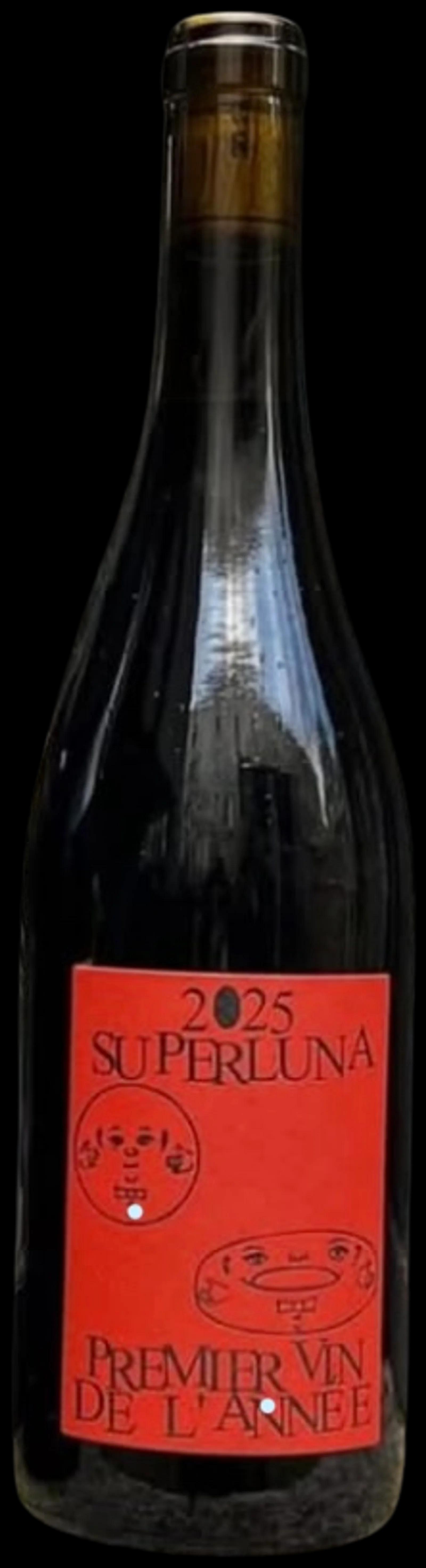
Grenache Noir in France: where it grows and why it matters
Grenache Noir arrived in southern France from Spain — historically from Aragon — and took root most deeply in the southern Rhône Valley and Languedoc-Roussillon. In both regions, the grape's behavior is shaped by the same fundamental challenge: it ripens late and accumulates sugar quickly, which means harvest timing is critical. Pick too early and the tannins are harsh. Pick too late and you lose the savory structure that makes the grape distinctive.
In Châteauneuf-du-Pape, Grenache Noir is legally permitted to make up 100% of a red blend, though most producers use it as the dominant variety alongside Syrah and Mourvèdre. The region's galets roulés — large, smooth stones that store heat through the day and release it at night — extend the ripening window and allow phenolic development without overloading the wine with sugar. The result is high-alcohol reds, typically 14.5–15.5%, with red fruit, leather, and dried herbs rather than fresh berry profiles.
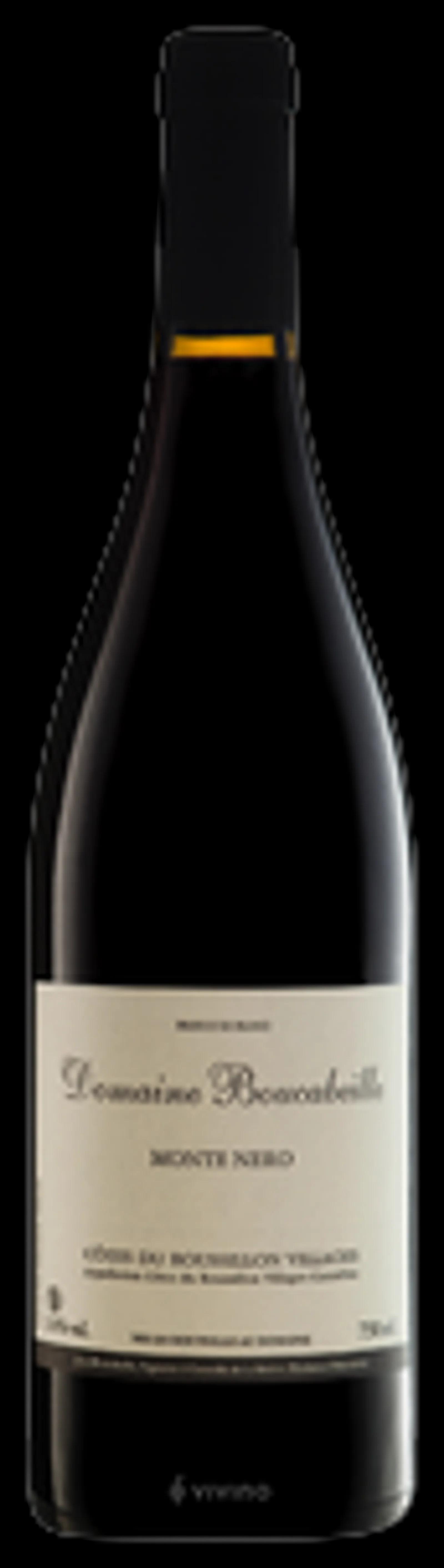
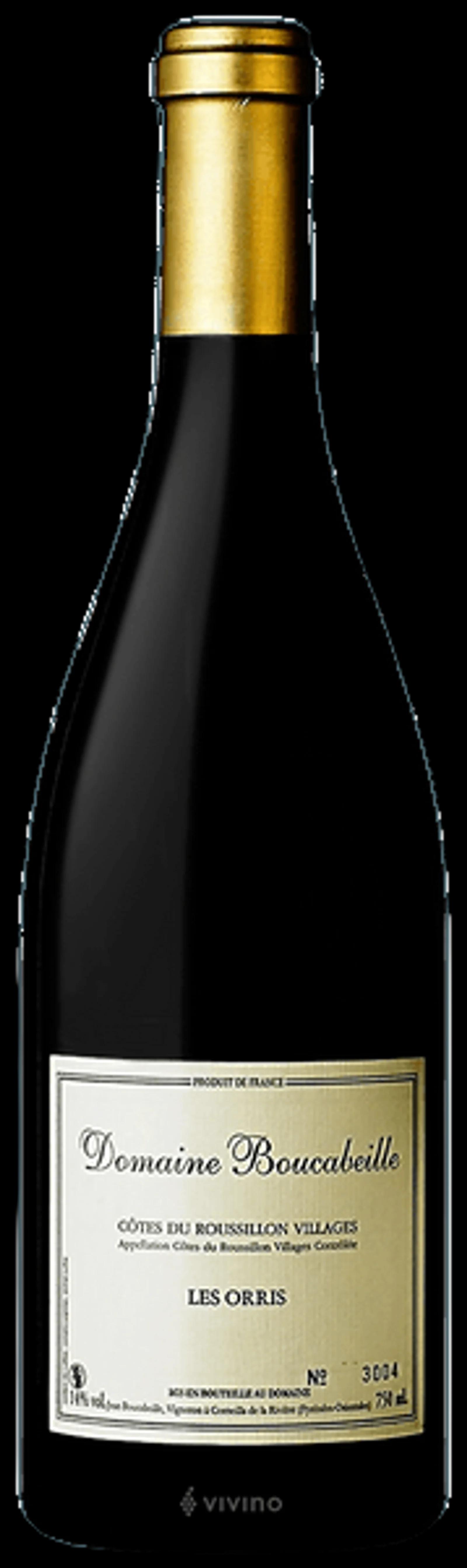
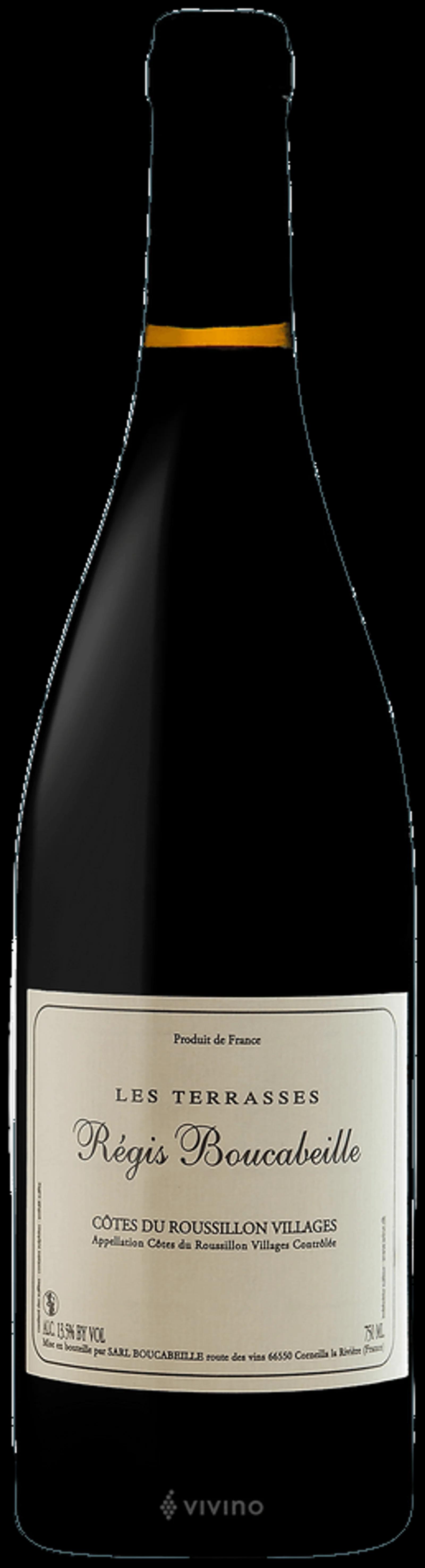
In Roussillon, the picture is different. Producers working in granite and schist soils at altitude — in appellations like Maury and Côtes du Roussillon Villages — get a different expression: darker fruit, more grip, sometimes an iron-mineral edge that distinguishes Roussillon Grenache from its Rhône counterpart. Maury also has a long tradition of Grenache Noir used in vin doux naturel, a fortified wine made by stopping fermentation with neutral spirit, preserving residual sugar while retaining the grape's fruit intensity.
How French Grenache Noir compares to Garnacha and other expressions
Grenache Noir and Garnacha are the same grape under different names — French and Spanish respectively. The difference is not botanical but geographical and stylistic. Spanish Garnacha from Priorat or Aragón tends toward darker, more extracted profiles, often with more oak influence. French Grenache Noir from the Rhône or Languedoc typically retains more aromatic lift and dried-herb character, partly due to the mistral wind, which reduces yields and concentrates flavors without excessive alcohol accumulation.
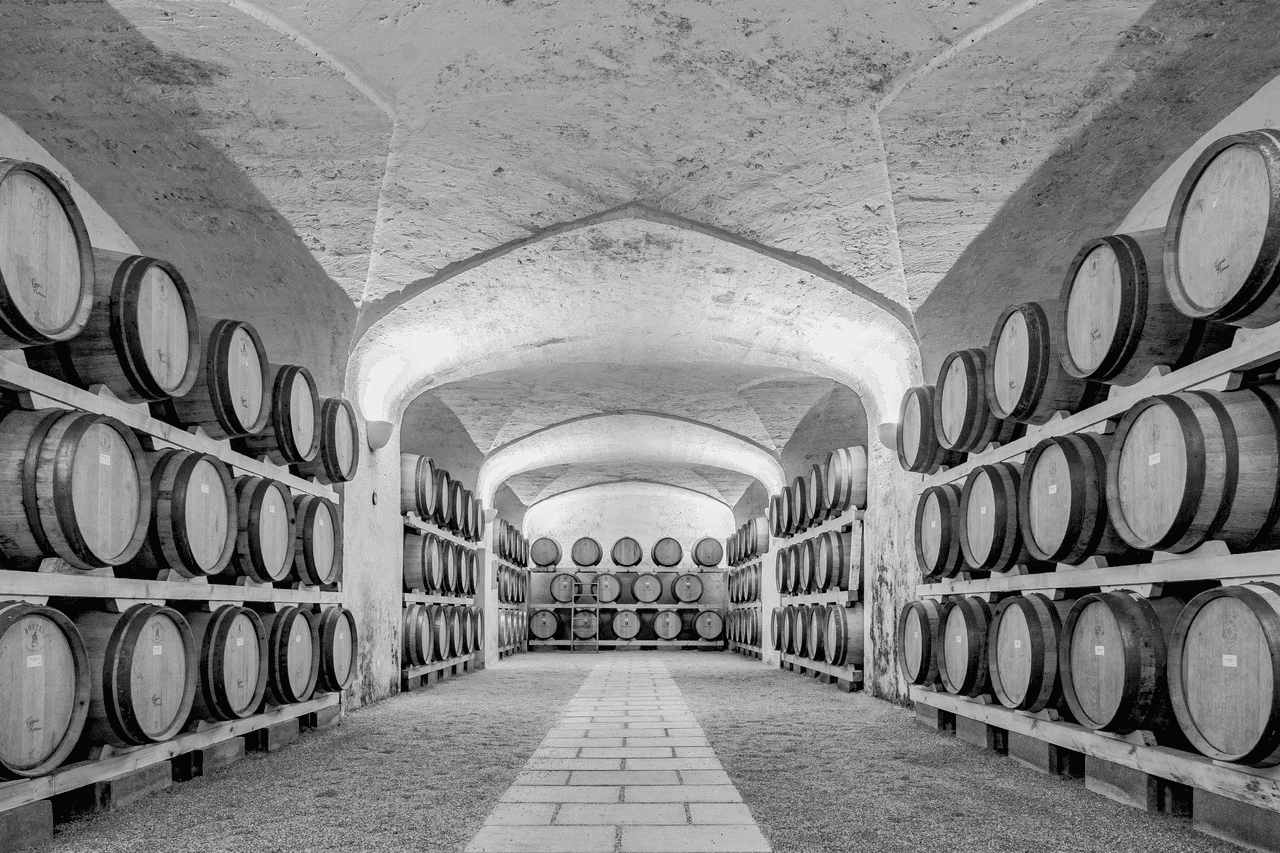
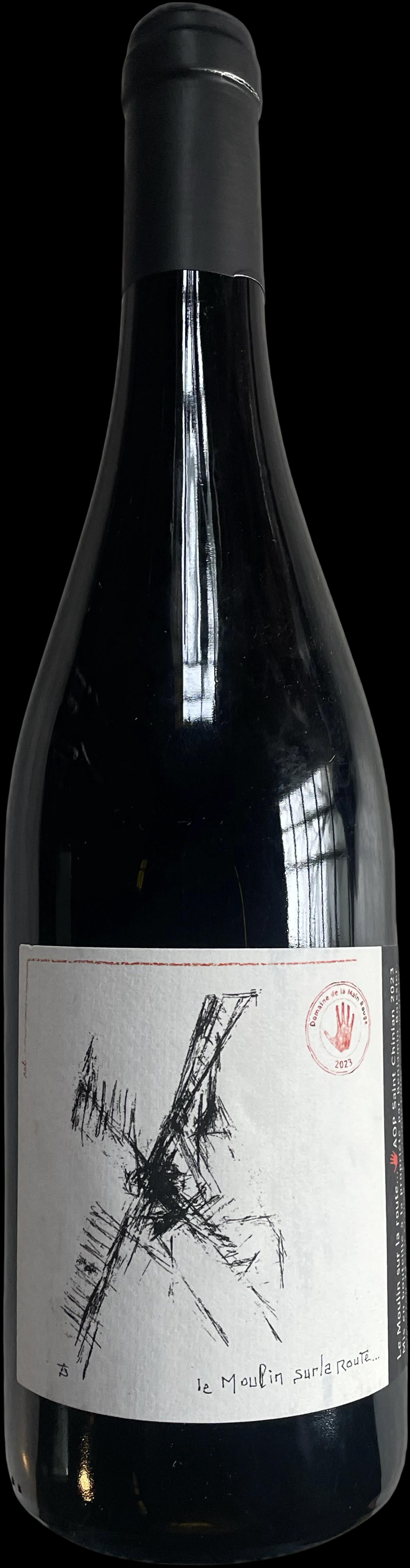
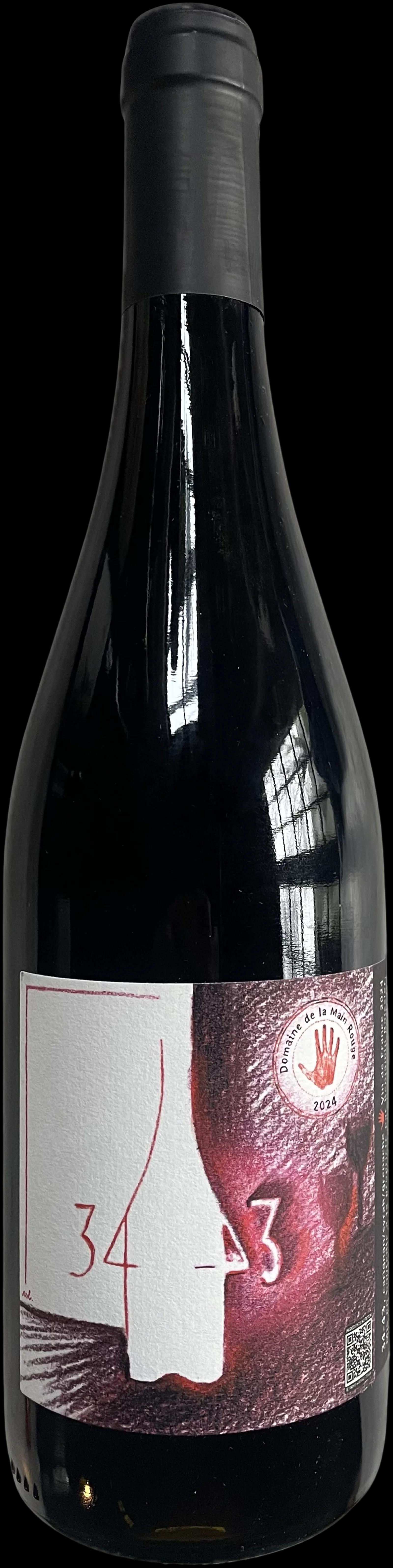
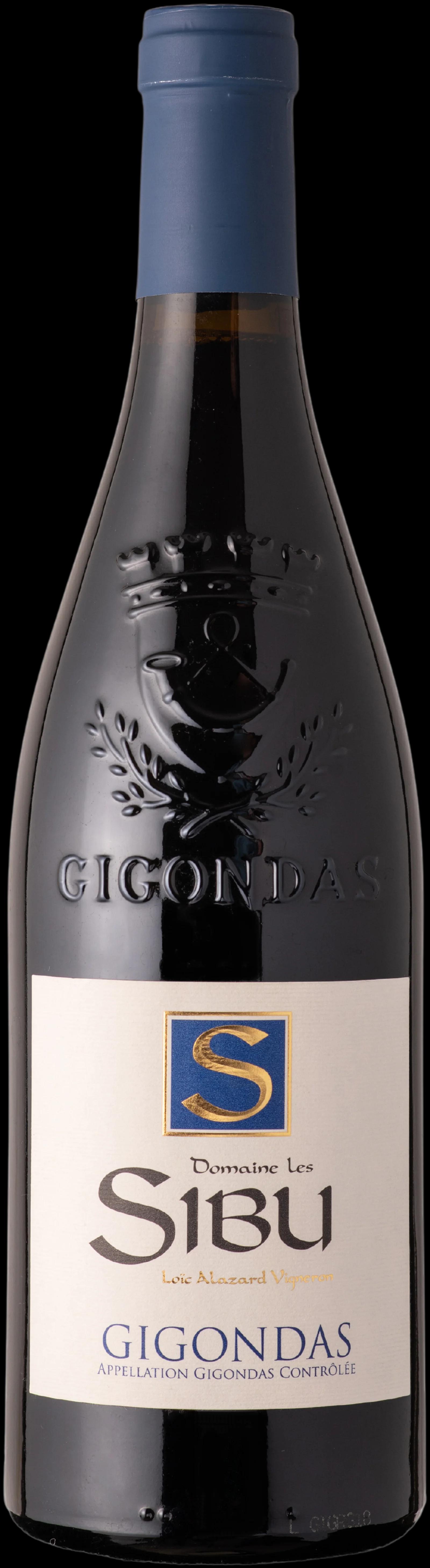
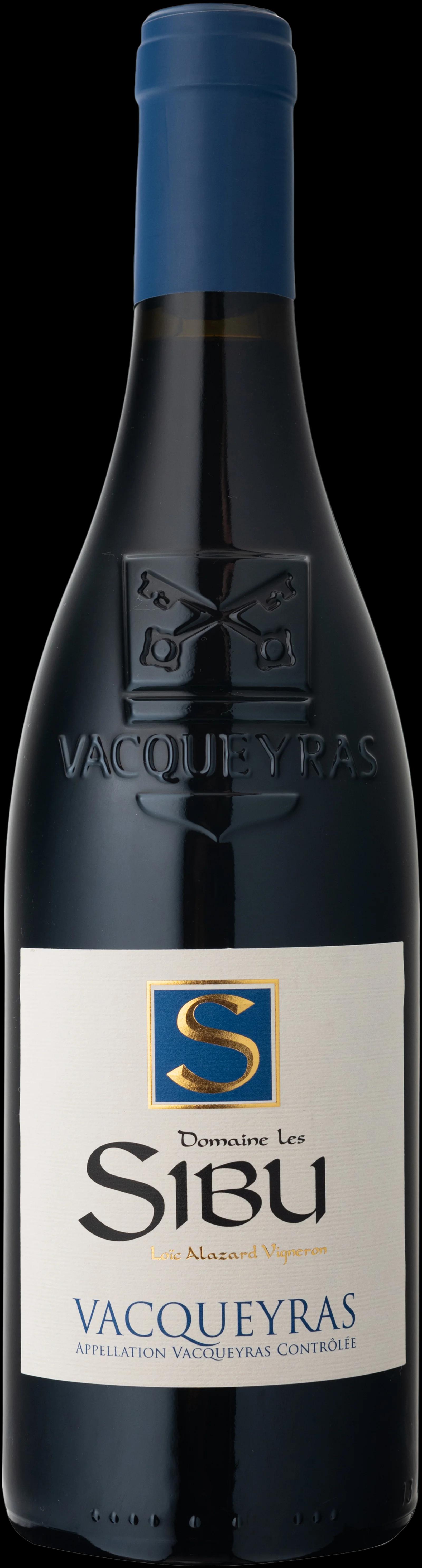
Within France, the regional contrast is significant. Rhône producers — particularly in appellations like Gigondas and Vacqueyras — often age Grenache in large neutral oak foudres rather than small barriques, which preserves the grape's fruit character without imposing heavy wood tannin. In Languedoc-Roussillon, a growing number of producers, particularly younger estates, are moving toward whole-cluster fermentation and shorter maceration times, which produces lighter, more saline Grenache Noir styles that sit closer structurally to a serious Cinsault than to a classic Châteauneuf.
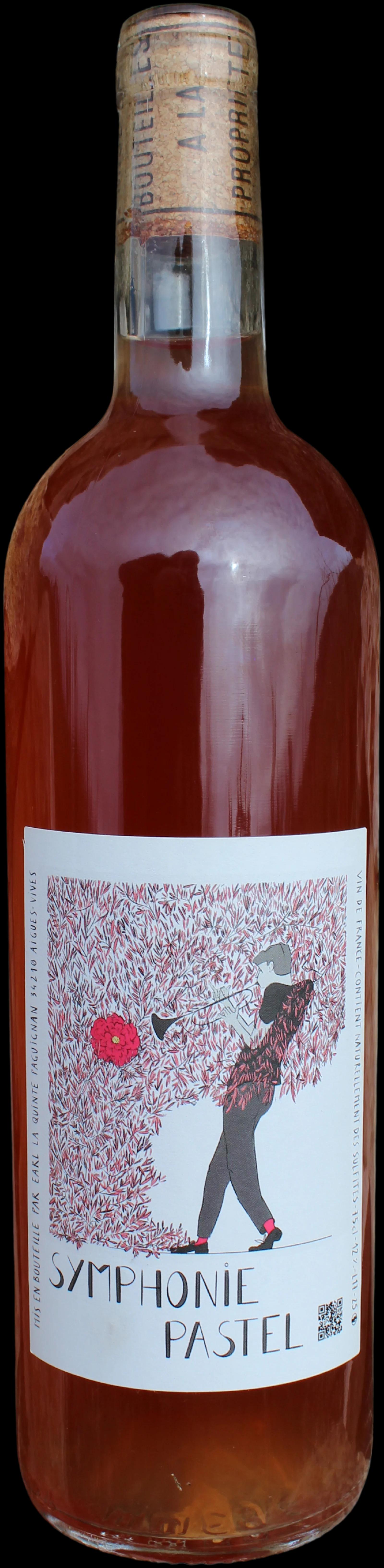
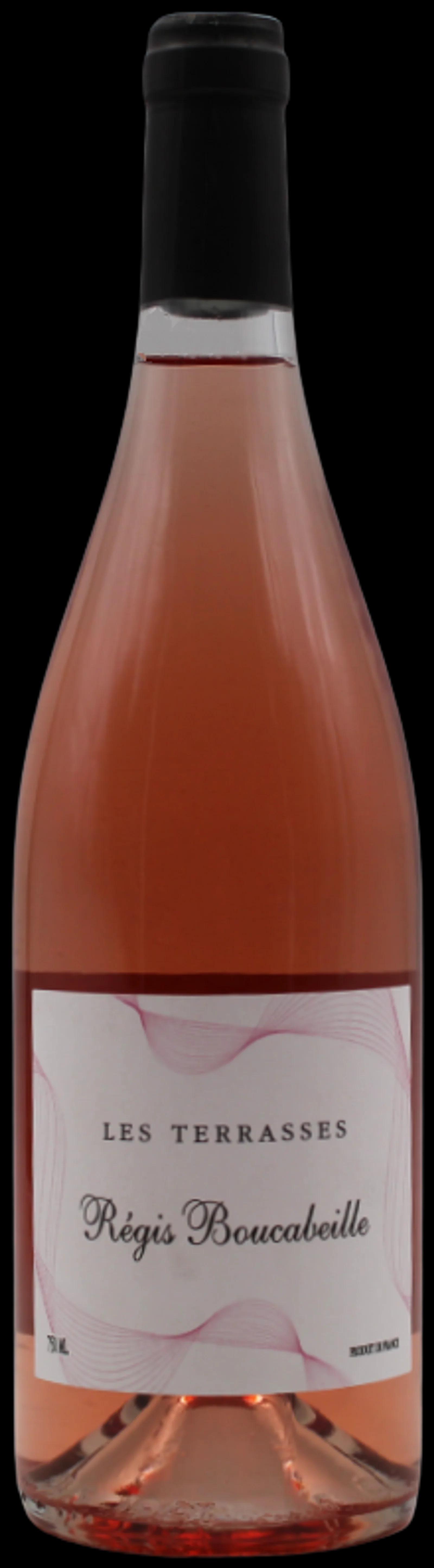
Grenache Noir also appears as a major component in southern French rosé — particularly in Tavel, the only AOC in France dedicated exclusively to rosé, where Grenache is the backbone grape. These are not pale Provençal rosés; Tavel rosés are typically deep copper-pink, full-bodied, and built for food. Producers on Free Grape Society working with French Grenache Noir tend to be single-estate operations. No importer, no wholesaler. The price you see is the price the producer agreed to.
Styles of Grenache Noir from France
French Grenache Noir covers more stylistic ground than its warm-climate reputation suggests. The main categories producers work within are:
**Classic southern Rhône:** High-alcohol, full-bodied reds dominated by red cherry, garrigue, and leather. Châteauneuf-du-Pape is the reference point, but Gigondas and Vacqueyras offer comparable structure at a different price level. These wines are typically aged 12–24 months in large foudres and release with some bottle age already built in.
**Languedoc dry reds:** More variable stylistically. Appellations like Pic Saint-Loup and Faugères use Grenache in blends with Syrah and Carignan, where it contributes roundness and aromatic lift. In Corbières and Minervois, the grape often takes a secondary role behind Carignan in older-vine blends.
**Roussillon reds and fortified:** Maury Sec is the dry-red expression — structured, mineral, often powerful. Maury AOC (the traditional fortified version) uses Grenache Noir as the base for oxidatively aged wines with walnut, dried fig, and cocoa notes. These are long-aging wines, sometimes released after 5–10 years in barrel.
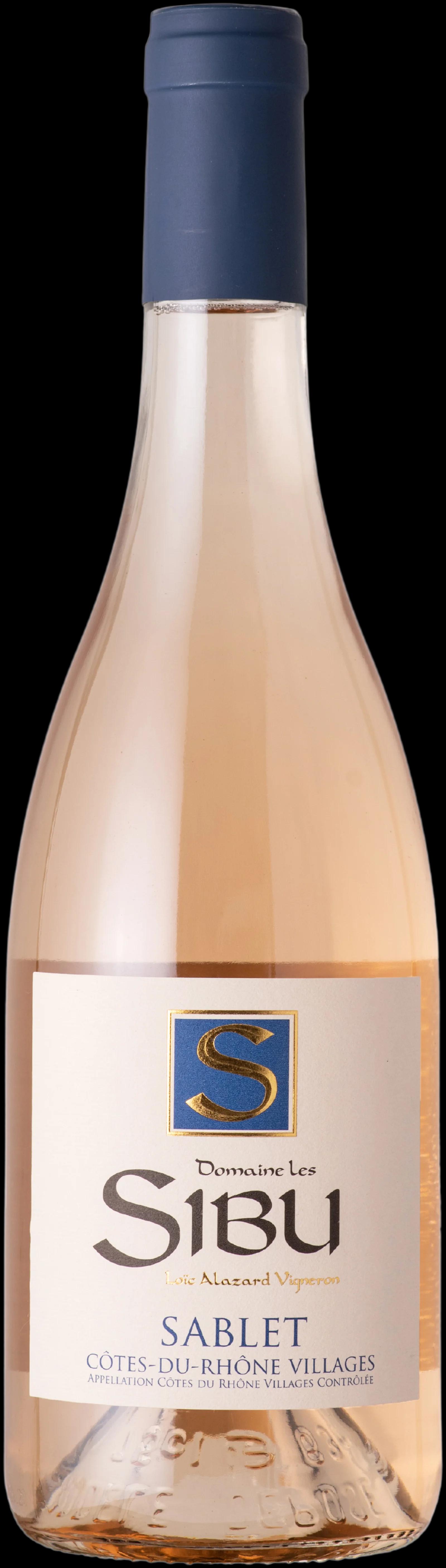
**Rosé:** Tavel is the most structured expression. Grenache-dominant, full-bodied, deep in color. Distinct from the lighter rosé de France style produced further east in Provence.
Producers across these categories can be found on Free Grape Society alongside independent expert reviews of individual bottles. The Rhône Valley, Languedoc-Roussillon, and broader French wine pages carry further regional context.