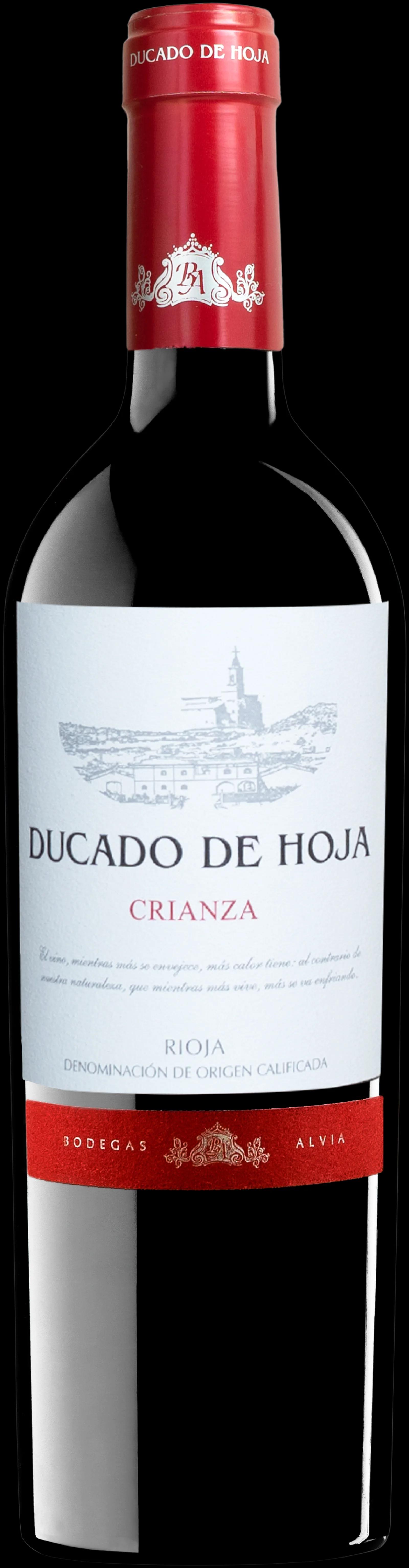
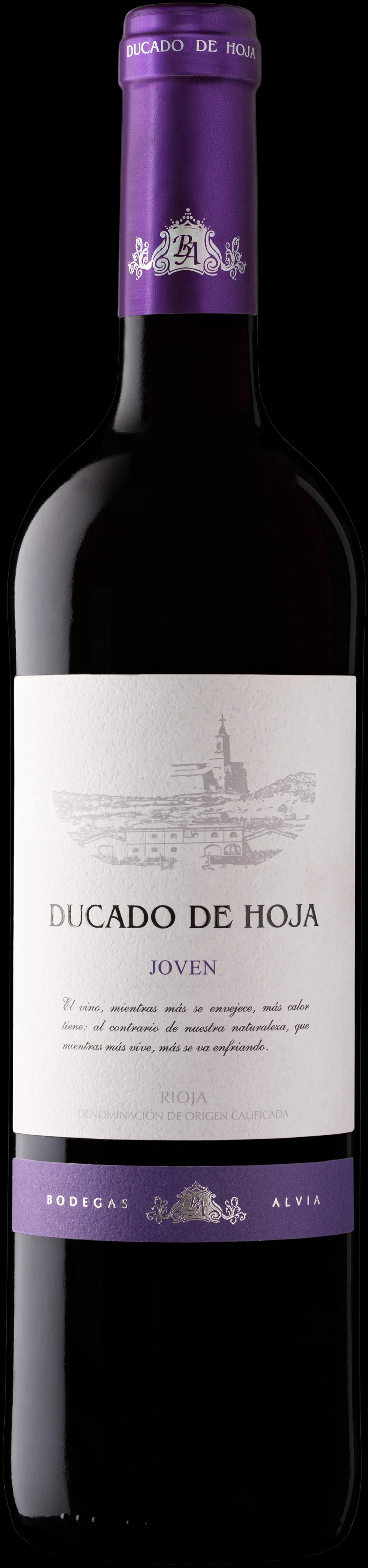
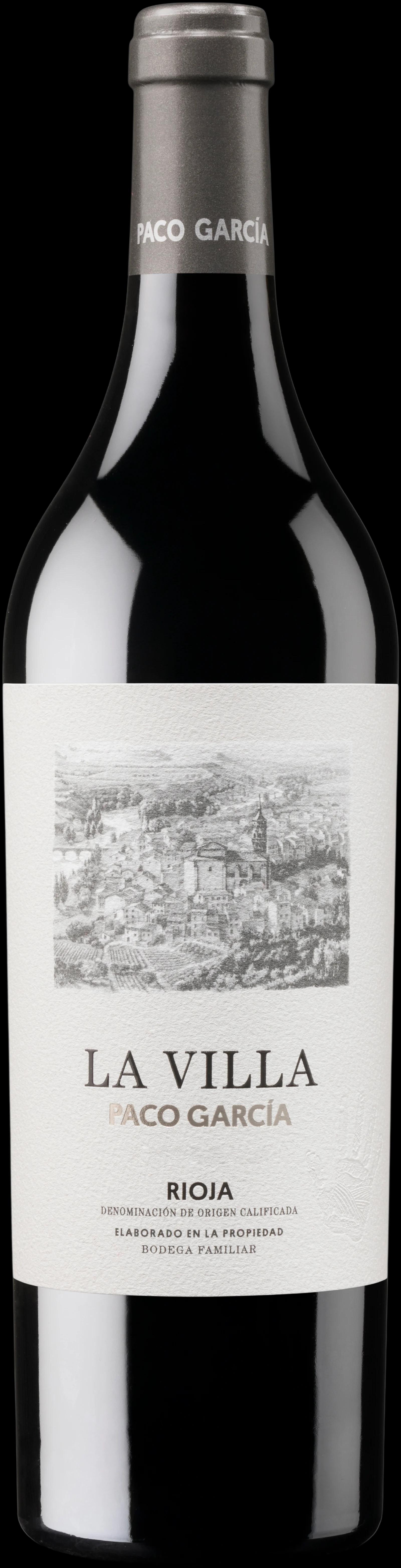
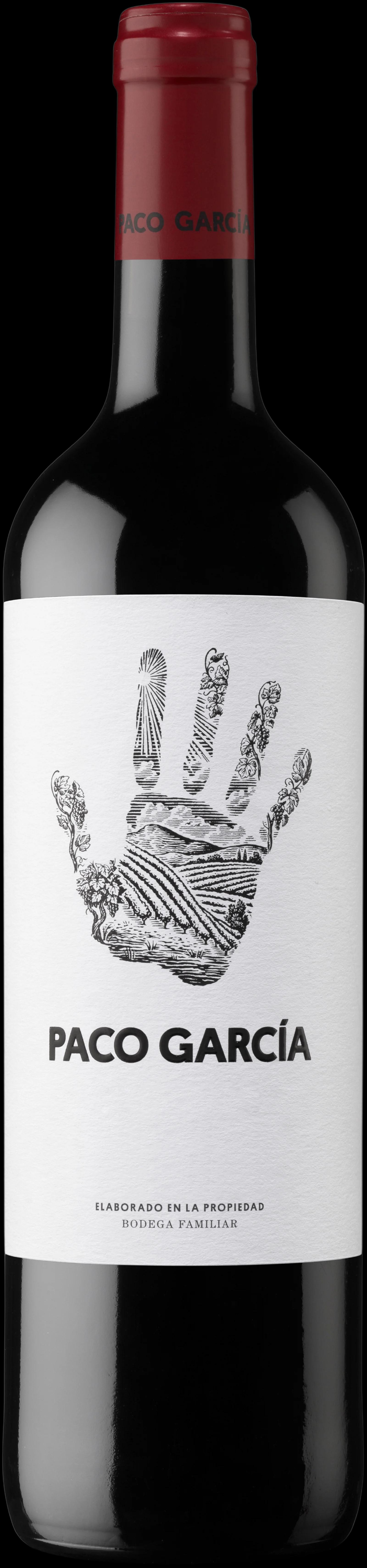
Tempranillo in Spain — soil, altitude, and regional variation
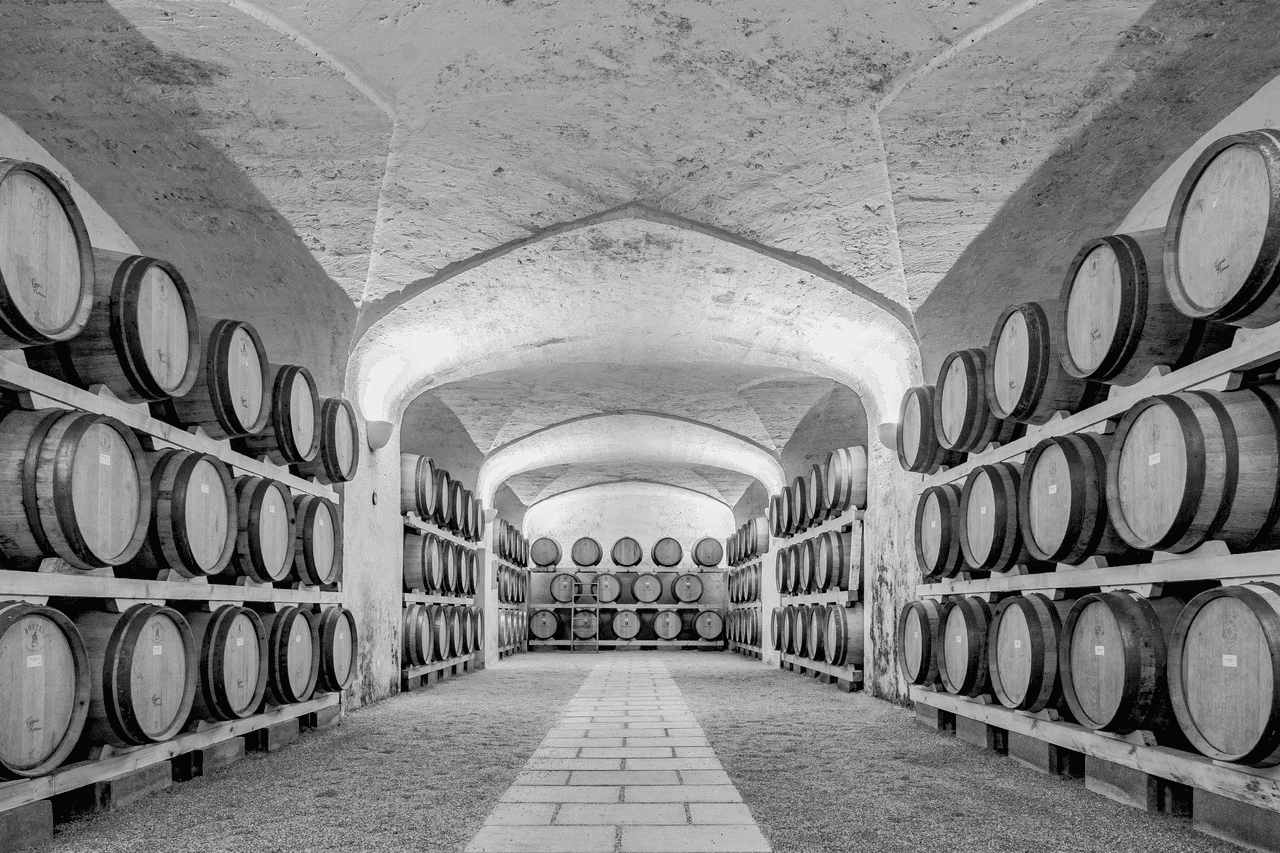
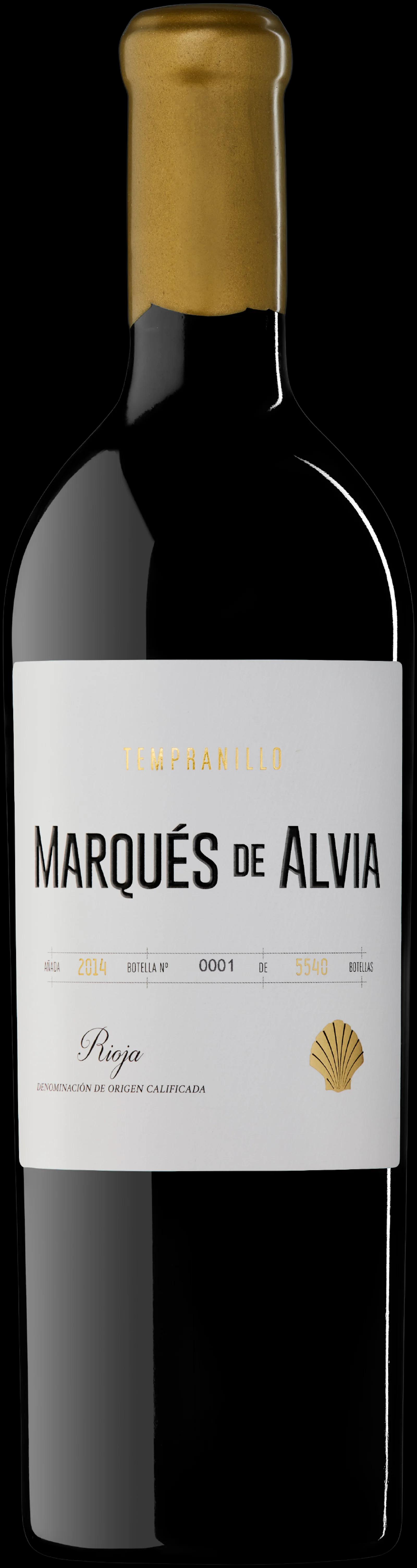
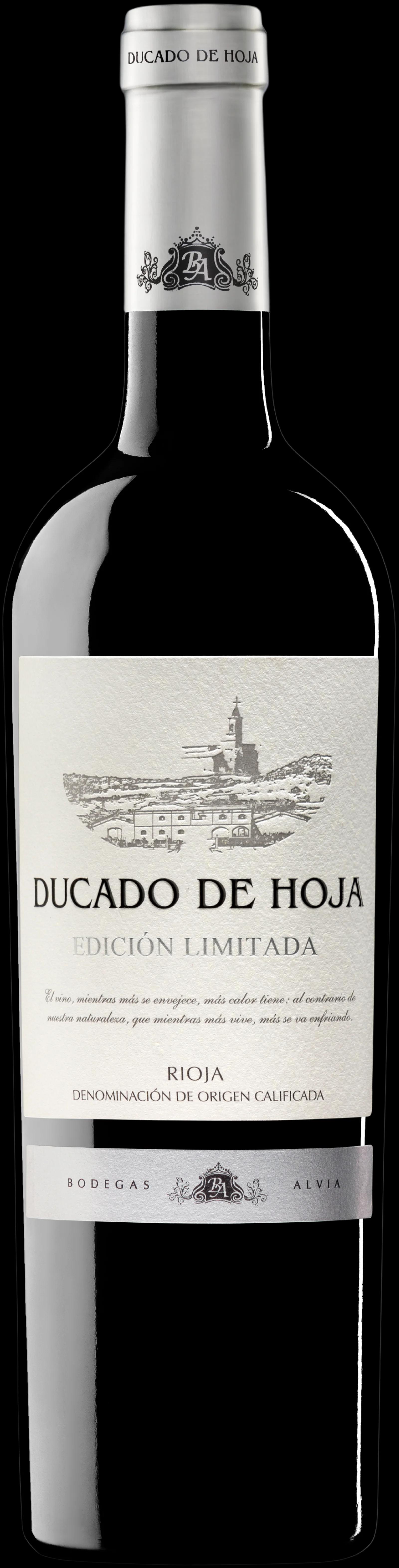
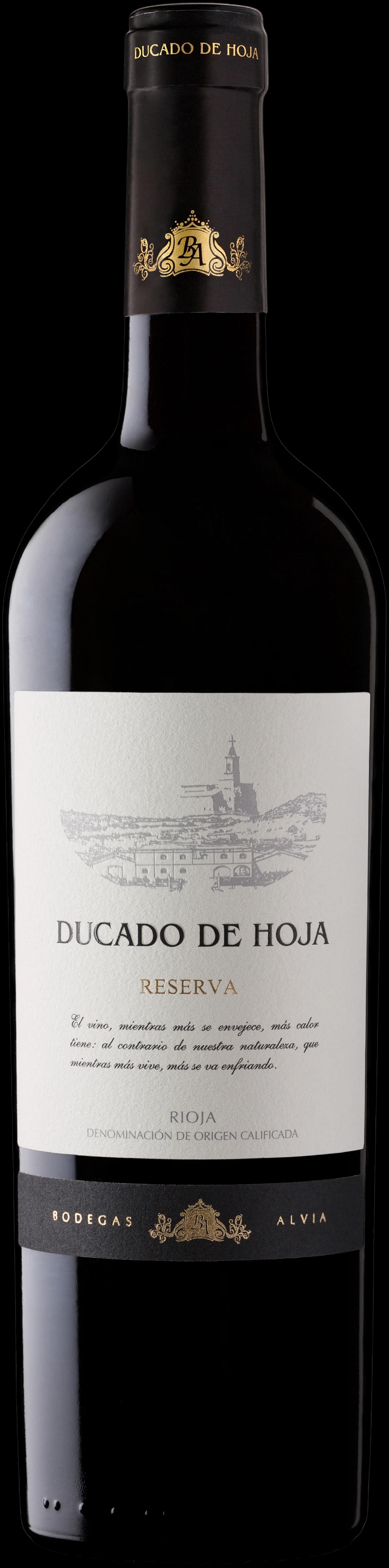
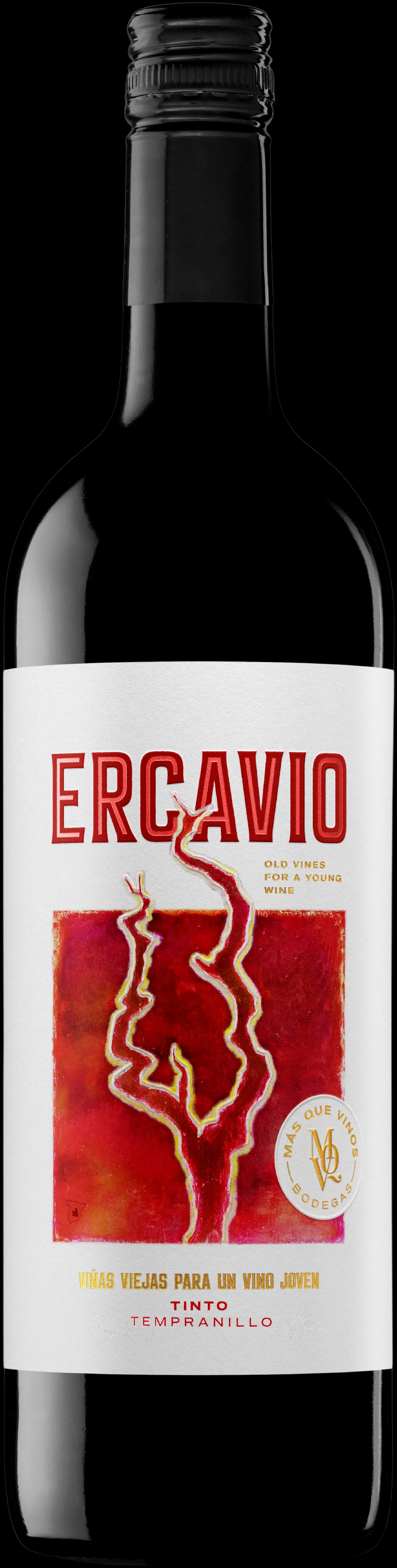
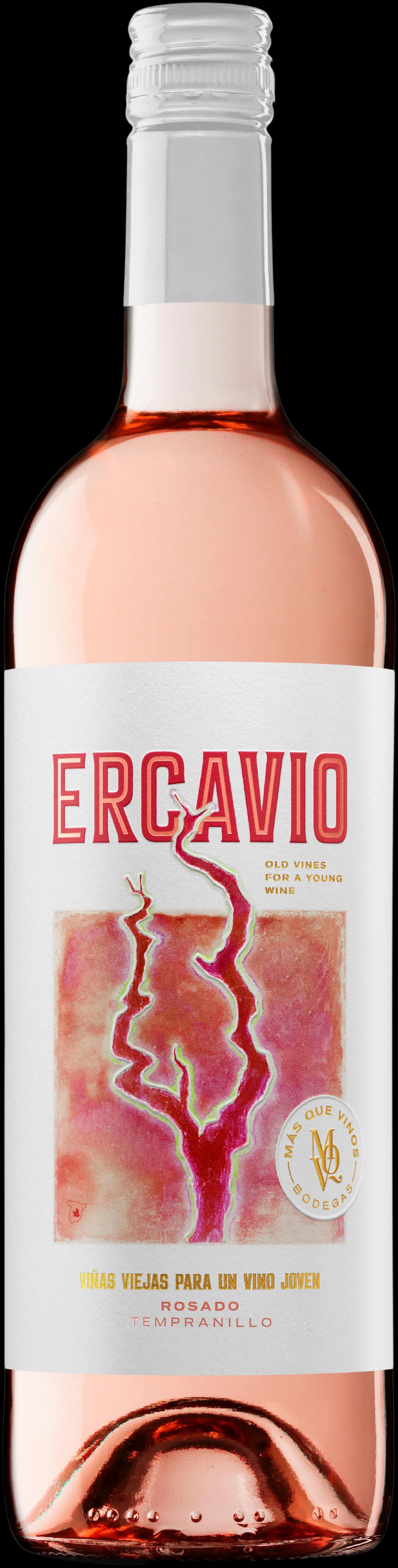
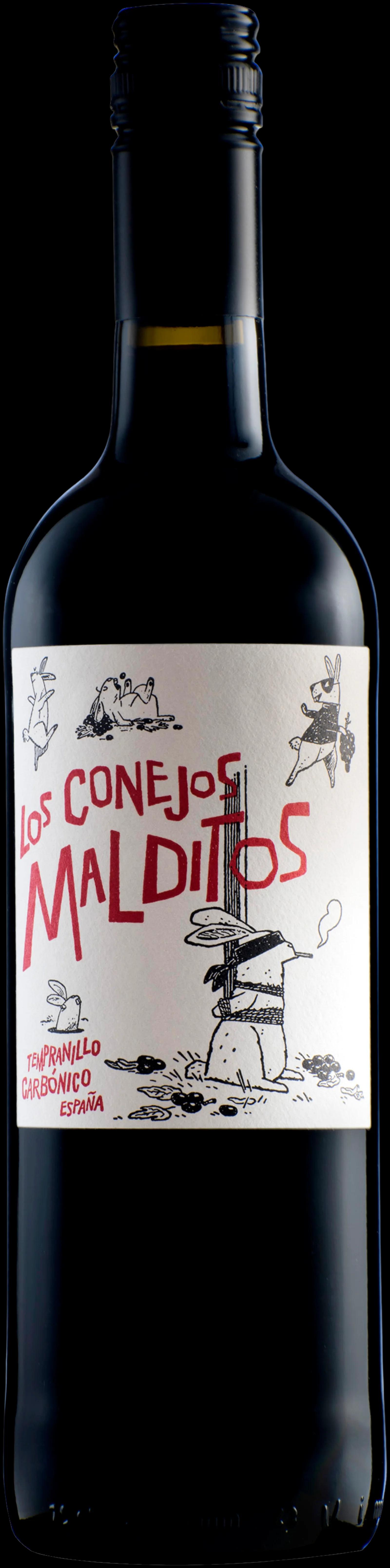
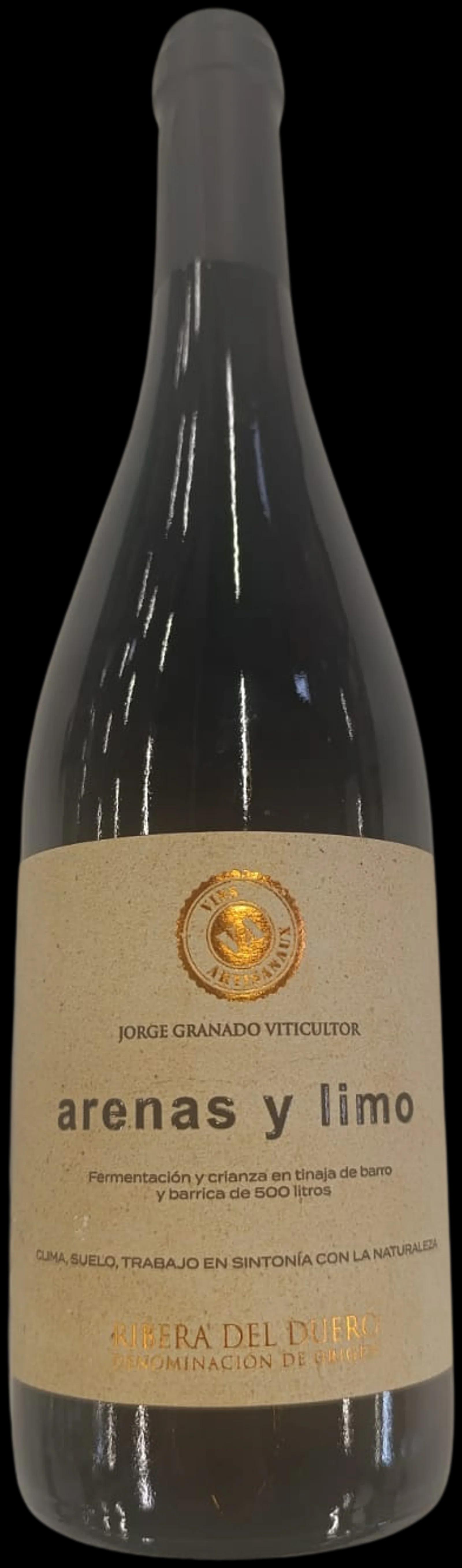
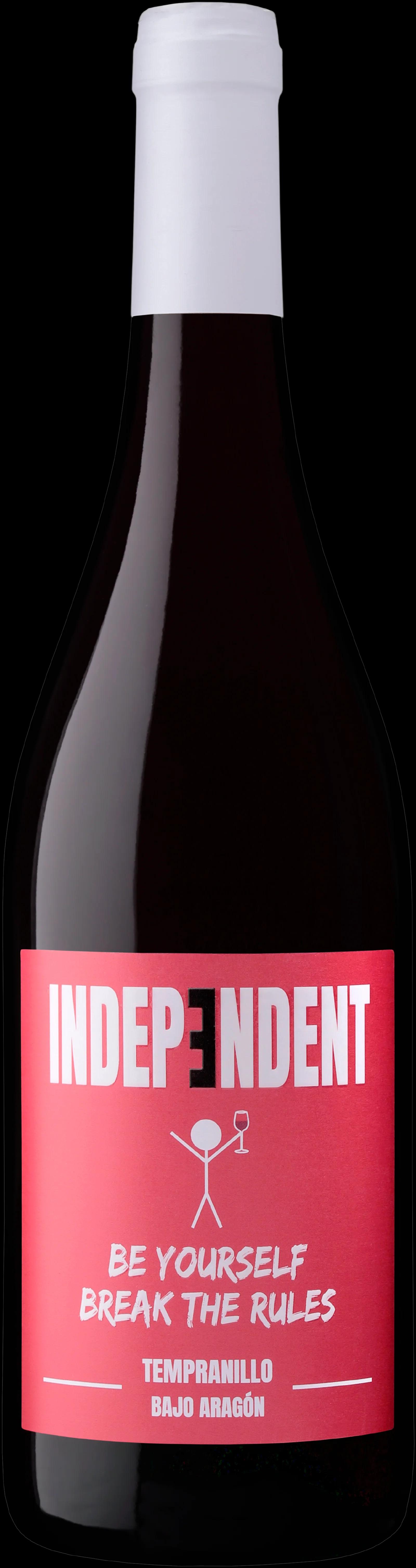
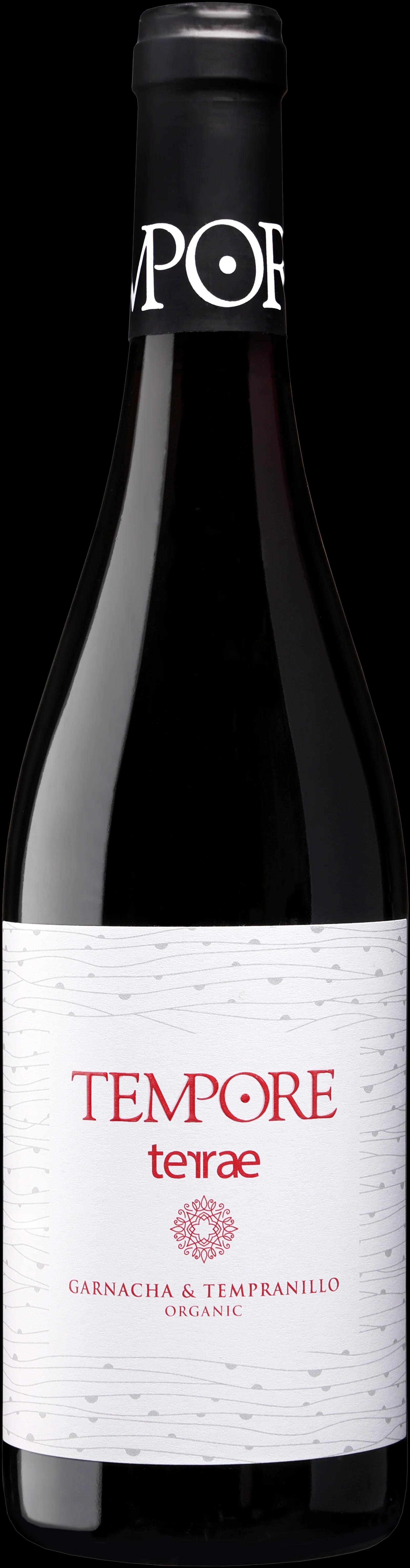
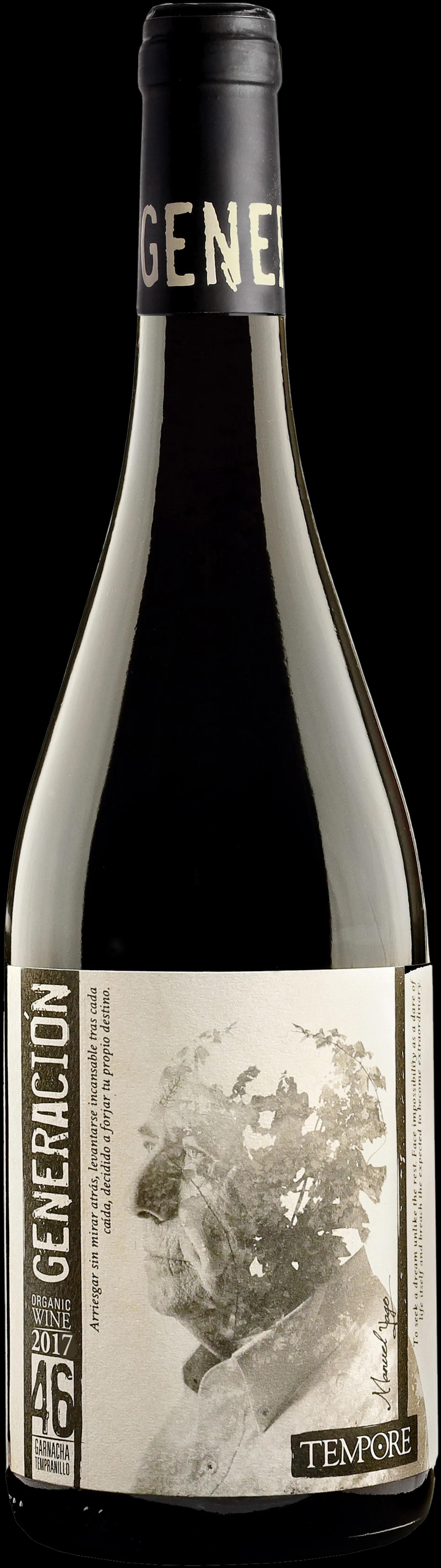
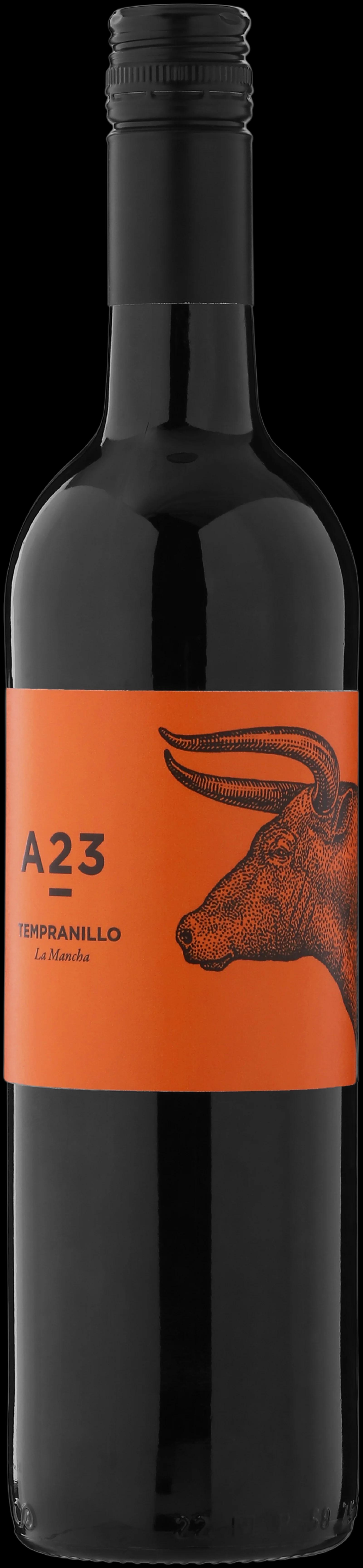
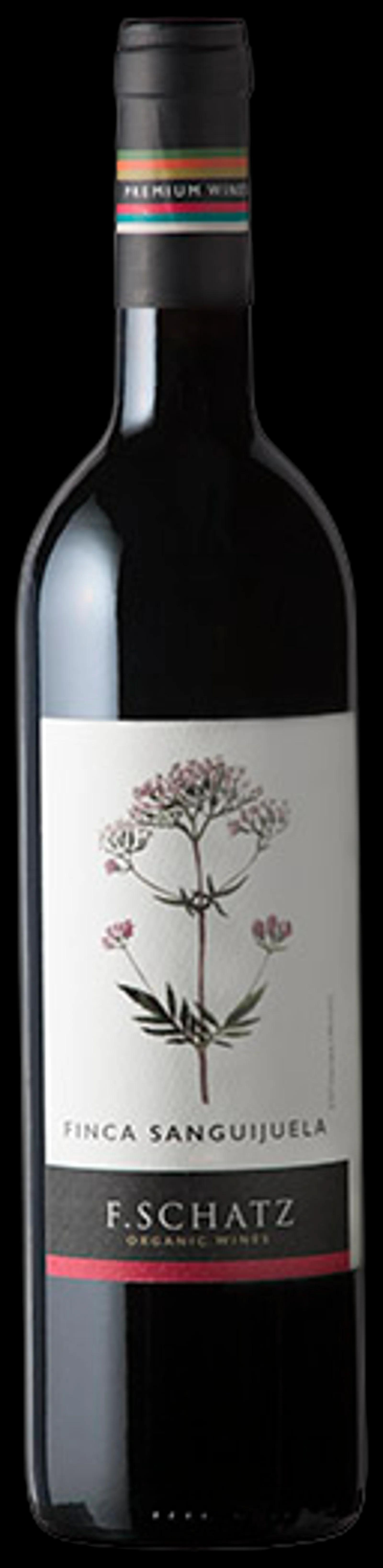
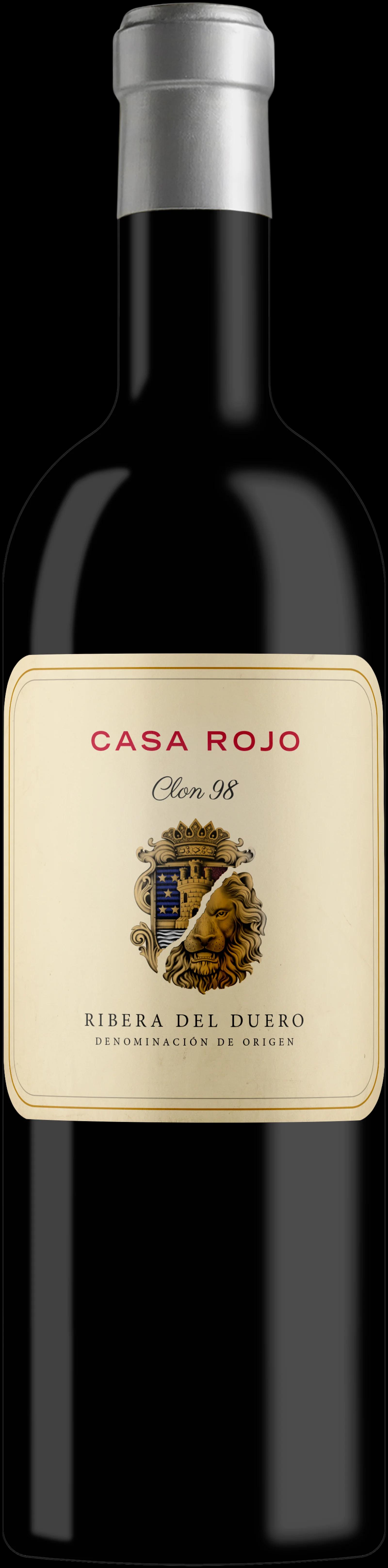
Tempranillo is Spain's most planted red grape, but calling it a single style is inaccurate. The grape expresses differently depending on where it grows, how long it spends in oak, and what altitude the vineyard sits at. In Rioja, the classic template involves extended ageing in American oak — Crianza, Reserva, and Gran Reserva classifications signal minimum time in barrel and bottle, not a quality hierarchy in absolute terms. Rioja Alta and Rioja Alavesa, both cooler sub-zones, tend to produce more structured wines than Rioja Oriental, where higher temperatures push the grape toward riper, heavier fruit. In Castile and León, Tempranillo grows under the name Tinto Fino or Tinto del País. Ribera del Duero vineyards sit at 750–900 metres above sea level — one of the highest red wine plateaus in Europe. That altitude means hot days and cold nights, which slows ripening and preserves aromatic precision. The diurnal temperature range in Ribera del Duero regularly exceeds 20°C during the growing season, a fact that directly shapes the acid-to-fruit balance in the finished wine. Further east, Aragón and Catalonia grow Tempranillo in blended formats, often alongside Garnacha or Monastrell. In Castilla-La Mancha, Tempranillo covers more hectares than anywhere else in Spain, though the flat terrain and continental heat produce a structurally different wine from the highland versions.
How Spanish Tempranillo compares to the same grape grown elsewhere
Tempranillo is grown outside Spain — in Portugal it appears as Aragonez in the Alentejo and as Tinta Roriz in the Douro — but the grape's dominant expression globally is Spanish. The comparison is relevant because it shows what Spain's specific conditions contribute. Portuguese Tempranillo typically develops in warmer, drier conditions and leans toward a rounder, less tannin-forward profile. Spanish Tempranillo at altitude, particularly in Ribera del Duero and Rioja Alavesa, retains more structural grip and higher natural acidity. That structural difference is partly why Spanish red wine built its international reputation on Tempranillo rather than on other varieties. Oak treatment is also a distinctive marker. Traditional Rioja producers used large-format American oak barrels for years at a time — producing a vanilla and coconut character that became a style marker in itself. A significant number of producers have shifted toward French oak and shorter ageing, which brings the grape's darker fruit and more tannic profile forward. Both approaches are documented; neither is more correct. Independent producers on Free Grape Society tend to fall into the French oak or minimal-intervention camp, though estates in classic Rioja sub-zones still work with American oak by choice. The full Spain wines page and the Tempranillo grape page give context on each filter separately. For related red varieties from Spain, Mencía in Bierzo and Garnacha in Aragón are worth comparing against Tempranillo on structure and weight.
How producers on Free Grape Society work with Spanish Tempranillo
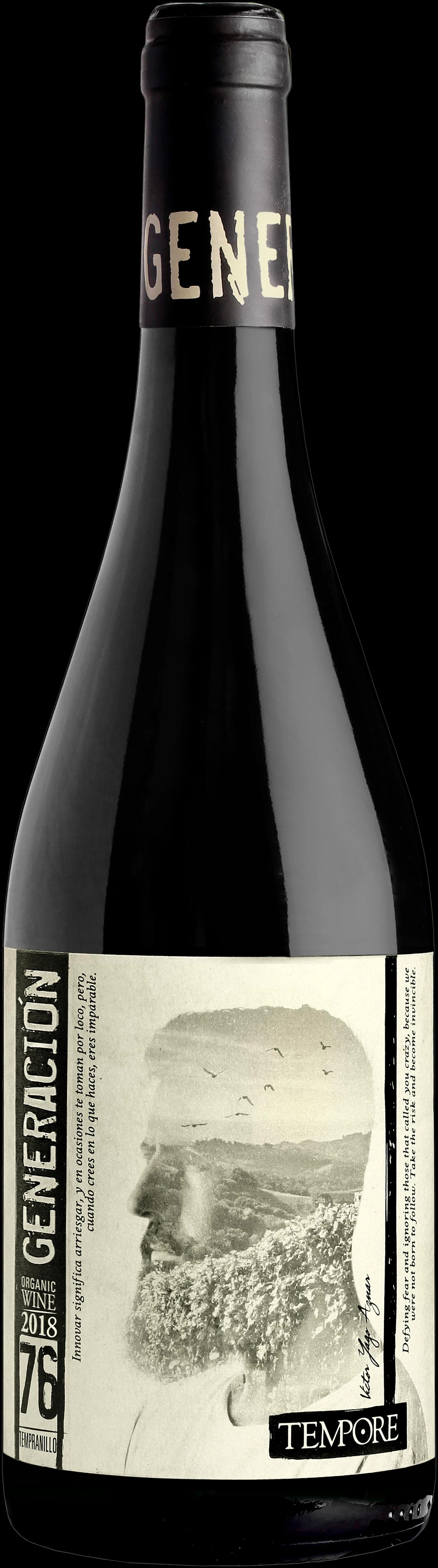
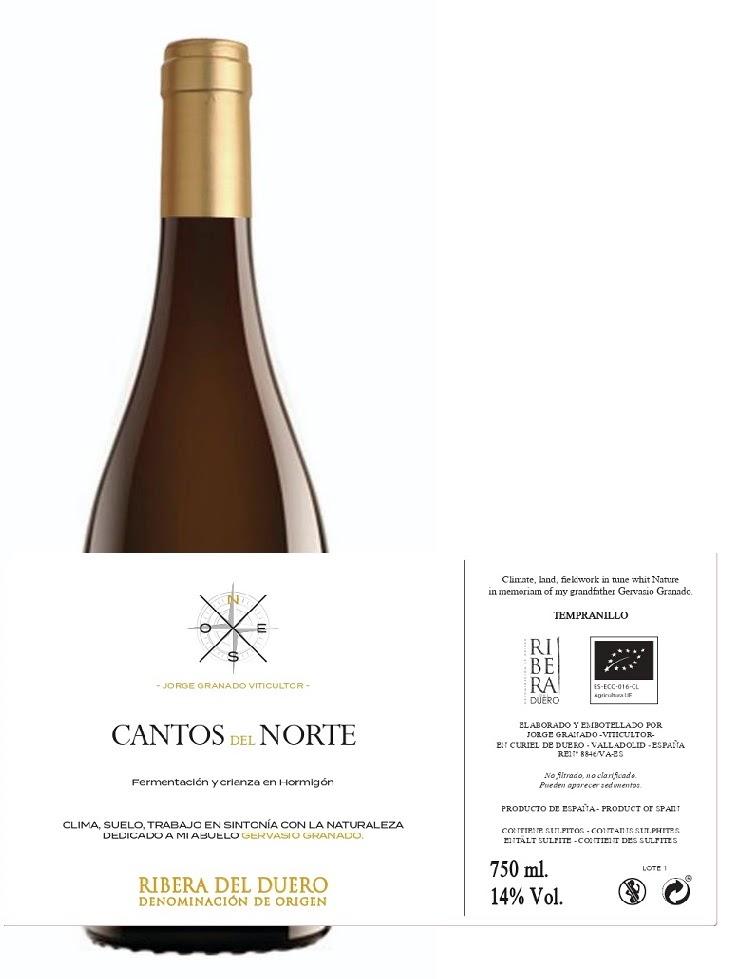
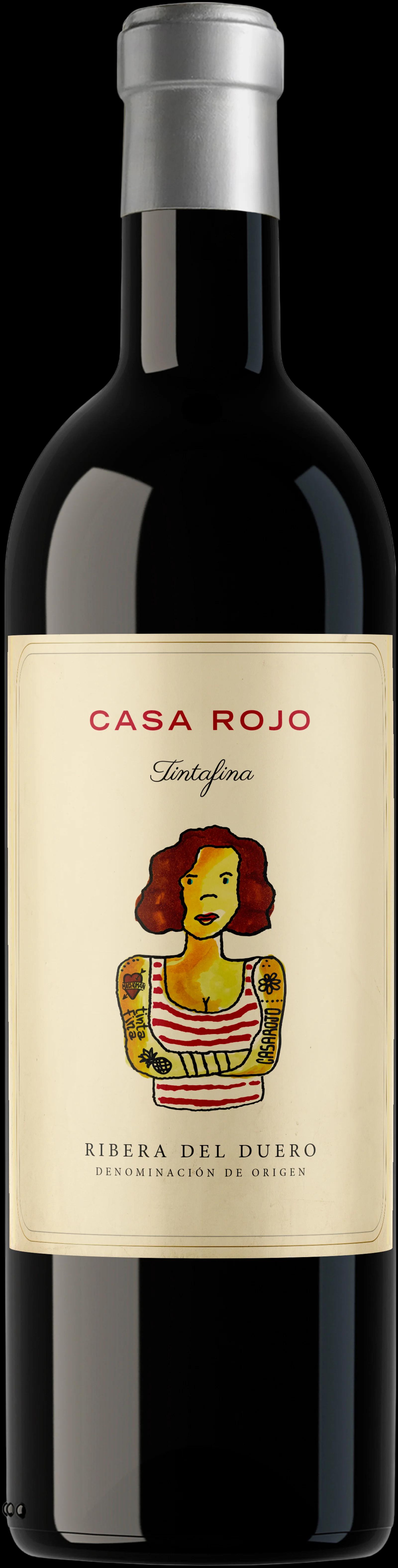
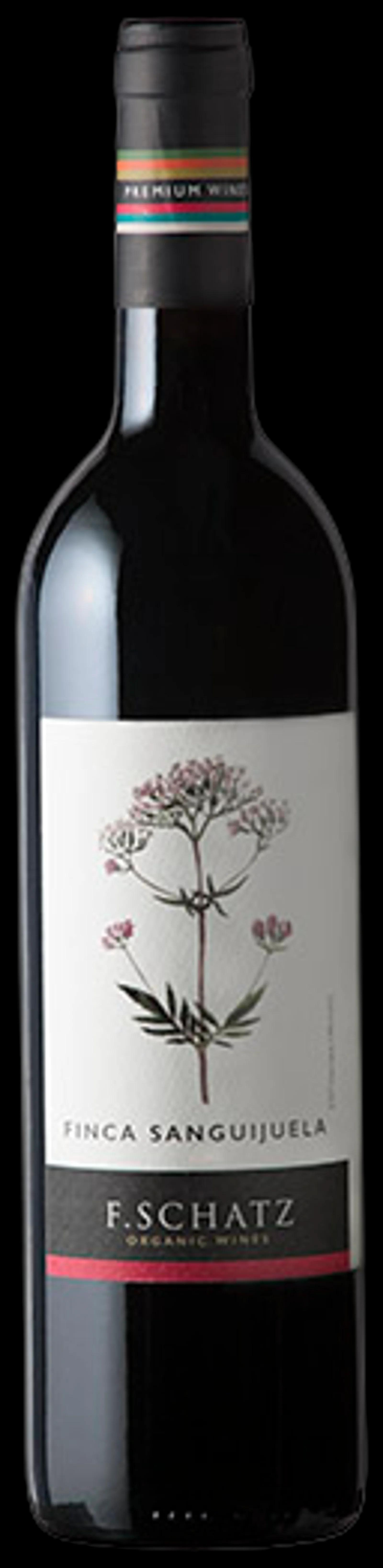
The producers listing Spanish Tempranillo on Free Grape Society are single-estate operations. No blending across regions, no négociant sourcing. Each producer sets their own price, and each wine is tasted before it goes live on the platform. These are not the wines your supermarket carries. They are the wines your supermarket cannot carry, because the volumes are too small and the margins too thin for a distribution chain to absorb. Producers, experts, restaurants, and wine lovers are on the same platform, on the same terms. The producer in Rioja Alta and the wine buyer in Stockholm are separated by one logistics step, not four. That changes what the producer can charge and what you end up paying. Wineries listing on the platform can be found on the Spain wineries page. For mixed cases built around Spanish wines, the Spain mixboxes page is the relevant starting point. If you want to understand how Tempranillo sits within the wider red wine category, the red wine from Spain page covers the full picture across varieties.