


Italian wines from Nebbiolo, Sangiovese and the regions that define them

Italian wines stretch across twenty regions, each running on its own grapes and rules. From the structured reds of Piemonte to the volcanic whites of Sicily, the producers and bottles below ship directly from their own cellars.

Barolo's grip in Piemonte, Sangiovese's lift in Toscana, and Nero d'Avola from the sun-baked south.

Color

Dropdown arrow

Type

Dropdown arrow

Country (1)

Dropdown arrow

Region

Dropdown arrow

Grape

Dropdown arrow

Pairing

Dropdown arrow

Sort by

Sort arrow
Italy

Italian wines

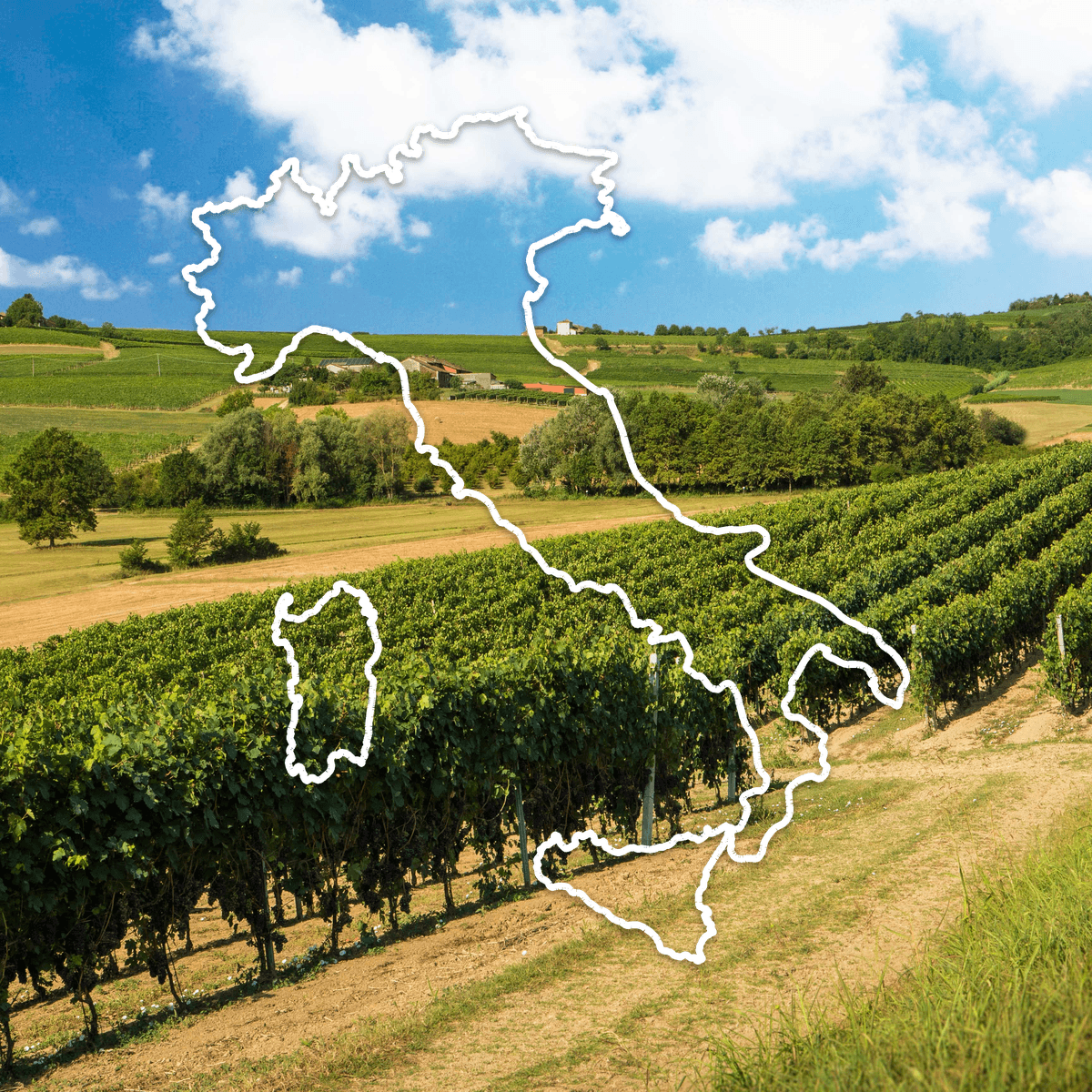
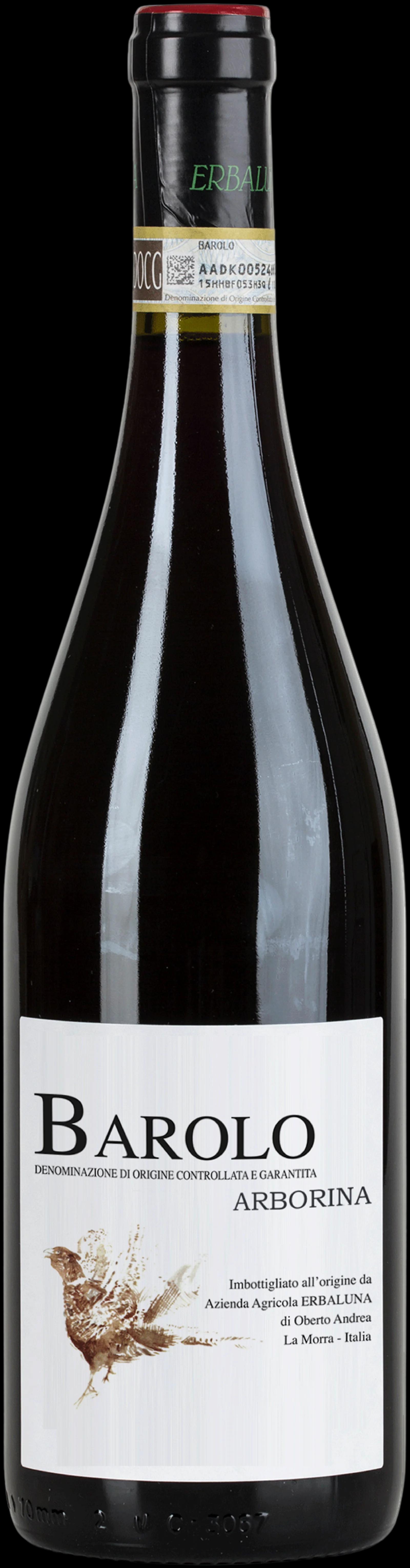
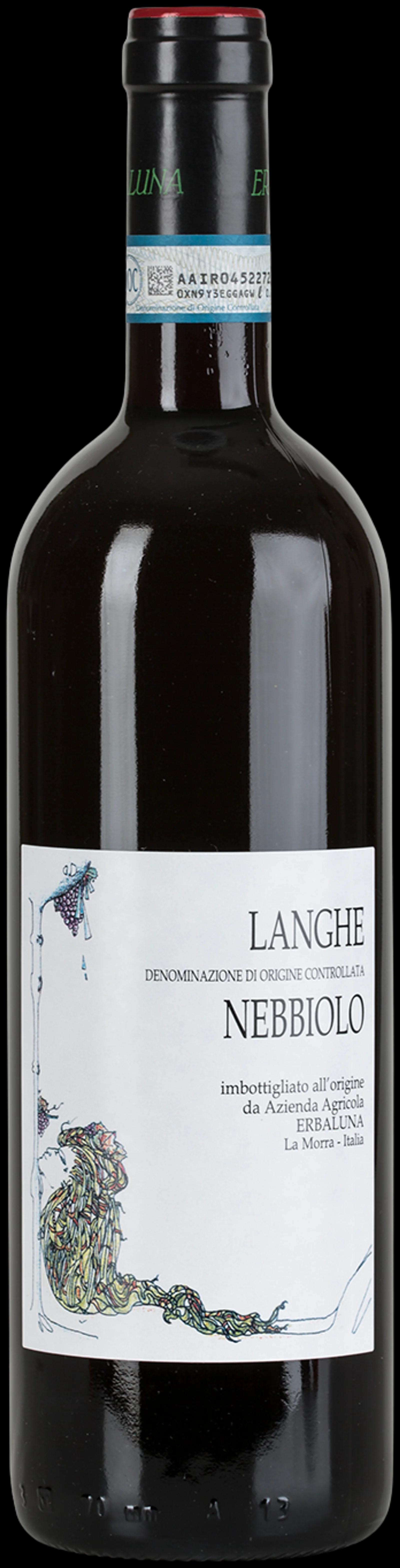
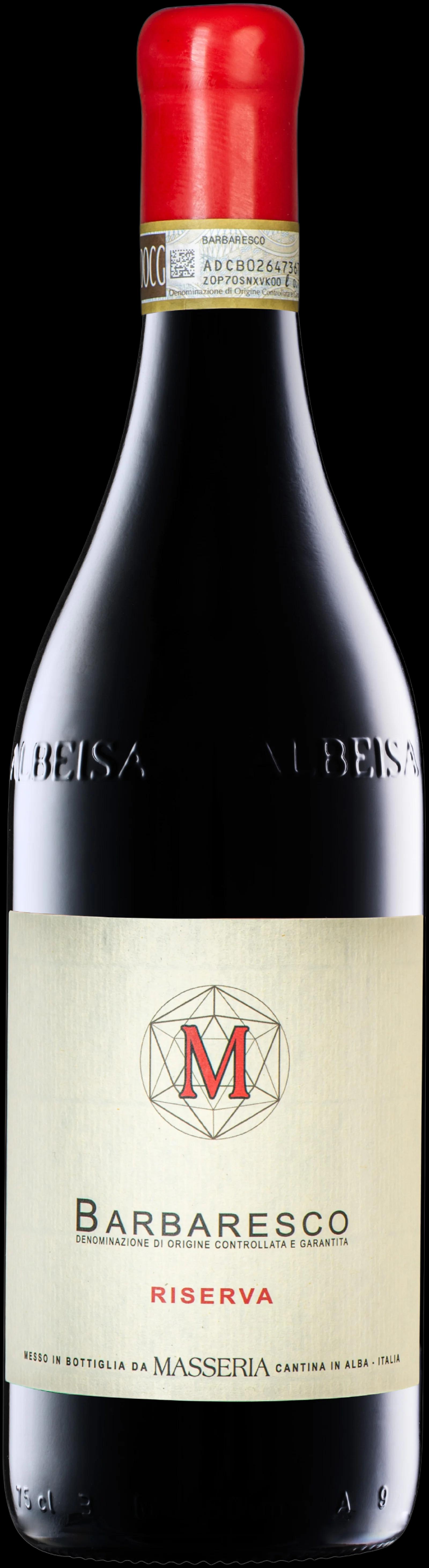
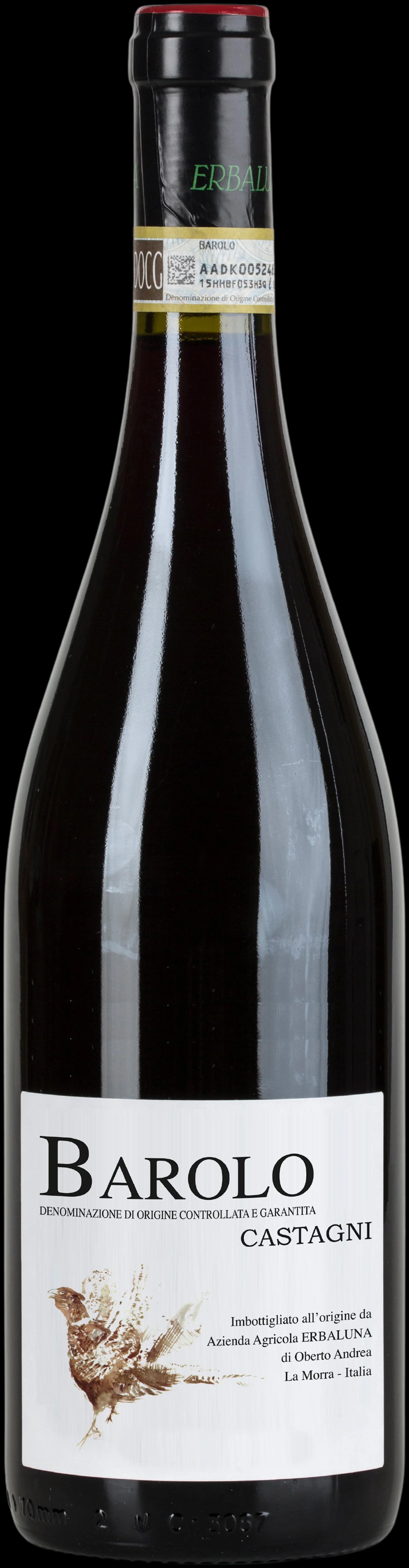
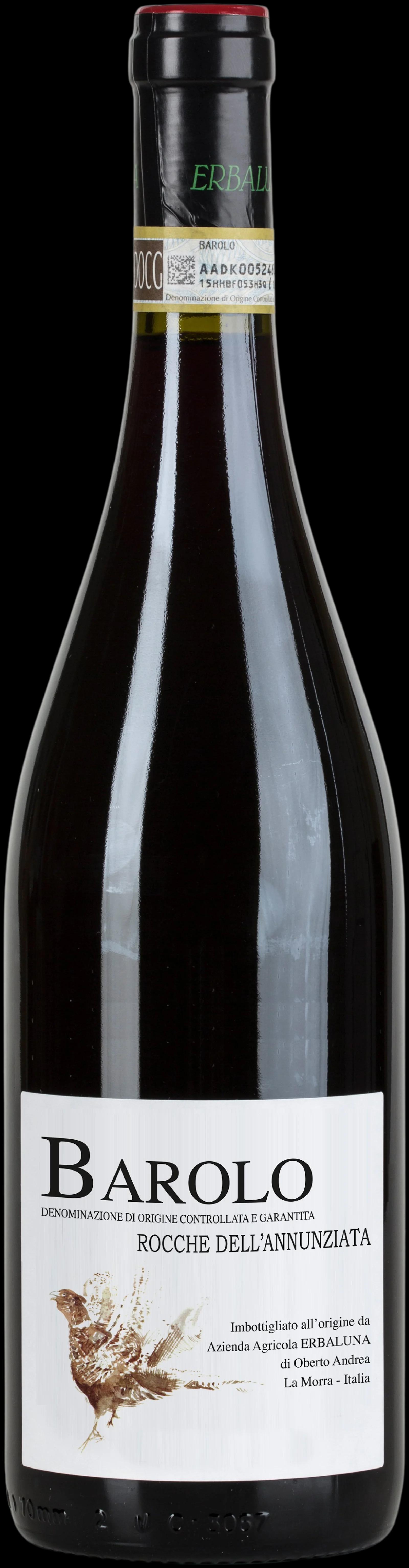
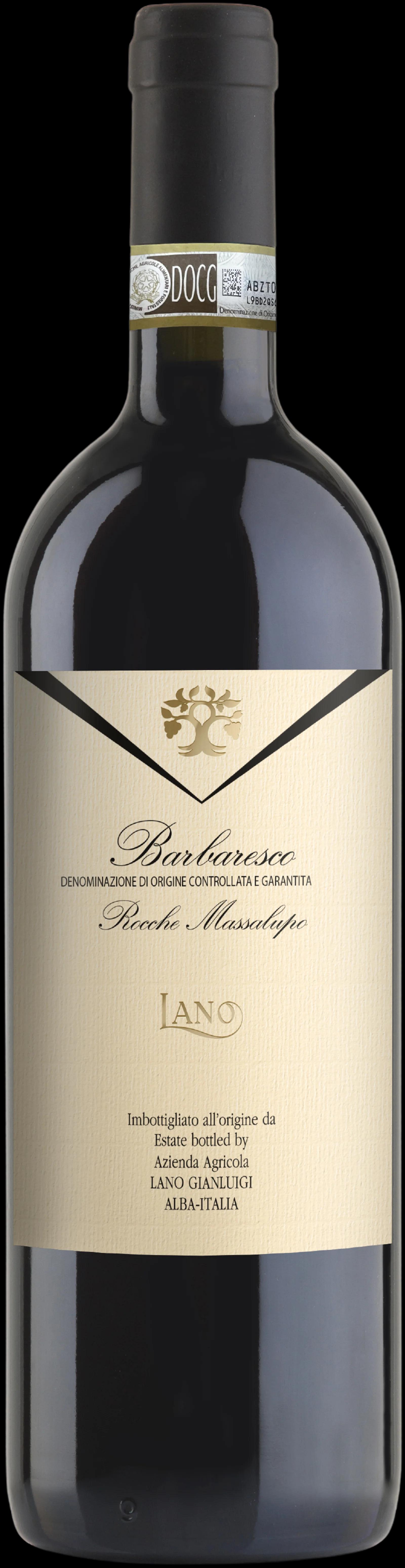
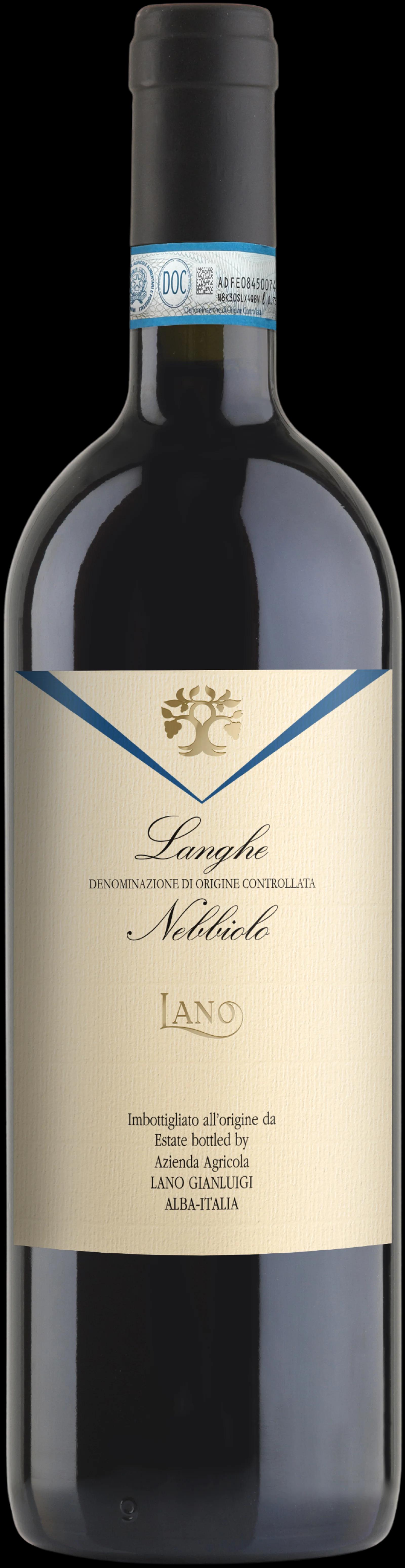
Italy's twenty wine regions share almost no rules. Piemonte runs on Nebbiolo, the grape behind Barolo and Barbaresco, wines that need years before they open up. Toscana is Sangiovese territory, from the earthy mid-weight Chianti to the structured Brunello di Montalcino. Further south, Sicily's Nero d'Avola and the volcanic soils of Etna produce something different again. On Free Grape Society, the producers behind these wines ship directly from their own cellars, with no importer or warehouse in between.

Previous1 of 14Next

Italian mixboxes

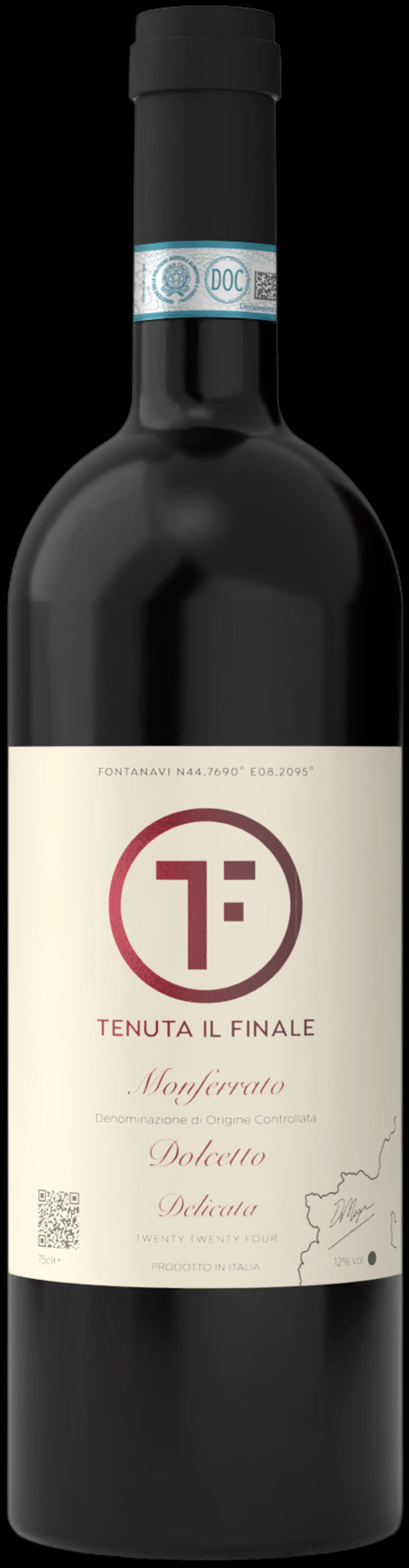
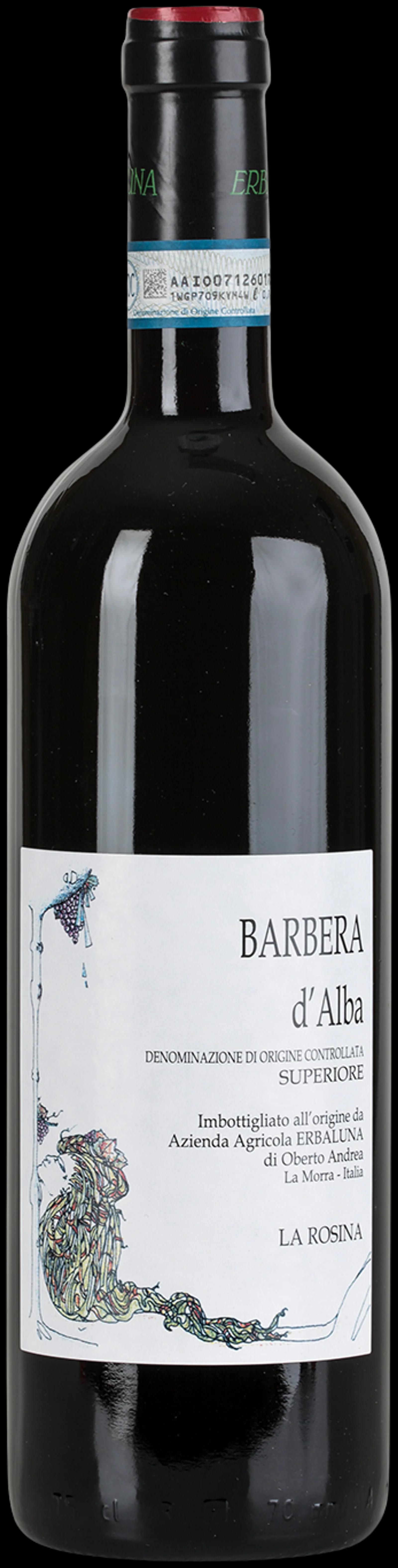
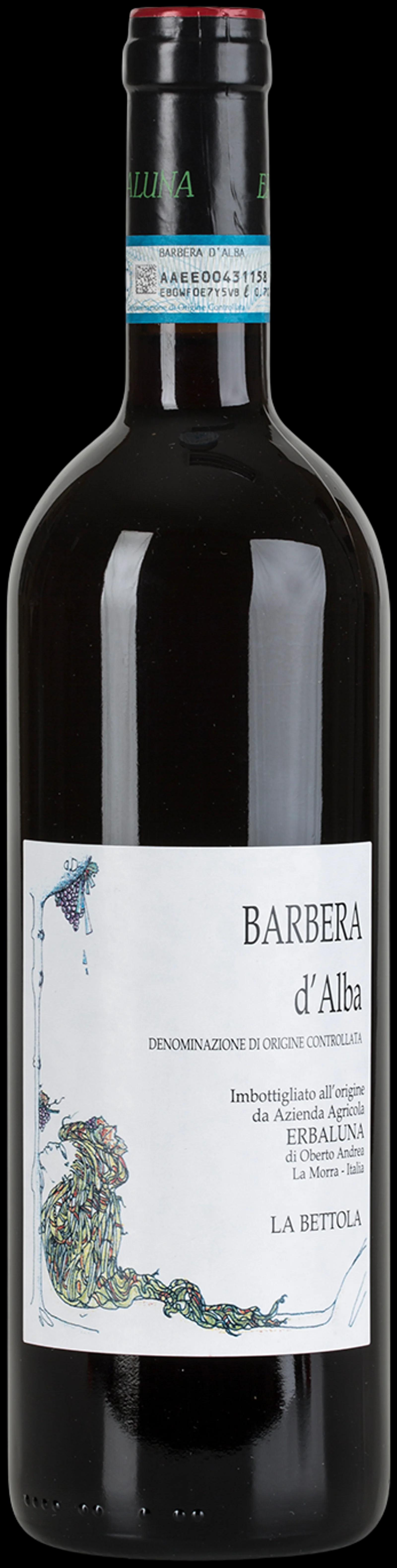
Each Italian mixbox here is six bottles from a single producer, composed by that grower as their own recommendation. A Piemonte estate might take you through Barbera, Dolcetto and Nebbiolo in one box. A Tuscan producer might move across different expressions of Sangiovese. Nothing is blended in from other cellars. Free Grape Society is a society of producers, independent experts and wine lovers, not a shop, so the selection is the winemaker's own pick.

Italian wineries

Italian producers on Free Grape Society span the country's regions, from small family estates in Piemonte and Toscana to growers working in the Veneto, Umbria and Sicily. Each one sells and ships directly, sets their own prices, and is free to join the platform. If you are unsure where to start, an independent wine expert can point you toward the right producer.

Wine experts

Independent wine experts on Free Grape Society rate and review Italian wines they have personally tasted. Their reviews appear on the wine page and on each expert's own profile, so you can see their track record and taste preferences before taking a recommendation. Several of the experts below have reviewed wines from Italian producers featured on this page.

Frequently asked questions

How do I order Italian wines on Free Grape Society?

Browse the Italian wines listed below and add bottles to your cart. Payment is handled securely by Klarna or card. Once your order is confirmed, the producer ships directly from their cellar. Delivery takes between 4 and 14 days, with an average of around 8 to 9 days. Shipping is free.

What happens if a bottle arrives broken or doesn't taste right?

Send a photo to Free Grape Society customer support within 7 days of delivery. We will arrange a replacement or a refund. Because producers ship directly, quality issues are handled with the producer's direct involvement. Shared responsibility is built into how FGS works.

Can I order from more than one Italian producer at the same time?

Yes. You can add wines from different producers to a single order. Each producer ships their part of the order directly from their own cellar, so items may arrive in separate deliveries. Shipping is free regardless of how many producers are involved.

How long does delivery take?

Average delivery is 8 to 9 days from order to door. The full range is 4 to 14 days depending on the producer's location and your delivery address. Wines ship directly from the producer's cellar, not from a central warehouse.

How do I find the right Italian wine if I am not sure where to start?

You can filter by region, grape variety, or wine style using the options on this page. Piemonte and Toscana are the largest producing regions here. If you want a personal recommendation, an independent wine expert can answer your question directly, at no cost.

What is the difference between the Italian wine regions on Free Grape Society?

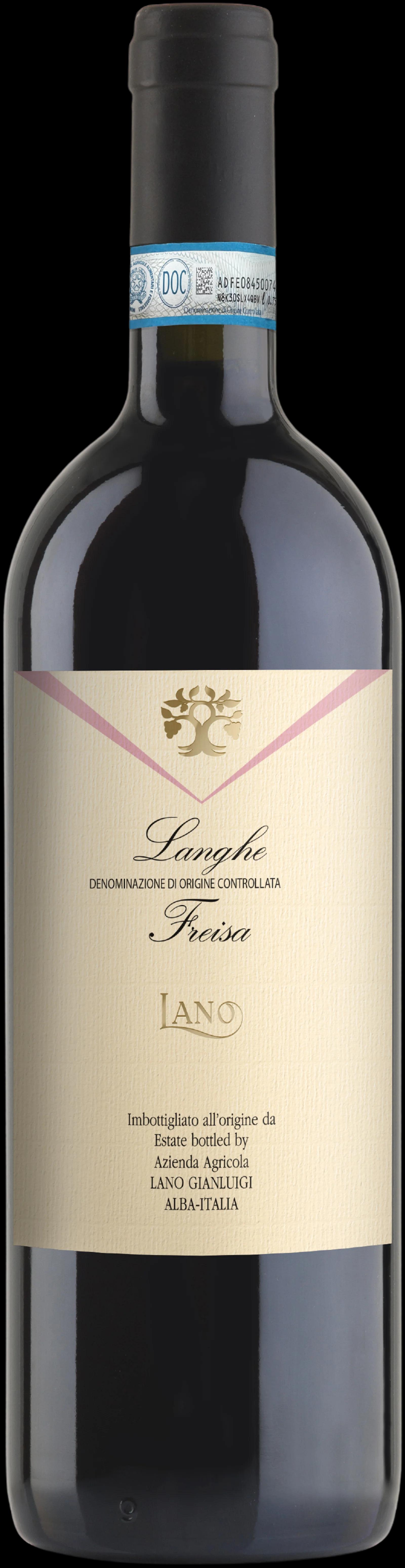
Each region runs on different grapes and conditions. Piemonte is the home of Nebbiolo, Barbera and Dolcetto. Toscana centers on Sangiovese. The Veneto produces both light, easy-drinking reds and the concentrated dried-grape wines of Amarone. Sicily brings volcanic terroir and sun-ripened varieties like Nero d'Avola. The producers below reflect that range.

Which Italian wine expert can recommend something for me?

The independent wine experts listed on this page have reviewed Italian wines personally. You can read their reviews on individual wine pages and on each expert's profile. To ask for a recommendation, fill in the form on their profile page. The service is free and there is no obligation to buy.

Why do you not sell supermarket-brand Italian wines?

Free Grape Society lists wines from independent producers who ship directly from their own cellar. Large commercial labels are produced through industrial-scale supply chains that pass through importers, agents and warehouses. That model is the one we are built to replace. The wines here come from growers who set their own prices and stand behind what they make.

How does buying Italian wine directly compare to buying from a wine retailer?

A traditional retailer buys from an importer, who buys from an agent, who buys from the producer. Each step adds a margin and a delay. On Free Grape Society, the producer ships directly to you from their cellar. The price you pay is the price the producer sets, with no intermediary markups. You also get access to wines that never reach retail shelves.

Wine regions of Italy

Italy has 20 administrative regions and all 20 produce wine commercially. That alone sets it apart from most wine-producing countries. The diversity is structural, not incidental. Piedmont in the northwest is built around Nebbiolo, a grape that produces Barolo and Barbaresco — wines that require a minimum of 38 months ageing before release in the case of Barolo Riserva. Tuscany runs on Sangiovese, which accounts for roughly 10% of all vines planted nationally, making it Italy's most widely grown red variety. In the northeast, Friuli Venezia Giulia has been producing skin-contact white wines since long before the category had a name — producers here were making orange wine in the 1990s before it circulated in wine media. Sicily sits at a latitude comparable to coastal North Africa, yet its highest vineyards on Etna reach above 1,000 metres, producing wines with acidity and tension that contradict the region's reputation for heavy reds. Veneto is Italy's largest wine-producing region by volume, with Soave, Valpolicella, and Amarone all originating here. Lombardy produces Franciacorta, Italy's answer to Champagne-method sparkling wine, made primarily from Chardonnay and Pinot Noir with a minimum of 18 months on the lees for non-vintage. Umbria and Marches are less frequently cited but produce significant volumes of Verdicchio and Sagrantino — the latter having one of the highest concentrations of tannin of any grape variety in Europe.

Signature grapes from Italy

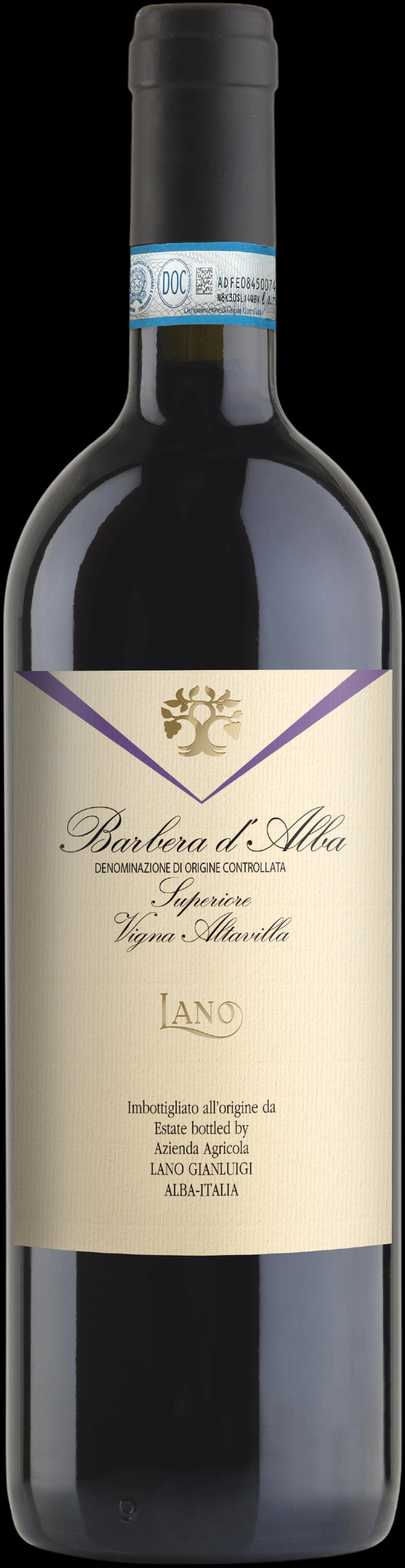
Italy has more officially registered native grape varieties than any other country: over 350 authorised for wine production, with researchers estimating the real number of distinct varieties at closer to 2,000. Sangiovese is the backbone of Chianti Classico, Brunello di Montalcino, and Morellino di Scansano — three wines with different ageing rules, different minimum Sangiovese percentages, and different terroir profiles. Nebbiolo is geographically concentrated: it performs best at specific elevations and aspects in the Langhe hills of Piedmont, and attempts to transplant it elsewhere have largely failed to replicate its structure. Barbera is Piedmont's most-planted variety and historically the everyday red, though producers in the Asti and Alba DOCs have demonstrated it can carry serious oak ageing and extract. Nero d'Avola is native to southeastern Sicily; it produces wines ranging from light, fresh reds to dense, age-worthy expressions depending on yield and altitude. Sauvignon Blanc in Friuli produces a distinctly different expression from its Loire or New Zealand counterparts — the continental climate generates more textural weight and less aggressive herbaceous character. For white wines, Chardonnay plays a supporting role in Franciacorta but rarely dominates the Italian conversation the way it does in France or California. Italy's strength is in varieties grown nowhere else at scale: Vermentino along the Ligurian and Sardinian coasts, Fiano and Greco in Campania, Corvina in the Valpolicella blend. These are the wines that don't follow a global template because they can't — the grapes don't exist in volume anywhere else.

Climate and terroir in Italy

Italy's geography produces more climatic variation than most wine countries on a single continent. The Alps in the north create a barrier that keeps cold air masses from pushing south; the Apennines running down the spine of the peninsula mean that eastern and western slopes of the same mountain range can have measurably different rainfall and diurnal temperature ranges. In the south and on the islands, the challenge has historically been heat and drought — but producers in Sicily and Sardinia have responded by planting at higher altitudes and returning to old bush-vine plots that pre-date the industrial era. Italy's average vine age is higher than many northern European wine consumers assume: in regions like Barolo and Brunello, vines over 40 years old are standard rather than exceptional, and their deeper root systems produce more concentrated must with lower irrigation dependency. The Italian wine classification system — DOC and DOCG — has 77 DOCG designations as of 2024, each with specific rules on varieties, yields, and ageing. The system is often criticised for internal inconsistency, but it does make traceability more precise: a bottle labelled Barolo DOCG cannot legally contain anything other than Nebbiolo grown in the defined Barolo zone. No importer, no wholesaler. The price you see is the price the producer agreed to. Bottles on this page ship from producers' own cellars — not from a redistribution warehouse in between. Pris satt av producenten. Urval gjort av experten. Logistik skött av oss. Inga andra händer i mitten. The producer sets the price. The expert chooses what to recommend. You choose what goes in the box.