Cabernet Franc in France: where the grape actually belongs
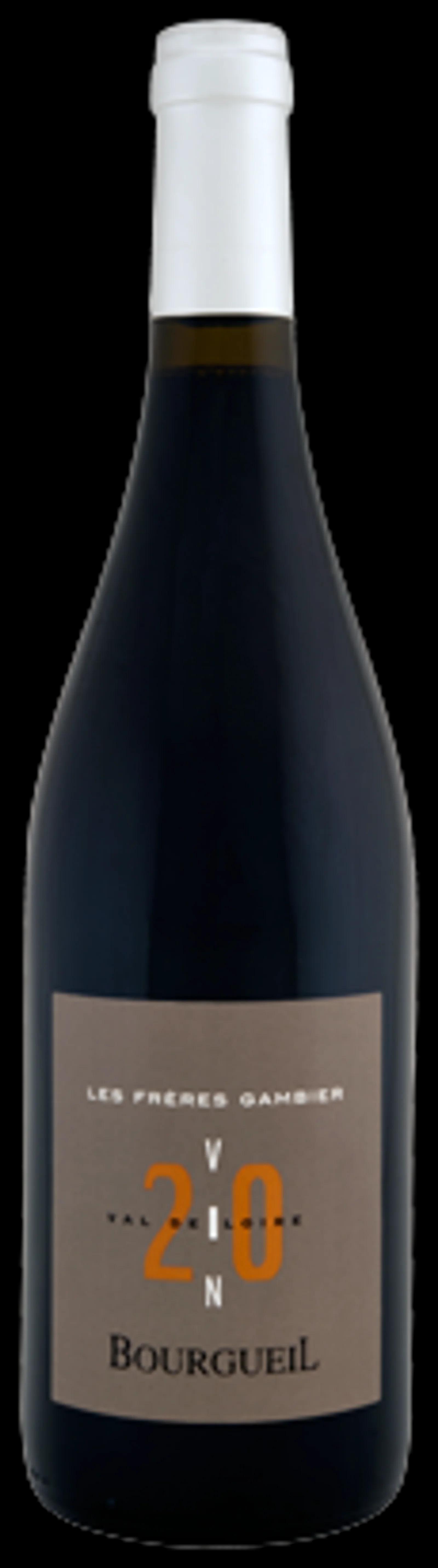
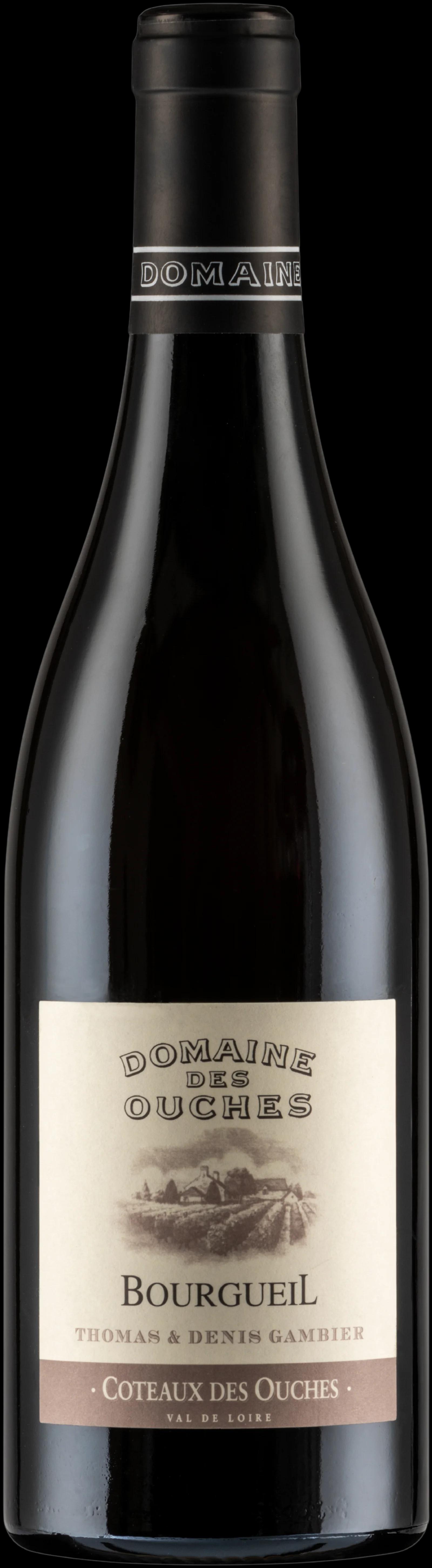
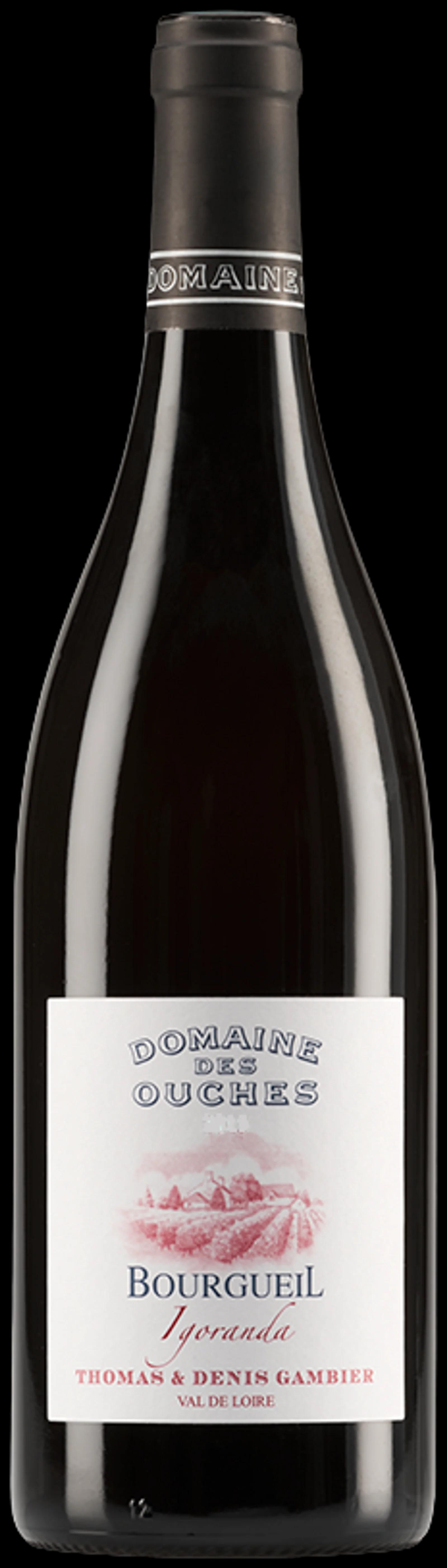
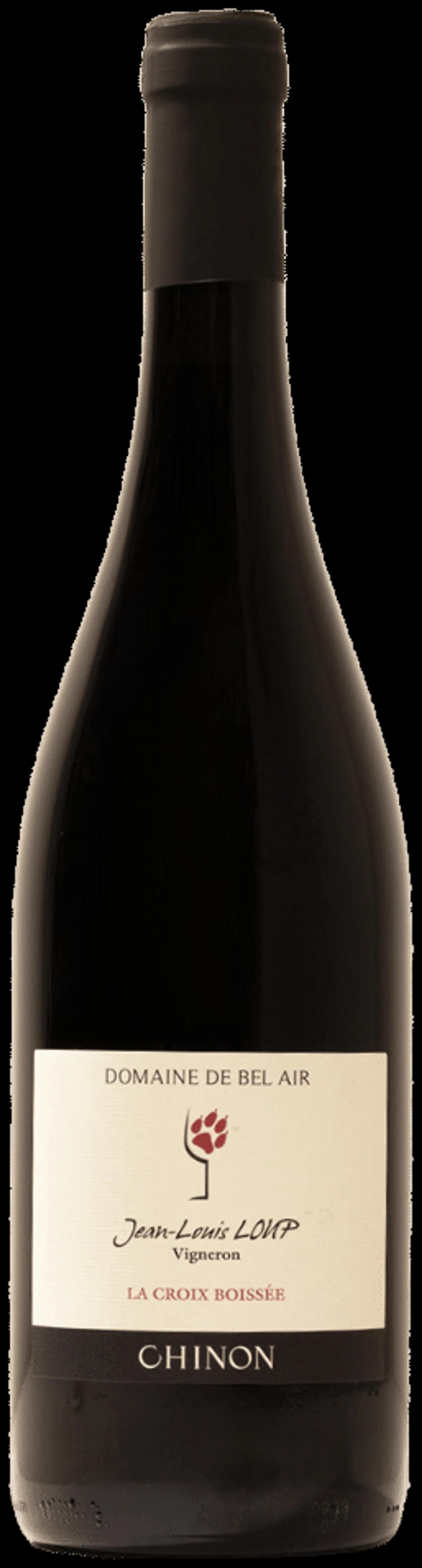
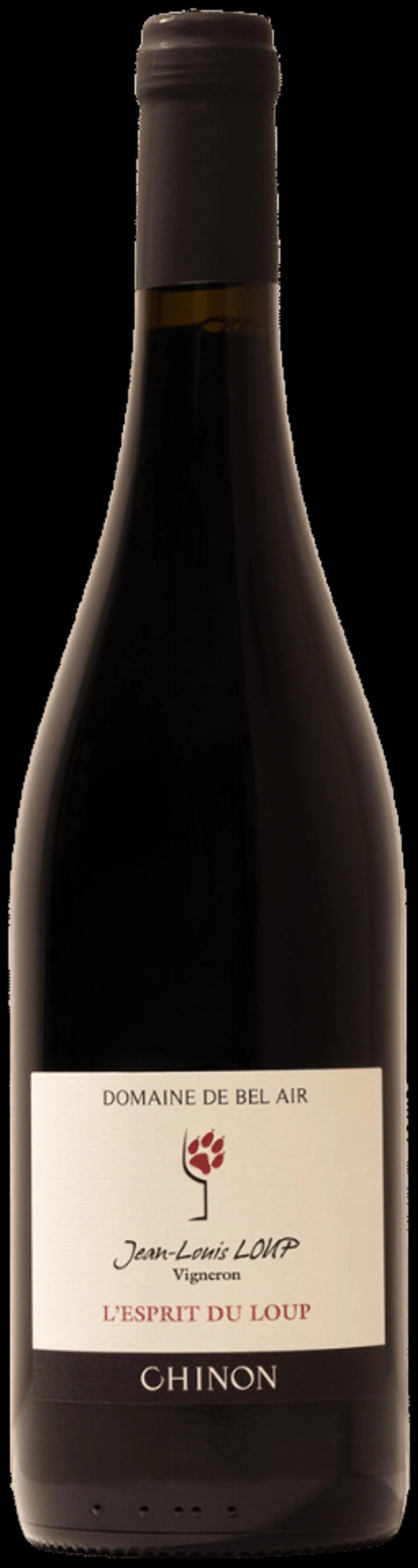
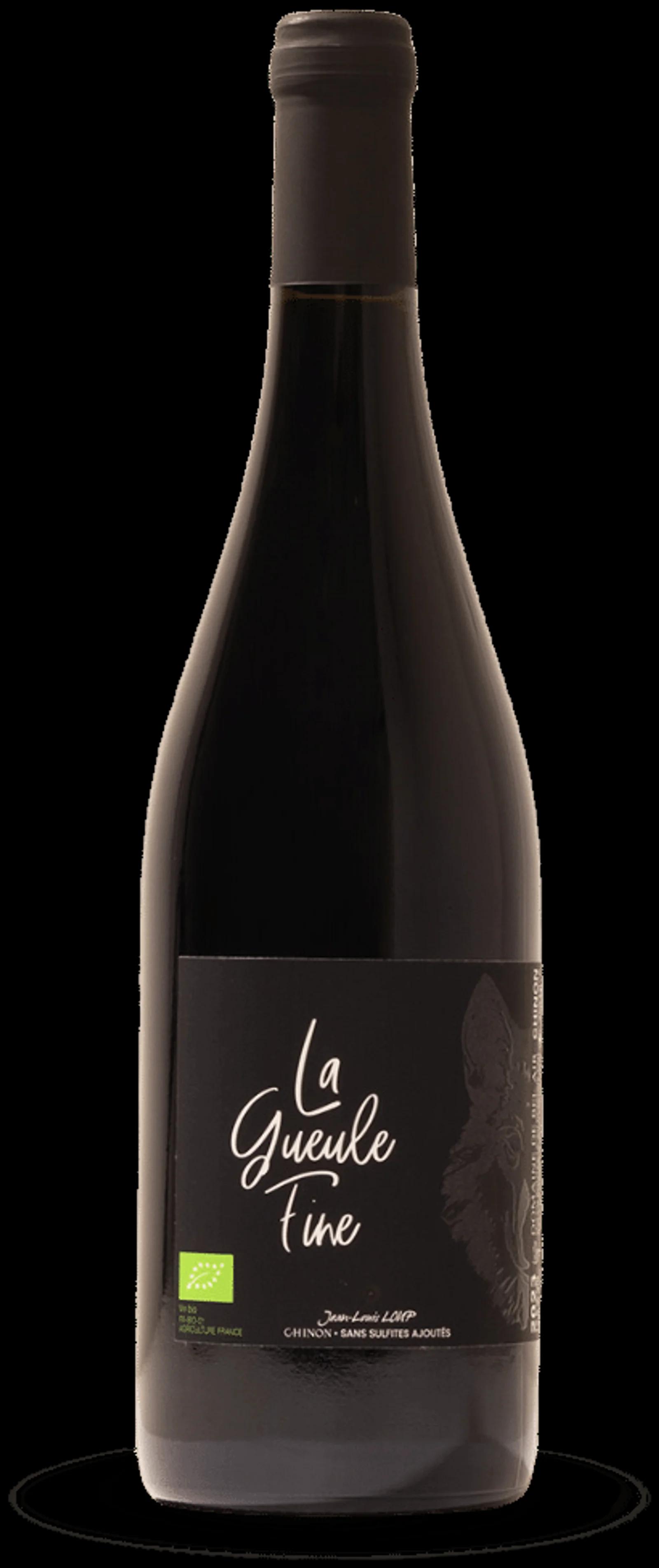
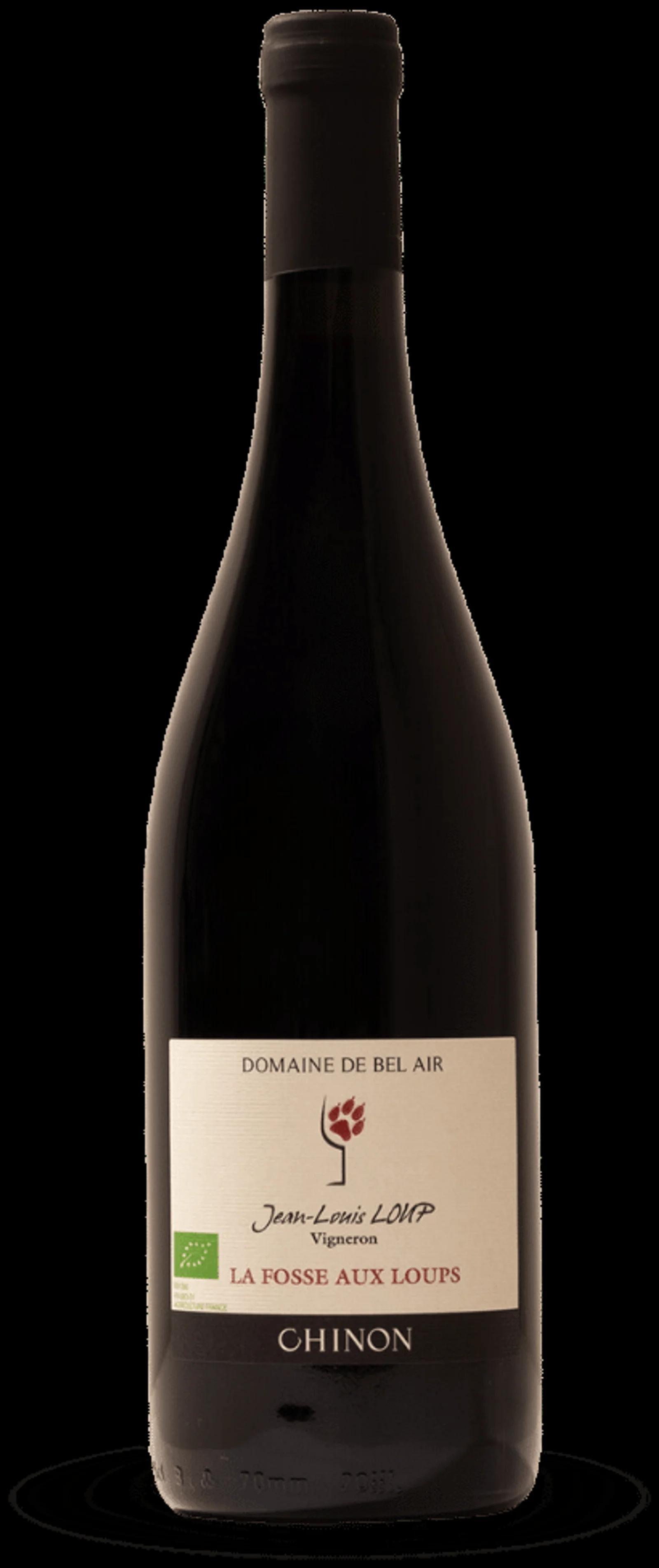
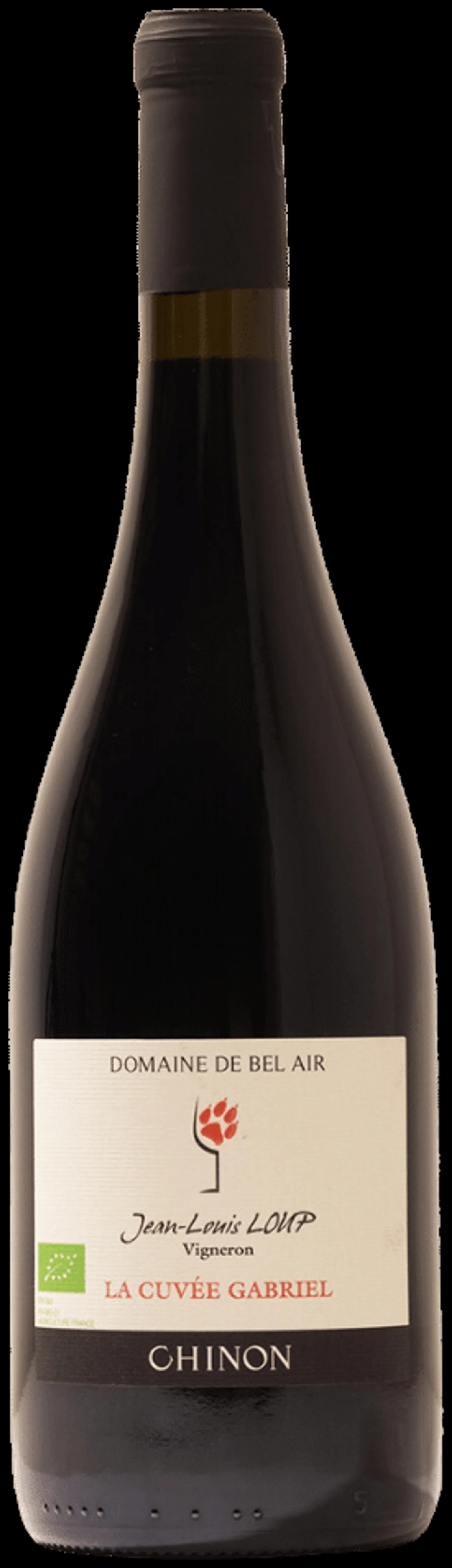
Cabernet Franc is not a supporting actor in France. It is the primary grape in some of the country's most structurally demanding appellations. In Bordeaux, it dominates the right bank — in Saint-Émilion and Pomerol, many of the most age-worthy wines are majority Cabernet Franc, not Merlot, though blending remains the regional norm. In the Loire Valley, the grape stands alone. Chinon, Bourgueil, and Saumur-Champigny are built entirely on Cabernet Franc, and the style that emerges — lower alcohol, higher acid, with a distinctive graphite and dried herb character — is unlike anything the grape produces in Bordeaux. That difference is not winemaker preference. It is geology and latitude. Chinon sits on tuffeau limestone; the Médoc sits on gravel over clay. The same variety read through different soils produces structurally different wines. Cabernet Franc also appears in Alsace, where it is rare but planted, producing lighter, earlier-drinking reds in a region better known for white varieties. Producers working with Cabernet Franc across these regions tend to farm small plots — the grape is sensitive to excess yield and ripens unevenly if not managed carefully.
How French Cabernet Franc compares to the same grape grown elsewhere
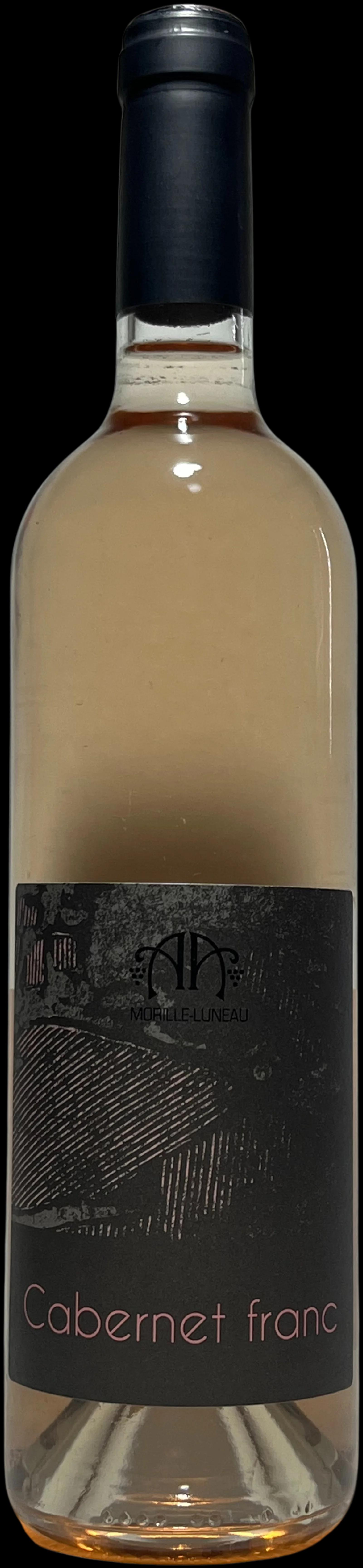
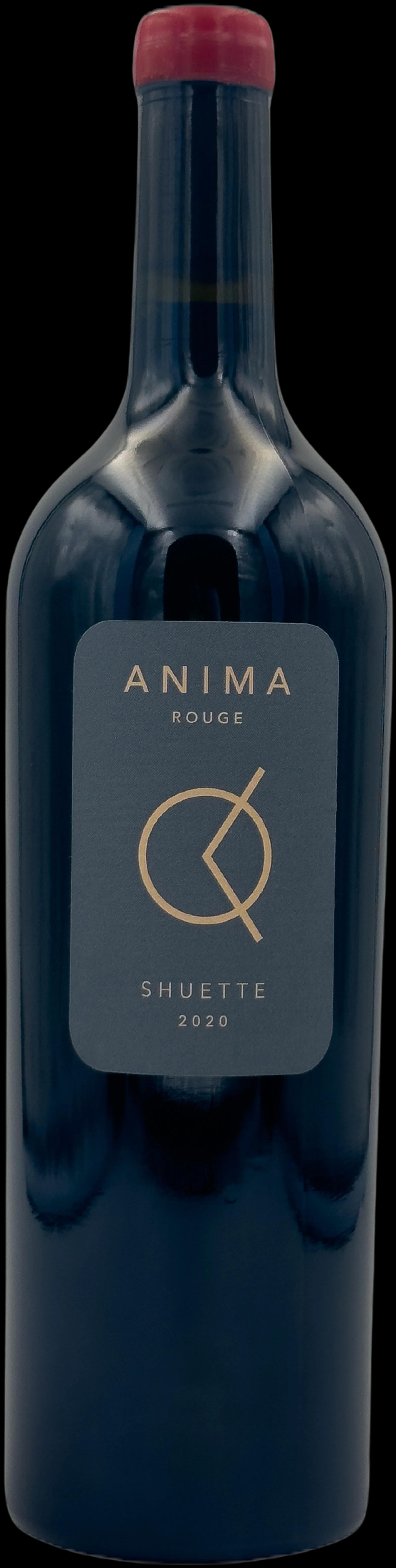
Cabernet Franc is planted across Italy, Spain, and the New World, but the French expression remains the reference point against which others are measured — and usefully, they diverge in almost every structural dimension. In northern Italy, particularly Friuli and Trentino, Cabernet Franc tends toward more extracted, rounder styles with less of the graphite and herb character that defines Loire examples. In warmer climates, the grape's natural green tannin and high acid are softened by heat accumulation; what you get is more fruit-forward but structurally simpler. French Cabernet Franc, particularly from Chinon and Bourgueil, holds its acid even in ripe years because the Loire Valley's continental-to-oceanic climate moderates temperature swings. The result is a grape that ages differently in France than elsewhere: Loire Cabernet Franc from a serious producer can develop bottle complexity over 10 to 15 years, a timeline that surprises people used to New World versions of the same variety. One further structural point: French Cabernet Franc is harvested later than Merlot in the same vineyards, but earlier than Cabernet Sauvignon. That harvest window makes it vulnerable to autumn rain in poor years — which is part of why the Loire's best Cabernet Franc vintages are remembered as specifically as Burgundy's. The producers listed here work with Cabernet Franc as a primary variety, not a blending component. No buyer with quarterly targets. No chain defending shelf space. The producer decides if they want to be here, and what is here.
Styles of Cabernet Franc from France
The range within French Cabernet Franc is wider than most single-grape categories. At one end: young Bourgueil from a cool year, light-bodied with firm tannin and a pronounced herb and dark berry profile, best served with a slight chill. At the other: a cellar-aged Chinon from a ripe year, with tertiary notes of tobacco, leather, and dried fruit, closer in weight to a mid-range Pinot Noir than to Bordeaux. In between sits Saumur-Champigny, which tends toward a middle register — more floral than Chinon, less structured than Bourgueil, often approachable earlier. Bordeaux right-bank blends where Cabernet Franc is the dominant variety — typically from Saint-Émilion or Pomerol — sit in a different stylistic category altogether: richer, more oak-influenced, longer maceration. These are not Loire wines with a different postcode. The production logic is different, the blending philosophy is different, and the soil is different. Producers on Free Grape Society working with French wines span both traditions. Some are Loire estates with a single appellation focus; others are right-bank Bordeaux producers where Cabernet Franc anchors a blend alongside Merlot or Cabernet Sauvignon. Every wine on the platform is tasted before listing. Independent wine experts review individual wines.