Appellations and grapes of the Veneto
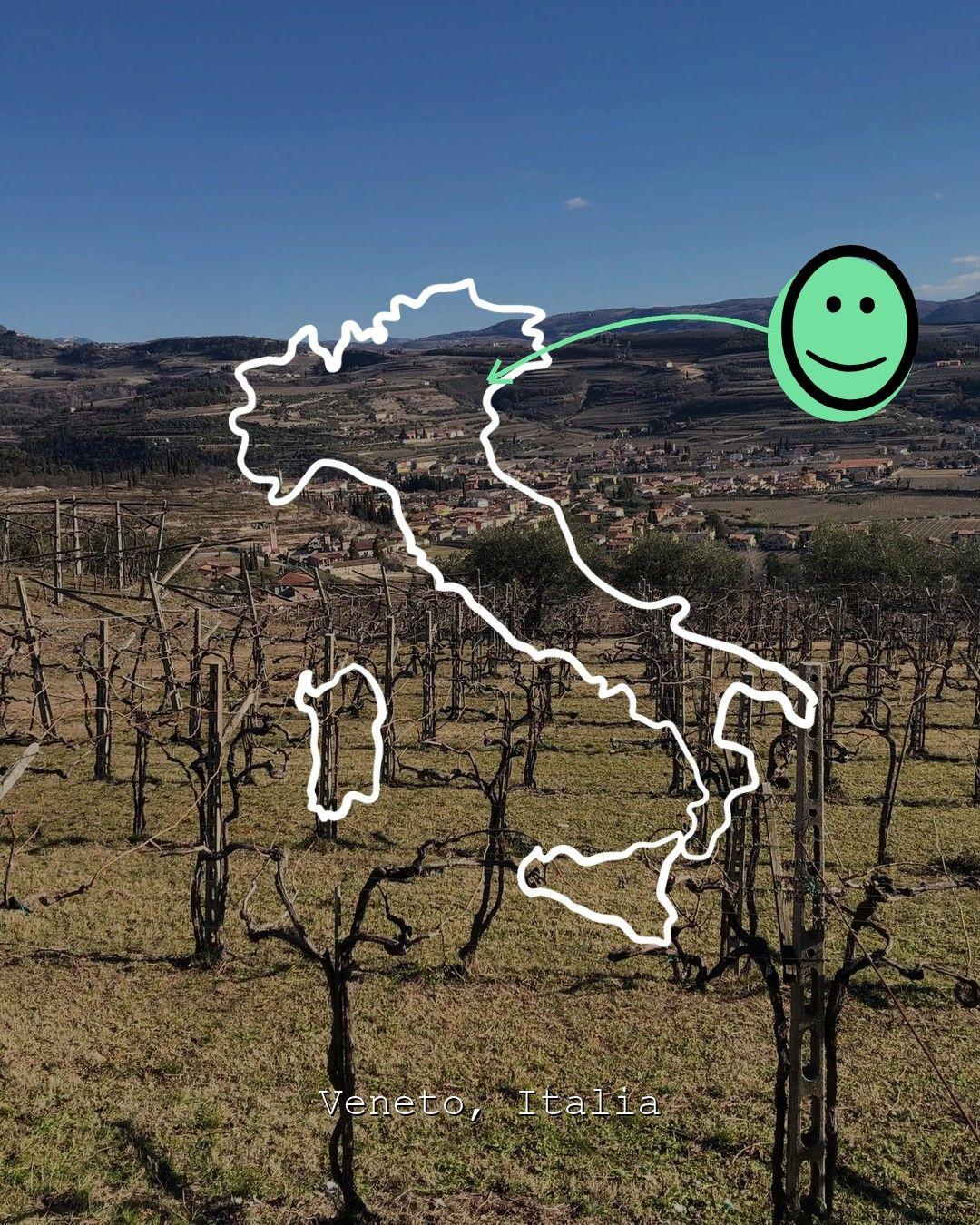
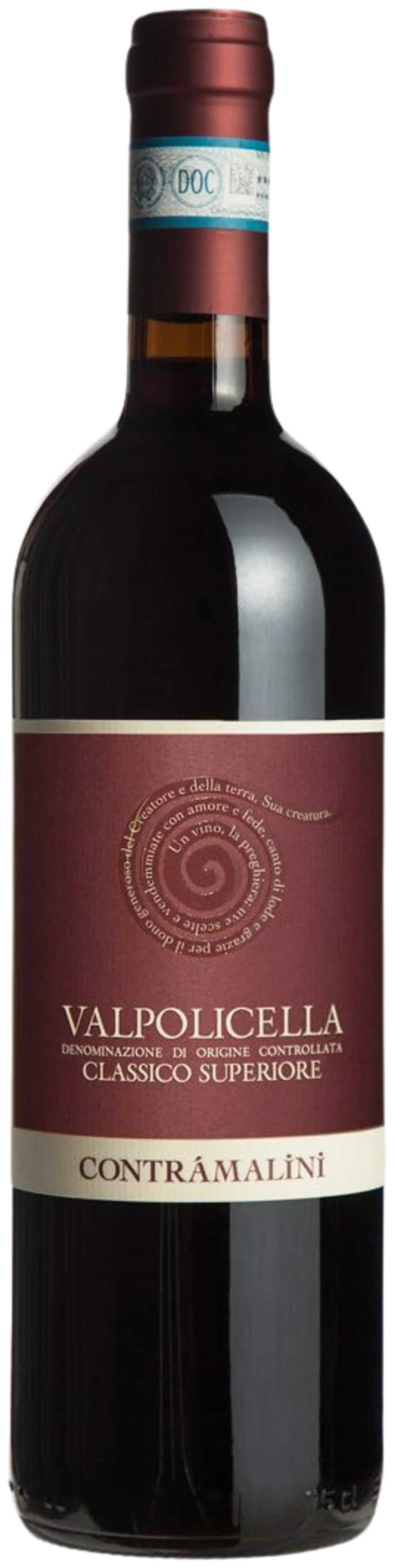
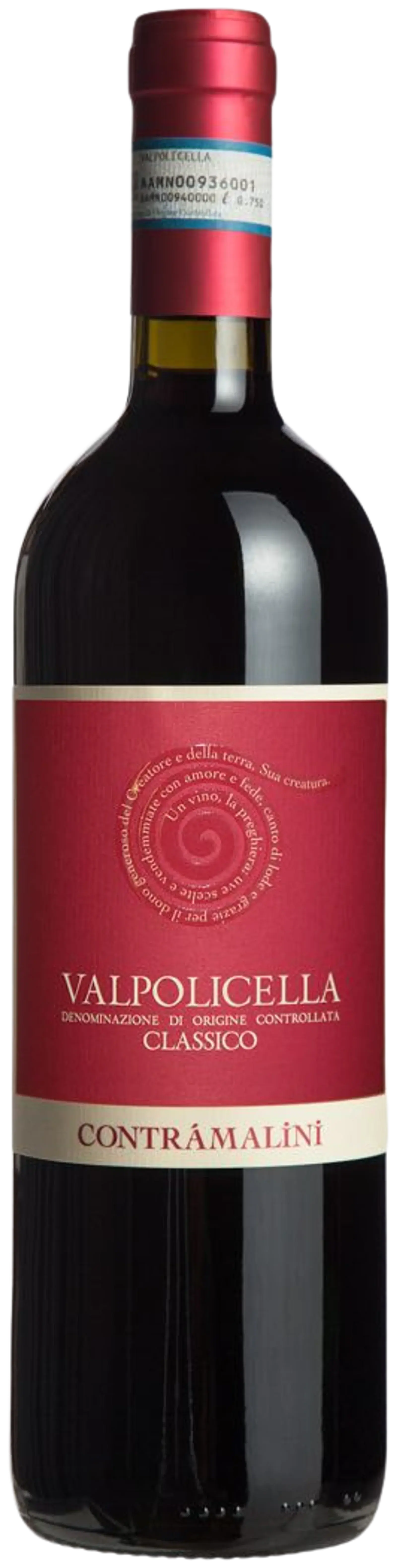
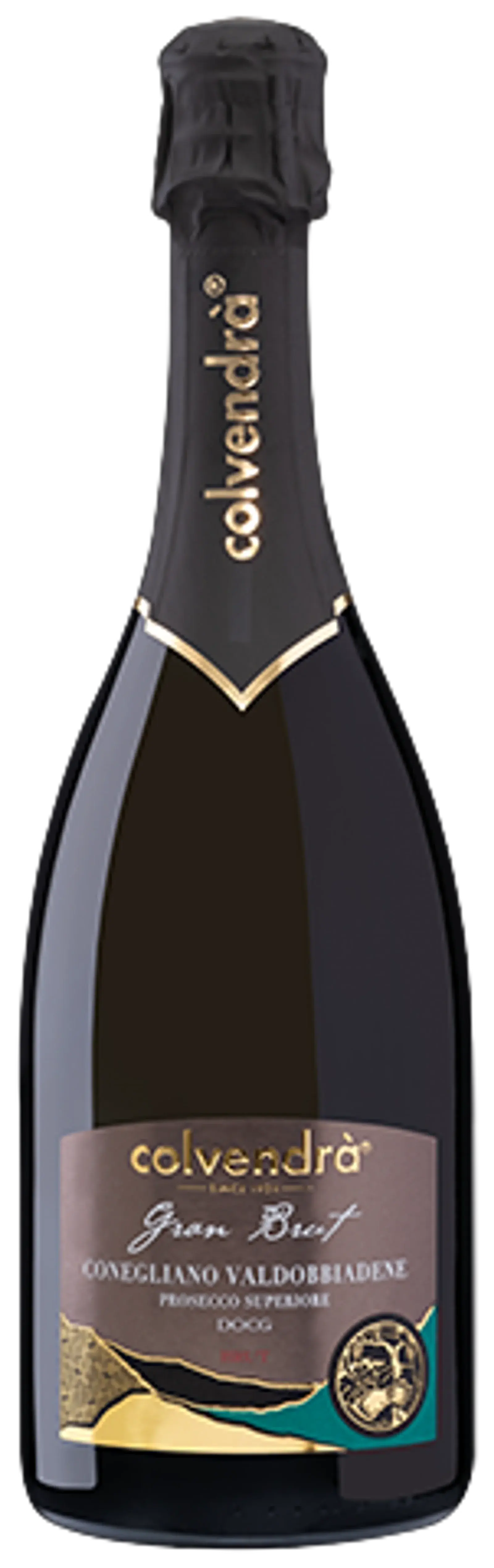
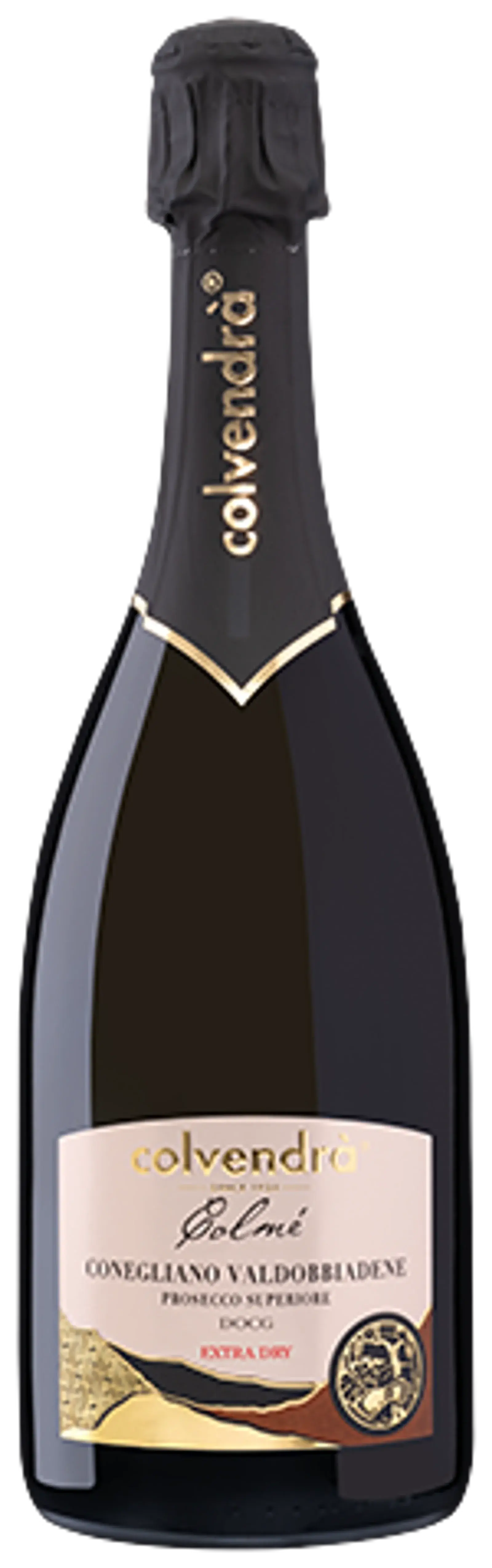
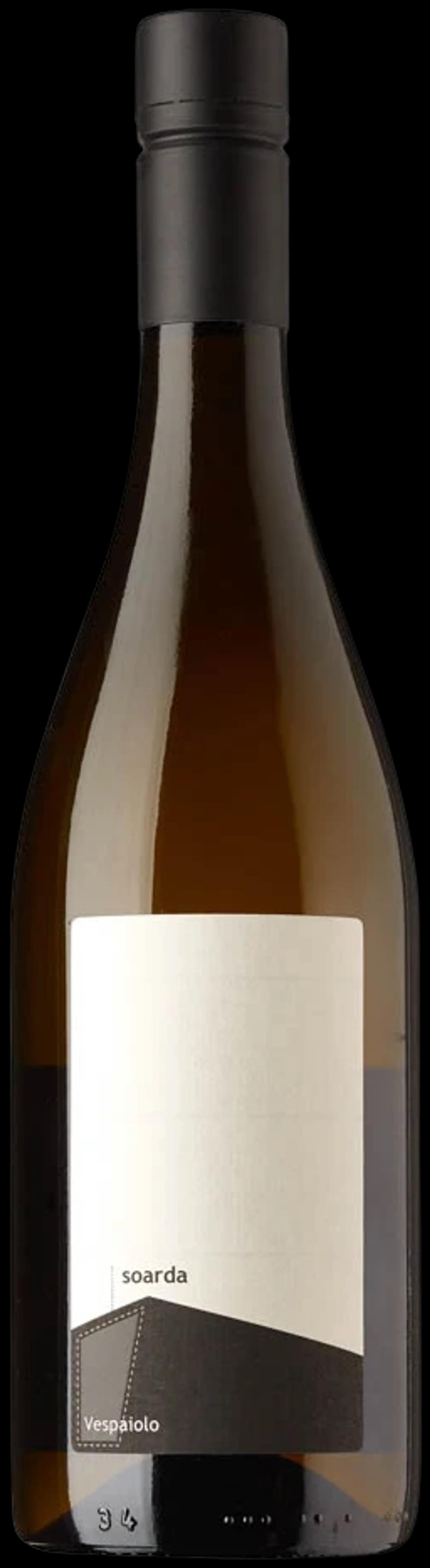
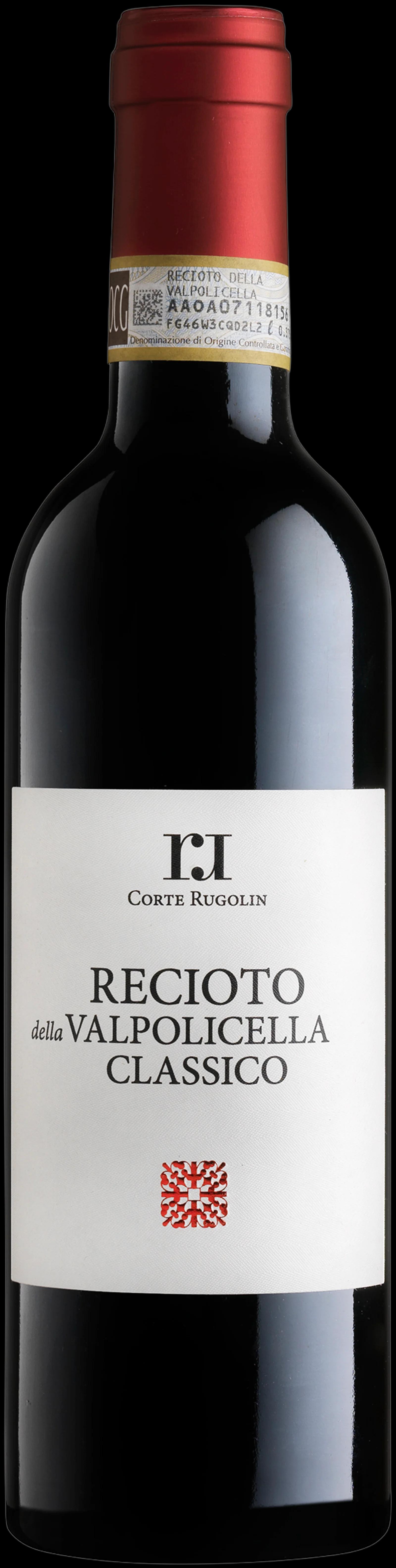
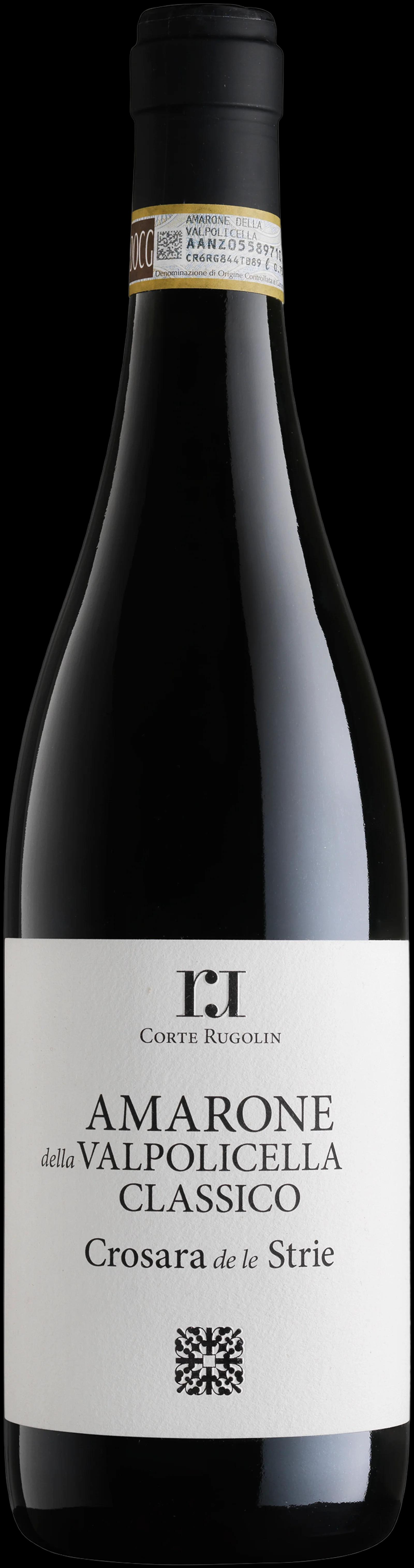
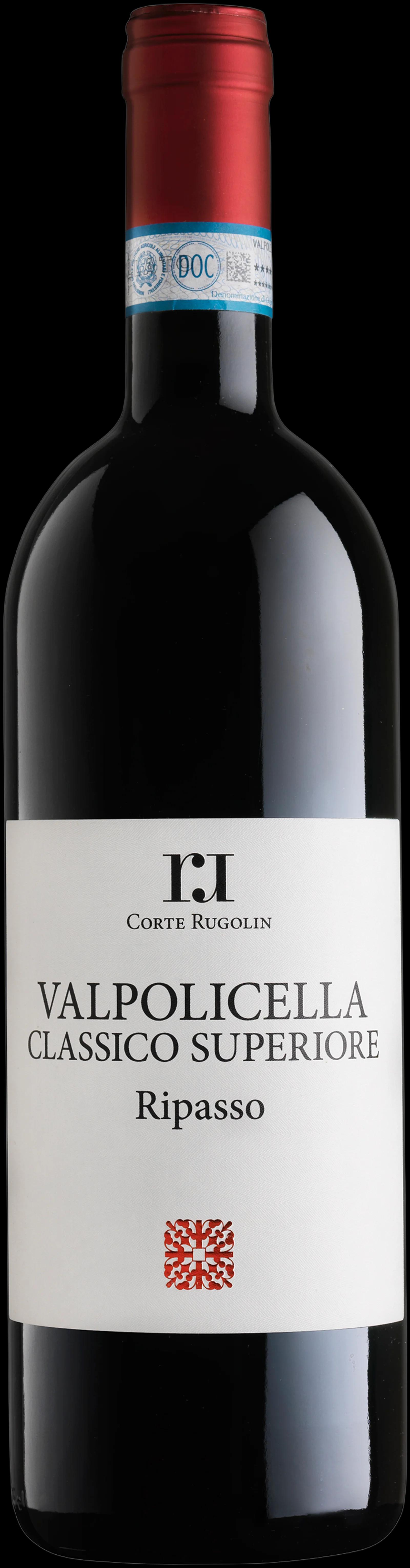
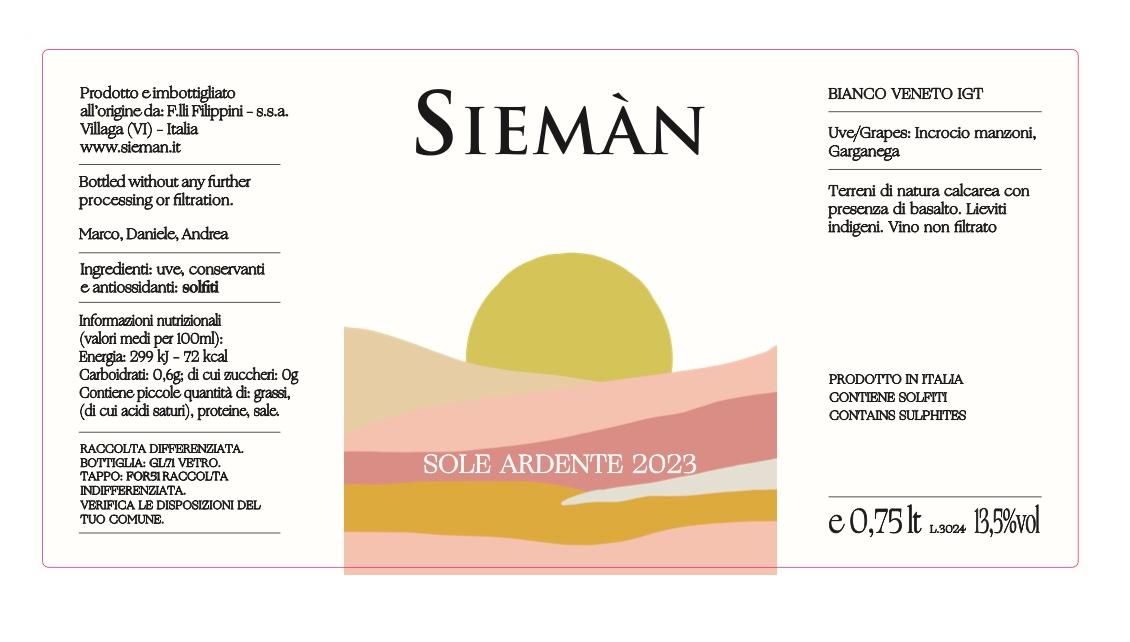
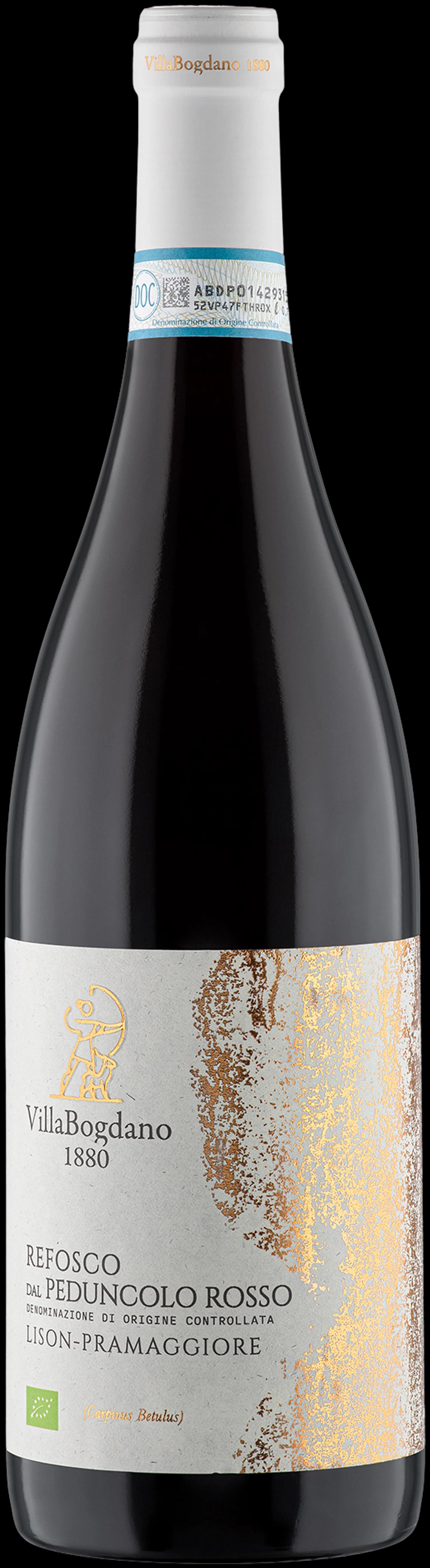
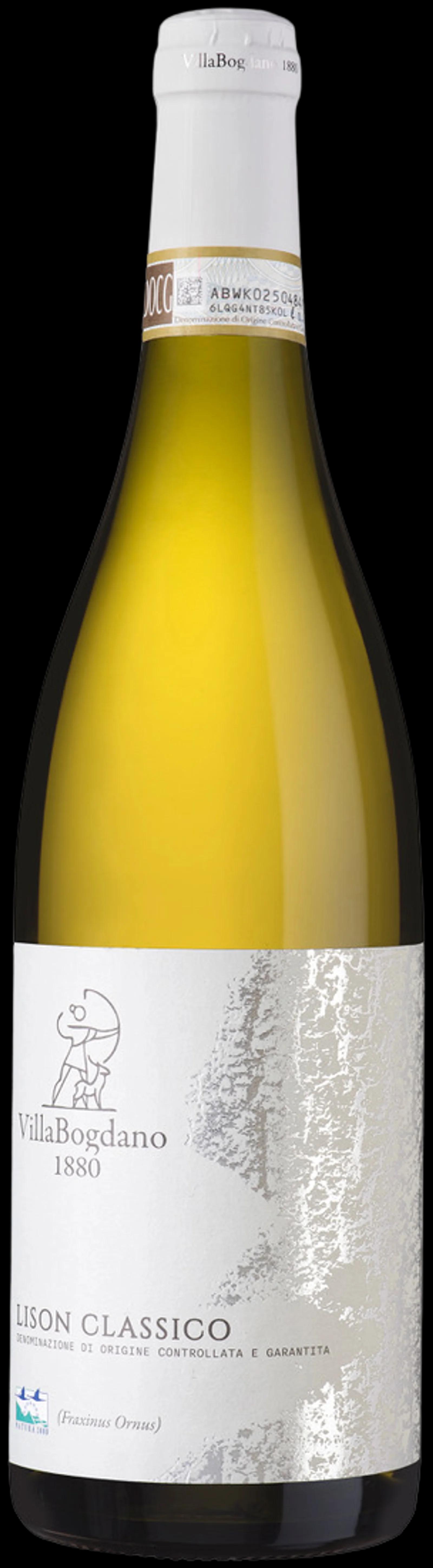
The Veneto is Italy's highest-volume DOC wine region by output, but volume and quality are not the same thing. The region contains 29 DOC and 14 DOCG designations, each with distinct rules on permitted grapes, yields, and ageing. Soave is produced from Garganega — a grape found almost nowhere else in Italy — grown on volcanic basalt soils in the hills east of Verona. Authentic Soave Classico from the original hillside zone tastes structurally different from the flat-land versions that expanded the appellation in the 1960s. Valpolicella is built primarily on Corvina Veronese, blended with Corvinone and Rondinella. The same grapes, dried for 90 to 120 days on bamboo racks, become Amarone della Valpolicella — a DOCG wine that loses roughly 30% of its water weight before fermentation even begins, concentrating sugars and tannins significantly. Recioto della Valpolicella follows the same drying process but fermentation is stopped early, leaving residual sugar. Prosecco DOC and Prosecco Superiore DOCG (Conegliano Valdobbiadene) use the Glera grape almost exclusively. The Superiore designation is hill-grown; the single-vineyard Rive bottlings within it represent a more recent effort to map individual slopes. Bardolino, on the eastern shore of Lake Garda, uses the same Corvina-led blend as Valpolicella but with lighter extraction and lower alcohol — structurally a different style, not a lesser one.
Winemaking practices across the region
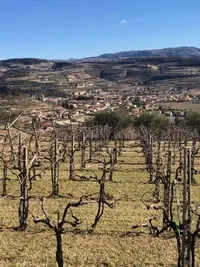
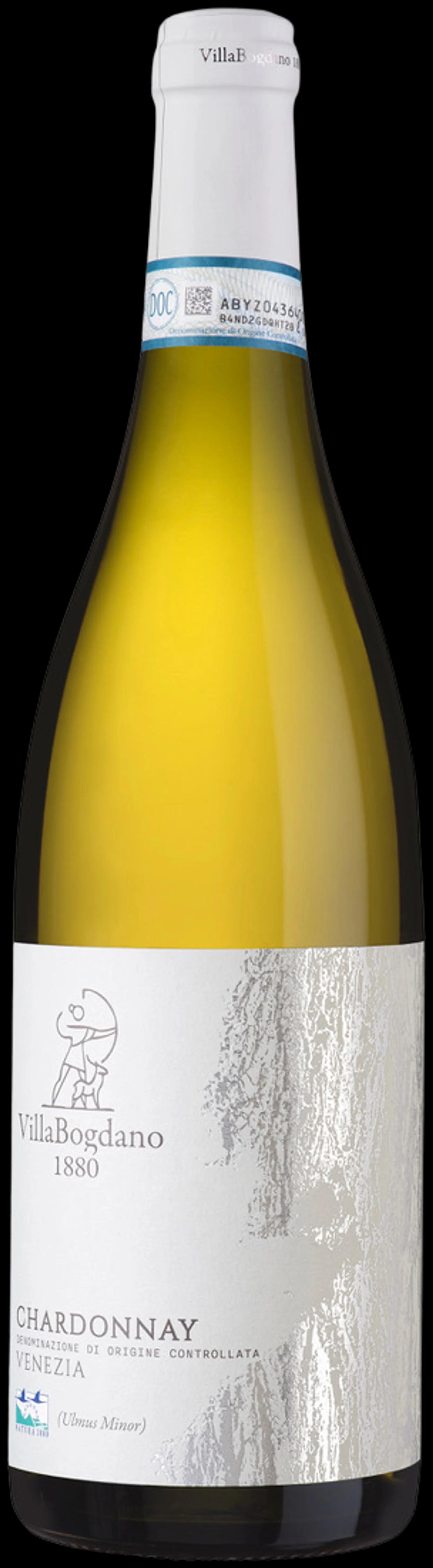
The Veneto's producers split into two broad camps: those working with indigenous grapes and traditional methods, and those who introduced international varieties — Merlot, Cabernet Sauvignon, Chardonnay — during the 1980s and 1990s under the Venegazzu and IGT categories. Both approaches exist on this platform. The drying technique used for Amarone and Recioto, called appassimento, was documented in the Veneto as early as the Roman period. Modern producers use either the traditional wooden slatted crates (arele) or climate-controlled drying lofts to manage humidity and prevent Botrytis during the 90-to-120-day drying window. In Soave Classico, a small group of producers has pushed back against overcropped flat-land production by returning to old Garganega vines on steep hillside terraces — some vineyards exceed 40 years of age. Older Garganega vines produce lower yields and wines with more textural density. On white wines from Italy generally, Veneto producers contribute a disproportionately large share of volume, which makes it more important, not less, to read who made the bottle.
How producers from the Veneto work on Free Grape Society
Producers from the Veneto list directly on the platform. No importer, no wholesaler. The price you see is the price the producer agreed to. Samples are sent to our Head of Product, who tastes every wine before it goes live. Independent wine experts Rate & Review individual wines on the platform — their reviews are visible on the wine page and on the expert's own profile. The producer sets the price. The expert chooses what to recommend. You choose what goes in the box. Producers on this platform range from small family estates in Valpolicella Classico to Soave hillside growers with under 5 hectares under vine. They are not the producers your supermarket carries — supermarkets require volume guarantees and margin structures that most of these estates cannot and do not want to meet. You can also find Veneto producers in the Italy wineries section and in Italian mixboxes, where several estates compose their own six-bottle selection as a direct recommendation from the cellar.