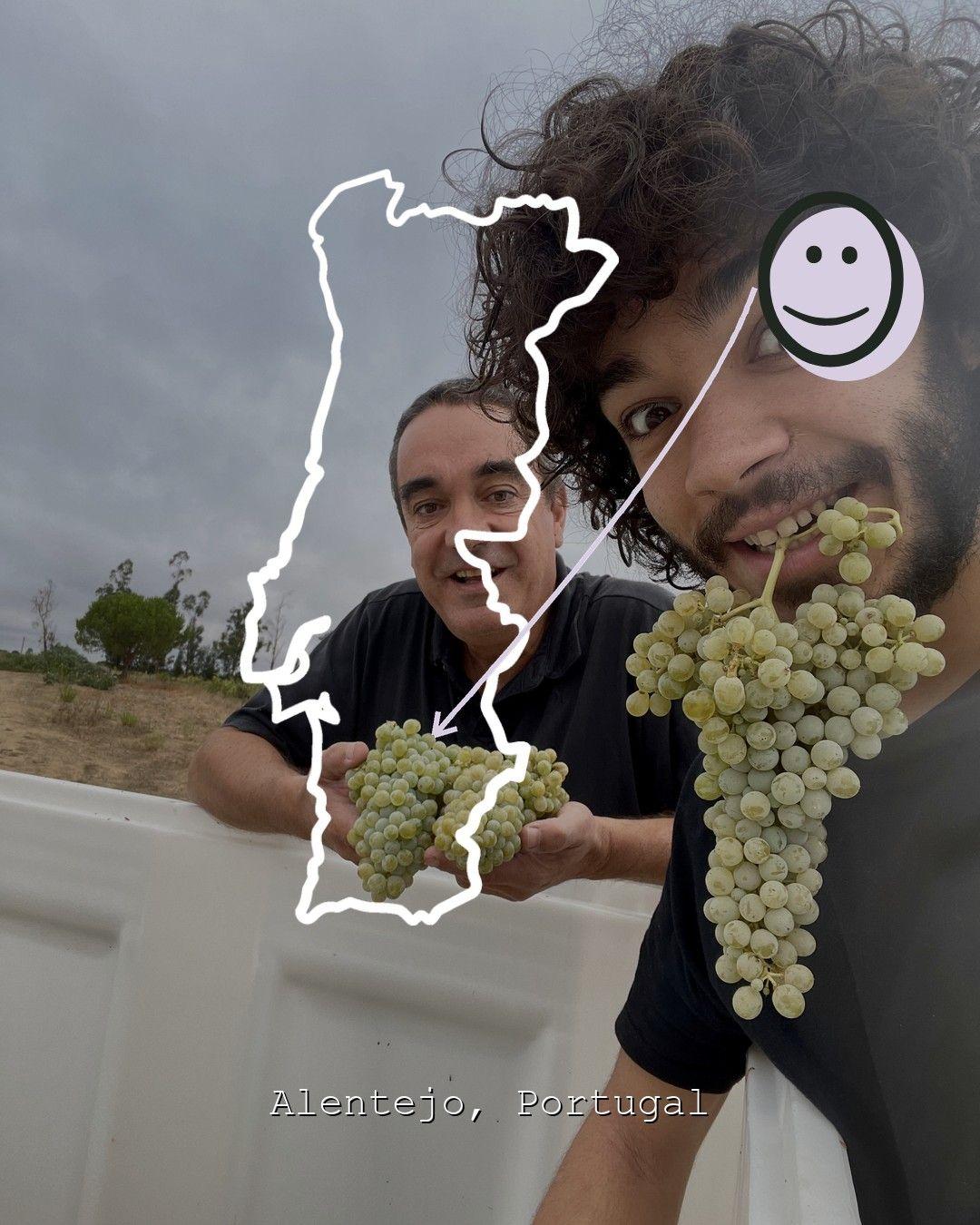
Alentejo producers, six bottles at a time

An Alentejo wine case brings six bottles from one producer, drawn from the varieties they farm in this wide, sun-drenched region of southern Portugal. The wines are chosen by the winery or by one of our wine experts, and the case is shipped directly from the winery.

Each six-bottle case comes from a single estate in Portugal's vast sun-baked interior — Aragonez, Alicante Bouschet and Antão Vaz in one order.

Wine Colour

Dropdown arrow

Country

Dropdown arrow

Region (1)

Dropdown arrow

Price

Dropdown arrow

Sort by

Sort arrow
Alentejo

Alentejo six-bottle wine cases

An Alentejo wine case is always six bottles from one estate rather than assembled from different producers. That matters in a region this large: Alentejo stretches across nearly a third of Portugal, and how a producer reads their own sub-regions — Reguengos, Évora, Granja-Amareleja — comes through in the six bottles of each case.

speech-bubble

No match yet!

It looks like we don't have a match for your selected criteria today. Try clearing or adjusting your filters. Or check back soon!

Wine experts

Independent wine experts on Free Grape Society rate and review wines they have personally tasted, and several have reviewed bottles from Alentejo producers featured here. Their notes appear on the individual wine pages and on each expert's own profile, giving you a transparent view of what a taster who knows the region thinks before you order.

View all wine experts

Frequently asked questions

How do I order an Alentejo wine case?

Choose a case from a producer whose range interests you and add it to your cart. Each case contains six bottles from that single estate. Checkout is handled securely via Klarna or card, and the producer ships directly from their cellar. Delivery typically takes between 4 and 14 days.

What happens if a bottle arrives broken or doesn't taste right?

Send a photo to Free Grape Society customer support within 7 days of delivery. We will arrange a replacement or a refund. Because producers ship directly, quality issues are handled with the producer's direct involvement. Shared responsibility is built into how FGS works.

What arrives when I order an Alentejo wine case?

You receive six bottles from one producer. The wines are chosen by the winery or by one of our wine experts, and the case is shipped directly from the winery. The selection stays within one estate, so the six bottles reflect a single grower's range rather than a mixed assortment from different producers.

How long does delivery take?

Average delivery is 8 to 9 days from order to door. The full range is 4 to 14 days depending on the producer's location and your delivery address. Wines ship directly from the producer's cellar, not from a central warehouse.

How do I find the right Alentejo wine case for me?

Start with what you already know you like: if you prefer structured reds, look for producers who lead with Aragonez or Alicante Bouschet; if you want fresher whites, look for estates in cooler sub-regions like Évora. Each producer page tells you about the grower and their approach, which gives you a feel for whether their six-bottle selection suits your palate.

Why does each case come from just one producer?

Because all six bottles come from one estate, the selection has a focus: you are tasting one grower's vineyards, not a generic sampler assembled from different cellars.

Which Alentejo wine expert can recommend something for me?

Several independent wine experts on Free Grape Society have reviewed wines from Alentejo producers. You can browse their notes on individual wine pages or visit an expert's profile to see their full review history and reach out with a question.

Why are Alentejo wine cases always 6 bottles from one producer?

Six bottles from one estate is the format because it shows how one grower works across their range. Mixing wines from different estates would remove that focus.

Can I buy Alentejo wine cases in a regular wine shop?

A six-bottle case shipped directly from the estate is specific to how Free Grape Society works. In retail, wines from Alentejo typically pass through importers and distributors before reaching the shelf, which means a case shipped straight from the grower is not part of the offer.

What's in an Alentejo wine case

A wine case from Alentejo is six bottles from one producer rather than assembled from different estates. That single-producer logic matters in a region as varied as this one. Alentejo stretches across a large inland plateau in southern Portugal, and producers here farm very different soils — granite in the north, schist further south, and limestone and clay in pockets across the middle. A case from one grower often shows how a single variety reads across different parcels, or how their cellar handles both a fresh white and a fuller red from the same harvest. Aromatic whites built on Antão Vaz and Arinto sit alongside structured reds from Alicante Bouschet, Aragonez and Trincadeira — grapes that have adapted over generations to the region's dry summers and warm, long growing season. Browsing Alentejo wine cases alongside the region's individual bottles or its producers gives a fuller picture of what each grower is doing with their land.

What six bottles from one Alentejo estate show

Because each case comes from one estate, the six bottles reflect that grower's range. In Alentejo, that often means a case spans the region's natural contrasts: whites and reds from the same vintage, or a run of reds showing how the same grape performs across different soils or elevations. The region's continental climate — very hot, very dry summers, and cold winters — pushes producers toward grapes that ripen fully without losing acidity, and many have spent decades selecting the clones and parcels best suited to their specific corner of the plateau. Some estates also work with native varieties that rarely appear outside Portugal, so a case can serve as an introduction to grapes a buyer would not find on a bottle from anywhere else in Europe. Portugal's other wine regions offer their own regional cases if you want to compare Alentejo's inland warmth against the cooler Atlantic influence elsewhere in the country.

Getting to know Alentejo through one grower

Alentejo became one of Portugal's most recognised wine regions in part because its producers invested early in quality winemaking infrastructure — temperature-controlled fermentation is widespread here, which is unusual in a region where summer temperatures regularly climb high. That investment shows in the wines: the reds tend to be ripe and approachable young, with enough structure to reward short ageing, while the whites are fresher than the climate might suggest. Taking home a six-bottle case from one estate is a practical way to understand what a specific grower does with those conditions — how they manage freshness in the whites, how much tannin they coax from a Trincadeira harvest, and whether they work with oak or prefer a cleaner, fruit-forward style. For readers interested in the producers themselves, the Alentejo wineries page covers the estates working the region. You can also explore cases from neighbouring Portugal or compare with southern Spanish regions such as Andalusia and Murcia.