Heat and drought gave Quila a small 2026 harvest in Piedmont
The 2026 harvest at Quila in Piedmont was shaped by extreme heat and drought. The crop was well below normal; Dolcetto, Croatina and Barbera are in focus.

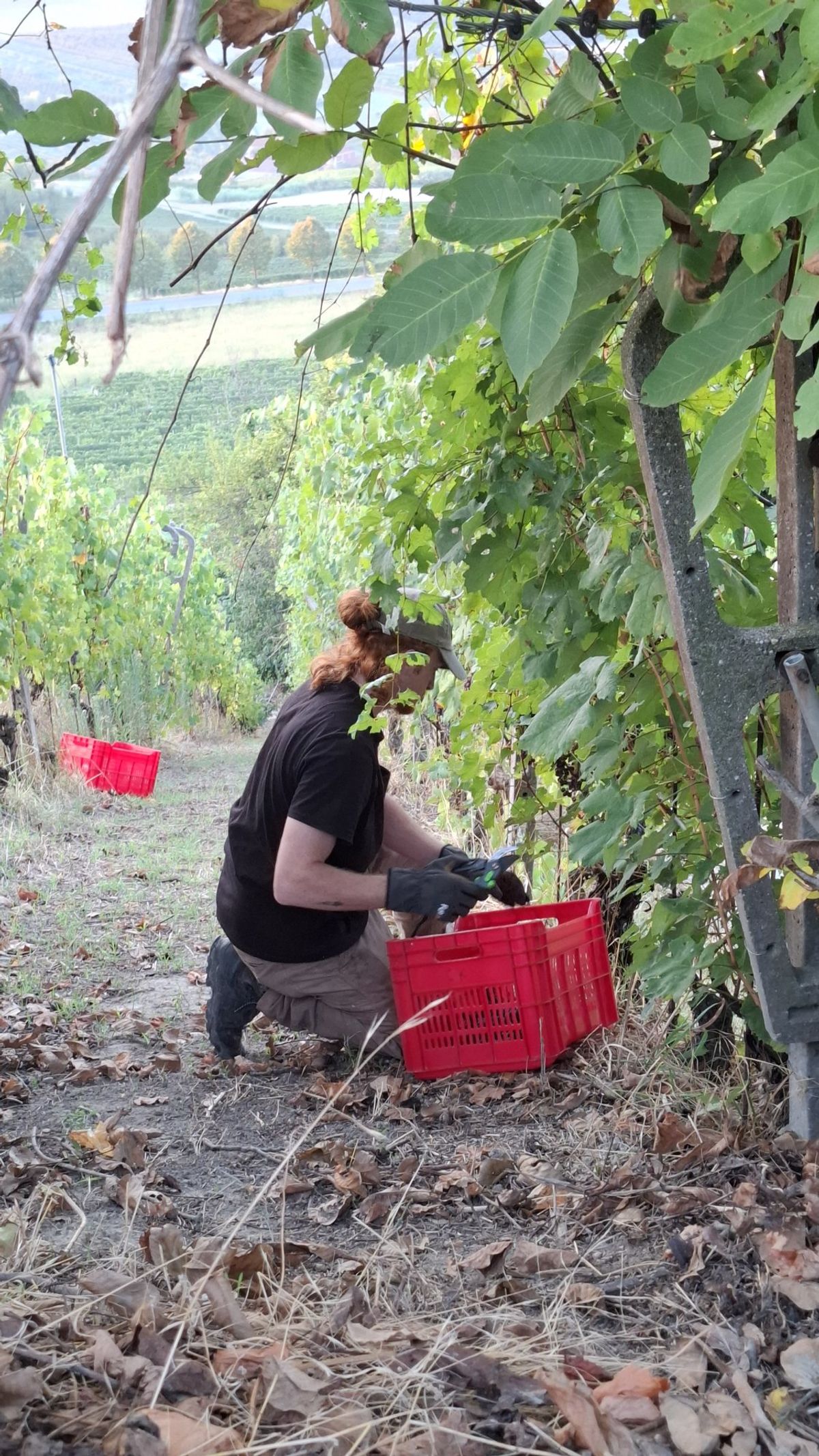
The 2026 harvest at Quila in Piedmont was more challenging than a normal year, with extreme heat and water stress. Picking ran from 28 August to 21 September and the crop was well below normal, but the grapes were in excellent condition at picking.
What made 2026 so hard in Quila’s vineyards?
According to Quila, 2026 was a record year for the number of days above 35 °C, and the vines suffered from water stress. All of Quila’s vineyards sit on steep hills with mainly sandy soils, which hold little water, and face due south, which means more sun.
How did the grapes avoid sunburn?
Thanks to the way the vines are trained. It was the one exception in a hard year. As Quila puts it:
”The only thing the vineyards were “saved” from was sunburn.” – Quila
One vineyard, trained with vertical shoot positioning (VSP), grows a lot of very large leaves and ripens early, so the grapes get shade and less time in the sun. The other has vertical rows and a lyre system, where the grapes hang fully in the shade.
What is happening in the cellar after the 2026 harvest?
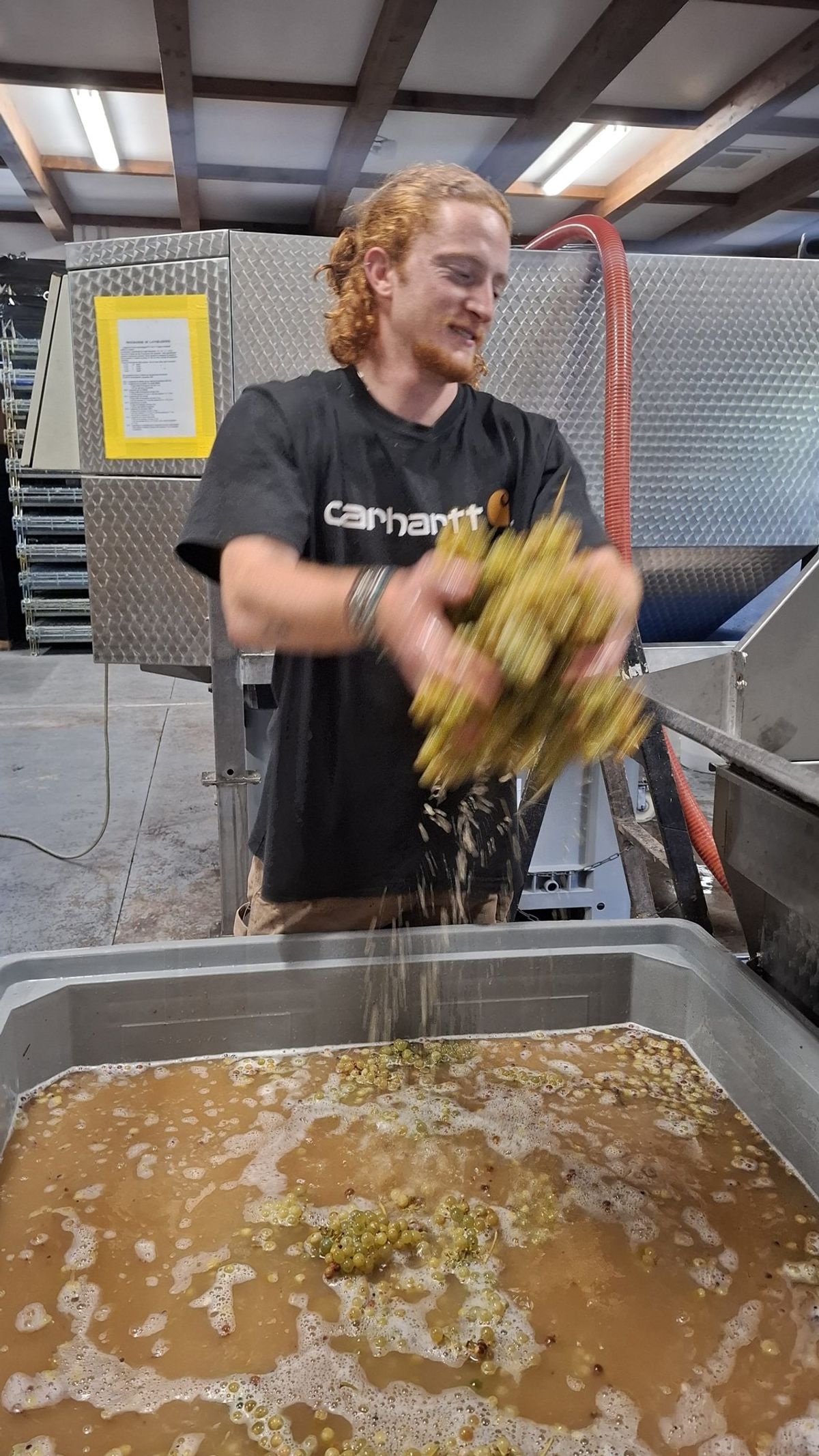
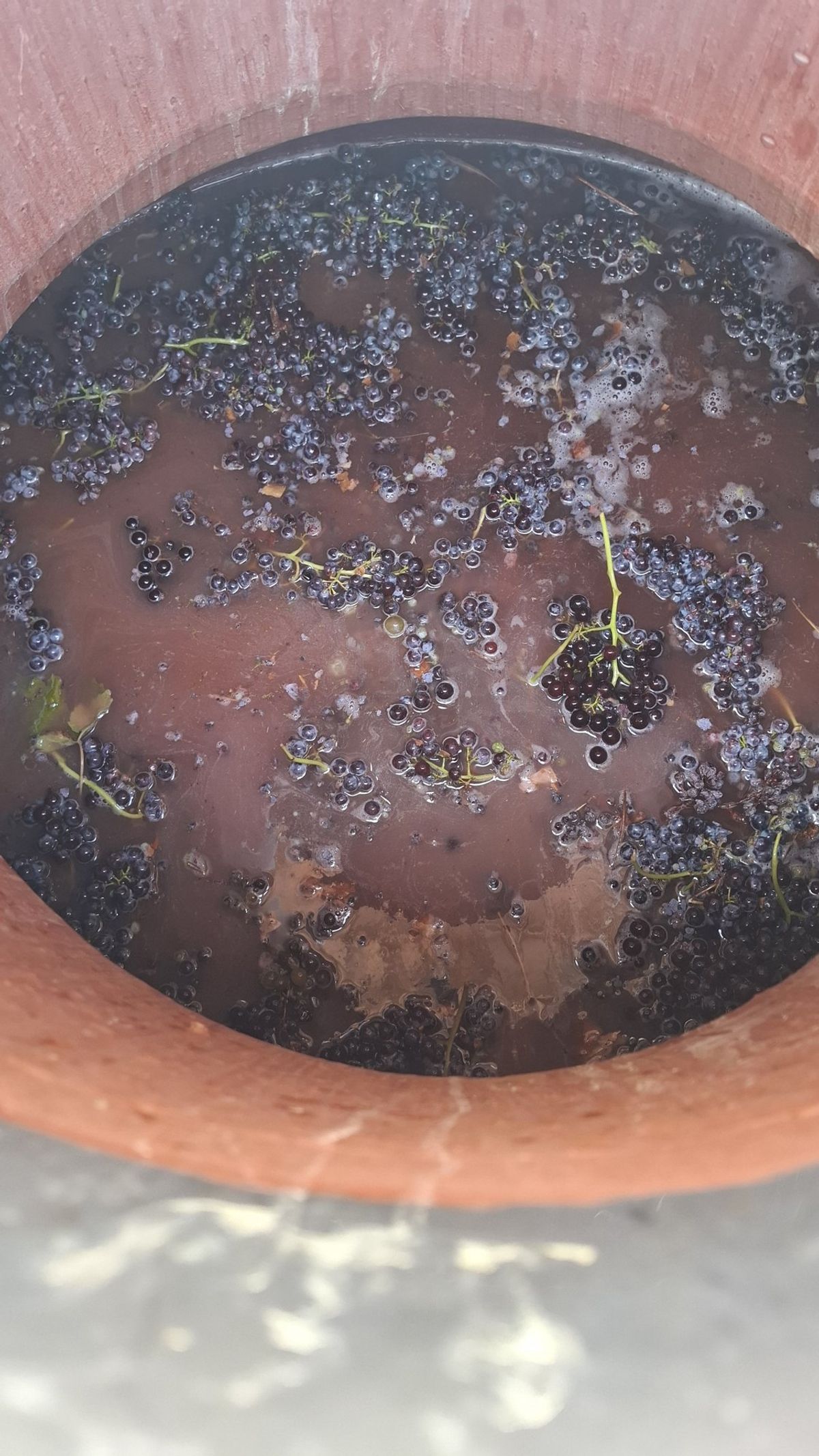
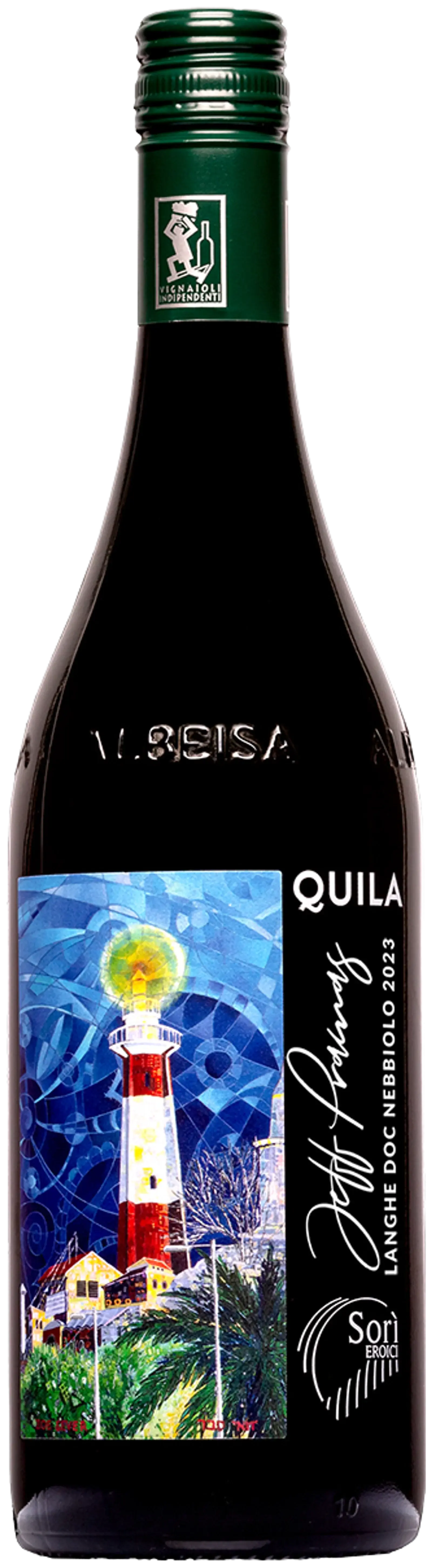
The heat showed in the cellar too. Quila reports many spontaneous fermentations and very fast alcoholic fermentations, as in 2023, and a slow malolactic fermentation. Colour and tannin vary more than usual between varieties and sites, and Nebbiolo, which needs a lot of water, was the variety most affected by the drought.
Which grapes is Quila most excited about?
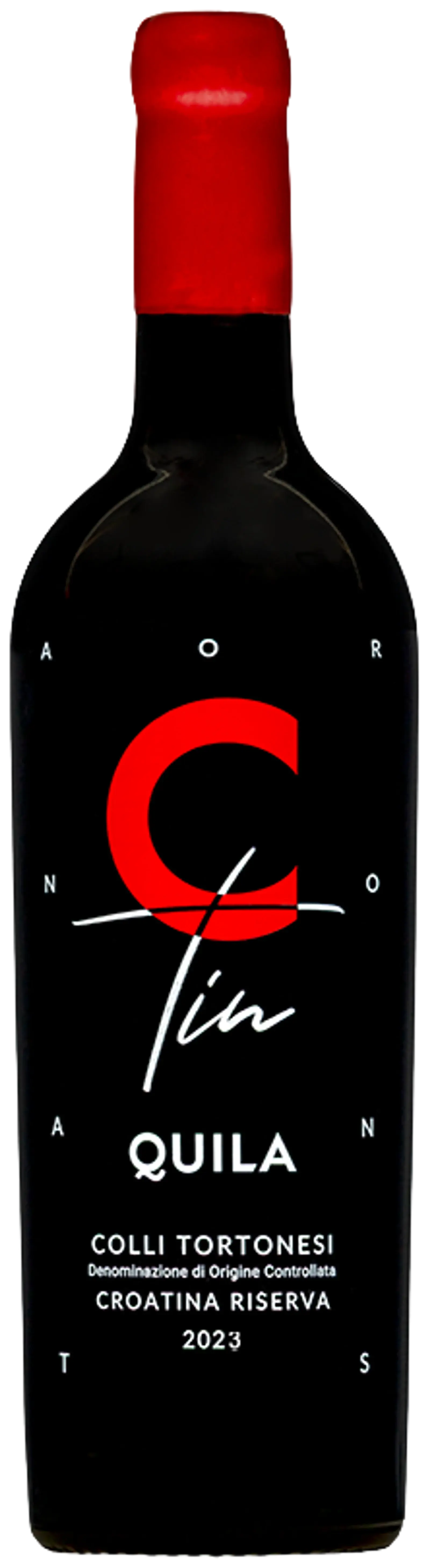
Dolcetto, Croatina and Barbera are the three grapes Quila is most excited about from the 2026 vintage – something that almost never happens with Barbera, according to the winery.
Dolcetto is an early-ripening red grape from Piedmont, and despite its name, which roughly means ‘little sweet one’, it makes dry wines. Croatina is a red grape grown mainly in northern Italy, including Piedmont, Lombardy and Emilia-Romagna, and gives deeply coloured wines with noticeable tannins. Barbera is a red grape known for its high acidity and relatively soft tannins, and it is one of the most widely planted red grapes in Piedmont.

What is special about Piedmont as a wine region?
Piedmont lies in north-west Italy at the foot of the Alps, and its name means ‘at the foot of the mountains’. The region is best known for Barolo and Barbaresco, both made from Nebbiolo, a late-ripening grape with high acidity and firm tannins. The vineyard landscapes of Langhe, Roero and Monferrato have been on the UNESCO World Heritage List since 2014.
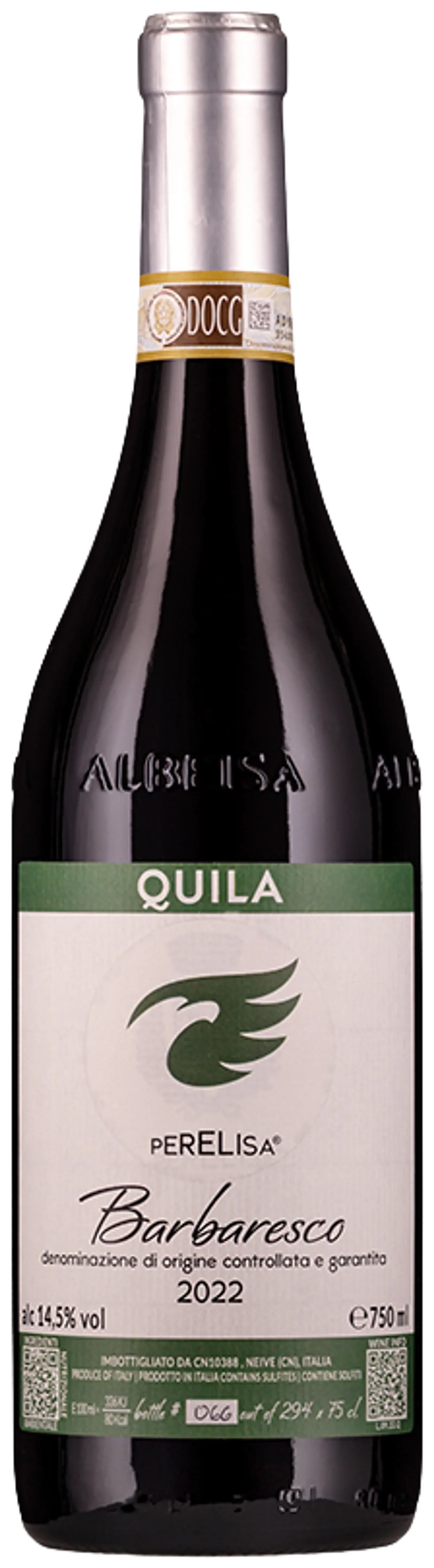
 Wine case