Key grapes in French white wine
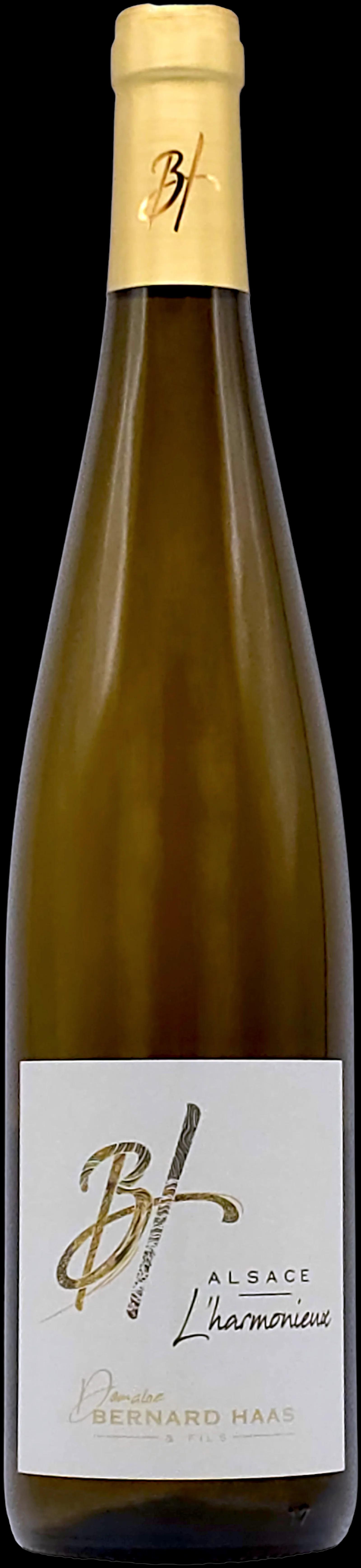
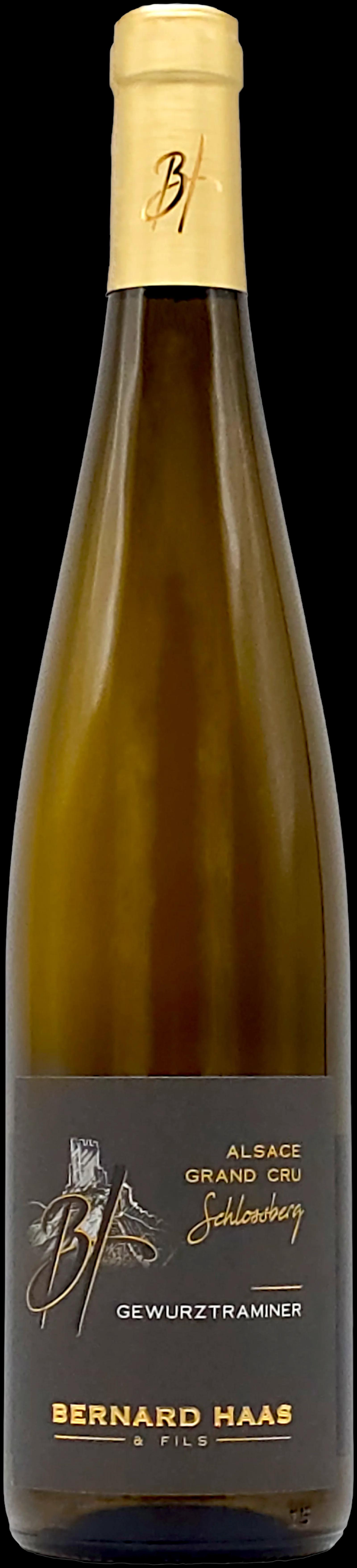
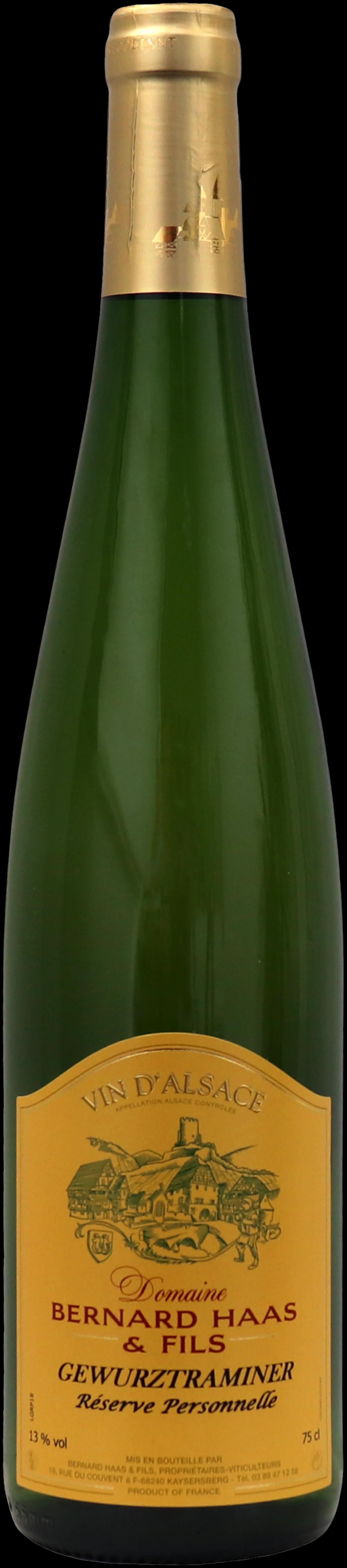
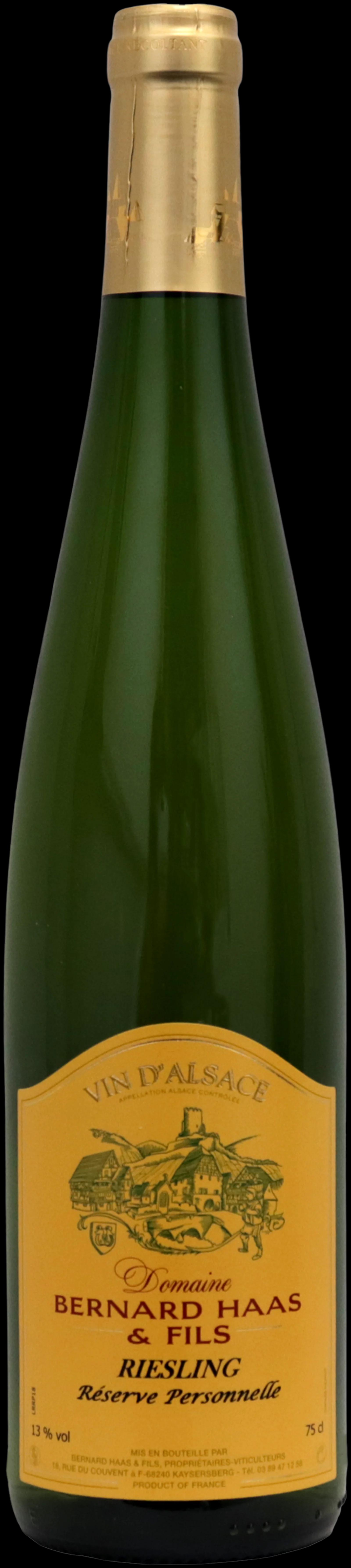
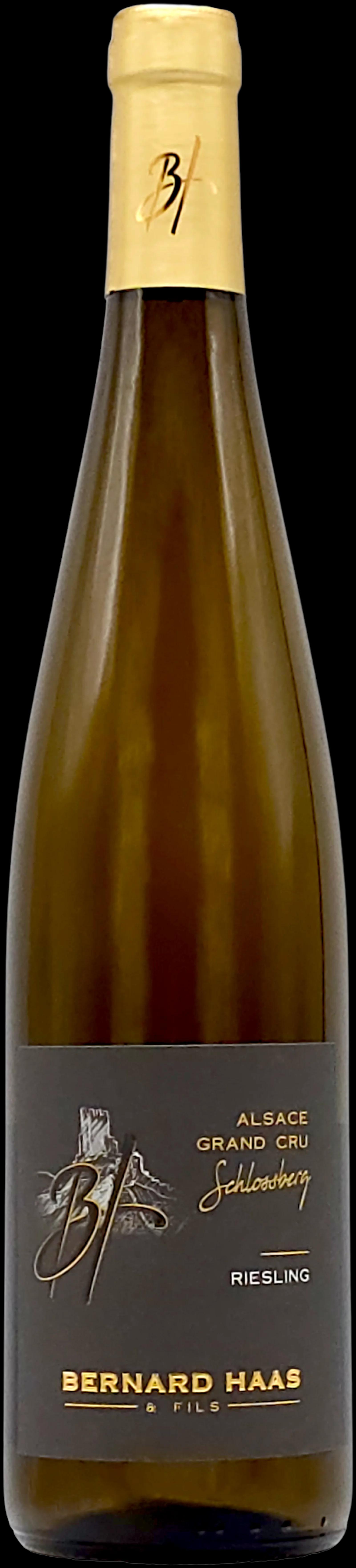
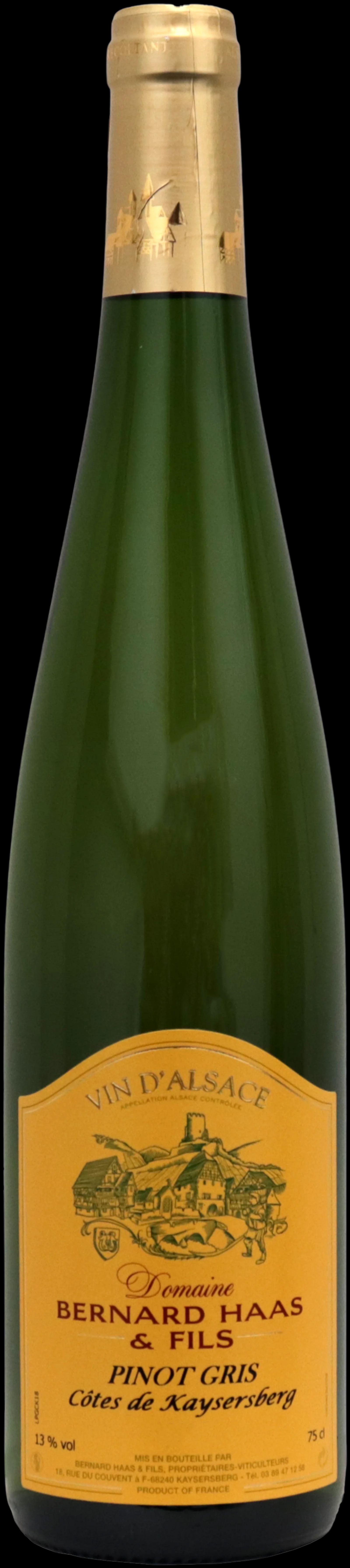
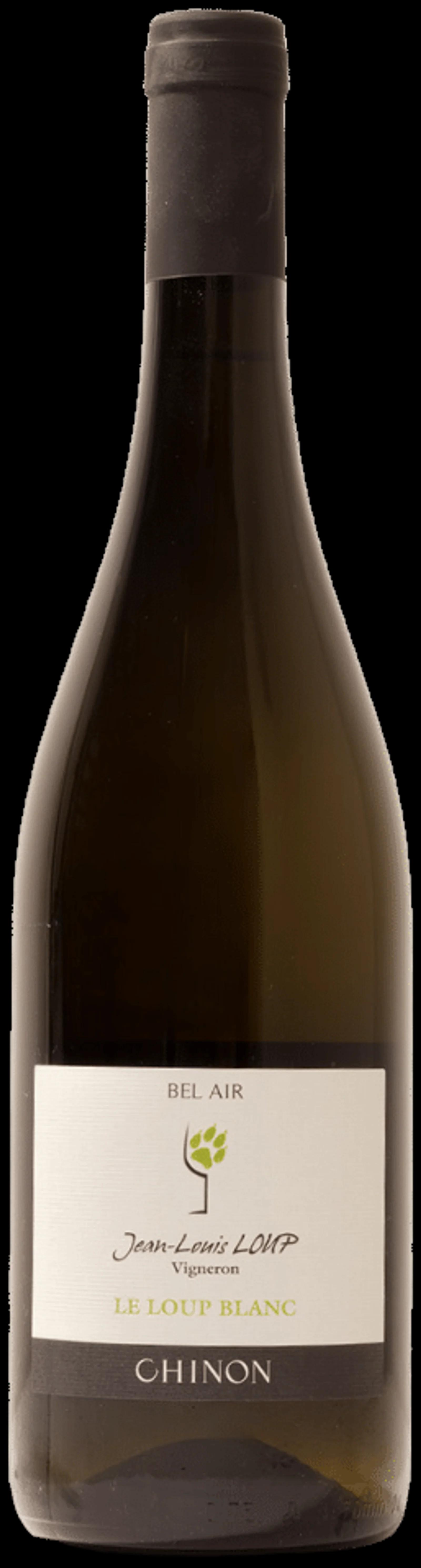
French white wine is not a single style held together by geography. It is a collection of structurally different wines shaped by the grapes that dominate each region. Chardonnay drives Burgundy and Champagne, producing everything from bone-dry Chablis — where the Kimmeridgian limestone imparts a precise, almost saline character — to richly textured Meursault aged in new oak. In the Loire Valley, Melon de Bourgogne makes Muscadet, one of the lowest-alcohol dry whites in France, relying on extended lees contact rather than fruit concentration for its texture. Alsace works almost entirely with aromatic varieties: Riesling, Pinot Gris, and Gewurztraminer grown on a narrow strip of foothills between the Vosges and the Rhine plain. The rain shadow created by the Vosges makes Alsace one of the driest wine regions in France, which is why its whites achieve full phenolic ripeness without the broad texture that warm, humid climates produce. In the Rhône Valley, Grenache Blanc and Marsanne define the south, while Viognier — almost extinct by the 1960s before a handful of Condrieu producers kept it alive — now appears across southern France. Each of these grapes responds differently to soil, altitude, and harvest timing. What connects them is not a shared style but a shared tendency among French producers to let the site speak rather than the winery.
Regional variation in French white wine
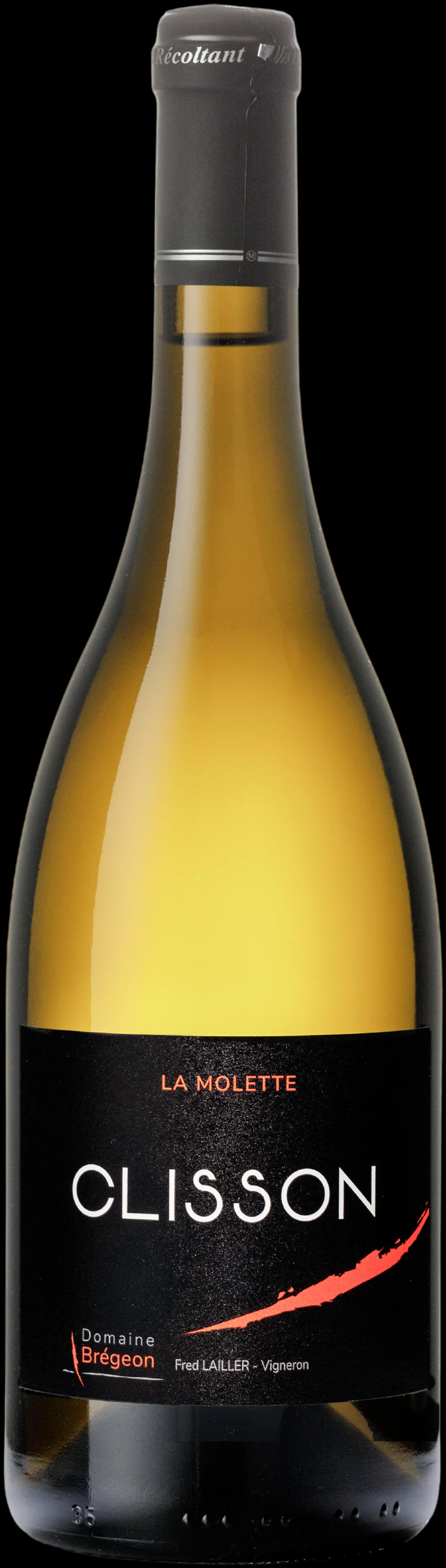
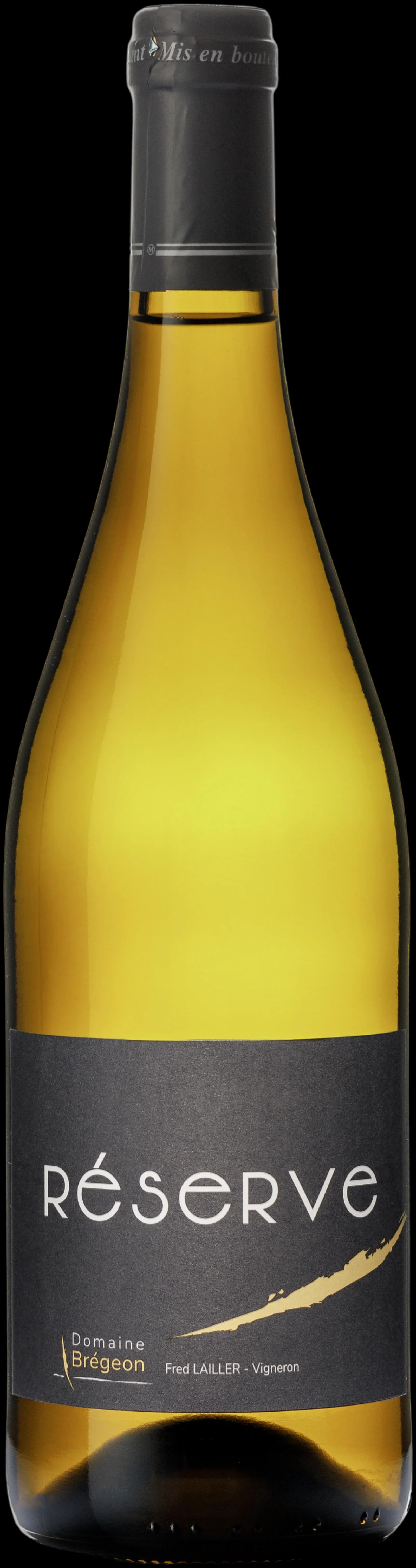
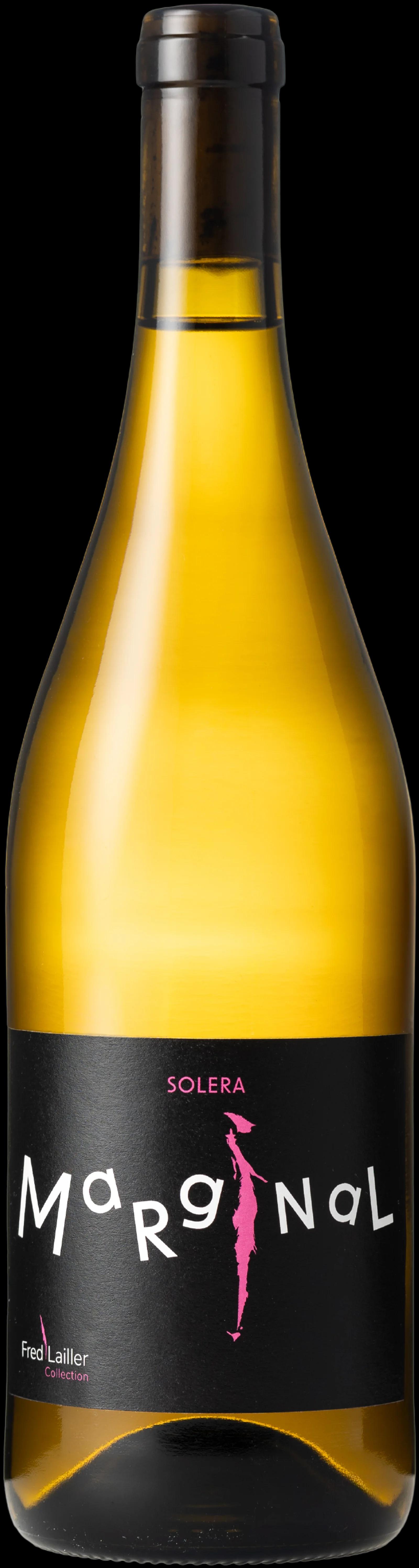
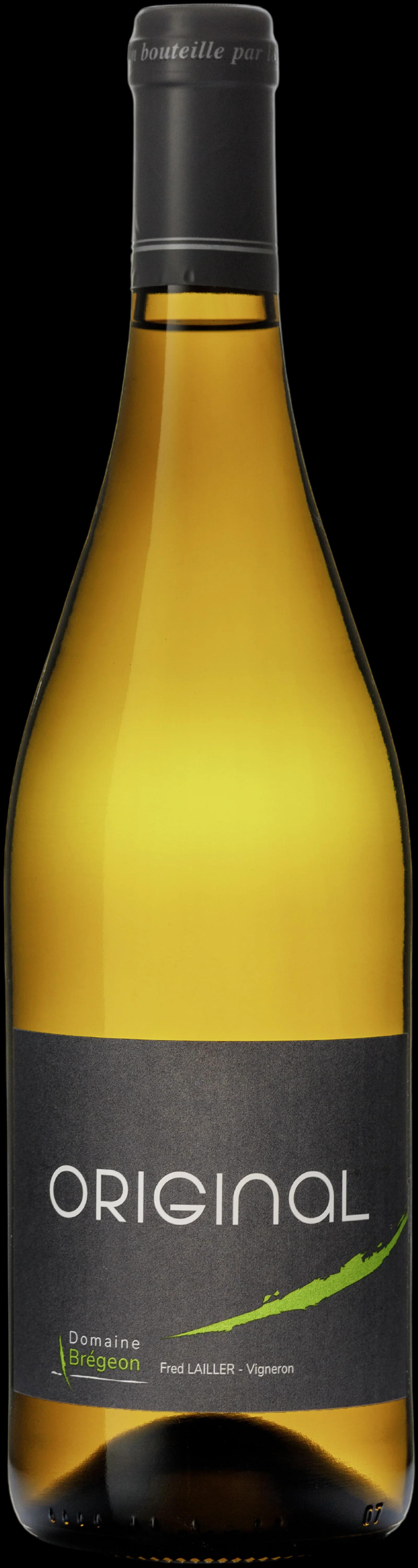
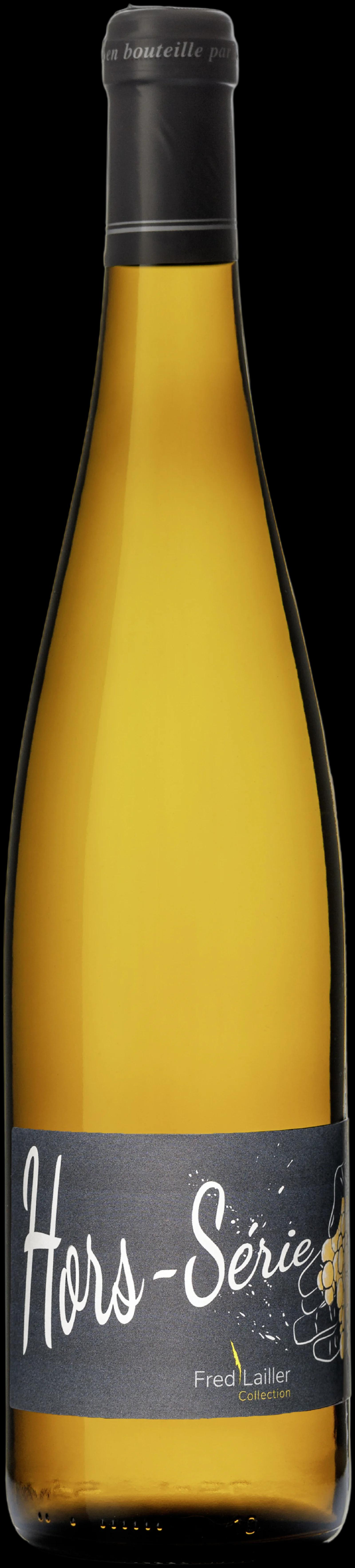
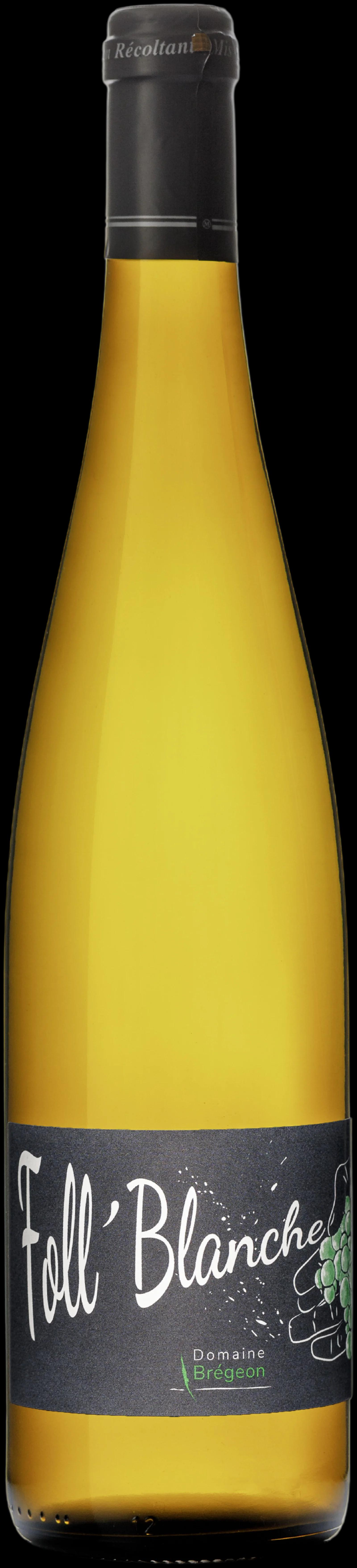
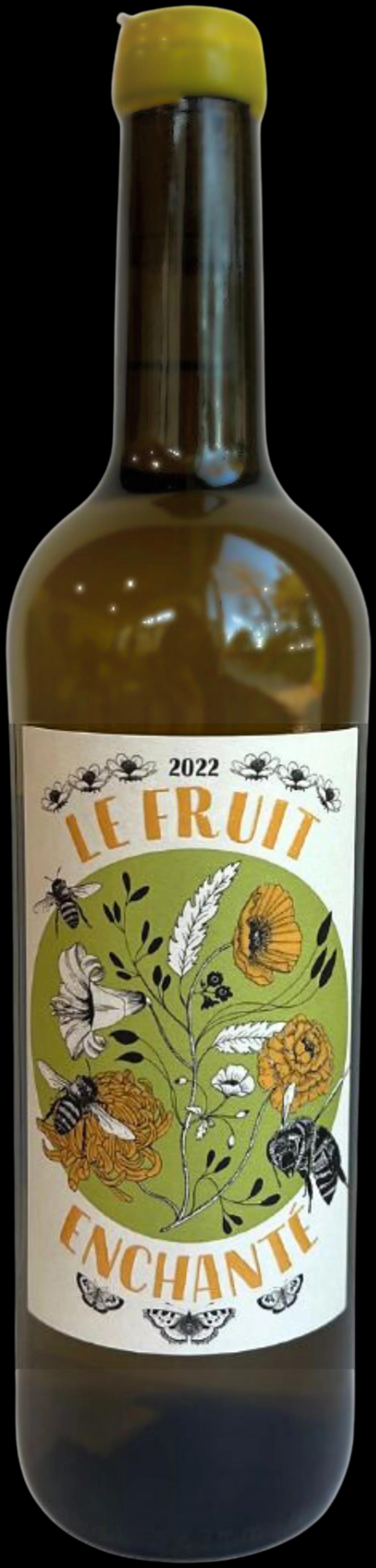
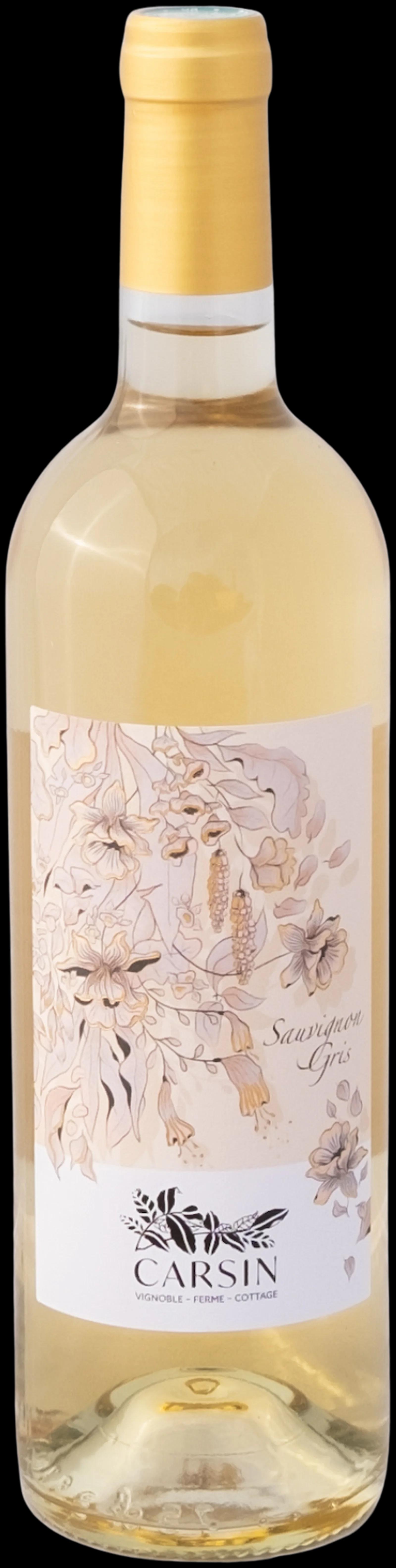
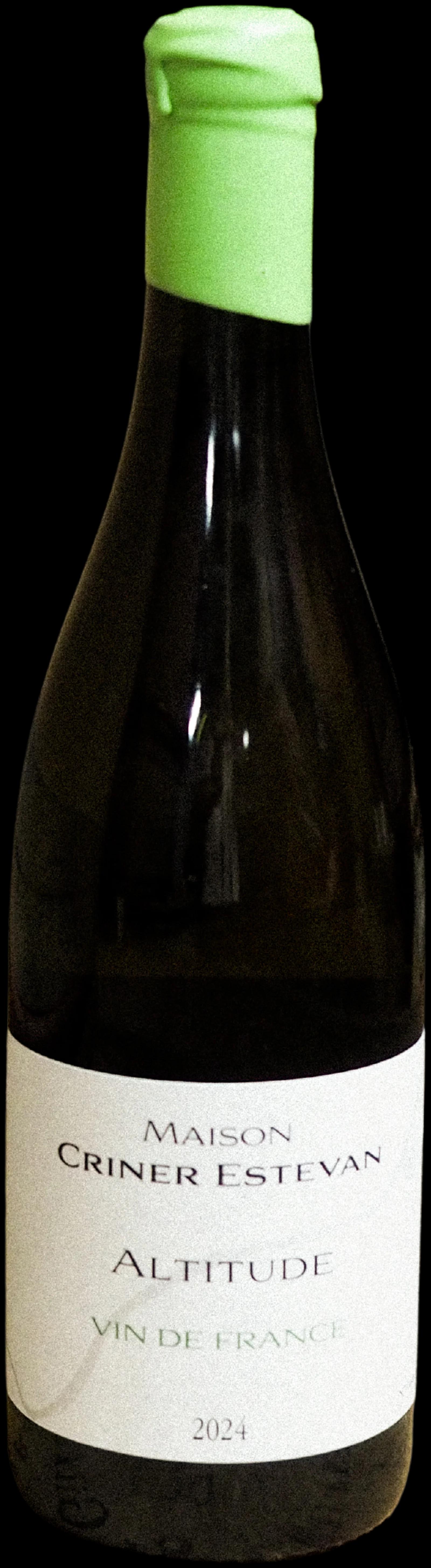
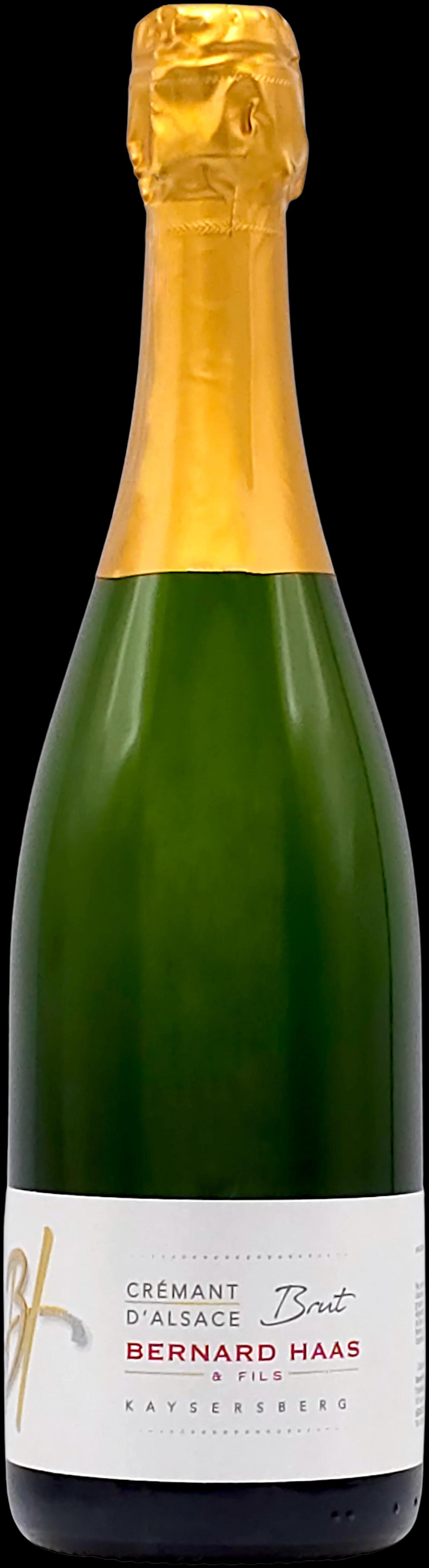
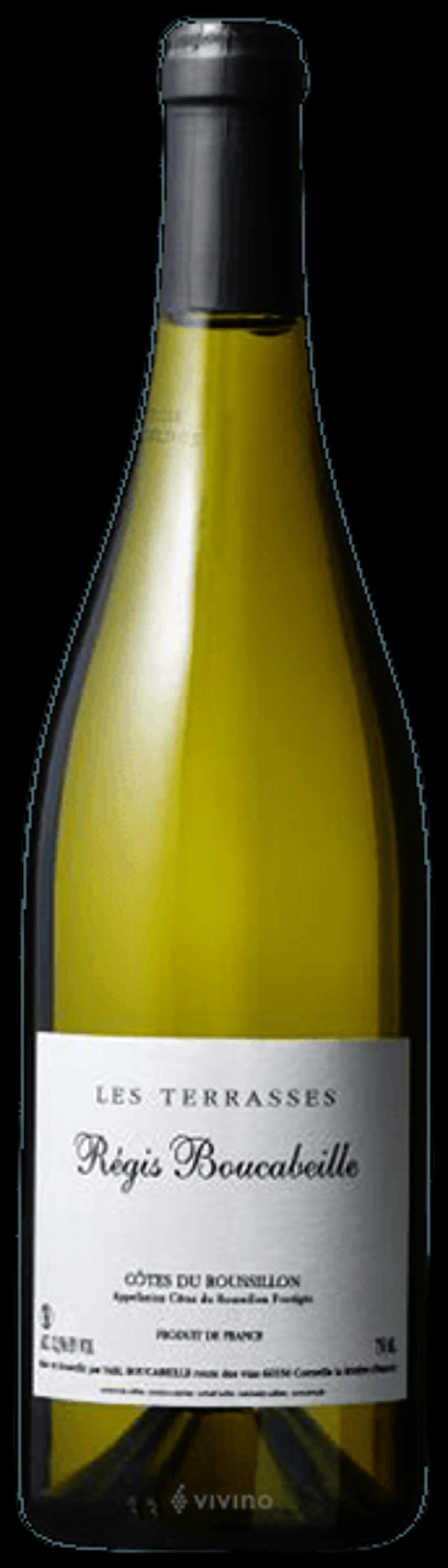
The range of French white wine is wide enough that two bottles from the same country can be structurally unrelated. In Burgundy, white wine means Chardonnay on limestone and clay, with village, premier cru, and grand cru classifications that track soil composition as closely as any system in the world. The difference between a Mâcon-Villages and a Puligny-Montrachet premier cru is not just prestige — it is a measurable difference in clay-to-limestone ratio and drainage depth. In Alsace, the same grape planted on granite versus limestone versus volcanic basalt produces wines with different aromatic profiles, something the region's grand cru system was designed to capture but has been inconsistently applied. In the Loire Valley, the western end (Muscadet) produces lean, high-acid whites for early drinking, while the central Loire — Sancerre, Pouilly-Fumé — is where Sauvignon Blanc reaches a mineral precision rarely matched elsewhere. Further south, Languedoc-Roussillon produces white wine from a wider range of grapes, including Picpoul de Pinet along the coast, where proximity to the Étang de Thau lagoon moderates temperatures and sharpens acidity. Producers here tend to work at higher altitudes than the region's reputation suggests — some white wine vineyards in the Hérault sit above 400 metres. The producers listed on Free Grape Society's France page come from several of these regions, and the variation between them reflects the structural differences above, not just stylistic preference.
How French white wine is made
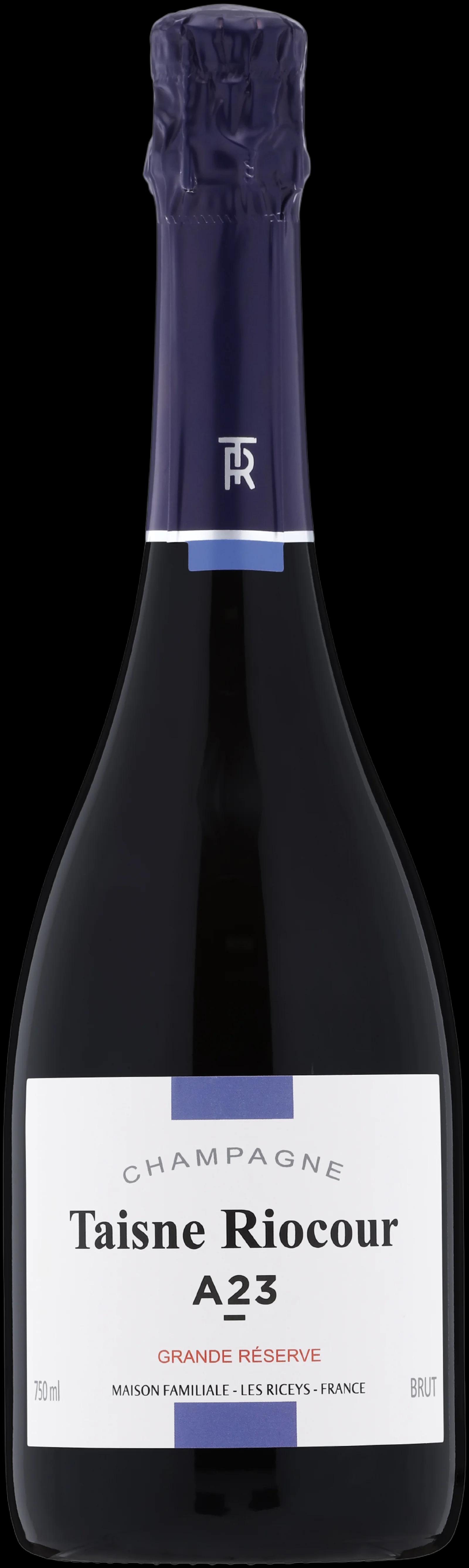
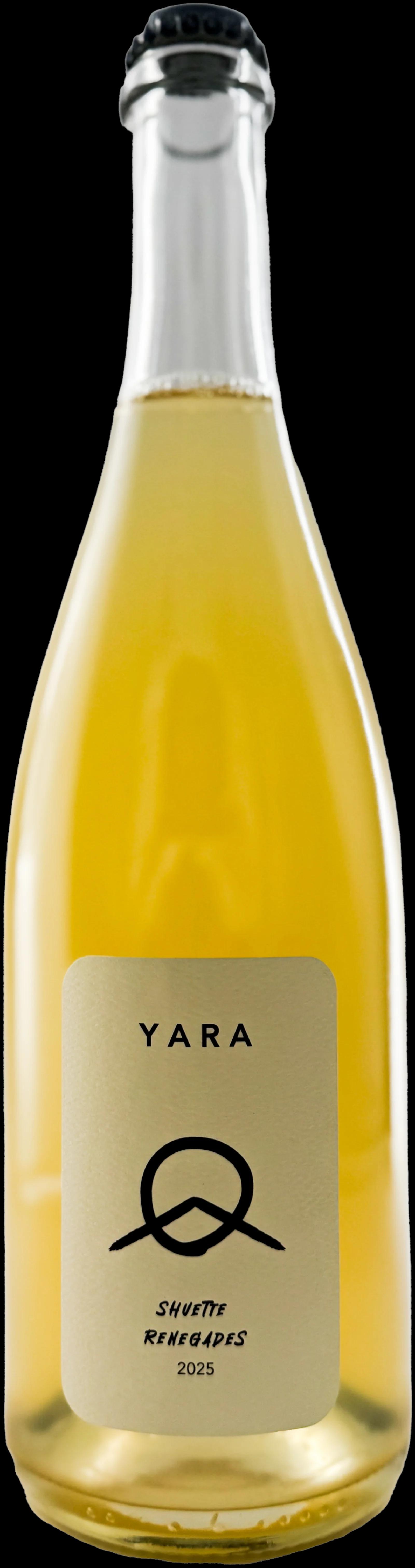
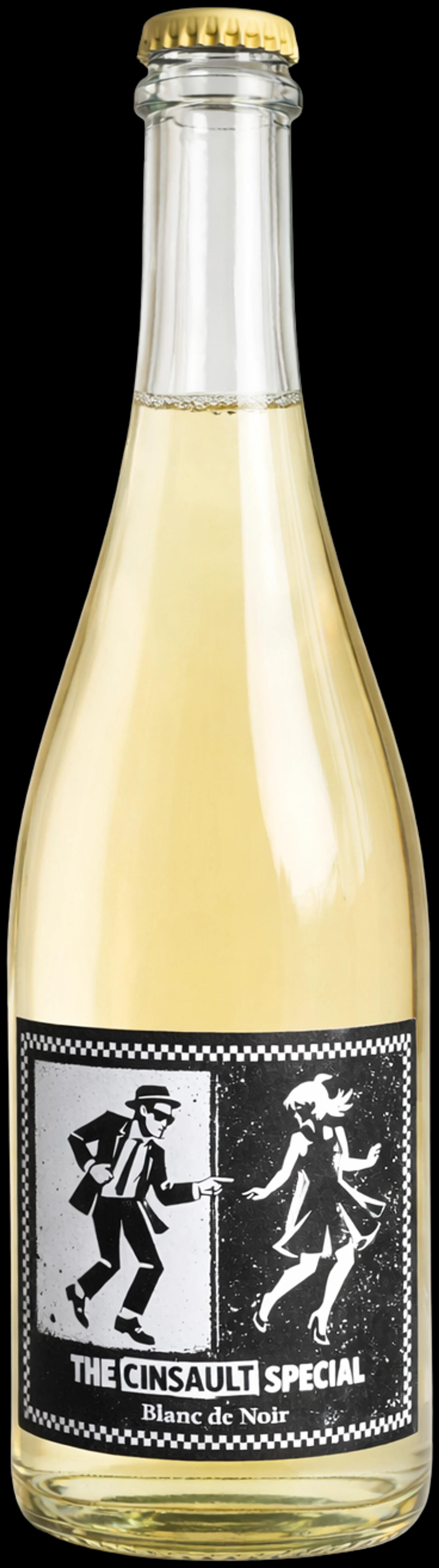
Production decisions in French white wine vary significantly by region and producer scale. In Champagne, base wines from Chardonnay undergo a second fermentation in bottle, with extended lees ageing — a minimum of 15 months for non-vintage, 36 months for vintage — that develops autolytic character distinct from any still white wine. In Burgundy, the debate between producers over oak ageing has shifted noticeably since the late 2010s: several prominent domaines reduced new oak percentages after a run of warm vintages showed that high oak levels masked site character rather than complementing it. In Alsace, the decision to vinify dry versus off-dry is not always declared on the label, which has been a long-standing transparency issue the region is still working through. In the Loire, cold stabilisation and minimal sulphur additions are common among smaller estates, partly because the Loire's naturally high acidity provides stability without heavy intervention. Skin-contact white wine — orange wine — exists in France but is not dominant; it appears most often from producers in the Loire and Alsace who work with extended maceration as a textural tool. What connects most of the independent French white wine producers on this platform is a preference for lower yields and later harvesting compared to commercial-scale operations — not because lower yields are always better, but because the vineyards they work tend to be on sites where concentration requires time rather than intervention. You can explore the full range of white wines and French wines on Free Grape Society. The producer decides the price. No one sits between them and you.