What production volume tells you about a wine
The number of bottles a producer makes each year shapes almost everything about how a wine is made — but it says nothing about whether the wine is good. A cellar turning out 500,000 bottles works differently from one making 10,000, and both can make wine worth seeking out.
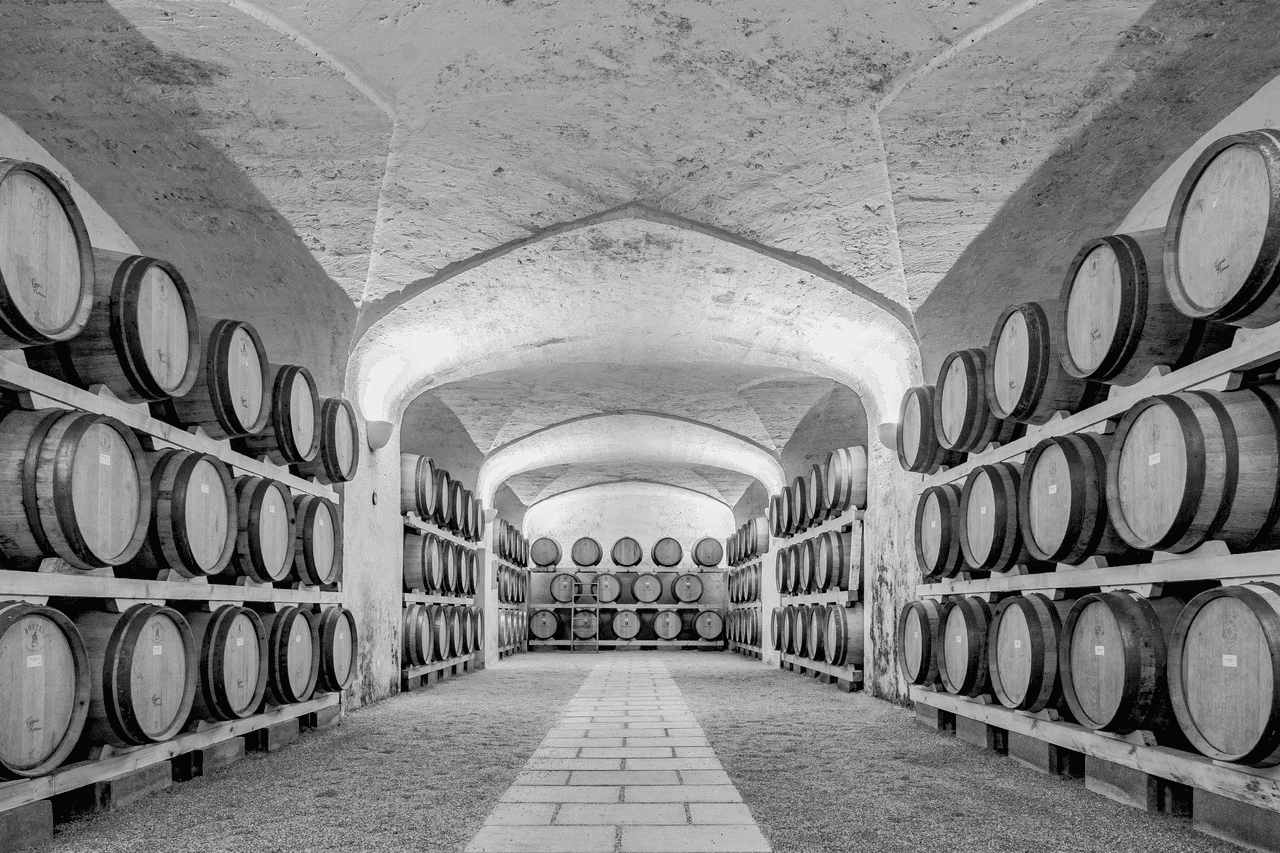
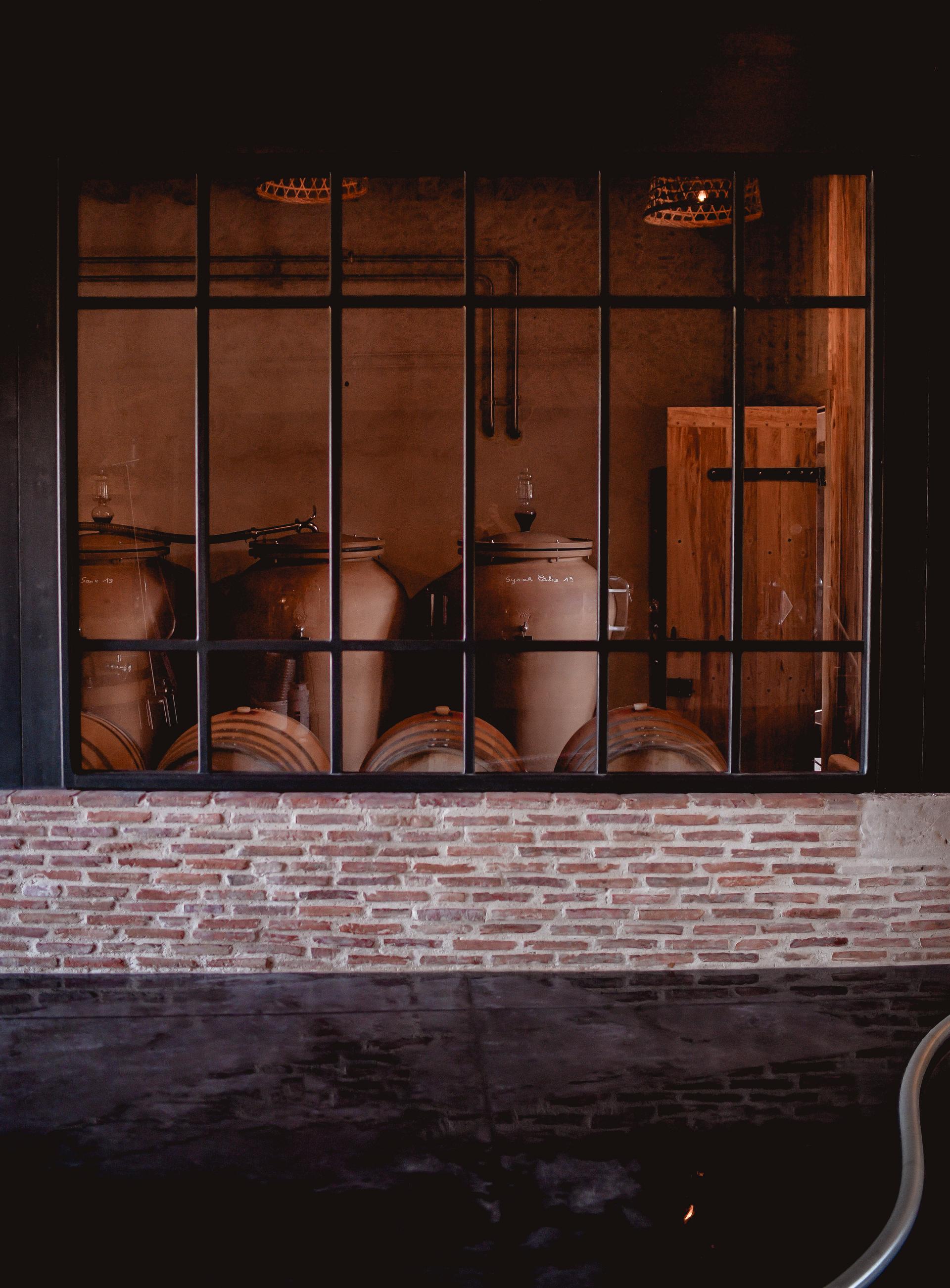
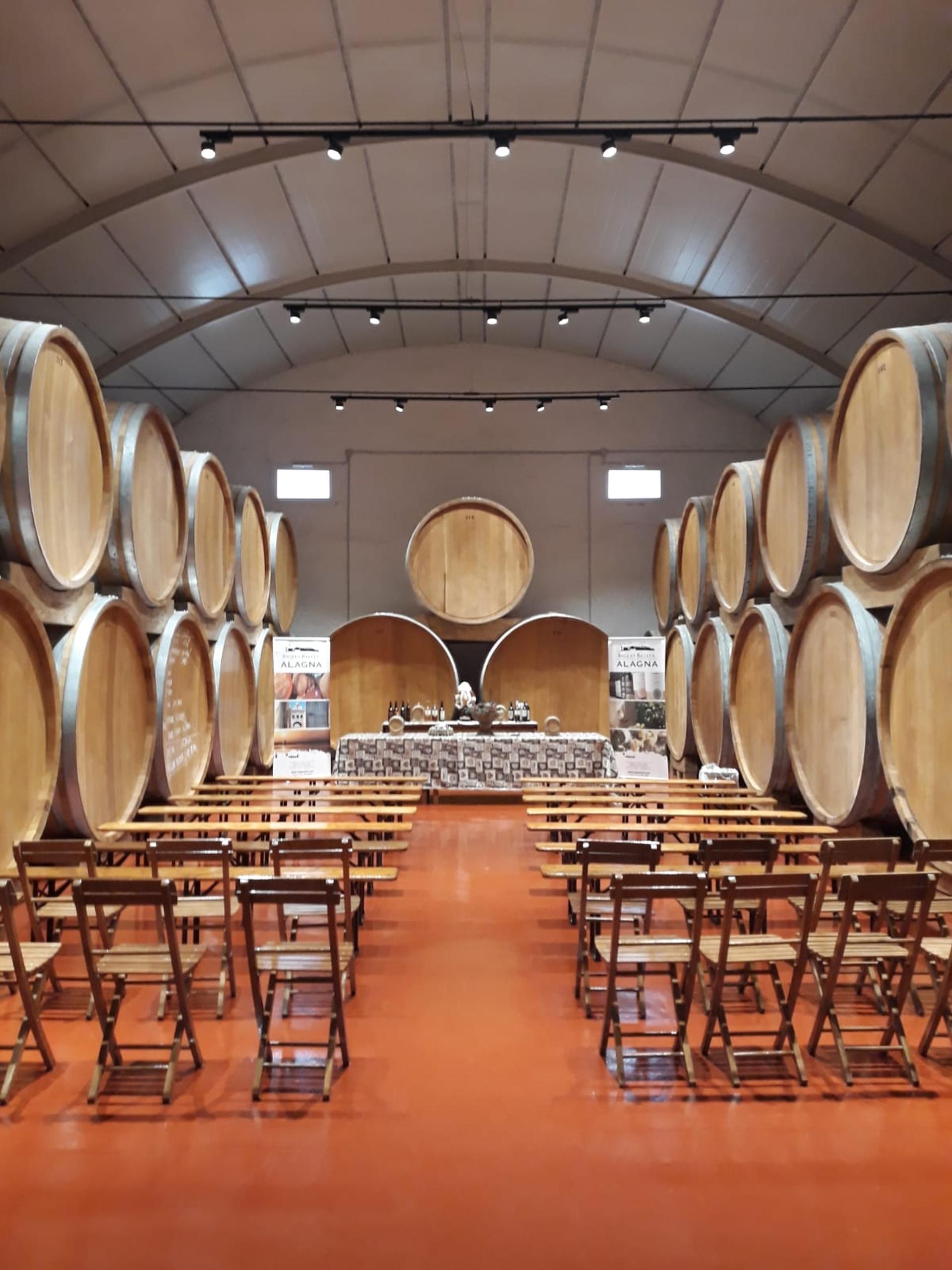
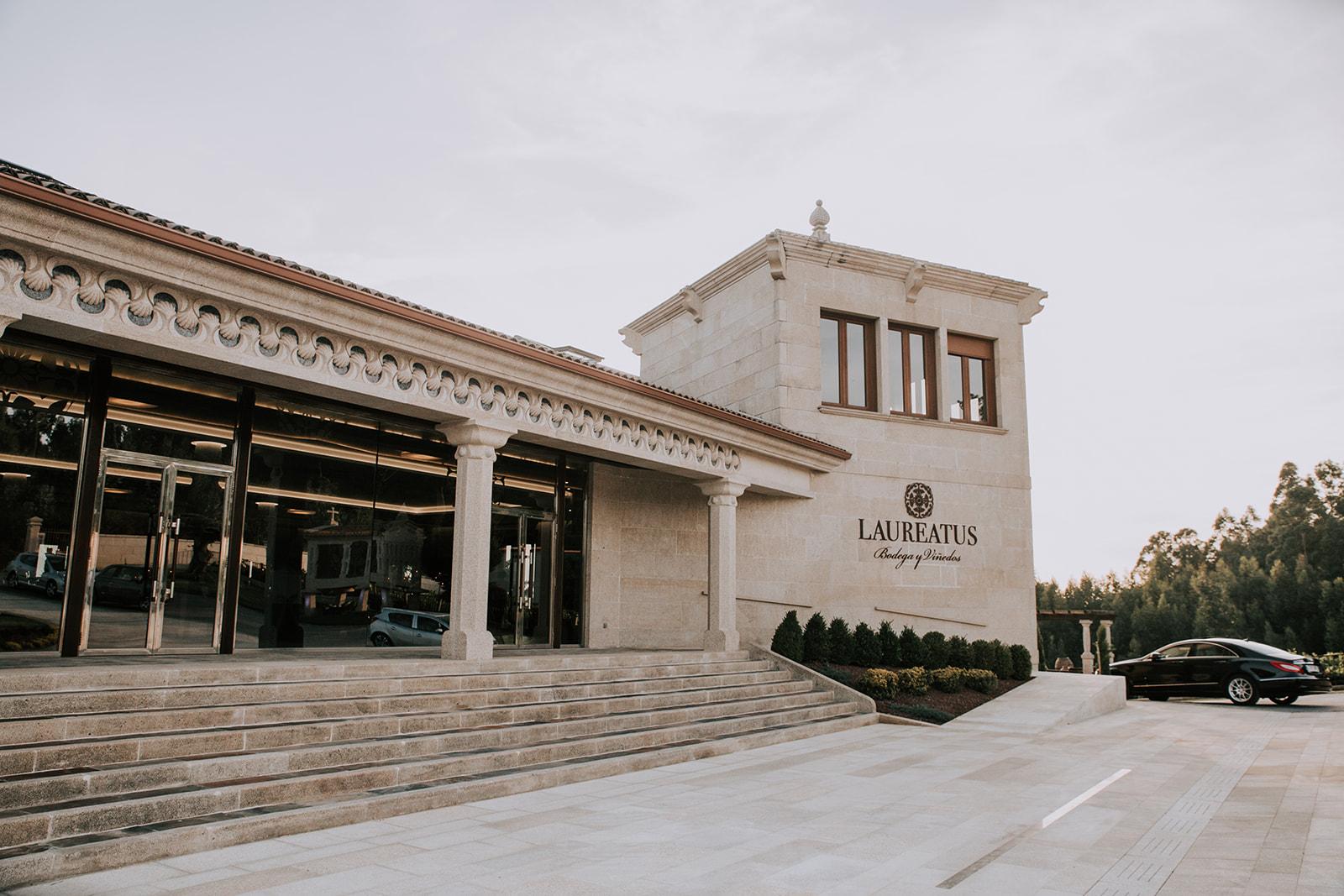
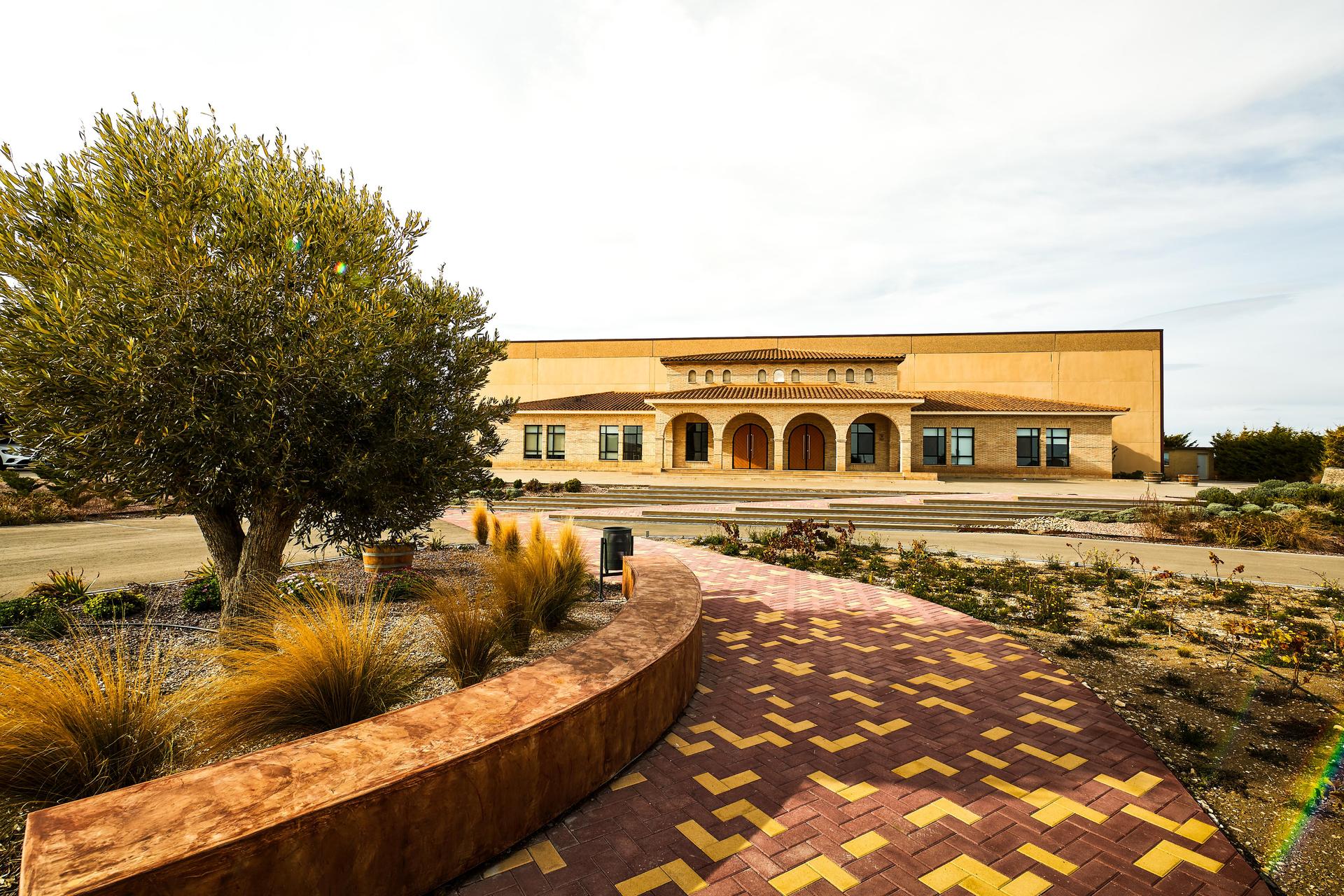
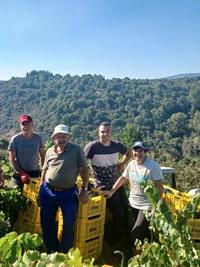
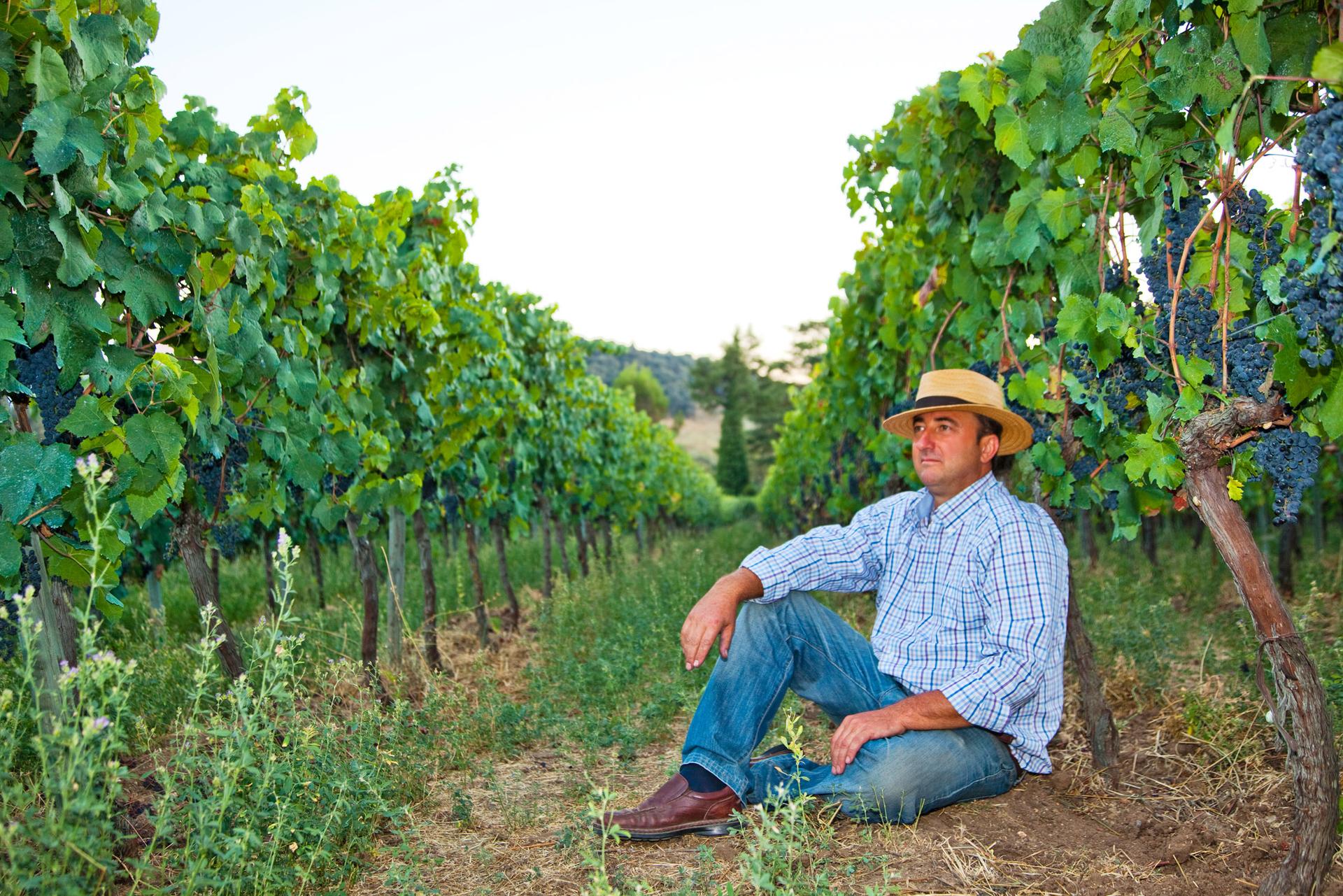
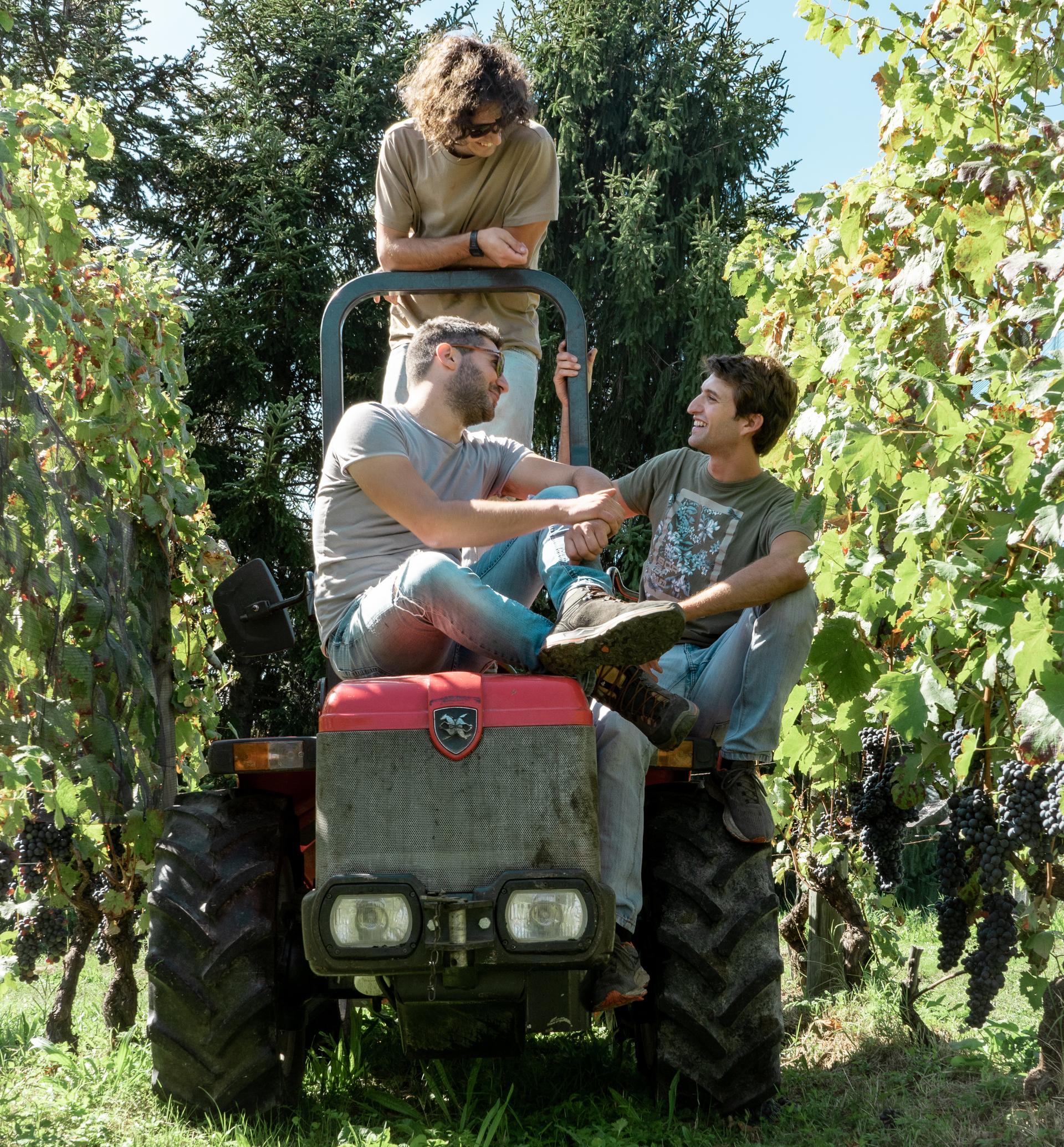
At the smallest end of the scale, a single person or family tends every row, fills every barrel by hand, and often makes each cuvée in tiny lots. When a vintage is sold, it is gone. At the larger end, a producer has the infrastructure to maintain consistent supply across vintages and offer a wider range of styles — some estates across Tuscany, Rioja, or Burgundy have been doing exactly that for generations. Neither approach is inherently superior. Scale is a description of method and availability, not a proxy for quality.
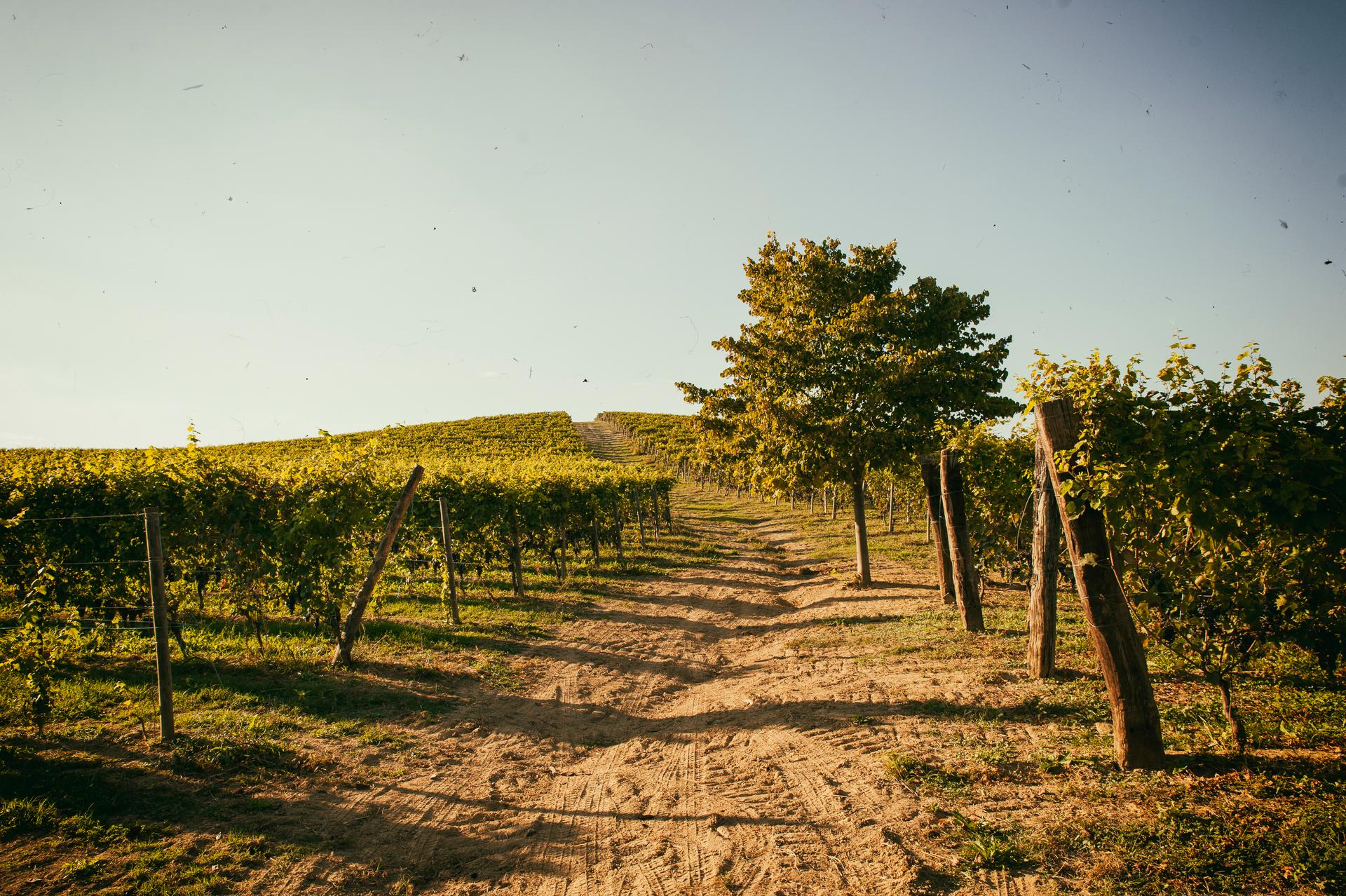
What production volume does tell a buyer is practical: how easy a wine will be to find again, how consistent it is from year to year, and how hands-on the winemaking is likely to be. A 6,000-bottle Nebbiolo from Piedmont and a 200,000-bottle Sangiovese from Tuscany are different propositions — in availability, in the labour behind them, and in what finding them directly from the producer means.
Small growers and large estates — on equal terms
Free Grape Society works with producers across the full range of scales, from garage cellars to established family estates. What they share is a direct relationship with the buyer: each producer ships from their own cellar, with no importer, agent, or warehouse in between.
For a buyer, this changes what the transaction means. At the smaller end — a few thousand bottles from a grower in Galicia or Alsace — buying direct often means reaching a wine that never appears in retail channels. At the larger end, it means ordering a tried-and-trusted estate wine at the price the producer sets, without a distribution margin built in.
The producers across Austria, Portugal, Germany, France, Spain, Italy, and elsewhere on Free Grape Society compete on equal terms, regardless of size. Independent wine experts rate and review wines they have personally tasted — those reviews appear on the wine page and on each expert's profile, giving buyers an honest view of what is in the bottle, whether it comes from a ten-barrel cellar or a ten-hectare estate.
How we choose our producers
Every producer on Free Grape Society goes through the same process, regardless of how much wine they make. Producers send samples, and those wines are tasted before listing — nothing reaches the catalogue on reputation or scale alone. A well-known name from Champagne and a small cooperative from Moravia are evaluated the same way.
Once a producer's wines are listed, they are open to review by the independent wine experts who work with Free Grape Society. These experts rate and review wines they have personally tasted. Their reviews appear on the individual wine page and on their own profile — they are not editorial gatekeepers, and they do not select which wines are listed. That transparency is the same at every level of production.
We do not list a producer's full range as a matter of course. A producer making 400,000 bottles a year might have two or three wines on the platform; a producer making 8,000 might have five. Selection follows the tasting, not the output. Free Grape Society is a society of producers, independent experts, and wine lovers — not a shop organising producers by prestige or size.