Tempranillo: Spain's great red grape, from Rioja to Ribera del Duero

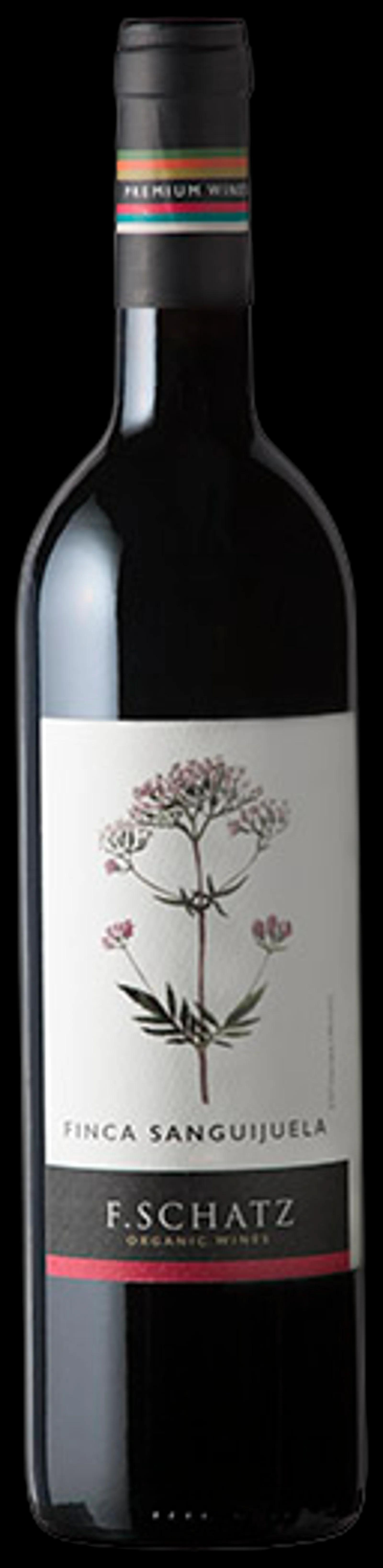
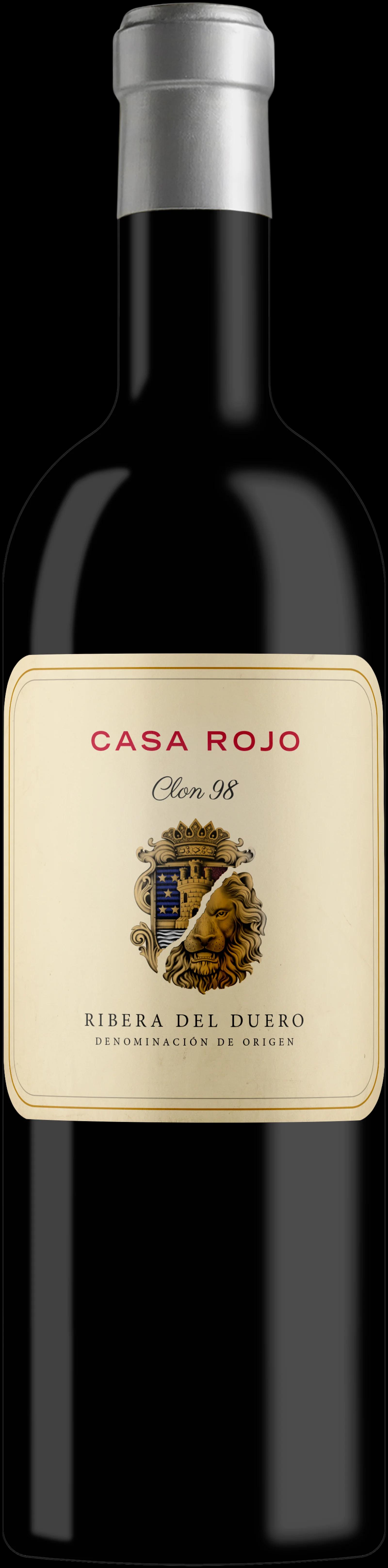
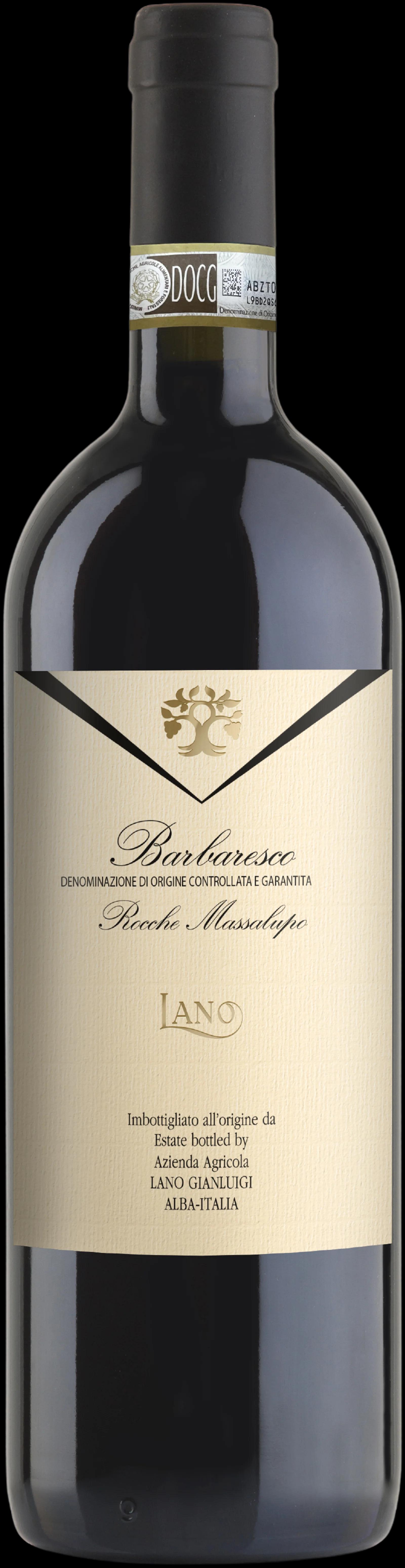
Tempranillo wine covers more ground than almost any other Spanish grape — from the cool highlands of Rioja and Ribera del Duero to the warm plains of Castilla-La Mancha and Valencia. The producers below grow it across Spain's most interesting independent estates.

A thick-skinned variety that ripens early and takes well to oak, producing wines from fresh and fruity to structured and age-worthy.

Color

Dropdown arrow

Type

Dropdown arrow

Country

Dropdown arrow

Region

Dropdown arrow

Grape

Dropdown arrow

Pairing

Dropdown arrow

Sort by

Sort arrow
Tempranillo

Tempranillo wines

Tempranillo takes its name from the Spanish word for early — it ripens weeks ahead of most other red varieties, which makes it well suited to the high-altitude plateaus of northern Spain where the growing season is short. That same earliness means the grape expresses differently depending on where it sits: cool nights in Rioja preserve acidity and perfume, while warmer sites in Castilla-La Mancha push the wine toward fuller body and riper fruit. On Free Grape Society, each bottle ships directly from the producer's own cellar, with no importer or warehouse in between.

Previous1 of 1Next

Tempranillo wine cases

A producer's mixbox is their own selection of six bottles — the recommendation they would make if you visited the estate. For a grape as regionally diverse as Tempranillo, that often means tasting two or three expressions side by side: a younger, fruit-forward wine alongside a Reserva with more oak, or bottles from different vineyards within the same appellation. Free Grape Society is a society of producers, independent experts and wine lovers, not a shop.
View all mixboxes

Wineries

The growers below work with Tempranillo across several of Spain's most distinct wine regions. Some sit in the classic heartland of Rioja or Ribera del Duero; others grow it in less familiar corners of Aragon, Valencia or Castilla-La Mancha, where the grape shows a different side. Reading each producer's own notes is often the quickest way to understand the choices behind their wines, and the wine-advice service is there if you would rather talk through the options before choosing.
View all wineries

Wine experts

Tempranillo is one of the more widely reviewed grapes among independent wine experts on Free Grape Society, partly because of its range — the same variety can produce wines that taste quite different depending on region, winemaker, and how much time they have spent in oak. Independent wine experts review wines they have personally tasted, and their notes are visible on each wine page and on the expert's own profile. Several of the experts below have reviewed Tempranillo wines featured on this page.

View all wine experts

Frequently asked questions

How do I order Tempranillo wines on Free Grape Society?

Browse the wines on this page and add bottles to your basket. Each wine ships directly from the producer's own cellar — not from a warehouse. Your order includes the bottles you choose, packed and shipped by the producer, with delivery typically taking between 4 and 14 days. Shipping is free, and you can pay with Klarna or card.

What happens if a bottle arrives broken or doesn't taste right?

Send a photo to Free Grape Society customer support within 7 days of delivery. We will arrange a replacement or a refund. Because producers ship directly, quality issues are handled with the producer's direct involvement. Shared responsibility is built into how FGS works.

Can I order Tempranillo wines from more than one producer in the same order?

Yes. You can add wines from different producers to the same basket. Each producer ships their own bottles separately, so if you order from two estates you will receive two separate deliveries. Both ship directly from the producer's cellar at no extra cost to you.

How long does delivery take?

Average delivery is 8 to 9 days from order to door. The full range is 4 to 14 days depending on the producer's location and your delivery address. Wines ship directly from the producer's cellar, not from a central warehouse.

How do I choose between the different Tempranillo wines here?

Start with region and style. Rioja and Ribera del Duero are the classic benchmarks — both cool-climate, both structured, but with distinct soil types and producer traditions. Aragon and Castilla-La Mancha tend to produce fuller, warmer-climate styles. Within any region, the label terms Joven, Crianza, Reserva and Gran Reserva indicate how long the wine has spent in oak and bottle, which shapes both flavour and price.

What kinds of Tempranillo wines will I find from independent producers?

Independent producers tend to work at smaller scale and with more focus on specific sites or old vines, which shows in the wines. You will find everything from young, unoaked Tempranillo meant to be drunk soon, to Reserva and Gran Reserva wines that have spent years in barrel. Some producers blend Tempranillo with Garnacha or Graciano; others bottle it as a single-variety wine from a named vineyard.

Which Tempranillo wine expert can recommend something for me?

Several independent wine experts on Free Grape Society have reviewed Tempranillo wines and can point you toward something specific. Fill in the advice form on any wine page or expert profile to ask your question — you'll get a personal response based on what you're looking for, whether that's a classic Rioja Reserva or something from a less familiar region.

Why don't you sell supermarket-brand Tempranillo wines?

Free Grape Society works only with independent producers who bottle their own wines. Supermarket-label wines are typically produced at large scale by commercial wineries under contract and sold under a retailer's own brand — there is no direct relationship with a named estate or winemaker. The wines on this page come from producers who grow their own grapes and put their name on the bottle.

Can I find Tempranillo wines that aren't available in regular wine shops?

Many of the producers on Free Grape Society do not distribute through standard retail channels — they sell directly, which means their wines are not in supermarkets or high-street wine shops. For buyers in markets like Sweden, Tempranillo from independent Spanish estates is not available through Systembolaget's standard range, making direct purchase the main route to these wines.

Where Tempranillo comes from and how region shapes it

Tempranillo is Spain's most widely planted red grape, and its heartland runs through the north and centre of the country: Rioja, Castile and León, and Castilla-La Mancha together account for a large share of the world's Tempranillo. In Rioja it goes by its own name; in Ribera del Duero, also in Castile and León, it is called Tinto Fino; in Portugal, where it crosses the border and is widely grown in the Alentejo, it is known as Aragonez or Tinta Roriz. The grape is mid-ripening and prefers a continental climate: cold winters, hot summers, and high altitude to slow the ripening and preserve acidity. That altitude is part of why Ribera del Duero, sitting above 800 metres, produces a more structured and tannic style than the valley floors of Rioja. In Aragón and Valencia it ripens in a warmer, more Mediterranean setting, which tends to push the fruit toward riper plum and spice rather than the red cherry and leather you find further north.

How Tempranillo tastes, and what to drink it with

Tempranillo has naturally moderate acidity, firm but generally approachable tannins, and a core of red and dark fruit that shifts depending on where it is grown and how long it has spent in oak. In a young, unoaked style you get fresh cherry and red plum with a dry, earthy finish. With time in barrel and bottle the fruit deepens toward dried fig and tobacco, and a leathery, savoury quality develops that is characteristic of aged Rioja Reserva and Gran Reserva. Because it is not a particularly aromatic grape on its own, producers often blend it: in Rioja the traditional partners are Garnacha, Graciano and Mazuelo, while in other regions Cabernet Sauvignon and Merlot appear alongside it. At the table, Tempranillo is flexible. It suits roasted and grilled meats well, works with aged cheeses, and holds its own next to dishes built on tomato and paprika. A younger, fruit-forward bottle is a reasonable match for lamb or pork; an older, more savoury one is better alongside game or a long-braised stew.

Buying Tempranillo direct from independent producers

Most of the Tempranillo that reaches northern Europe travels through importers, agents and large distribution warehouses before it reaches a shop or restaurant. On Free Grape Society, wines tasted before listing are shipped directly from each producer's own cellar to the buyer, with no importer or warehouse added in between. That means the producer sets the price and controls the shipment, and you are buying from the estate rather than from an intermediary. The independent growers on this page come from the regions where Tempranillo is grown in serious quantity: Rioja, Aragón, Castilla-La Mancha and Valencia among them, as well as Portugal, where the same grape has a long history under a different name. If you want to explore the variety across its range, the Spanish wines and Portuguese wines pages give a broader view of what the independent producers on the platform grow and make. Free Grape Society is a society of producers, independent experts and wine lovers, not a shop.