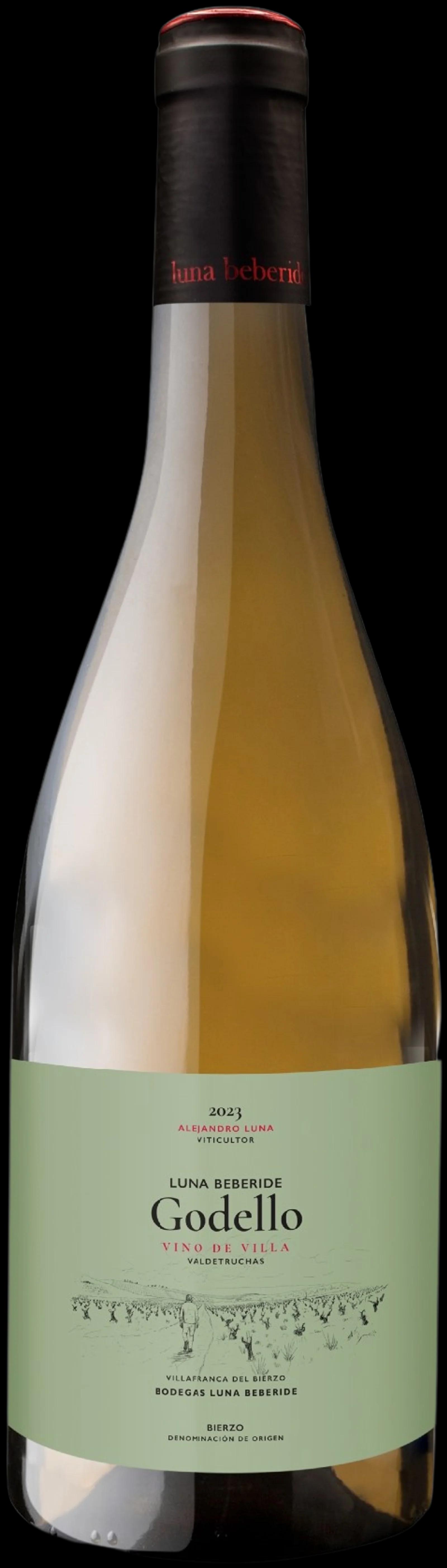
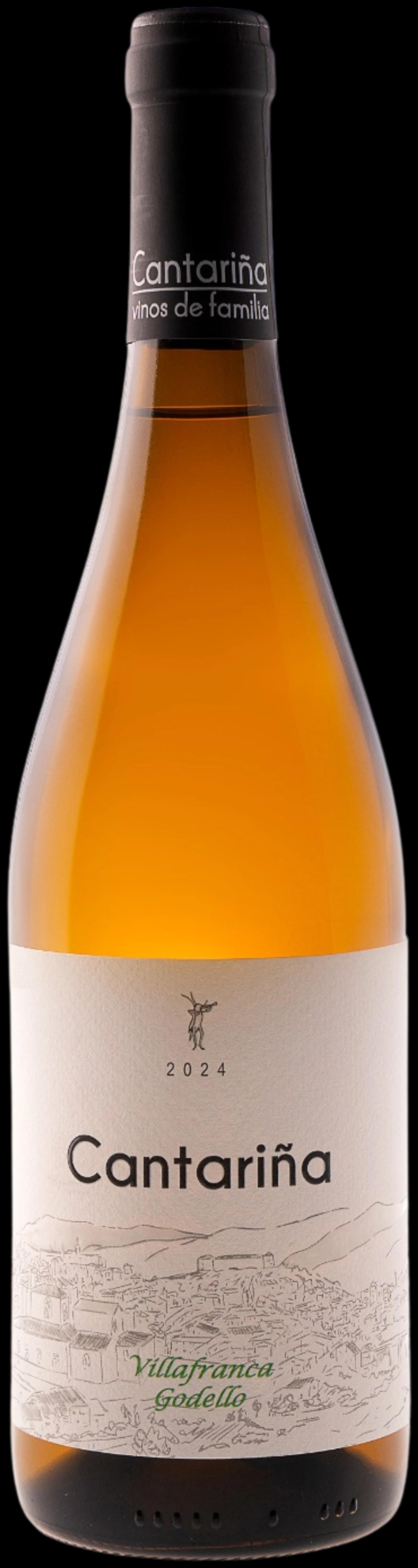
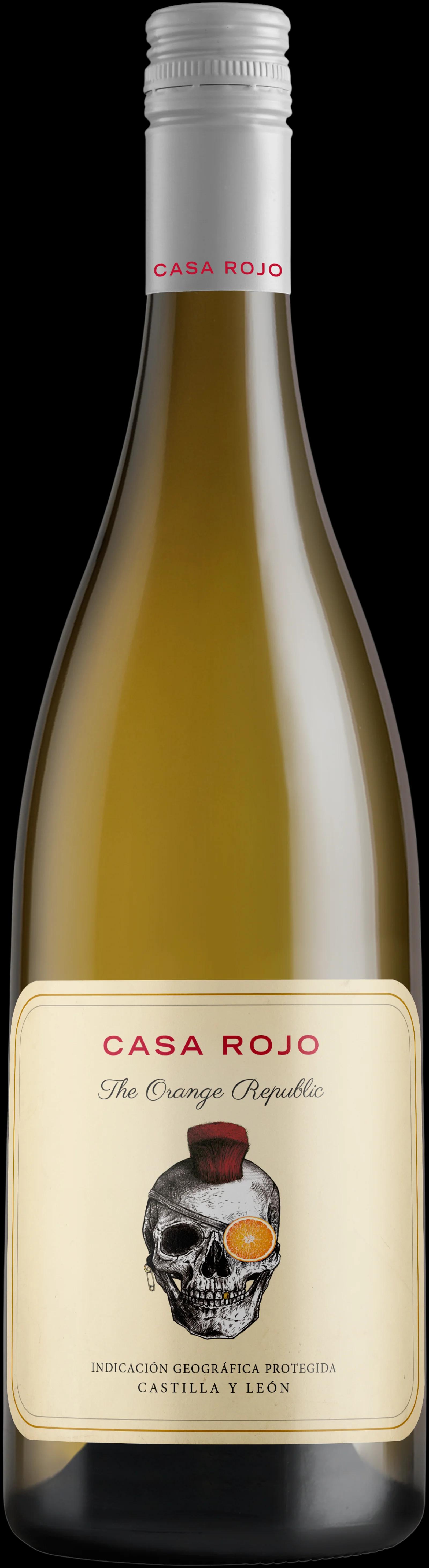
Godello in Spain: Soil, Altitude, and Acid Structure
Godello is grown almost exclusively in northwest Spain, concentrated in Galicia and the adjacent reaches of Castile and León. Its heartland is the Valdeorras DO, where the grape was near extinction by the 1970s. A systematic replanting effort through the 1980s and 1990s, led by a small group of producers who documented old vine material, brought it back to commercial relevance. That history matters: most of the Godello vineyards on FGS trace their vines to that replanting generation, which means vine ages now range between 30 and 45 years.
The grape's defining structural feature is high natural acidity combined with a broad, waxy mid-palate texture. That combination is unusual. Most white grapes that retain acid in cool climates do so by sacrificing body. Godello keeps both, largely because of the schist and slate soils common in Valdeorras and the neighboring Ribeira Sacra, which regulate water stress and slow sugar accumulation without stripping phenolic weight.
Altitude compounds this effect. Many Godello vineyards sit between 400 and 700 meters above sea level. At those elevations, diurnal temperature swings of 15°C or more during the growing season are common. Warm days build aromatic compounds; cool nights preserve the acids that hold the wine's frame together. Producers working at higher altitudes tend to harvest 10 to 14 days later than those on valley floors, producing wines with more extract and longer finish. The Godello grape page covers global context; what distinguishes the Spanish expression is specifically this combination of altitude, schist, and relatively young-old vine material.
How Spanish Godello Compares to Other Spanish White Wines
Spanish white wine is frequently framed around Albariño from Rías Baixas, which is the country's highest-volume premium white export. Godello occupies a structurally different position: lower production volume, later harvest dates in most years, and a wine that ages better in bottle. Albariño is typically released young and consumed within two to three years. Godello from Valdeorras or Ribeira Sacra, particularly from single-vineyard parcels on schist, continues to develop for five to eight years after harvest, gaining secondary complexity without losing the acid line that makes it interesting.
The comparison to Mencía is relevant even across colors: both grapes are indigenous to the same northwest corner of Spain, both nearly disappeared in the twentieth century, and both were rescued by small independent producers rather than large commercial houses. That origin shapes how they are made today. Producers working with Godello on FGS are almost entirely single-estate operations. No blending across regions, no industrial processing.
Within the white category, Godello also differs from Garnacha-based whites produced further south and east, which tend toward lower acid, higher alcohol, and richer, more oxidative styles. Godello is the opposite register: tension-forward, mineral-driven, built for the table rather than for standalone drinking. Producers on Free Grape Society who list Godello tend to be the same producers who declined to sell into large retail chains, partly because the volumes are too small and partly because the wine does not perform the same way in bulk logistics as high-volume varieties do. Bottles ship from the producer's cellar, not from a warehouse.
Styles of Godello from Spain
Not all Spanish Godello is the same, and the variation is structural rather than cosmetic. The main fault line runs between unoaked and barrel-fermented styles.
Unoaked Godello, typically fermented in stainless steel or concrete, expresses the grape's primary character most directly: white stone fruit, citrus pith, a saline or graphite mineral note from schist soils, and an acid line that sits mid-palate rather than at the tip of the tongue. These wines are typically released 6 to 10 months after harvest and are at their most expressive between one and four years from vintage.
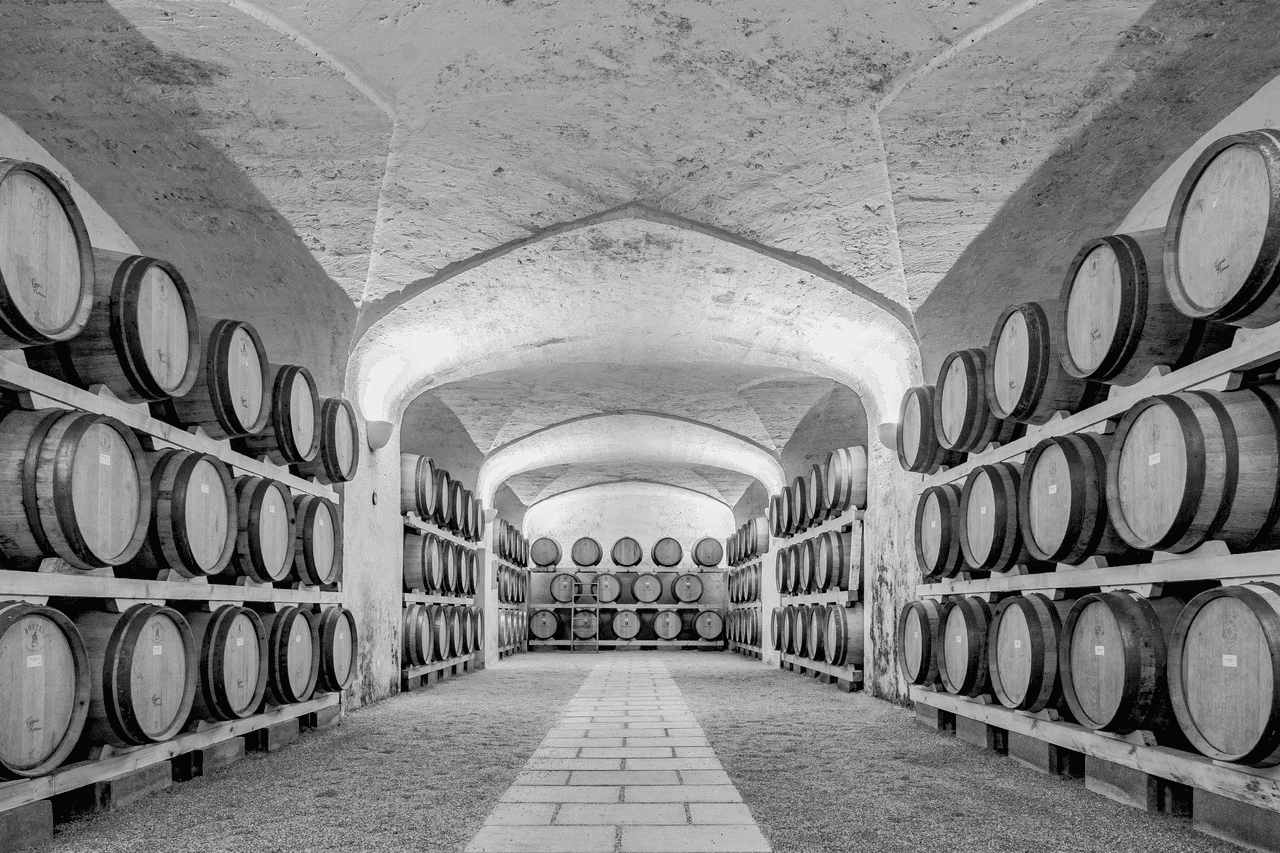
Barrel-fermented Godello, which a minority of producers in Valdeorras have been making since the late 1990s, is a different proposition. Fermentation in older French oak integrates the grape's texture with lees contact and slow oxidation. The result is a wine with more weight and a longer finish, but still held by the acidity that makes Godello recognizable. Skin-contact versions are a smaller category still, produced by a handful of producers in Ribeira Sacra, where the Atlantic influence and the steep terraced vineyards above the Sil river give the grape an additional layer of phenolic grip without making the wine heavy.
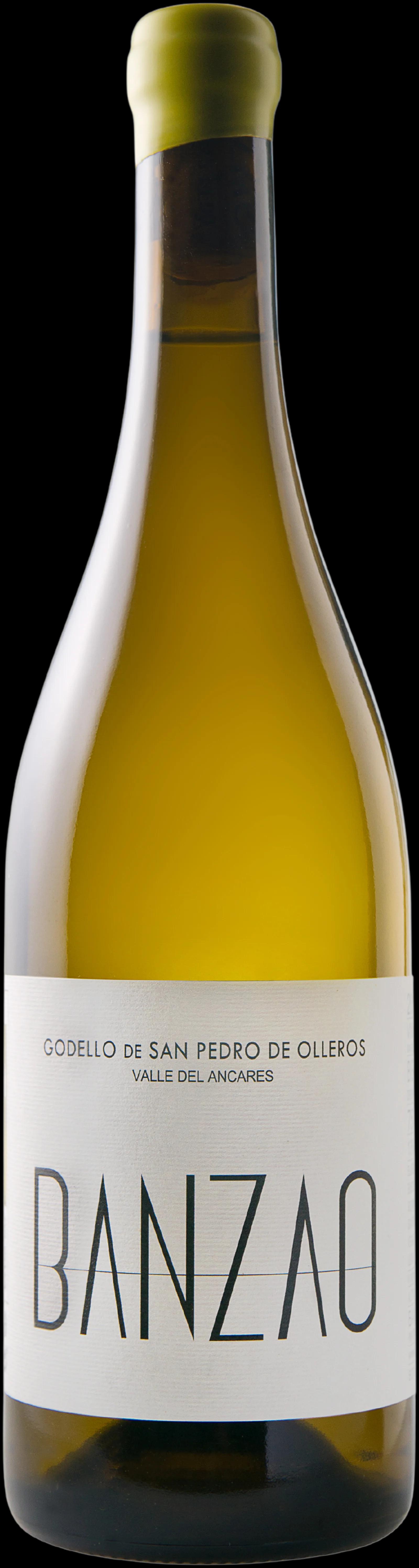
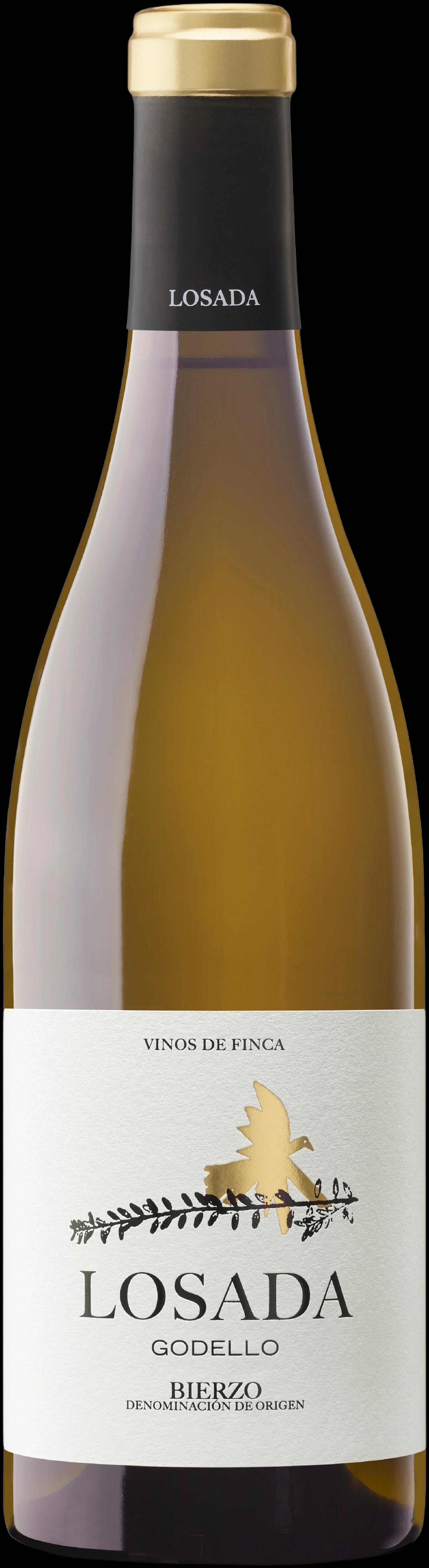
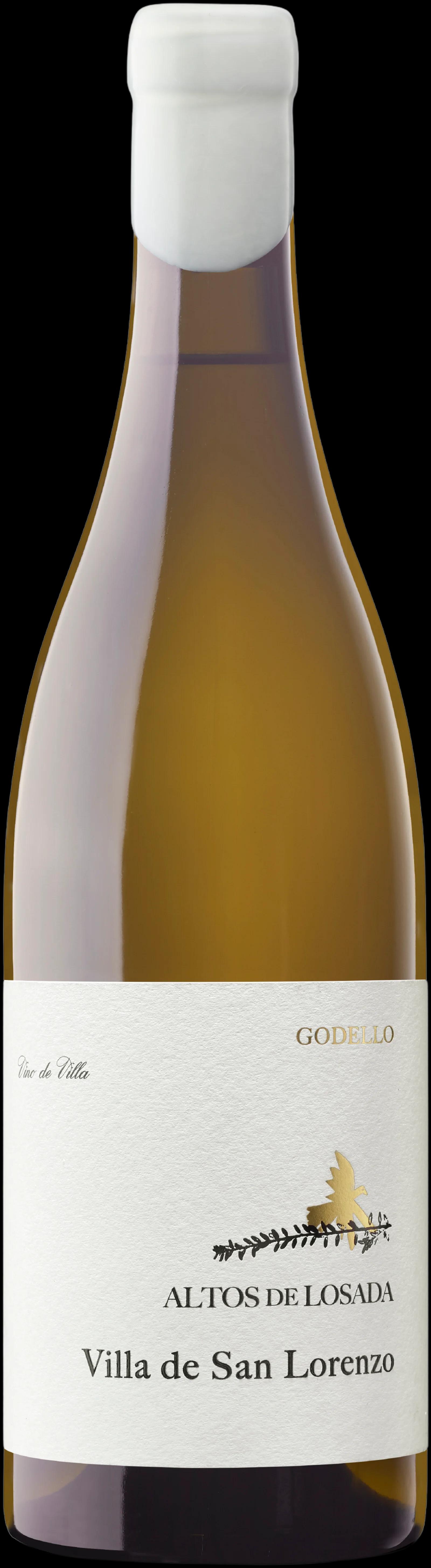
Producers listing Godello on Free Grape Society span all three styles. The category page for Spanish wines and the white wines from Spain page provide additional context on how Godello sits within the broader Spanish white wine landscape. For regional specificity, Castile and León covers the Bierzo and Valdeorras-adjacent expressions that cross the regional border. Producer-controlled pricing means the price difference between an unoaked and a barrel-fermented Godello reflects the producer's actual cost structure, not a retail markup applied at a later stage in the chain.