Sicilian wines from independent estates — direct from the island

Sicilian wines from independent cellars. No industrial labels. Every wine tasted before listing.

Native grapes, volcanic soils, and producers who set their own price.

Color

Dropdown arrow

Type

Dropdown arrow

Country

Dropdown arrow

Region (1)

Dropdown arrow

Grape

Dropdown arrow

Pairing

Dropdown arrow

Sort by

Sort arrow
Sicilia

Sicilian wines

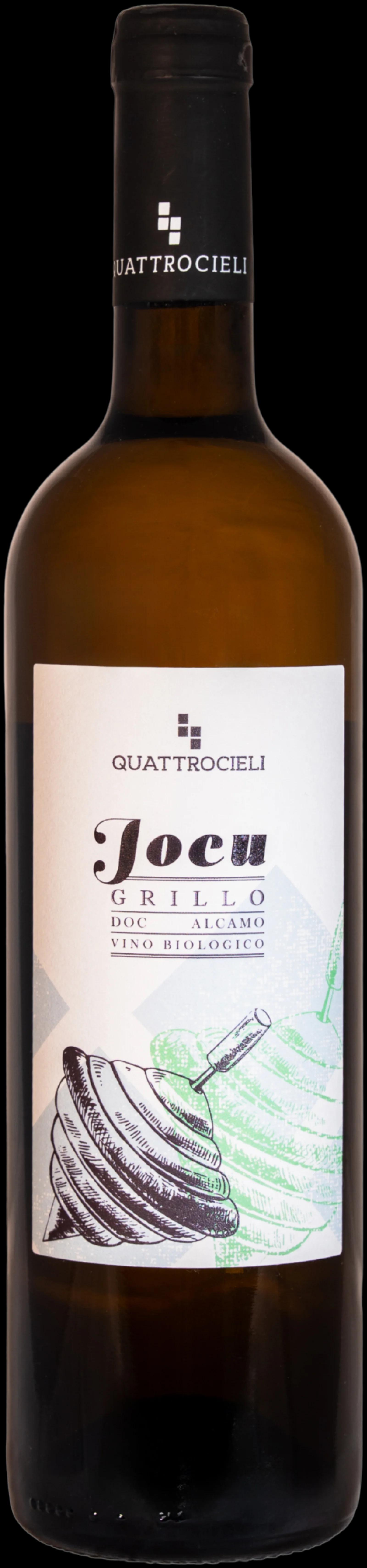
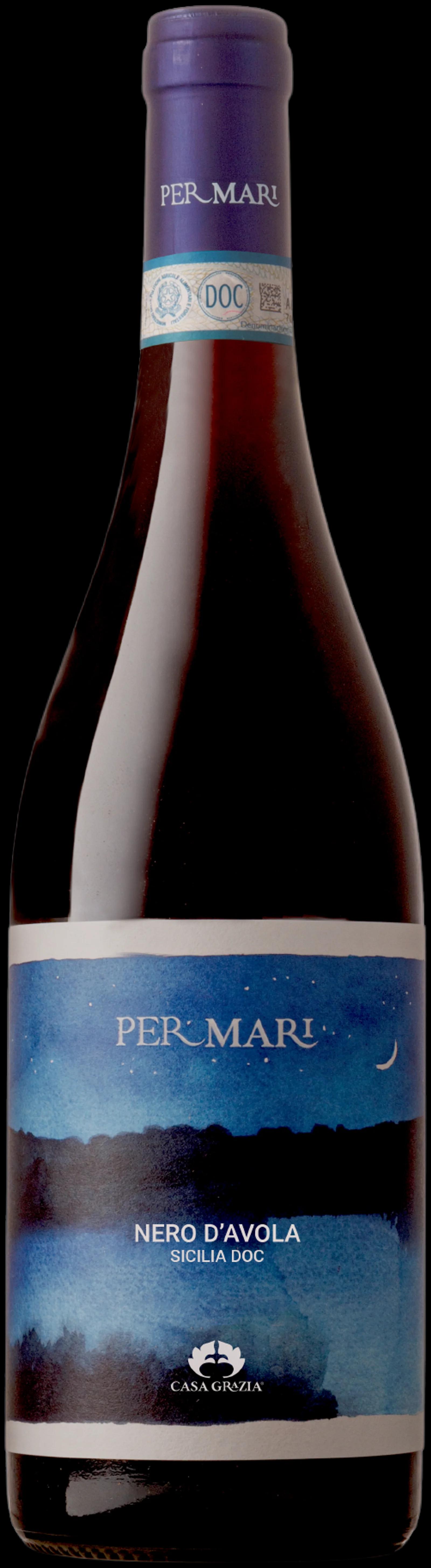
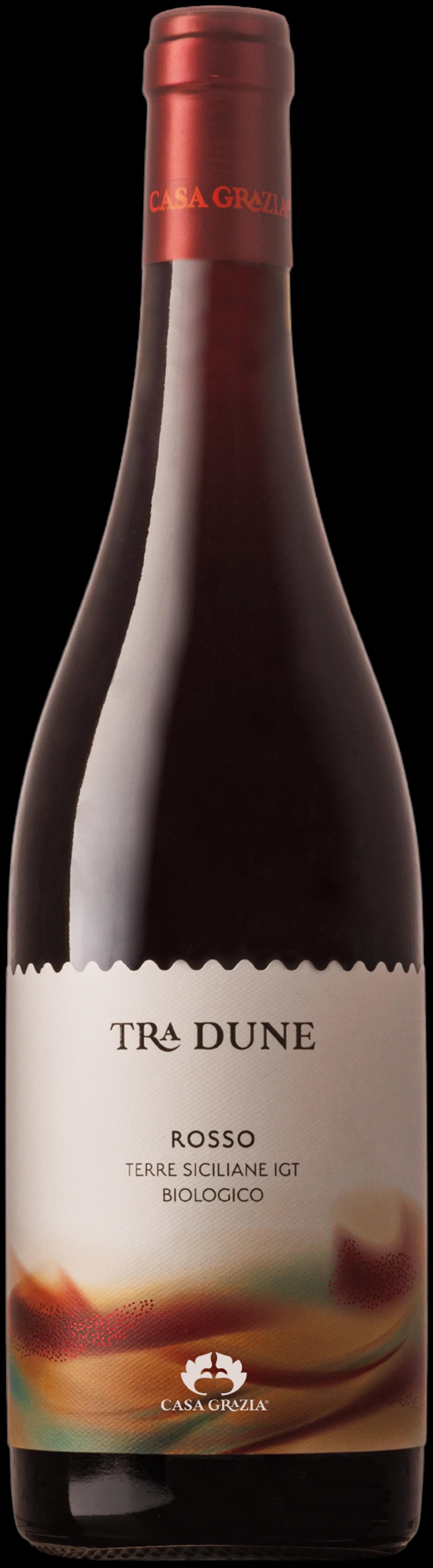
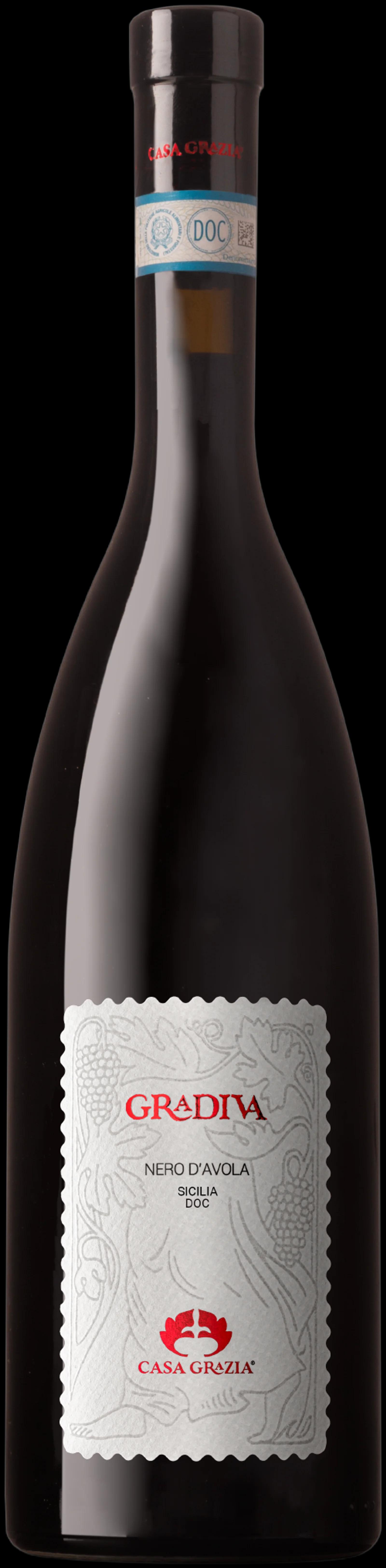
Sicily is the largest wine-producing island in the Mediterranean and one of Italy's most significant DOC zones. The island has 23 DOC designations and one DOCG, Cerasuolo di Vittoria. Nero d'Avola dominates red production in the southeast, while Nerello Mascalese climbs the slopes of Mount Etna above 700 metres. The producers below ship directly from their cellars. No importer, no wholesaler standing between the estate and your door.

Previous1 of 2Next

Sicilian producers

The wineries on this page range from multi-generational family estates in Marsala to newer producers working the volcanic soils around Etna. Several of them produce wines not available through conventional distribution channels, specifically because their volumes are too small for wholesale. A bottle of wine normally changes hands three times before it reaches you. Here it changes hands once. Browse the estates below to see who is behind each label.

View all wineries from Sicilia

Sicilian sample boxes

A mixbox on Free Grape Society contains exactly 6 bottles, all from one producer, composed by that producer as their own recommendation. Not a buyer's selection pulled from multiple estates. When a Sicilian producer puts together a box, they choose the wines themselves. That is worth knowing before you order. Several of the producers in the wineries section above have mixboxes available here.

View all mixboxes from Sicilia

Wine experts

Independent wine experts on Free Grape Society rate and review wines they have personally tasted. Their reviews appear on the wine page and on the expert's own profile, with a track record that is visible to anyone. Several of the experts listed below have reviewed Sicilian wines featured on this page. You can browse their profiles to read specific tasting notes or contact them directly if you want a recommendation.

View all wine experts

Frequently asked questions

How do I order a Sicily wine case?

Choose the case you want, add it to your cart and pay securely by card or Klarna. The producer packs and ships the six bottles directly from their cellar. You receive a single box of six wines from one Sicilian estate, delivered to your door. Delivery typically takes 8 to 9 days on average, with a range of 4 to 14 days depending on where the producer is based.

What happens if a bottle arrives broken or doesn't taste right?

Send a photo to Free Grape Society customer support within 7 days of delivery. We will arrange a replacement or a refund. Because producers ship directly, quality issues are handled with the producer's direct involvement. Shared responsibility is built into how FGS works.

What is included in a Sicily wine case?

Every case contains exactly six bottles from one producer, selected by that grower as their own recommendation. The line-up varies by estate — one producer might show the same grape across different vineyard sites, another might walk you through their full range from white to red. The specific bottles are listed on the case page before you order.

How long does delivery take?

Average delivery is 8 to 9 days from order to door. The full range is 4 to 14 days depending on the producer's location and your delivery address. Wines ship directly from the producer's cellar, not from a central warehouse.

How do I find the right Sicily wine case for me?

Read the producer's description and the six bottles they have chosen. If the estate farms Etna's volcanic slopes, the case will reflect that terroir; if they work with Nero d'Avola in the south-east, the selection will sit in a different register entirely. You can also ask an independent wine expert through Free Grape Society if you want a personal recommendation before you choose.

Can I mix bottles from different Sicily producers into one case?

No — every wine case on Free Grape Society contains six bottles from one producer only. The case is the producer's own composed recommendation, which is what makes it a meaningful introduction to a single estate rather than a mixed sampler. If you want bottles from several Sicilian producers, you can add individual wines to your order separately.

Which Sicily wine expert can recommend something for me?

Several independent wine experts on Free Grape Society have tasted and reviewed Sicilian wines. You can browse their profiles and read their notes on the wine pages, or fill in the form to ask an expert a direct question. Experts provide personal recommendations based on wines they have tasted themselves — there is no charge for the advice.

Why are Sicily wine cases always 6 bottles from one producer?

Six bottles from one estate is a deliberate choice, not a format constraint. A producer composes their case as a single recommendation — a way of showing how they think across their range, whether that means tracing one grape across different parcels or moving from white to red across the same growing season. Mixing bottles from several producers would dissolve that point of view entirely.

Can I buy a Sicily wine case if I live outside Sweden?

Free Grape Society currently ships to Sweden, and is launching in Germany and Denmark. Producers ship directly from their own cellars across Europe, so the availability of a specific case depends on where the producer is based and which markets they ship to. Check the case page for current delivery options for your country.

Grapes and appellations of Sicily

Sicily has more vineyard land than any other Italian region — roughly 98,000 hectares under vine, though not all of it produces DOC or IGT wine. The island's appellation structure includes the island-wide Sicilia DOC, which came into force in 2012 and brought previously stateless IGT wines under a single controlled designation. Before that, much of Sicily's best fruit was sold in bulk to northern Italian and French producers to boost colour and alcohol in leaner vintages.

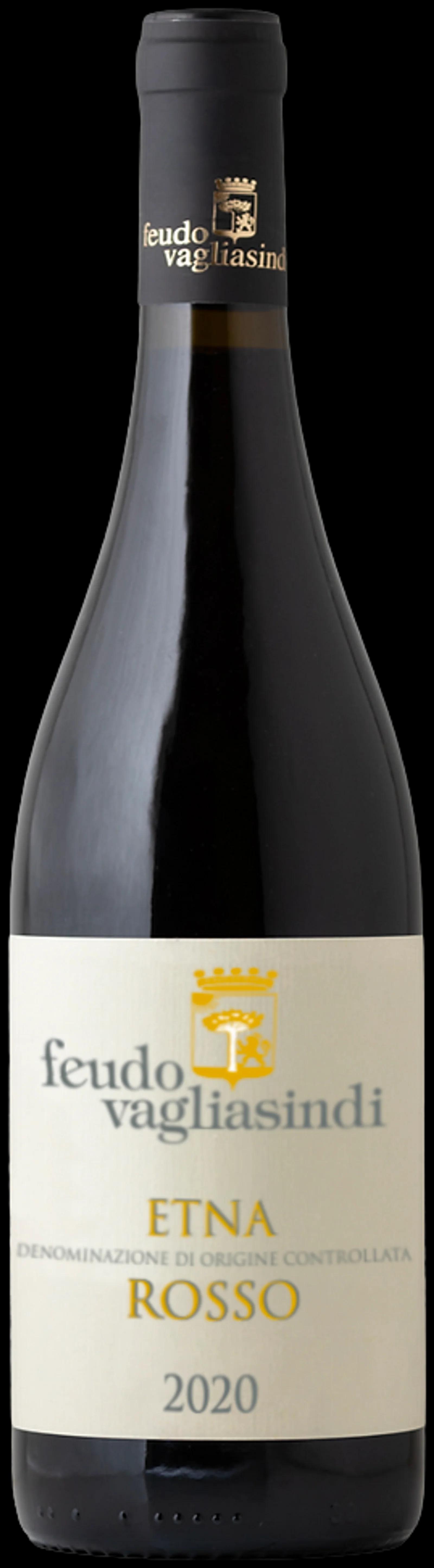
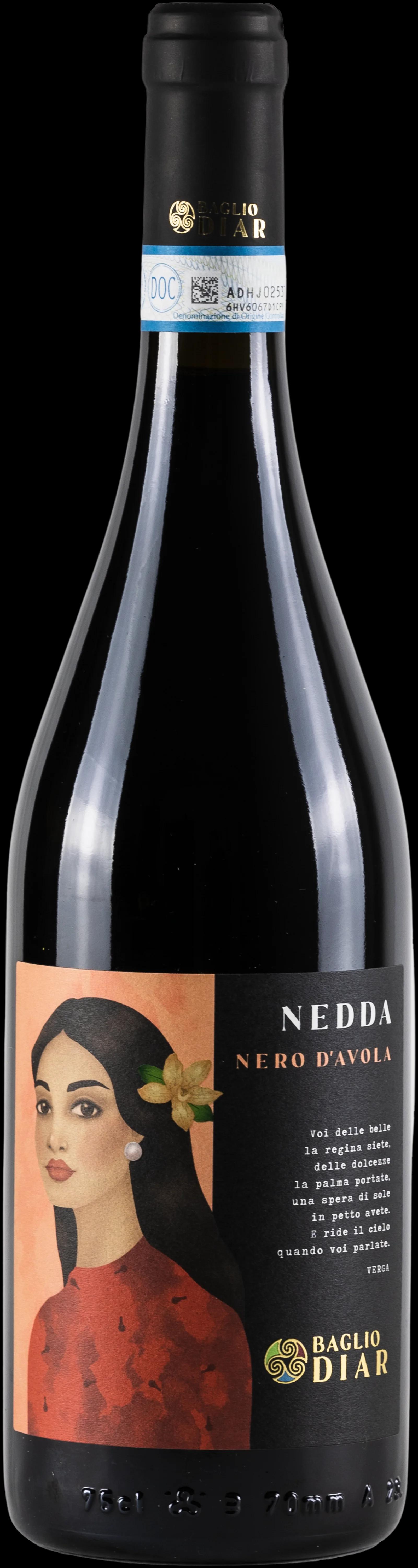
Nero d'Avola is the dominant red variety. It is native to the southeast of the island, around Avola and Noto, and produces wines ranging from light and cherry-fruited to dense and age-worthy depending on altitude and yield. Nerello Mascalese is the other major red, grown almost exclusively on the volcanic slopes of Etna. It is thin-skinned, high in acid, and structurally closer to Pinot Noir than to anything else grown in the south of Italy — which partly explains why Etna Rosso has attracted producers and investors from Burgundy and Barolo over the past fifteen years.

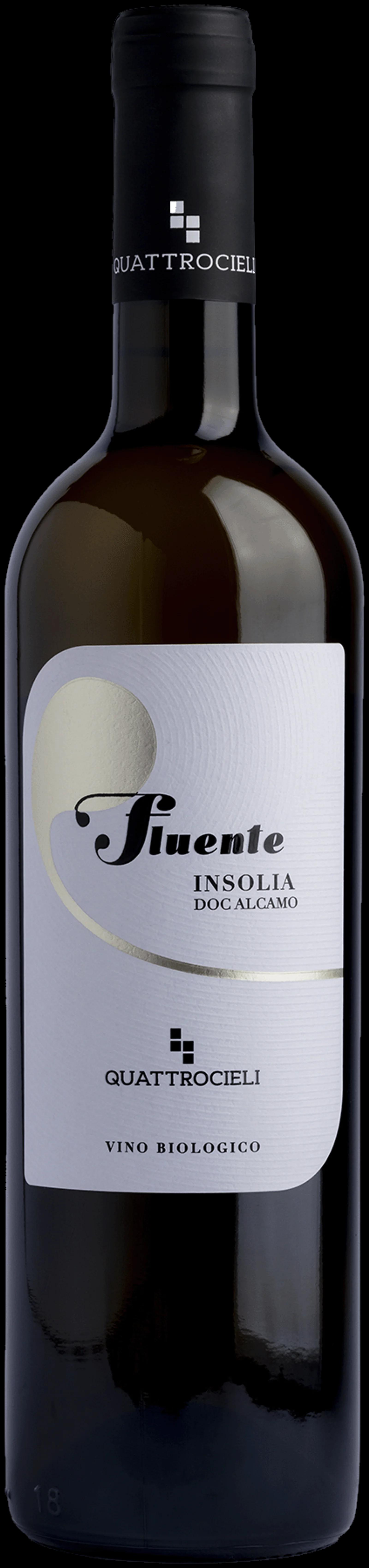
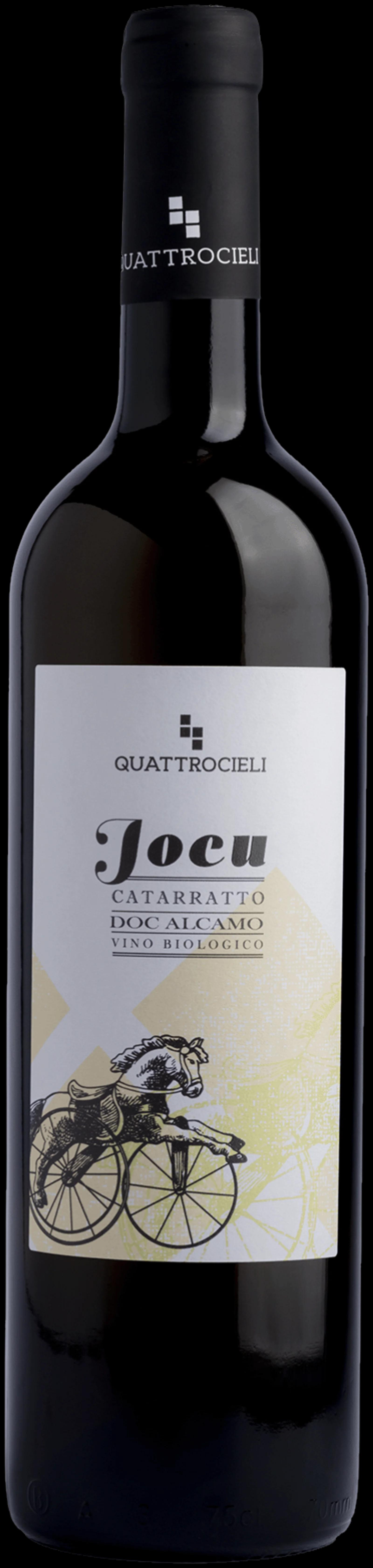
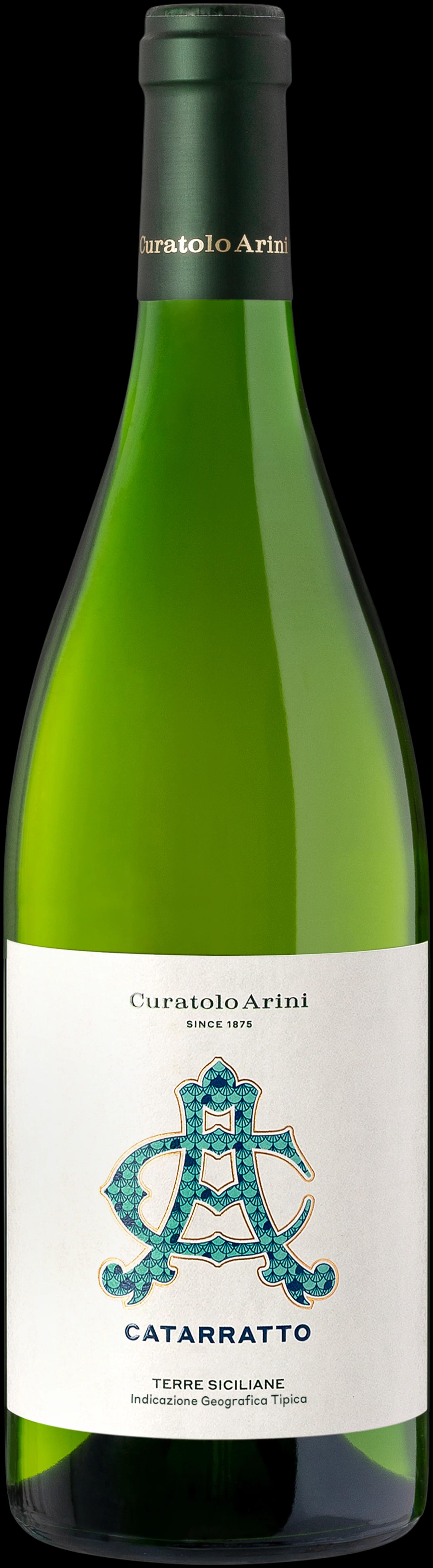
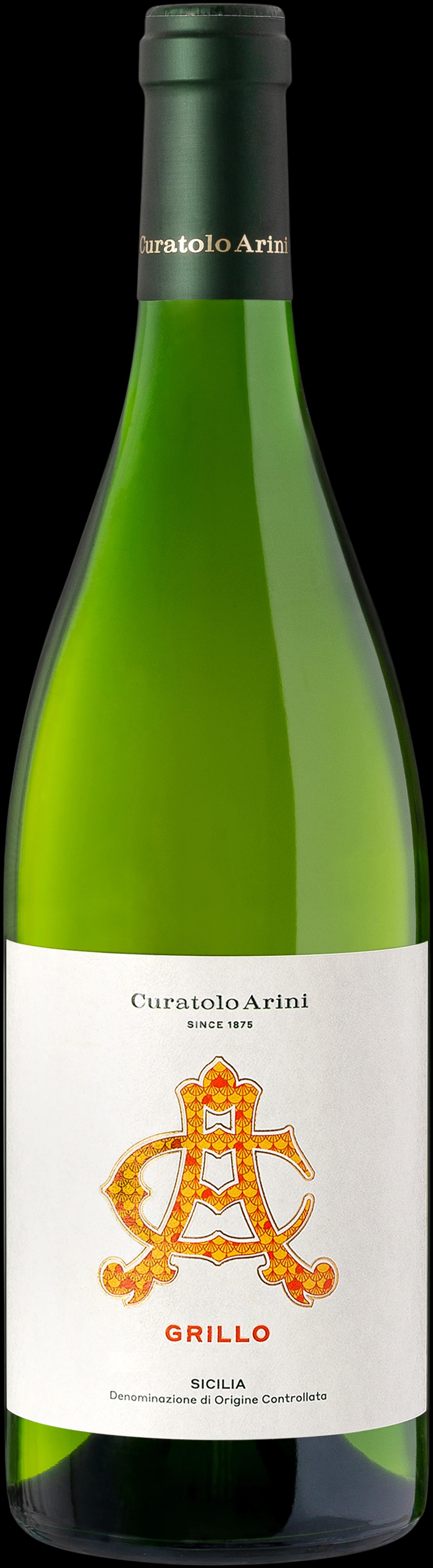
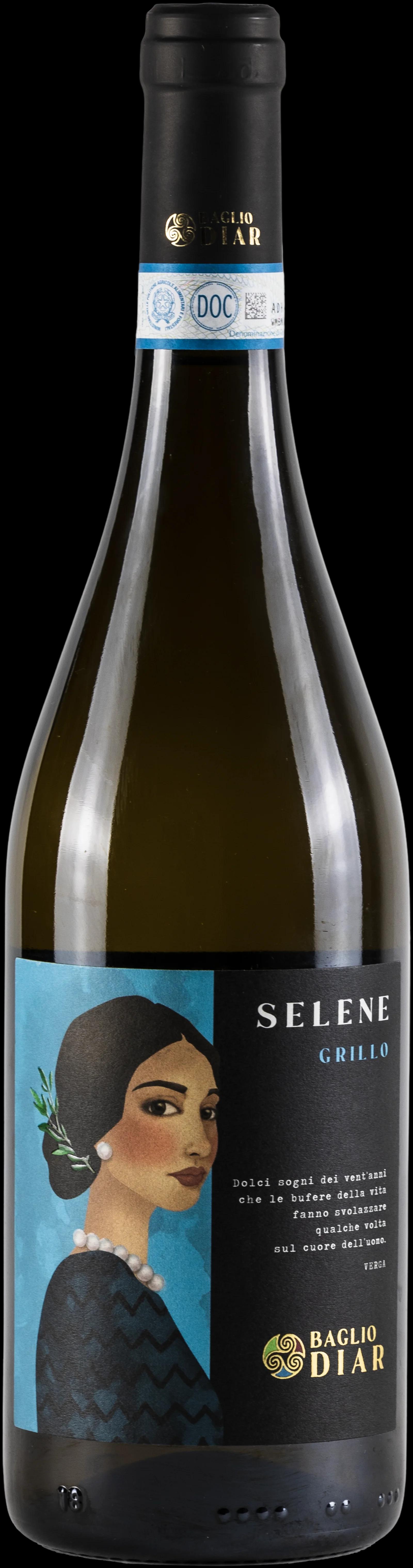
On the white side, Grillo, Catarratto, and Carricante are the main indigenous varieties. Grillo was historically used in Marsala production, but is now vinified as a dry, aromatic white in its own right. Catarratto is Sicily's most widely planted grape by volume, though much of it still ends up in anonymous blends. Carricante, grown primarily on Etna's eastern flank, produces some of the island's most mineral and cellar-worthy whites.

The Etna DOC, established in 1968, is the oldest on the island. It covers both the red Nerello-based wines and whites from Carricante, and distinguishes between the different contrade — individual lava-flow zones, analogous to Burgundy's climat system — that give each wine a distinct character.

Climate, altitude, and volcanic terroir

Sicily sits at the same latitude as northern Tunisia. Average summer temperatures in the interior exceed 35°C. Yet producers on Etna work at elevations between 400 and 1,000 metres above sea level, where diurnal temperature swings of 15–20°C are common in August and September. That gap between day and night temperature is what preserves acidity in grapes that would otherwise be flat and overripe at sea level.

The volcanic soils on Etna — basalt, ash, and pumice with almost no clay content — drain quickly and force vine roots deep in search of water and nutrients. Many of the old-vine Nerello Mascalese plots on the mountain are ungrafted, because phylloxera historically failed to establish itself in volcanic sand. Some of these vines are over 100 years old.

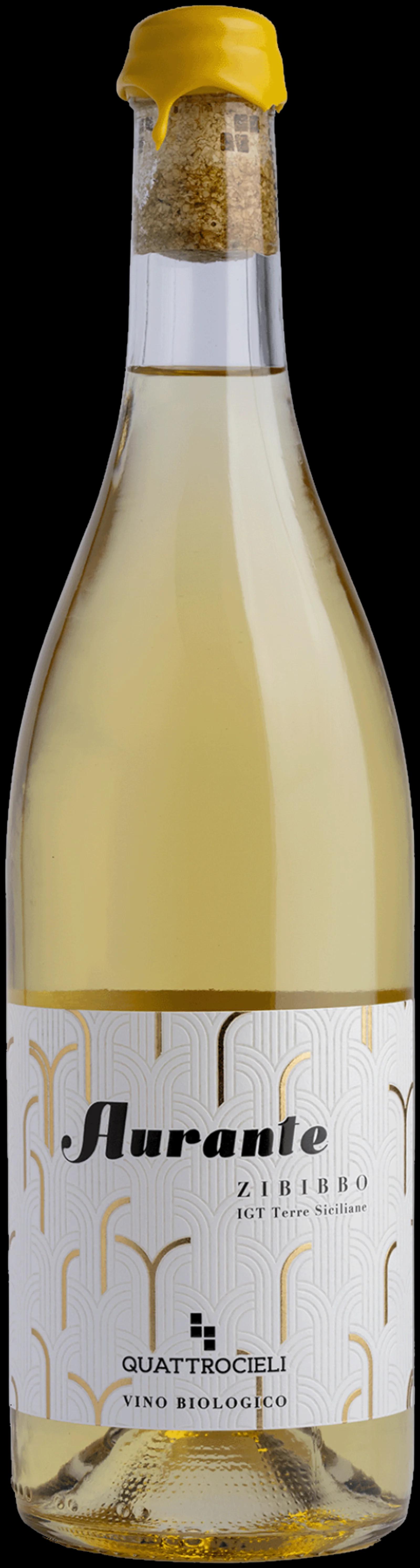
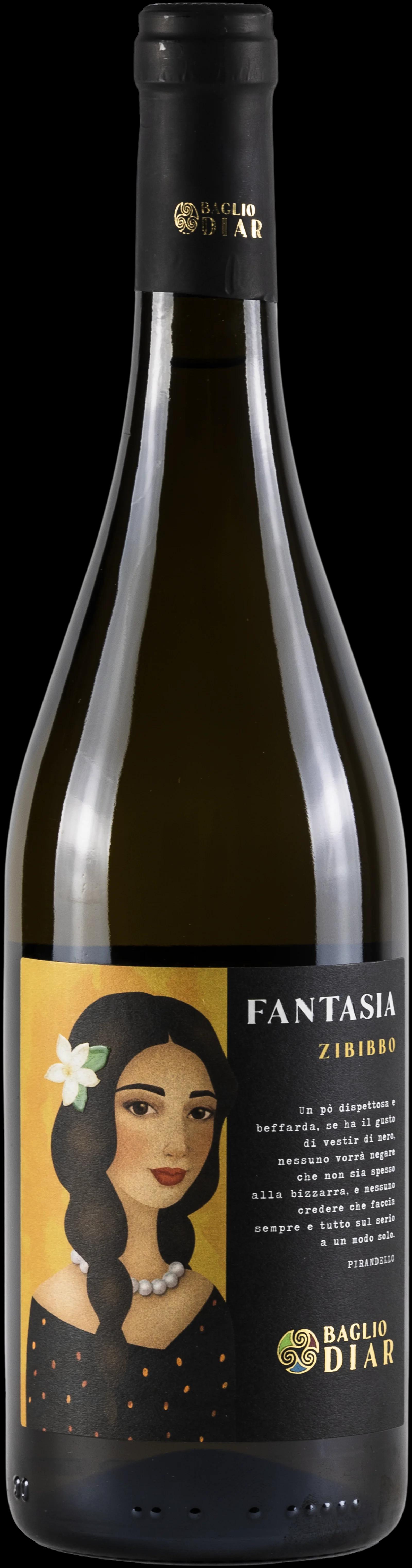
The western interior, around Agrigento and Caltanissetta, is hotter and drier. Soils here are predominantly limestone and clay. This is where Nero d'Avola achieves its most concentrated expressions. The coastal areas, including Marsala in the northwest and the island of Pantelleria to the southwest, are shaped by sea influence — Pantelleria's Zibibbo (Muscat of Alexandria) is used to produce Passito di Pantelleria, a sweet wine made from grapes dried in the sun after harvest.

How Sicilian producers work with Free Grape Society

Producers on Free Grape Society set their own prices. There is no importer margin added on top and no wholesaler taking a cut in the middle. The price shown on each wine page is the price the producer agreed to, shipped from their cellar directly to the buyer.

Before any Sicilian wine goes live on the platform, the producer sends samples to our Head of Product, who tastes every wine before it is listed. Independent wine experts on the platform Rate & Review individual wines they have personally tasted — those reviews appear on the wine page and on the expert's profile, and are not editorial endorsements from Free Grape Society.

This matters more in Sicily than in most other Italian regions, because the island's wine identity is still being defined. For decades, Sicilian wine meant cheap, high-alcohol bulk. The producers now working with altitude-grown fruit, indigenous varieties, and lower intervention are making a different argument. The wines on this page are the ones that argument is built on.

For a broader look at Italian wines on the platform, see wines from Italy. For Italian red wines specifically, Italian reds covers the full range from Nebbiolo in Piedmont to Nerello on Etna. Producers from other southern Italian regions can be found via Italian wineries, and mixed cases are available through Italian mixboxes.