Where Garganega comes from and how the Veneto shapes it
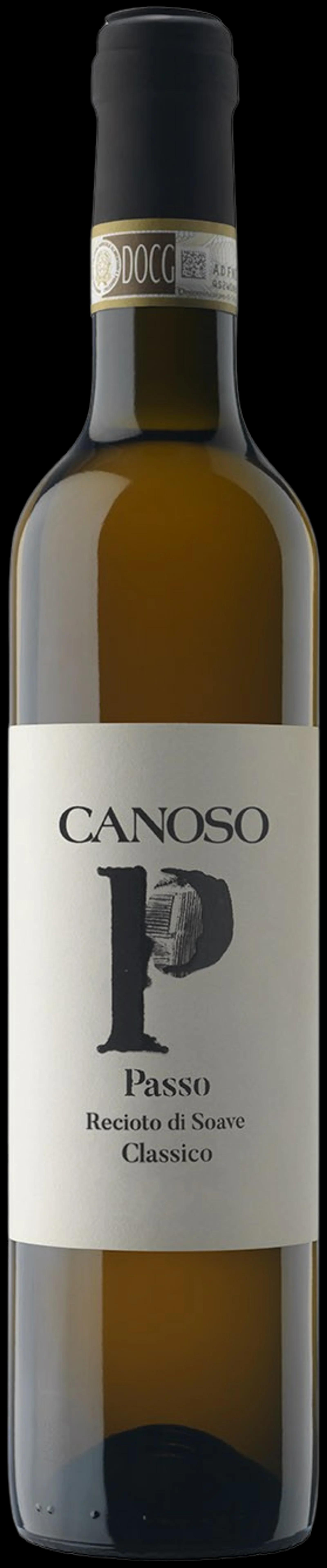
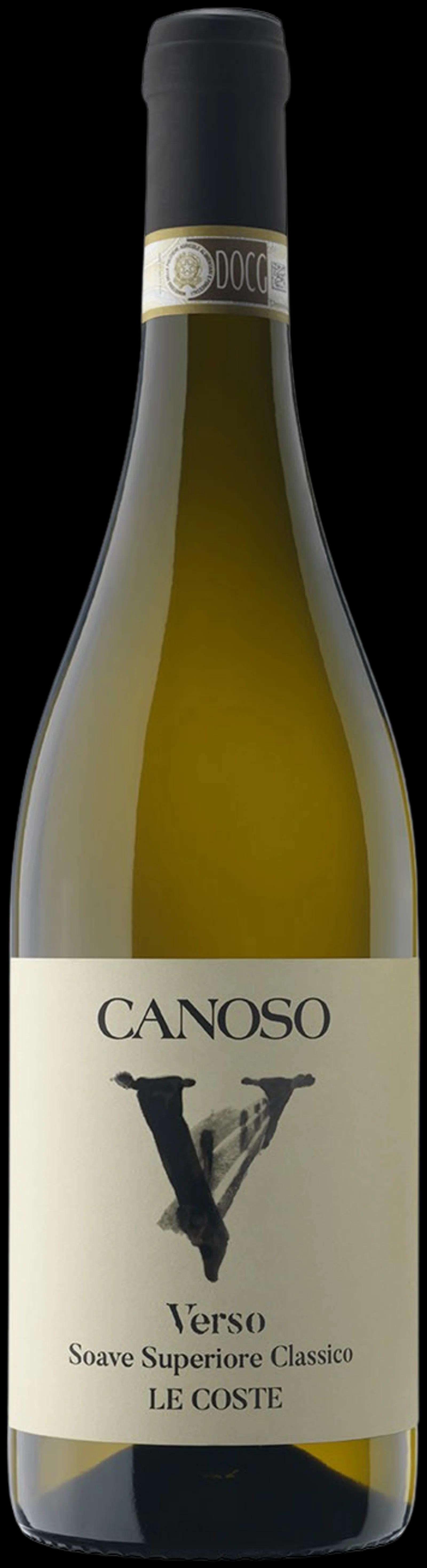
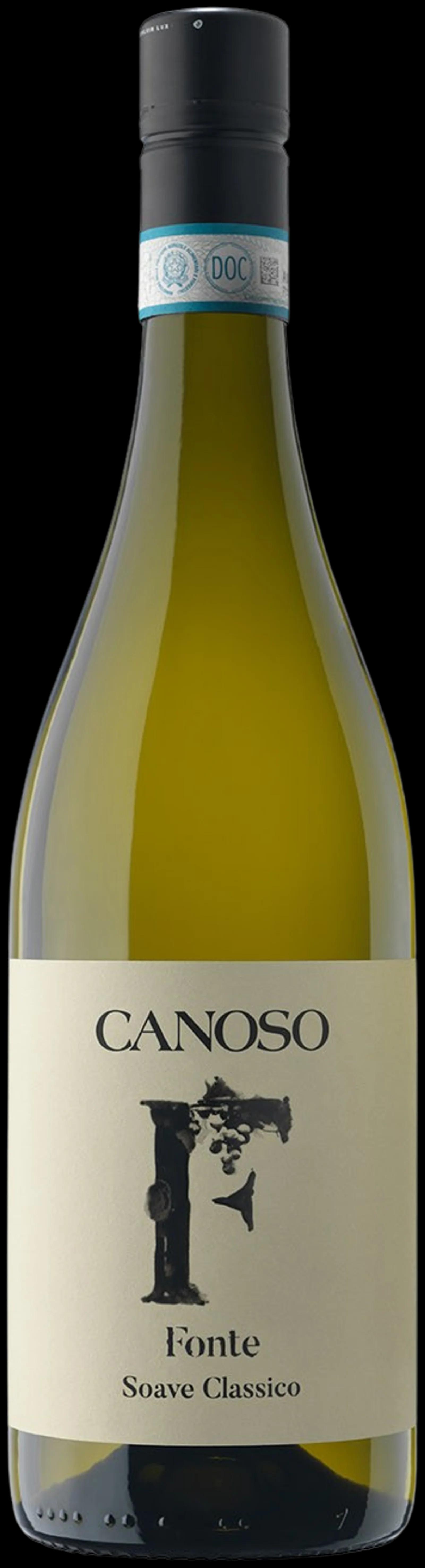
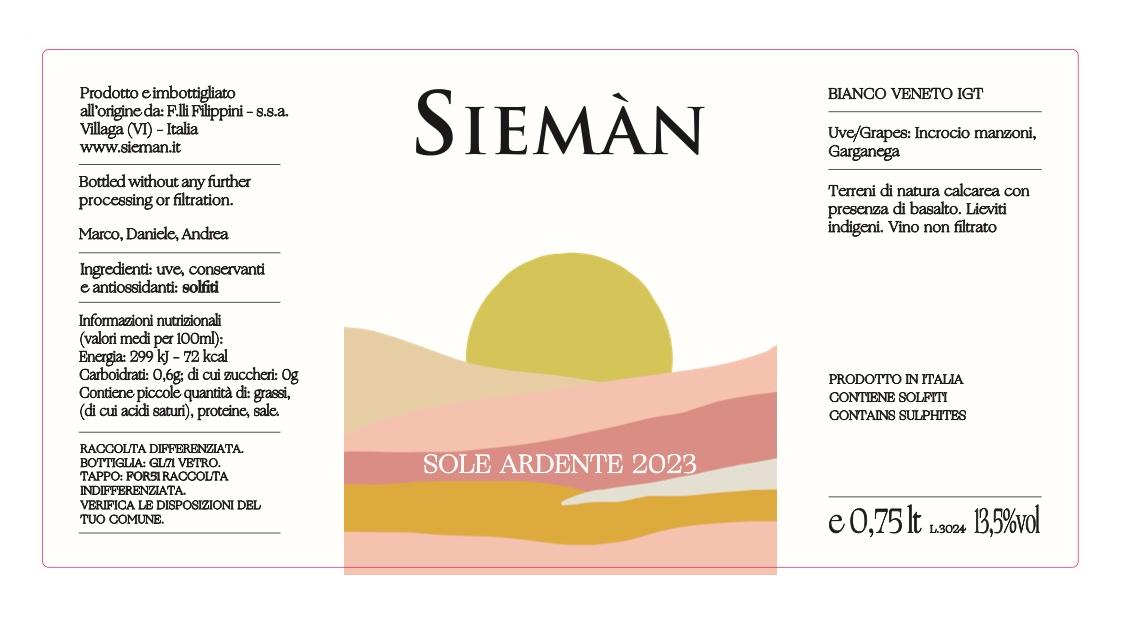
Garganega is one of the oldest white grapes in northeastern Italy, grown almost exclusively in the Veneto and the neighbouring Colli Euganei. Its heartland is Soave, the appellation east of Verona where volcanic soils and steep slopes planted with old vines produce wines of notable structure and length. The same grape appears in Gambellara, a smaller neighbouring zone with similar geology, and as a minor blending component in Recioto di Soave, the sweet passito version made from partially dried clusters. Outside these appellations it rarely travels, which makes it genuinely regional in a way that international varieties are not. Producers who grow it well tend to work with old, low-yielding vines on the hillside Classico zones rather than the flat valley floor, where higher yields dilute the grape's natural mineral character. For a broader look at the wines of the Veneto or the white wines of Italy, both pages bring together independent growers from across the region.
How Garganega tastes, and what to drink it with
Garganega is a naturally high-acid, thick-skinned grape that ripens late in the season. In a good year from a hillside site, it produces wines with stone-fruit aromas — white peach, almond blossom, a faint bitter note of almond skin at the finish — backed by a clean, saline mineral thread that comes largely from the volcanic basalt soils of the Soave Classico zone. It has enough structure to age, though most bottles are drunk young when the fruit is vivid. Because of its acidity and moderate body it works well with delicate food: grilled fish, risotto, vegetables cooked simply, and the mild fresh cheeses of the Veneto. In its dried-grape form as Recioto di Soave, Garganega becomes something different altogether — rich, amber, and sweet, a wine more naturally at home with almond pastries or aged hard cheese than with a first course. If you are exploring other Italian whites with a similar weight and mineral character, Verdicchio, Vermentino, and Cortese are worth comparing side by side.
Buying Garganega wine direct from independent producers
Most Garganega on the market comes from large cooperative wineries, which bottle at high volume and sell through supermarket channels. The wines are consistent but rarely show what the grape is capable of on a well-managed hillside site. The producers on Free Grape Society work differently: smaller operations, often estate-grown fruit, and bottles shipped directly from the producer's own cellar with no importer or warehouse adding cost or time to the journey. That direct relationship also makes it easier to find out how the wine was made — which vineyard, which vintage, whether the wine was aged on the lees and for how long. Free Grape Society is a society of producers, independent experts and wine lovers, not a shop. If you want to explore further, Italian mixboxes let you taste across producers and styles, and Veneto wineries shows the growers on the platform who work in Garganega's home region.