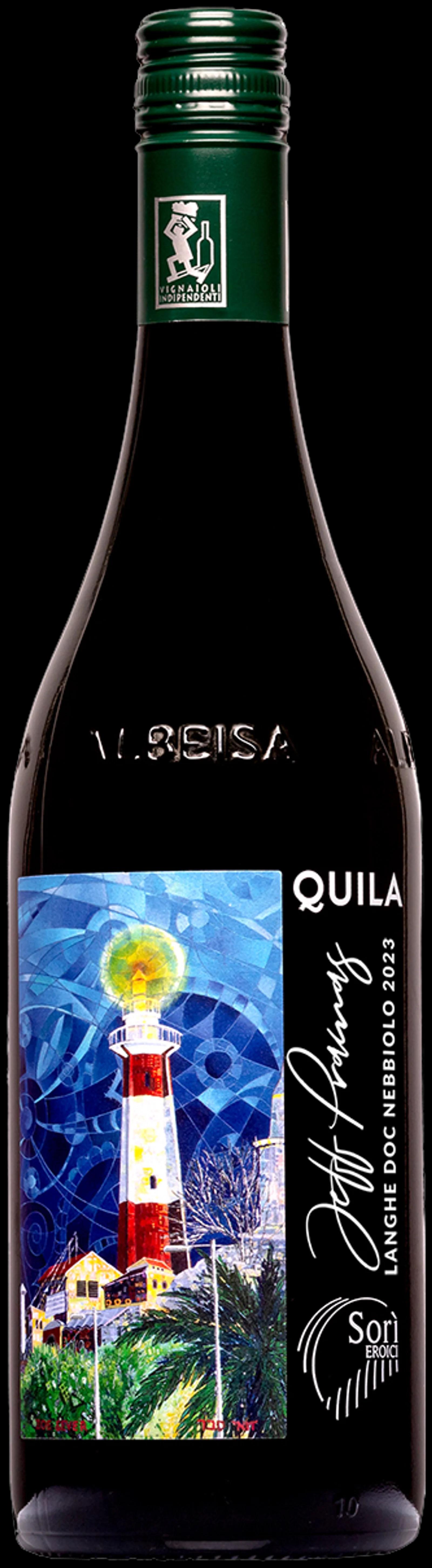
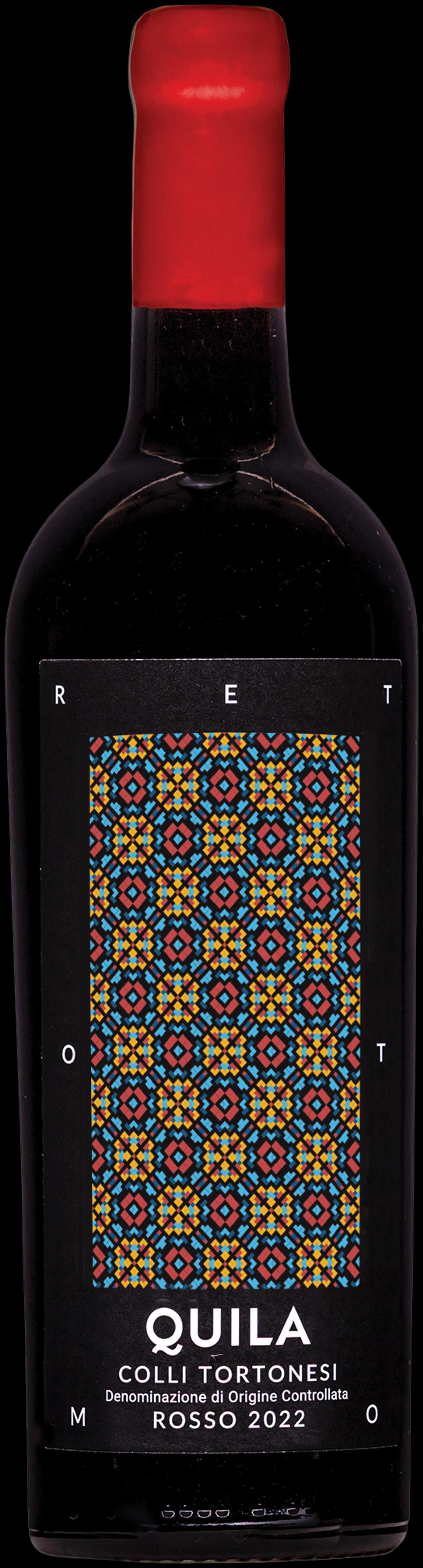
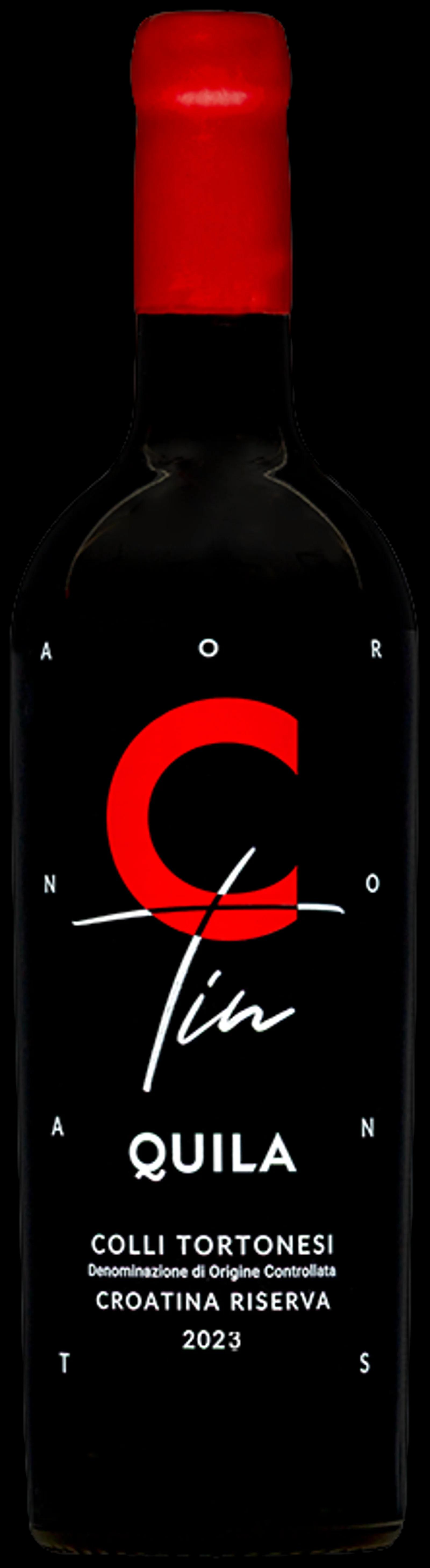
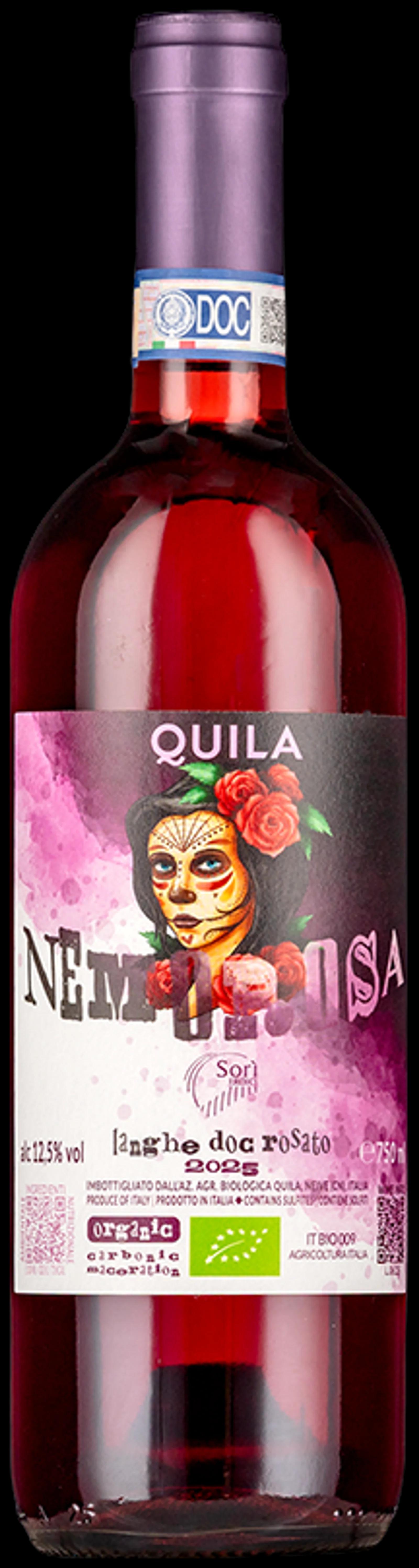
Muscat wines: aromatic, floral and made in dozens of styles across Europe

Muscat wine is one of the oldest and most varied grape families in Europe, grown from Alsace to Sicily, from Greece to Portugal. The producers below work with different members of the Muscat family — each bringing out a different side of the grape.

From bone-dry Alsatian Muscat to honeyed Muscat de Beaumes-de-Venise, one grape family that never tastes the same twice.

Color

Dropdown arrow

Type

Dropdown arrow

Country

Dropdown arrow

Region

Dropdown arrow

Grape

Dropdown arrow

Pairing

Dropdown arrow

Sort by

Sort arrow
Muscat

Muscat wines

Muscat is not a single grape but a large family of related varieties, and that is a large part of why the wines differ so much. Muscat Blanc à Petits Grains is the oldest and most aromatic; Muscat of Alexandria is bigger-berried and appears more in warm southern vineyards; Muscat Ottonel is lighter and tends toward Alsace and Central Europe. What ties them together is a recognisable floral, grapey character that is rare among wine grapes — Muscat is one of the few varieties where the wine genuinely smells and tastes of the fresh fruit. Each bottle in this grid ships directly from the producer's own cellar, with no importer or warehouse in between.

Previous1 of 1Next

Muscat wine cases

A six-bottle case from one producer is a good way into a grape like Muscat, because the variety expresses itself so differently depending on how the winemaker chooses to work with it. A producer in the Rhône might include a vin doux naturel alongside a dry white; one in Alsace might show you the difference between a Vendanges Tardives and a standard Réserve. The selection is the producer's own recommendation — the bottles they would choose if you visited their cellar. Free Grape Society is a society of producers, independent experts and wine lovers, not a shop.

View all mixboxes

Wineries

The growers below work with Muscat in very different contexts — some in the cool of Alsace where it produces delicate, bone-dry whites, others in the warmth of the Mediterranean where it tends toward richness and sweetness. Reading a producer's own notes is often the quickest way to understand the style they are aiming for, and the wine-advice service is there if you would like a recommendation before deciding.

View all wineries

Wine experts

Muscat produces wines in enough styles that a second opinion is genuinely useful — whether you are looking for a dry Alsatian Muscat to drink with asparagus or a late-harvest Muscat from the Rhône to serve with dessert. Independent wine experts review wines they have personally tasted, and their reviews are visible on each wine page and on the expert's own profile. Several of the experts below have reviewed Muscat wines featured on this page, so you can read what they thought before choosing.

View all wine experts

Frequently asked questions

How do I order a Muscat wine on Free Grape Society?

Browse the Muscat wines above, choose the bottle you want, and place your order. Each wine ships directly from the producer's own cellar, so your order goes straight to the grower who made it. Delivery takes between four and fourteen days on average, and shipping is free.

What happens if a bottle arrives broken or doesn't taste right?

Send a photo to Free Grape Society customer support within 7 days of delivery. We will arrange a replacement or a refund. Because producers ship directly, quality issues are handled with the producer's direct involvement. Shared responsibility is built into how FGS works.

Can I order Muscat wines from more than one producer in the same order?

Yes. You can add wines from different producers to the same basket. Each producer ships their own wines separately, so you may receive more than one delivery if you order from more than one grower. Each shipment includes everything you ordered from that producer.

How long does delivery take?

Average delivery is 8 to 9 days from order to door. The full range is 4 to 14 days depending on the producer's location and your delivery address. Wines ship directly from the producer's cellar, not from a central warehouse.

How do I choose between the different styles of Muscat wine?

Muscat ranges from dry and floral in Alsace to sweet and fortified in the south of France and Greece. If you want a dry wine for food, look for Alsace or northern Italian producers. If you want something sweeter, look for Muscat de Beaumes-de-Venise, Muscat de Rivesaltes, or Greek Muscat from Samos. The wine pages include tasting notes and producer descriptions to help you choose.

How does Free Grape Society choose which Muscat producers to work with?

Free Grape Society works with independent producers who sell and ship directly — no agents, importers or large distributors involved. Wines are tasted before listing. The producers you see above applied to join and were accepted; the selection grows as more independent Muscat growers from across Europe join the platform.

Which Muscat wine expert can recommend something for me?

The independent wine experts on Free Grape Society review wines they have personally tasted, including Muscat wines from across Europe. You can browse expert profiles and their Muscat reviews on the page above, or use the wine-advice service to ask an expert directly — they can help you find the right style and producer for what you are looking for.

Why don't you sell supermarket-brand Muscat wines?

Free Grape Society works exclusively with independent producers who make and bottle their own wine. Large commercial Muscat brands are typically made by négociants or cooperatives that blend across many growers. The producers here grow their own fruit and sign the label themselves, which is why the wines on this page taste the way they do.

Can I find Muscat wines in a supermarket or wine shop?

Some Muscat styles — particularly Asti Spumante and a handful of Alsatian labels — appear in wine shops and supermarkets. Most of the independent growers on Free Grape Society do not have mainstream retail distribution; they sell directly. That is how they keep control of their prices and the size of the batches they produce.

Where Muscat comes from and how it expresses itself across regions

Muscat is one of the oldest cultivated grape families in the world, and unlike most varieties it actually smells and tastes of grapes — floral, aromatic, and unmistakably itself whether it comes from Alsace, Sicily or Greece. The family covers several distinct varieties: Muscat Blanc à Petits Grains is the most aromatic and fine-boned, grown widely in southern France, northern Italy and Greece; Muscat of Alexandria is fuller and richer, common in Spain and Portugal; Moscato Giallo and Moscato Rosa are regional Italian expressions with their own character. What they share is the grape's signature perfume — orange blossom, peach, and a lift that few other white varieties can match. In Alsace, it tends to be made dry and precise; in Piedmont, as Moscato d'Asti, it is lightly sparkling and low in alcohol; in Alsace again and across southern Europe it also appears as a late-harvest dessert wine with concentrated sweetness. The same name, then, covers a wide range of wines — which is part of what makes it worth exploring across producers and places. You can browse independent growers working with Muscat on the Alsace, Sicily and Greece pages, or find the full range of Muscat wines across countries on the wines overview.

How Muscat tastes, and what to drink it with

Muscat is defined by its aromatic intensity. Where Riesling expresses terroir and Chardonnay takes the shape of its winemaking, Muscat insists on being itself: the grape's own fragrance — orange blossom, rose petal, fresh apricot, and sometimes a faint musk — comes through regardless of where it is grown or how it is made. Dry Muscat, as found in Alsace or from producers in Friuli Venezia Giulia, works well alongside asparagus, soft cheese, and spiced fish dishes, where its aromatics complement rather than compete. Lightly sweet or off-dry Muscat — including pétillant or lightly sparkling styles — pairs naturally with fruit-based desserts, almond pastries, and mild blue cheeses. The fully sweet, fortified versions from southern France and Greece (Muscat de Beaumes-de-Venise, Muscat of Samos) are well matched to foie gras, blue cheese, or simply served cold on their own. Because the grape is so expressive, it tends to show best when served well chilled, and drunk relatively young — the perfume that makes it distinctive fades with extended ageing in most styles. Growers making Muscat in Moravia, Alsace, and across Greece tend to bottle it to preserve that freshness.

Buying Muscat wine direct from independent producers

Most Muscat sold in supermarkets or through large distributors comes from bulk producers working at scale — consistent, but rarely expressive of a specific place or a grower's own choices. The producers on Free Grape Society work differently: small estates where Muscat is grown alongside other varieties, often in regions where it has been cultivated for generations, and where the decision of whether to make it dry, sparkling, or sweet is the producer's own rather than a market formula. On Free Grape Society, wines ship directly from each producer's cellar, with no importer or warehouse in between — which means fewer handlings, shorter chains, and wines that arrive as the grower intended. Growers working with Muscat include estates in Alsace, Piedmont, Sicily, Greece, and Moravia, among others. If you are not sure which style suits you — dry, lightly sweet, sparkling, or fortified — the independent wine experts on the platform can help you choose. Free Grape Society is a society of producers, independent experts and wine lovers, not a shop. You can also explore producers by region through the wineries overview, or browse Muscat alongside related aromatic whites such as Gewürztraminer and Viognier.