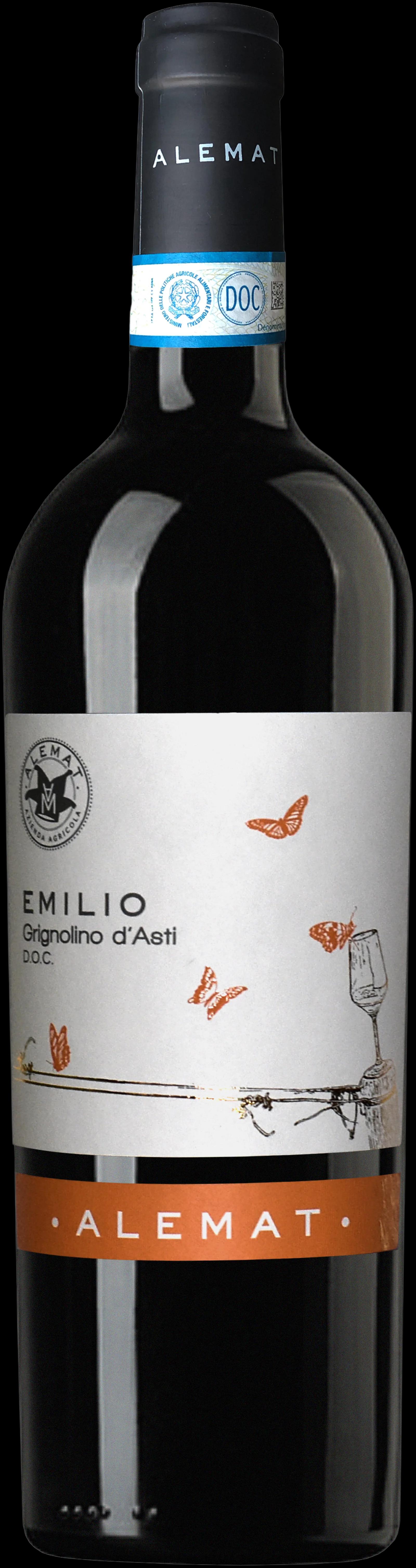
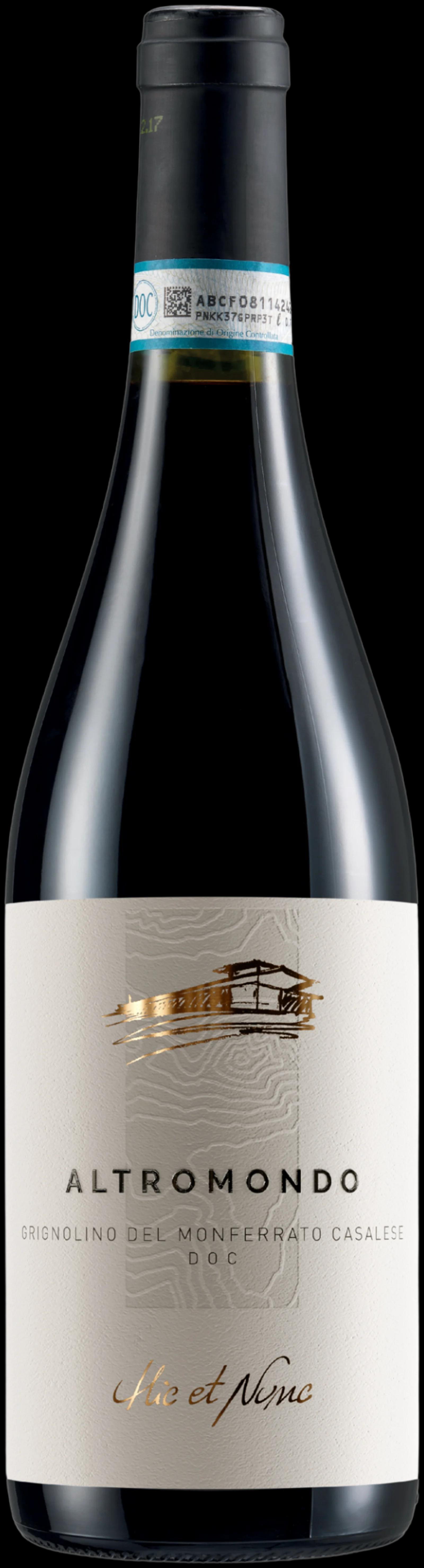
Grignolino: Piedmont's sharp, tannic red from independent growers

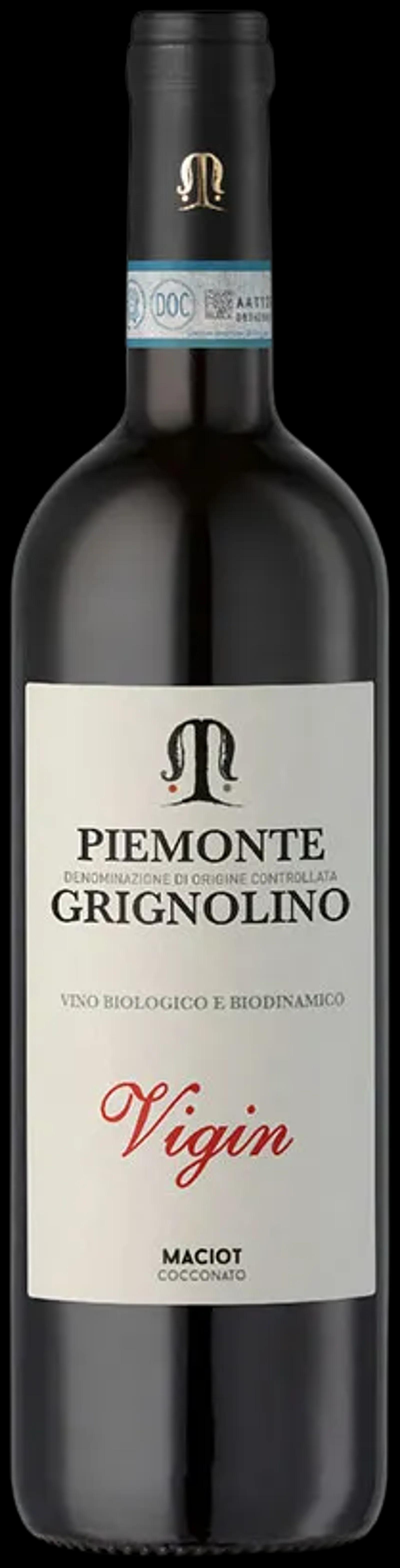
Grignolino wine is one of Piedmont's most distinctive reds: thin-skinned, high in tannin, and grown almost nowhere else. The producers below make it in the hills where it has been cultivated for centuries.

A pale wine with grip — light in colour, serious in structure.

Color

Dropdown arrow

Type

Dropdown arrow

Country

Dropdown arrow

Region

Dropdown arrow

Grape

Dropdown arrow

Pairing

Dropdown arrow

Sort by

Sort arrow
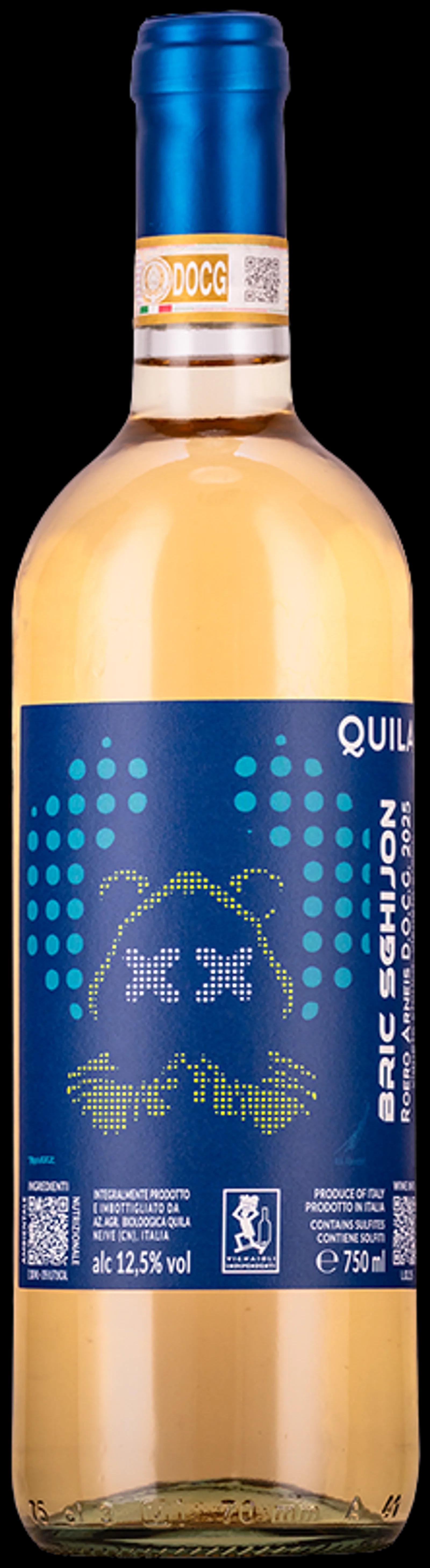
Grignolino

Grignolino wines

Grignolino is grown in two small pockets of Piedmont — the hills around Asti and the Monferrato Casalese — and almost nowhere else in the world. It is one of those grapes that resists travel: attempts to plant it elsewhere have rarely produced wines with the same character. What makes it unusual is the combination of a pale ruby colour with a tannin level that can rival much darker wines, a structure that comes partly from seeds and skins with a naturally high polyphenol content. Each bottle here ships directly from the producer's cellar, with no importer or warehouse in between.

Previous1 of 1Next

Grignolino wine cases

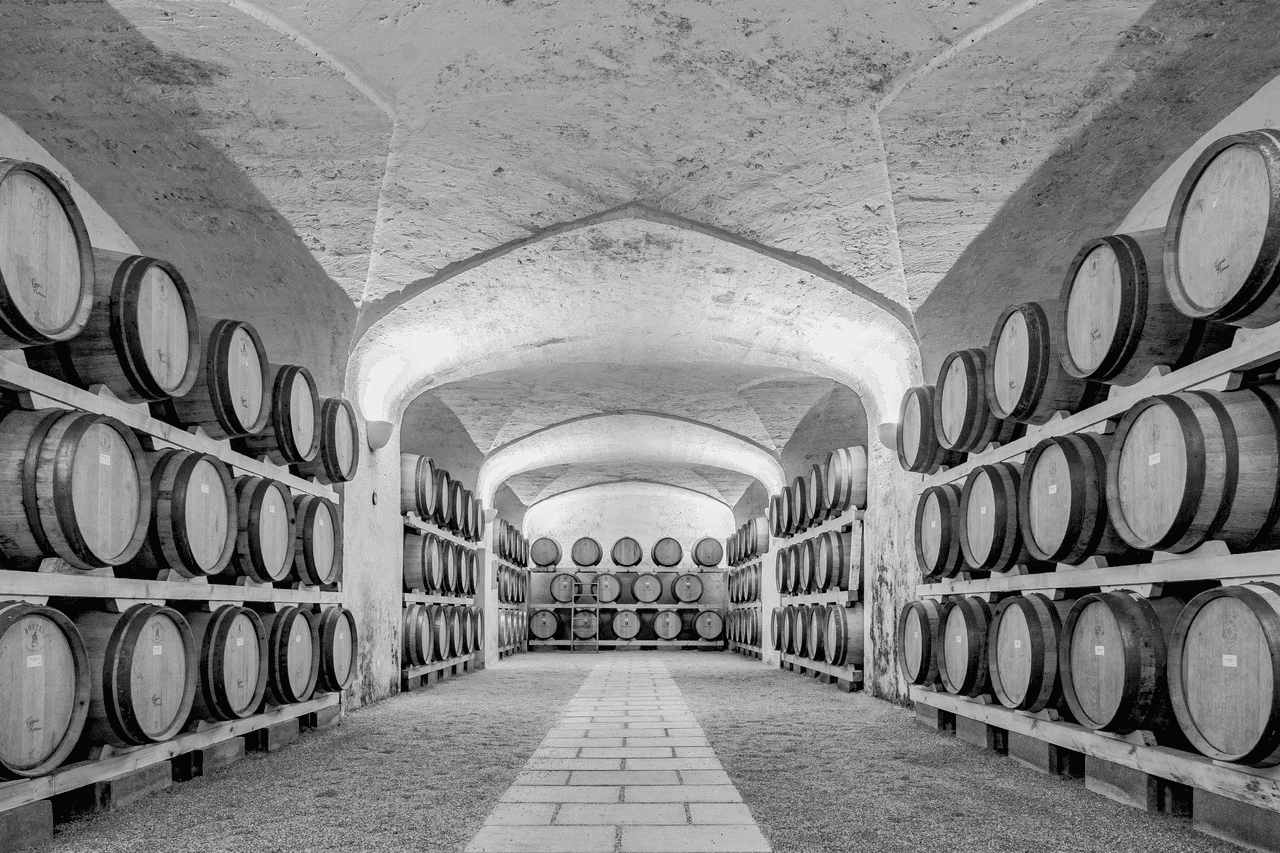
A Grignolino wine case brings together six bottles from one producer, composed as the recommendation they would make if you visited their cellar. For a grape this place-specific, that usually means tasting one estate's interpretation across a vintage or two — which is often the clearest way to understand what Grignolino actually tastes like before exploring further. Free Grape Society is a society of producers, independent experts and wine lovers, not a shop.

View all mixboxes

Wineries

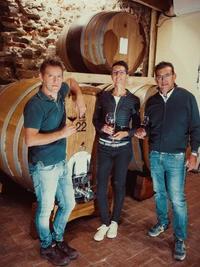
The growers below have built their work around Grignolino, a grape that rewards patience and local knowledge more than most. Because it is grown in such a small area, reading a producer's own notes tends to reveal more about their wines than any generic regional description. The wine-advice service is there if you would like a second view before choosing.

View all wineries

Wine experts

Grignolino is not the most reviewed grape, which makes an independent opinion particularly useful when you are trying it for the first time. Independent wine experts review wines they have personally tasted, and their notes appear on each wine page and on the expert's own profile. Where an expert below has reviewed a Grignolino featured on this page, you can read what they thought before ordering.

View all wine experts

Frequently asked questions

How do I order Grignolino wine on Free Grape Society?

Browse the Grignolino wines listed above, add bottles to your basket, and check out with Klarna or card. Each bottle ships directly from the producer's own cellar. Delivery takes between four and fourteen days depending on where the producer is based, and shipping is free.

What happens if a bottle arrives broken or doesn't taste right?

Send a photo to Free Grape Society customer support within 7 days of delivery. We will arrange a replacement or a refund. Because producers ship directly, quality issues are handled with the producer's direct involvement. Shared responsibility is built into how FGS works.

Can I order Grignolino from more than one producer in the same order?

Yes. You can add wines from different producers to the same basket. Each producer ships their wines separately from their own cellar, so you may receive more than one delivery. Each shipment is covered by Free Grape Society's standard delivery and quality policy.

How long does delivery take?

Average delivery is 8 to 9 days from order to door. The full range is 4 to 14 days depending on the producer's location and your delivery address. Wines ship directly from the producer's cellar, not from a central warehouse.

How do I choose between different Grignolino wines?

Grignolino varies mostly by producer and subzone — wines from the Monferrato Casalese tend to be slightly more structured than those from the Asti hills, though both share the grape's characteristic tannin and pale colour. Reading the producer's own notes on each listing is a good starting point. If you are unsure, ask a wine expert using the advice service on the page.

Is Grignolino always a dry red wine?

Almost always. Grignolino is produced almost exclusively as a dry still red. It is not widely made as a rosé or a sparkling wine, though occasional producer experiments exist. The wines listed here are dry reds unless the producer's own notes indicate otherwise. Check the individual listing for full details on style and winemaking.

Which Grignolino wine expert can recommend something for me?

The wine experts listed on this page have reviewed Grignolino wines and can answer questions through the advice service. Submit your question — what you have tried before, what you are looking for, what you are eating with it — and an expert will respond with a specific recommendation from the producers available on Free Grape Society.

Why don't you sell supermarket-brand Grignolino wines?

Grignolino is a grape that almost no large producer bothers with — it is labour-intensive, commercially awkward, and deeply local. The wines on Free Grape Society come from independent estates that grow it because they believe in it, not because it is easy to sell. That means smaller production, individual character, and wines you will not find on a supermarket shelf.

Is Grignolino available in shops or wine merchants outside Italy?

Rarely. Grignolino is produced in small quantities and has limited distribution outside Piedmont. Most importers do not carry it, and it is almost never stocked by mainstream retailers. Free Grape Society connects buyers directly with the producers who make it, which is usually the most reliable way to find it outside Italy.

Where Grignolino comes from and what makes it unusual

Grignolino is one of Piedmont's oldest native grapes, grown almost exclusively in two areas: the Monferrato hills around Asti and the Casalese area further north. Outside these two zones it barely exists, which makes it one of the more genuinely local grapes in Italian wine. The name is thought to derive from the Piedmontese word for pips, a reference to the grape's unusually high seed count, which contributes to the tannic grip that surprises people expecting a light red. The wines are typically pale in colour, somewhere between a deep rosé and a light ruby, but the structure underneath is firmer than the colour suggests. Grignolino sits in interesting company in Piedmont — a region better known for Nebbiolo, Barbera and Dolcetto, all of which produce darker, weightier wines. Tasting Grignolino alongside those varieties makes it easier to understand what it is: a grape with its own logic, not a lesser version of something else. Producers in Piedmont who work with it tend to do so out of genuine conviction, because it demands care and offers a narrower commercial path than Barolo or Barbaresco.

How Grignolino tastes and what to drink it with

The combination of pale colour and firm tannin is Grignolino's most distinctive quality. The aromas tend toward dried rose petal, orange peel, white pepper and a faint bitter almond finish that is characteristic of Piedmontese reds. Acidity is high, which keeps the wine lively and makes it more useful at the table than its modest reputation suggests. Because the tannin is present but the body is light, Grignolino works well where you might otherwise reach for a medium-weight red: with cured meats, rabbit, chicken with herbs, or the kind of Piedmontese antipasto that includes vitello tonnato and pickled vegetables. The bitter finish also makes it a natural match for dishes with a little bitterness of their own — radicchio, grilled chicory, or liver prepared in the Venetian style. It is worth serving slightly cool, around 16°C, which brings out the aromatic lift and softens the tannic edge. Compared to the broader red wine landscape on Free Grape Society — from Sangiovese in Tuscany to Garnacha in Aragon — Grignolino occupies a specific and underexplored position: structured enough for food, light enough for warm weather, and interesting enough to justify seeking out.

Buying Grignolino direct from independent producers

Grignolino is not widely distributed outside Italy, which means it rarely appears in supermarkets or mainstream wine retail. That scarcity is part of why buying directly from producers matters here more than it does for better-known varieties. On Free Grape Society, producers in Piedmont who grow Grignolino ship directly from their own cellars, with no importer or warehouse adding cost or distance between the grower and your glass. Wines are tasted before listing, so the selection reflects actual quality rather than availability. If you want to explore Piedmont more broadly, the Italian wines section covers the full range of independent producers on the platform, and the Piedmont wineries page shows which estates are available. For a curated introduction to a producer's range rather than a single bottle, the Italian mixboxes and Piedmont mixboxes pages show six-bottle selections put together by the producers themselves. Free Grape Society is a society of producers, independent experts and wine lovers, not a shop — and Grignolino, with its deep local roots and limited international reach, is exactly the kind of wine the platform exists to make accessible.