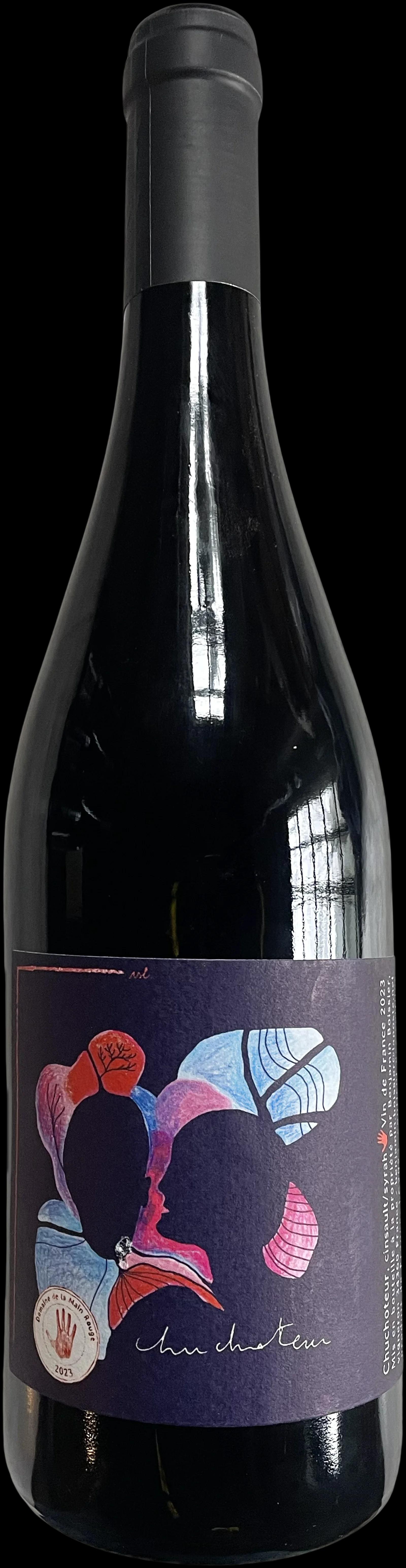
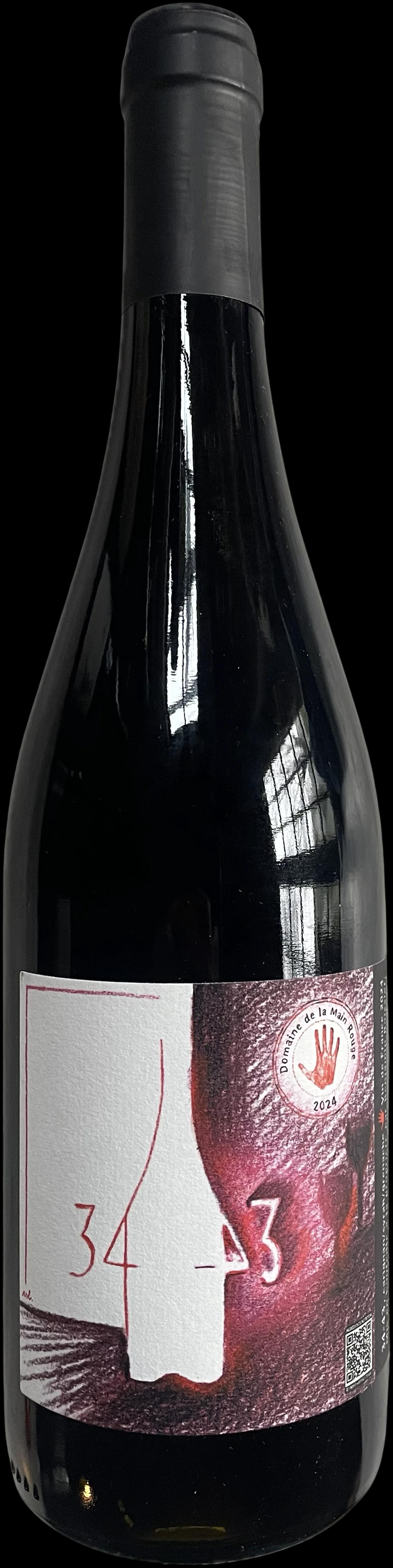
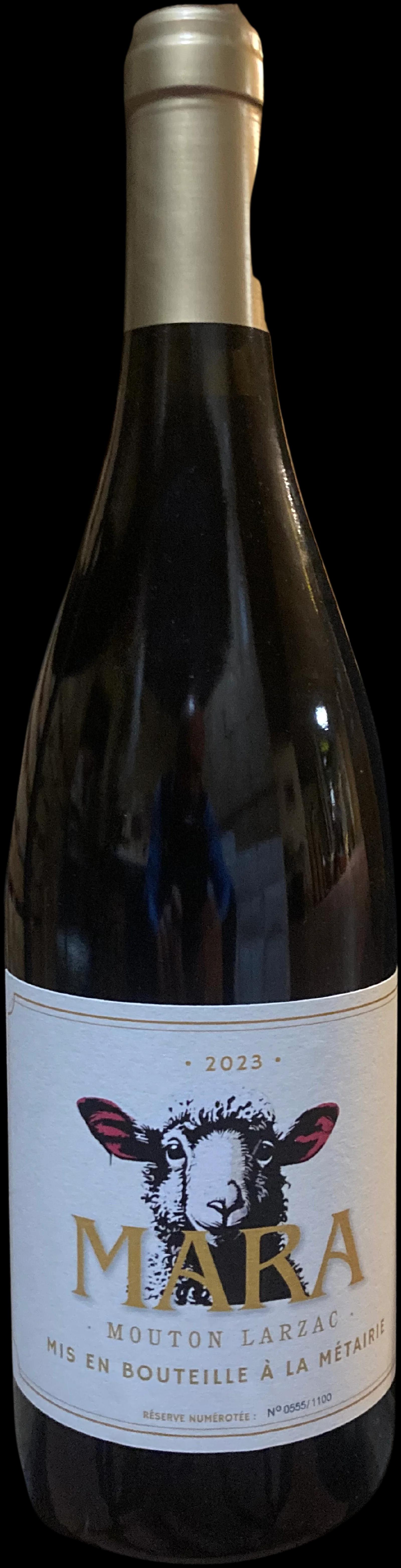
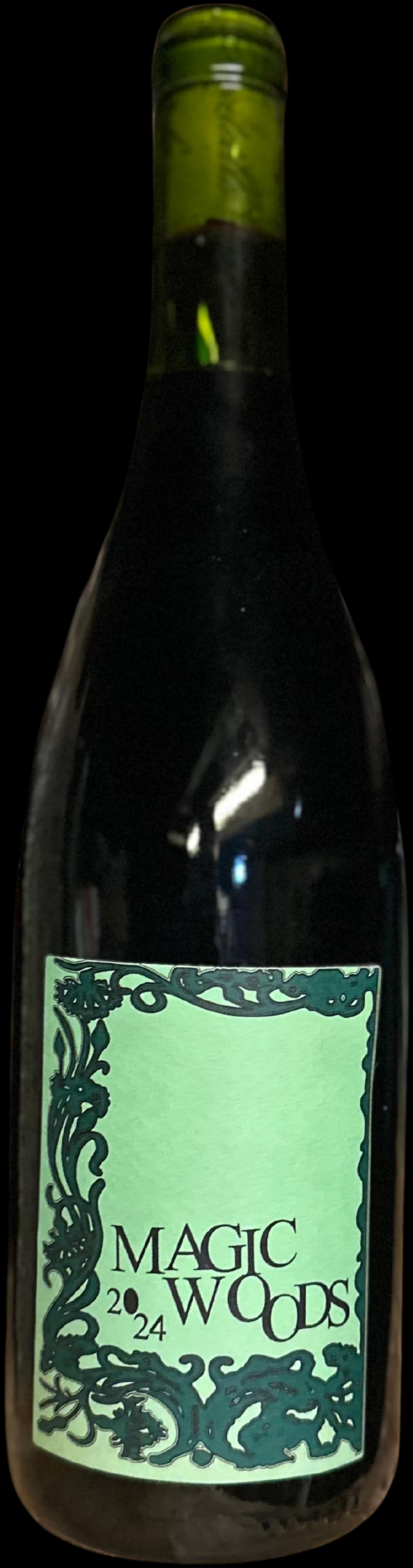
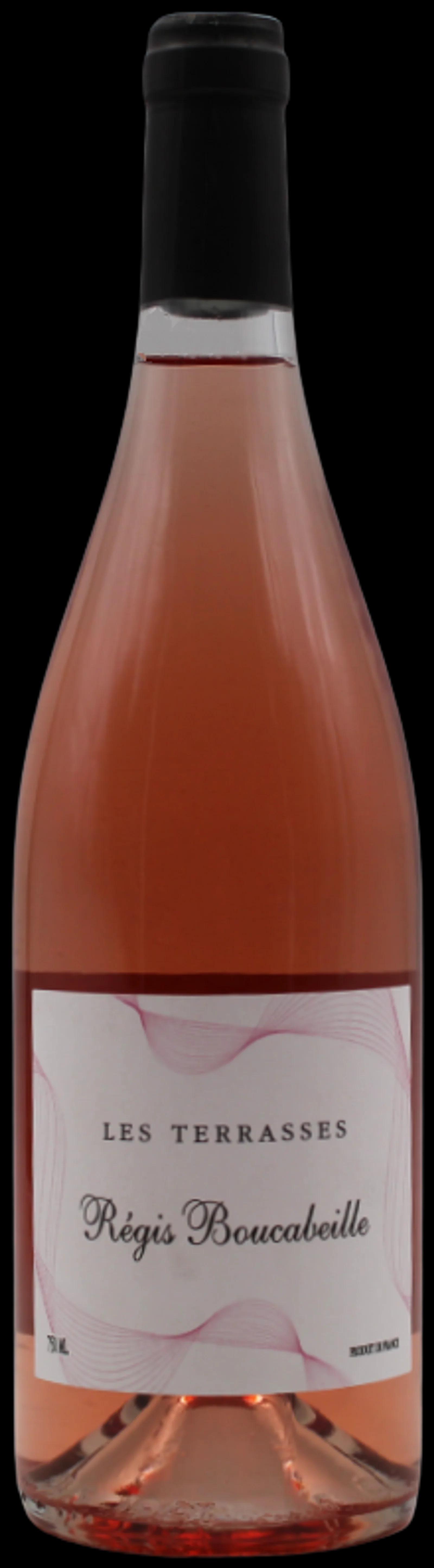
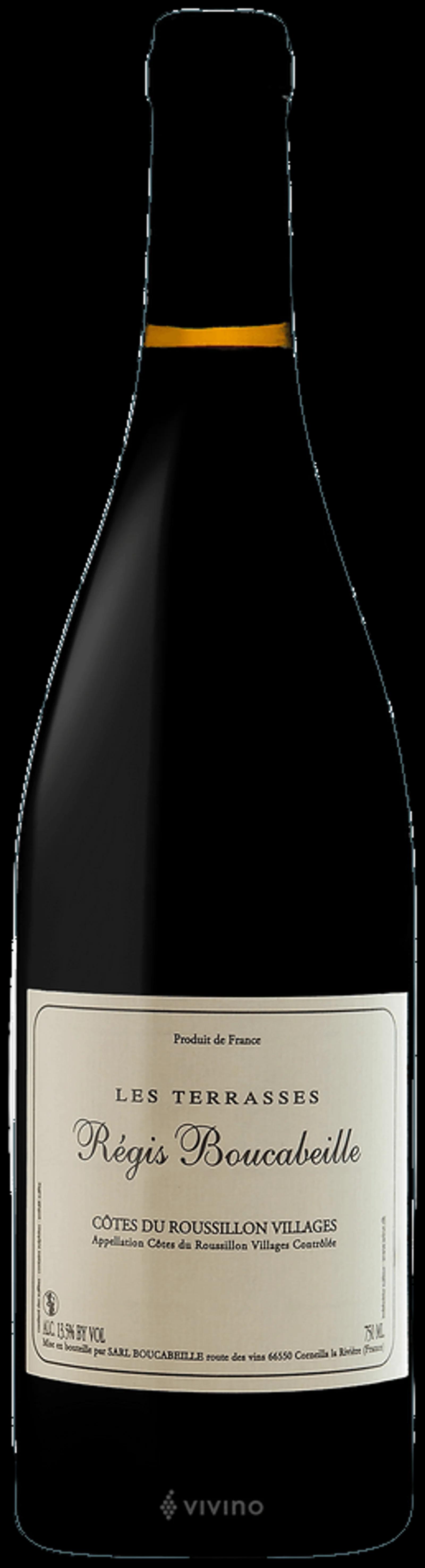
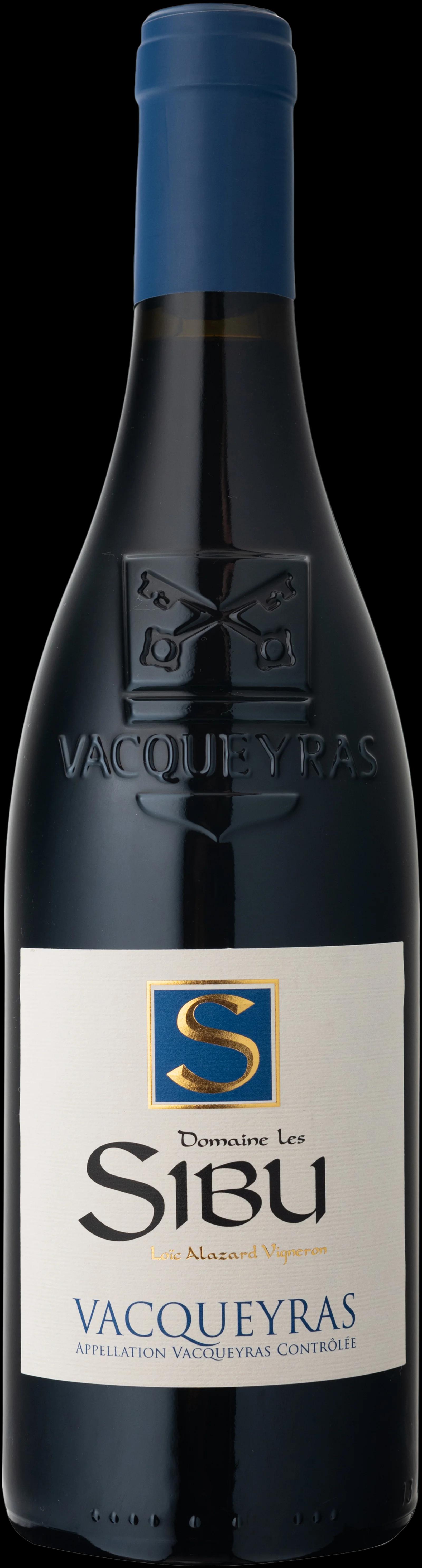
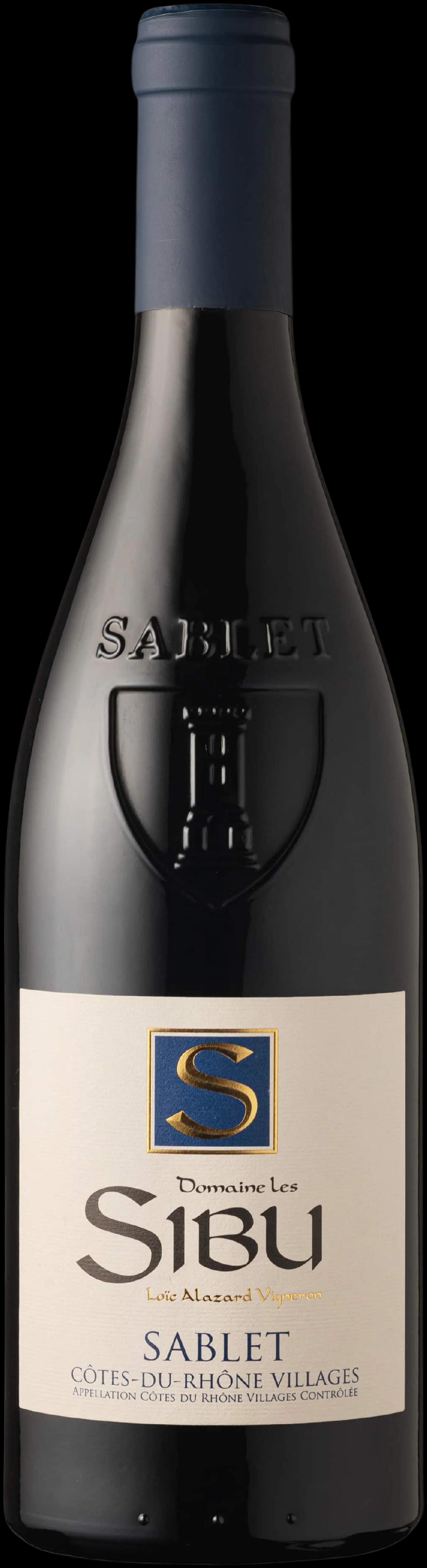
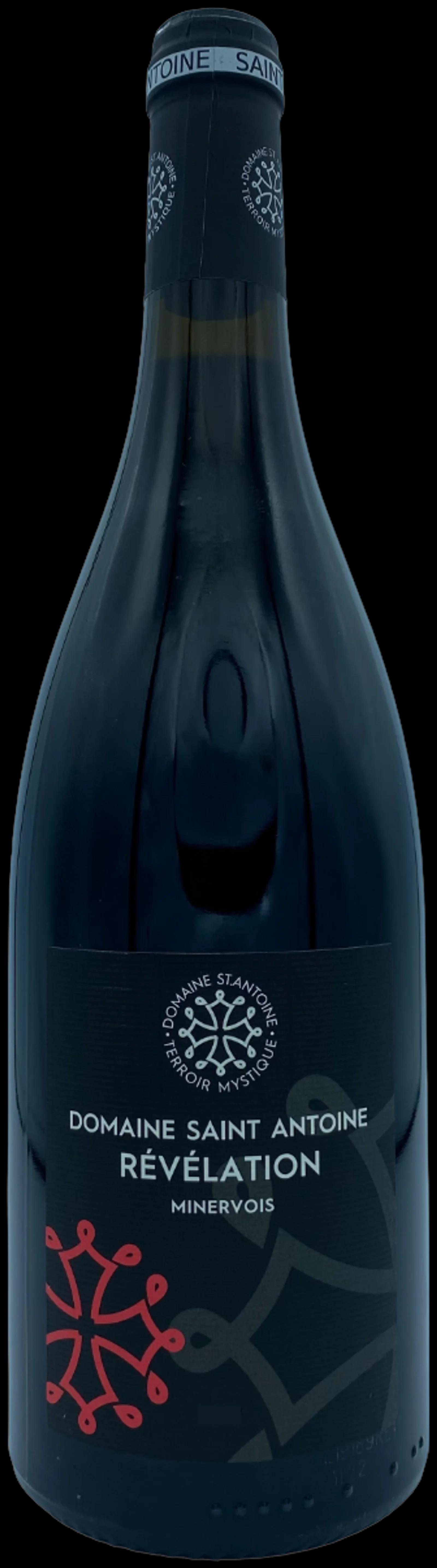
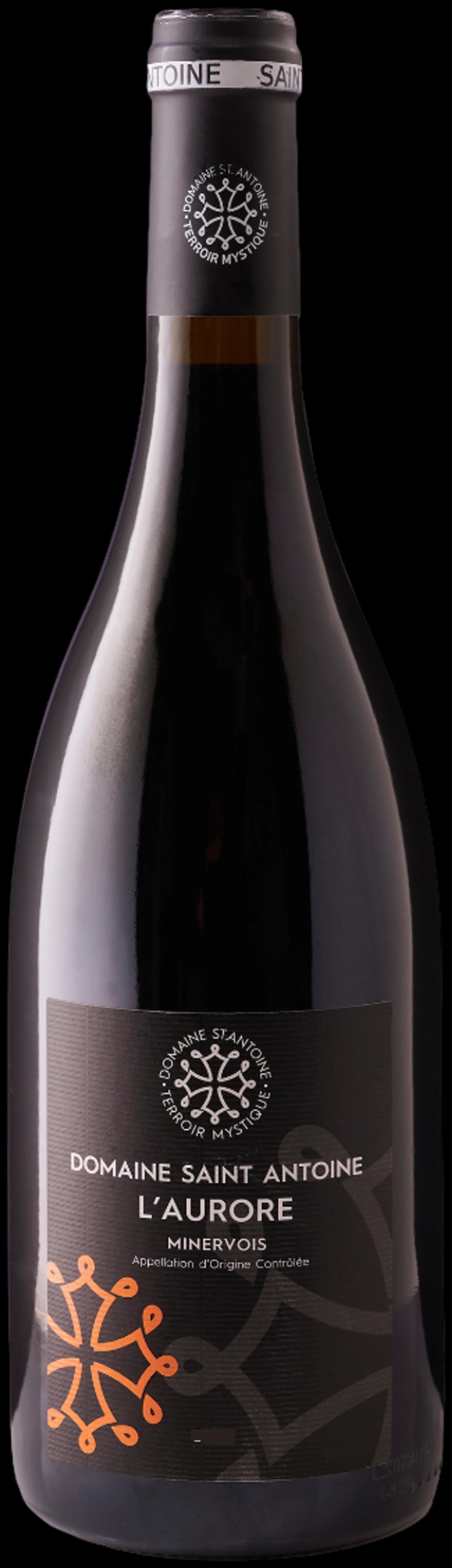
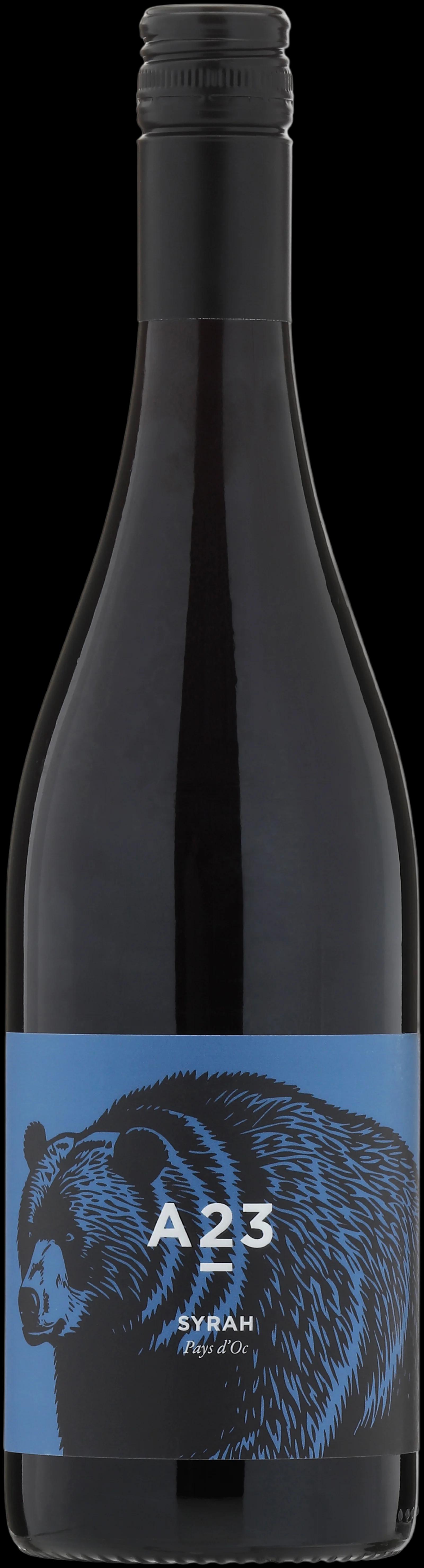
Syrah in France: two regions, two different grapes
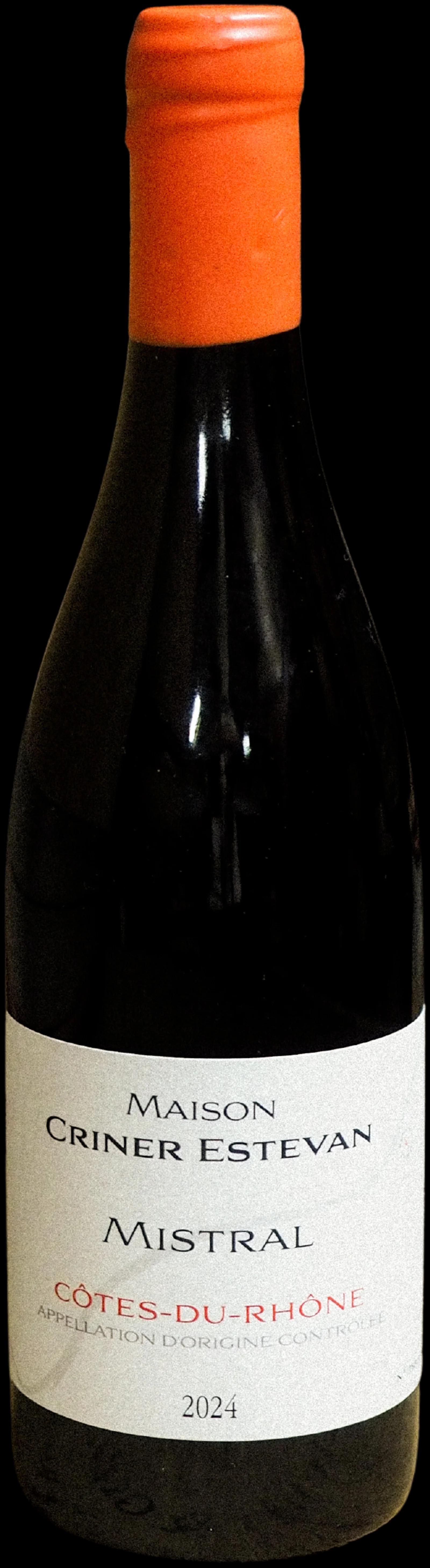
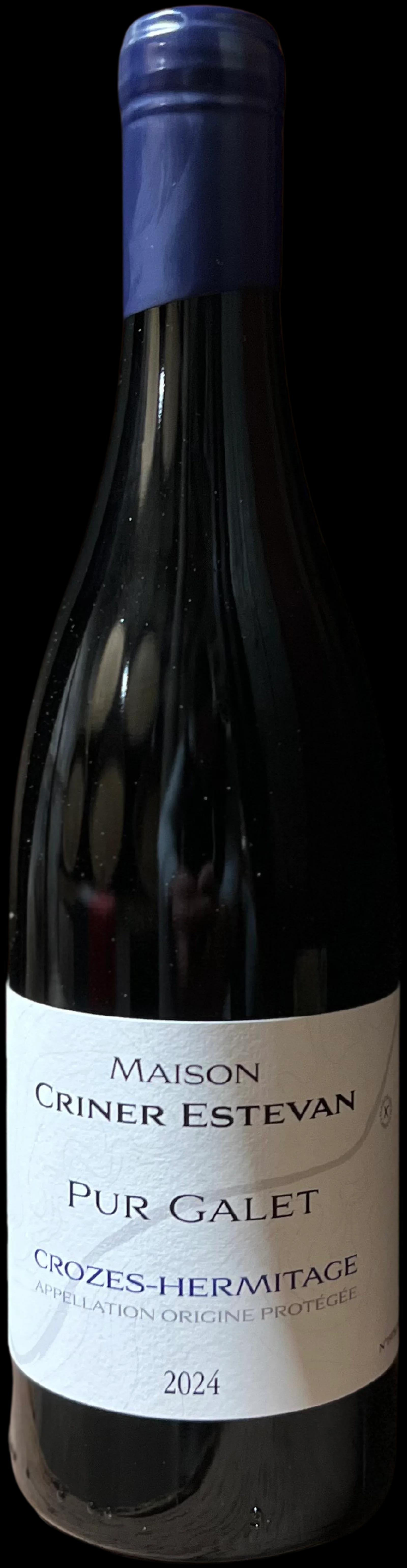
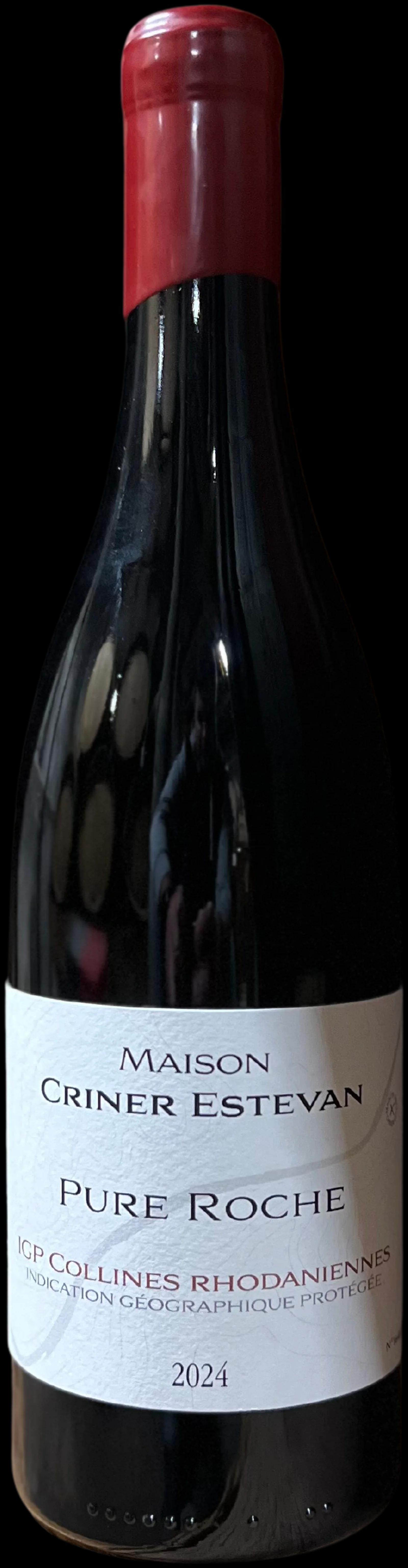
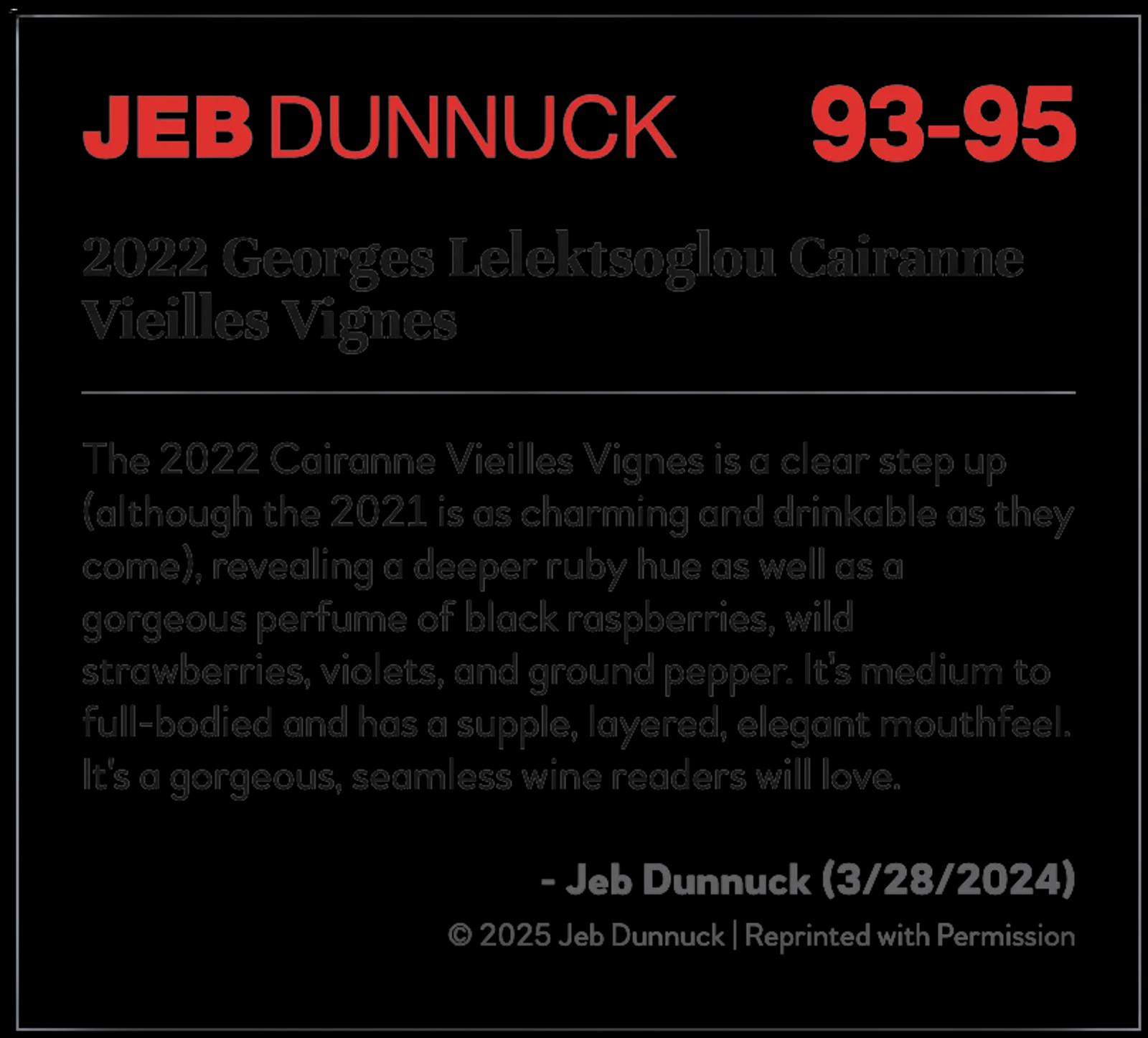
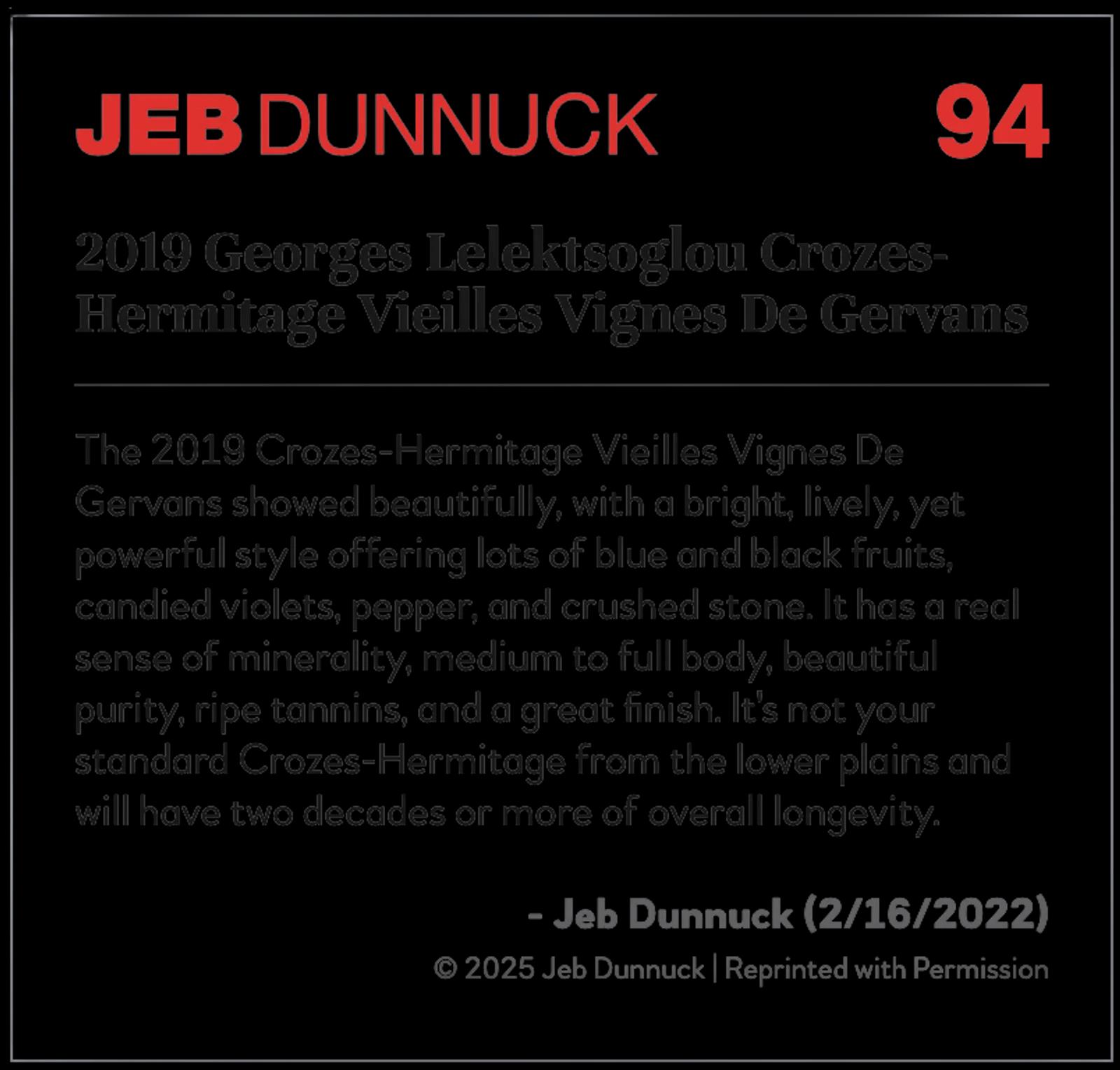
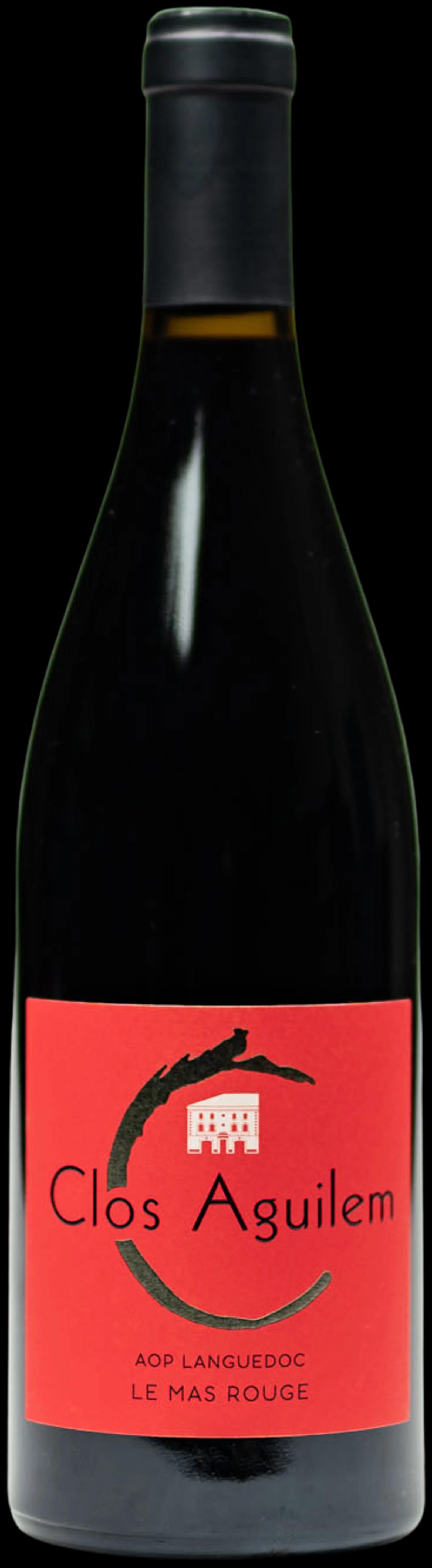
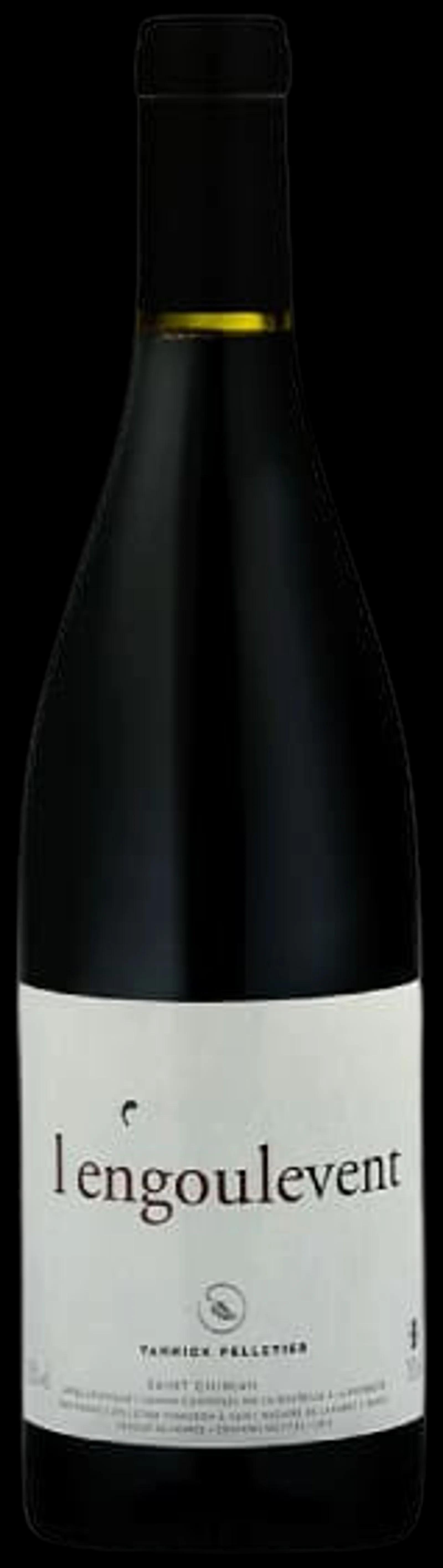
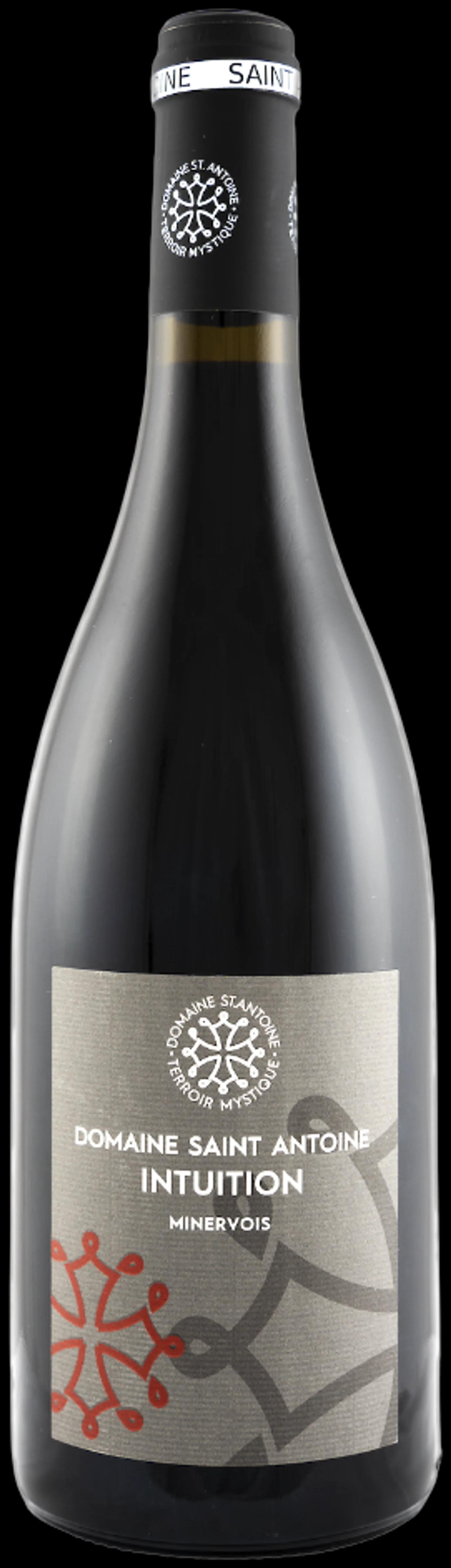
Syrah is native to France, but that does not mean French Syrah is one thing. In the northern Rhône Valley, Syrah grows on steep granite terraces where yields are low and the growing season is long. The result is a wine with high tannin, high acid, and a savory, iron-inflected character that takes years to open. In Languedoc-Roussillon, Syrah grows on flatter, warmer land alongside Grenache and Carignan. The style shifts: more fruit, softer tannins, earlier drinkability. Same grape, same country — the soil and altitude do the differentiating. Syrah in the northern Rhône is legally required to stand alone in appellations like Hermitage and Côte-Rôtie. In the south it is almost always blended. That structural difference shapes how producers work with the variety and what ends up in the bottle.
How French Syrah compares to Syrah grown elsewhere
French Syrah — particularly from the northern Rhône — is the reference point against which all other regions growing the grape are measured. Australian Shiraz, which is the same variety, typically shows riper dark fruit, higher alcohol, and less tannin grip, partly because of warmer growing temperatures and partly because of producer intention. Spanish Syrah, often grown in warm inland zones, sits closer to the Australian model than the French one. South African Syrah from cooler coastal sites has moved closer to a northern Rhône profile over the last two decades, with producers explicitly citing granite-grown French Syrah as a model. The difference is not arbitrary. At lower temperatures, Syrah preserves the peppery, olive-inflected compounds — specifically rotundone — that define the northern Rhône style. Above certain temperature thresholds, those compounds diminish and the profile shifts toward jam and chocolate. French producers in the Rhône working at altitude are, structurally, farming for those compounds. Producers on Free Grape Society working with French Syrah tend to be single-estate operations in the Rhône or in Languedoc, where Syrah is increasingly used to add structure to southern blends. You can also explore red wines from France more broadly, or look at Syrah as a variety across all countries.
How producers on Free Grape Society work with French Syrah
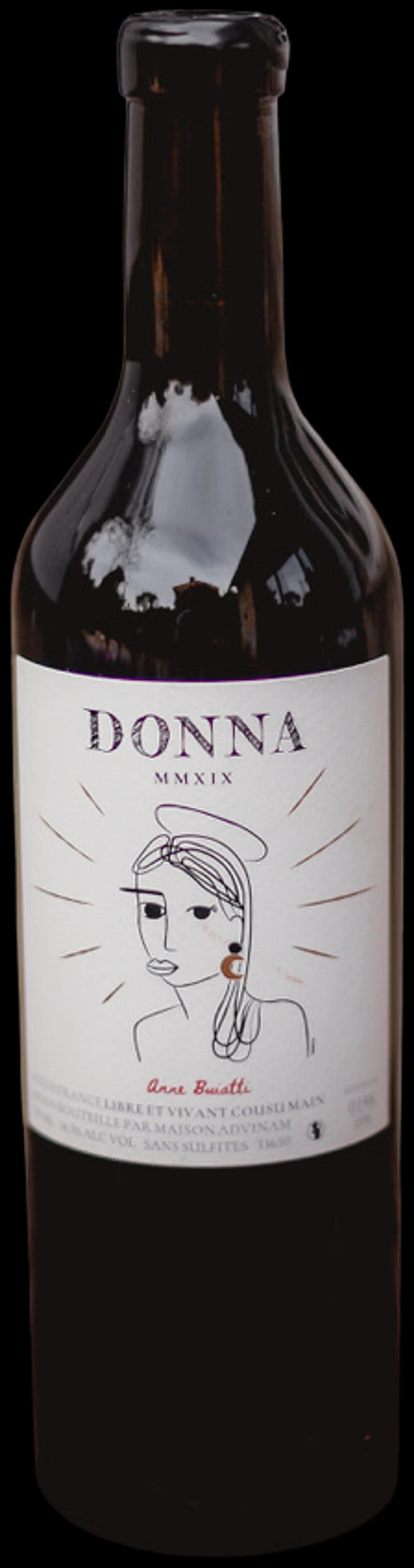
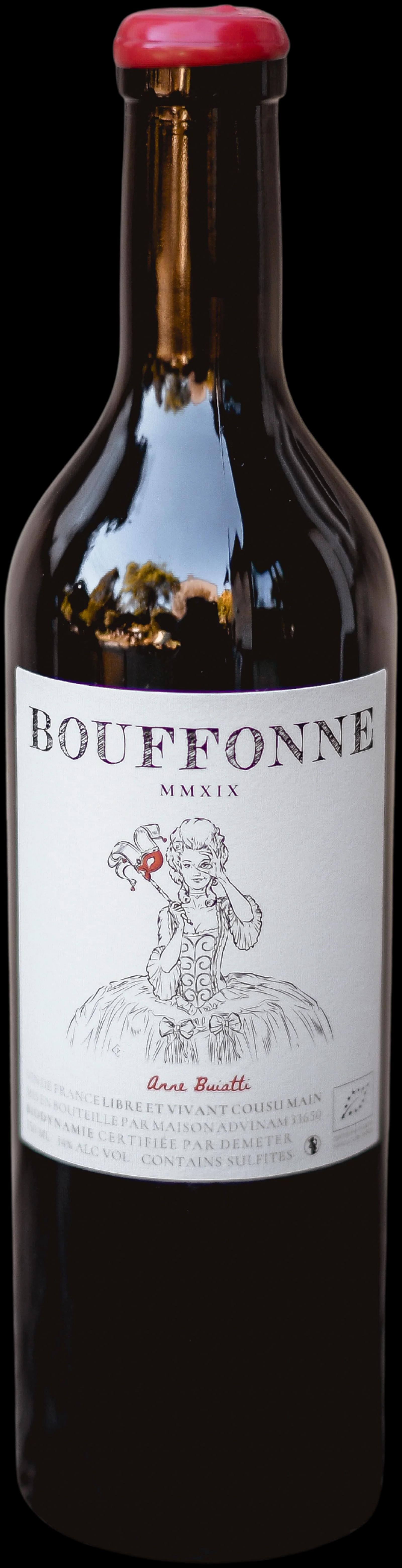
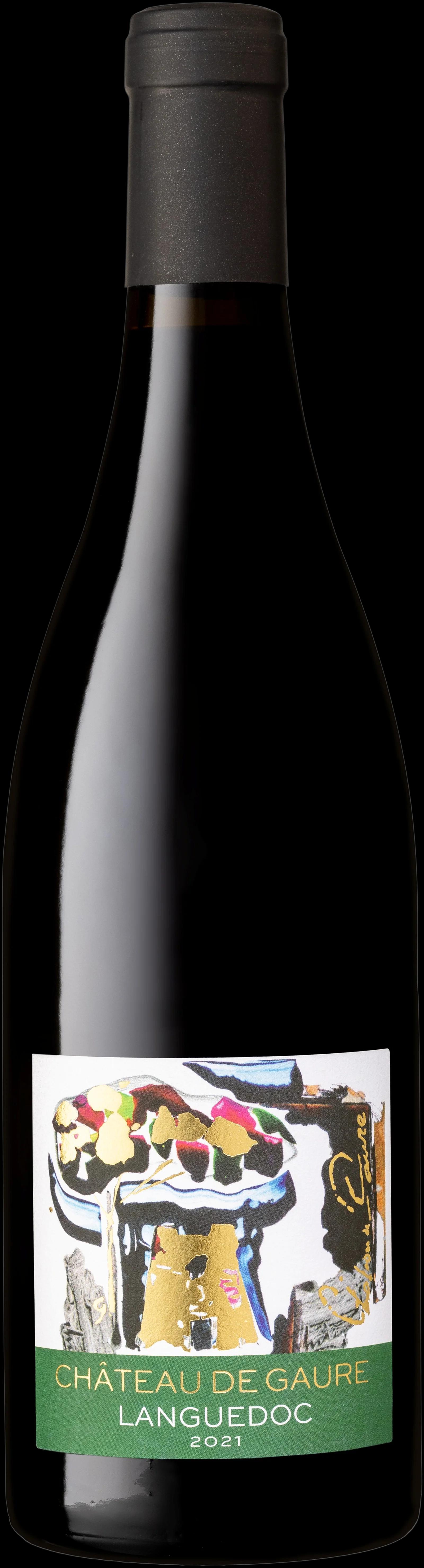
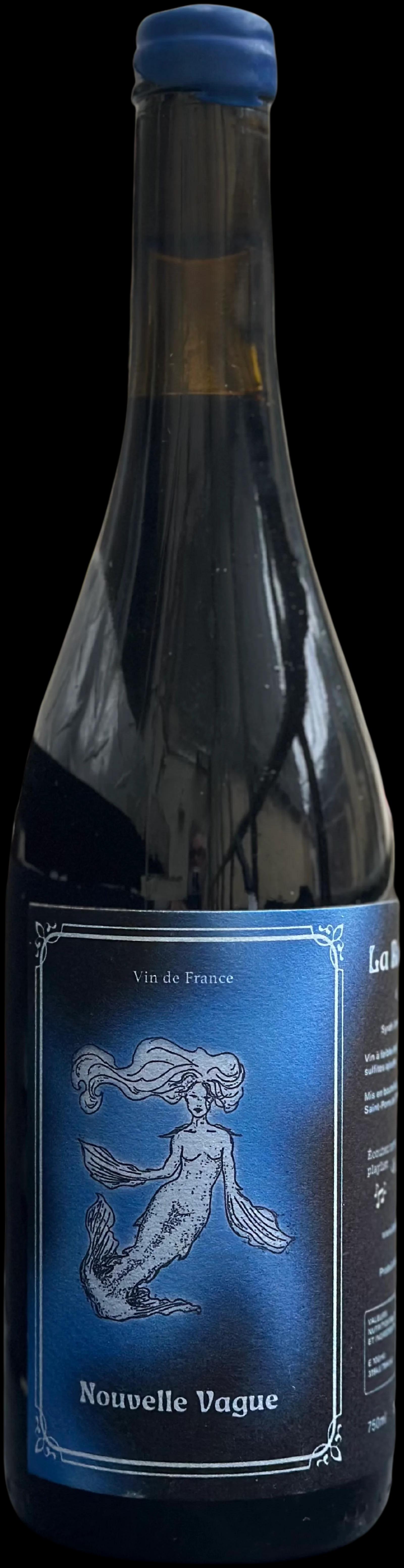
The producer sets the price. The expert chooses what to recommend. No importer, no wholesaler between them and you — bottles ship from the producer's cellar, not from a distribution warehouse. For a grape like Syrah, where cellar decisions matter as much as vineyard decisions, that directness is relevant. Northern Rhône Syrah is often whole-cluster fermented, which adds tannin structure and a woody spice character not present in de-stemmed versions. Some producers in Languedoc-Roussillon are now applying similar techniques to their Syrah-based blends, a shift visible in vintages from 2018 onward. Aging vessel is also a variable: large old oak foudres preserve fruit and acid better than new barrique, and many traditional Rhône producers use foudres for that reason. To compare within France's wine regions, or to look at what else grows alongside Syrah in the south, Grenache, Carignan, and Cinsault are the key blending partners. These are not the Syrah wines your supermarket carries. They are the ones your supermarket cannot carry because the producers do not produce enough to supply a chain.