Petit Verdot in France: where it grows and why it rarely stands alone
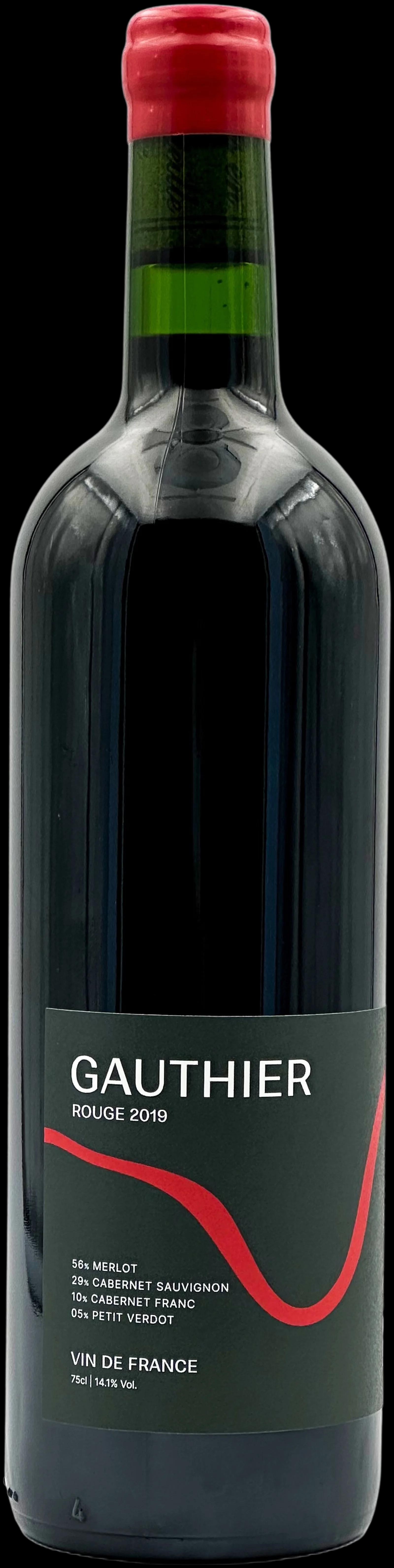
Petit Verdot is a late-ripening red variety that originated in Bordeaux and has spent most of its history as a blending component rather than a headline grape. The name translates roughly as "little green one" — a reference to the grape's tendency to remain underripe in cooler vintages, which historically made it unreliable as a standalone variety. In Bordeaux's left bank appellations, it is legally permitted but seldom exceeds 5% of any given blend. Its role is structural: it adds color depth, tannin grip, and violet-inflected aromatics that neither Cabernet Sauvignon nor Merlot delivers in the same way. What has changed in recent decades is climate. Warmer growing seasons in the Médoc and Graves mean Petit Verdot now reaches full phenolic ripeness more consistently than it did in the 1980s or 1990s. Some producers in Bordeaux have responded by increasing its proportion in blends; a smaller number have begun producing single-varietal bottlings. Outside Bordeaux, Languedoc-Roussillon has become a secondary home for the variety — warmer and drier conditions there mean ripeness is rarely the constraint it is further north. Producers who work with it in this region tend to produce fuller, rounder expressions with less of the tannic austerity associated with left-bank Bordeaux. These are not the wines your supermarket carries. They are the wines your supermarket cannot carry — made in volumes too small for national retail chains, by estates that set their own prices and choose their own distribution.
How French Petit Verdot compares to other French red grapes
The easiest comparison is with Cabernet Franc, which shares a Bordeaux origin and a similar role as a structural component in blends. The difference is in texture: Cabernet Franc tends toward finer tannins and higher aromatics, while Petit Verdot delivers more color saturation and a firmer, more extractive palate. In Bordeaux blends, the two perform different functions — Cabernet Franc contributes freshness and fragrance, Petit Verdot adds mass and depth. Against Syrah, which dominates the Rhône Valley and appears increasingly in Languedoc, Petit Verdot shares the violet and dark-fruit register but differs in structure. Syrah's tannins are generally silkier and its acid lower; Petit Verdot tends to be more angular and grip-forward, particularly from cooler vintages. Carignan and Grenache Noir, both common in southern France, represent the other pole: higher alcohol, rounder tannins, more red-fruit character. Petit Verdot in the same southern context produces a noticeably darker, denser wine. For producers working in Languedoc-Roussillon, blending Petit Verdot with Grenache Noir or Syrah is a way to introduce structure without sacrificing approachability. Producer decisions about blending percentages, extraction time, and oak use vary considerably — which is why single-estate Petit Verdot from France shows more variation than its limited volume might suggest. The producer sets the price. The independent wine expert chooses what to recommend. No intermediary decides what reaches the catalogue.
Styles of Petit Verdot from France
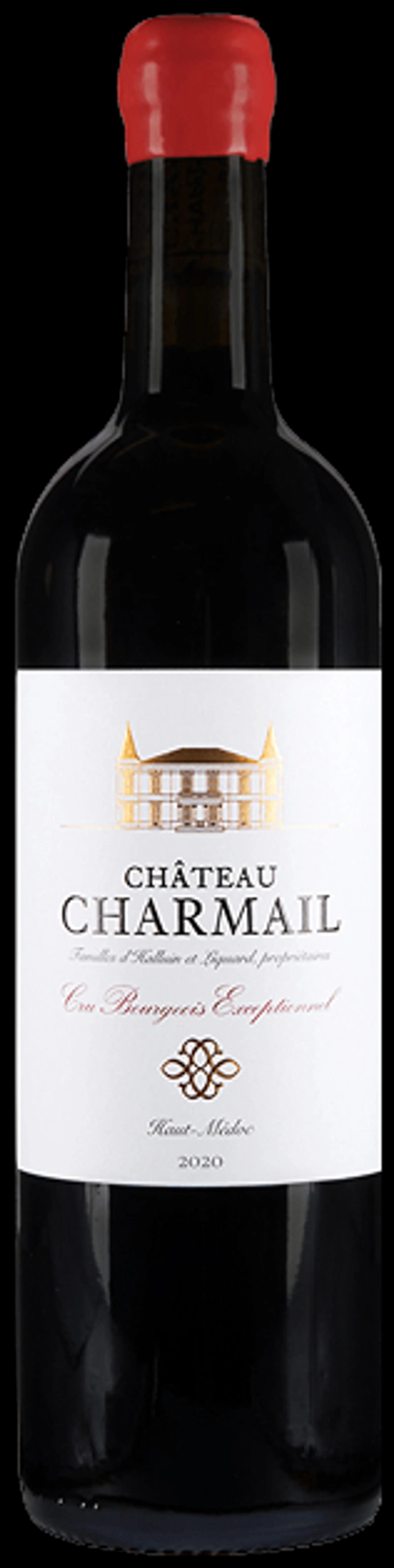
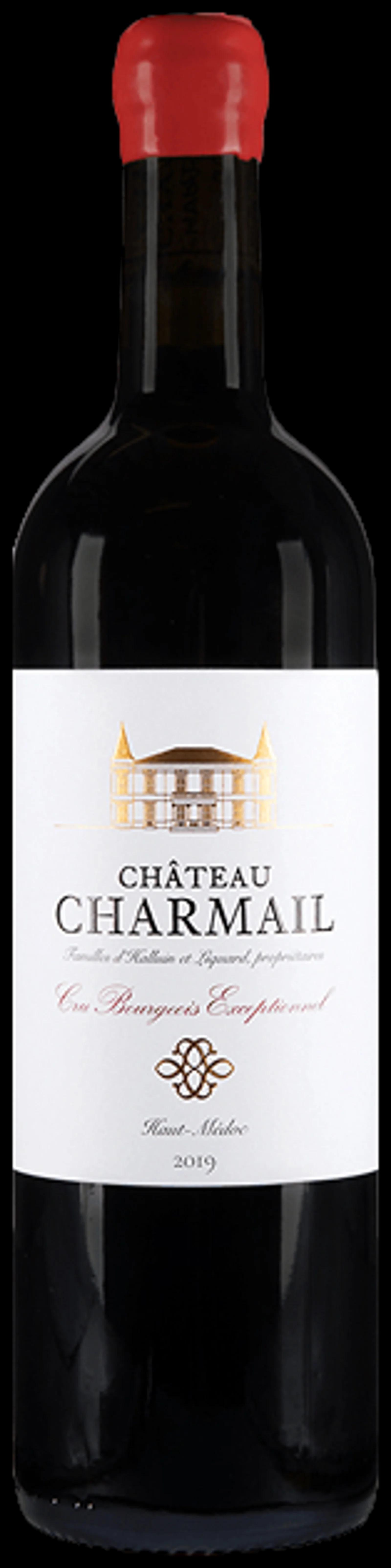
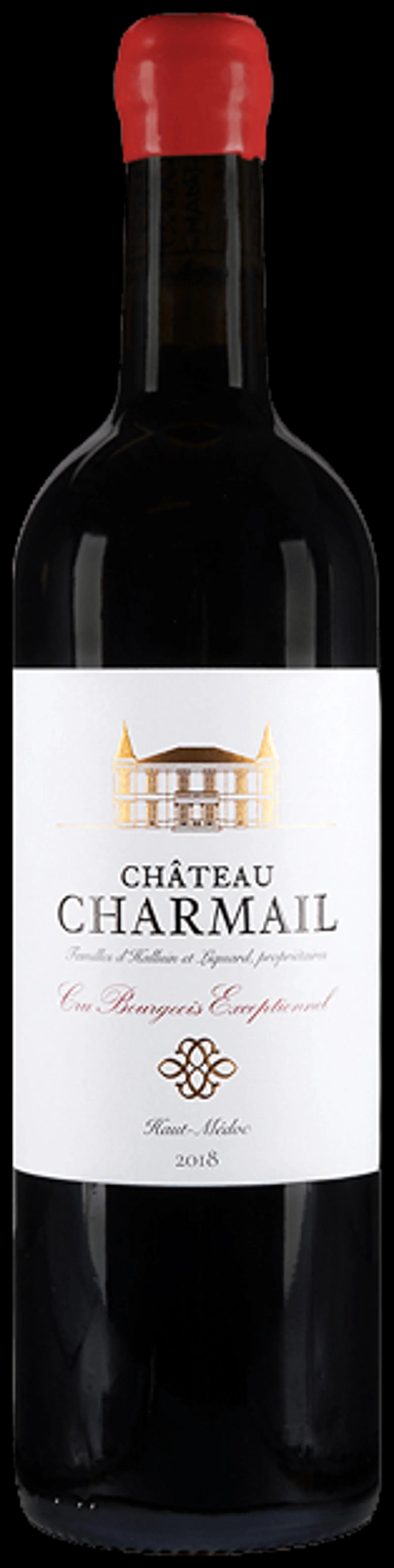
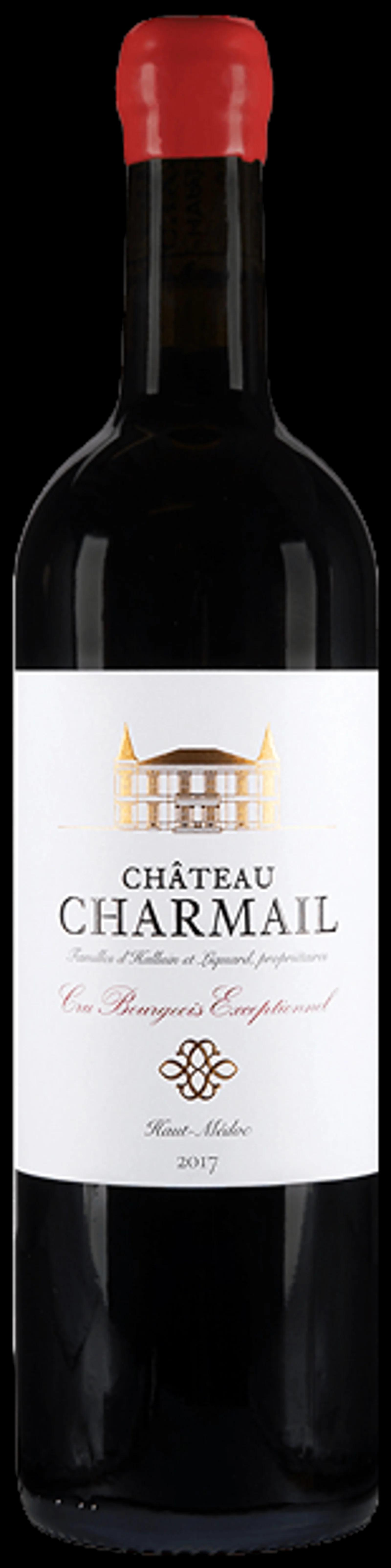
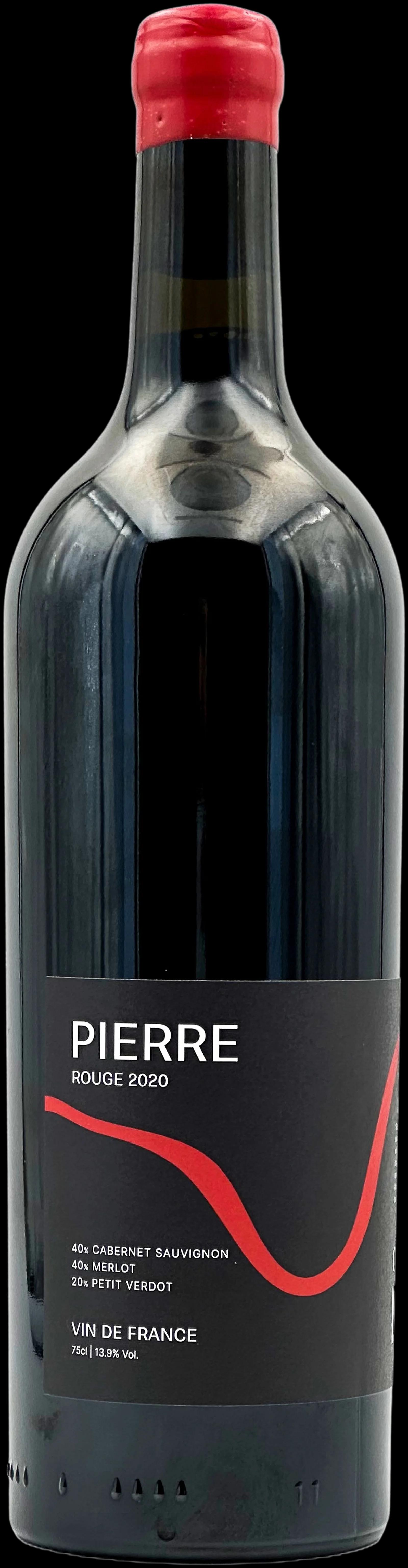
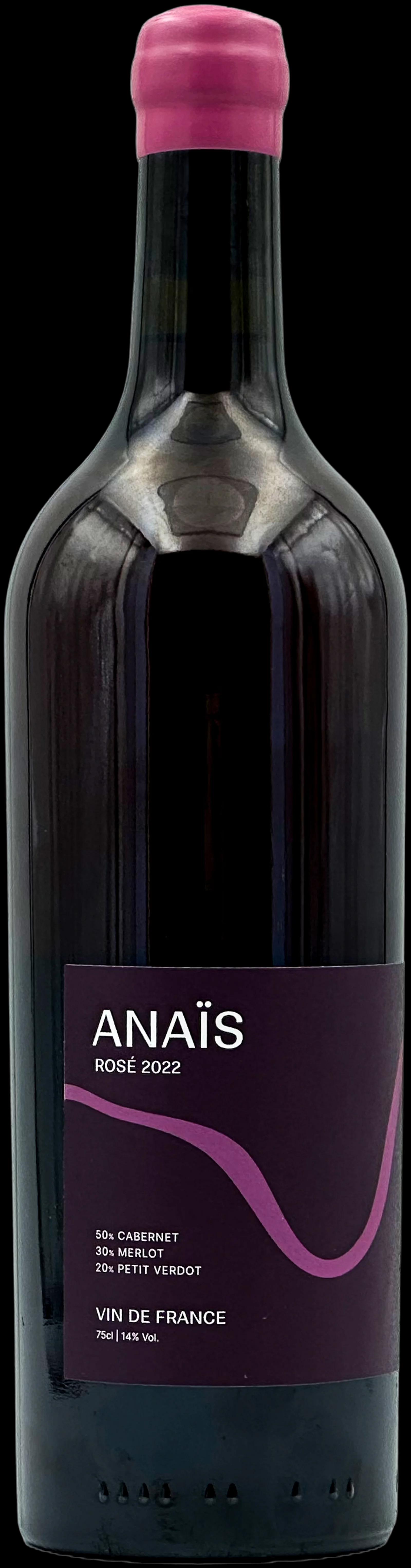
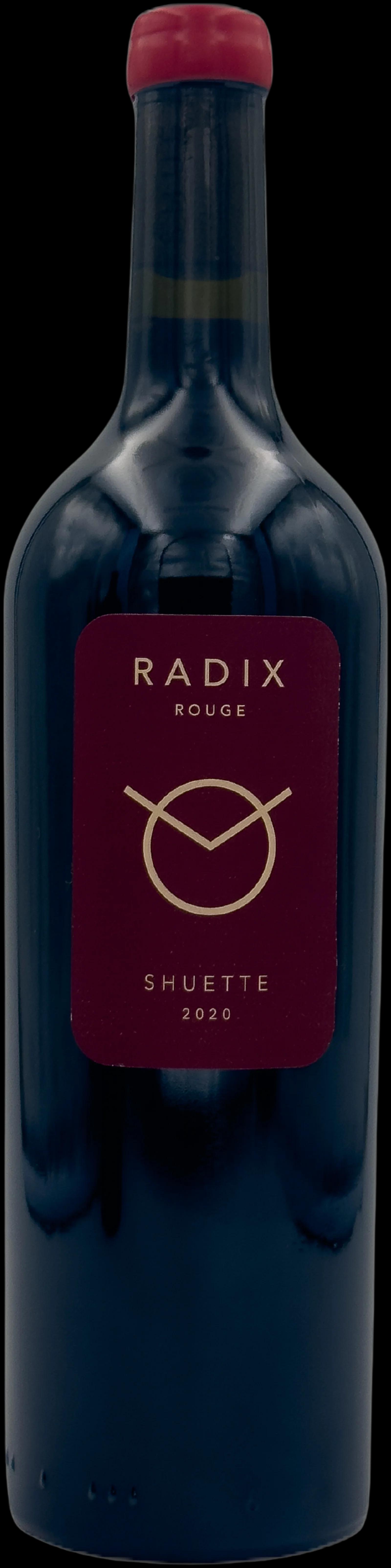
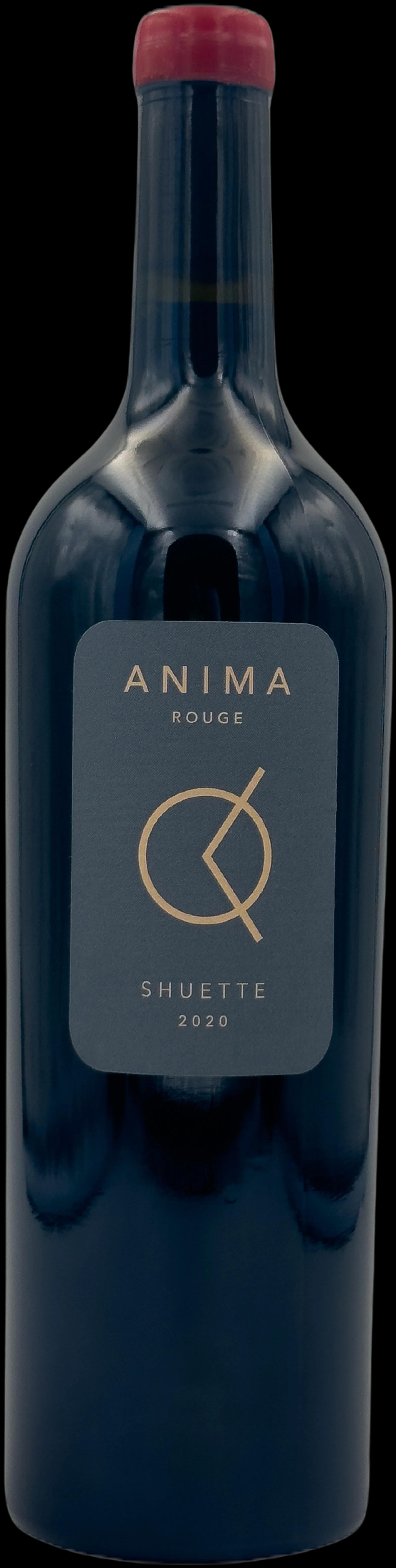
French Petit Verdot appears in three practical forms. The first is as a minority component in Bordeaux blends, where it is rarely labelled or identified on the front label. The second is as a declared varietal wine, most commonly from estates in Bordeaux or Languedoc-Roussillon who have enough acreage to produce a separate cuvée. The third is as a co-fermented or blended wine in the south of France, where it is combined with Grenache, Syrah, or Carignan and often sold under a regional designation rather than a varietal name. Style variation within French Petit Verdot is significant. Bordeaux expressions from cooler vintages retain high tannin and firm acidity, with aging potential over 10 or more years. Languedoc expressions from warm years are fuller in body, lower in acidity, and more approachable within three to five years of harvest. Oak treatment also differs: some producers use new French barrique for 18 months, others use older large-format wood to preserve fruit rather than add structure. Producers who work with Petit Verdot as a standalone variety in France tend to be smaller estates making deliberate choices about the grape — not blending it away because they have a surplus, but building a wine around what it specifically does. Those estates are the ones represented in this selection. Every wine listed here was tasted before going live on the platform. Independent wine experts rate and review individual wines. Bottles ship from the producer's cellar, not from a warehouse.