Where Sémillon comes from and how region shapes it
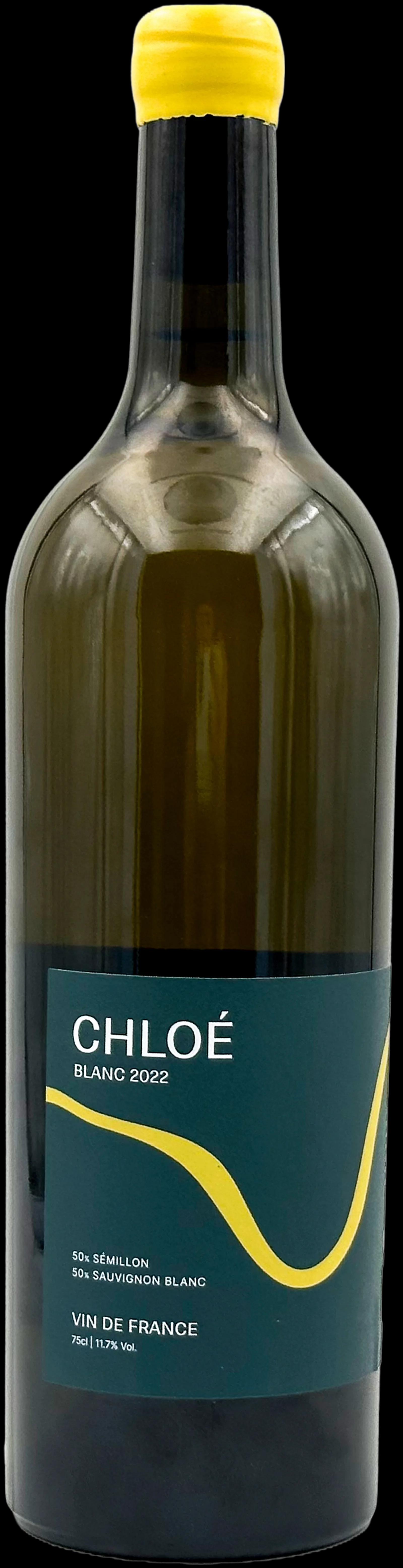
Sémillon is one of the world's great white grapes, and it behaves very differently depending on where it grows. Its heartland is Bordeaux, where it has been cultivated for centuries and where it forms the backbone of the wines of Sauternes and Pessac-Léognan. In Bordeaux it is almost always blended — most often with Sauvignon Blanc — because the two varieties complement each other precisely: Sémillon contributes body, texture and ageing potential, while Sauvignon Blanc adds freshness and aromatic lift. The grape's thin skin makes it susceptible to botrytis, the noble rot that concentrates sugars and acids in Sauternes and Barsac to produce some of the most long-lived sweet wines in the world. Beyond Bordeaux, Sémillon is grown in Southwest France, in parts of Languedoc-Roussillon, and across the Loire Valley, though always in smaller volumes. Its global reach extended through French emigration and colonial trade, and today it is a significant variety in Australia, South Africa and Chile, though those are outside the producers currently on Free Grape Society. Within Europe, the variety remains most closely associated with its French home, and the producers on this page draw primarily from that tradition.
How Sémillon tastes, and what to drink it with
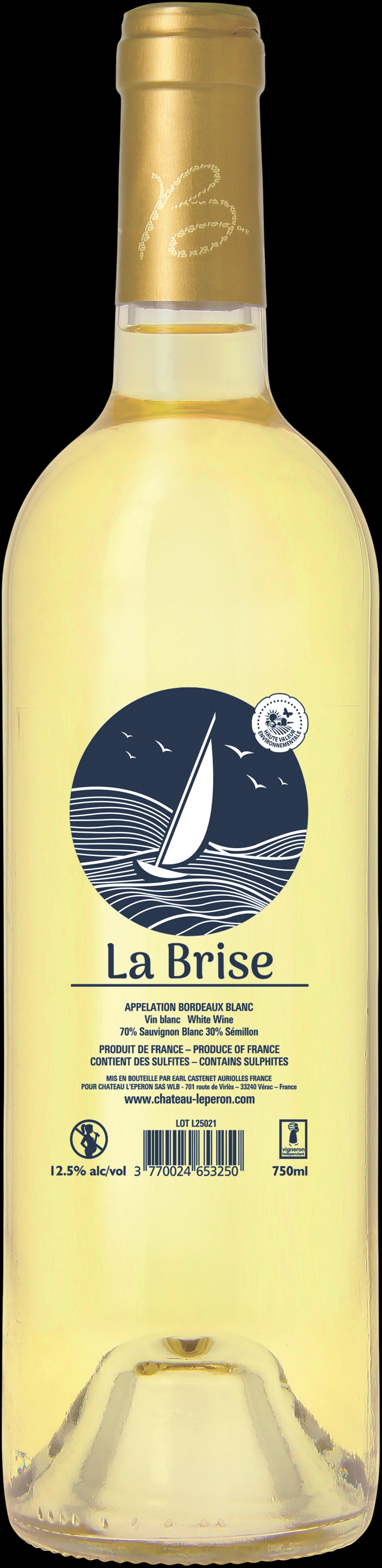
Young Sémillon has a relatively restrained aromatic profile — green apple, lemon curd, lanolin and a faint waxy quality that is unlike almost any other white grape. What makes it unusual is how it develops with age: the same waxy texture that seems subdued at two years old becomes rich, honeyed and complex at ten, even in dry wines. This makes it one of the few white varieties that actively rewards cellaring, and producers who make it as a single variety often note that it is best left alone for a few years before opening. In its dry form, Sémillon pairs naturally with fish, white-fleshed poultry and dishes built on butter or cream sauces — the texture of the wine mirrors the richness of the food without overwhelming it. It also works well alongside aged hard cheeses, where the waxy, slightly oxidative quality of a mature bottle plays off the salt and crystalline texture of a good Comté or aged sheep's cheese. In its sweet form, the classic match is foie gras, but the acidity that runs through even the richest Sauternes-style wines makes them a better partner for blue cheeses than many people expect. If you are new to the grape, a good starting point is a dry Bordeaux-style blend where Sémillon is the dominant variety — you will find examples among the white wines from France and on the Bordeaux wines page.
Buying Sémillon direct from independent producers
Sémillon is not a grape you find easily in supermarkets or at large-format retailers. Because it is most commonly blended and because its dry single-variety expressions have a smaller commercial profile than varieties like Chardonnay or Sauvignon Blanc, it tends to be made by producers who are genuinely attached to the variety rather than those following commercial demand. That makes independent producers the natural place to look for it. On Free Grape Society, producers ship directly from their own cellar to your door, with no importer, agent or warehouse involved. The wines tasted before listing are assessed by the platform's Head of Product, and independent wine experts add their own reviews as they work through the range. Because the variety rewards patience, it is also worth considering a mixbox from France or from Bordeaux if you want to try a few bottles side by side from the same estate across different vintages or blends — producers often compose these as the selection they would recommend if you visited the cellar. Free Grape Society is a society of producers, independent experts and wine lovers, not a shop, and the Sémillon producers here are part of that same network — present because they make wines worth knowing, not because of their size or distribution reach.