Where Müller-Thurgau comes from and what shaped it
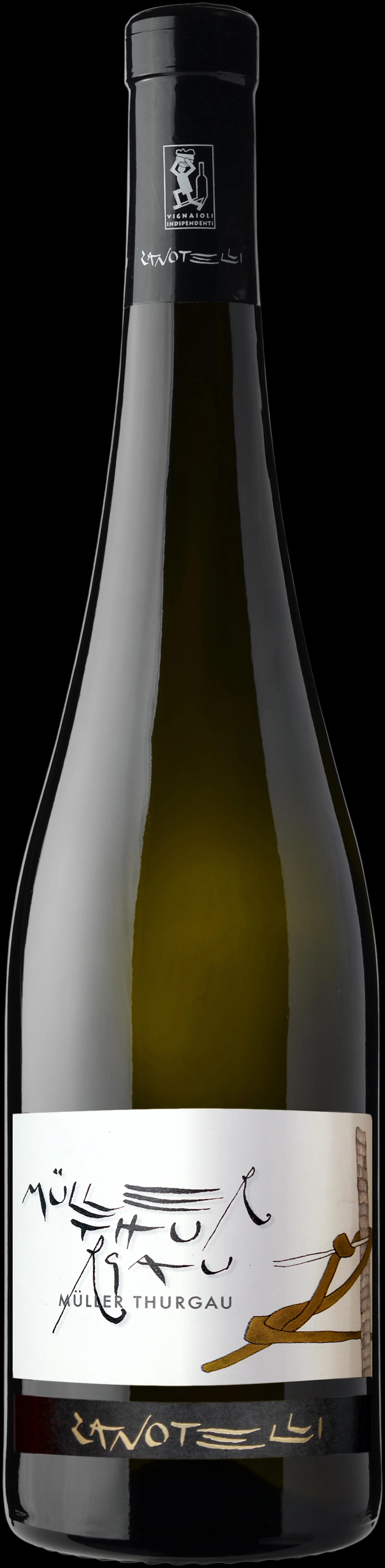
Müller-Thurgau was bred in 1882 by Hermann Müller, a Swiss botanist working at the viticultural research station in Geisenheim, Germany. For most of the twentieth century it was assumed to be a cross of Riesling and Silvaner, but DNA analysis has since shown it is actually a crossing of Riesling with Madeleine Royale, an obscure table grape. The variety ripens early, tolerates cooler sites, and produces reliably large crops, which made it the most widely planted grape in Germany for several decades after the Second World War. It has since given ground to Riesling and other varieties as quality-focused growers reduced yields, but it remains significant in Germany's Rheingau, Mosel, and Pfalz, as well as in Austria, Luxembourg, the Czech Republic's Moravia region, and northern Italy's Trentino-South Tyrol. In Italy the grape is often called Rivaner, a name it also carries in Luxembourg and occasionally in Germany. The variety is sometimes underestimated because of its association with high-volume, neutral wine production in the mid-twentieth century, but in the hands of producers who limit yields and pick at the right moment, it produces wines with genuine aromatic interest and a clean, refreshing structure.
How Müller-Thurgau tastes and what to drink it with
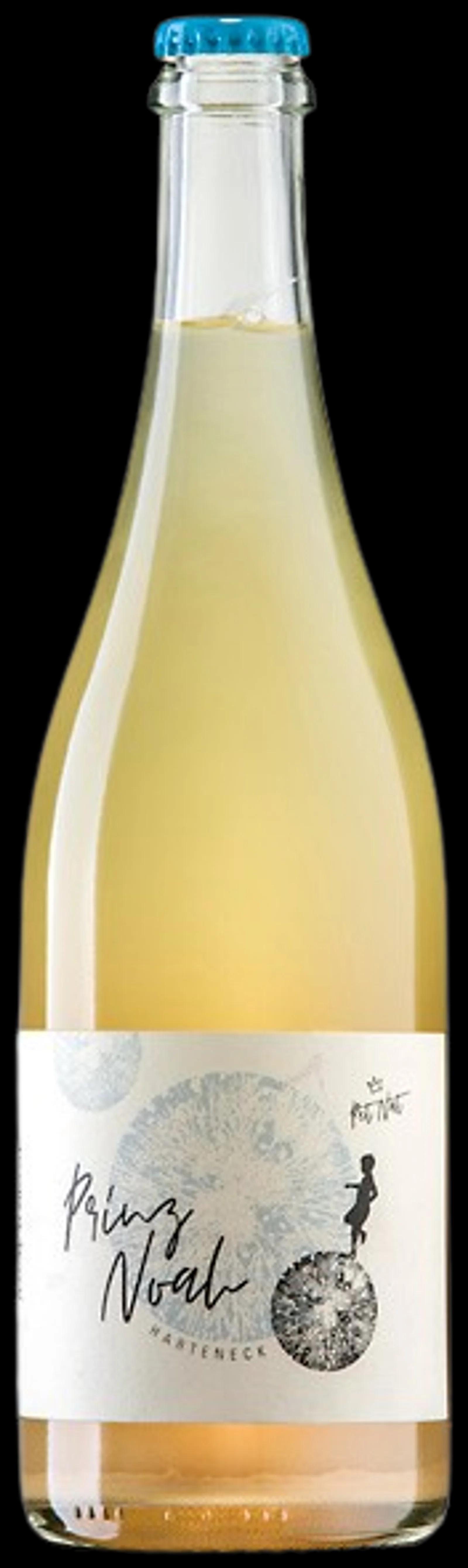
Müller-Thurgau is a light- to medium-bodied white grape with naturally low acidity and relatively low alcohol when harvested before full ripeness. The aromatic profile is gentle rather than intense: floral notes, fresh green apple, pear, a faint musky quality, and sometimes a soft herbal edge. In warmer years or on more sheltered sites, it can add a touch of stone fruit. Because it is not a high-acid variety, it suits food that does not need a sharp counterpoint. It works well alongside mild fish dishes, fresh goat's cheese, lightly spiced vegetable cooking, and simple pasta with cream or butter sauces. It is also a natural companion to the kind of dishes you might pair with a light Silvaner or a gentle Welschriesling. The wines are generally best drunk young, while the fruit is fresh, though producers working with low yields and good sites sometimes make wines that hold for a few years. Sparkling versions exist in both Germany and Friuli Venezia Giulia and tend to emphasise the variety's floral, delicate side.
Buying Müller-Thurgau direct from independent producers
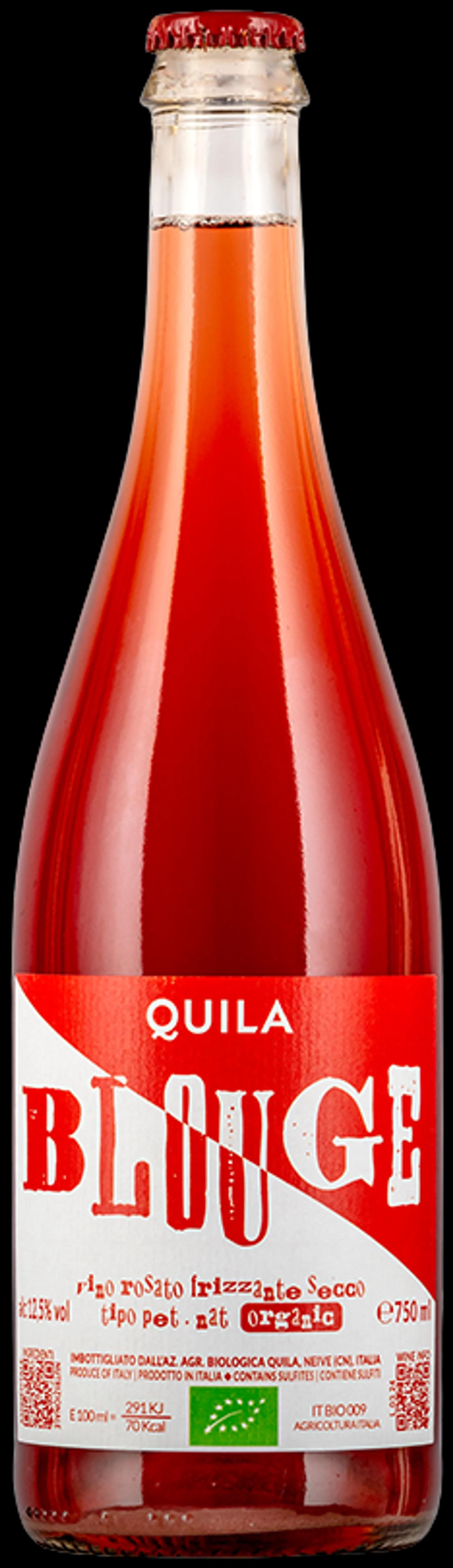
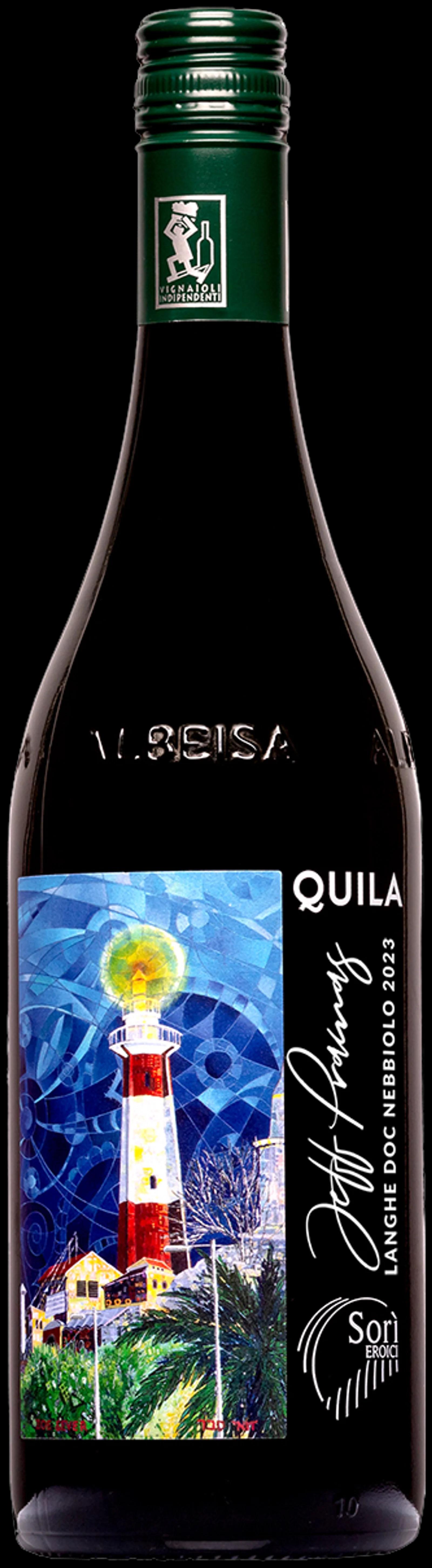
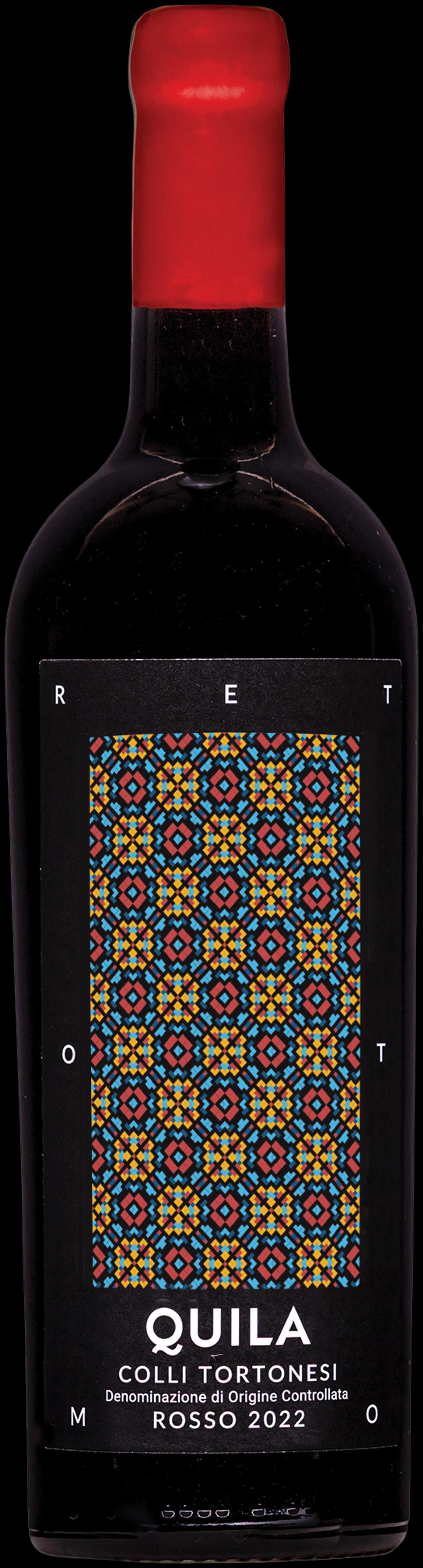
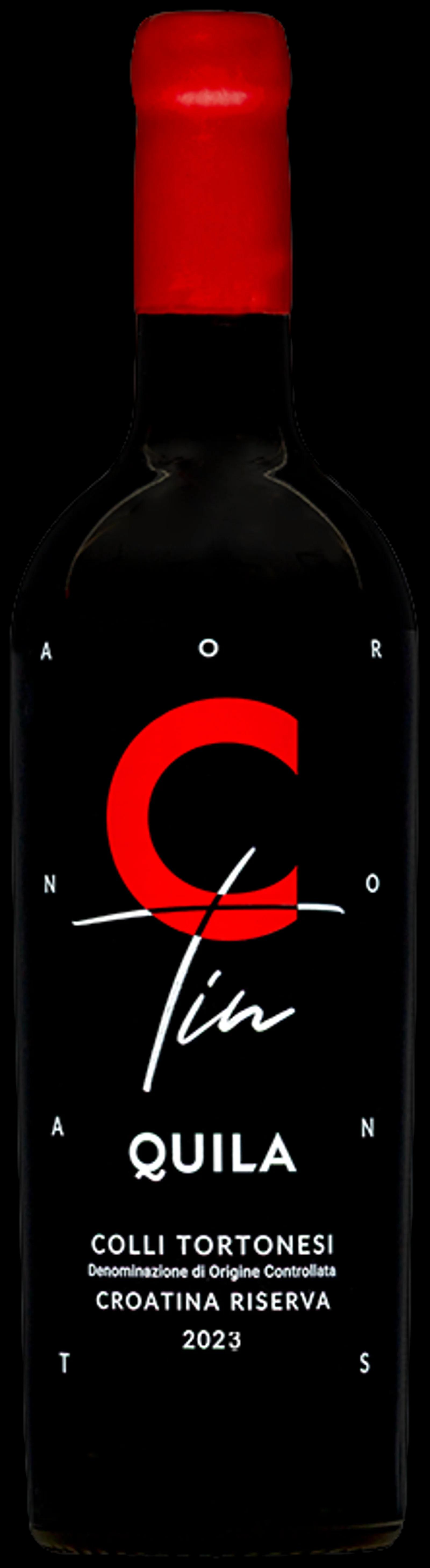
Müller-Thurgau is one of those grapes where the difference between a large-volume, anonymously produced wine and one made by an independent grower who takes it seriously is especially noticeable. The producers on Free Grape Society who work with this variety are the latter kind: estates in Germany, Austria, Luxembourg's Moselle, Moravia, and northern Italy who grow it as part of a considered range rather than as a bulk filler. On Free Grape Society, wines are tasted before listing, and each bottle ships directly from the producer's own cellar, with no importer or warehouse handling it along the way. If you want to explore the grape across regions, the Austria and Germany pages are a natural starting point alongside this one. Free Grape Society is a society of producers, independent experts and wine lovers — not a shop — and Müller-Thurgau is a good example of a grape that rewards looking past the label to the person who made it.