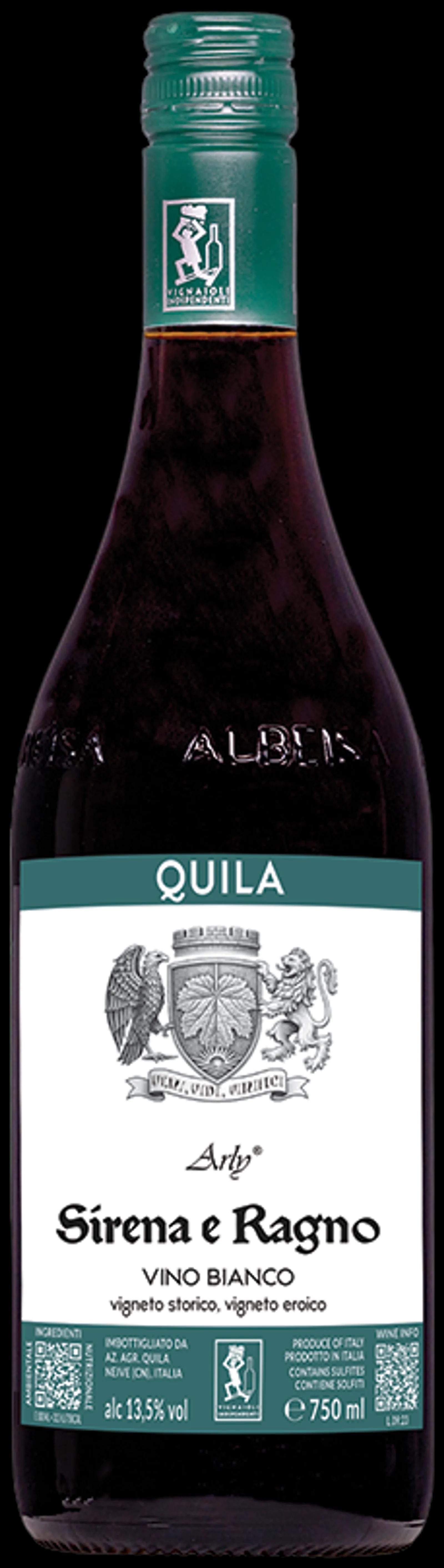
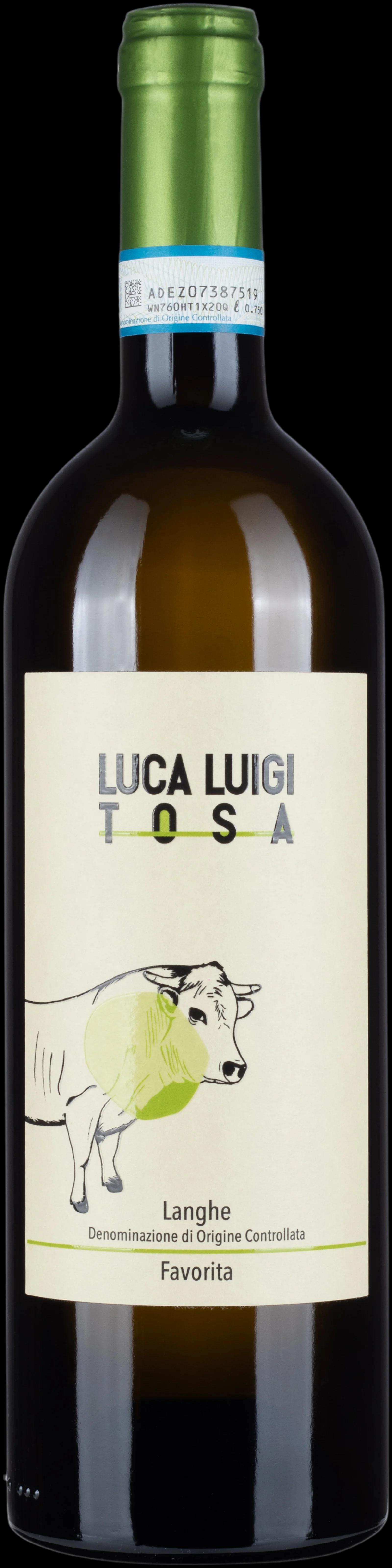
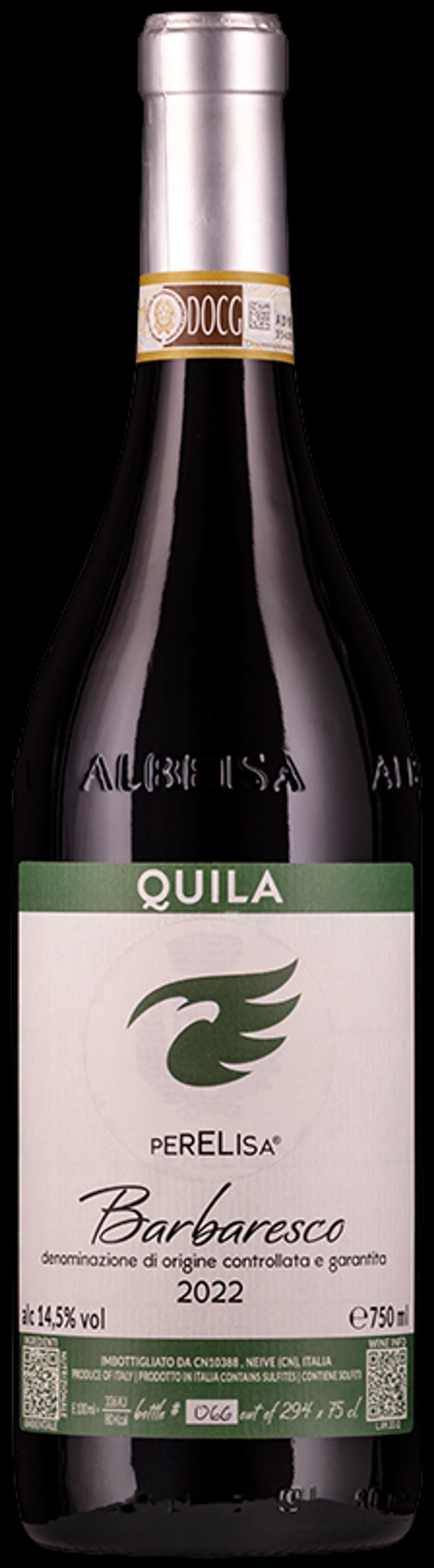
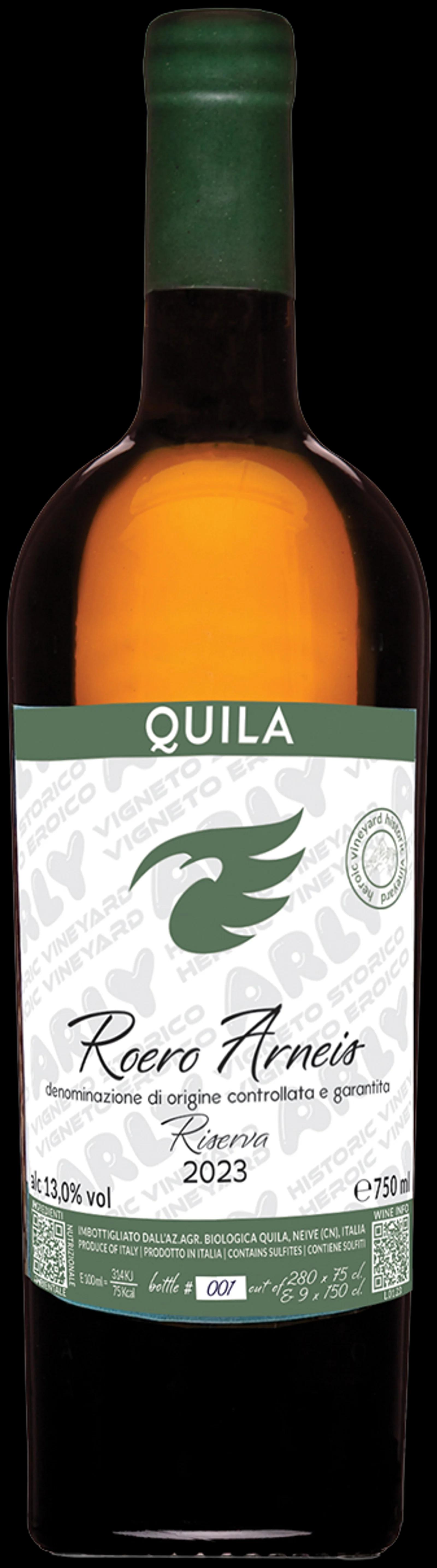
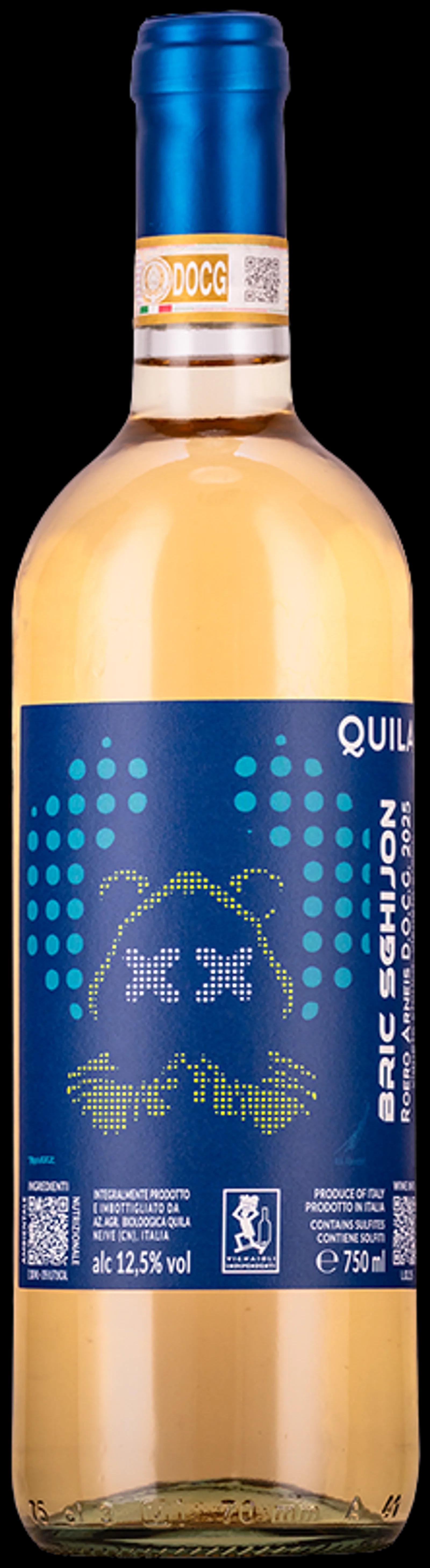
Favorita: the crisp white grape of Piedmont's alpine foothills

Favorita wine is a dry white made almost exclusively in Piedmont, where the grape produces bright, floral bottles with a lean acidity suited to the local table. The producers below grow it in the hills around Asti and Alba, where it has been cultivated for centuries.

Light, dry, and aromatic — a variety that thrives where the Langhe meets cooler air.

Color

Dropdown arrow

Type

Dropdown arrow

Country

Dropdown arrow

Region

Dropdown arrow

Grape

Dropdown arrow

Pairing

Dropdown arrow

Sort by

Sort arrow
Favorita

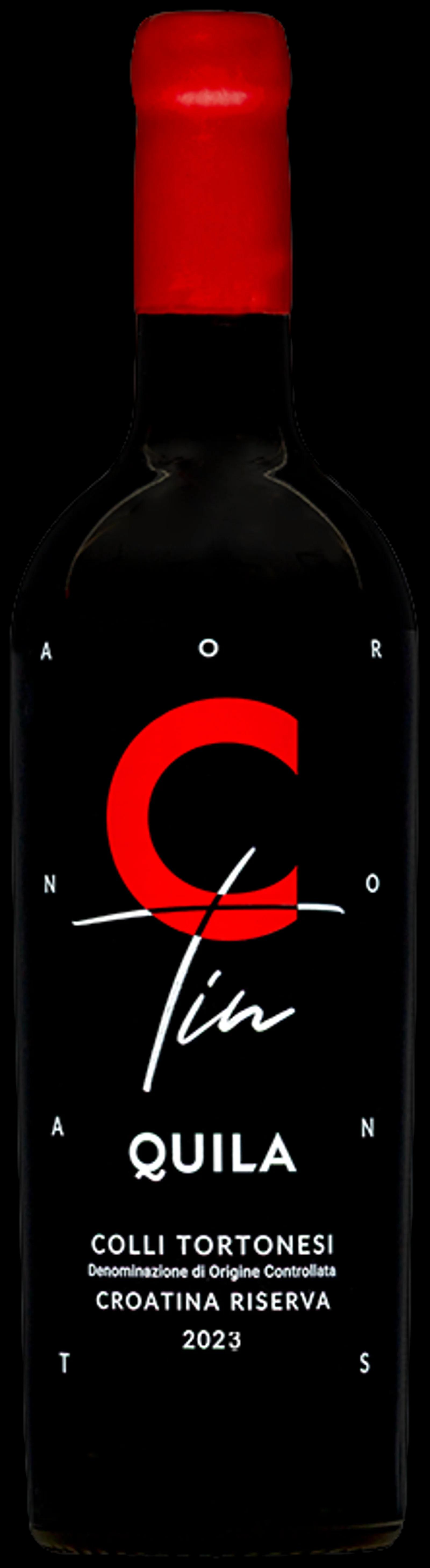
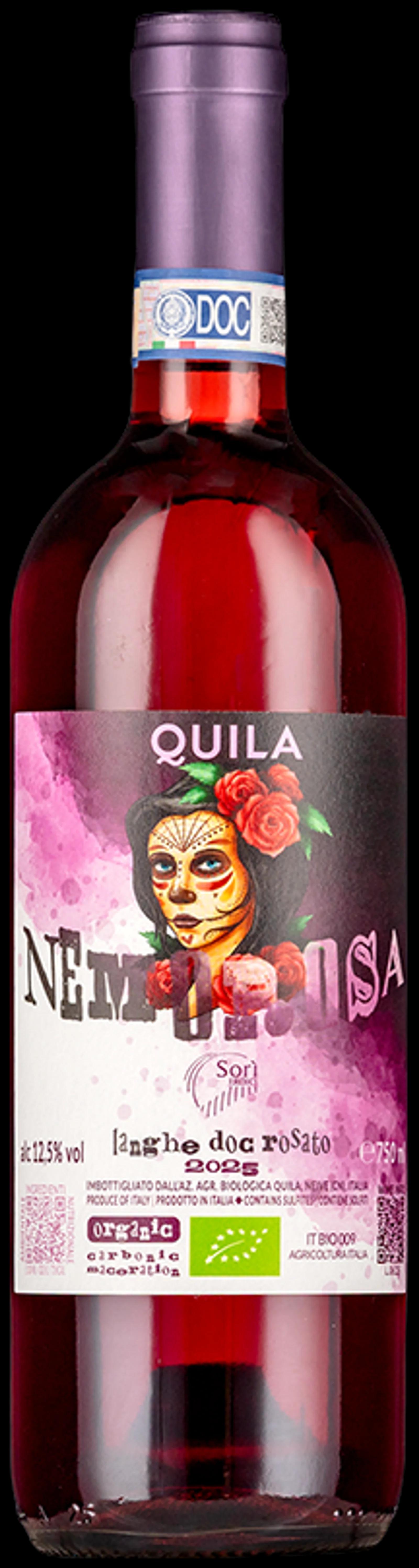
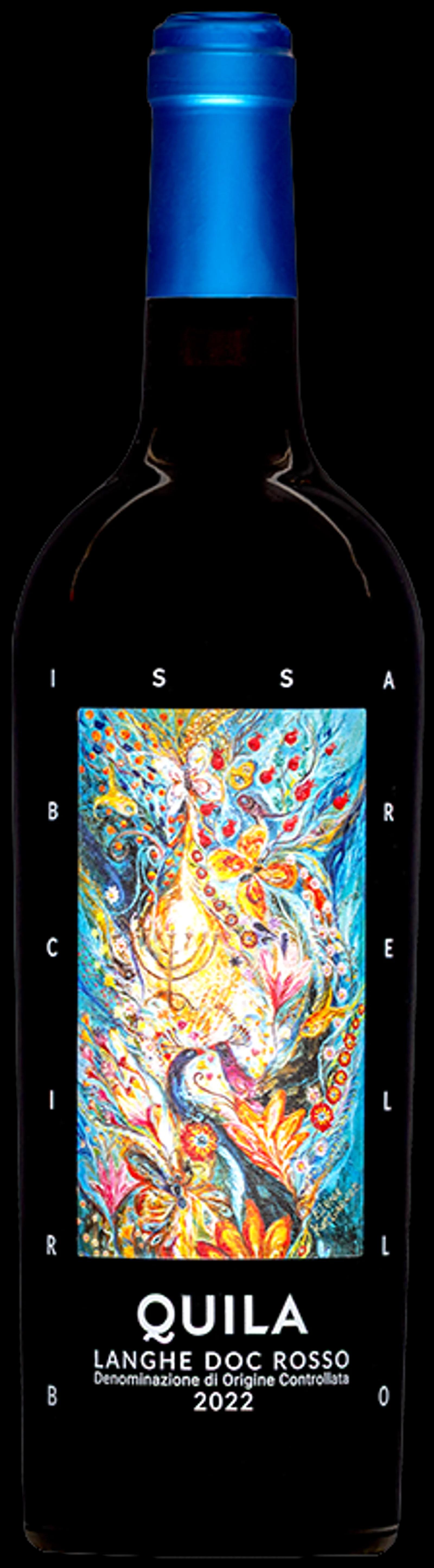
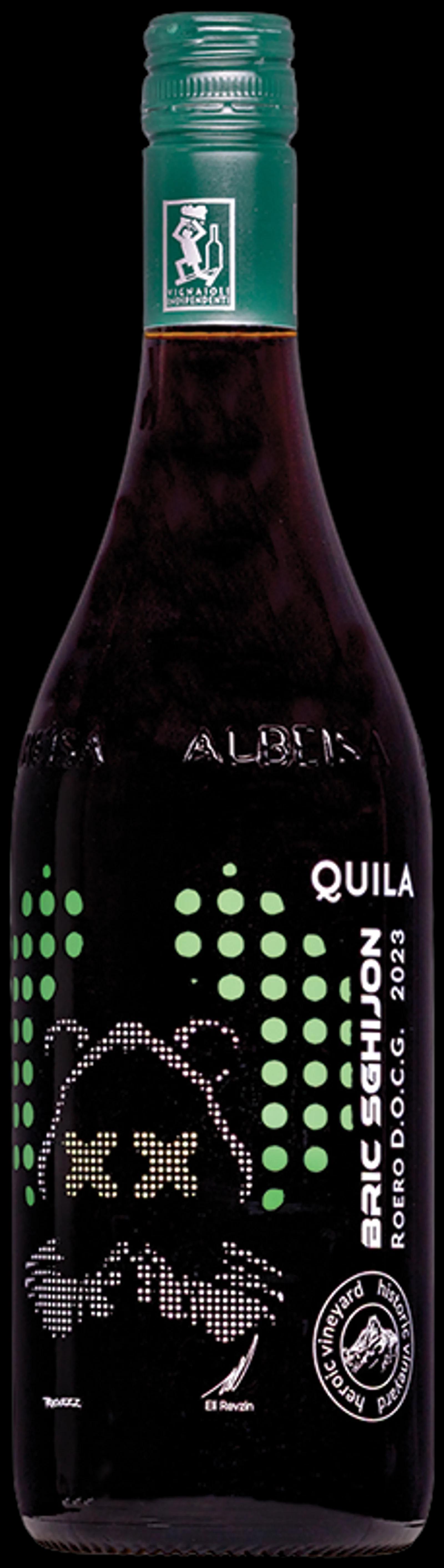
Favorita wines

Favorita is rarely found outside Piedmont, which makes it one of the more quietly regional grapes on the platform. It is genetically identical to Vermentino — the same variety grown along the Ligurian coast and in Sardinia — but in Piedmont it takes a different shape: lower alcohol, higher acidity, and a more restrained aromatic profile. Each bottle here is shipped directly from the producer's own cellar, with no importer or warehouse between the winery and your door.

Previous1 of 1Next

Favorita wine cases

A producer's own selection of six bottles tends to show a variety like Favorita in its full context: alongside the reds and other whites the estate makes, at the price point the producer sets themselves. Because Favorita is grown alongside Barbera, Dolcetto, and Nebbiolo on most estates, a mixbox is often the most practical way to taste it as part of a Piedmontese producer's full range. Free Grape Society is a society of producers, independent experts, and wine lovers — not a shop.

View all mixboxes

Wineries

Most of the estates below are small family operations in the Langhe or Monferrato hills, where Favorita occupies a modest share of the vineyard alongside the region's more famous red varieties. The wine-advice service is there if you would like a recommendation before choosing — a useful shortcut when a grape is this unfamiliar.

View all wineries

Wine experts

Independent wine experts review wines they have personally tasted, and their notes appear on each wine page and on the expert's own profile. Several of the experts below have reviewed Favorita wines from the producers on this page, so you can read what they found before deciding.

View all wine experts

Frequently asked questions

How do I order Favorita wine on Free Grape Society?

Browse the wines above, add bottles to your basket, and check out. Each bottle ships directly from the producer's cellar in Piedmont. Orders typically arrive in 4–14 days. Free shipping applies, and you pay securely by card or Klarna.

What happens if a bottle arrives broken or doesn't taste right?

Send a photo to Free Grape Society customer support within 7 days of delivery. We will arrange a replacement or a refund. Because producers ship directly, quality issues are handled with the producer's direct involvement. Shared responsibility is built into how FGS works.

Can I order Favorita from more than one producer in the same order?

Yes. You can add wines from different producers to the same basket. Each producer ships their own bottles separately, so you may receive more than one delivery. Shipping is free regardless of how many producers are included in your order.

How long does delivery take?

Average delivery is 8 to 9 days from order to door. The full range is 4 to 14 days depending on the producer's location and your delivery address. Wines ship directly from the producer's cellar, not from a central warehouse.

How do I choose between different Favorita wines?

Favorita is fairly consistent in style — dry, light-bodied, and aromatic — so the main differences come from the producer and the vintage. Reading the producer's own notes is the most reliable guide. If you are unsure, the wine-advice service connects you with an independent expert who can help you choose.

How many producers on Free Grape Society grow Favorita?

Favorita is a niche grape, and the number of producers varies as new estates join the platform. The wines listed above show what is currently available. Because most Piedmontese estates grow it alongside their reds, it tends to appear as one wine in a broader producer range rather than a standalone focus.

Which Favorita wine expert can recommend something for me?

The independent wine experts listed on this page have tasted and reviewed wines from Piedmont, including Favorita. Browse their profiles to find an expert whose palate matches yours, then use the contact form on their profile page to ask a question — free of charge, with no obligation to buy.

Why don't you sell supermarket-brand Favorita wines?

Free Grape Society lists wines directly from the producers who grow and bottle them. Supermarket-branded wines are typically produced at scale by large négociants and sold through distribution chains that sit between the producer and the buyer. That is the model Free Grape Society is built to work around.

Can I find Favorita in a normal wine shop?

Rarely outside Italy. Favorita has a small production footprint even within Piedmont, and most of what is made is consumed locally or exported in modest quantities. Specialist Italian wine importers may carry a bottle occasionally, but independent estates selling direct is the most reliable way to find it outside the region.

Where Favorita comes from and what makes it Piedmontese

Favorita is a white grape native to Piedmont in northwest Italy, grown primarily in the Langhe and Roero zones on the left bank of the Tanaro river. It is believed to be genetically identical to Vermentino, the variety found along the Ligurian coast and in Sardinia, though centuries of cultivation in the Piedmontese hills have shaped a local character that growers treat as distinct. The grape ripens relatively early and does well on the sandy, calcareous soils of the Roero, where it tends to produce wines that are light-bodied, dry, and noticeably aromatic. Because Piedmont is so closely associated with its red varieties — Nebbiolo, Barbera, Dolcetto — Favorita occupies a quieter corner of the region's identity, which is part of what makes it interesting to seek out. Producers who grow it tend to do so because they value it on its own terms, not because it commands the prices of a Nebbiolo or a Barbera. You will find it listed under the Langhe Favorita DOC, occasionally as a varietal Roero white, and sometimes blended into broader Piedmont whites.

How Favorita tastes, and what to drink it with

Wines made from Favorita are typically pale straw in colour, with pronounced floral and citrus aromas — think white flowers, peach skin, and a faint almond note that is characteristic of many Piedmontese whites. The palate is dry, with moderate acidity and a light to medium body; it does not have the texture of a barrel-fermented Chardonnay or the weight of a Viognier, but that is precisely the point. It is a wine made for the table rather than for solo drinking. In Piedmont it traditionally partners the local antipasto culture — salumi, fresh cheeses, anchovy-dressed vegetables — and it works well with fish, shellfish, and lighter pasta dishes. Its low tannin and moderate alcohol make it a practical choice when you want a white that does not compete with delicate flavours. If you are exploring the breadth of Italian white grapes beyond Pinot Grigio and Vermentino, Favorita is a useful and often surprising step sideways.

Buying Favorita direct from independent producers in Piedmont

Because Favorita is a niche variety even within Piedmont, it rarely reaches specialist retailers outside Italy, let alone supermarket shelves. Most of the bottles that exist are made in small quantities by family estates that also grow Nebbiolo for Barolo or Barbaresco, with Favorita filling a practical role as the house white. That distribution reality is one reason buying directly from the producer makes particular sense here. On Free Grape Society, producers ship directly from their own cellar, with no importer or warehouse in between, which means a Favorita that would otherwise never leave the Langhe can reach you at the same price the winery charges at the cellar door. The Piedmont wineries page gives you a view of the independent estates working in the region, and the Piedmont wines page shows what they make across all varieties. Free Grape Society is a society of producers, independent experts and wine lovers, not a shop — joining means access to wines that the conventional import and distribution system simply does not carry.