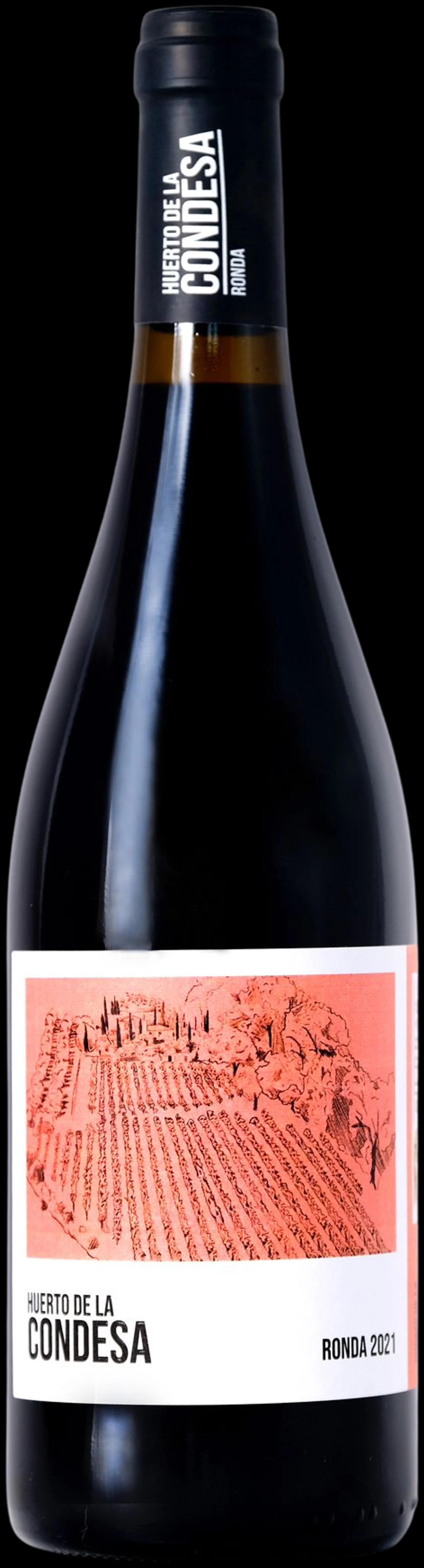
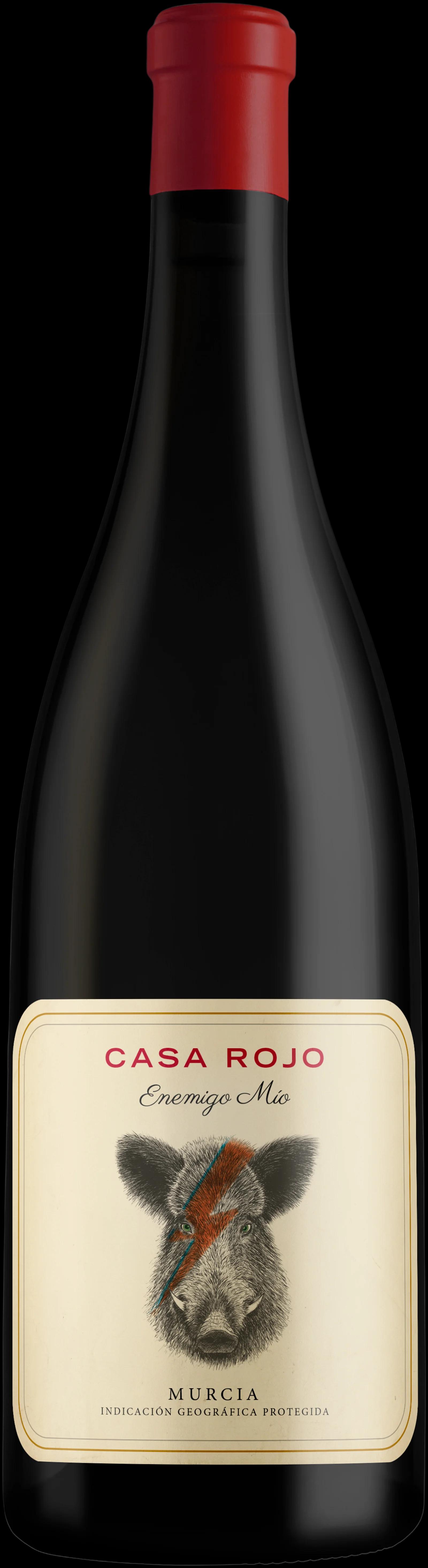
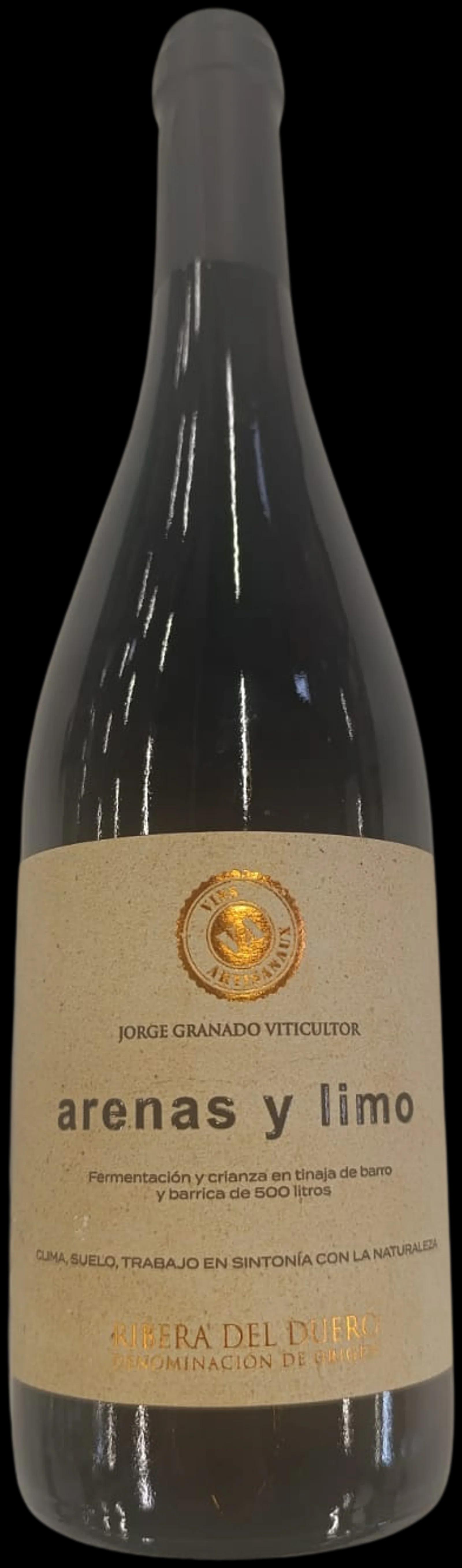
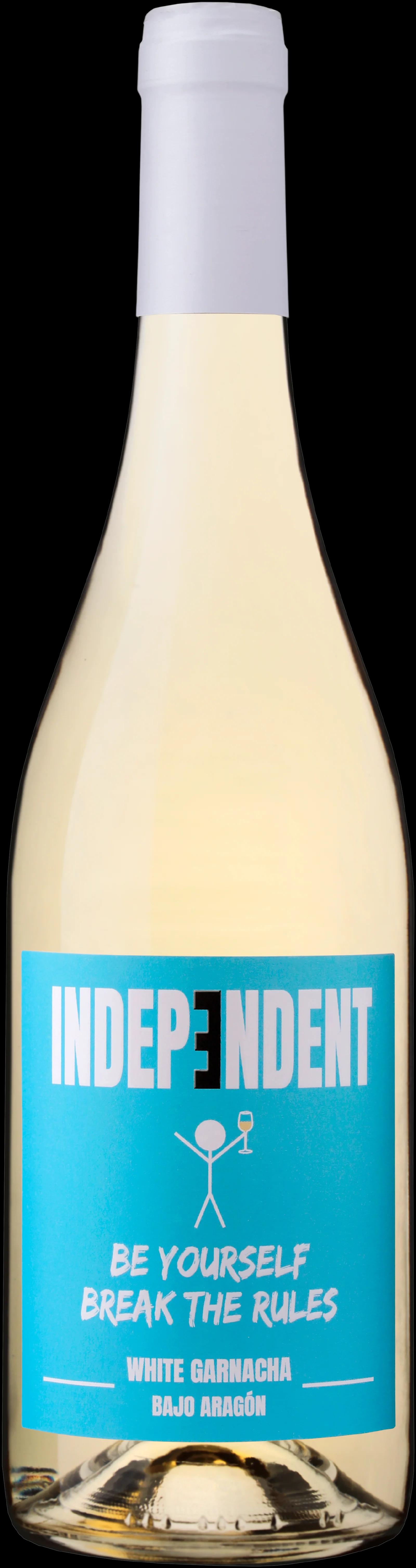
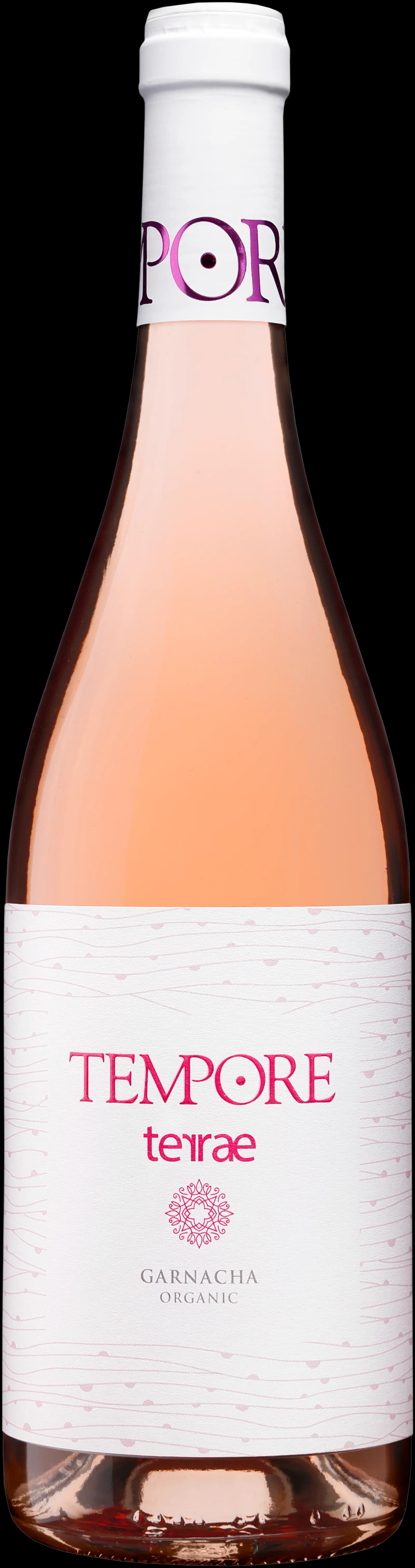
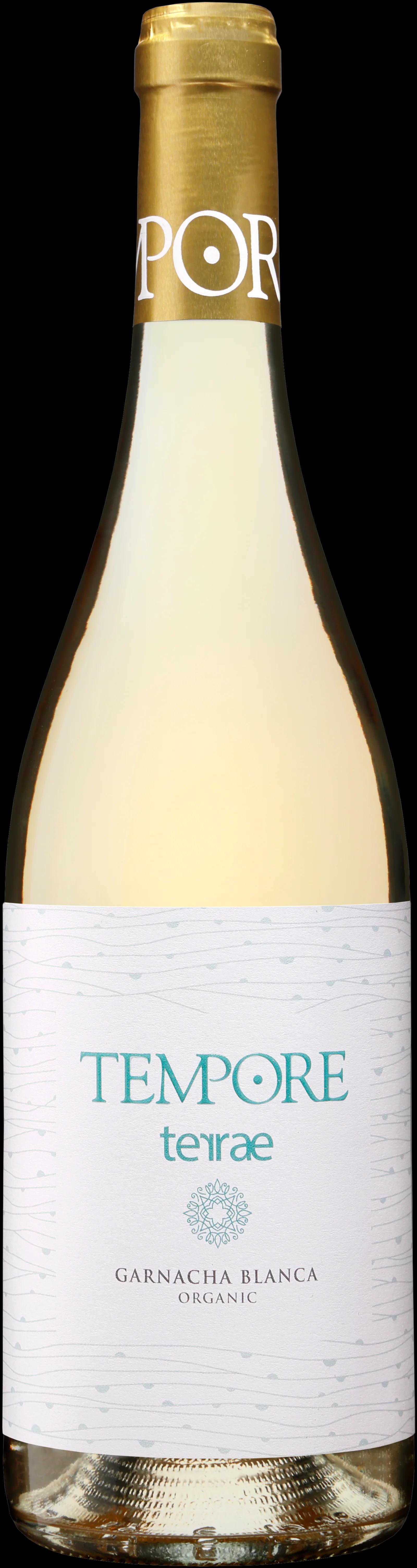
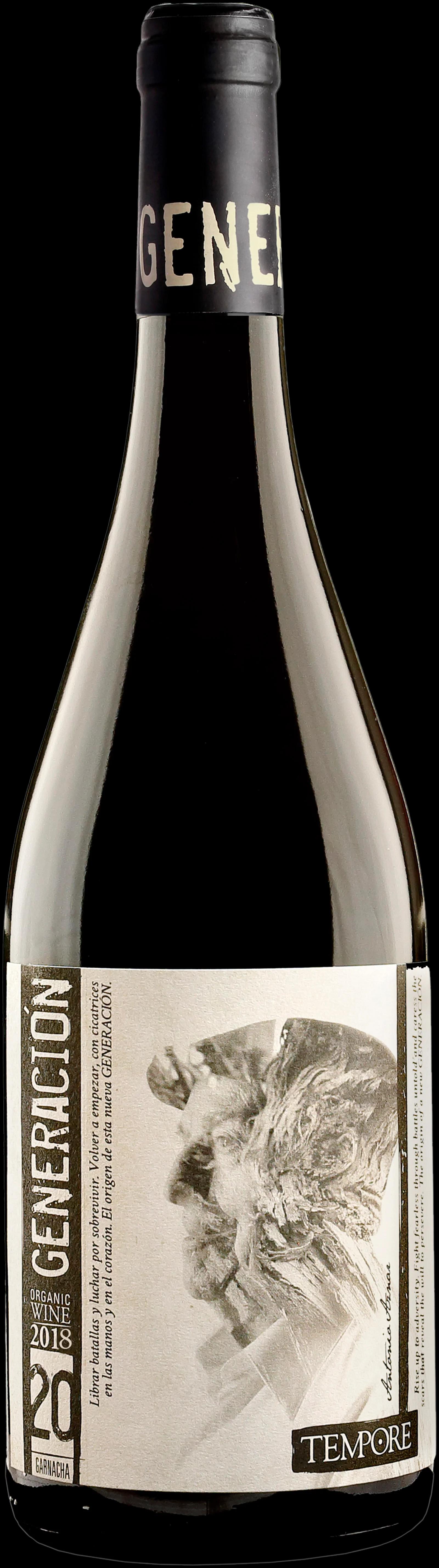
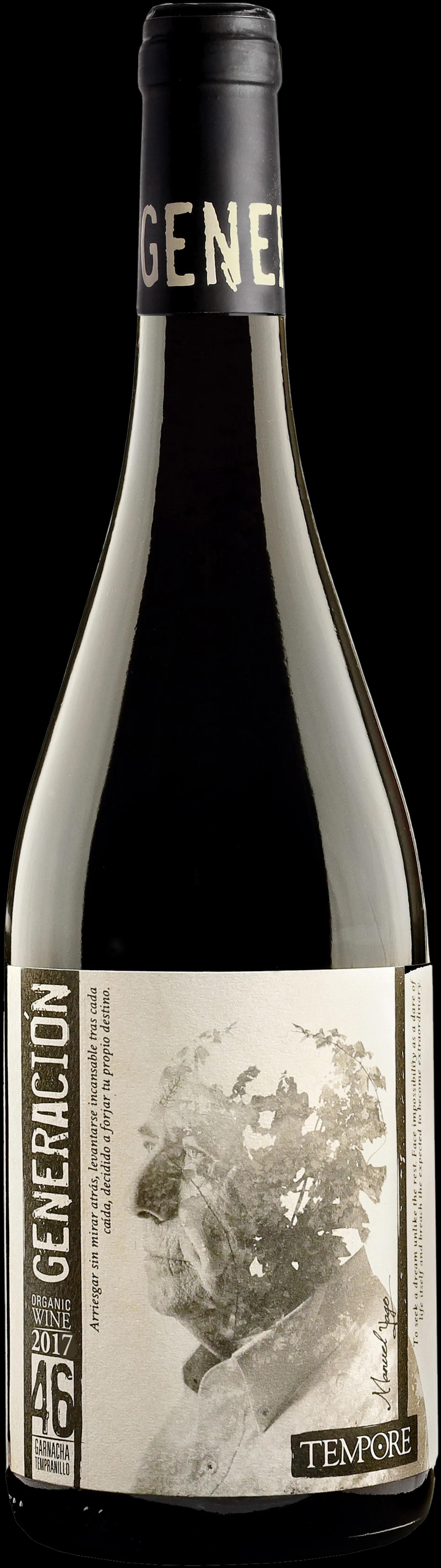
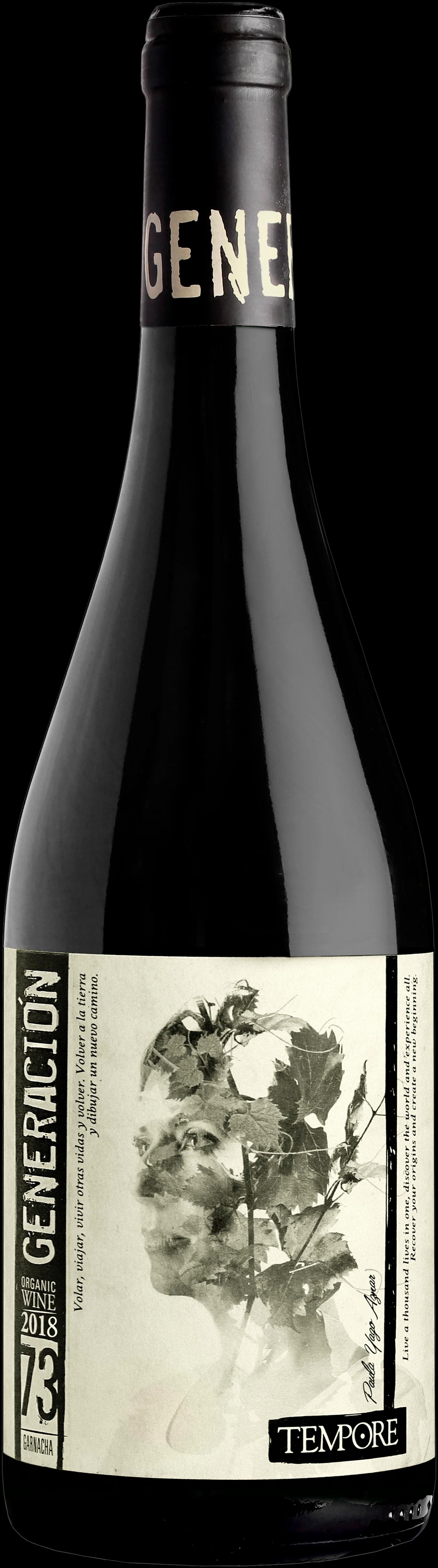
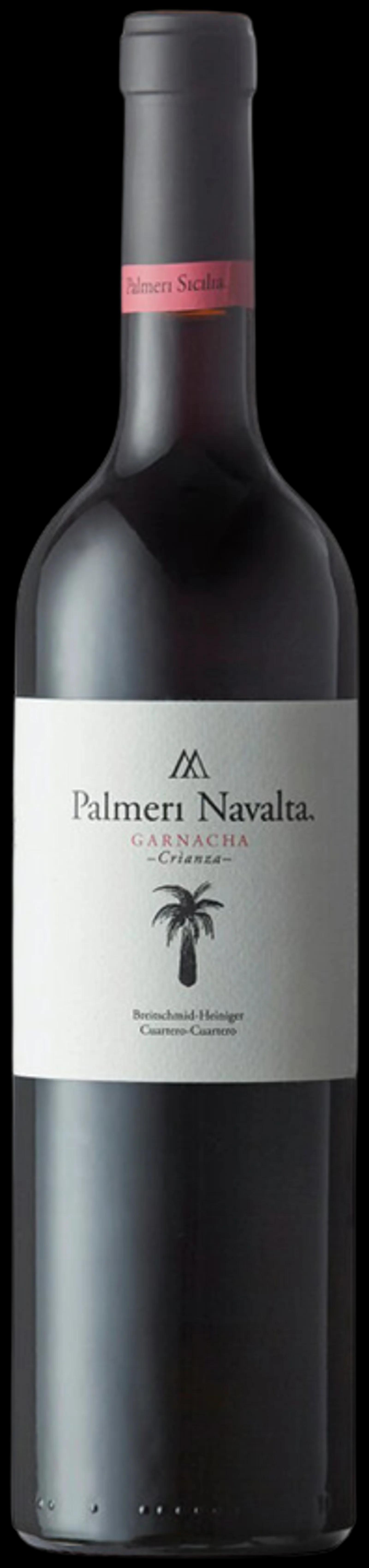
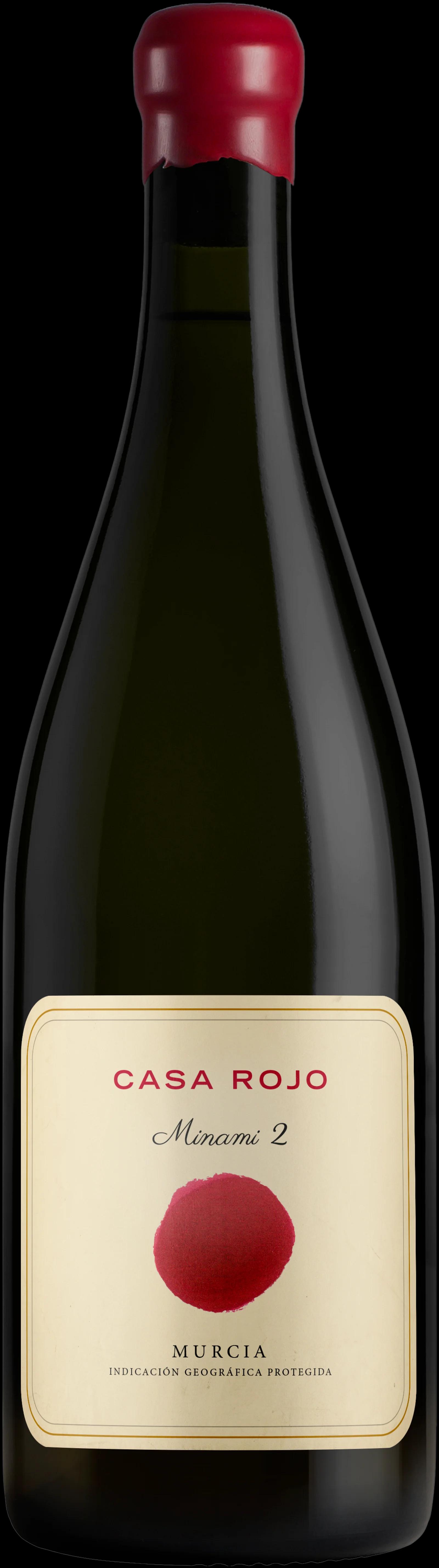
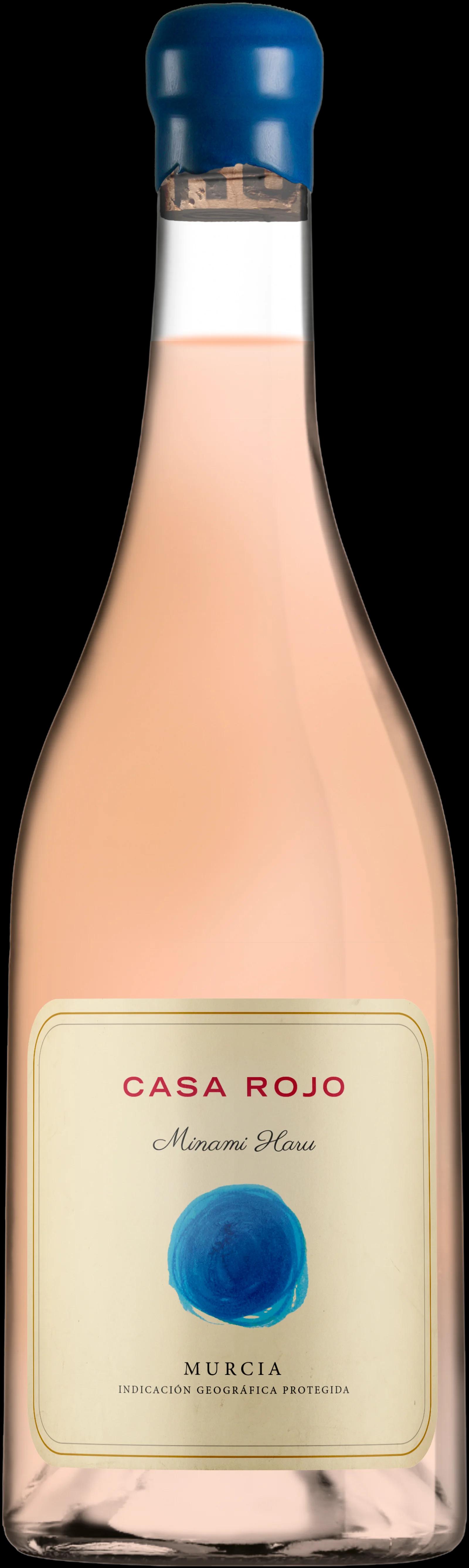
Garnacha wines from estate-bottling Spanish and French producers

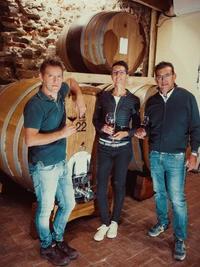
Garnacha wines from growers who control their own production. Direct from the cellar, no wholesale chain in between.

From Priorat to Roussillon, shipped from the cellar.

Color

Dropdown arrow

Type

Dropdown arrow

Country

Dropdown arrow

Region

Dropdown arrow

Grape

Dropdown arrow

Pairing

Dropdown arrow

Sort by

Sort arrow
Garnacha

Garnacha wines

Garnacha is one of the world's most widely planted red varieties, but its most serious expressions come from old, low-yielding bush vines grown at altitude. In Priorat, it shares thin black slate soils called llicorella with Cariñena. In Roussillon, granite and gneiss produce a different register entirely. The grape is also known as Grenache in France and Cannonau in Sardinia. Producers who bottle under their own name bring a traceability that bulk-market Garnacha rarely offers.

Previous1 of 1Next

Garnacha mixboxes

A mixbox on Free Grape Society is six bottles from a single producer. On a Garnacha page, between three and six of those bottles are Garnacha — always at least half the box. When a producer works exclusively with Garnacha, the entire box can be that grape. The remaining bottles, if any, are chosen by the producer to give context to Garnacha within their own range, not by a buyer assembling across different estates.

Wine experts

Garnacha producers on Free Grape Society range from small family-run estates in Aragon and Navarra to cellars in the Côtes du Roussillon working with centenarian vines. Producers who own their fruit set their own prices here. No buyer with quarterly targets decides what reaches the platform. Every wine is tasted by our Head of Product before it goes live.

Garnacha producers

Independent wine experts on Free Grape Society rate and review wines they have personally tasted. Their reviews appear on the wine page and on the expert's own profile. Several of the experts below have reviewed Garnacha wines featured on this page. Their track record of reviews is visible and searchable, so you can evaluate a recommendation before you act on it.

Frequently asked questions

How do I order Garnacha wines on Free Grape Society?

Browse the wines listed below, add bottles to your cart, and check out in one transaction. Each listing shows the producer, region, and vintage. Wines ship directly from the producer's cellar. No account is required to browse, and you can order from multiple producers in a single checkout.

What happens if a bottle arrives broken or doesn't taste right?

Send a photo to Free Grape Society customer support within 7 days of delivery. We will arrange a replacement or a refund. Because producers ship directly, quality issues are handled with the producer's direct involvement. Shared responsibility is built into how FGS works.

Can I order a single bottle of Garnacha, or do I need to buy a full case?

Single bottles are available on most listings. There is no minimum order requirement. If you want a structured introduction to a producer's range, a mixbox is six bottles composed by the producer themselves — a different format, not a requirement.

How long does delivery take?

Average delivery is 8 to 9 days from order to door. The full range is 4 to 14 days depending on the producer's location and your delivery address. Wines ship directly from the producer's cellar, not from a central warehouse.

How does Free Grape Society decide which Garnacha wines to list?

Every wine is tasted by our Head of Product before it goes live. No producer pays for placement. Independent wine experts also rate and review individual wines on the platform. The result is a selection built on tasted quality, not on commercial agreements.

How do I find the right style of Garnacha for what I want?

Garnacha varies considerably by region and winemaking approach. Priorat tends toward concentration and mineral grip. Roussillon can lean aromatic and structured. Navarra and Campo de Borja produce lighter, fruit-forward styles. Filter by region on the wines below, or read the expert reviews on individual wine pages to understand a specific bottle's character.
Which wine expert can recommend a Garnacha for me?

Not all experts on the platform specialize specifically in Garnacha, but several have reviewed Spanish and southern French wines featuring the grape. Browse the expert profiles in the section below, check their review history for Garnacha or Grenache wines, and message directly with your question.

Why doesn't Free Grape Society sell Garnacha from supermarket brands?

Supermarket Garnacha is typically blended for volume and priced at the wholesale chain's margin, not the producer's. The wines on Free Grape Society come from producers who bottle under their own name and ship from their own cellar. A bottle changes hands once here, not three times. Different structure, different wines.

How does Garnacha on Free Grape Society differ from what's broadly available in the market?

Most widely distributed Garnacha is made for supermarket shelf life and blended across large volumes. The producers on Free Grape Society tend to work with old bush vines, single-vineyard fruit, or low-intervention approaches that don't scale to retail distribution. These are not the wines your supermarket carries. They are the wines your supermarket can't carry.

Where Garnacha is grown

Garnacha is one of the most widely planted red grapes in the world, but its spiritual home is the northeast of Spain. In Aragon, where the grape is thought to have originated, old-vine plots on poor, sandy soils produce wines of striking concentration. Rioja uses Garnacha as a blending partner alongside Tempranillo, though a growing number of producers are bottling it as a single variety. In Priorat, grown on llicorella schist at altitude, Garnacha builds structure and mineral grip rarely associated with the grape elsewhere. Campo de Borja, Calatayud, and Cariñena — all within Aragon — are denominations where Garnacha occupies the majority of vineyard land. Outside Spain, the grape is widespread in France under the name Grenache Noir, where it anchors blends across the Rhône Valley and Languedoc-Roussillon. Plantings also exist in Sardinia, where it is known as Cannonau. The grape prefers dry, warm climates and is notably wind-resistant, which shaped its dominance across the windswept plateaus of interior Iberia.

The taste profile of Garnacha

Garnacha produces wines that vary significantly by elevation, vine age, and winemaking approach. At its most common, the grape delivers ripe red fruit — strawberry, raspberry, dried cherry — with a round texture, relatively low natural acidity, and a warm, alcohol-forward finish. That warmth is not incidental: Garnacha accumulates sugar rapidly in hot climates, and high-alcohol expressions are structurally typical rather than a production choice. Old vines moderate that tendency. When Garnacha comes from bush-trained vines planted decades or more ago, yields drop, concentration increases, and the wine takes on more savoury character: iron, dried herb, smoked meat, and a firmer tannic frame. Rosado made from Garnacha — particularly from Navarra and Rioja — tends toward pale salmon with bright fruit and a dry finish, a style distinct from the deeper rosés of Provence. White Garnacha (Garnacha Blanca) is grown in smaller quantities and produces full-bodied, textured whites. Wines made from old-vine Garnacha in Priorat or Campo de Borja reward cellaring; younger, fruit-driven expressions from lower-altitude sites are generally intended for early drinking. Related grapes worth exploring on Free Grape Society include Monastrell, Mencía, and Carignan, which is frequently blended with Garnacha across southern France and northeastern Spain.

How Garnacha is vinified

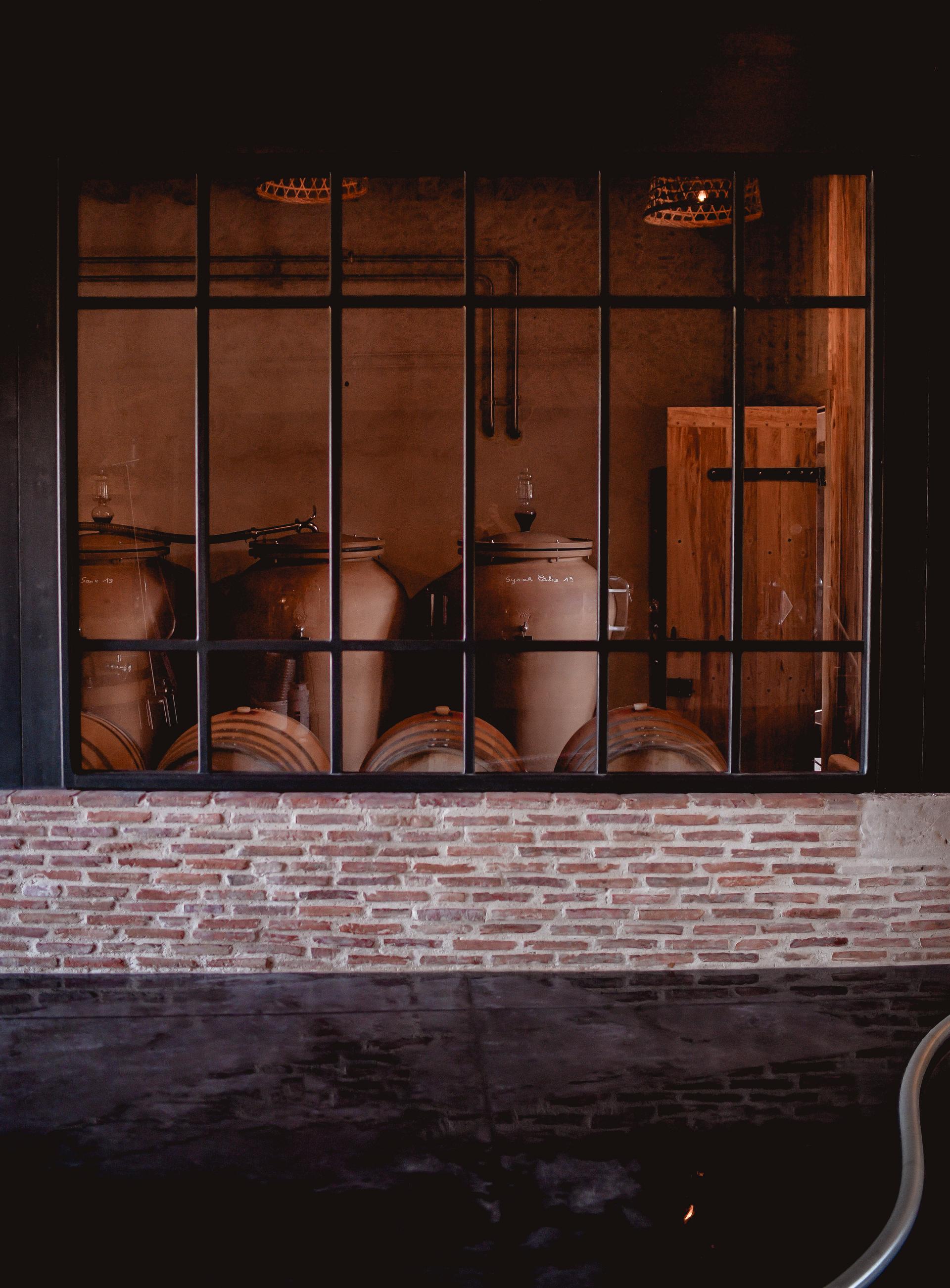
Garnacha's low tannin and rapid sugar accumulation make vinification decisions unusually consequential. Producers who want to preserve freshness tend to harvest early, ferment at cooler temperatures, and keep oak use minimal or absent. Producers aiming for structured, age-worthy wines often extend maceration to extract more tannin from the skins and age the wine in oak — sometimes large old foudres, sometimes smaller barrique. In the Rhône Valley, whole-cluster fermentation is common, particularly among producers working with Grenache Noir, which can add a reductive, spicy complexity and help preserve acidity. In Priorat, carbonic maceration is rarely used; instead, traditional fermentation with pump-overs or punch-downs is standard, given the emphasis on extracting character from the llicorella schist. The growers who control their own production — farming, vinifying, and bottling under their own name — tend to be the producers making the most site-specific Garnacha. These are not decisions made at a blending table for a supermarket buyer. They are decisions made in the cellar, by the family or estate that planted the vines. No importer, no wholesaler. The price you see is the price the producer agreed to.