Grapes and appellations of Castilla-La Mancha
Castilla-La Mancha is the largest wine region in the world by planted area, covering roughly 500,000 hectares across the high central plateau of Spain. The elevation — most vineyards sit between 600 and 800 metres above sea level — moderates temperatures that would otherwise make viticulture impractical. Days are hot and dry; nights drop sharply, preserving acidity in the grapes.
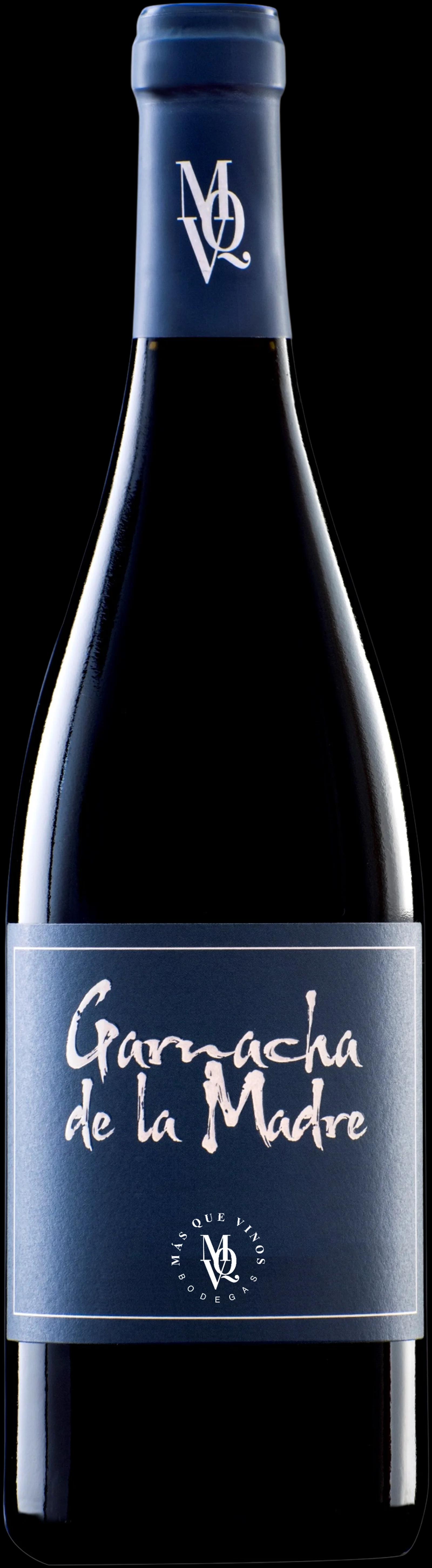
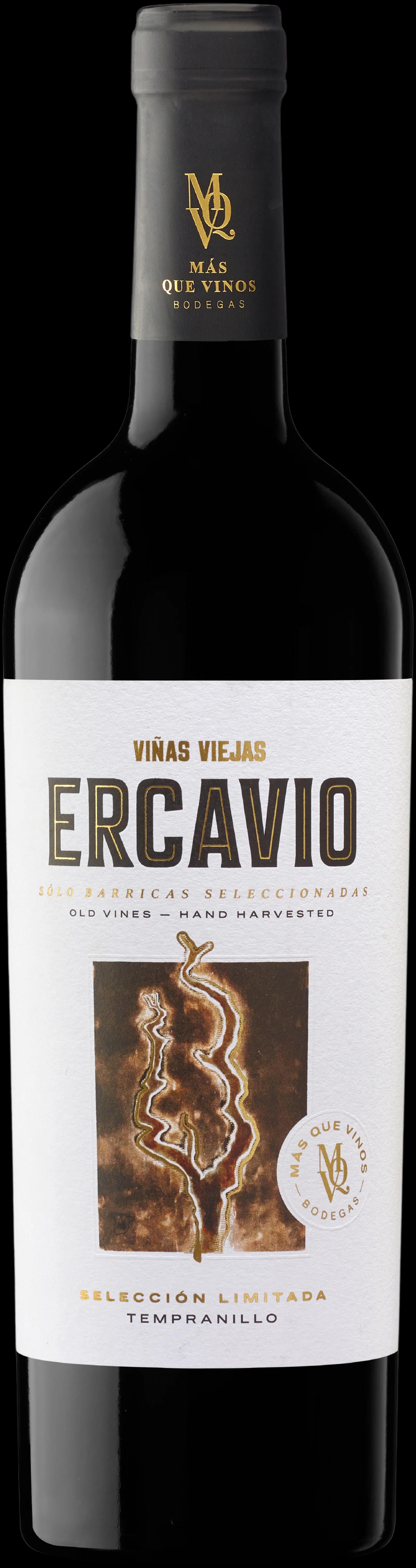
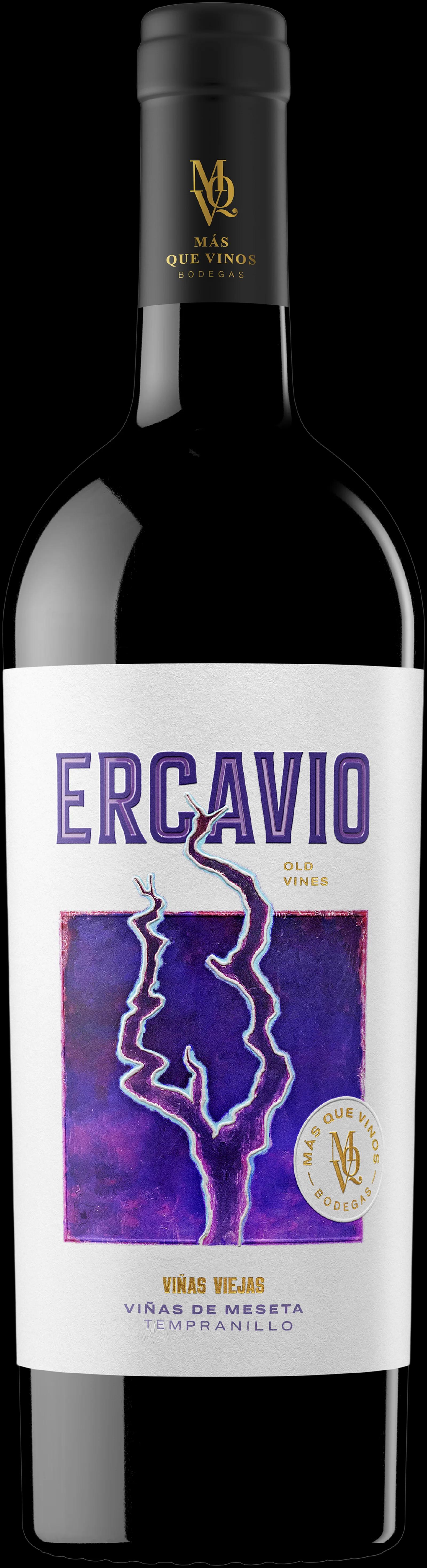
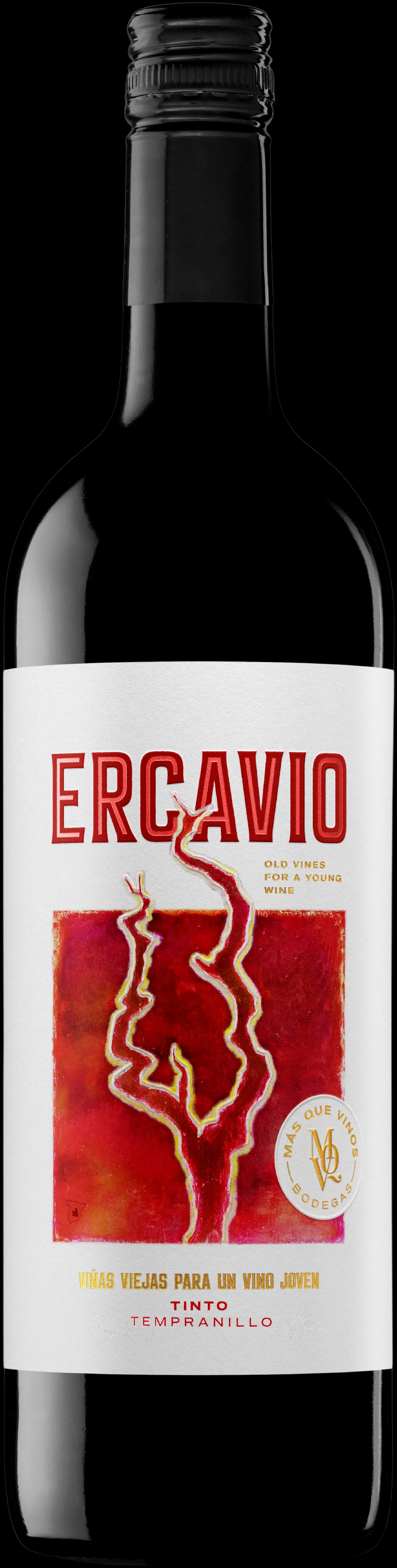
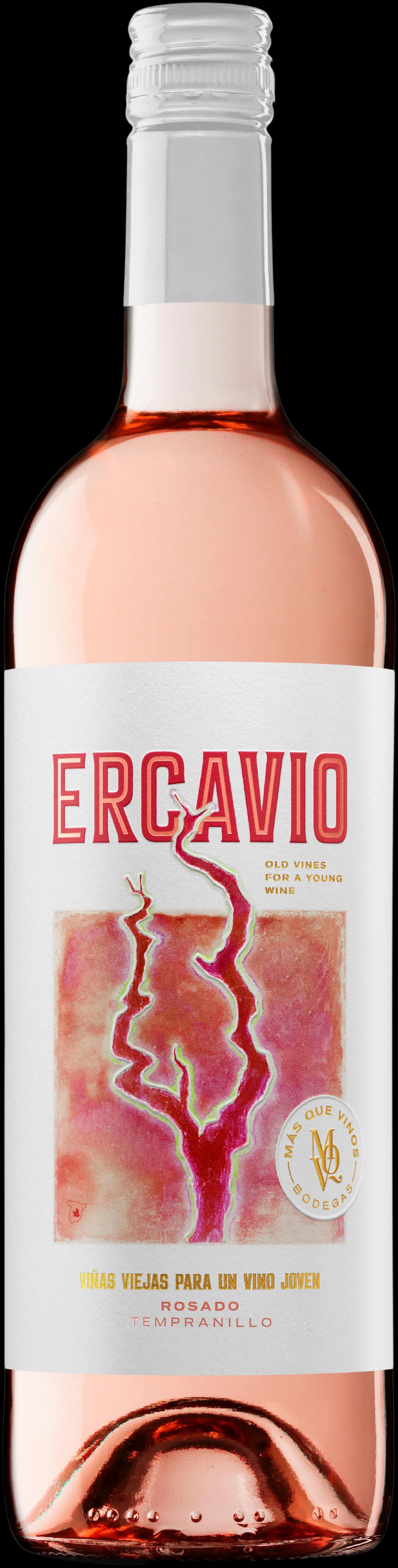
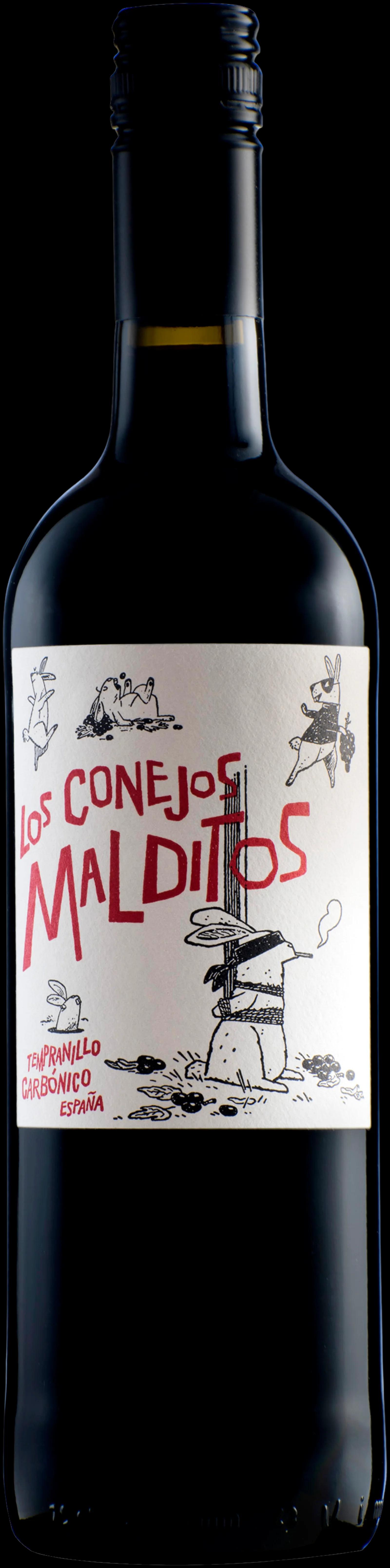
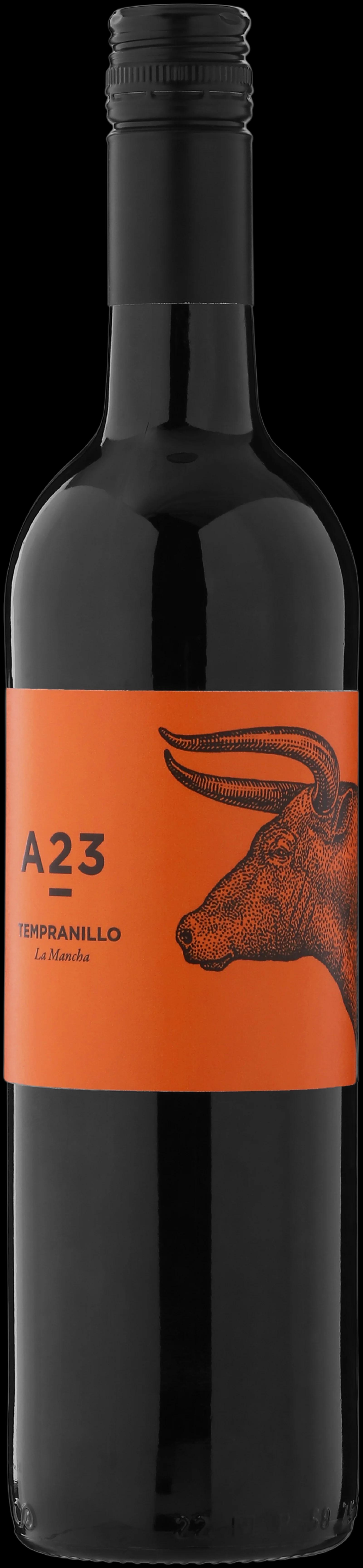
Tempranillo is the dominant red variety, locally called Cencibel. It accounts for the majority of Denominación de Origen Mancha plantings and produces wines with firmer structure than the same grape grown at lower altitudes in Rioja. Garnacha is widespread in the Méntrida DO, northwest of Toledo, where old-vine plantings on granite and sandy soils yield concentrated, low-yield fruit. Monastrell appears in the southeastern corners of the region, bridging into the style of neighbouring Murcia.
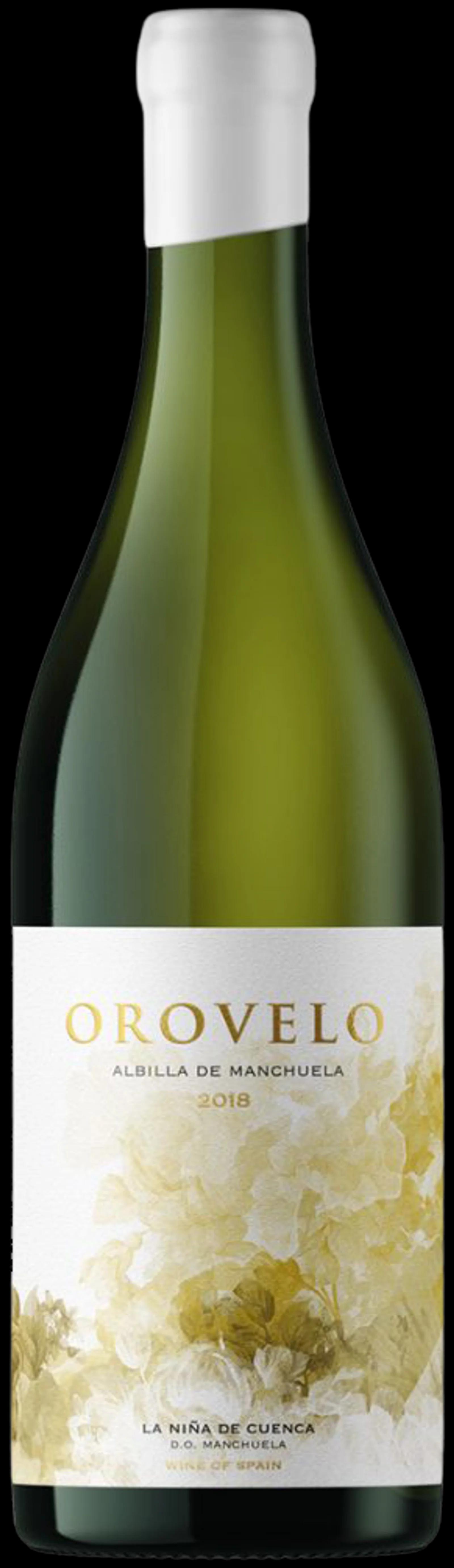
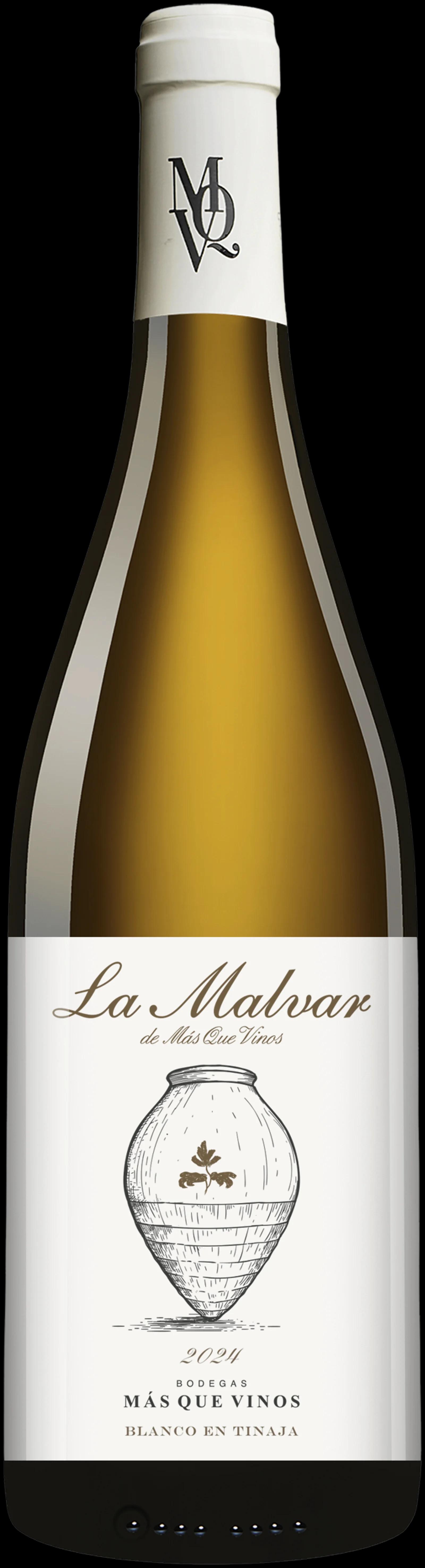
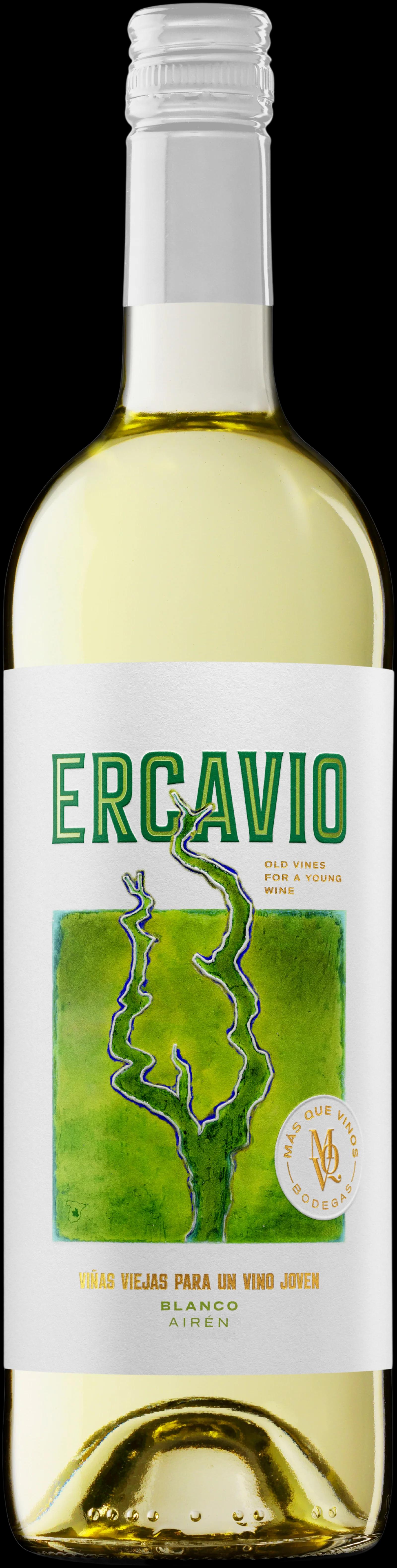
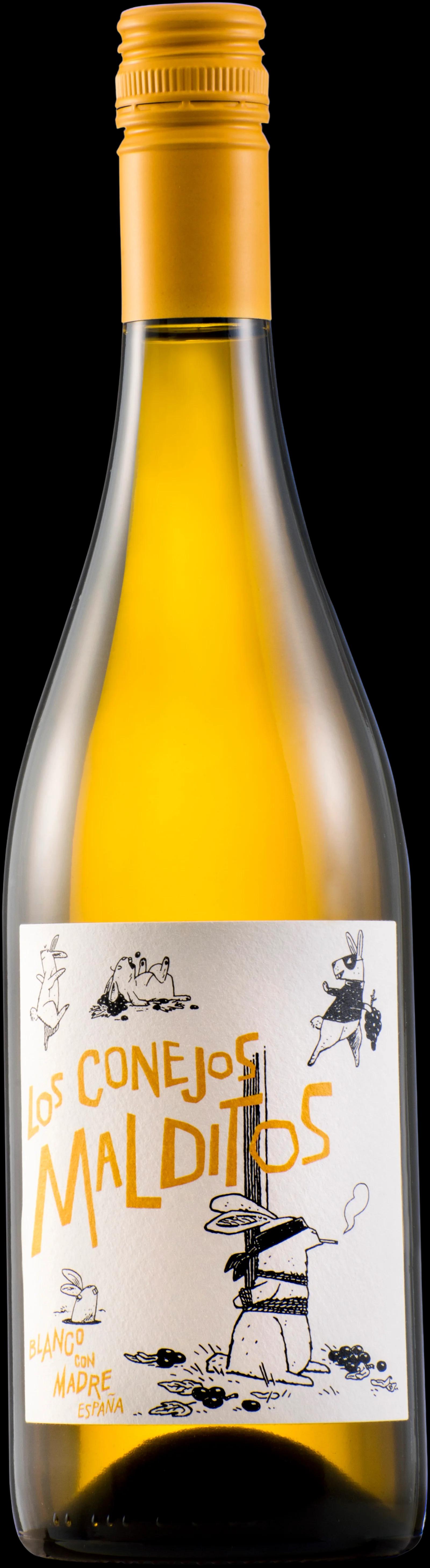
For whites, Airén remains the world's most planted single white variety by total hectares, concentrated almost entirely in Castilla-La Mancha. It produces neutral, dry whites suited to early drinking. Macabeo (Viura) and Verdejo are planted in smaller volumes, with producers increasingly experimenting with lower-yield Verdejo blocks for textured, aromatic whites.
The region holds several DOs: La Mancha, Valdepeñas, Méntrida, Manchuela, Almansa, Uclés, and Ribera del Júcar. Valdepeñas, carved out as a separate DO in 1932, has a longer reputation for oak-aged Tempranillo — some bodegas still work with American oak at extended ageing periods that few other Spanish regions maintain.
What independent producers are doing differently here
For most of the 20th century, Castilla-La Mancha operated as a bulk wine region. Cooperatives pressed enormous volumes destined for blending across Europe. That structural legacy is still visible: the region produces around 40% of all Spanish wine by volume. What has changed in the past two decades is the emergence of smaller, independent estates working against that bulk logic.
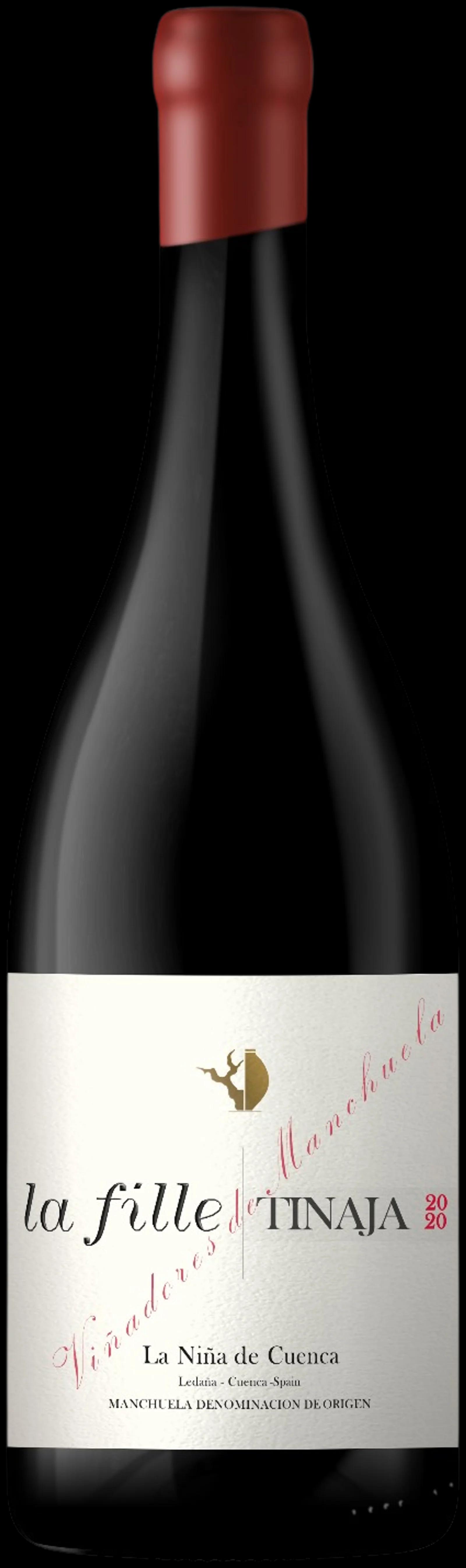
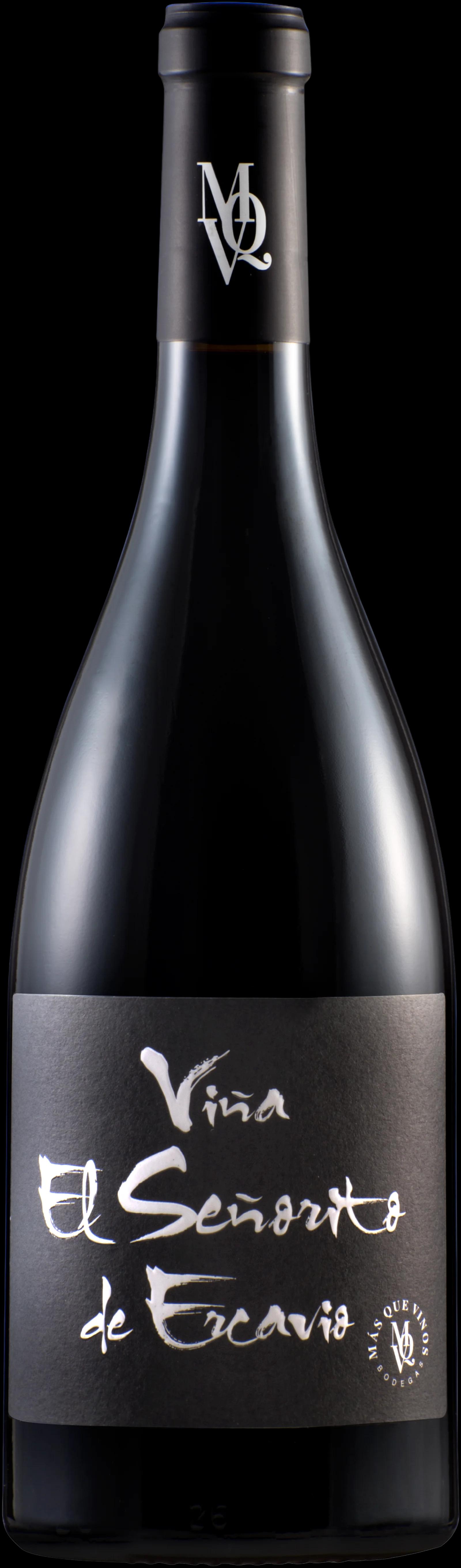
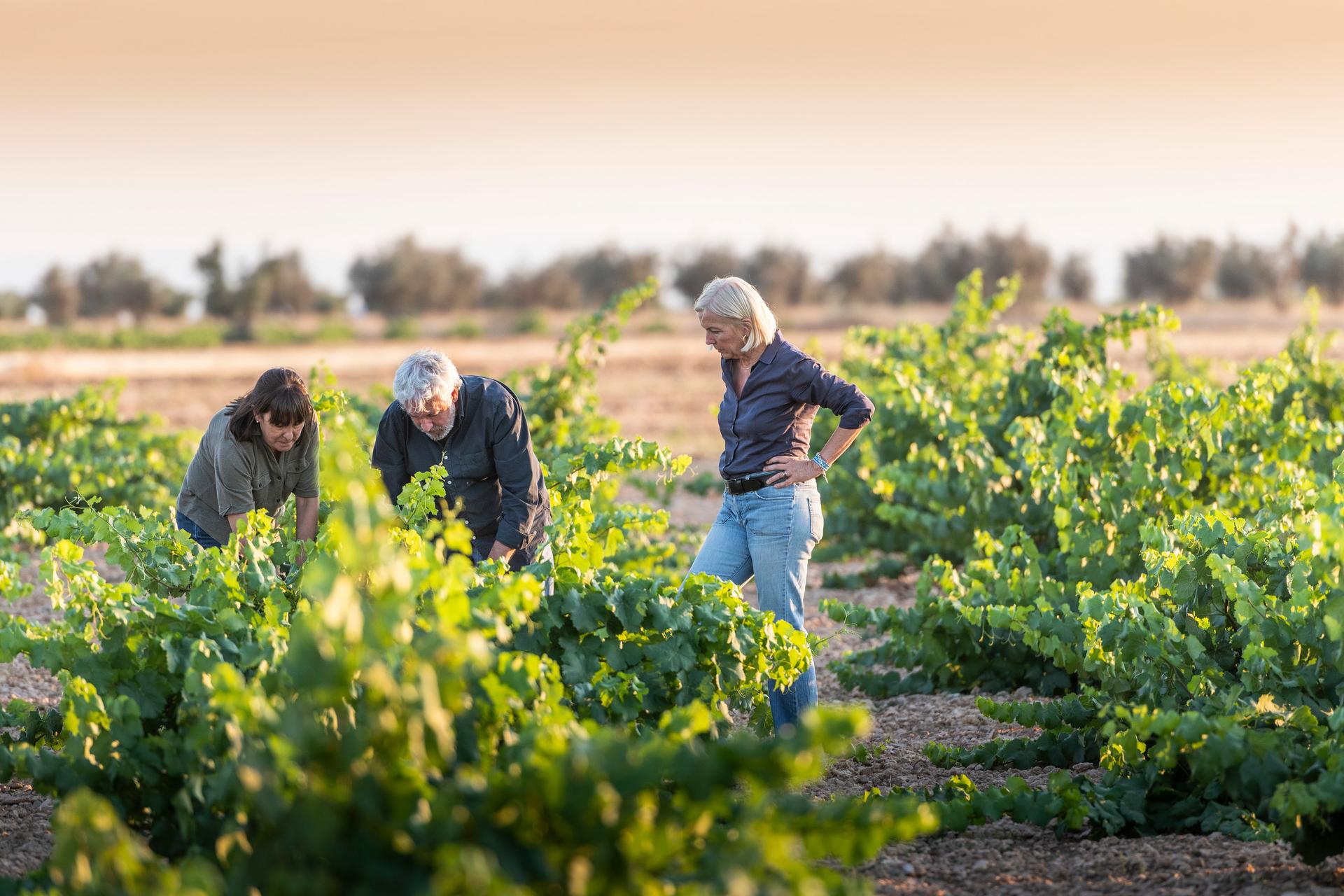
Several producers in Manchuela and Méntrida have returned to ungrafted old vines — some Garnacha plots exceed 80 years of age — applying low-intervention winemaking to fruit that previously went straight to a cooperative. The results are structurally different from the region's cooperative output: lower alcohol, more mineral definition, and longer fermentation times. These are not the wines your supermarket carries. They are the wines your supermarket can't carry, because volume is too low and producer control too direct.
On Free Grape Society, producers set their own price and choose what they list. No buyer with quarterly targets. No chain defending shelf space. That matters in a region where historically the cooperative model meant the producer had no pricing power at all.
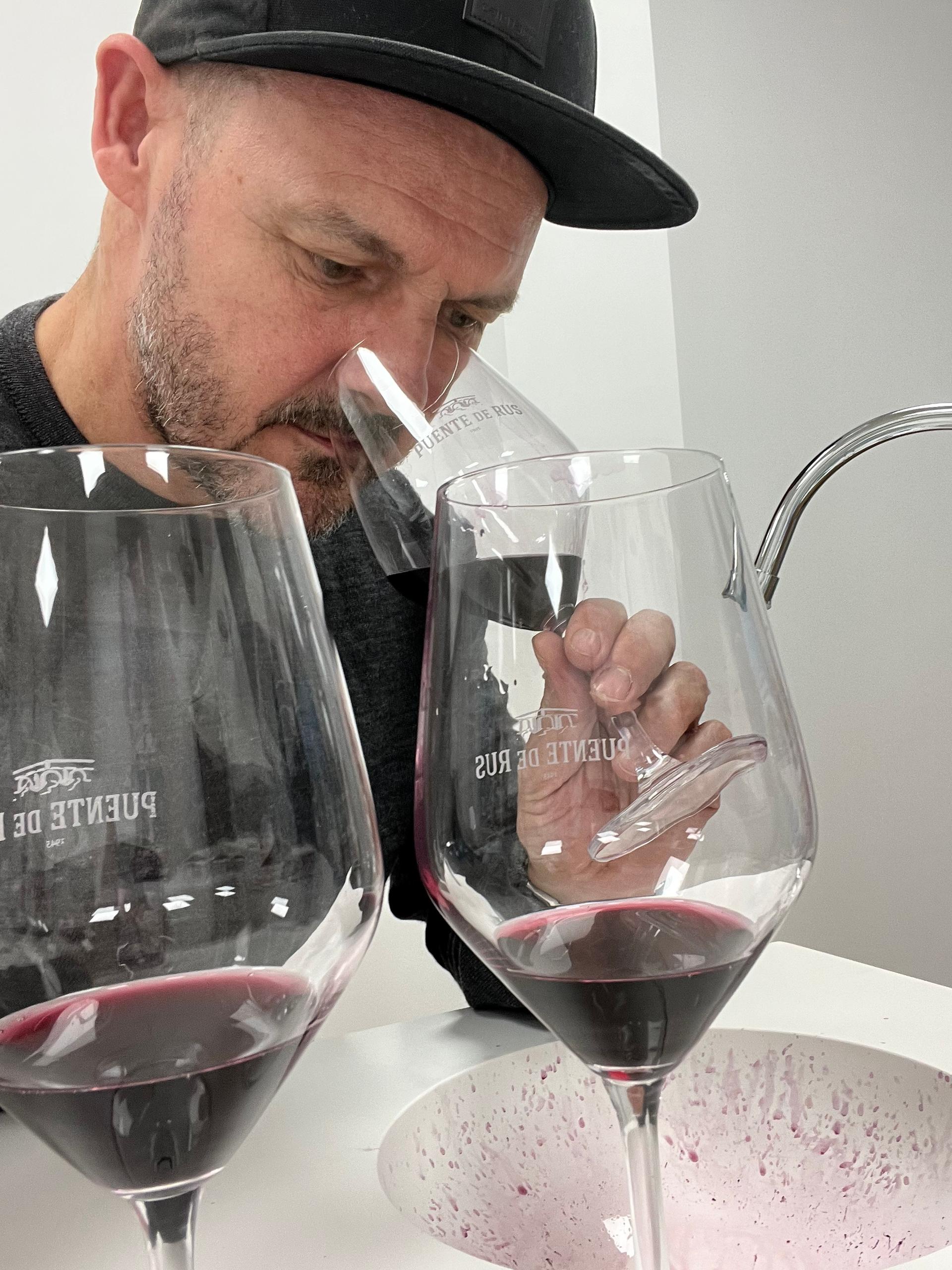
Producers on the platform send samples to our Head of Product, who tastes every wine before it goes live. Independent wine experts then Rate and Review individual wines on the platform. If you want to compare Castilla-La Mancha against other Spanish red wines or look at how Tempranillo varies across the country, the region pages link directly.
Castilla-La Mancha in the context of Spanish wine
Castilla-La Mancha sits between Castile and León to the north and Andalusia to the south. It does not carry the international name recognition of Rioja or Catalonia, which is part of why value remains embedded in the region's independent estates.
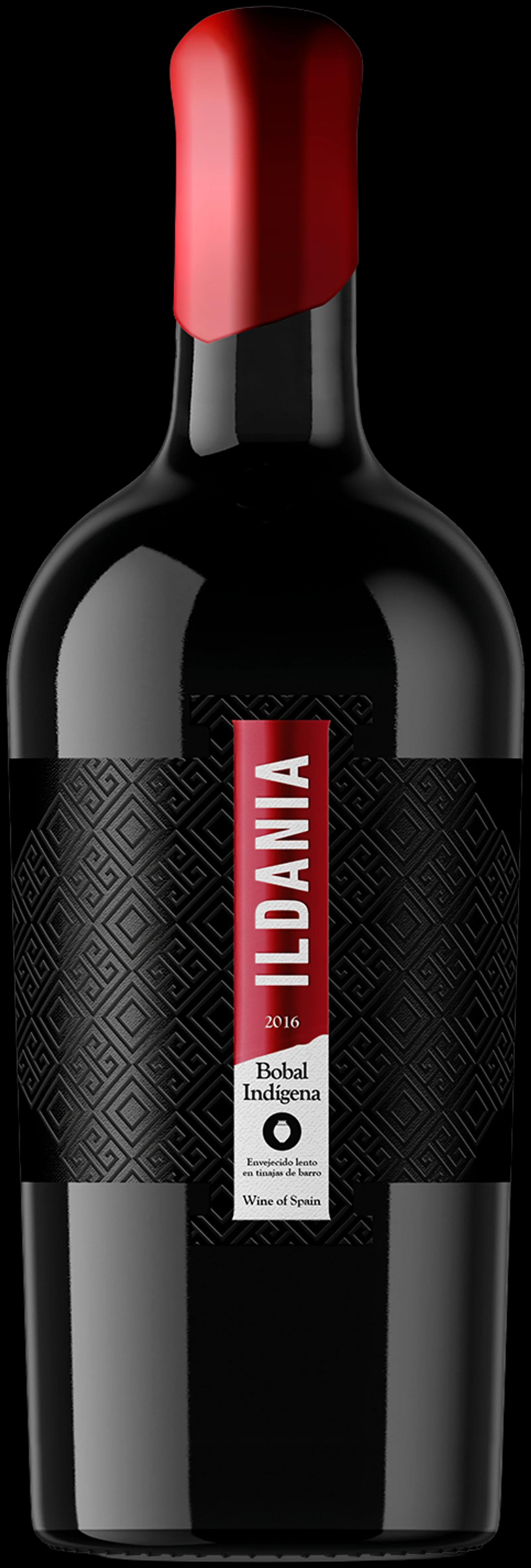
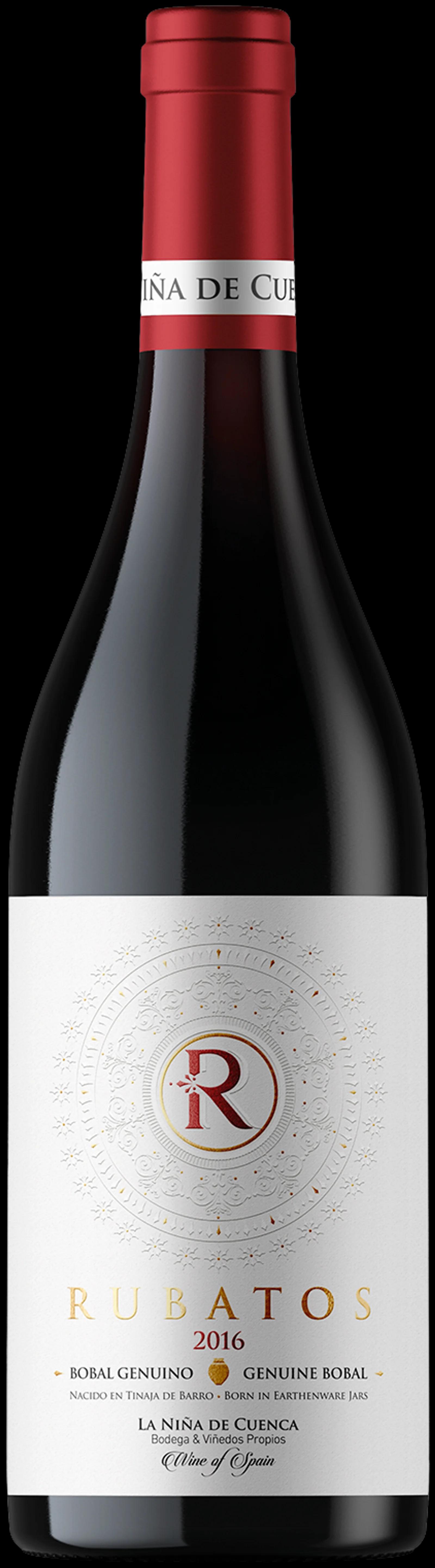
The Manchuela DO in particular has attracted attention for Bobal, a thick-skinned red variety almost exclusive to central-eastern Spain. Bobal has high natural acidity and deep colour. At high yields it produces anonymous bulk wine; at low yields on old vines it produces structured reds with tannin profiles comparable to Monastrell at its best. Few wine regions in Europe offer this combination: ancient vine material, continental altitude climate, and a bulk-wine history that kept land prices low enough for independent producers to enter.
For buyers interested in white wines from Spain or in exploring how Garnacha performs across different Spanish terroirs, Castilla-La Mancha provides a reference point distinct from the Atlantic-influenced northwest or the Mediterranean coast. The wines here are built for the plateau: broad-shouldered, structurally honest, and produced by estates that have chosen to work outside the cooperative system that still dominates the region's total output.