Where Macabeo comes from and how region shapes it
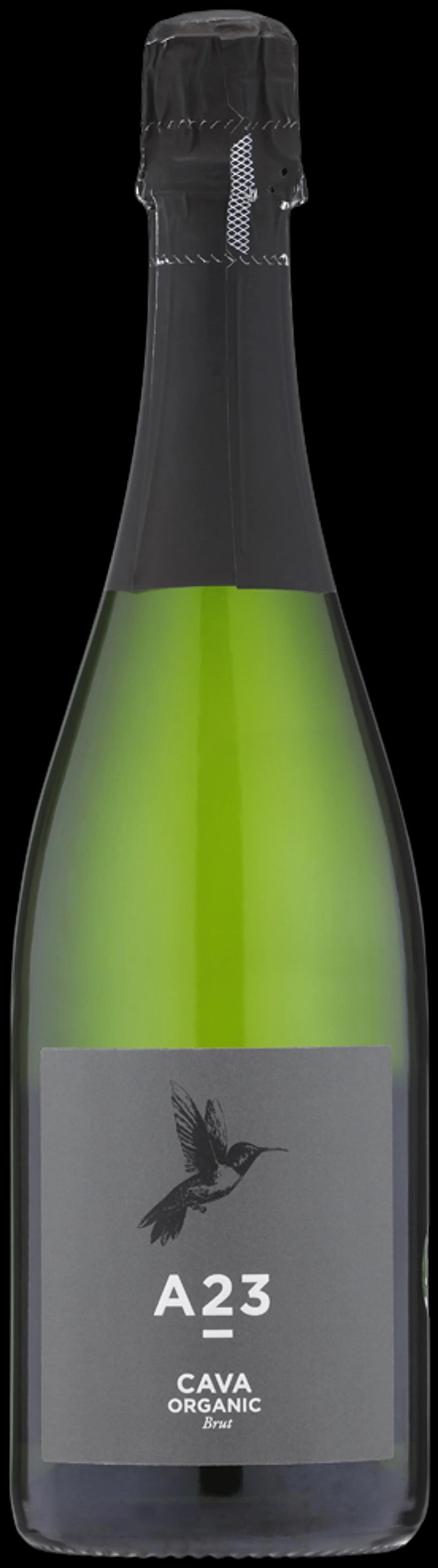
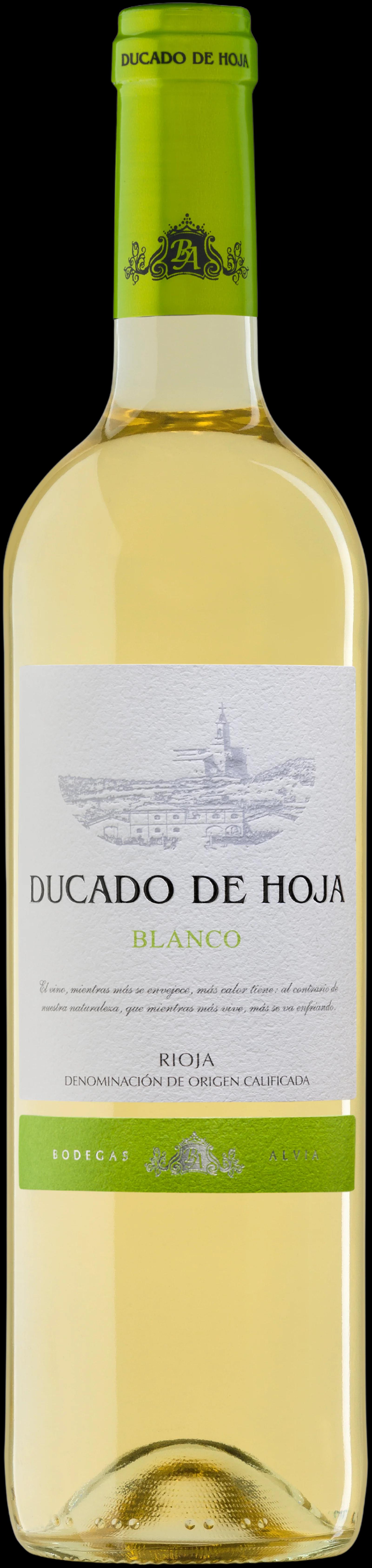
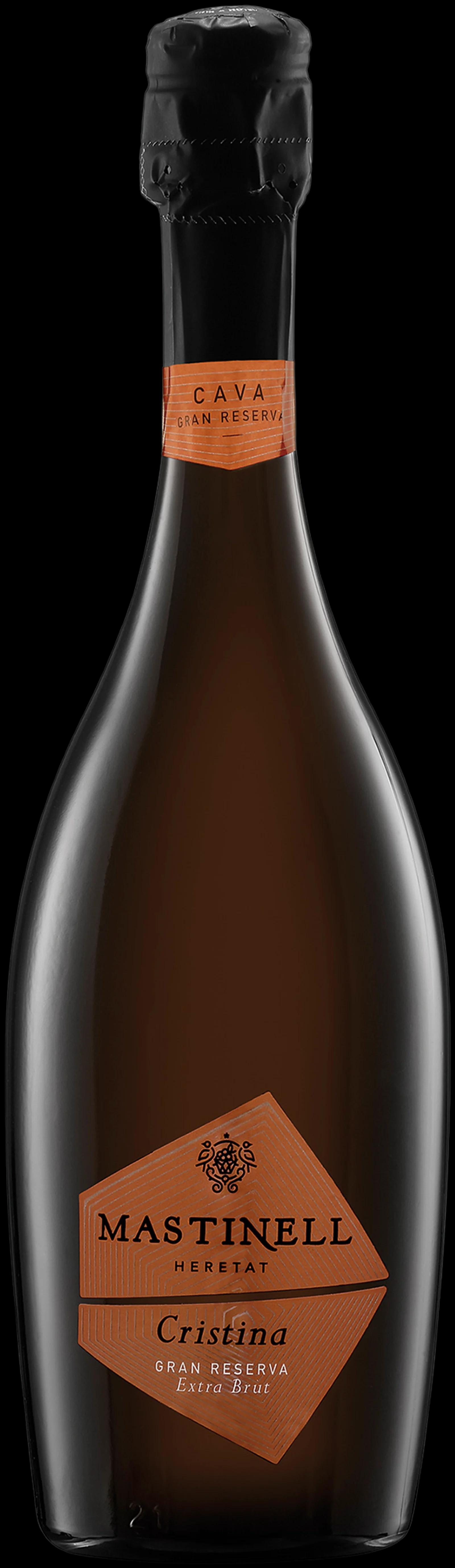
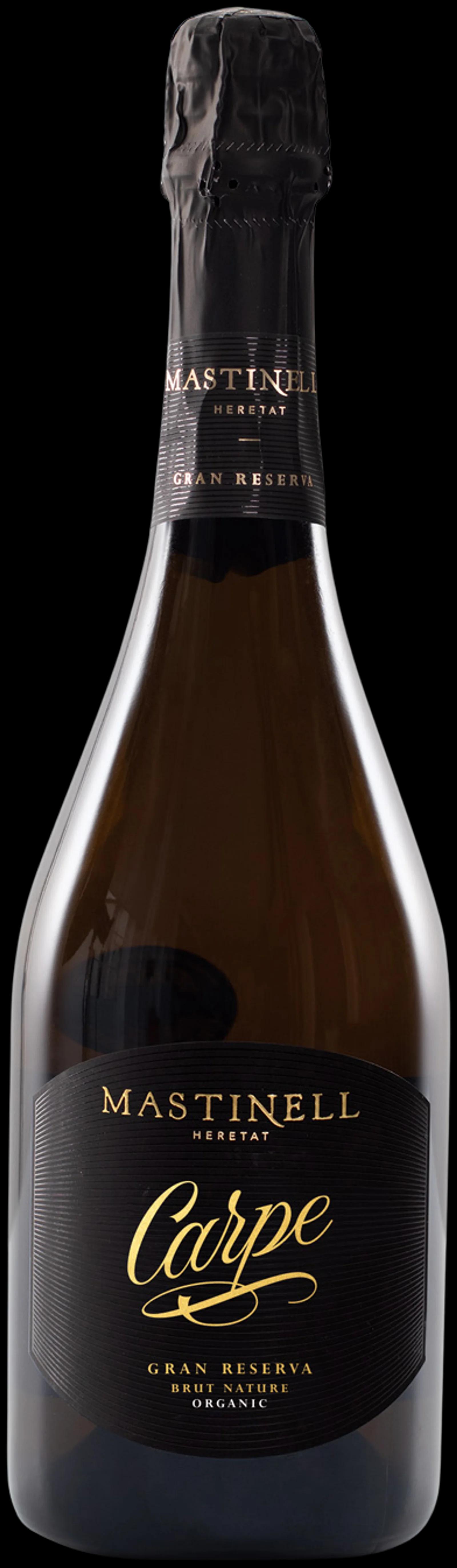
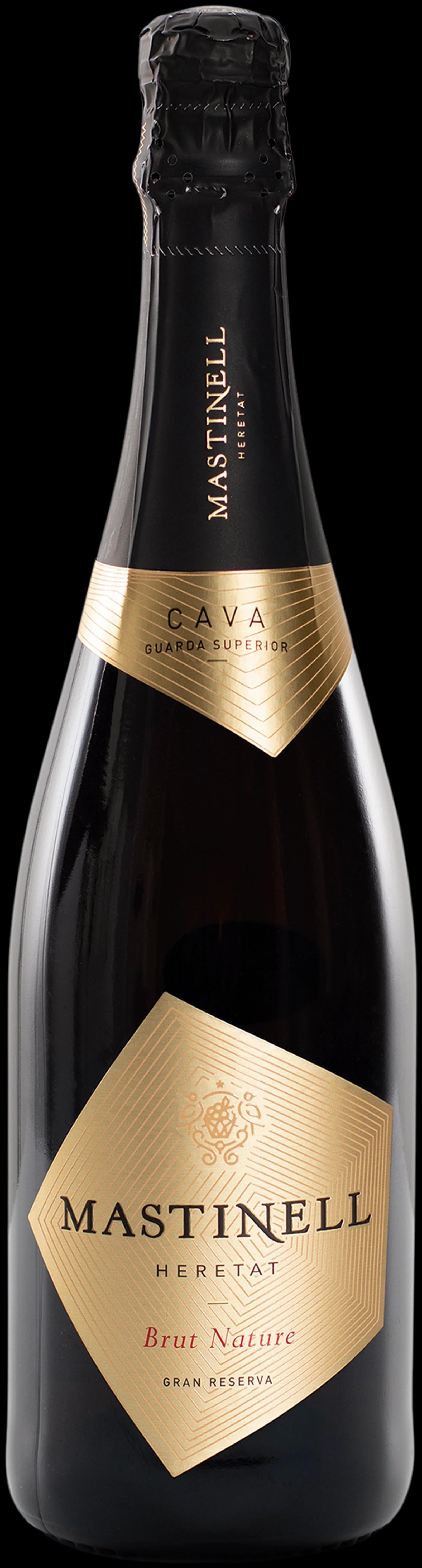
Macabeo is one of the most widely planted white grapes in Spain, found across Rioja, Aragón, Catalonia and the Levante under a handful of names — Viura in Rioja, Macabeu in Catalonia, and Macabeo almost everywhere else. In Rioja, it has historically been used to add freshness and acidity to white blends, and older-style Rioja Blanco wines were often aged in oak for years, giving them a distinctly nutty, oxidative character. Younger winemakers in the region have largely shifted toward earlier picking and less oak contact, producing wines that are crisper and more aromatic. In Catalonia, Macabeo is one of the three traditional grapes in Cava alongside Xarel-lo and Parellada, where it contributes body and a mild floral note to the blend. Further east in Aragón, some producers work with it as a single variety, making still whites with stone fruit and gentle herbal character. The grape is adaptable to warm, dry conditions, which partly explains how widely it spread across the Spanish interior.
How Macabeo tastes, and what to drink it with
At its freshest, Macabeo is a light to medium-bodied white with apple, pear and mild citrus flavours, moderate acidity and a soft finish. Picked later or given some oak contact, it can develop notes of almond, hazelnut and dried herbs — the profile many people associate with traditional Rioja Blanco. As a sparkling base it tends toward neutral fruitiness, which is why it works well in a blend rather than on its own. For food, the lighter, unoaked styles pair cleanly with grilled fish, mild seafood dishes, vegetable tapas and fresh cheeses. The richer, barrel-aged expressions hold up to dishes with more weight — roast chicken, pasta with cream sauces, or aged sheep's milk cheese. It is not a grape that imposes itself, which makes it a practical choice at the table. Producers working with it in Valencia and Castilla La Mancha often lean into the dry, savoury side of the grape, while those in cooler, higher-altitude sites bring out more of its natural freshness.
Buying Macabeo wine direct from independent producers
Most Macabeo available in shops and supermarkets comes from large co-operatives or bulk producers, where it is blended for consistency and volume rather than made to show what a specific site can do. The producers on Free Grape Society approach it differently — smaller estates, often farming with minimal intervention, where the variety is chosen because it suits the land rather than because it is convenient. On Free Grape Society, producers ship wine directly from their own cellars, with no importer or warehouse in between, which means shorter transit and full traceability back to the grower. Free Grape Society is a society of producers, independent experts and wine lovers, not a shop. If you want to explore more of the Spanish whites on the platform, the Spain wines page and the Catalonia wines and Rioja wines pages are good places to start.