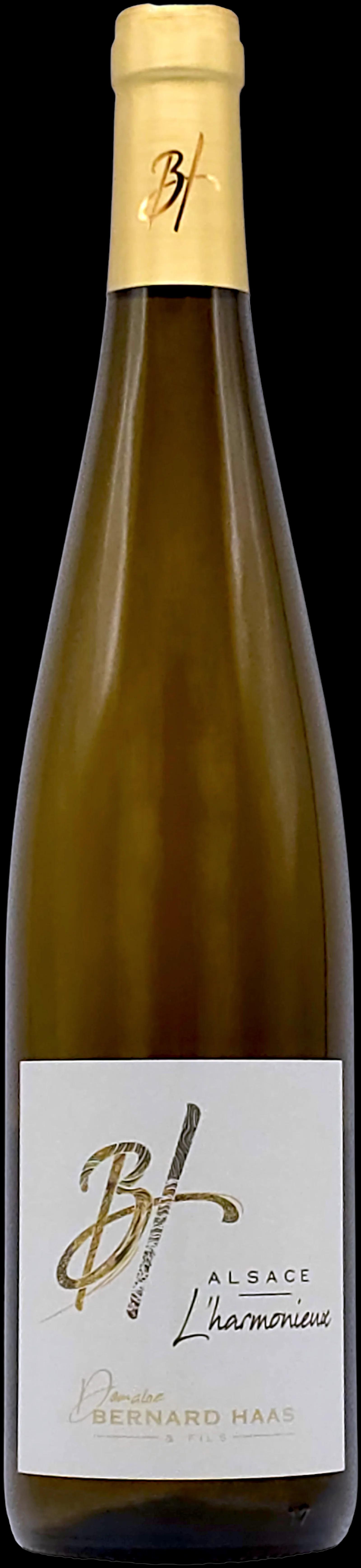
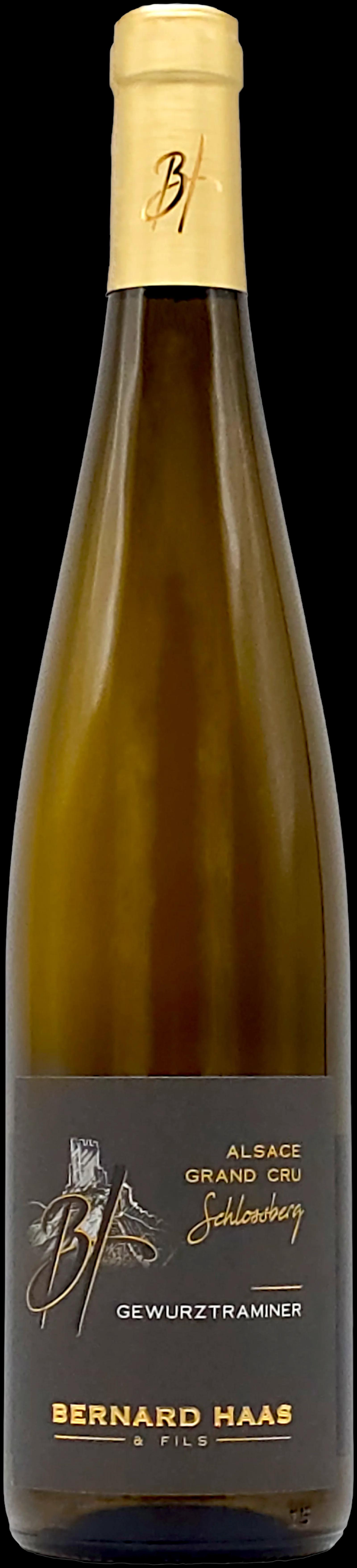
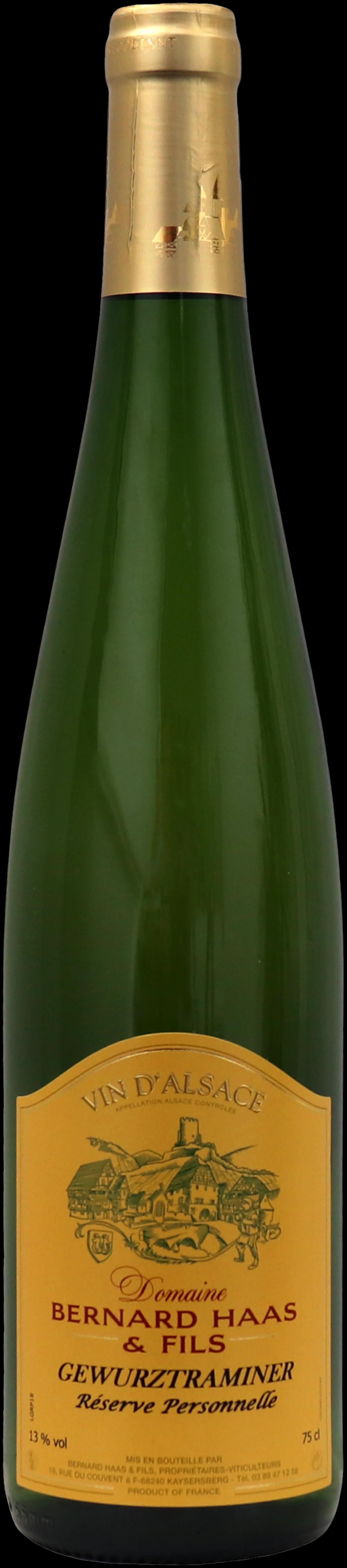
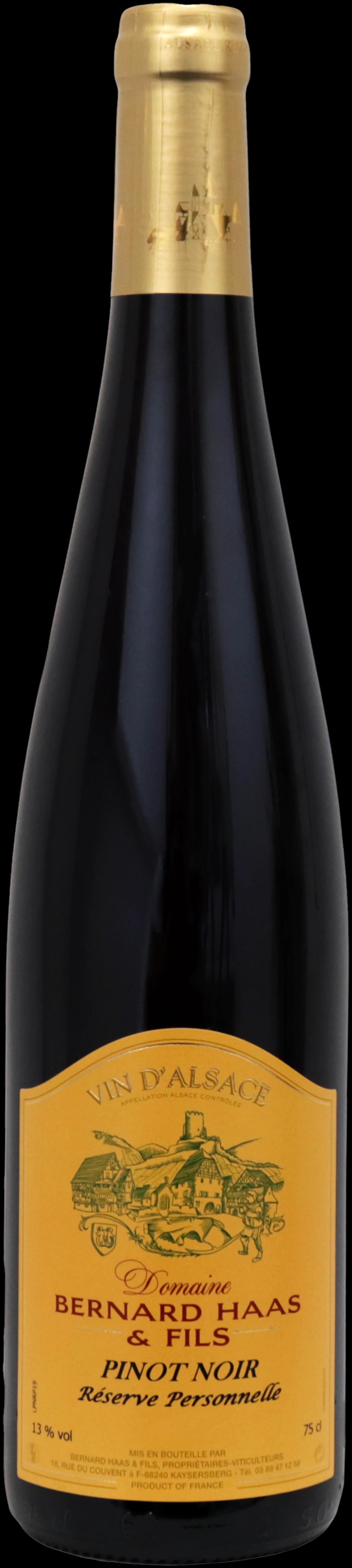
Appellations and grape varieties of Alsace
Alsace is one of the few French wine regions where the label leads with the grape variety rather than the appellation — a practice more common in Germany and Austria than in France. The region runs roughly 170 kilometres along the eastern foothills of the Vosges mountains, between 200 and 400 metres above sea level. That elevation, combined with the rain shadow cast by the Vosges, makes Alsace one of the driest wine regions in France: Colmar averages around 500 mm of rainfall per year, less than many parts of Provence.
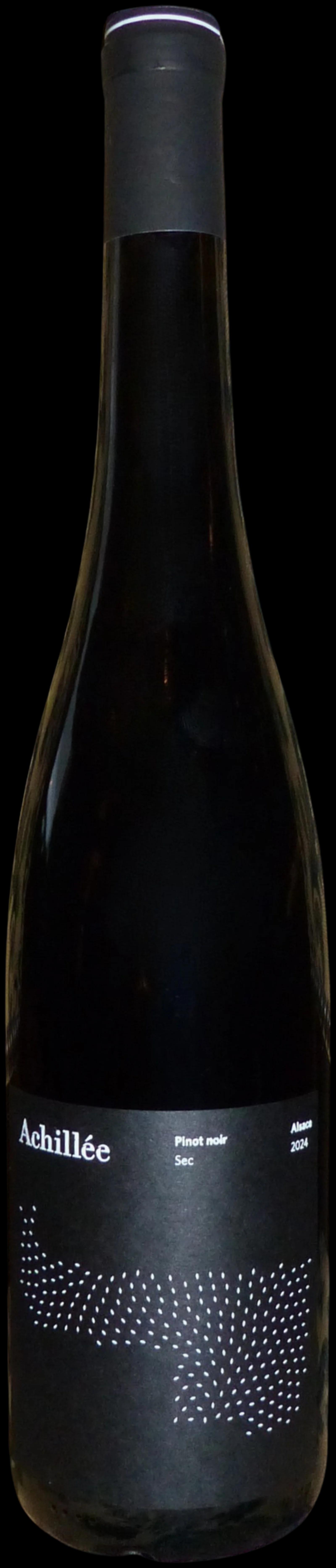
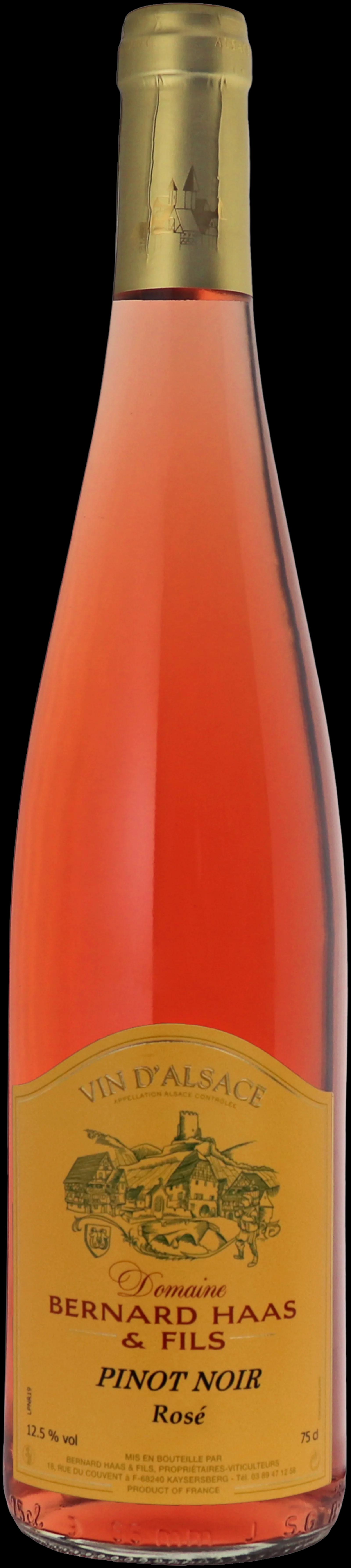
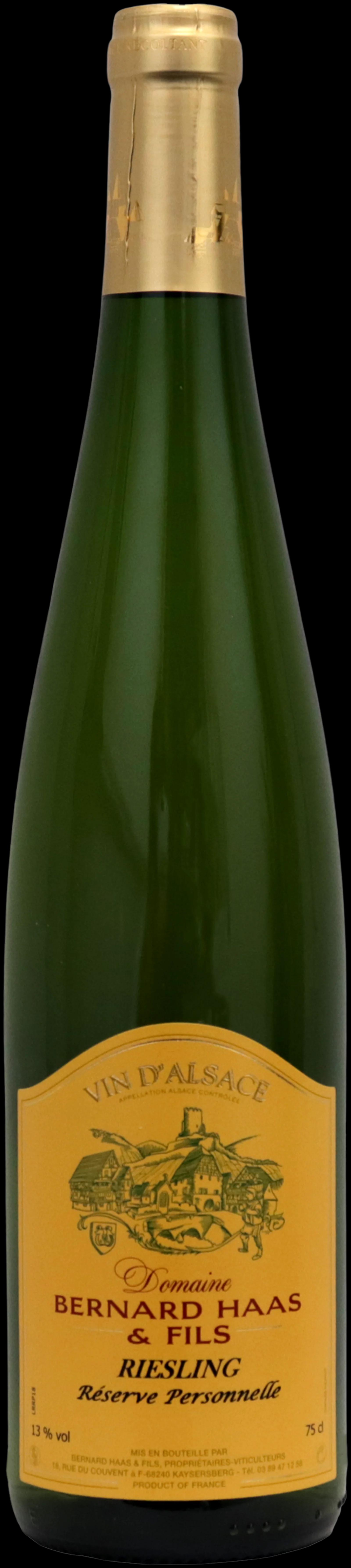
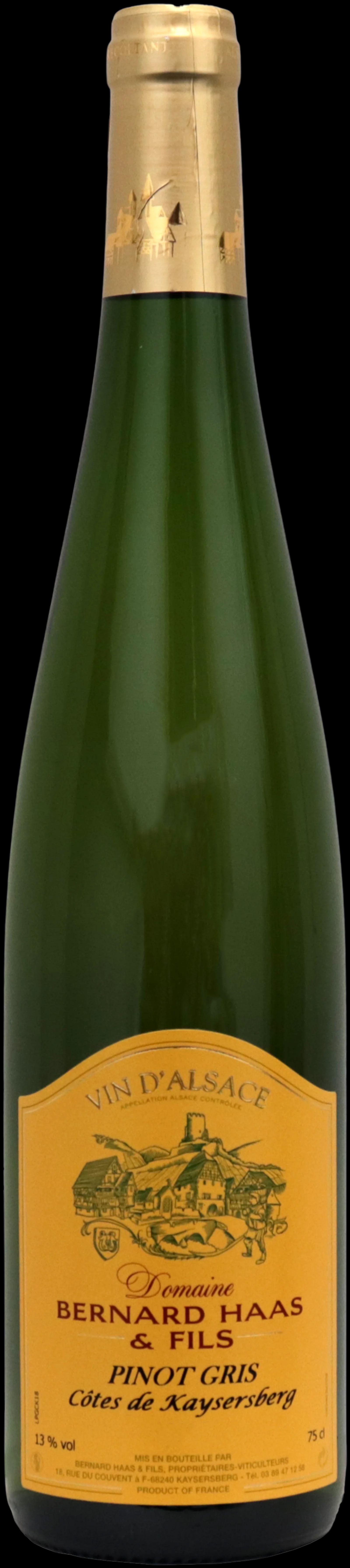
The main white varieties are Riesling, Pinot Gris, Gewurztraminer, and Muscat — these four are the only grapes permitted under the Alsace Grand Cru designation, which covers 51 named vineyard sites. Pinot Blanc is widely planted and typically produces the region's most approachable dry whites. Pinot Noir is the sole red variety permitted in Alsace AOC, and plantings have grown by roughly 40% since 2000 as producers adapt to warmer vintages.
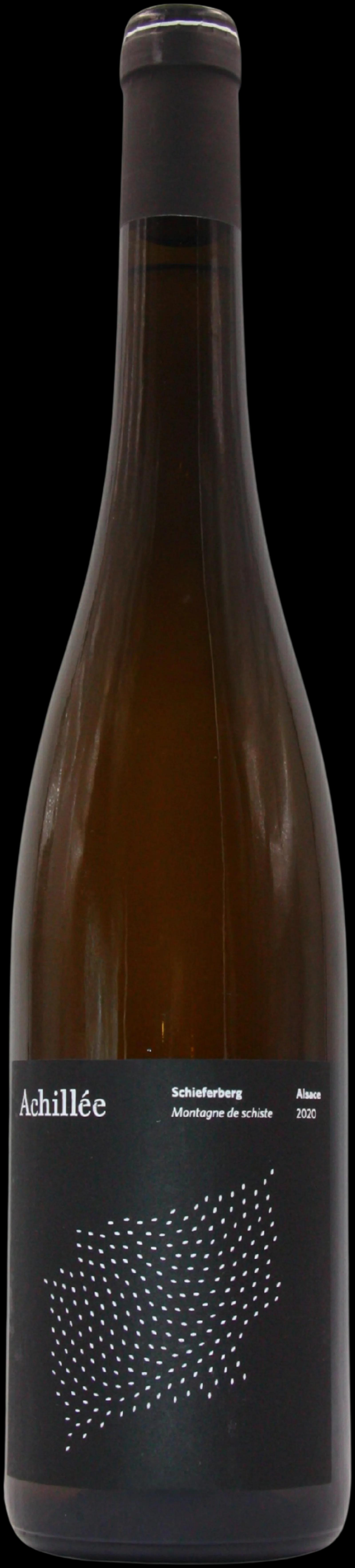
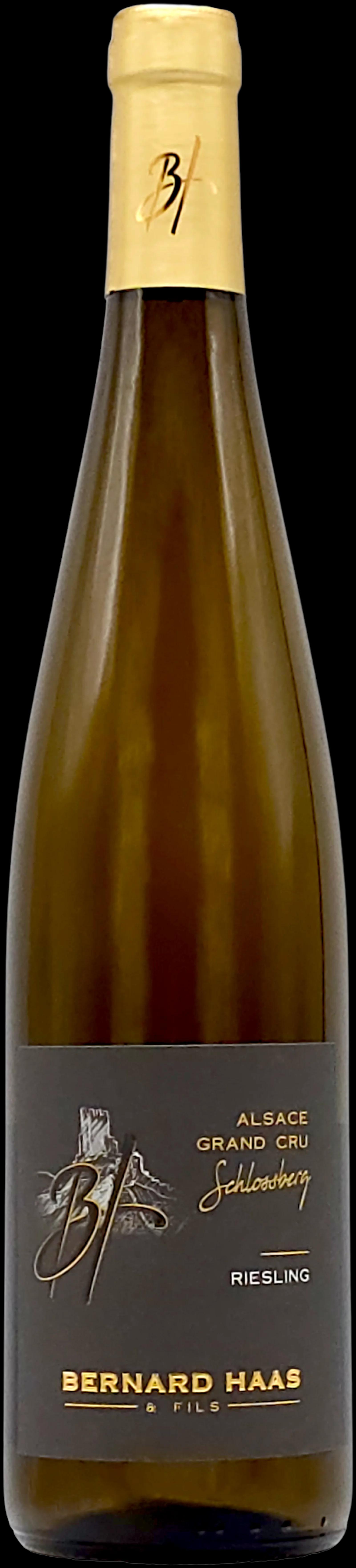
Alsace Grand Cru was established in 1983 and now accounts for around 4% of total production. Individual Grand Cru sites vary significantly: Rangen de Thann in the south sits on volcanic schist and basalt; Schoenenbourg near Riquewihr is built on gypsum and marl. Soil type is one of the primary variables driving stylistic differences between producers working the same variety.
Winemaking styles and the dry versus off-dry question
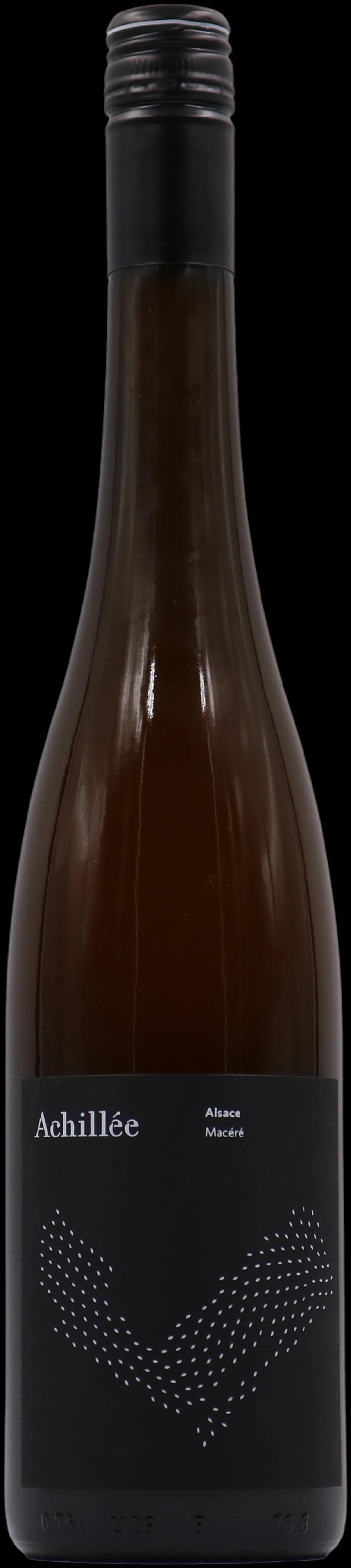
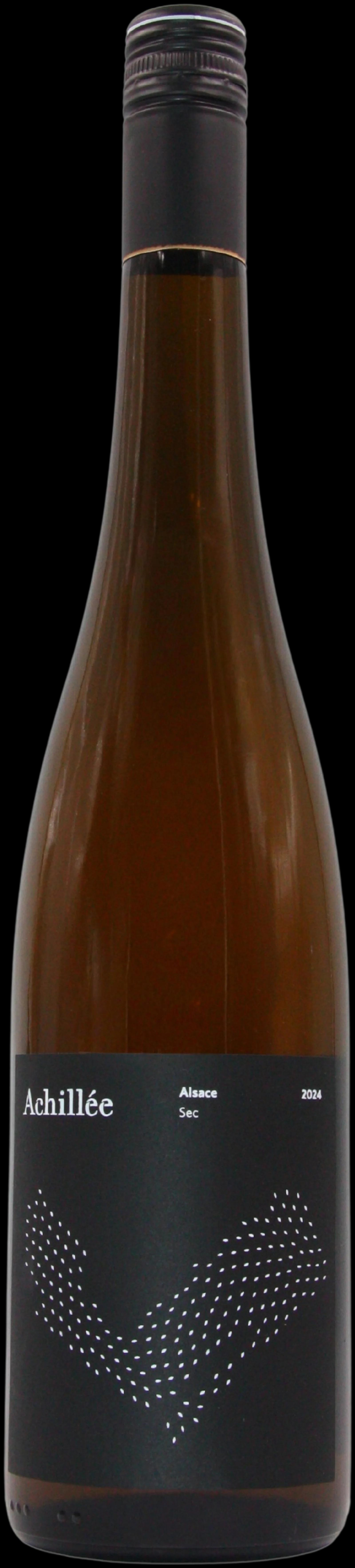
Alsace has a documented labelling problem: until 2021, there was no legal requirement to indicate residual sugar on the label. A bottle of Alsace Riesling could be bone dry or noticeably sweet with no outward indication. The introduction of the Alsace Grand Cru dry wine specification in 2021 addressed part of this, requiring Grand Cru wines to meet defined dryness thresholds, but the wider AOC category still allows producers to decide their own style without mandatory disclosure.
Vendanges Tardives (late harvest) and Sélection de Grains Nobles (botrytised, similar in concept to Sauternes or German Trockenbeerenauslese) represent the sweeter end of the spectrum. These are produced in limited quantities in years where conditions permit and are not made by every producer every year.
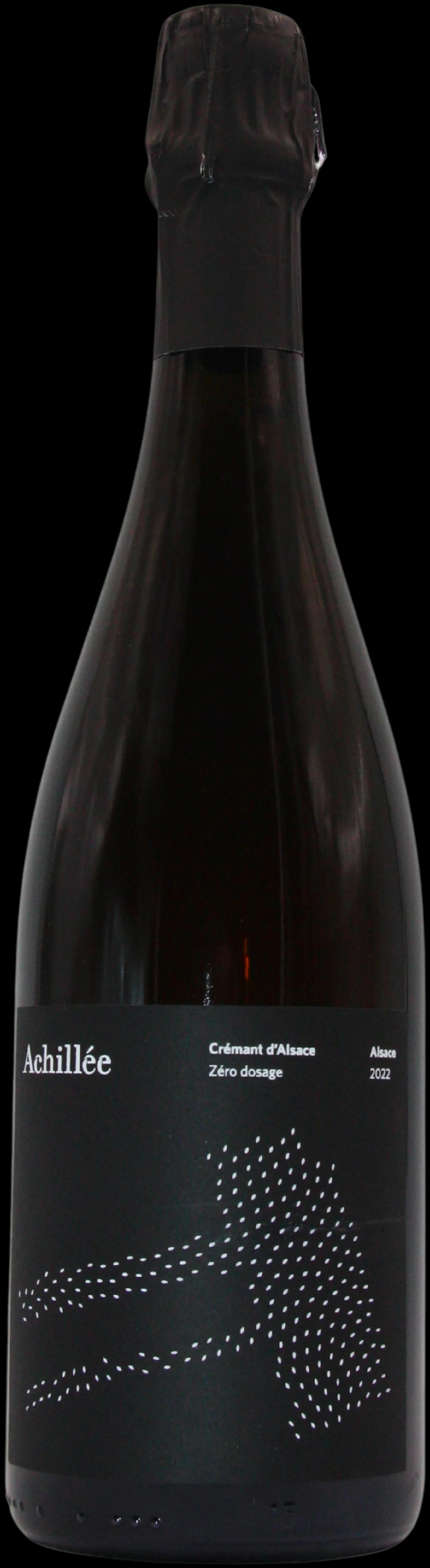
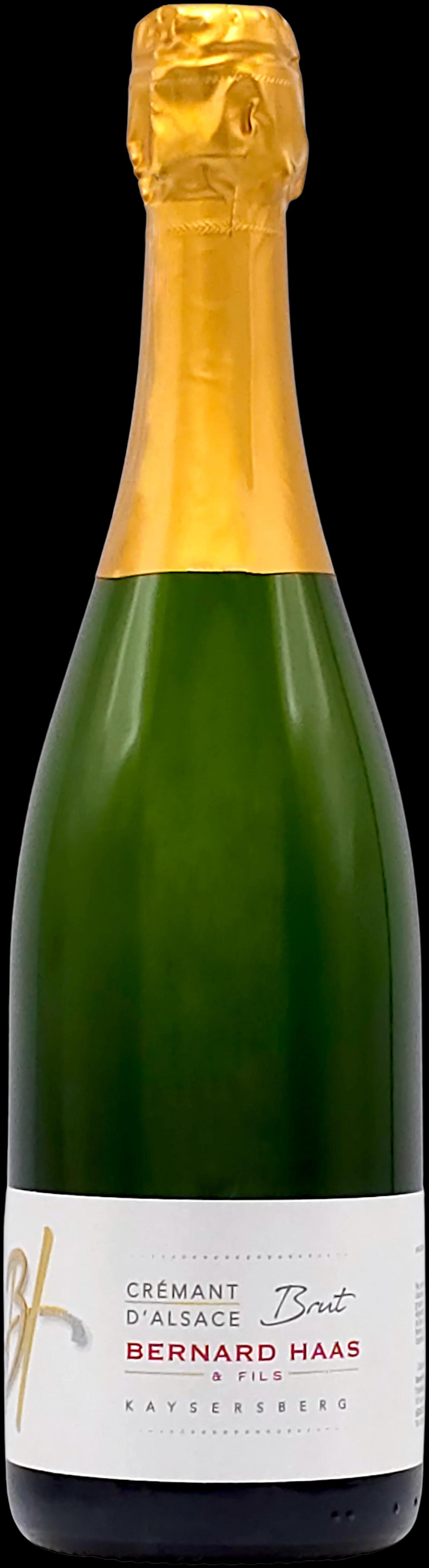
Crémant d'Alsace is the region's sparkling wine, produced by the traditional method (secondary fermentation in bottle). It accounts for around 25% of all Alsace production by volume — a share that has grown steadily since the 1990s. The base wines are predominantly Pinot Blanc, though Riesling, Pinot Gris, and Auxerrois are also used.
The producers listed on Free Grape Society ship directly from their cellar in Alsace. No importer, no wholesaler. The price you see is the price the producer agreed to. That is structurally different from how most Alsace wine reaches retail shelves in export markets, where a bottle typically passes through three to four commercial hands before it reaches a customer.
How Alsace producers work with Free Grape Society
Producers on the platform were quality-vetted before listing. Samples are sent to our Head of Product, who tastes every wine before it goes live. Independent wine experts Rate & Review individual wines on the platform — their reviews are visible on each wine page and on their own profile.
Alsace sits within the broader French wine catalogue on the platform, alongside regions including Burgundy, the Rhône Valley, the Loire Valley, and Bordeaux. Within France, Alsace is distinctive for its Germanic variety focus and its producer-labelling conventions — characteristics that make direct producer relationships particularly valuable, since understanding what is actually in the bottle often depends on context that retail labels do not supply.
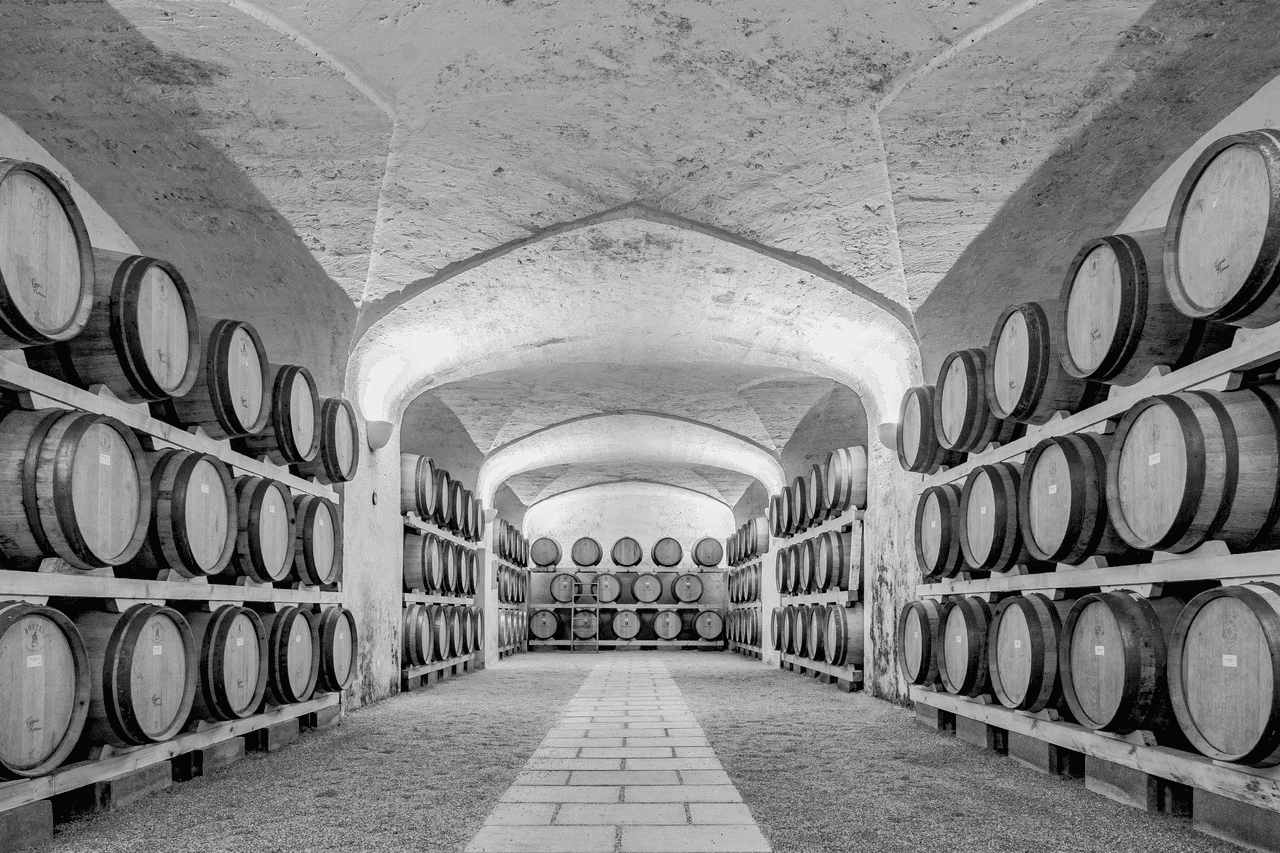
Producers, experts, restaurants, and wine lovers on the same platform, on the same terms. That is what Free Grape Society is. The producer sets the price, the independent expert reviews the wine, and the bottle ships directly from the cellar in Alsace. No buyer with quarterly targets. No chain defending shelf space.