Where Syrah comes from and how region shapes it
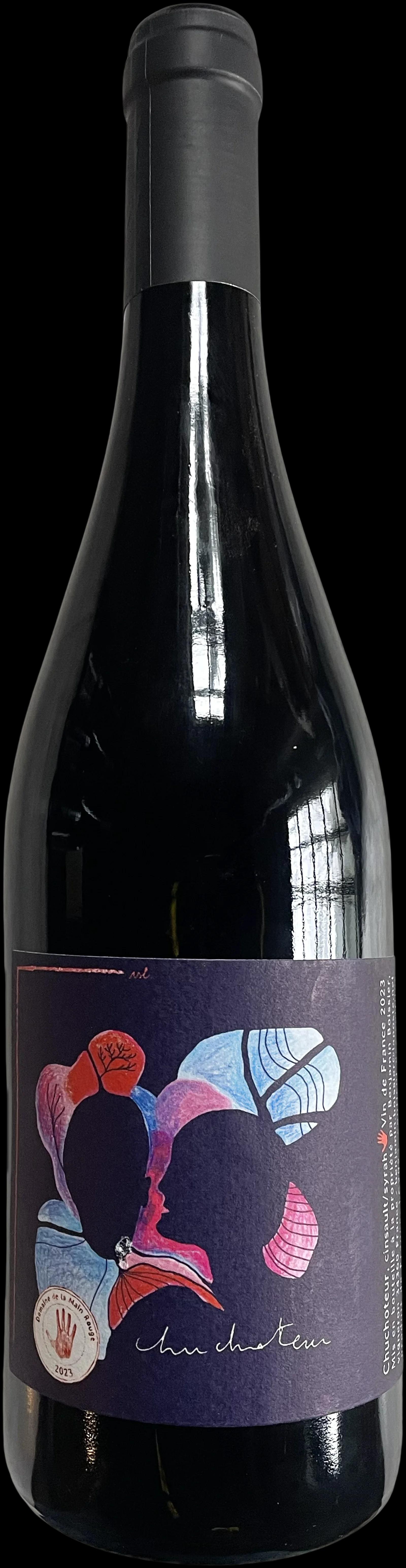
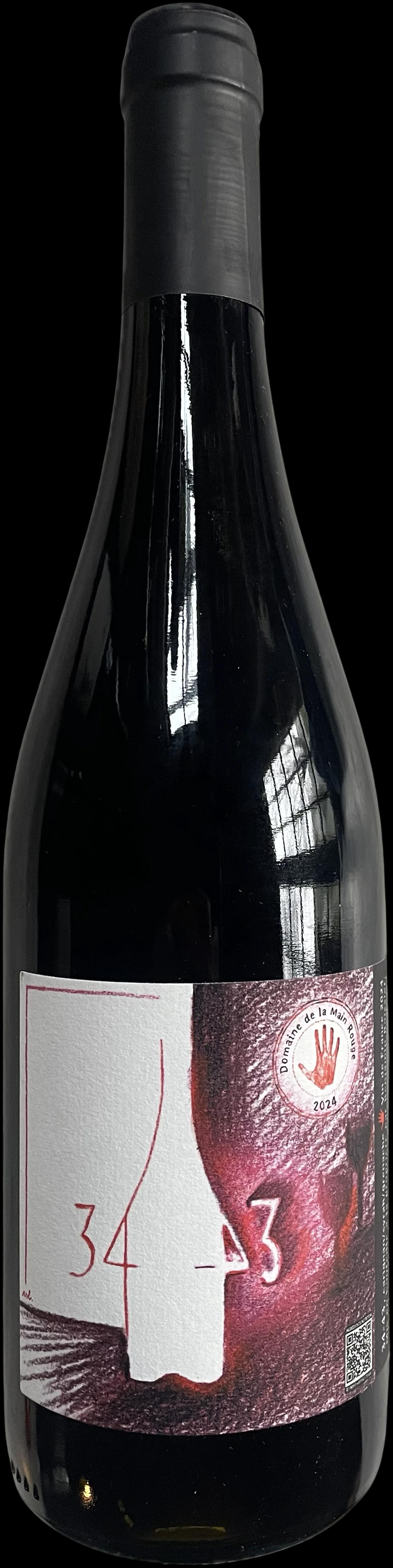
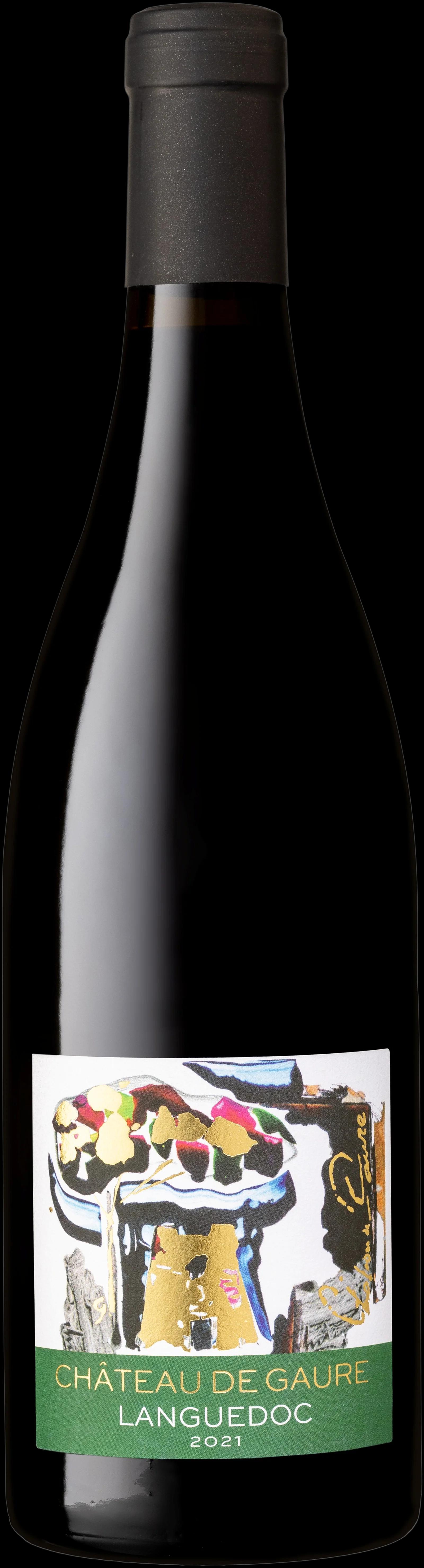
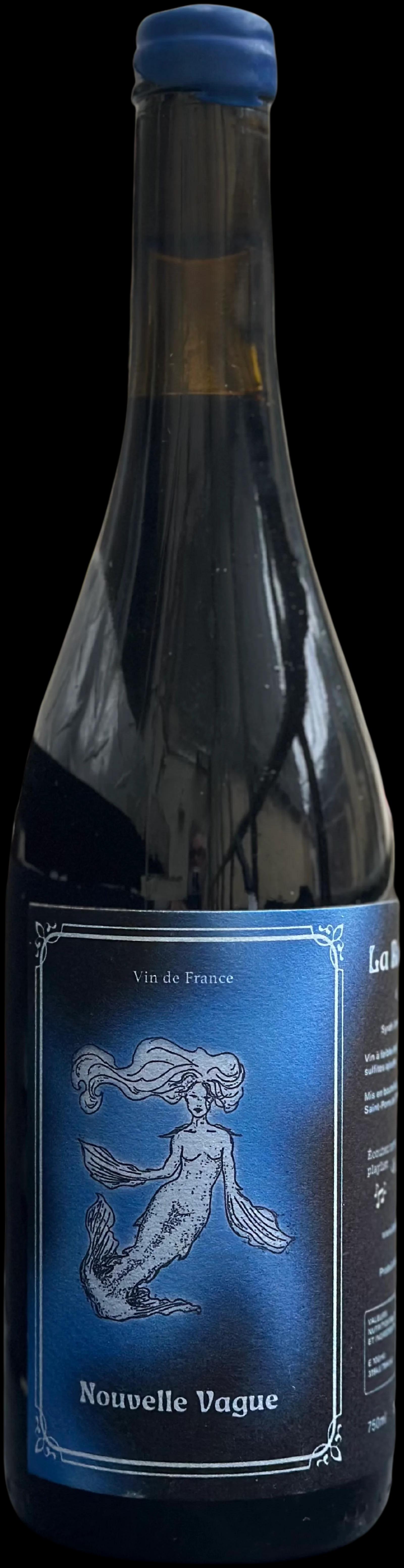
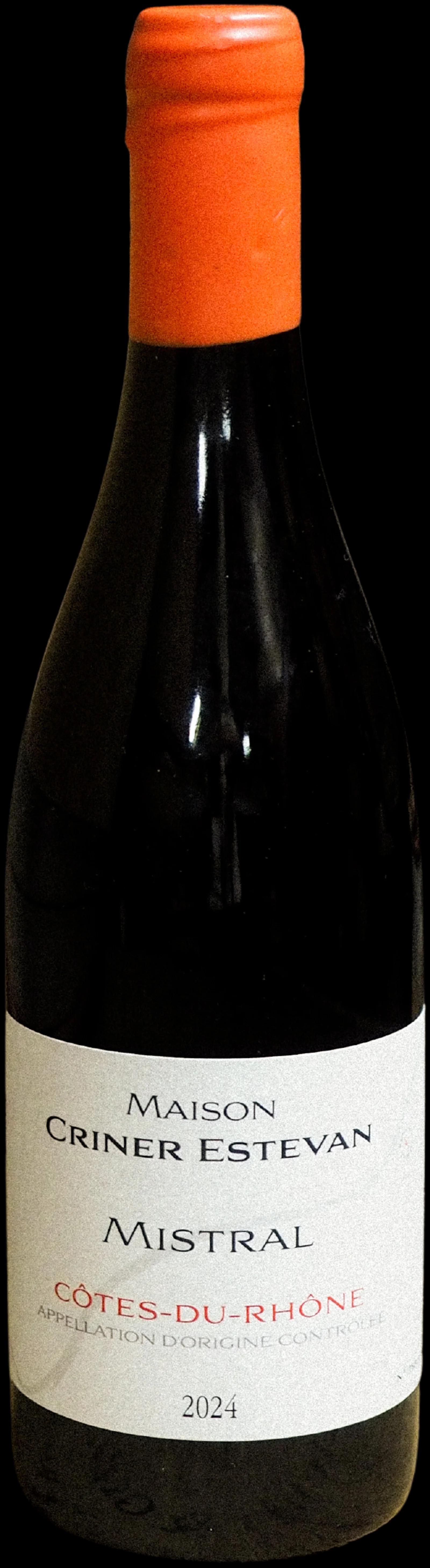
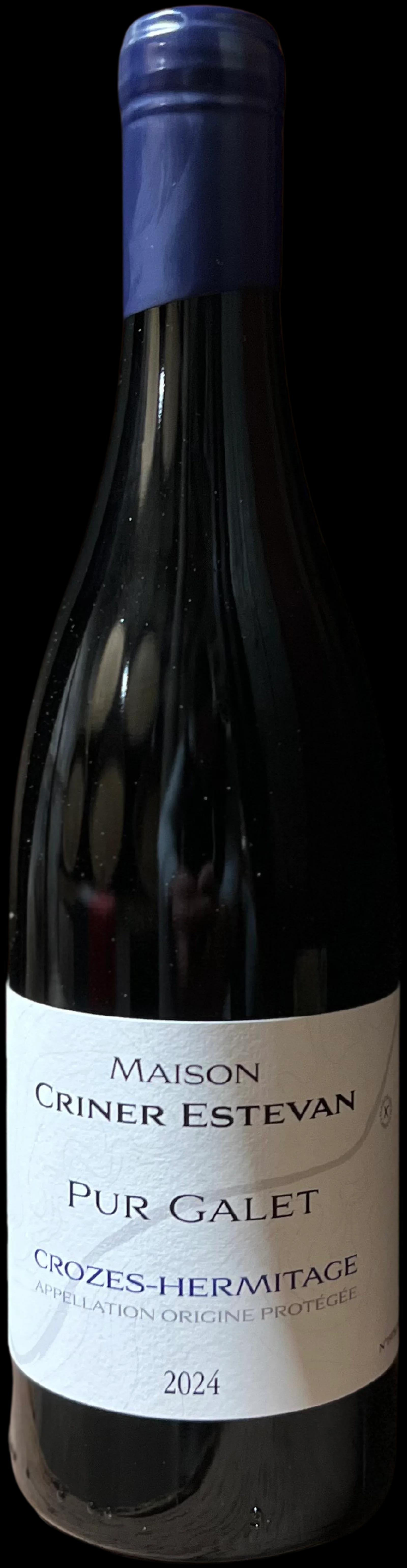
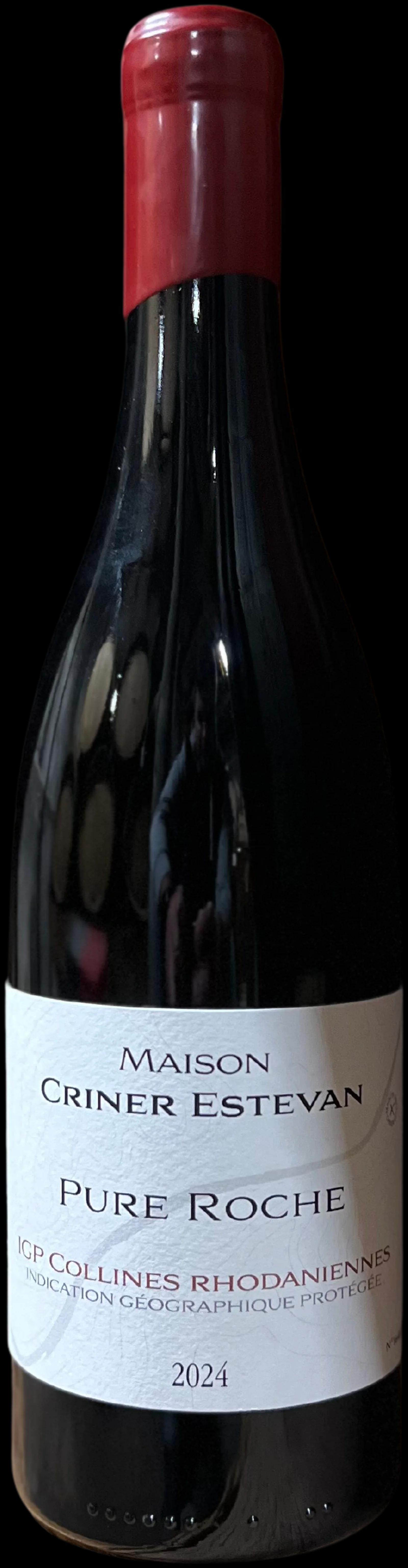
Syrah originated in the northern Rhône Valley, where it is the only permitted red grape in appellations such as Crozes-Hermitage and Saint-Joseph. In those steep, granite-terraced vineyards, it produces wines that are deep in colour, structured in tannin, and marked by black olive, smoked meat and violet — a profile that comes directly from the combination of cool nights, thin soils and a southerly aspect. Travel south into the Languedoc-Roussillon or across to Spain, and the same grape behaves differently: warmer ripening conditions fill it out, soften the edges and push the fruit register toward dark plum and chocolate. In the southern hemisphere, particularly in Australia, it is known as Shiraz — a name that reflects a distinct winemaking tradition rather than a different grape. Among the producers on Free Grape Society, you will find Syrah from the Rhône Valley, from Aragon in Spain, and from several other regions where independent growers have made it their own. Because Syrah's character shifts so clearly with latitude and soil, comparing two bottles from different places is one of the quickest ways to understand what terroir actually does.
How Syrah tastes, and what to drink it with
Syrah is a full-bodied red with naturally high tannin and good acidity — a structure that makes it age well and stand up to food. In cooler-climate expressions from the northern Rhône, the aromatics tend toward pepper (particularly white pepper), cured meat, graphite and dark fruit; in warmer sites the wine opens into riper blackberry, mocha and spice. Co-fermentation with a small proportion of white Viognier grapes, a traditional northern Rhône practice, is sometimes used to fix colour and add a floral lift without changing the grape variety. At the table, Syrah has a natural affinity with roasted lamb, game birds, slow-cooked beef and hard aged cheeses. It also pairs well with dishes that carry smoke or spice — grilled meats, merguez, mole — because it mirrors rather than fights those flavours. Lighter, earlier-drinking styles from Languedoc-Roussillon or southern Italy work with dishes you might otherwise match to Grenache or Merlot. If you want a second opinion before choosing, independent wine experts on Free Grape Society review wines they have personally tasted, and their notes are visible on each wine page.
Buying Syrah direct from independent producers
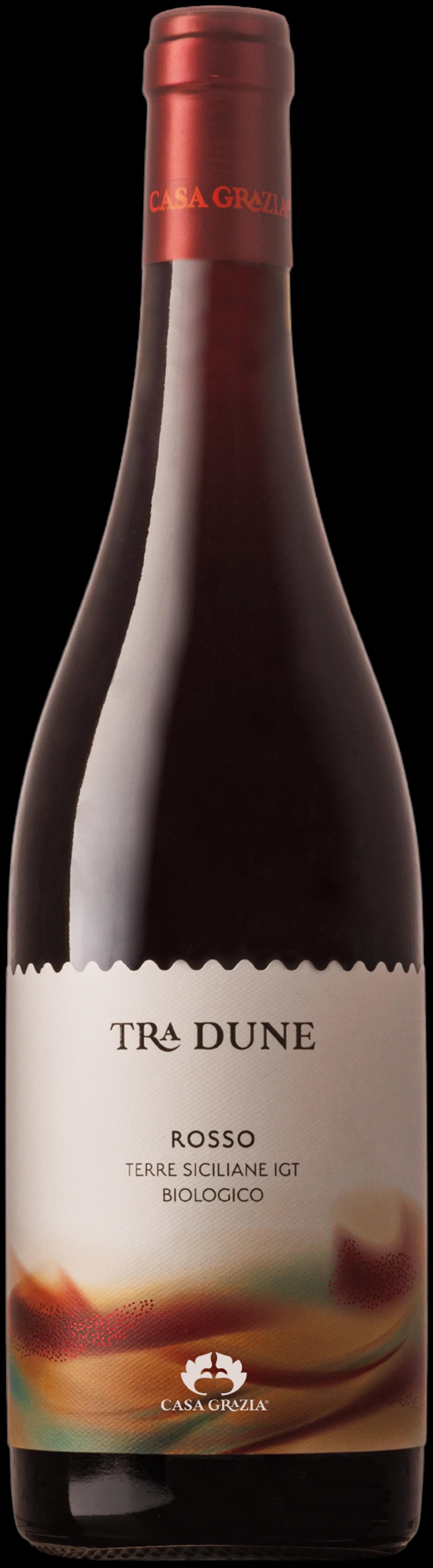
Syrah is grown across a wide range of European appellations — from its northern Rhône heartland through Languedoc-Roussillon, the Rhône Valley broadly, Aragon, Sicily and Tuscany — and the producers who make it tend to be estates where the winemaker makes decisions from vineyard to bottle. On Free Grape Society, wines are tasted before listing, and each bottle ships directly from the producer's cellar, with no importer or warehouse in between. That means the wine you receive is the wine the producer intended, stored under their own conditions until it leaves for your door. If you want to explore further, the France and Spain pages show what else those producers make beyond their Syrah, and the Rhône Valley wineries page lists the estates working in the grape's original home. Free Grape Society is a society of producers, independent experts and wine lovers — not a shop — and Syrah, with its long history and wide geographic spread, is one of the better grapes to explore when you want to see how much place can change a wine.