
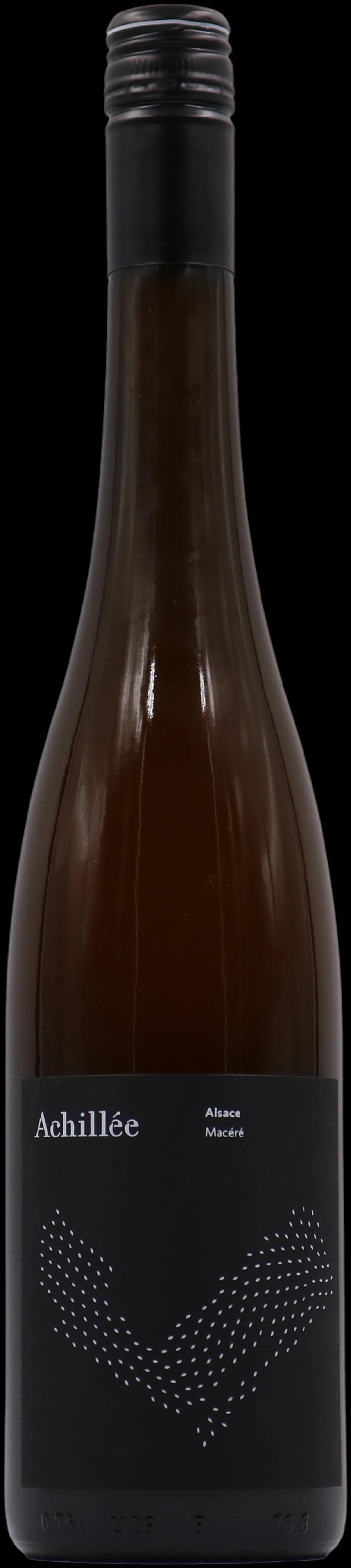
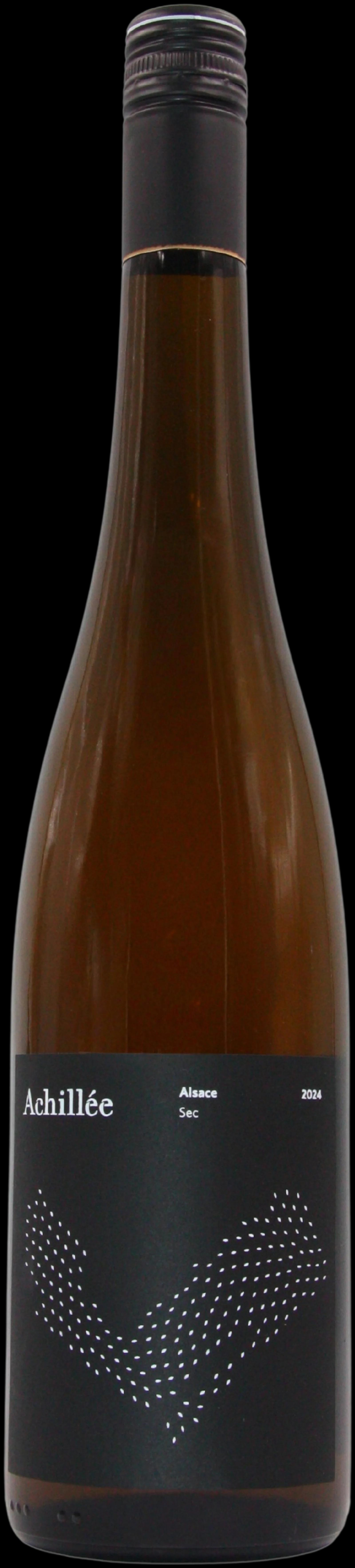

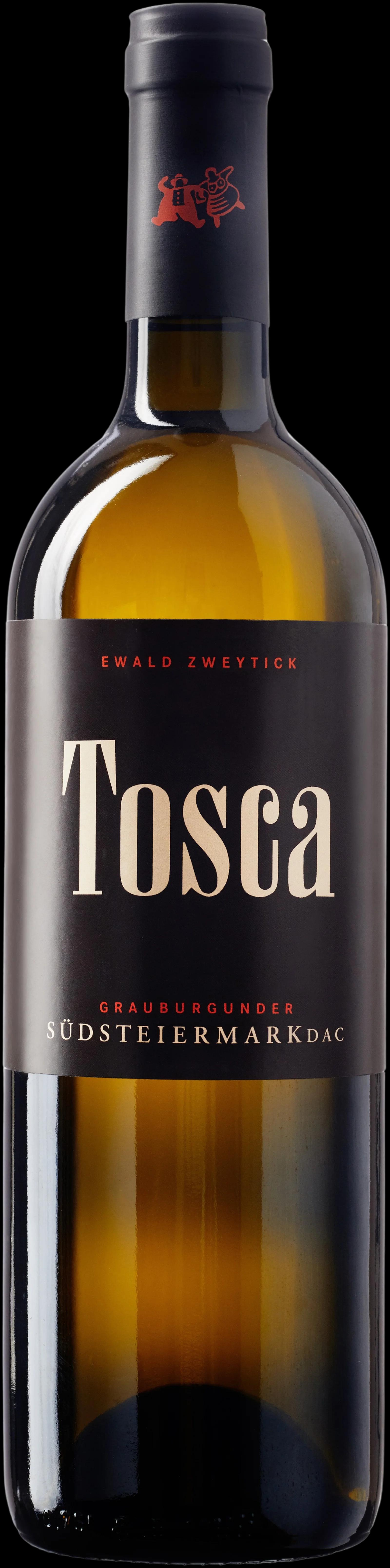

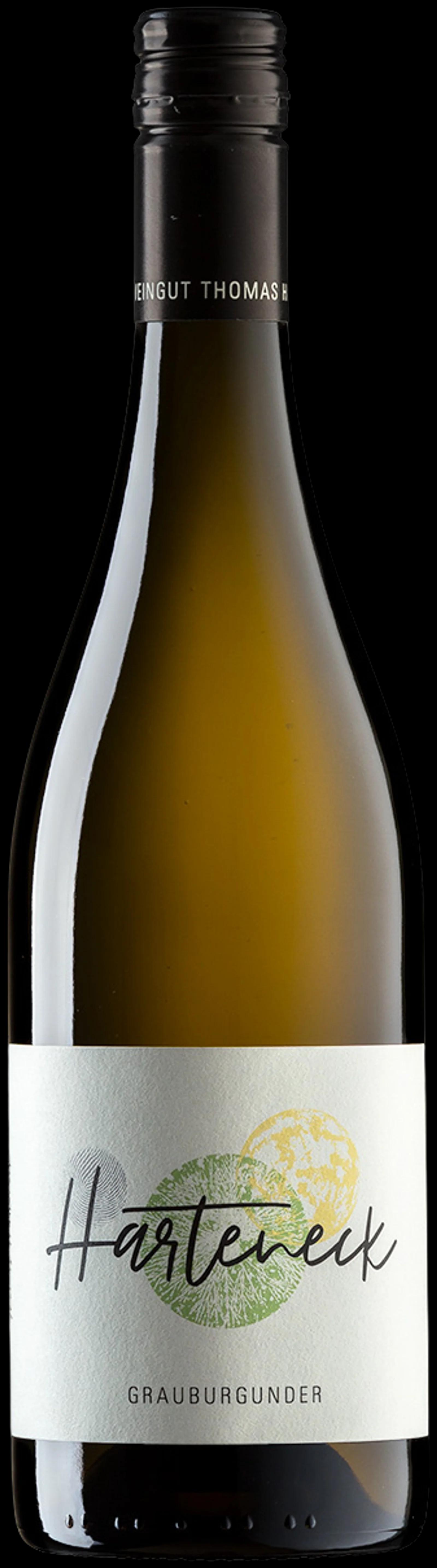
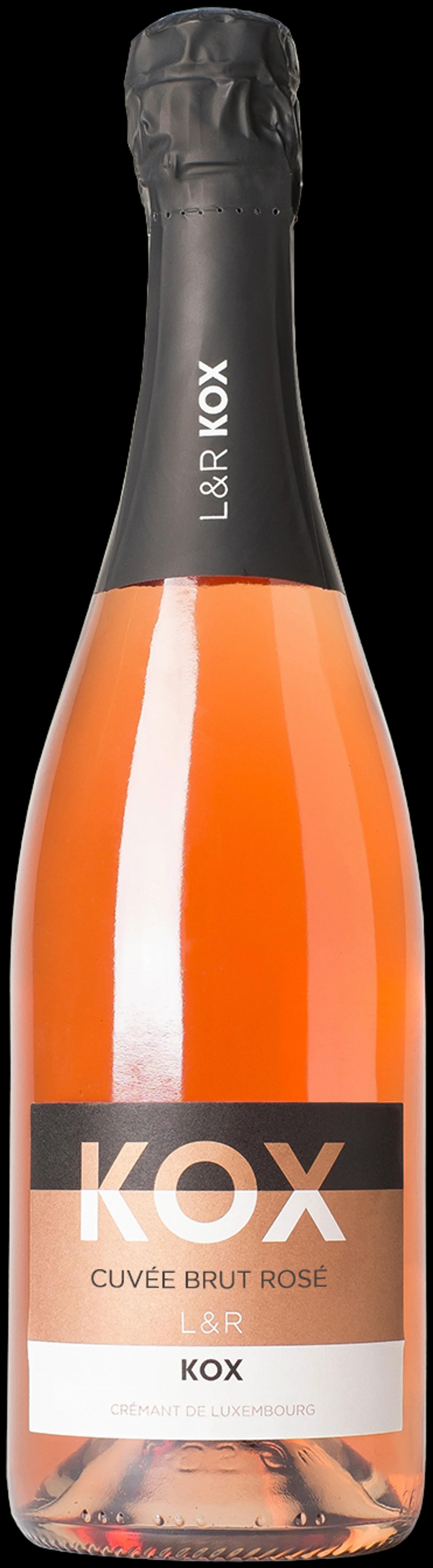
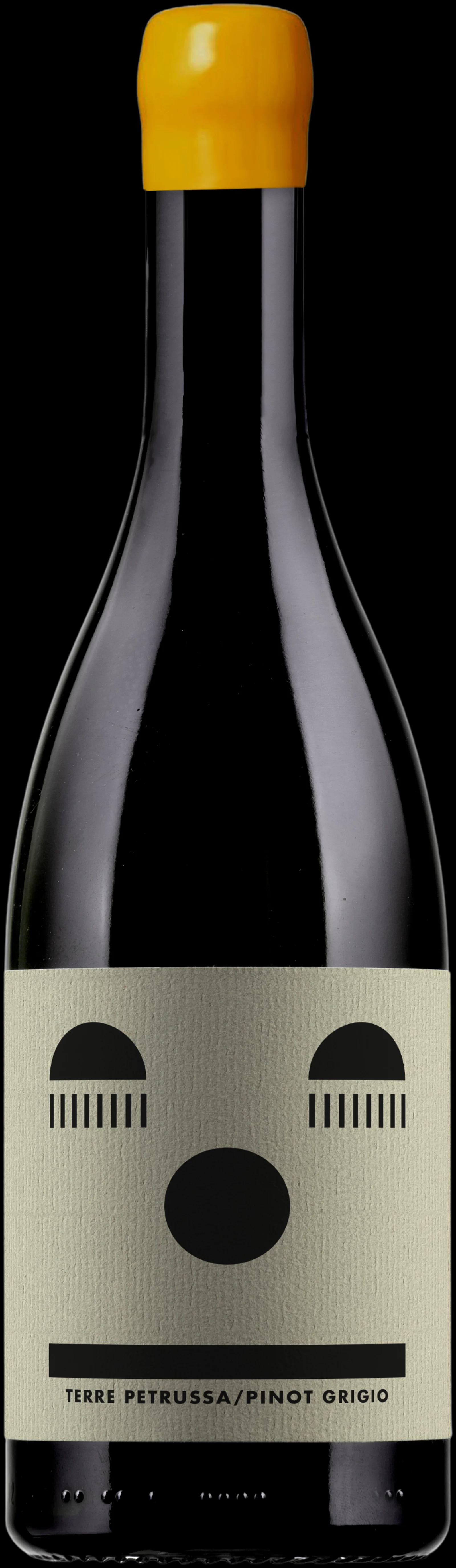
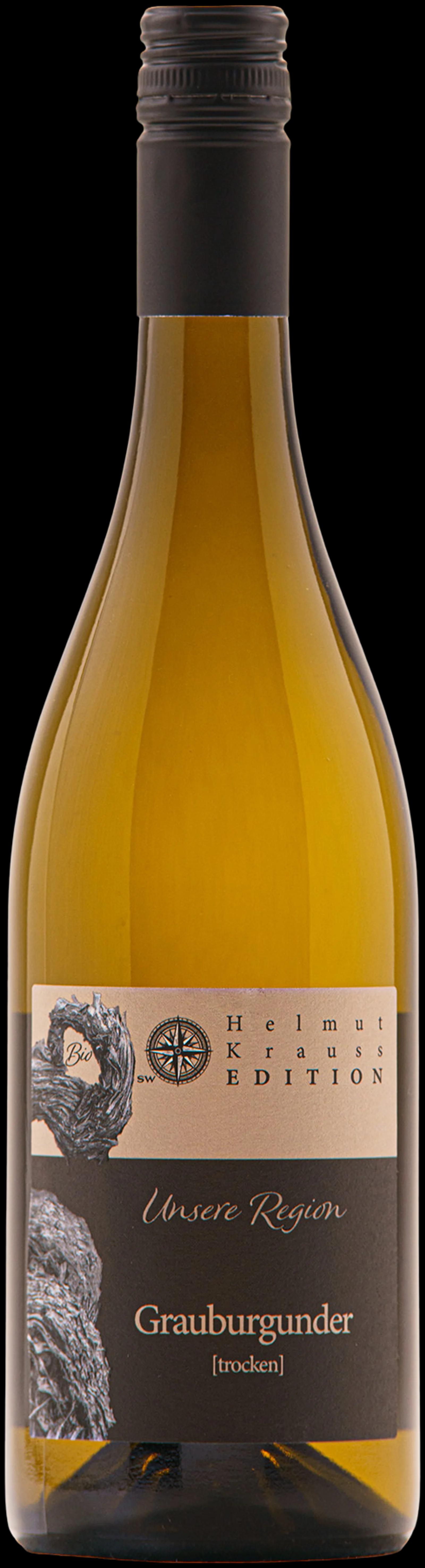
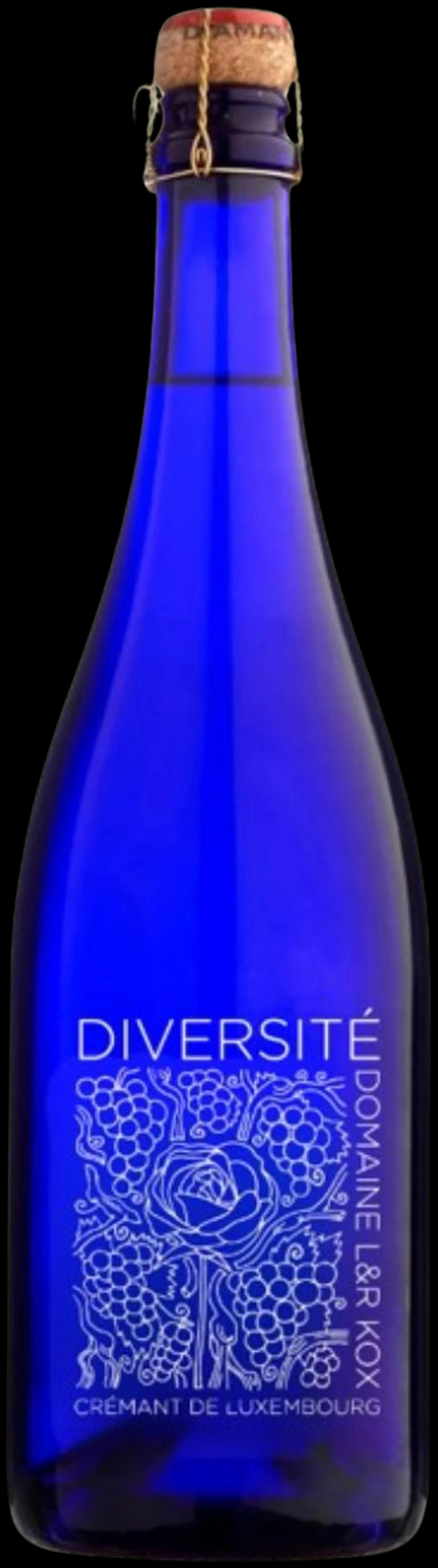

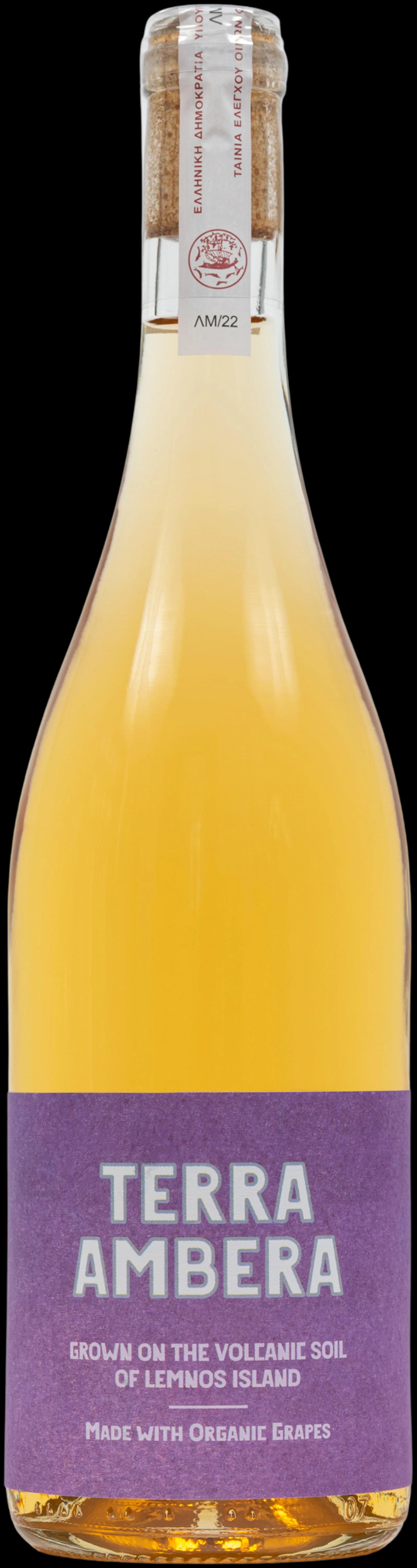
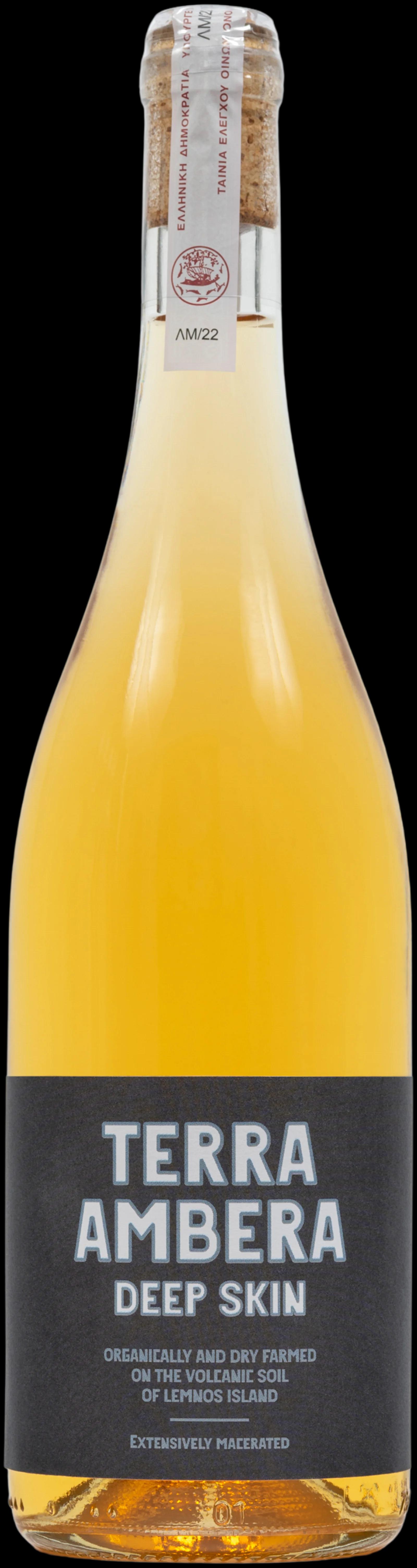
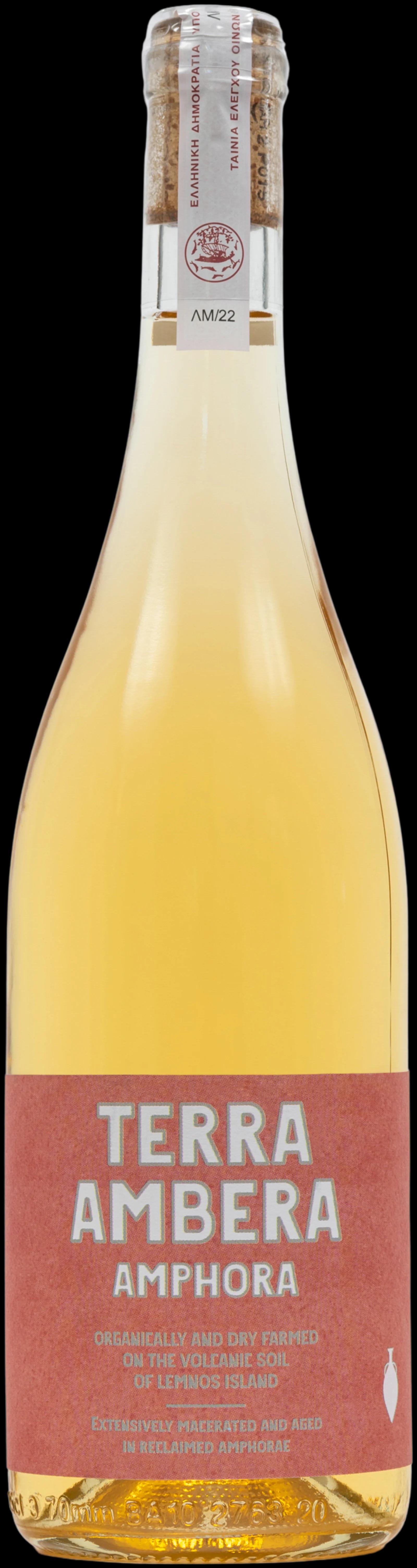

Pinot Gris — from Alsace skin-contact to Italian Pinot Grigio

Pinot Gris wines from growers who control their own production. Styles range from dry and mineral to late-harvest and orange.

One grape, two identities, direct from the producer.

Color

Dropdown arrow

Type

Dropdown arrow

Country

Dropdown arrow

Region

Dropdown arrow

Grape

Dropdown arrow

Pairing

Dropdown arrow

Sort by

Sort arrow
Pinot Gris

Pinot Gris wines

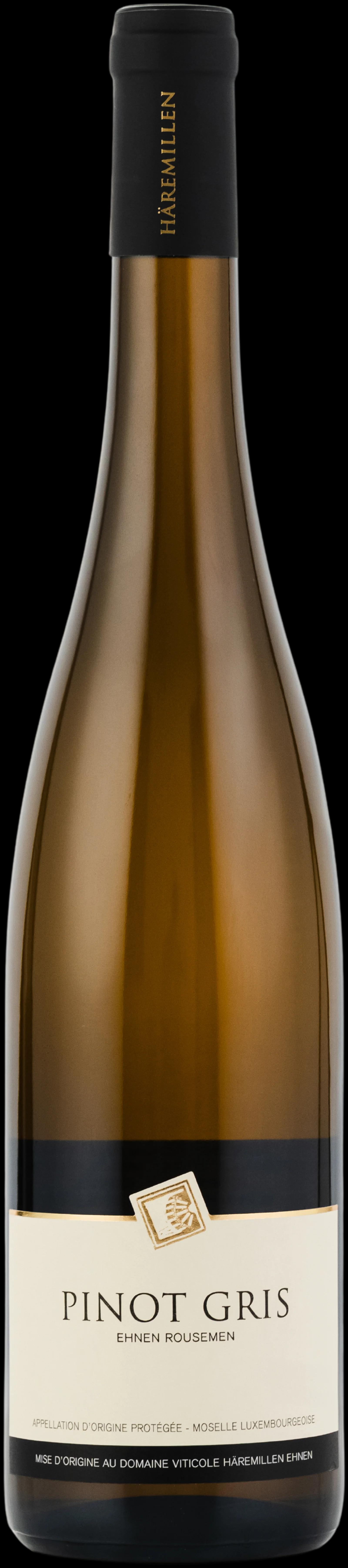
Pinot Gris and Pinot Grigio are the same variety, but the two names signal radically different winemaking choices. In Alsace, the grape is often vinified with significant skin contact, producing deep-colored, full-bodied whites with firm texture and residual complexity. In northeastern Italy, early-picked Pinot Grigio is pressed fast and fermented cool for a lighter, crisper result. The wines below come from producers who bottle under their own name, shipping directly from their cellar.

Previous1 of 1Next

Pinot Gris mixboxes

A mixbox on Free Grape Society is always six bottles from one producer. On a grape page, between three and six of those six bottles are Pinot Gris or Pinot Grigio. The rest, if any, are bottles the producer chose to show what surrounds this grape within their own range. When a producer works exclusively with this variety, the entire box may be Pinot Gris. The composition is the producer's decision, not a buyer's assembly.

Wine experts

Producers who bottle under their own name and ship from their own cellar set prices without a wholesale chain adding margin. Every wine on this page was tasted by our Head of Product before listing. Producers who work with Pinot Gris tend to span a wide stylistic range: from northern Italian estates focused on early-drinking freshness to Alsatian and Austrian estates building wines with genuine ageing potential.

Pinot Gris producers

Independent wine experts on Free Grape Society rate and review wines they have personally tasted. Their reviews appear on the individual wine page and on the expert's own profile. Several of the experts below have reviewed Pinot Gris and Pinot Grigio wines featured on this page. Reviewing activity and track records are visible, so you can assess an expert's range and focus before following a recommendation.

Frequently asked questions

How do I order Pinot Gris on Free Grape Society?

Browse the wines listed on this page, add bottles to your cart, and check out in one step. Each listing shows the producer, region, vintage, and style. No account is required to browse. Wines ship from the producer's cellar directly to your address.

What happens if a bottle arrives broken or doesn't taste right?

Send a photo to Free Grape Society customer support within 7 days of delivery. We will arrange a replacement or a refund. Because producers ship directly, quality issues are handled with the producer's direct involvement. Shared responsibility is built into how FGS works.

Can I order Pinot Gris from more than one producer in the same cart?

Yes. You can add wines from multiple producers to a single cart and pay once. Each producer ships their own wines separately, so you may receive more than one delivery from a single order, each arriving from a different cellar.

How long does delivery take?

Average delivery is 8 to 9 days from order to door. The full range is 4 to 14 days depending on the producer's location and your delivery address. Wines ship directly from the producer's cellar, not from a central warehouse.

What is the difference between Pinot Gris and Pinot Grigio?

They are the same grape variety. The name signals origin and style. Pinot Gris is the Alsatian and Germanic name; wines under this label tend to be richer, more textured, and sometimes off-dry. Pinot Grigio is the Italian name; wines under this label are typically lighter, crisper, and fermented dry. Producer choices and regional traditions drive the difference.

How do I find the right Pinot Gris style among the listings?

Each wine page states the producer, the region, and the vintage. For style guidance, check the expert reviews visible on individual wine pages. Wines from Alsace and Austria tend toward richer, more structured expressions. Wines from northeastern Italy and the Czech Republic tend toward lighter, earlier-drinking styles.

Which wine expert can recommend a Pinot Gris for me?

No single expert on the platform carries a Pinot Gris-only specialization, but several experts who focus on French and Austrian wines have reviewed Pinot Gris bottles listed on this page. Browse the expert profiles below and filter by region to find one whose area matches the style you are looking for.

Why don't you sell Pinot Grigio from supermarket brands?

Supermarket Pinot Grigio is typically produced at high volumes, sourced through wholesale chains, and priced to compete on shelf space. The producers on Free Grape Society ship directly from their cellar. A bottle changes hands once, not three times. Different model, different wines.

How does Pinot Gris on Free Grape Society differ from what is broadly available in stores?

Most retail shelves carry high-volume Pinot Grigio from large northern Italian cooperatives. Estate-bottled Pinot Gris from Alsace, Austria, or smaller Italian producers rarely reaches standard retail distribution, because the production volumes are too low for wholesale minimums. Those are the bottles you find here.

Where Pinot Gris is grown — and what it becomes

Pinot Gris is the same grape in Alsace and Alto Adige, in Oregon and Oltrepò Pavese — but what it becomes in each place is markedly different. In Alsace, it tends toward full-bodied, richly textured whites, sometimes with residual sugar and real ageing potential; an Alsatian Pinot Gris can hold for a decade or longer. In Friuli Venezia Giulia, the grape is often pressed early for a crisp, clean white sold as Pinot Grigio — pale-skinned and light in body. The same producers in Friuli, working with extended skin contact, produce amber-coloured wines with tannin, grip, and a drying finish — a style now marketed internationally as orange wine. In Germany, where it travels under the name Grauburgunder or Rulander, it sits stylistically between the two poles: dry, structured, with a mineral edge. In Italy more broadly, Pinot Grigio is the country's most exported white wine by volume, though the category spans everything from neutral bulk production to genuinely serious estate bottles from the northeast. The grape's pink skin — darker than most white varieties — is the reason it can produce everything from a pale straw still wine to a deeply pigmented skin-contact expression, all from the same variety.

The taste profile of Pinot Gris

Pinot Gris in its conventional white-wine form has a lower natural acidity than Riesling or Sauvignon Blanc, which gives it a broader, rounder texture on the palate. Aromatically it tends toward stone fruit — white peach, apricot, quince — with a smoky or spiced background that is most pronounced in Alsatian expressions. Residual sugar, when present, is rarely disclosed on the label, which can make style difficult to predict from label reading alone. Skin-contact versions — where the juice ferments on the grape skins for days or weeks — shift the profile entirely: tannin appears, the colour deepens toward amber or copper, and the fruit character moves from fresh stone fruit toward dried apricot, walnut skin, and tea. Orange wines made from Pinot Gris are among the more structured examples of the category, with enough grip to accompany food that would overwhelm a conventional white. Producers who work with both styles — conventional and skin-contact — often do so with fruit from the same vineyard, making the vinification choice the defining variable, not the terroir.

How Pinot Gris producers differ in approach

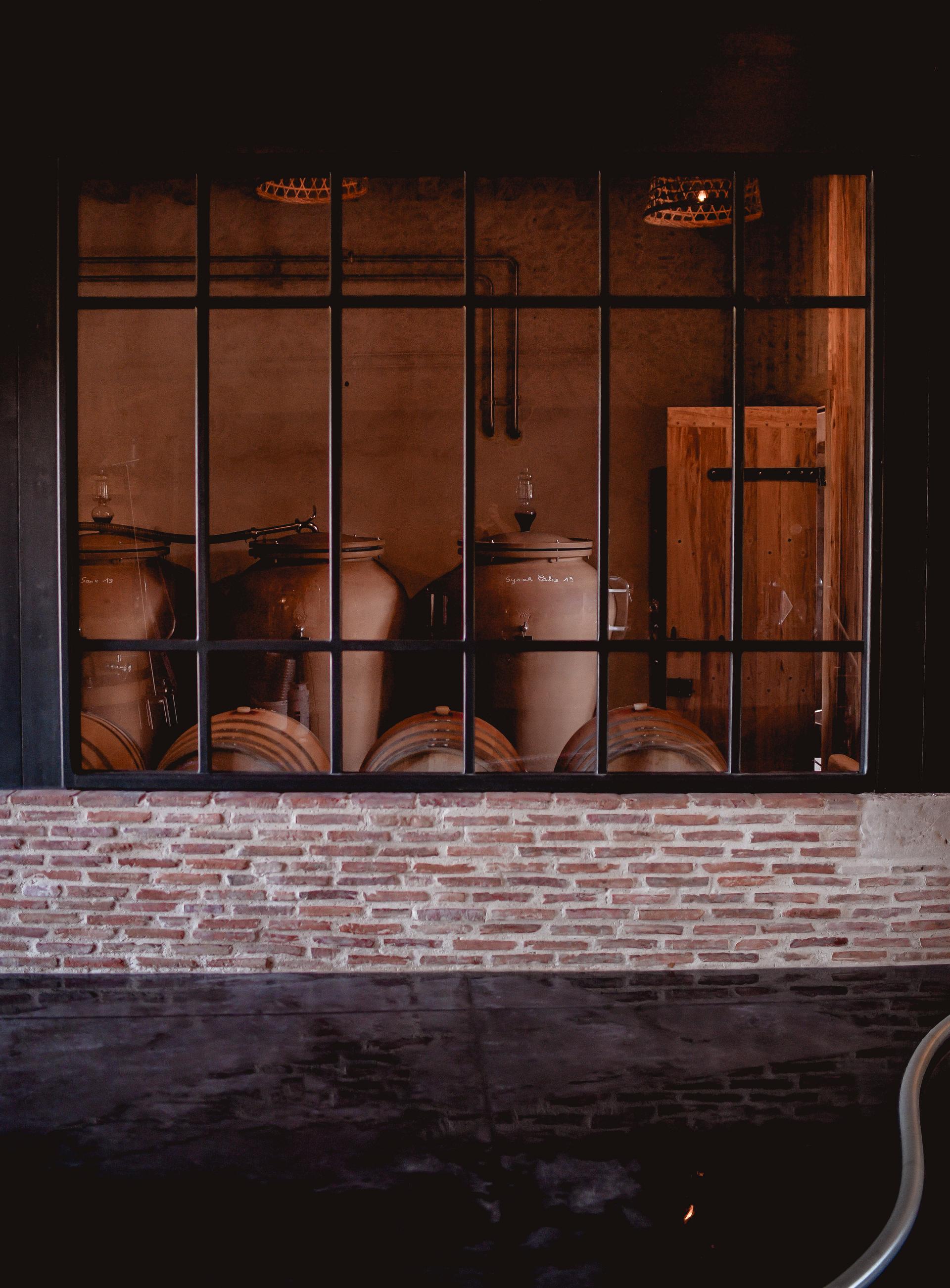
The clearest dividing line between Pinot Gris producers is pressing timing and skin contact. Early pressing with minimal skin contact gives a pale, fresh wine; longer maceration gives colour, texture, and tannin. Beyond that, the key decisions are fermentation vessel (stainless, large oak, amphora) and whether to bottle with residual sugar or take the wine to dryness. Producers in Alsace have historically used natural residual sugar as a stylistic tool, though the category labelling — Vendange Tardive, Sélection de Grains Nobles — is regulated and declared. Producers in Friuli Venezia Giulia and Trentino-South Tyrol often work with the grape as a neutral base, with precision and restraint defining the house style. Growers who control their own production and bottle under their own name have the most latitude: they can choose maceration length, sugar level, and vessel without answering to a cooperative or a brand brief. The Pinot Gris wines listed on Free Grape Society come from producers who make those choices themselves — no intermediary determines the style, and no importer margin is added to the shelf price. Bottles ship from the producer's cellar directly. That is not the distribution model your supermarket works with.