Montepulciano: a bold red grape from the Adriatic spine of Italy

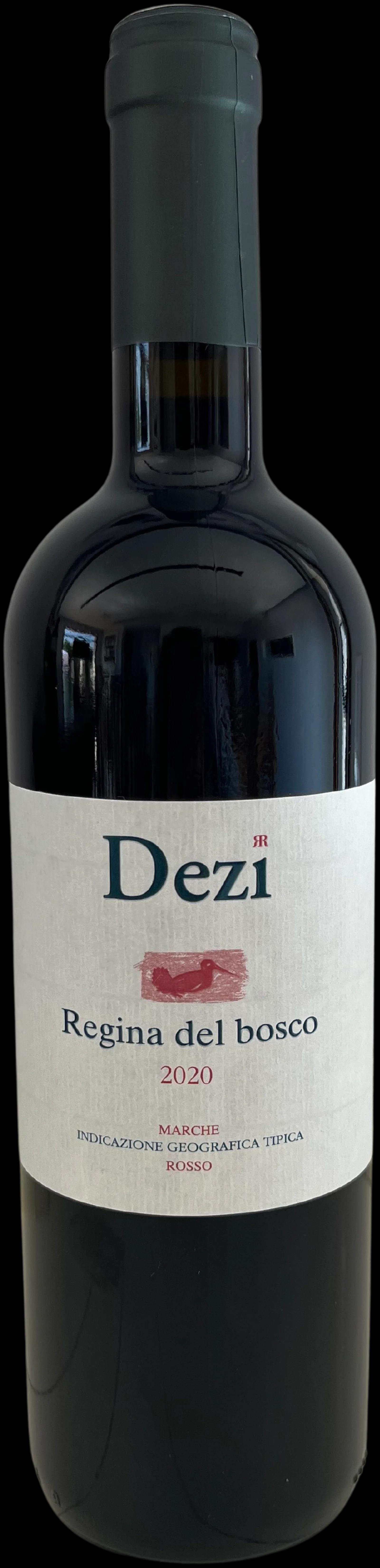
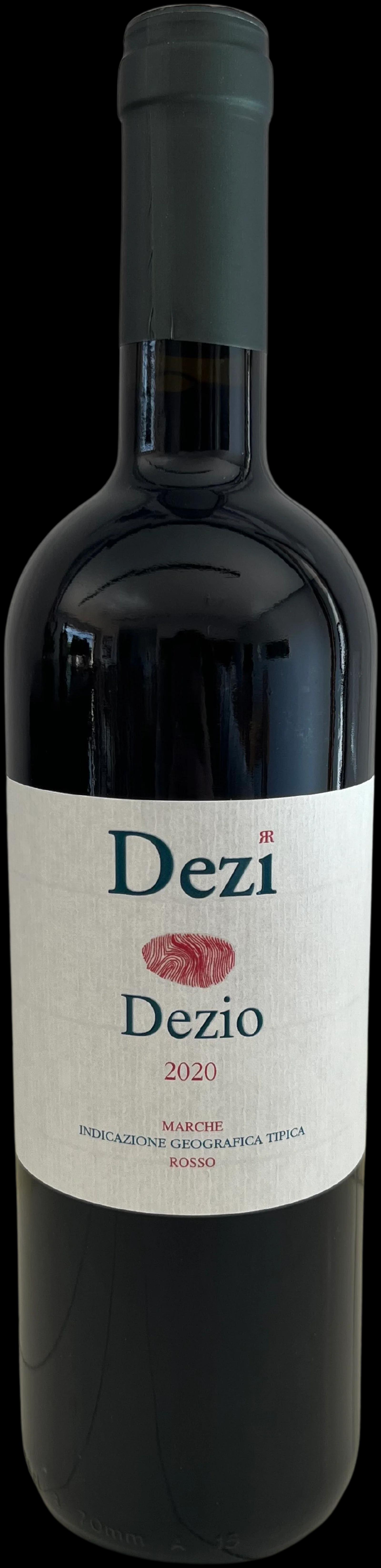
Montepulciano wine is produced across a broad stretch of central and southern Italy, where the grape ripens reliably in warm summers and yields wines with real structure and depth. The independent producers below grow it in its two most significant homes: Abruzzo on the Adriatic coast, and the Marches just to the north.

Deep colour, firm tannin, and a range that stretches from everyday Cerasuolo to the structured reds of Abruzzo and the Marches.

Color

Dropdown arrow

Type

Dropdown arrow

Country

Dropdown arrow

Region

Dropdown arrow

Grape

Dropdown arrow

Pairing

Dropdown arrow

Sort by

Sort arrow
Montepulciano

Montepulciano wines

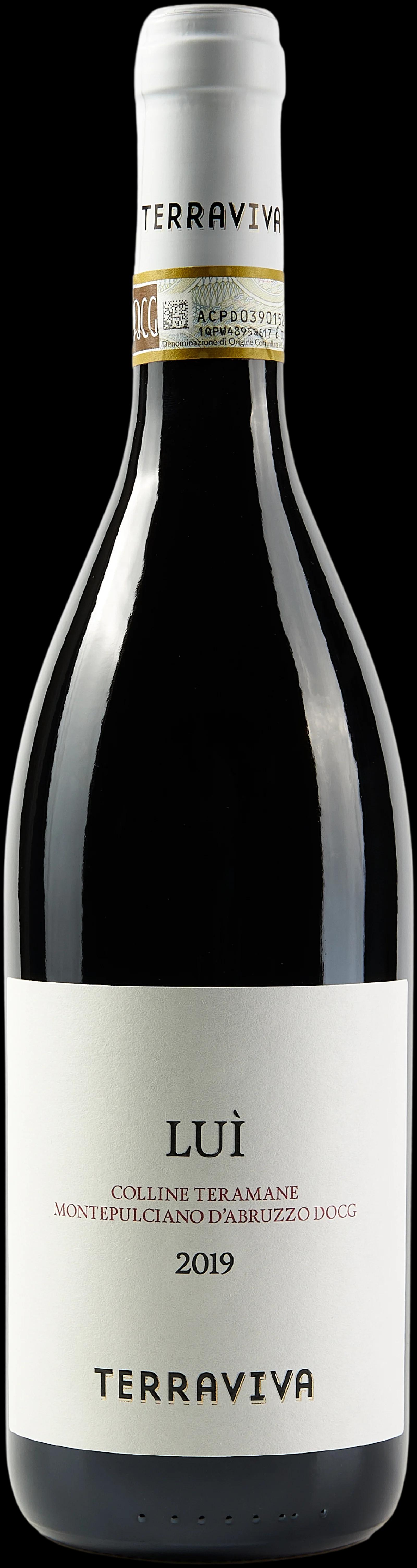
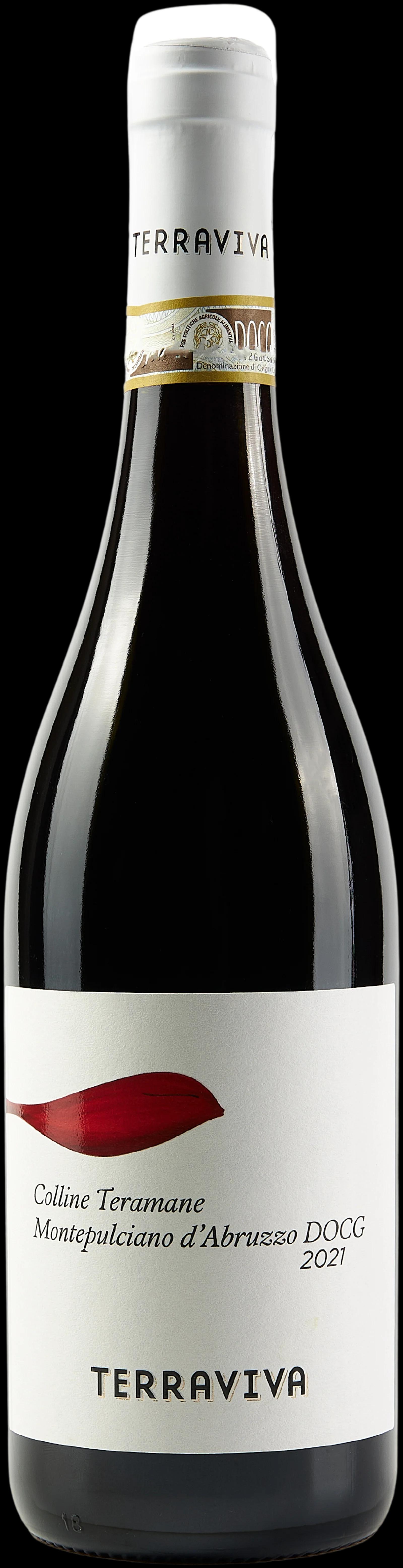
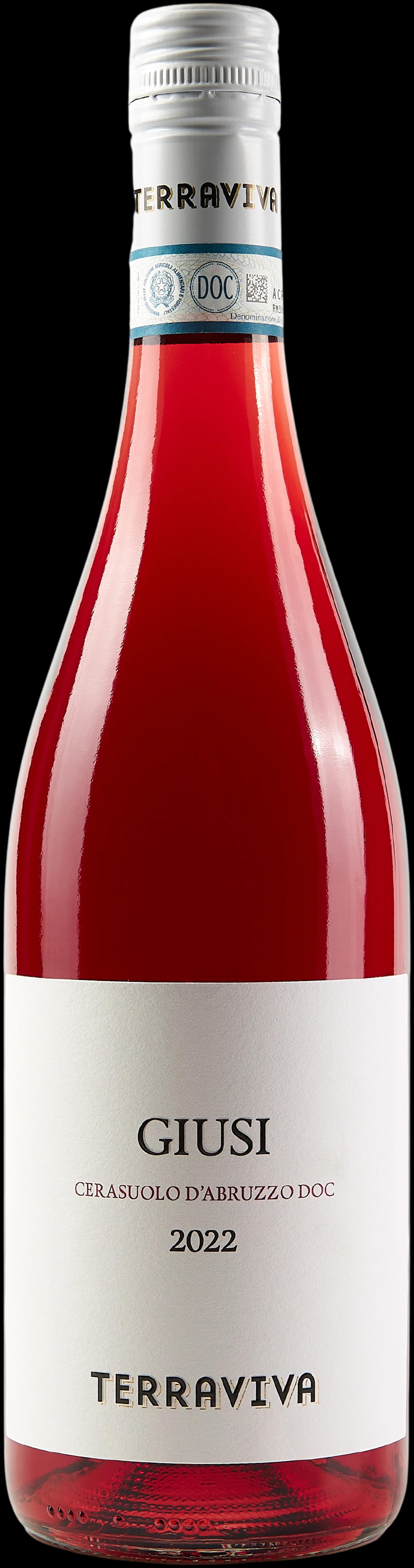
Montepulciano is one of Italy's most widely planted red grapes, but it is most at home along the Adriatic side of the Apennines. In Abruzzo, it earns its own DOC — Montepulciano d'Abruzzo — producing wines that range from deeply coloured and tannic to the pale, fresh salmon-pink of Cerasuolo d'Abruzzo, made by bleeding juice off the skins early. On Free Grape Society, each bottle is shipped directly from the producer's own cellar, with no importer or large warehouse in between.

Previous1 of 1Next

Montepulciano mixboxes

A mixbox is a producer's own selection of six bottles — the recommendation they would make if you visited their cellar and asked what to take home. With Montepulciano, that often means tasting the grape across its styles: a structured red alongside a Cerasuolo rosé, or comparing different vineyard blocks from the same estate. Free Grape Society is a society of producers, independent experts and wine lovers, not a shop.

View all mixboxes

Wineries

The growers below work with Montepulciano across Abruzzo and the Marches, where the variety takes on slightly different characters depending on altitude, proximity to the coast, and how long the wine spends on its skins. A producer's own notes are a good place to start when choosing between them, and the wine-advice service is there if you would rather talk through the options before deciding.

View all wineries

Wine experts

Independent wine experts review wines they have personally tasted, and their notes are visible on each wine page and on the expert's own profile. Several of the experts below have reviewed Montepulciano wines featured on this page, so you can read what they found before making your choice.

View all wine experts

Frequently asked questions

How do I order Montepulciano wine on Free Grape Society?

Browse the wines on this page, add a bottle or several to your basket, and check out. Each wine ships directly from the producer's cellar to your door. Free shipping is included, and you can pay by Klarna or card. Delivery takes between 4 and 14 days depending on where the producer is located.

What happens if a bottle arrives broken or doesn't taste right?

Send a photo to Free Grape Society customer support within 7 days of delivery. We will arrange a replacement or a refund. Because producers ship directly, quality issues are handled with the producer's direct involvement. Shared responsibility is built into how FGS works.

Can I order Montepulciano wines from more than one producer in the same order?

Yes. Free Grape Society is a marketplace, so each producer ships their wines independently. If you order from two producers in one checkout, you will receive two separate shipments — each sent directly from that producer's cellar. Shipping is free on both.

How long does delivery take?

Average delivery is 8 to 9 days from order to door. The full range is 4 to 14 days depending on the producer's location and your delivery address. Wines ship directly from the producer's cellar, not from a central warehouse.

How do I choose between the different Montepulciano wines on this page?

Start with the style. Cerasuolo d'Abruzzo is a pale rosé made from Montepulciano — fresh, dry, and built for food. Montepulciano d'Abruzzo reds range from approachable and fruit-forward to structured and age-worthy. Reading each producer's own notes, and any expert reviews on the wine page, is the quickest way to find the right bottle.

Does Montepulciano grow anywhere outside Abruzzo and the Marches?

Montepulciano is planted across a wide arc of central and southern Italy — in Umbria, Molise, Puglia, and parts of Lazio — though Abruzzo and the Marches are where it reaches its most consistent quality. Outside Italy, plantings are rare. The variety should not be confused with Vino Nobile di Montepulciano, a Tuscan wine made from Sangiovese, not this grape.

Which Montepulciano wine expert can recommend something for me?

The independent wine experts listed on this page have reviewed Montepulciano wines personally. You can read their notes on individual wine pages, or use the wine-advice form to ask a question directly — fill in what you are looking for and an expert will respond with a recommendation.

Why don't you sell supermarket-brand Montepulciano wines?

Free Grape Society works only with independent producers who bottle their own wine. Supermarket-label wines are typically made by large negociants or blended from bought-in fruit, with prices and recipes set by the retailer. The Montepulciano wines here come from growers who make all their own decisions — vineyard, cellar, and label — and ship them directly.

Can I buy Montepulciano wine in a shop or supermarket in most European countries?

Montepulciano d'Abruzzo appears in larger supermarkets and wine shops across Europe, but the range is almost always limited to a handful of commercial labels. Independent producers — particularly smaller estates — rarely reach the shelf. Free Grape Society connects you directly to growers whose wines are not otherwise available outside Italy.

Where Montepulciano comes from and how region shapes it

Montepulciano is a red grape native to central Italy, grown most widely across Abruzzo and the Marches, where it produces the majority of the wines carrying its name. In Abruzzo, the grape is the sole permitted variety in Montepulciano d'Abruzzo, one of Italy's most produced DOC wines — a designation that covers a wide stylistic range, from light and early-drinking to deeply coloured, structured reds aged for several years. The Marches uses it alongside Sangiovese in the Rosso Conero and Rosso Piceno appellations. Despite the name, Montepulciano the grape has no genetic connection to the Tuscan hill town of Montepulciano, which lends its name to Vino Nobile di Montepulciano, a wine made from Sangiovese. The confusion is common and worth knowing before you choose. The grape thrives in central Italy's warm, dry summers and clay-heavy soils, which encourage its thick skin and deep colour. Growers further north in Umbria and Campania work with it in smaller quantities, where cooler pockets can add tannin grip and aromatic lift to what is already a characterful grape.

How Montepulciano tastes, and what to drink it with

Montepulciano produces wines that are reliably deep in colour, with blackberry and dark cherry fruit, moderate to firm tannins, and good natural acidity. At its simplest it is approachable and food-friendly; at its most ambitious, particularly from low-yield old vines in Abruzzo, it builds considerable structure and can age well for a decade or more. The grape's acidity and savoury edge make it a natural partner for tomato-based dishes, braised meats, and aged cheeses. Lighter styles work alongside grilled vegetables and cured meats. Cerasuolo d'Abruzzo, a rosé made from the same grape using a brief skin-contact maceration rather than direct pressing, is worth seeking out — it keeps Montepulciano's fruit intensity and colour depth in a fresh, dry pink that behaves more like a serious red than most rosés. If you want to compare expressions across the grape's range, the Apulia wines and Marches wines pages show how growers outside Abruzzo interpret the same variety.

Buying Montepulciano wine direct from independent producers

Most Montepulciano found in supermarkets and large retailers comes from co-operatives and négociants working at volume — consistent, but made to a commercial standard rather than to reflect a specific place or producer's choices. Independent growers working the grape at estate level make a different kind of wine: lower yields, decisions made by the people who own the land, and wines that carry the character of a particular vineyard and vintage. On Free Grape Society, producers ship Montepulciano wines directly from their own cellars, with no importer or warehouse in between. That means the wine travels less, arrives in better condition, and comes with the producer's own notes rather than a generic description. Wines are tasted before listing by the platform's head of product, so what you see reflects actual quality rather than a label. For growers who work across Tuscany, Piedmont, or other Italian regions alongside Montepulciano, the Italian wines page gives a broader view. Free Grape Society is a society of producers, independent experts and wine lovers, not a shop — and the Montepulciano producers here are part of that same network.