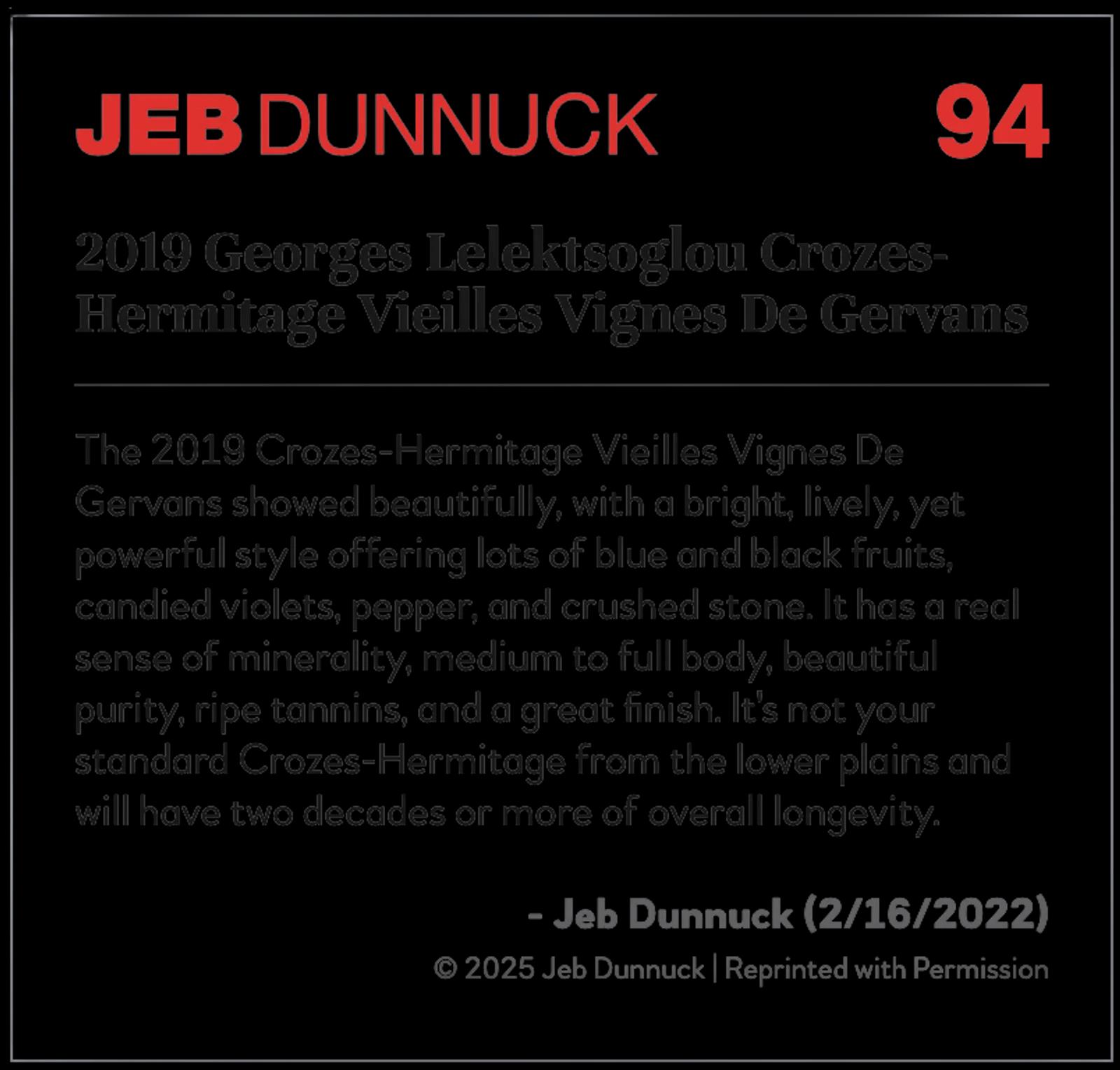
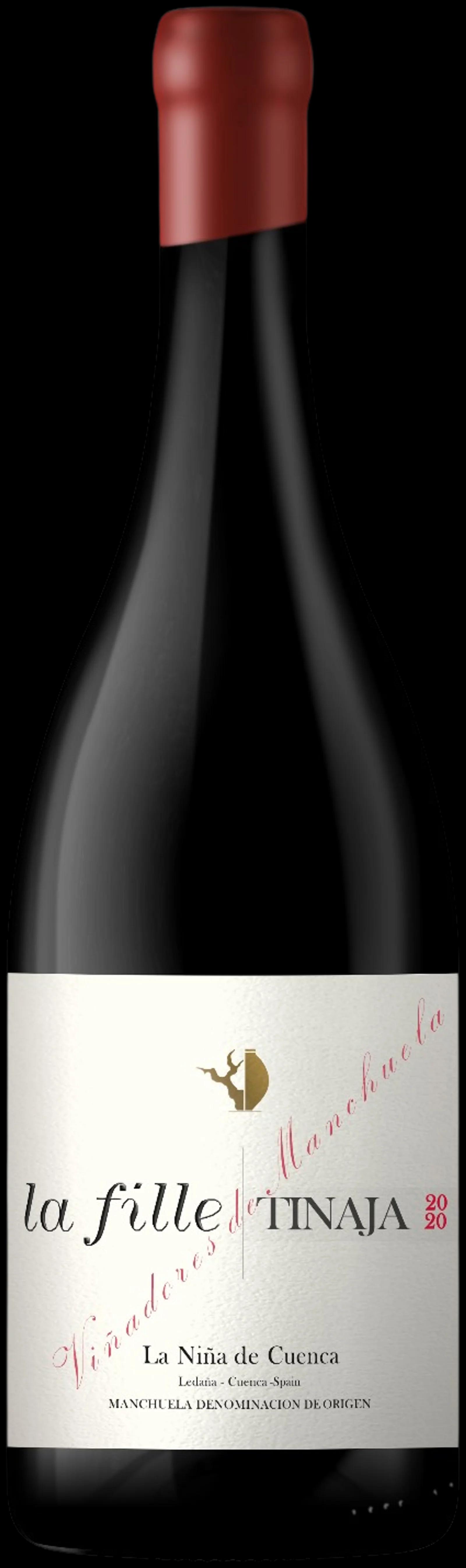
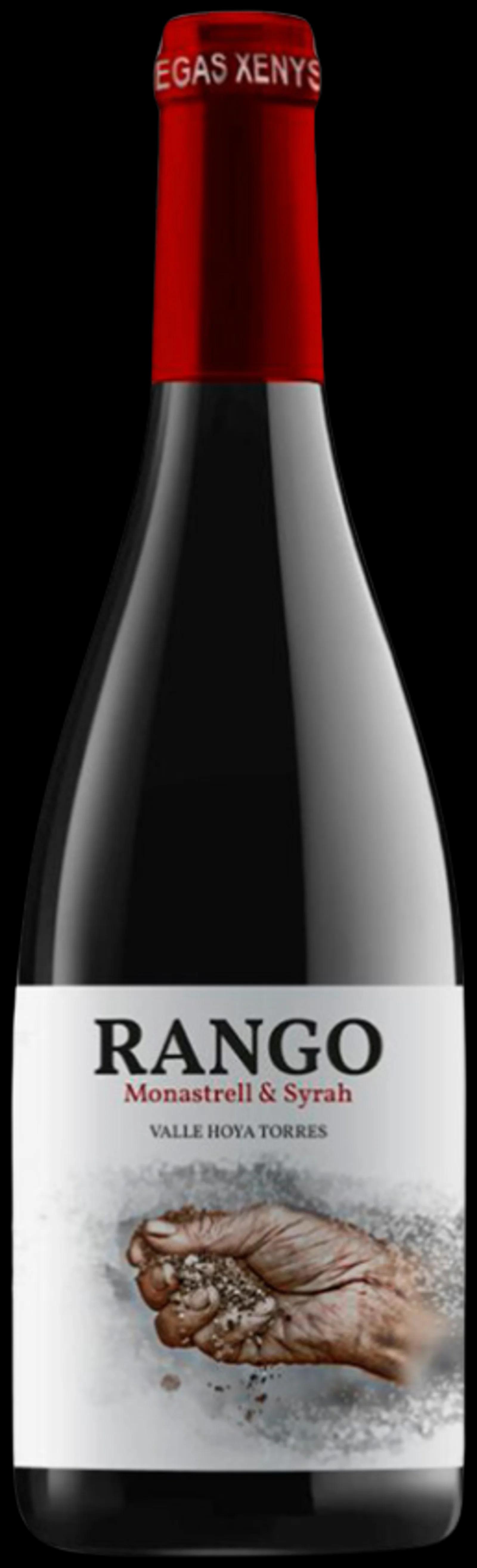
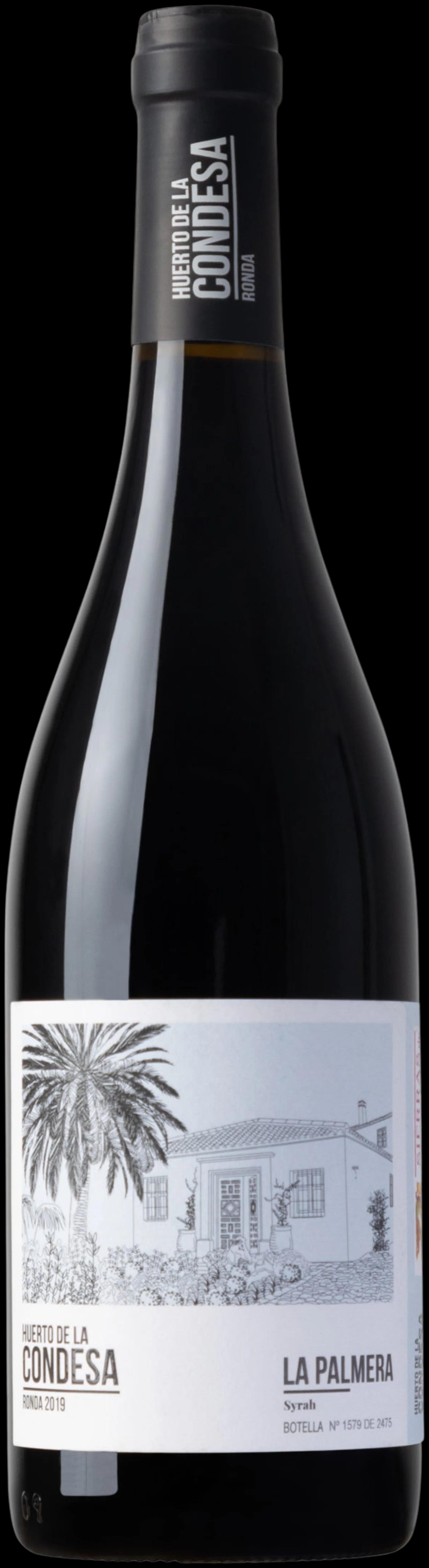
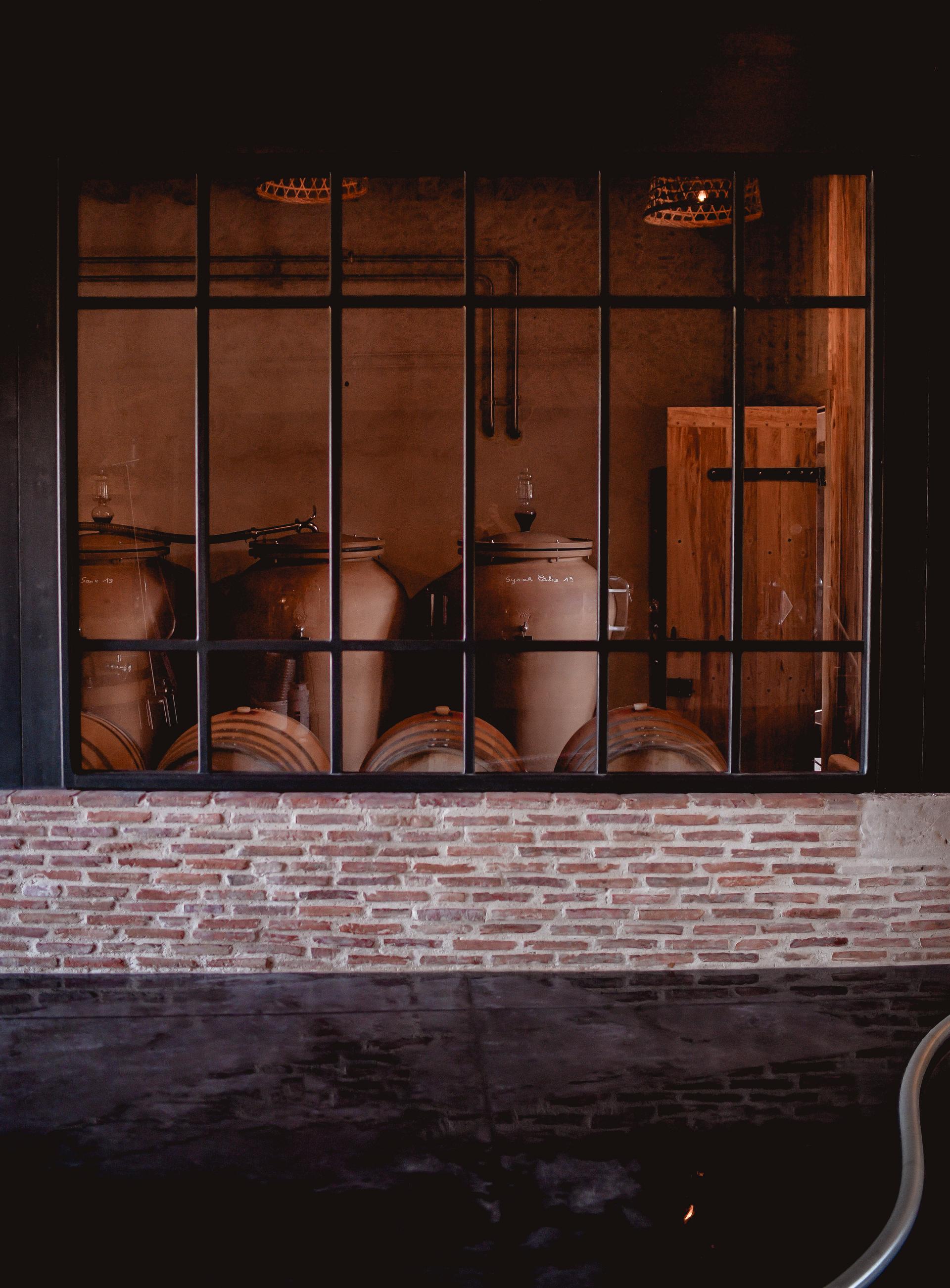
Syrah wines from estate-bottling producers, direct from the cellar

Syrah from growers who control their own production. Every wine tasted before listing. Northern Rhône to New World.

From the Northern Rhône to South Africa, no intermediaries.

Color

Dropdown arrow

Type

Dropdown arrow

Country

Dropdown arrow

Region

Dropdown arrow

Grape

Dropdown arrow

Pairing

Dropdown arrow

Sort by

Sort arrow
Syrah

Syrah wines

Syrah is native to the northern Rhône, where it produces the sole red grape in Crozes-Hermitage, Saint-Joseph, Cornas, and Hermitage. Outside France, it goes by Shiraz across Australia, South Africa, and parts of South America. The two names increasingly mark a stylistic divide: cooler-climate Syrah tends toward black olive, iron, and smoked meat; warmer-climate Shiraz toward ripe dark fruit and softer tannins. The Syrah wines on this page come from producers who own their fruit and ship directly from the cellar.

Previous1 of 2Next

Syrah mixboxes

A mixbox on Free Grape Society contains exactly six bottles, all from one producer. On a grape page, between three and six of those six bottles are Syrah. The remaining bottles, if any, are wines the producer chose to give context to the grape within their own range. When a producer works exclusively with Syrah, the entire box can be Syrah. The composition is always the producer's decision, not a buyer's or an algorithm's.

Wine experts

Syrah producers on Free Grape Society range from single-vineyard estates in the northern Rhône to cellars in Languedoc-Roussillon working with older bush-vine parcels. The style differences between them are real: soil, elevation, and ageing vessel matter as much as the grape itself. Every producer here was quality-vetted before listing, and every wine was tasted by our Head of Product before going live.

Syrah producers

Independent wine experts on Free Grape Society rate and review wines they have personally tasted. Their assessments appear on the wine page and on the expert's own profile, so you can follow a specific reviewer's track record over time. Several of the experts below have reviewed Syrah wines featured on this page. Their reviews reflect firsthand tasting, not editorial curation of what gets listed.

Frequently asked questions

How do I order Syrah wines on Free Grape Society?

Browse the wines listed on this page, add bottles to your cart, and check out in one transaction. Each listing shows the producer, region, and vintage. Wines ship directly from the producer's cellar. No account is required to browse, and you can combine Syrah with wines from other producers in the same order.

What happens if a bottle arrives broken or doesn't taste right?

Send a photo to Free Grape Society customer support within 7 days of delivery. We will arrange a replacement or a refund. Because producers ship directly, quality issues are handled with the producer's direct involvement. Shared responsibility is built into how FGS works.

Can I order a single bottle of Syrah or do I need to buy a box?

Single bottles are available from most producers on this page. Mixboxes are also listed if you want a producer-composed selection of six bottles. There is no minimum order requirement beyond what an individual producer may specify on their listing.

How long does delivery take?

Average delivery is 8 to 9 days from order to door. The full range is 4 to 14 days depending on the producer's location and your delivery address. Wines ship directly from the producer's cellar, not from a central warehouse.

How does Free Grape Society choose which Syrah wines to list?

Every wine on the platform is tasted by our Head of Product before it goes live. No wine is listed without passing a quality review. Independent wine experts also rate and review individual wines. Producers apply to list their wines — no producer pays for shelf placement.

Is there a difference between Syrah and Shiraz, and does it matter when choosing a bottle?

Syrah and Shiraz are the same grape variety. The name used often signals style: Syrah is common in France and increasingly used for cooler-climate, more savoury expressions; Shiraz is the Australian convention and often signals a riper, fuller style. Neither name is a quality indicator on its own — producer and vintage matter more.

Which wine expert can recommend a Syrah for me?

Several experts on Free Grape Society have reviewed Syrah and Rhône-focused wines. Browse the expert profiles below to find one whose regional speciality matches what you are looking for — particularly experts with a focus on French or southern European reds. You can message any expert directly with a question.

Why don't you sell Syrah from supermarket brands?

Supermarket Syrah and Shiraz are produced at volume and distributed through wholesale chains that require consistent large supply. The producers on Free Grape Society ship directly from their own cellars. A bottle here changes hands once before reaching you, not three times. That difference shows in what ends up in the bottle.

Can I find Syrah on Free Grape Society that is not available at Systembolaget?

Most Syrah on Free Grape Society is not carried by Systembolaget. Estate-bottled Syrah from small northern Rhône producers or from niche Languedoc cellars is typically produced in volumes too small for retail distribution. That is a structural reason, not a strategic one: small production and direct shipping go together.

Where Syrah grows and what that means for the wine

Syrah's documented home is the northern Rhône Valley, where Appellations such as Hermitage and Côte-Rôtie produce the grape as a single variety on granite and gneiss slopes. These are structured, age-worthy wines with a savoury, peppery character distinct from warmer-climate expressions. Move south into Languedoc-Roussillon and the same grape produces fuller, riper wines, often blended with Grenache or Mourvèdre. In Spain, Syrah appears as a minority variety in blends across regions like Aragon and Castilla La Mancha, rarely as a standalone. Italy has a small but serious footprint, particularly in Tuscany and Sicily, where producers use Syrah to add structure and aromatics to local blends or bottle it alone. The grape is sensitive to site: thin, well-drained soils on slope tend to concentrate the characteristic black olive, violet, and black pepper notes. Rich valley floor soils shift the wine toward plummy, lower-acid expressions. Producers who farm specific parcels rather than buying from multiple growers tend to show this site-sensitivity most clearly, which is why growers who control their own production are the ones most likely to label by vineyard.
The taste profile of Syrah across styles and regions

Syrah is a dark-skinned grape with naturally high tannin and moderate to high acid. Its aromatic signature in cooler sites includes black pepper, cured meat, violet, and black olive. In warmer conditions — southern France, Spain, or southern Italy — the profile shifts toward dark plum, chocolate, and dried fruit, with less of the northern Rhône's savoury edge. The grape is genetically unrelated to Petite Sirah, a common point of confusion: Petite Sirah is Durif, a different variety. Syrah is also occasionally labelled Shiraz, particularly in Australian-style bottlings, though the name difference often signals a deliberate stylistic choice by the producer rather than a geographic rule. Winemakers working with Syrah face a key decision at fermentation: whole-cluster inclusion can amplify the peppery, spicy character and add freshness, while destemming and extended maceration push the wine toward darker fruit and firmer structure. Both approaches are valid and both appear among producers listing on Free Grape Society. A related grape worth exploring: Grenache Noir, which is Syrah's most common blending partner in the southern Rhône and Languedoc, offering rounder texture and red-fruit counterpoint. For contrast in structure and acid, Nebbiolo and Carignan are useful reference points.

How Syrah is vinified — and why it matters

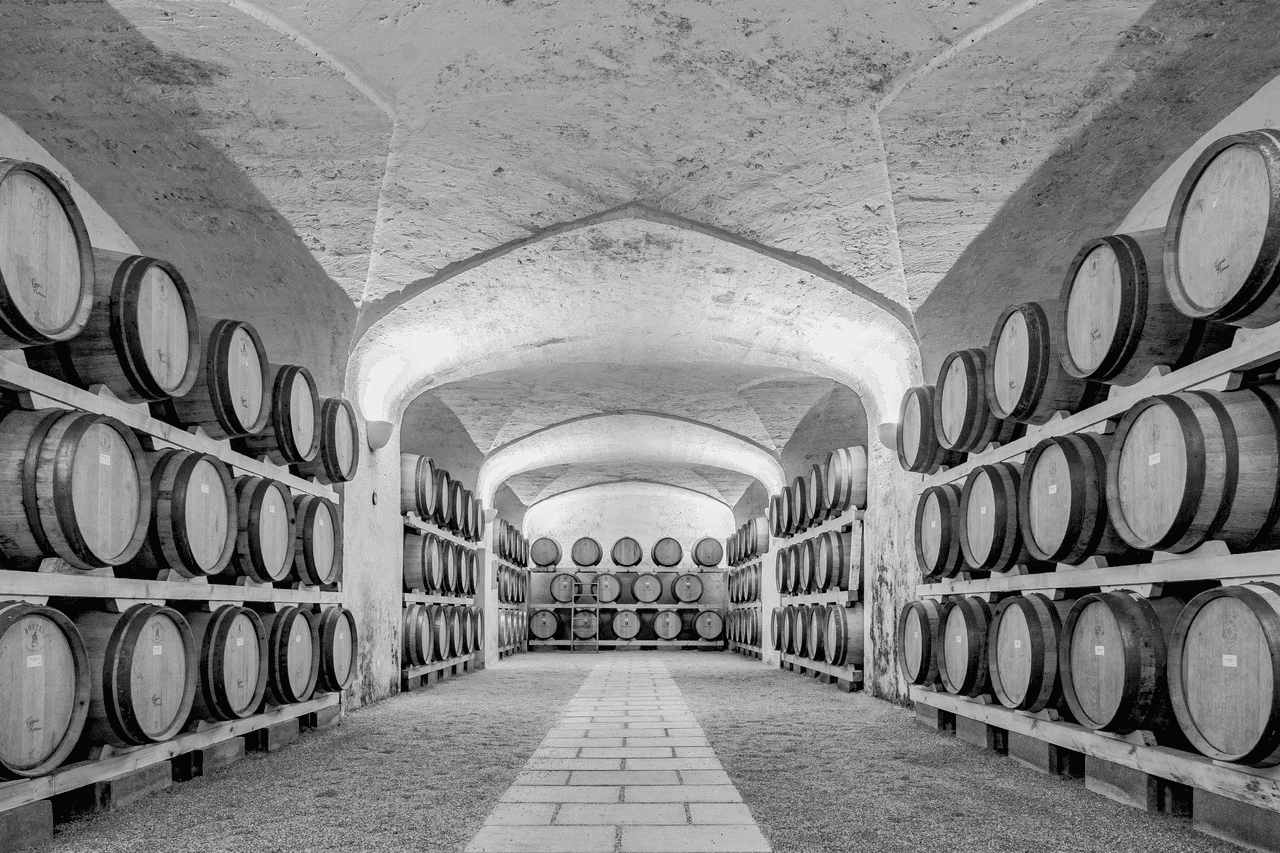
Syrah is one of the few red grapes where whole-cluster fermentation is a mainstream, not an experimental, choice. In Côte-Rôtie, producers have historically included a small proportion of Viognier — a white grape — during co-fermentation, which stabilises colour and adds an aromatic lift without detectable sweetness. This practice is legally permitted in the appellation and remains in use today among traditional producers, though it is not universal. Oak ageing varies widely. Northern Rhône producers often use older, large-format barrels to preserve the grape's natural aromatic complexity rather than add oak flavour. Producers elsewhere may use new barriques, which integrate differently with Syrah's tannin structure. Bottles from estate-bottling producers show these choices most transparently, since the winemaker controls every step from vineyard to cork. If a wine's back label lists the barrel size, age, and origin, that is a producer choosing transparency. No buyer with quarterly targets selected the oak regime — the producer did. Syrah from France and Italy listed on this page ships directly from the producer's cellar. Not from a warehouse. The price reflects what the producer agreed to, not what three intermediaries added on top.