







Italian wine producers — independent estates, direct

Italian producers on Free Grape Society. Every wine tasted before listing. No industrial labels, no wholesale chains.

Family cellars and small estates from across Italy's 20 regions.

Country (1)

Dropdown arrow

Region

Dropdown arrow

Production Volume

Dropdown arrow

Sort by

Sort arrow
Italy

Italian producers

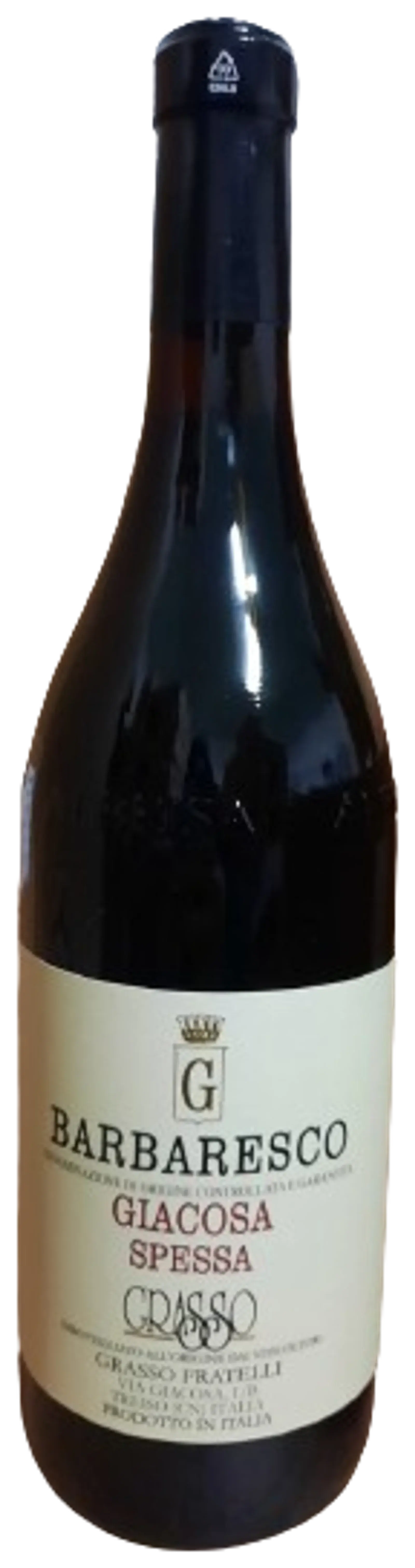
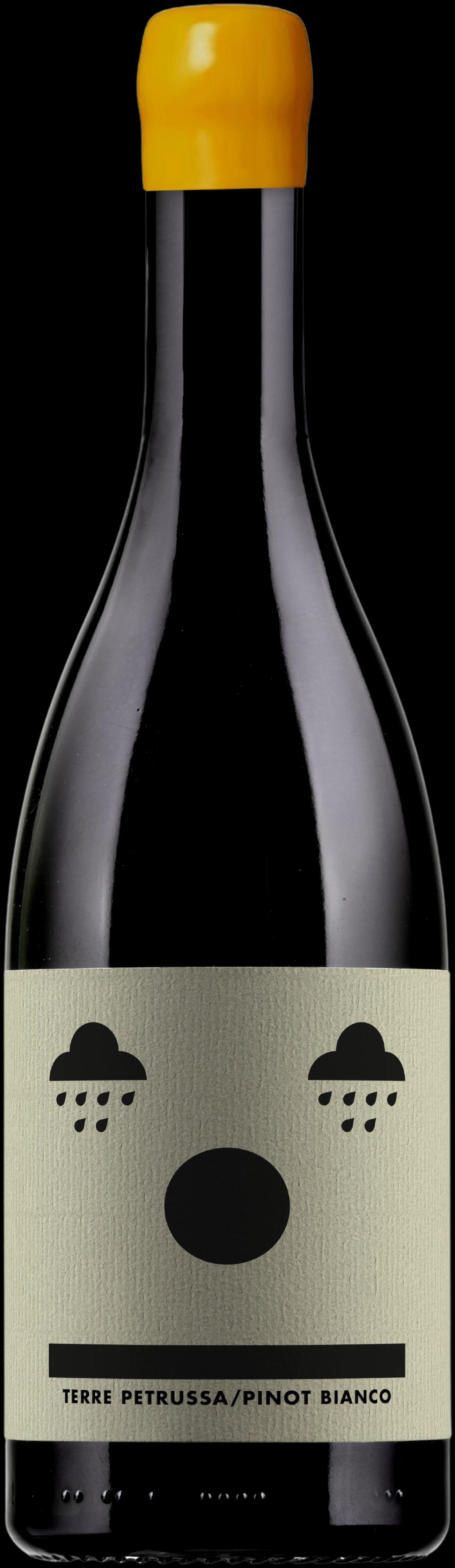
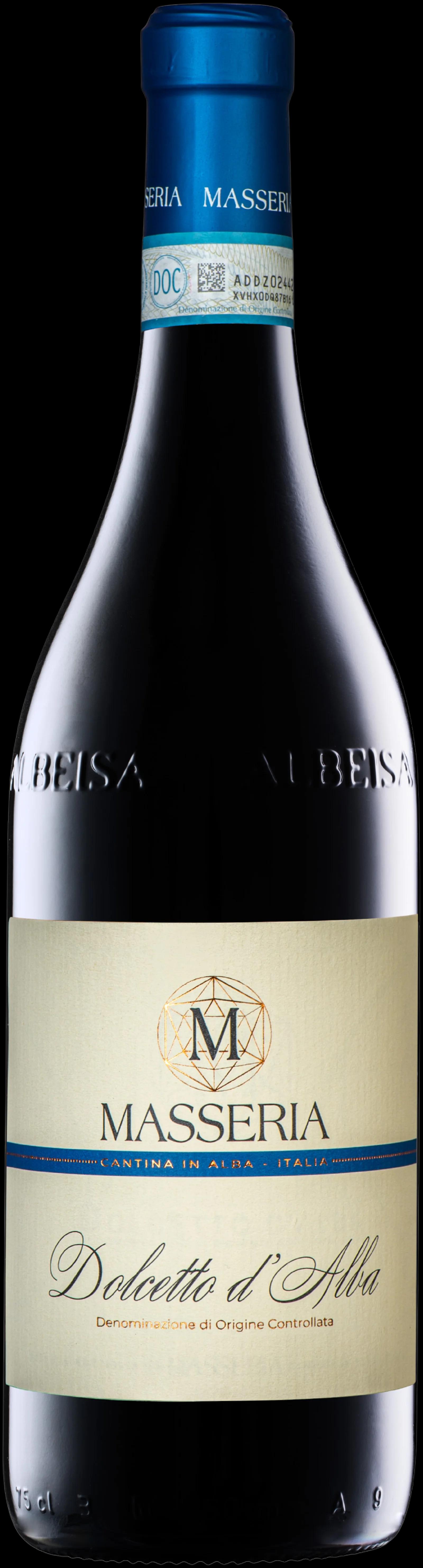
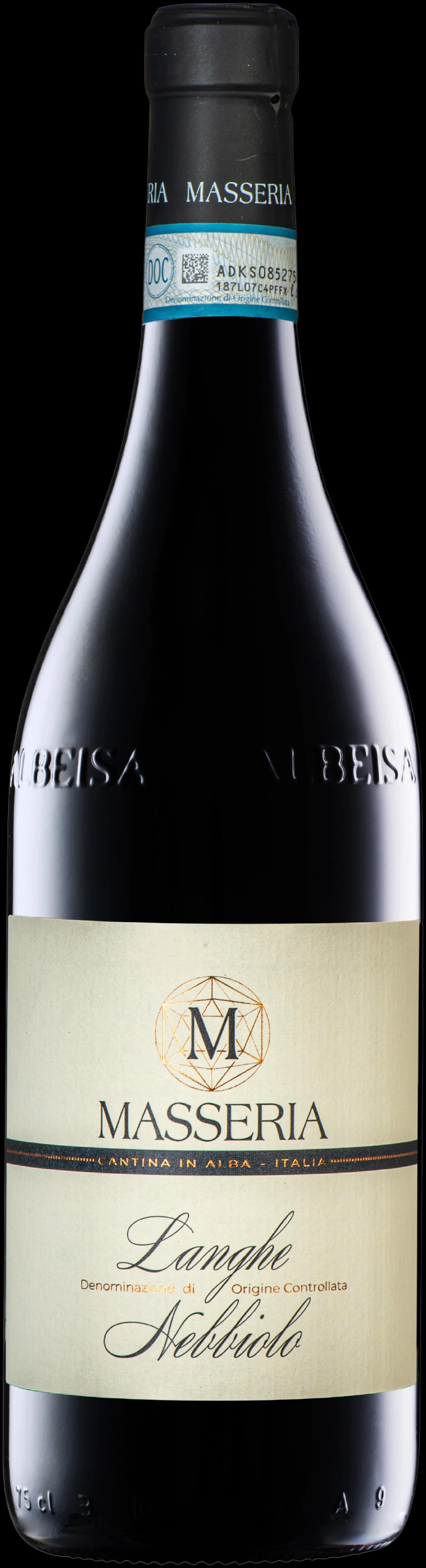
Italy has 20 wine regions, each with its own DOC and DOCG frameworks. Piedmont alone holds 17 DOCGs, more than any other region. The producers listed here ship their wines directly from the cellar. No importer, no wholesaler between the estate and your door. Browse the Italian wines on Free Grape Society to see what each producer makes.

Previous1 of 3Next

Italian wines

Each Italian mixbox on Free Grape Society contains exactly 6 bottles, all from one producer, composed by the producer as their own recommendation. Not a buyer's pick across multiple estates. The producer decides what goes in the box and in what order you should open the bottles.

View all wines from Italy

Italian mixboxes

The producers below range from multi-generational family estates in Barolo to newer cellars in Etna and Maremma. Some have farmed the same parcels for over a century. Others built their first cellar in the last decade. Producers set their own prices on Free Grape Society. No buyer with quarterly targets negotiates those prices down.

View all mixboxes from Italy

Wine experts

Independent wine experts on Free Grape Society rate and review Italian wines they have personally tasted. Their reviews appear on the individual wine page and on the expert's own profile. Track records are visible. Several of the experts below have reviewed wines from the producers on this page.

View all wine experts

Frequently asked questions

How do I order Italian wines on Free Grape Society?

Browse the Italian wines listed below and add bottles to your cart. Payment is handled securely by Klarna or card. Once your order is confirmed, the producer ships directly from their cellar. Delivery takes between 4 and 14 days, with an average of around 8 to 9 days. Shipping is free.

What happens if a bottle arrives broken or doesn't taste right?

Send a photo to Free Grape Society customer support within 7 days of delivery. We will arrange a replacement or a refund. Because producers ship directly, quality issues are handled with the producer's direct involvement. Shared responsibility is built into how FGS works.

Can I order from more than one Italian producer at the same time?

Yes. You can add wines from different producers to a single order. Each producer ships their part of the order directly from their own cellar, so items may arrive in separate deliveries. Shipping is free regardless of how many producers are involved.

How long does delivery take?

Average delivery is 8 to 9 days from order to door. The full range is 4 to 14 days depending on the producer's location and your delivery address. Wines ship directly from the producer's cellar, not from a central warehouse.

How do I find the right Italian wine if I am not sure where to start?

You can filter by region, grape variety, or wine style using the options on this page. Piemonte and Toscana are the largest producing regions here. If you want a personal recommendation, an independent wine expert can answer your question directly, at no cost.

What is the difference between the Italian wine regions on Free Grape Society?

Each region runs on different grapes and conditions. Piemonte is the home of Nebbiolo, Barbera and Dolcetto. Toscana centers on Sangiovese. The Veneto produces both light, easy-drinking reds and the concentrated dried-grape wines of Amarone. Sicily brings volcanic terroir and sun-ripened varieties like Nero d'Avola. The producers below reflect that range.

Which Italian wine expert can recommend something for me?

The independent wine experts listed on this page have reviewed Italian wines personally. You can read their reviews on individual wine pages and on each expert's profile. To ask for a recommendation, fill in the form on their profile page. The service is free and there is no obligation to buy.

Why do you not sell supermarket-brand Italian wines?

Free Grape Society lists wines from independent producers who ship directly from their own cellar. Large commercial labels are produced through industrial-scale supply chains that pass through importers, agents and warehouses. That model is the one we are built to replace. The wines here come from growers who set their own prices and stand behind what they make.

How does buying Italian wine directly compare to buying from a wine retailer?

A traditional retailer buys from an importer, who buys from an agent, who buys from the producer. Each step adds a margin and a delay. On Free Grape Society, the producer ships directly to you from their cellar. The price you pay is the price the producer sets, with no intermediary markups. You also get access to wines that never reach retail shelves.

Italian winemaking traditions — from amphora to barrique

Italy has more officially recognized native grape varieties than any other wine-producing country — over 500 are documented, with estimates of cultivated varieties reaching closer to 2,000. That number is not a marketing claim. It is the result of centuries of fragmented cultivation across 20 administratively distinct regions, each with its own DOC and DOCG framework. The appellation system was codified in 1963 and significantly revised in 1992, but the underlying diversity predates it by millennia.

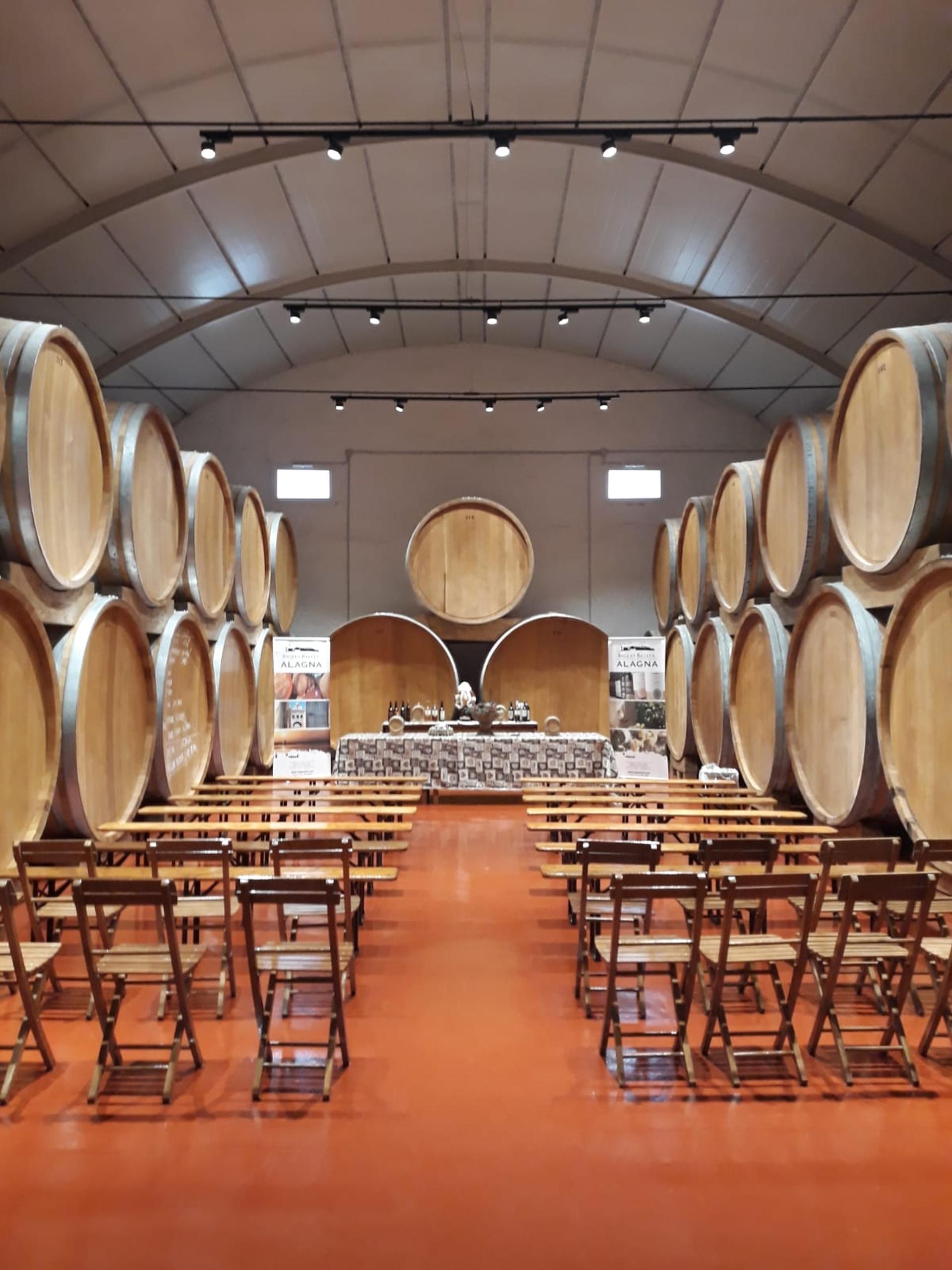
Nebbiolo in Piedmont requires a minimum of 18 months in oak under Barolo DOCG rules — and many traditional producers extend that to 36 or even 48 months in large Slavonian oak casks, producing wines with tannin structures that need years of bottle age to resolve. The shift toward shorter macerations and smaller French oak barriques, associated with the so-called Barolo Boys movement of the 1980s and 1990s, created a split that producers still navigate today. Neither approach is wrong. They produce structurally different wines from the same grape.

Sangiovese behaves differently depending on where it grows. In Tuscany, the clone selection and altitude of the vineyard shape the wine as much as the winemaker's decisions. Sangiovese Grosso — known locally as Brunello — in Montalcino ripens later and produces wines with higher natural acidity than the Sangiovese clones used in Chianti Classico, 60 kilometers to the north. In Umbria, Sagrantino di Montefalco is one of the most tannic grapes in the world by polyphenol count — a fact that directly determines how the wine ages and how much time it needs before it is approachable.

In the northeast, Friuli Venezia Giulia became a reference point for skin-contact white wines in the 1990s and 2000s, with producers like Gravner and Radikon abandoning temperature-controlled stainless steel in favor of extended maceration in Georgian clay amphorae. What became fashionable globally under the name "orange wine" had roots in Friuli's specific winemaking culture — not a trend, but a deliberate return to pre-industrial technique.

From the Dolomites to Sicily — how geography shapes the producers

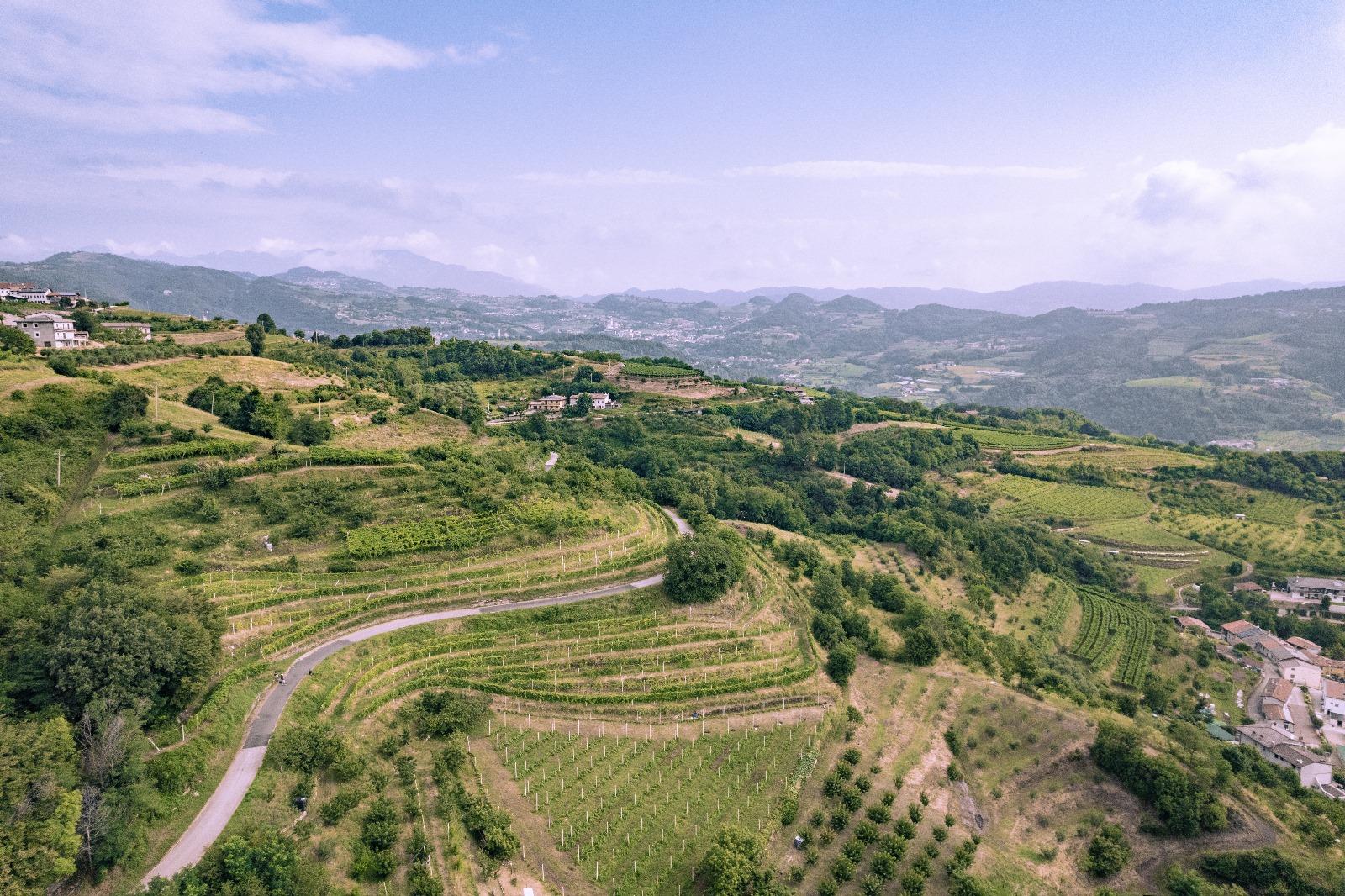
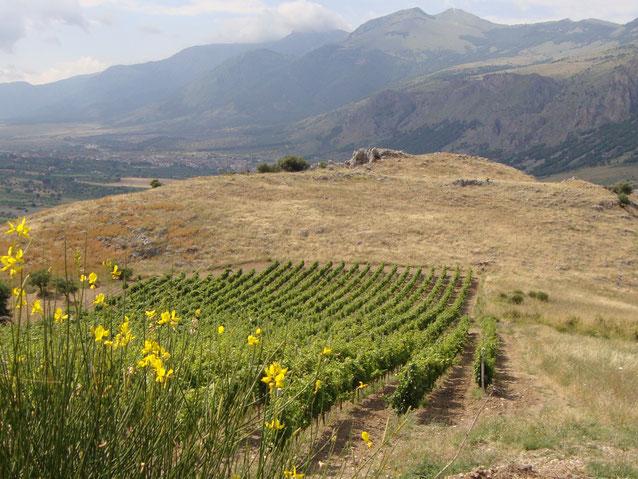
Italy's vineyard area runs from the Alpine foothills of Trentino-South Tyrol at elevations above 900 meters to the volcanic soils of Sicily and the thermal heat of the far south. That vertical range — more than 900 meters of altitude difference between the country's northernmost and southernmost vineyard zones — produces wines that are climatically incomparable. Alto Adige Riesling and Sicilian Nero d'Avola are both Italian wines. They share almost nothing else.

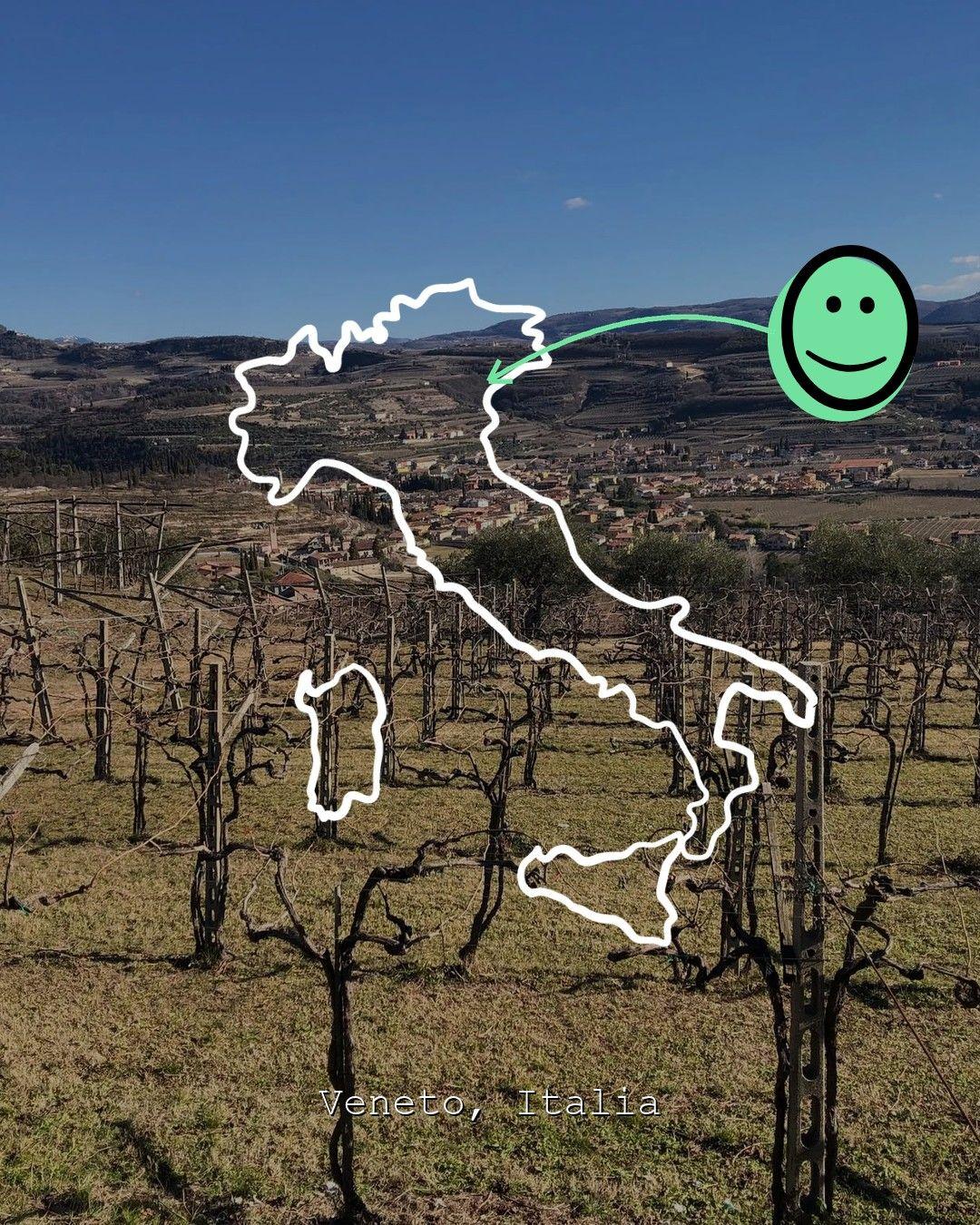
The Veneto is Italy's highest-volume wine region by output, producing roughly 13 million hectoliters per year. But volume and independence do not move together. Many of the most interesting producers in the Veneto are small estates working outside the industrial Prosecco and Pinot Grigio pipelines — fermenting indigenous varieties like Garganega and Corvina in ways that rarely reach export markets through conventional channels.

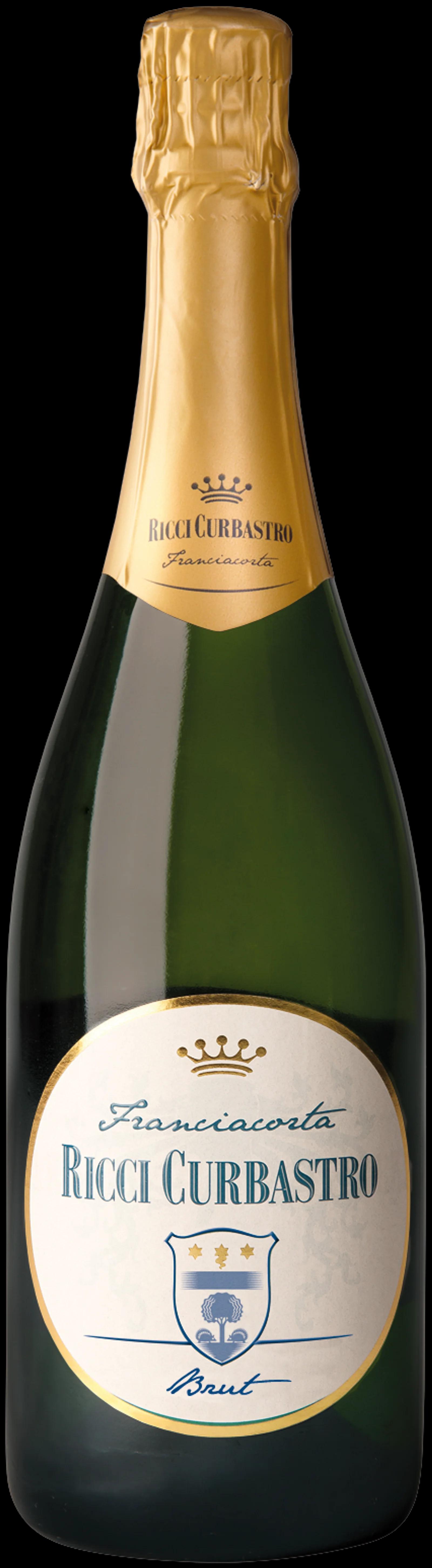
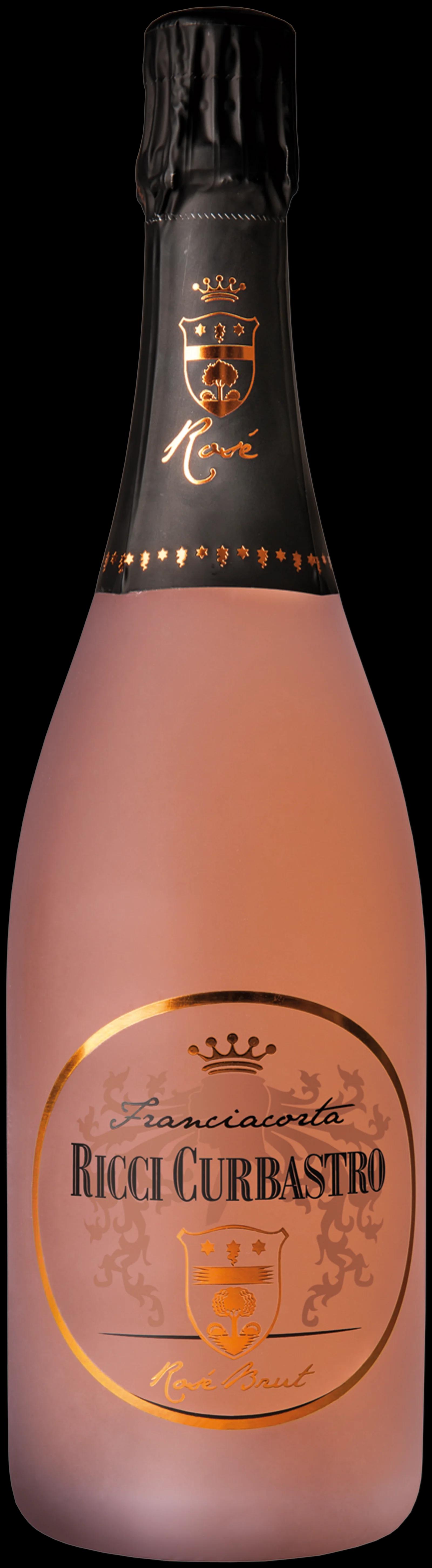
Lombardy contains Franciacorta, Italy's most technically demanding sparkling wine appellation. Franciacorta DOCG requires a minimum of 18 months on the lees for non-vintage wines and 30 months for vintage releases — stricter than Champagne's minimum requirements. The Marches on the Adriatic coast remain one of Italy's least-exported regions despite producing Verdicchio, a white grape with documented cultivation in the area since at least the 15th century.

Producers on Free Grape Society ship directly from their own cellars. Not from a shared warehouse in northern Europe. The address on the shipping label is the address of the estate.

How we choose our Italian producers

Free Grape Society does not operate as a buyer. There are no purchasing agents with quarterly targets, no margin negotiations, and no shelf-space decisions. Italian producers apply to join the platform and list their wines themselves. That structural difference matters: the producer controls their own pricing, their own range, and their own presence on the platform.

Before any wine goes live, it is tasted by our Head of Product. Producers send samples. Every sample is evaluated. If the wine does not meet the quality threshold, it does not go live — regardless of how well-known the producer is or how strong their appellation reputation. A wine from a recognized Barolo cru does not automatically pass. A wine from an obscure Calabrian producer does not automatically fail.

Independent wine experts on the platform rate and review individual wines they have personally tasted. Those reviews are visible on the wine page and on each expert's profile. The review history is public and permanent — there is no editorial control over what experts write. That transparency is part of how quality accountability works on the platform.

Producers on this page range from multi-generational family estates in Piedmont to newer projects in Sicily working with recovering indigenous varieties. What they share is that each one chose to be here, set their own price, and took responsibility for what they ship. Producenten äger sin hylla. The producer owns their shelf. Independent wine experts own their recommendations. Free Grape Society owns the platform that holds it together. No other parties sit between them. Browse the Italian producers listed here, or look across the full range of Italian wines and Italian mixboxes for context on what each estate produces.