Where Malvasia comes from and how it changes across regions
Malvasia is one of the oldest grape names in European wine, and also one of the most scattered. The name covers a loose family of related varieties — some white, some red, some lightly aromatic, others almost neutral — grown from the Canary Islands to the Adriatic coast. The grape's name is thought to derive from the Greek port of Monemvasia, through which sweet wines from the eastern Mediterranean were traded in the Middle Ages. Today, white Malvasia is most associated with central and northern Italy: Malvasia Istriana in Friuli Venezia Giulia produces dry, floral whites with good structure, while in Tuscany and Umbria it has long been part of the blending tradition. Malvasia Nera appears in the south, adding aromatic richness to blends in Apulia and elsewhere. In Sicily, Malvasia delle Lipari makes small quantities of one of Italy's most distinctive sweet wines, concentrated by sun on the volcanic Aeolian Islands. Spain has its own cluster of Malvasia varieties, including Malvasia de Sitges in Catalonia and scattered plantings across Andalusia and Aragon. Greece and Cyprus retain older plantings of varieties historically labelled Malvasia, often used for rich, amber, or fortified styles. What connects them is less a single flavour profile than a shared history of trading aromatic, often sweet wine across the Mediterranean for centuries.
How Malvasia tastes, and what to drink it with
The range within Malvasia is wide enough that generalising about how it tastes requires some caution. Dry white Malvasia — particularly Malvasia Istriana from Friuli Venezia Giulia — tends toward floral and lightly stone-fruit aromas, with relatively high acidity and a slightly bitter finish that makes it a natural partner for seafood and vegetable-forward dishes. The richer, more textural expressions found in some southern Italian and island styles suit dishes with more weight: pasta with seafood, grilled fish with herbs, or mild soft cheeses. Sweet Malvasia — dried-grape or late-harvest styles from Sicily or older traditions in Greece and Portugal — pairs with pastry, almonds, dried fruit, or aged hard cheese. Malvasia Nera, the red-berried variant, usually appears in blends rather than as a varietal wine, where its aromatic lift softens darker, more structured grapes. Orange-style Malvasia — made with extended skin contact — has grown in presence among independent producers, particularly in Friuli and Sicily, and suits the same food register as other amber wines: cured meats, fermented foods, and strong cheeses. If you want to explore the variety's range, tasting a dry white Malvasia from the north of Italy alongside a sweeter expression from a southern island producer gives a clear picture of how much the name can contain.
Buying Malvasia direct from independent producers
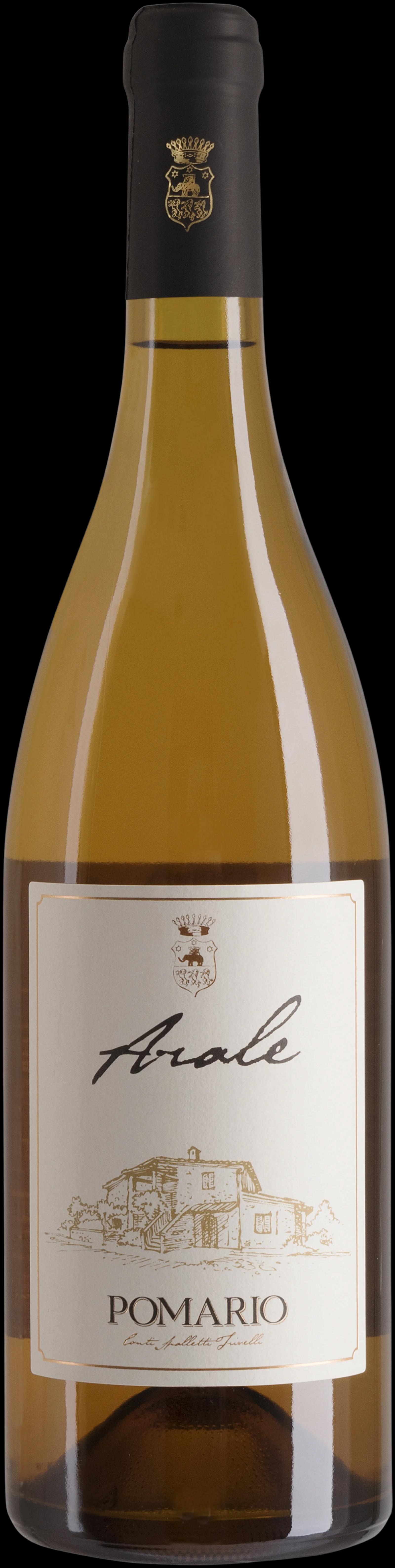
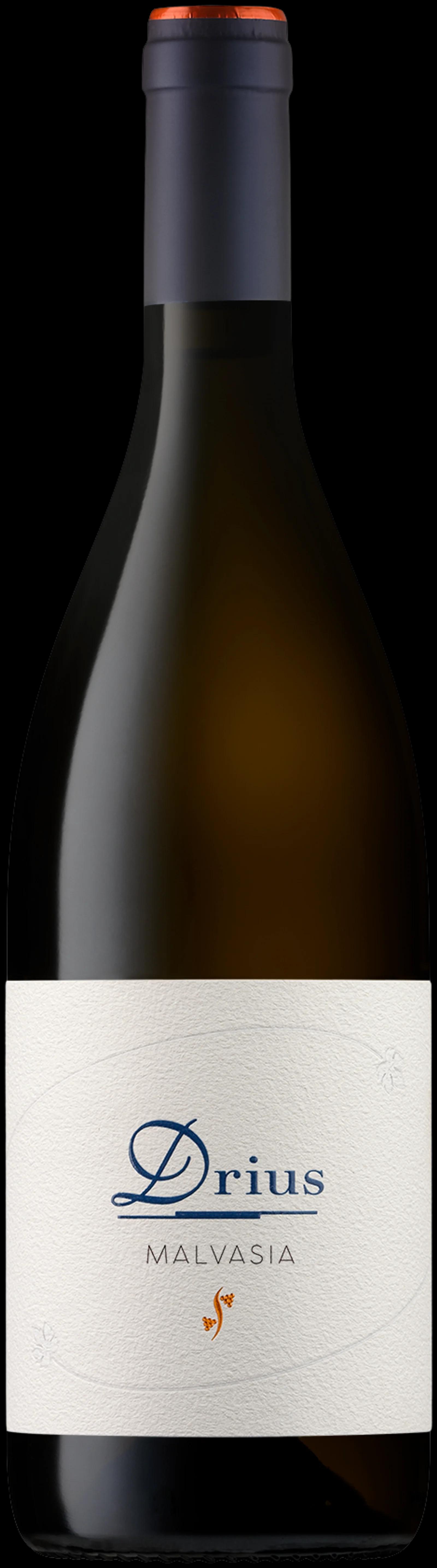
Because Malvasia is a family of varieties rather than a single global variety, the producers who work with it are mostly small estates treating it as part of their regional identity rather than chasing an international market. That makes it a good fit for Free Grape Society, where wines travel from the producer's own cellar directly to the buyer, with no importer or warehouse in the chain. The producers working with Malvasia on this page include growers from Italy, Spain, Greece, and Portugal, each with their own regional variant and winemaking approach. Wines are tasted before listing, and independent wine experts review wines they have personally tasted — their reviews are visible on each wine page and on the expert's own profile. Free Grape Society is a society of producers, independent experts and wine lovers, not a shop. If you want to explore further, the Italian white wines page and Sicilian wines page are good places to find Malvasia alongside the grapes it has traditionally grown next to.