Wine regions of Germany
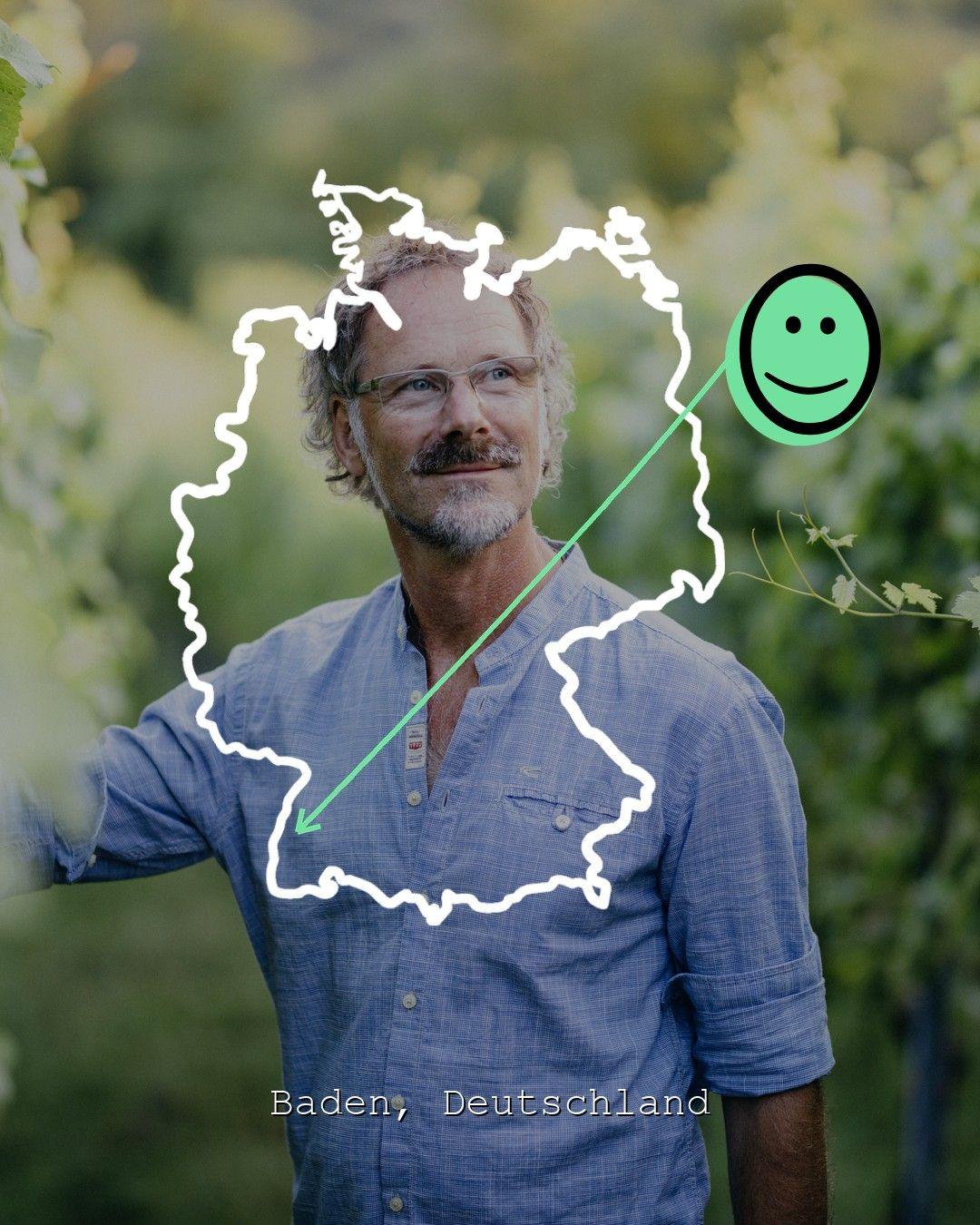
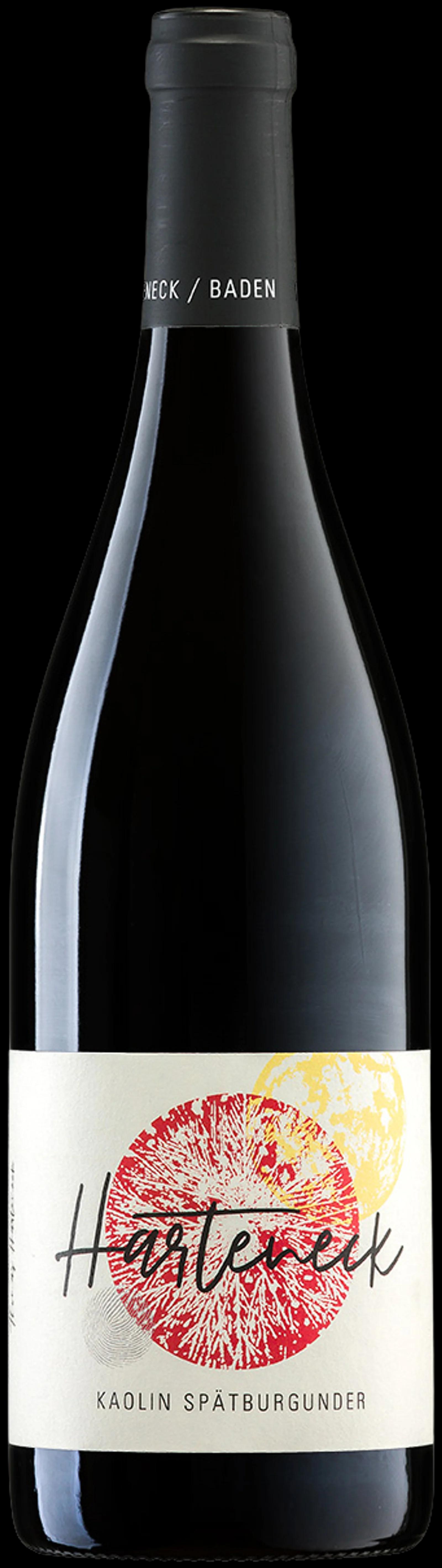
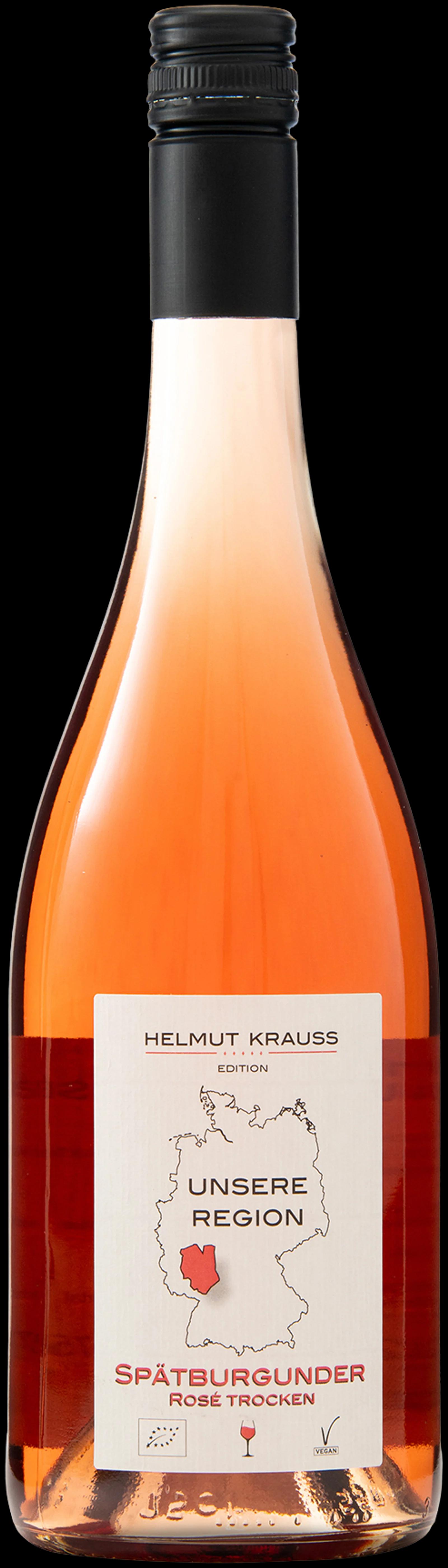
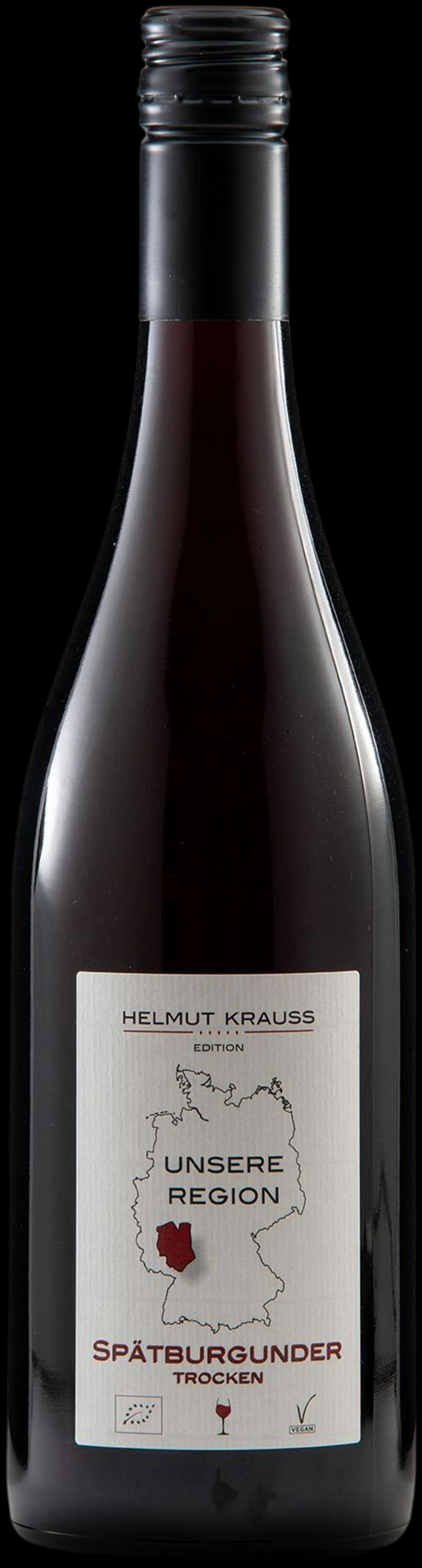
Germany has 13 classified wine regions, all of them in the western and southwestern parts of the country. The Pfalz is the warmest and most productive, with a long growing season that suits both Riesling and a range of red varieties. Baden runs along the Rhine from the Swiss border to Heidelberg, producing some of Germany's fullest-bodied whites and a significant share of Spätburgunder, the local name for Pinot Noir. The Mosel, Nahe, and Rheingau are the heartland of German Riesling, each with distinct slate and loam soil profiles that produce wines with measurably different mineral structures. The Ahr, despite being one of the smallest regions by area, grows more red wine by proportion than almost any other German region — a fact that surprises most buyers who still associate Germany exclusively with white wine. Altitude matters here: vineyards on steep Mosel slopes can sit at gradients above 60 degrees, which changes both the labor cost and the ripening profile compared to flat vineyard land anywhere else in Europe. Producers on German wine pages ship from these regions directly — not via a central warehouse.
Riesling and beyond: the grapes that define German wine
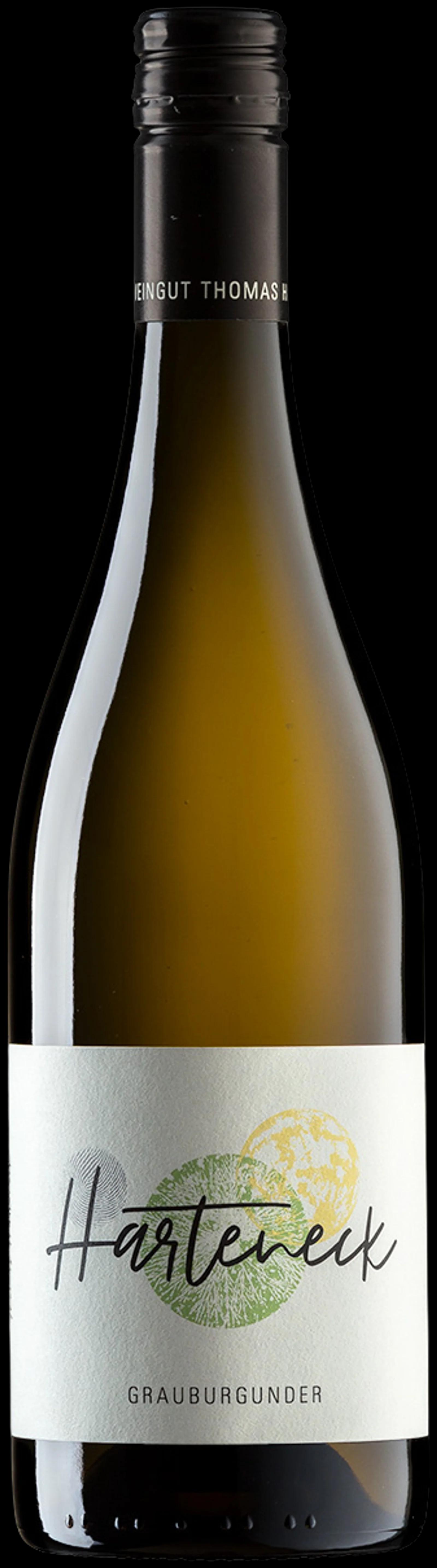
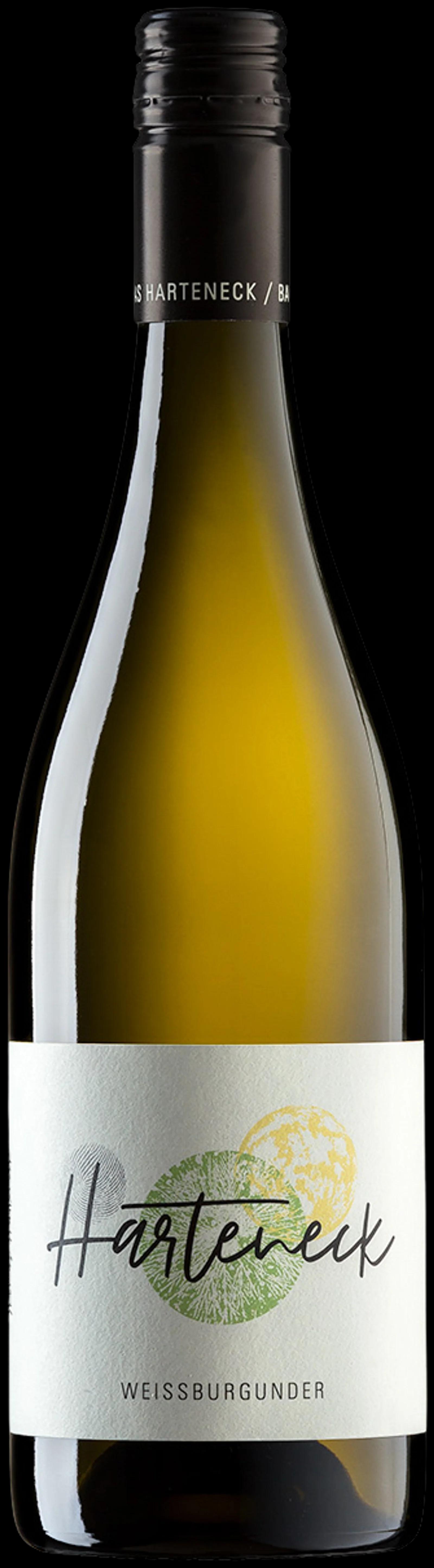
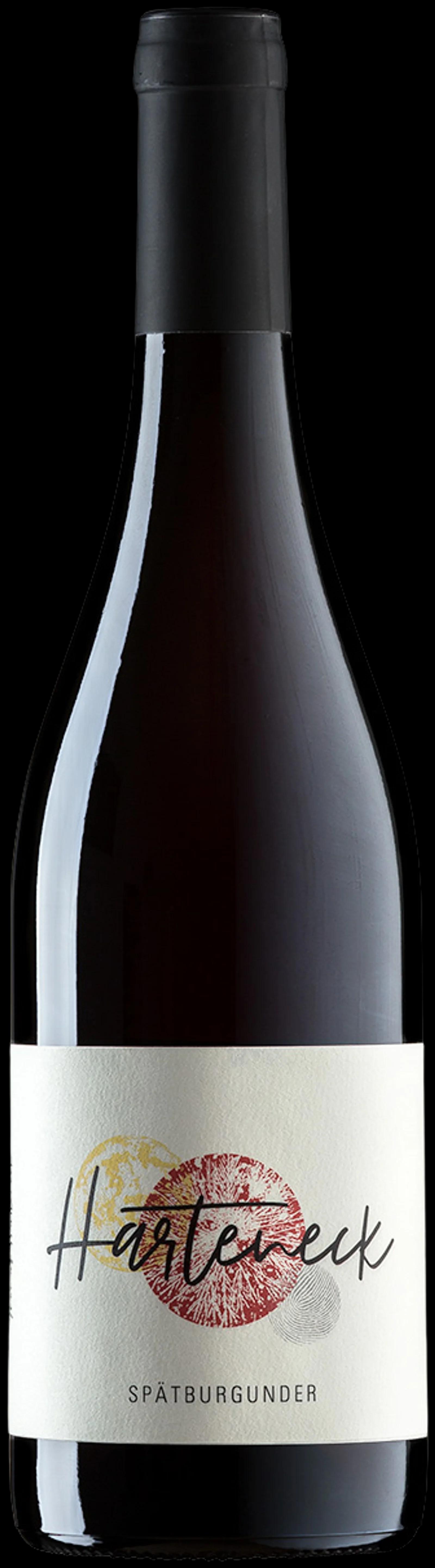
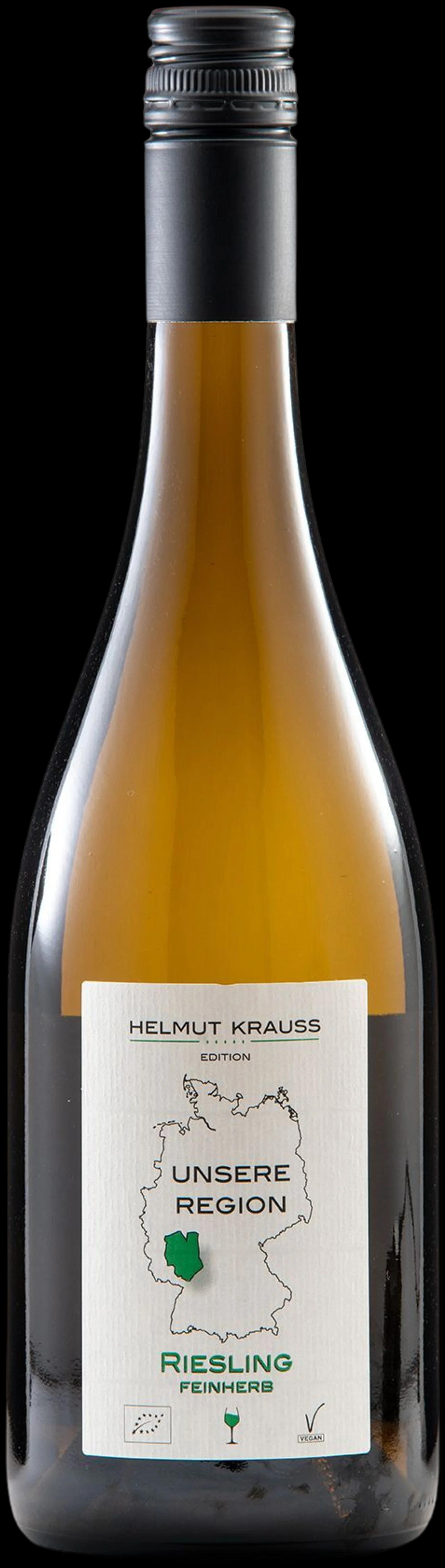
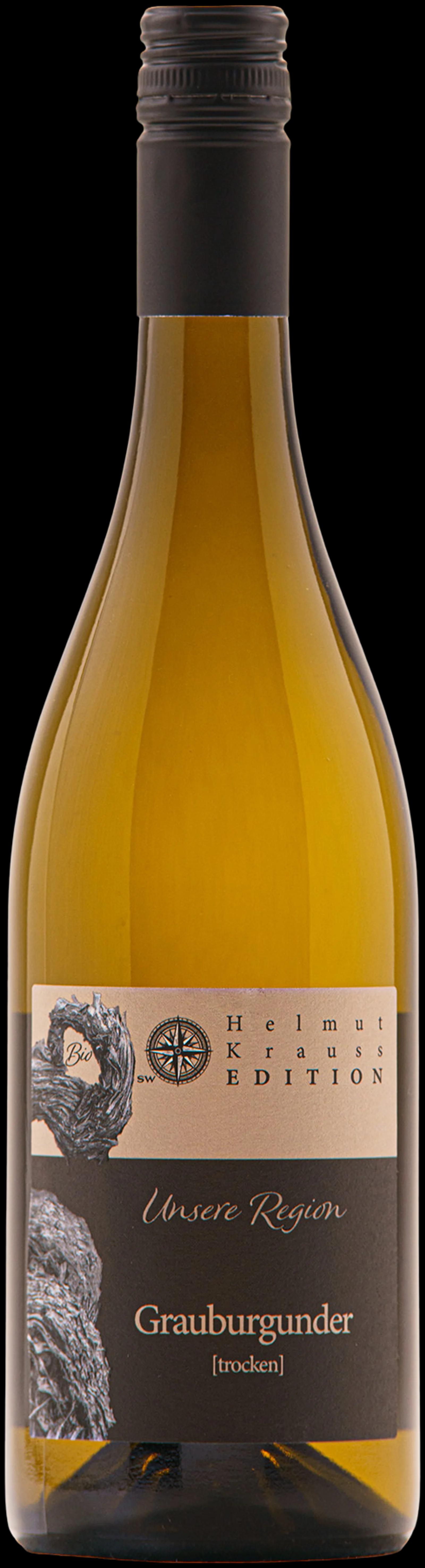
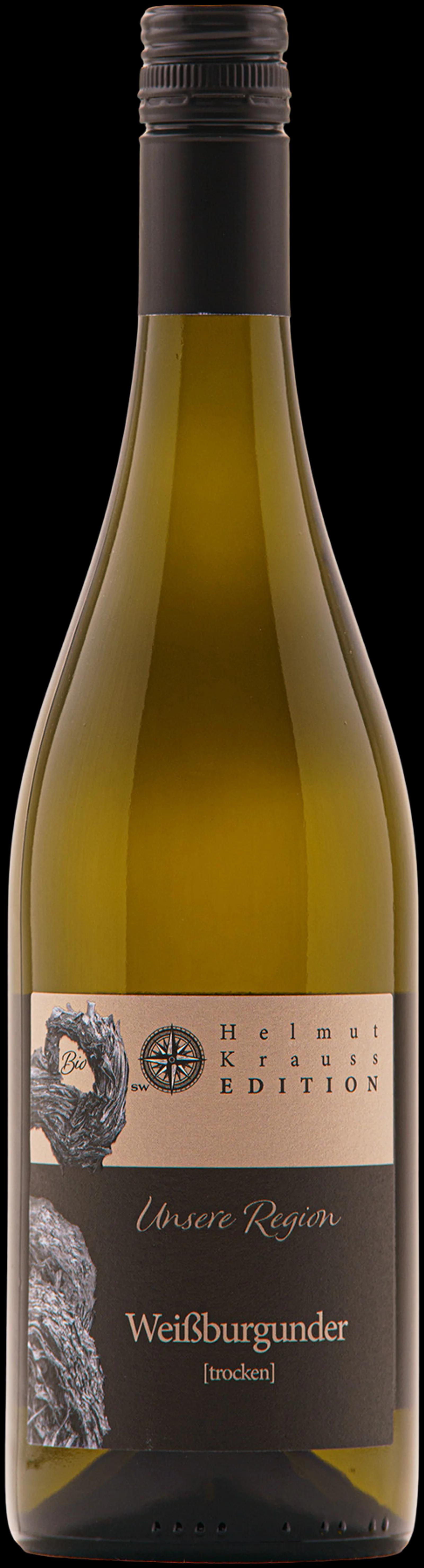
Riesling covers roughly 23% of all German vineyard area, making Germany the largest Riesling-growing country in the world by a wide margin. It is also one of the most misread grapes in retail: German Riesling ranges from bone-dry Trocken styles to late-harvest Trockenbeerenauslese with residual sugar above 200 grams per liter. The Prädikat system — Kabinett, Spätlese, Auslese, Beerenauslese, Trockenbeerenauslese, Eiswein — describes harvest ripeness, not sweetness, which is a distinction most wine buyers were never told. Spätburgunder is Germany's most important red variety, concentrated in Baden and the Ahr, producing lighter-structured reds with lower tannin than their Burgundian counterparts grown from the same clone. Weissburgunder (Pinot Blanc) and Grauburgunder (Pinot Gris) account for a growing share of German white production and tend to attract producers focused on dry, food-compatible styles. Müller-Thurgau, once the most-planted variety in Germany, has been steadily losing ground to Riesling and Burgundy varieties since the 1980s as producers move away from high-yield, neutral-flavored grapes.
How German wine classification actually works
Germany operates two parallel classification systems that frequently cause confusion. The Prädikat system, codified in 1971, organizes wines by must weight at harvest — a proxy for grape ripeness, not wine quality per se. Above that sits the VDP (Verband Deutscher Prädikatsweingüter), a private association of producers who apply their own Burgundy-influenced site hierarchy: Gutswein at entry level, then Ortswein (village), then Erste Lage (first growth), then Grosse Lage (grand cru). A Grosses Gewächs (GG) is a dry wine from a Grosse Lage site — a designation that exists outside the official government system entirely. This means a bottle labeled "GG" is following VDP rules, not state law. The distinction matters because VDP membership is voluntary and requires producers to meet independent standards on vineyard practices and yields, not just on label format. No importer, no wholesaler sits between a producer's pricing decisions and what you pay. The price you see on Free Grape Society is the price the producer agreed to — that holds whether the wine carries a Prädikat designation or a VDP pyramid. Independent wine experts on the platform Rate & Review individual wines from these producers, with tasting notes and scores visible on each wine page.