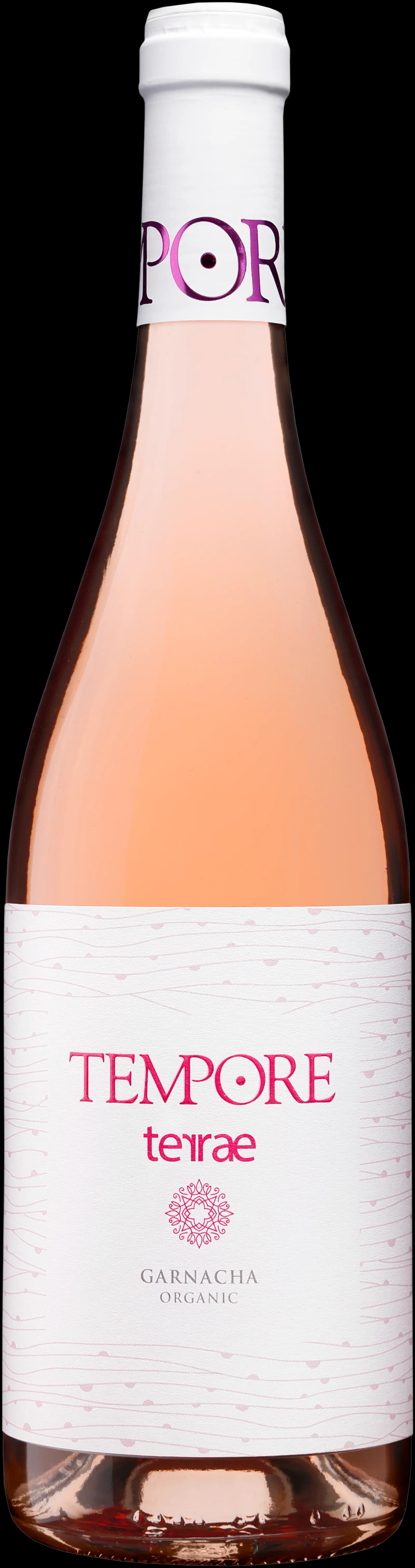
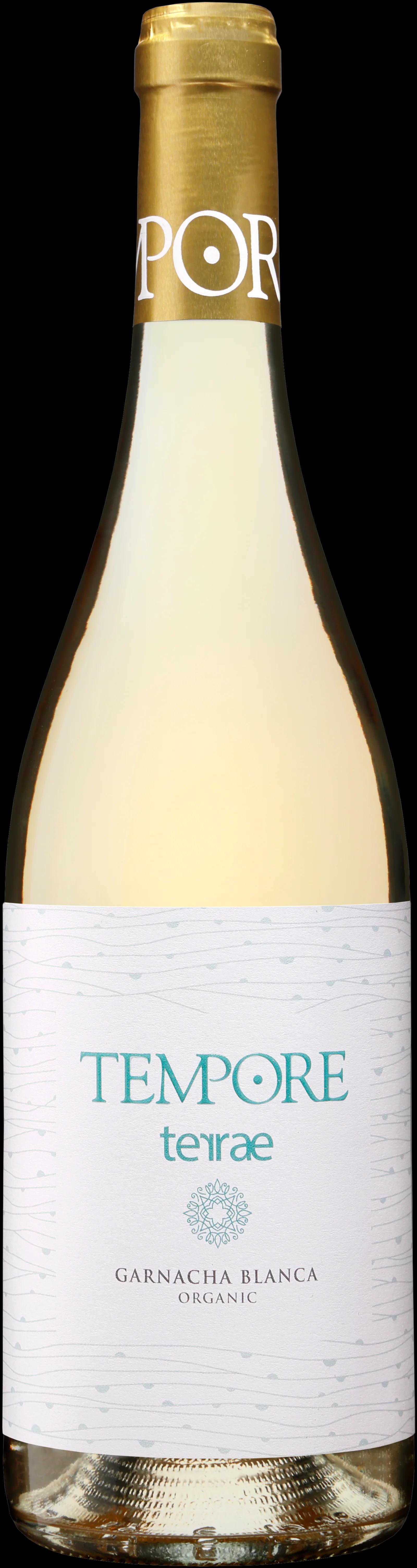
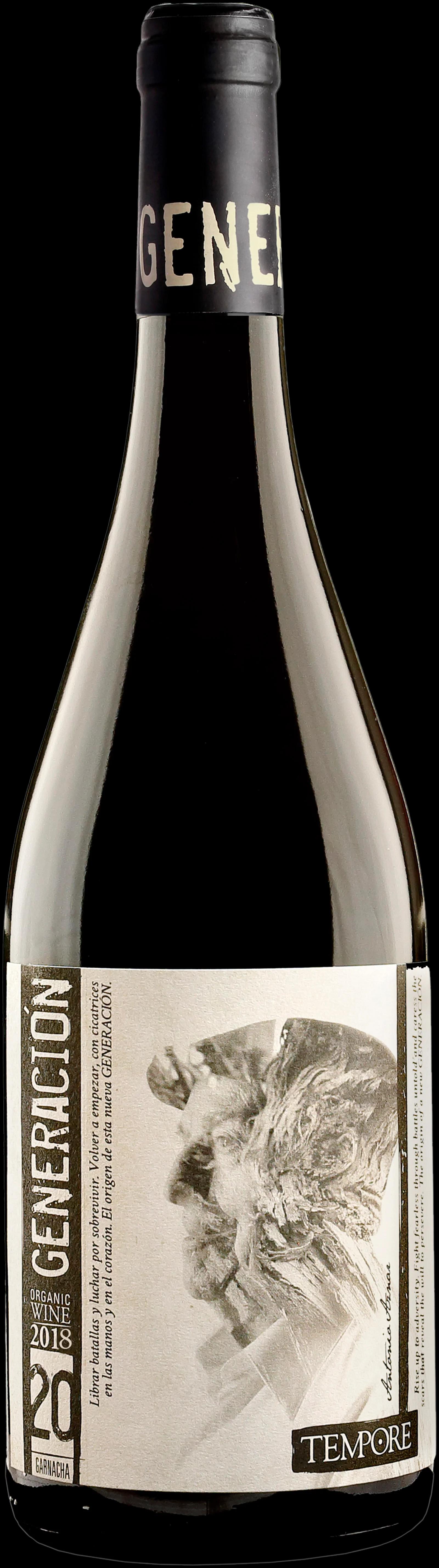
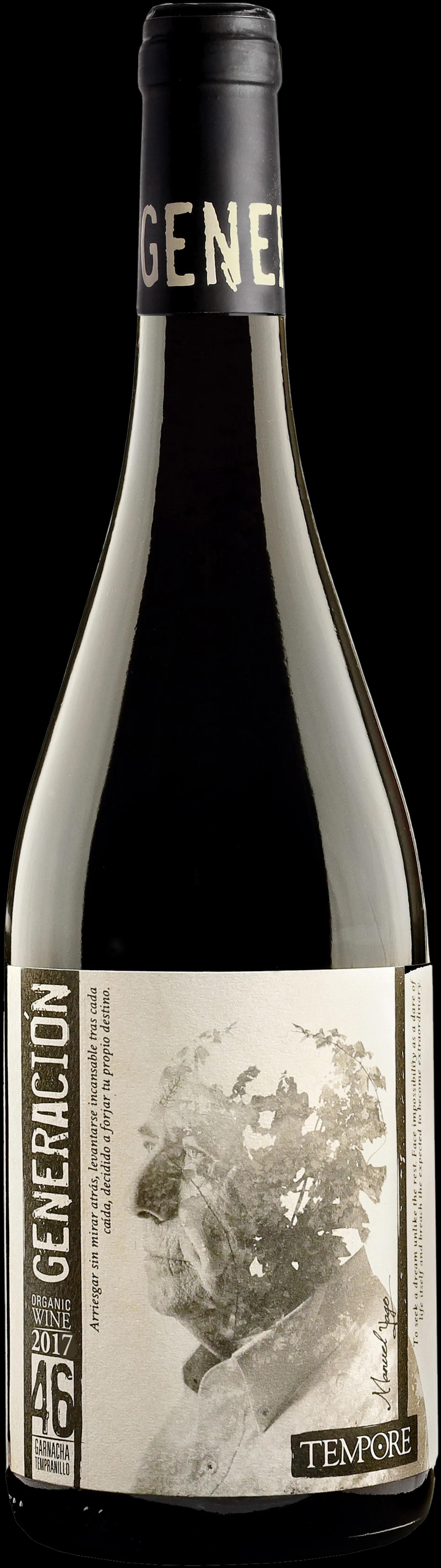
Garnacha in Spain: soil, altitude, and old vines
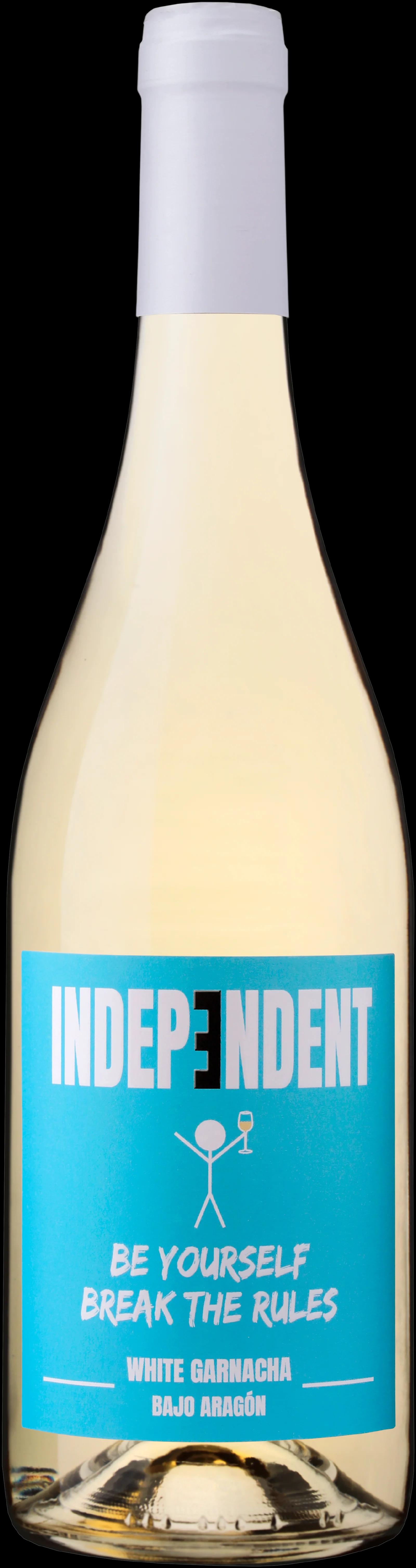
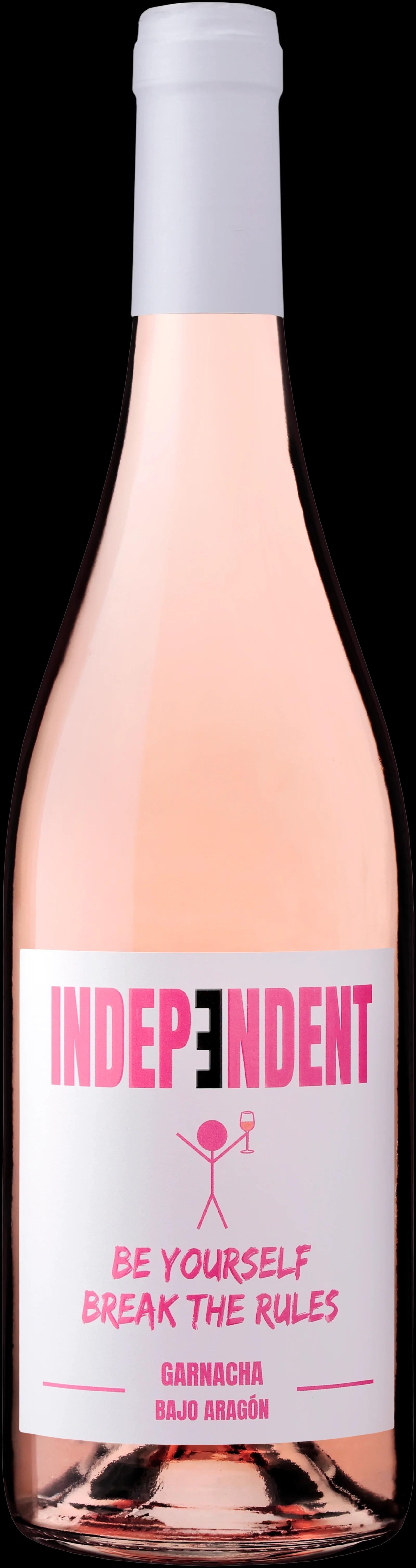
Garnacha is Spain's most widely planted red grape, but that number obscures how differently it behaves across the country's wine regions. In Aragon, particularly in the subzones of Campo de Borja and Cariñena, Garnacha grows at elevations between 400 and 800 metres above sea level. The altitude slows ripening by several weeks compared to lower-lying vineyards, preserving acidity that the grape can otherwise lose quickly in heat. The result is a wine with more structural tension than the variety's reputation might suggest.
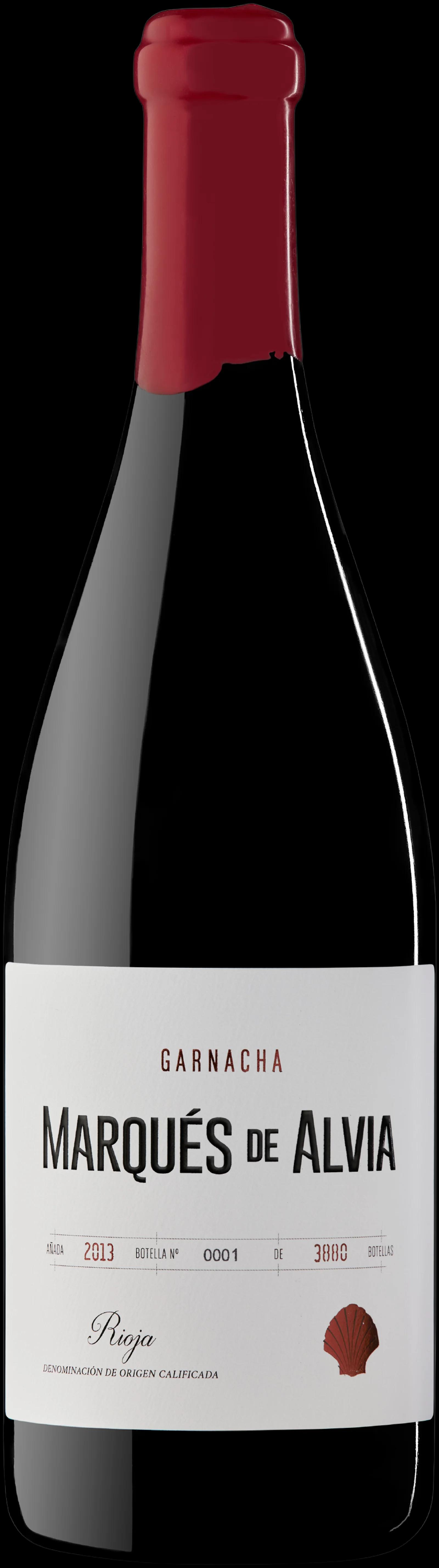
In Rioja, Garnacha has historically played a blending role behind Tempranillo, but a growing number of producers are bottling it as a single-varietal wine from old bush-vine parcels in the Alta and Alavesa subzones. These vines, some exceeding 80 years, yield small quantities with concentrated fruit and a lower-alcohol profile than younger plantings on more fertile soils. Old-vine Garnacha from Rioja sits structurally apart from the same grape grown in Priorat, where fractured llicorella slate forces roots several metres deep and produces wines with higher tannin grip and mineral density.
Catalonia, and Priorat specifically, is where Spanish Garnacha acquired its international profile. The combination of near-zero organic matter in the llicorella soil, yields sometimes below one kilogram per vine, and elevations up to 700 metres produces wines with extraction levels rarely seen elsewhere from this grape. Neighbouring Montsant, with more clay and limestone, gives a softer version of similar structure at considerably lower price points. Producers working in both appellations often make a clear stylistic distinction between the two in their range.
How Spanish Garnacha compares to Grenache grown elsewhere
Garnacha and Grenache are the same grape. The name changes at the border. In the southern Rhône Valley, Grenache Noir anchors blends in Châteauneuf-du-Pape and Gigondas, typically combined with Syrah and Mourvèdre to add spice and structure that Grenache alone does not provide. In Spain, Garnacha is increasingly bottled unblended, particularly in Aragón and Rioja, which gives a clearer read on what the grape does on its own.
The stylistic gap between French and Spanish expressions of the grape is partly varietal and partly a question of vine age and winemaking convention. Spanish producers working with old bush vines tend to ferment in open concrete or clay vessels and avoid new oak, a practice that keeps the wine's fruit profile intact and avoids the vanilla overlay that can mask Garnacha's natural character. Producers in Languedoc-Roussillon are increasingly working in a similar direction, but the Spanish tradition of old unirrigated vines in semi-arid terrain gives the raw material a different starting point.
It is also worth noting that Monastrell, grown in Murcia and Castilla-La Mancha, is sometimes compared to Garnacha in terms of heat tolerance and full-bodied profile, but the two grapes are unrelated. Monastrell is genetically distinct and produces wines with deeper colour and firmer tannin. Garnacha, by contrast, is a thin-skinned grape that relies on concentration through low yields rather than tannin extraction for its structure.
How producers on Free Grape Society work with Spanish Garnacha
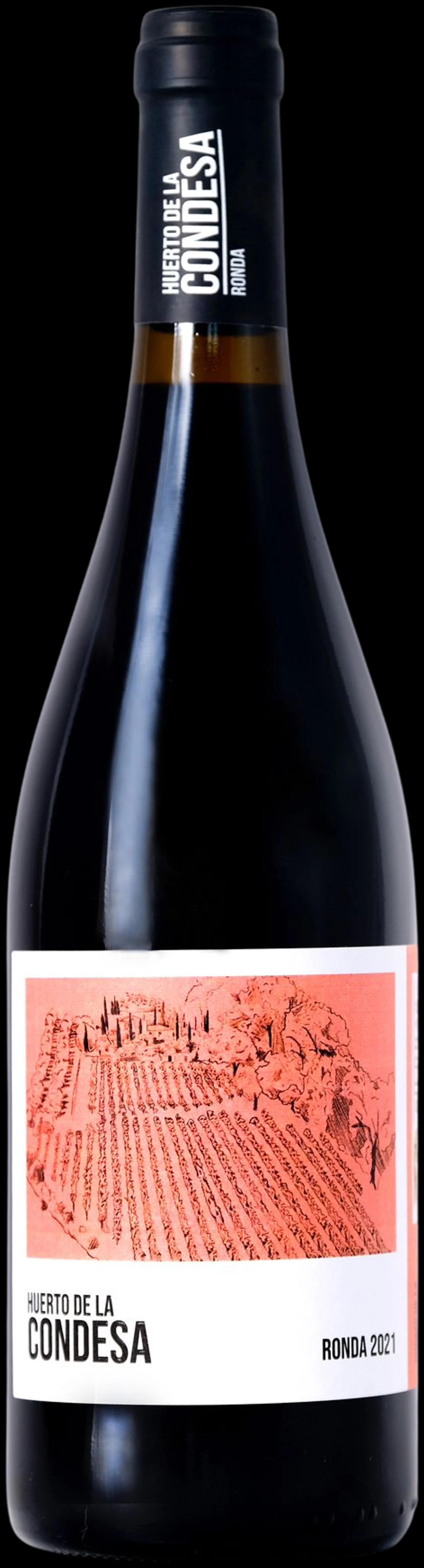
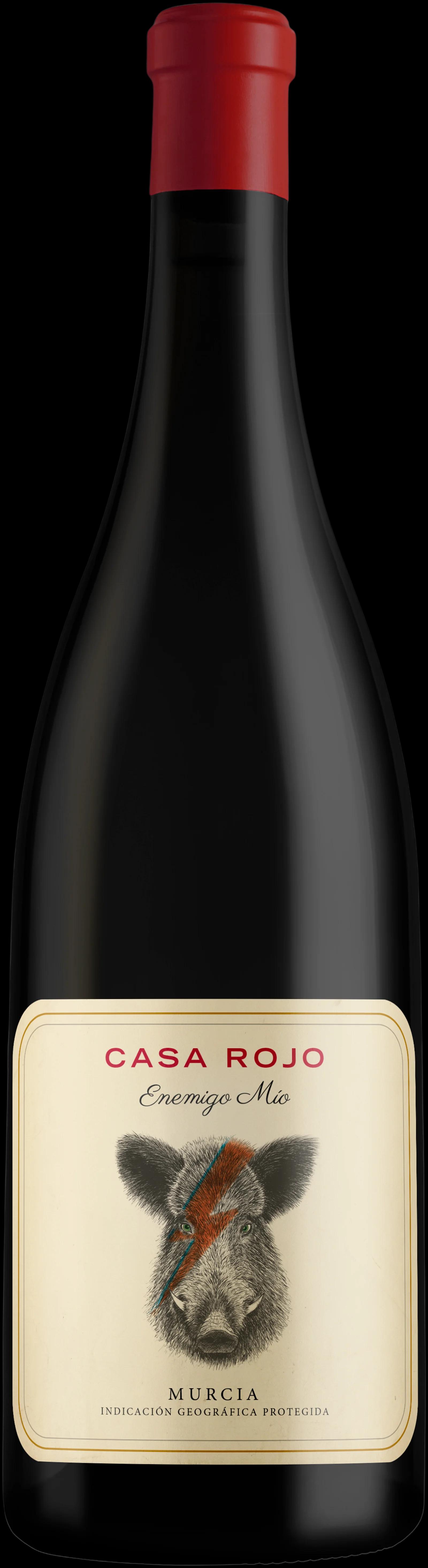
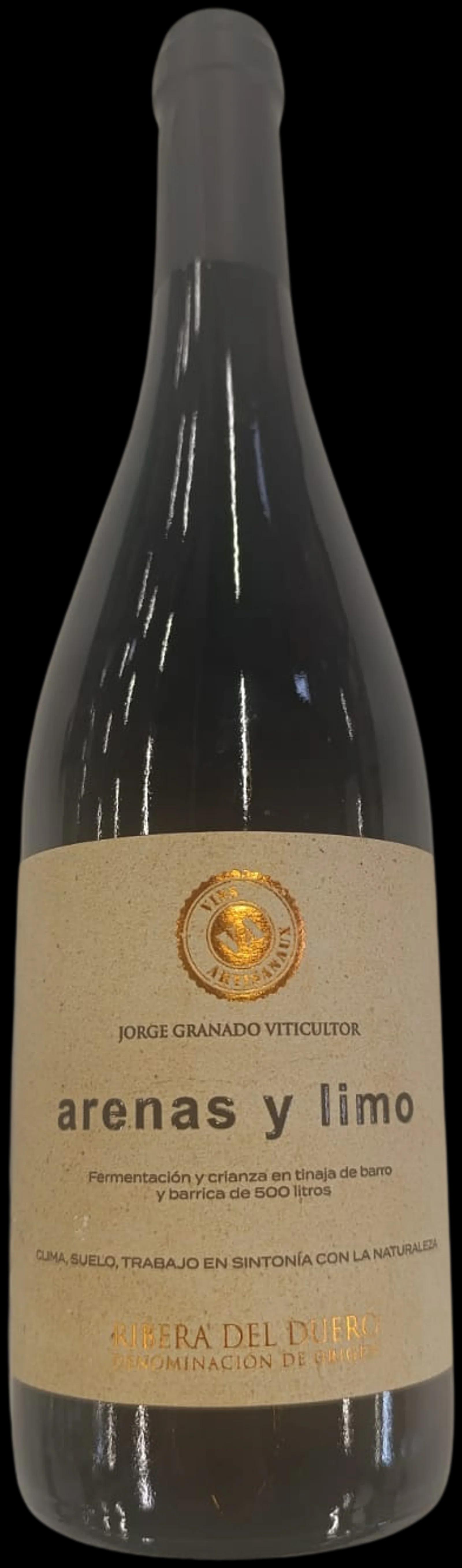
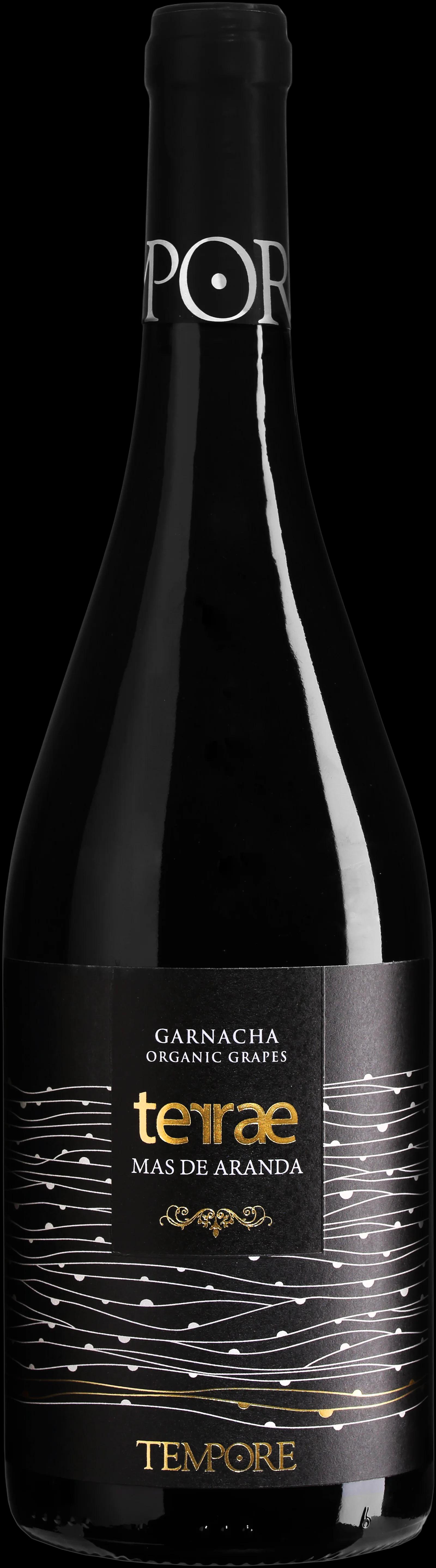
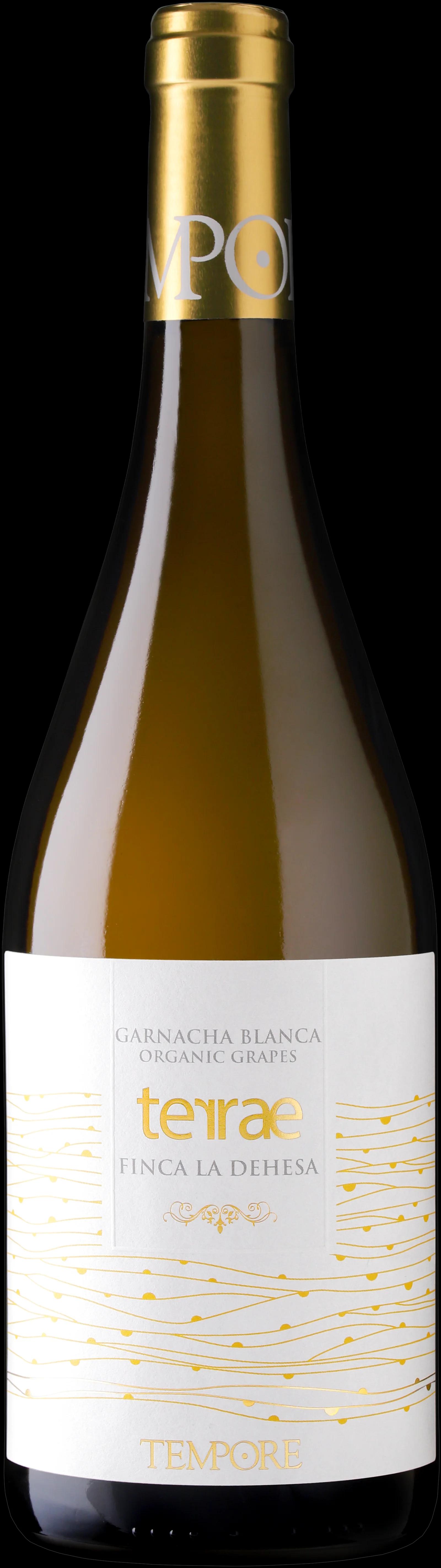
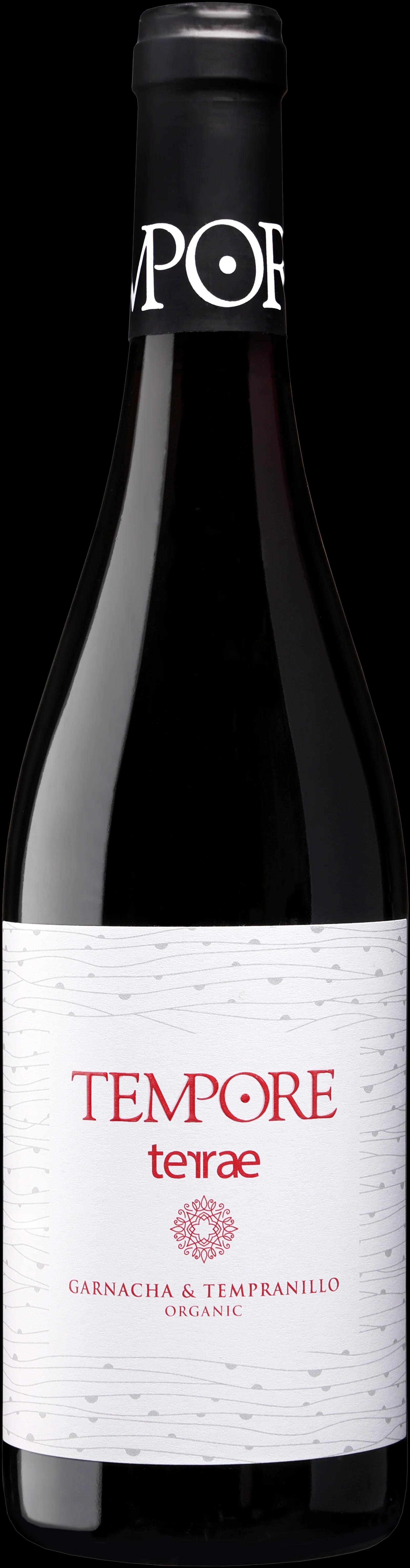
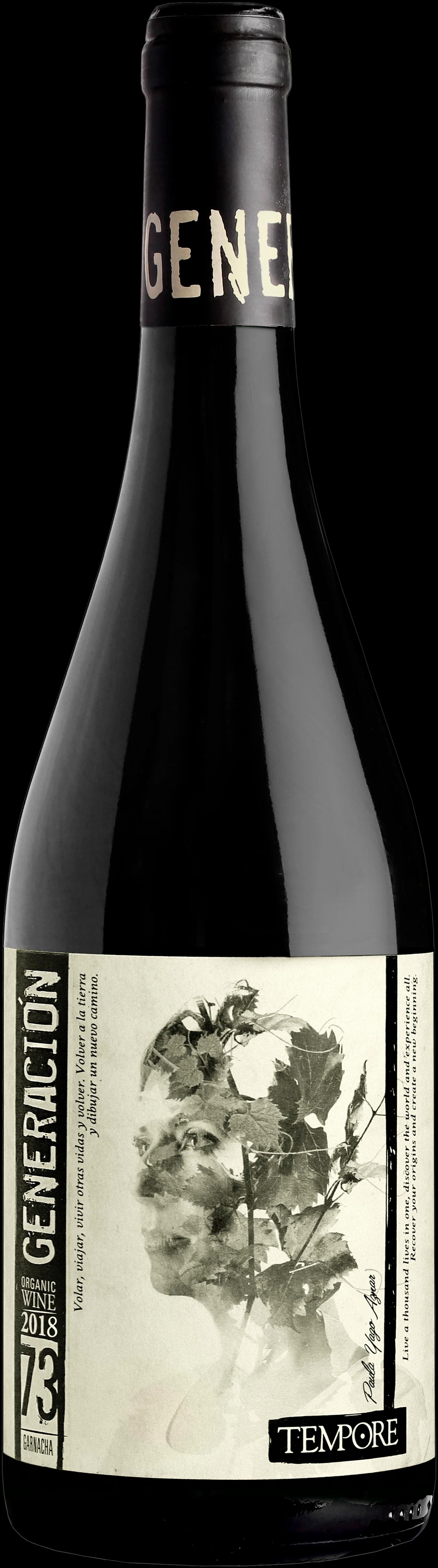
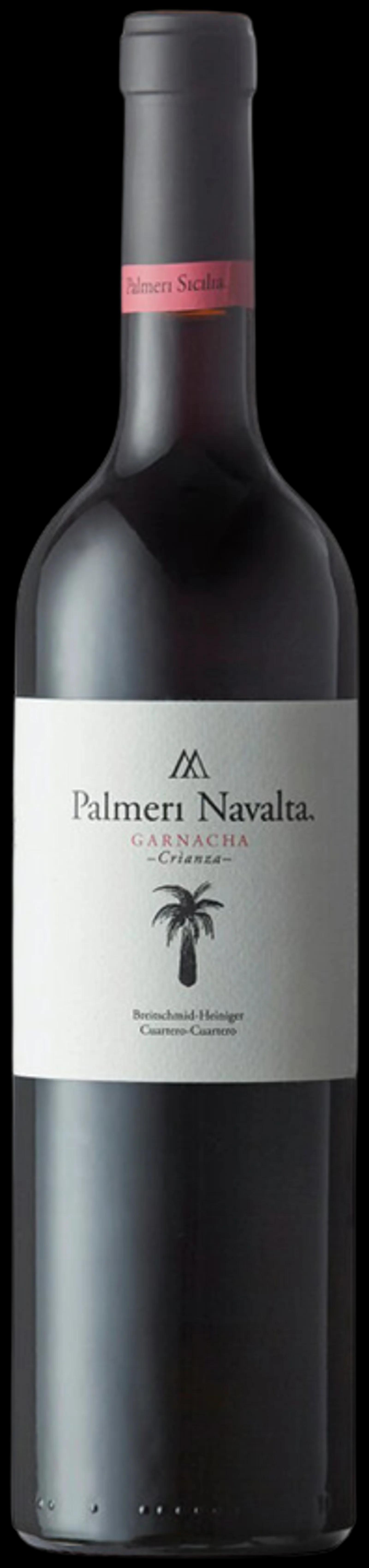
The Spanish wine producers listed on Free Grape Society working with Garnacha are predominantly small, single-estate operations. Several work in certified organic or biodynamic viticulture, particularly in Priorat and Aragon, where the poor soils and dry climate reduce the pressure of disease and make chemical intervention less common than in wetter regions.
Pricing for Spanish Garnacha on the platform is set by the producer, not by a distributor calculating margin across multiple markets. A bottle from a 40-year-old bush-vine parcel in Campo de Borja costs what the producer decided it costs. No importer markup, no wholesaler margin. The price you see is the price the producer agreed to.
For readers also interested in how the grape expresses in France, the Grenache page covers the French regional context. For a broader view of red wines from Spain, including Tempranillo, Mencía, and Monastrell, the country's red wine page maps the full range. The Garnacha grape page covers production volumes and regional distribution in more detail, and the Aragón region page focuses specifically on the high-altitude subzones where the grape's acid retention is most pronounced.