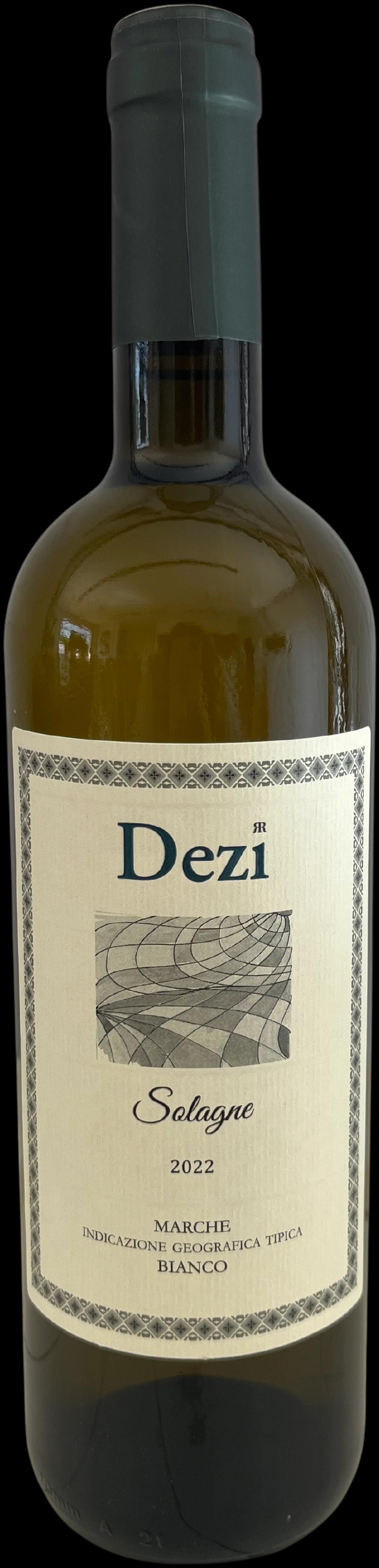
Verdicchio: the white wine of Le Marche, straight from the producer

Verdicchio wine comes almost exclusively from Le Marche on Italy's Adriatic coast, where the variety produces dry whites with clean acidity, a faintly bitter finish and real cellar potential. The producers below grow and bottle it themselves.

Crisp, mineral and built to age — a grape that rewards producers who leave it alone.

Color

Dropdown arrow

Type

Dropdown arrow

Country

Dropdown arrow

Region

Dropdown arrow

Grape

Dropdown arrow

Pairing

Dropdown arrow

Sort by

Sort arrow
Verdicchio

Verdicchio wines

Verdicchio is one of the few Italian white grapes with a serious track record in the cellar. In its two main appellations — Verdicchio dei Castelli di Jesi and Verdicchio di Matelica — the grape builds enough acidity and extract to develop over five years or more, well beyond what most Italian whites manage. The wines here are shipped directly from each producer's cellar, with no importer or warehouse adding time or cost between the grower and your door.

Previous1 of 1Next

Verdicchio mixboxes

A Verdicchio mixbox is a producer's own six-bottle selection — the bottles they would put in front of you if you visited the estate. For a grape with this much range across sites and vintages, it is a useful way to understand what one producer does with it before buying individual bottles. Free Grape Society is a society of producers, independent experts and wine lovers, not a shop.

View all mixboxes

Verdicchio wineries

The producers on this page work almost exclusively in Le Marche, a region that has quietly built one of Italy's most consistent reputations for white wine without much international fanfare. Several run small estates where Verdicchio is the main event, not a supporting act. If you want to understand why the grape behaves so differently across its two main appellations, the wine-advice service is there to help you narrow it down.

View all wineries

Wine experts

Independent wine experts review wines they have personally tasted, and their notes are visible on each wine page and on the expert's own profile. Several of the experts below have reviewed Verdicchio wines featured on this page, so you can read what they found before making a choice.

View all wine experts

Frequently asked questions

How do I order Verdicchio wine on Free Grape Society?

Browse the wines above and add bottles to your basket. Each bottle ships directly from the producer's cellar in Le Marche. Delivery takes between four and fourteen days, and free shipping is included. Payments are handled securely by Klarna or card.

What happens if a bottle arrives broken or doesn't taste right?

Send a photo to Free Grape Society customer support within 7 days of delivery. We will arrange a replacement or a refund. Because producers ship directly, quality issues are handled with the producer's direct involvement. Shared responsibility is built into how FGS works.

Can I order Verdicchio from more than one producer in the same order?

Yes. You can add wines from different producers to a single basket. Each producer ships their wines separately from their own cellar, so you may receive more than one delivery if your order spans multiple estates. Tracking information is provided for each shipment.

How long does delivery take?

Average delivery is 8 to 9 days from order to door. The full range is 4 to 14 days depending on the producer's location and your delivery address. Wines ship directly from the producer's cellar, not from a central warehouse.

How do I choose between Verdicchio dei Castelli di Jesi and Verdicchio di Matelica?

The two appellations sit in different parts of Le Marche. Castelli di Jesi is the larger and more widely available; Matelica sits higher and further inland, and typically produces wines with slightly more concentration and structure. Reading the producer's own notes on each wine page is a good starting point, or you can put a question to one of the wine experts on the platform.

What styles of Verdicchio are available?

Most Verdicchio is made as a still dry white, ranging from light and early-drinking to more structured versions aged on the lees. Some producers also make a sparkling Verdicchio, either as a spumante or a frizzante. A handful make a late-harvest or passito version from dried grapes. The wines above cover the full range available from producers currently on the platform.

Which Verdicchio wine expert can recommend something for me?

Several independent wine experts on Free Grape Society have reviewed Verdicchio wines and know the Le Marche producers on the platform well. Use the form on any expert's profile page to ask a specific question — about food pairing, ageing potential, or which producer to try first — and you will get a personal reply.

Why don't you sell supermarket-brand Verdicchio wines?

Free Grape Society works only with independent producers who grow their own grapes and bottle their own wine. Supermarket-label Verdicchio is typically made at volume by large co-operatives or négociants and sold under a retailer's brand rather than the producer's name. The wines on this platform come from estates where the winemaker's name is on the label.

How is buying Verdicchio here different from buying it in a wine shop?

Wine shops buy from importers or distributors, each of whom adds a margin before the bottle reaches the shelf. On Free Grape Society, the producer sets the price and ships directly to you, so the price reflects the wine rather than a distribution chain. You can also read the producer's own notes and ask an independent expert before buying.

Where Verdicchio comes from and what makes it distinct

Verdicchio is native to the Marche region on Italy's Adriatic coast, where it has been grown for centuries along the hillsides that run between the Apennines and the sea. The name comes from the Italian for green, a reference to the greenish tint the grape retains even when fully ripe. Two appellations define it: Verdicchio dei Castelli di Jesi, produced across a broad area in the Ancona province, and the smaller, higher-altitude Verdicchio di Matelica, which sits further inland and tends to produce wines with more acidity and concentration. The difference in elevation and distance from the coast matters: Matelica's continental climate means cooler nights and a longer growing season, while Castelli di Jesi benefits from breezes off the Adriatic that keep the vines dry. Verdicchio is also one of the main grapes behind the traditional method sparkling wines made in Marche, and a small amount is vinified as a sweet late-harvest style. You can explore the full range of wines from this part of Italy on the Marche wines and Italian white wines pages.

How Verdicchio tastes, and what to drink it with

Verdicchio is a white grape with naturally high acidity and a profile built around citrus, green apple, and a distinctive bitter almond finish that sets it apart from most other Italian whites. In cooler sites or younger vintages, the wine leans mineral and lean; from warmer hillside plots or when aged longer on the lees, it fills out with texture and a nutty, oxidative complexity. The grape's acidity and salinity make it a natural match for seafood, and in the Marche the traditional pairing is brodetto, the local fish stew. It holds up equally well alongside grilled fish, fried vegetables, and pasta dishes built on olive oil rather than cream. For broader exploration of Italian white varieties, the Friuli Venezia Giulia wines and Campania wines pages show how differently structured Italian whites can be from one region to the next, and the Vermentino and Pecorino pages offer close comparisons to Verdicchio's coastal, saline style.

Buying Verdicchio direct from independent producers

Most Verdicchio on the international market comes from large cooperative bottlings, which means the variety's range — from lean and citrus-driven to textured and age-worthy — rarely shows up in standard retail. The producers working with Verdicchio on Free Grape Society are independent estates that bottle their own wine and set their own prices. Each ships directly from their own cellar, with no importer or warehouse in between, which is how the wines reach you in better condition and at a more honest price. Independent wine experts review wines they have personally tasted, and their notes are visible on each wine page and on the expert's own profile — a useful reference when choosing between a younger, fresher style and something with more bottle age. Free Grape Society is a society of producers, independent experts and wine lovers, not a shop. The Tuscany wineries, Veneto wines, and Italian wines pages are good starting points if you want to explore other Italian varieties alongside Verdicchio.