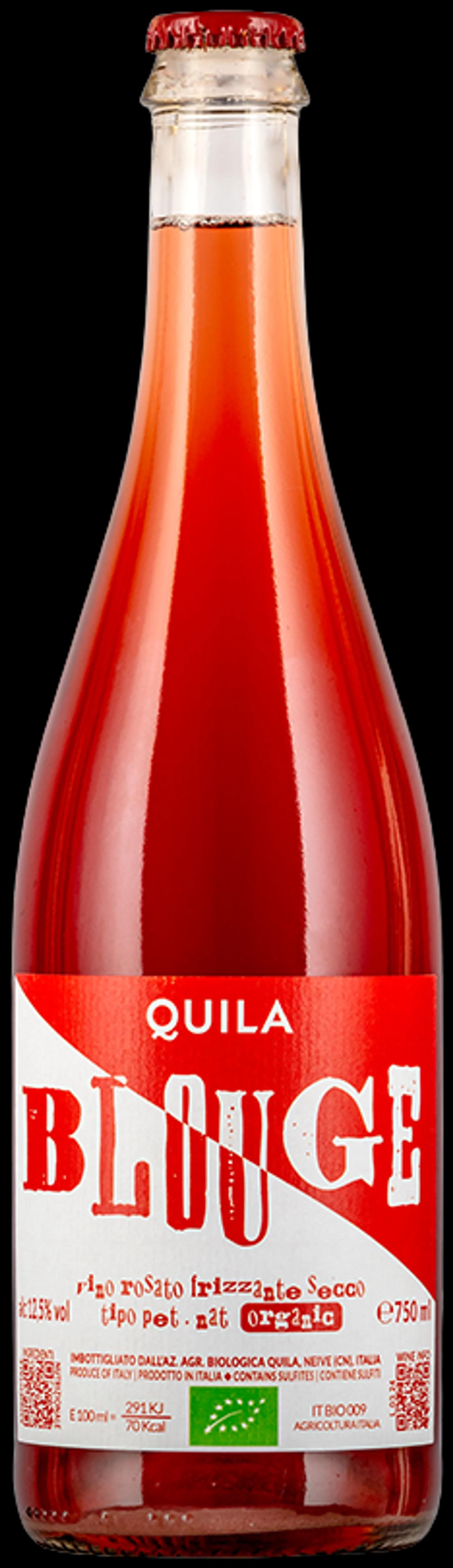
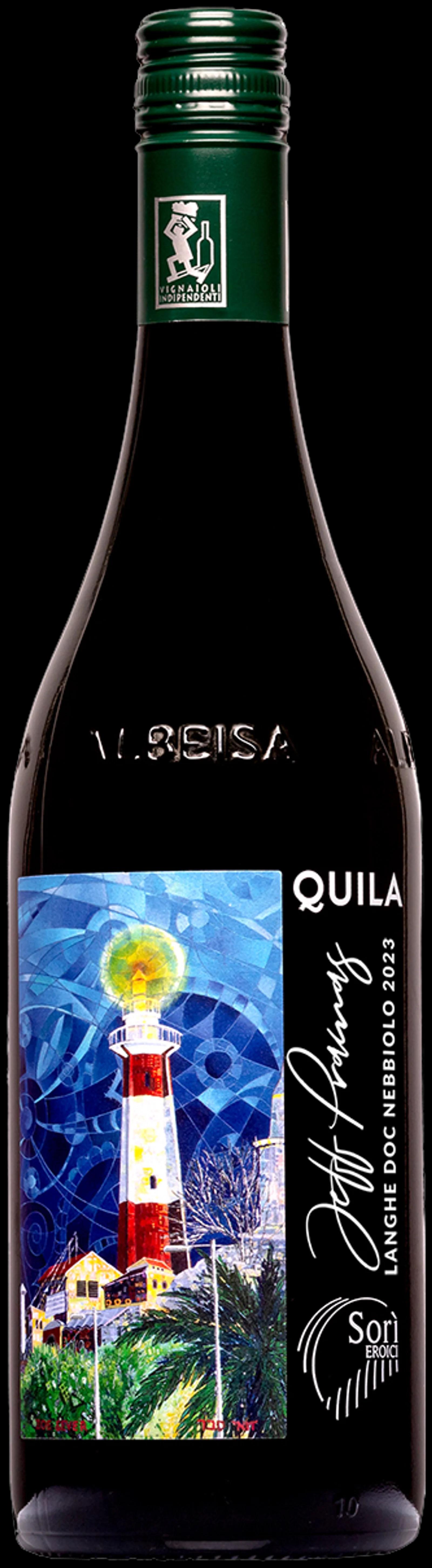
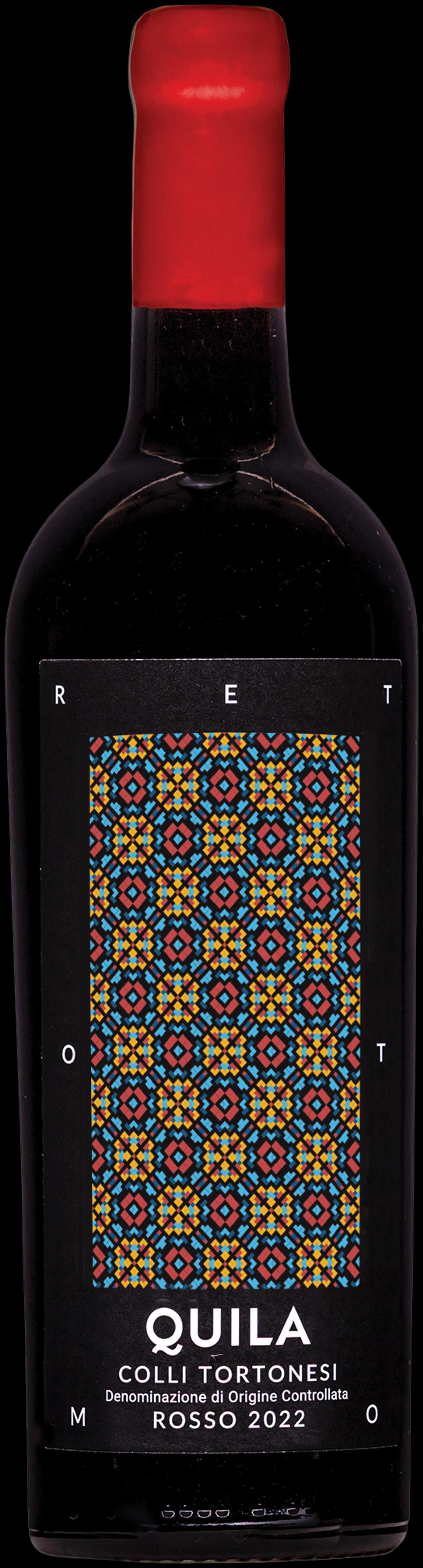
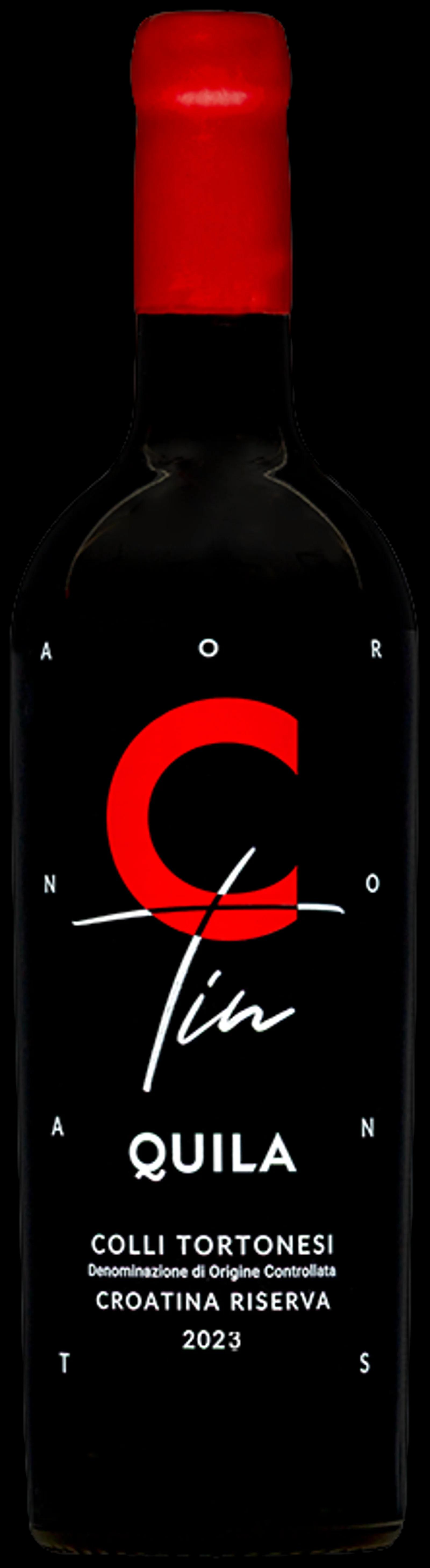




Grechetto: the white grape that built Umbria's wine identity

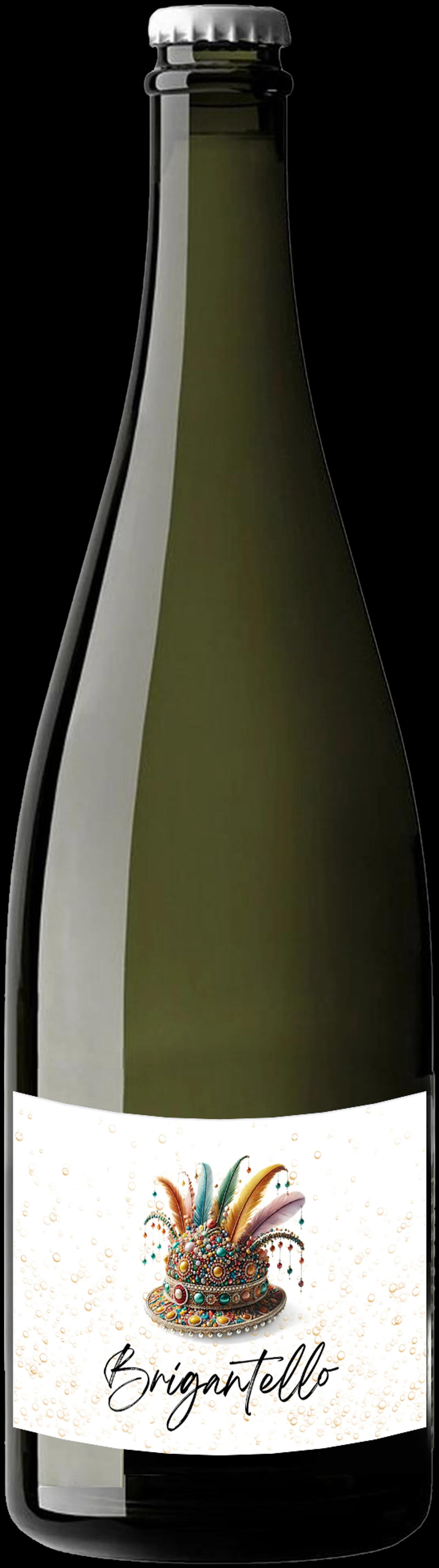
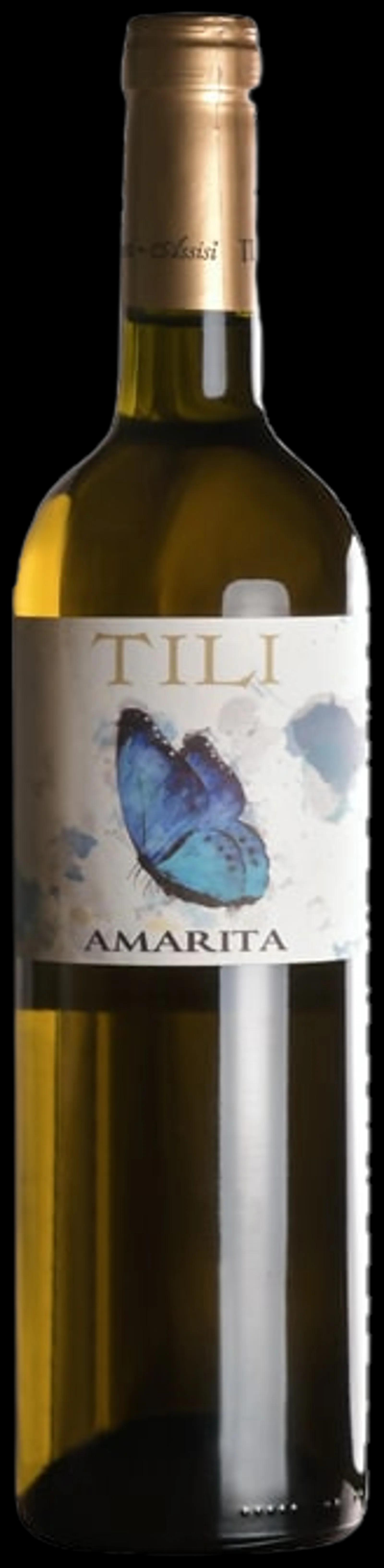
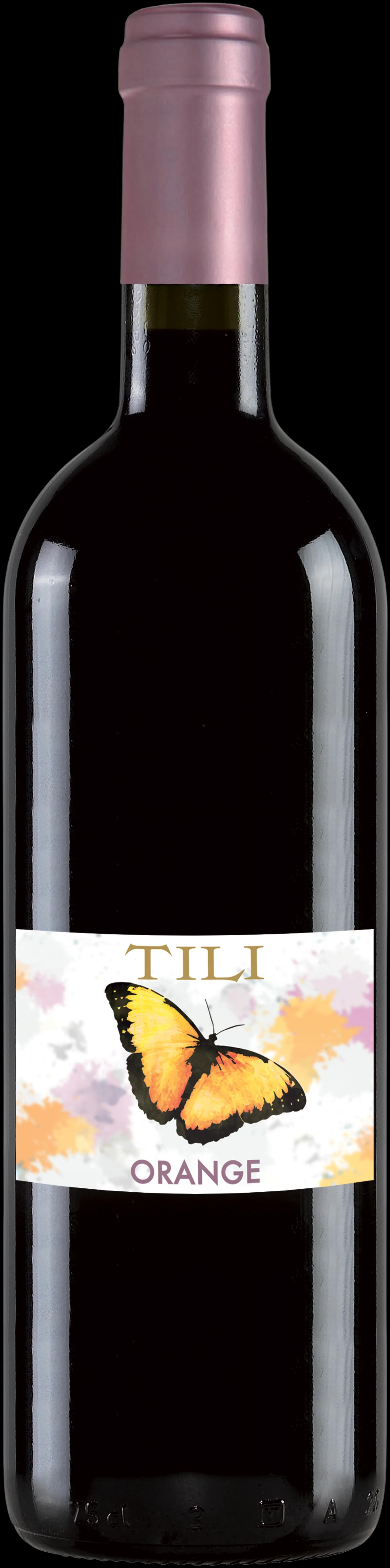
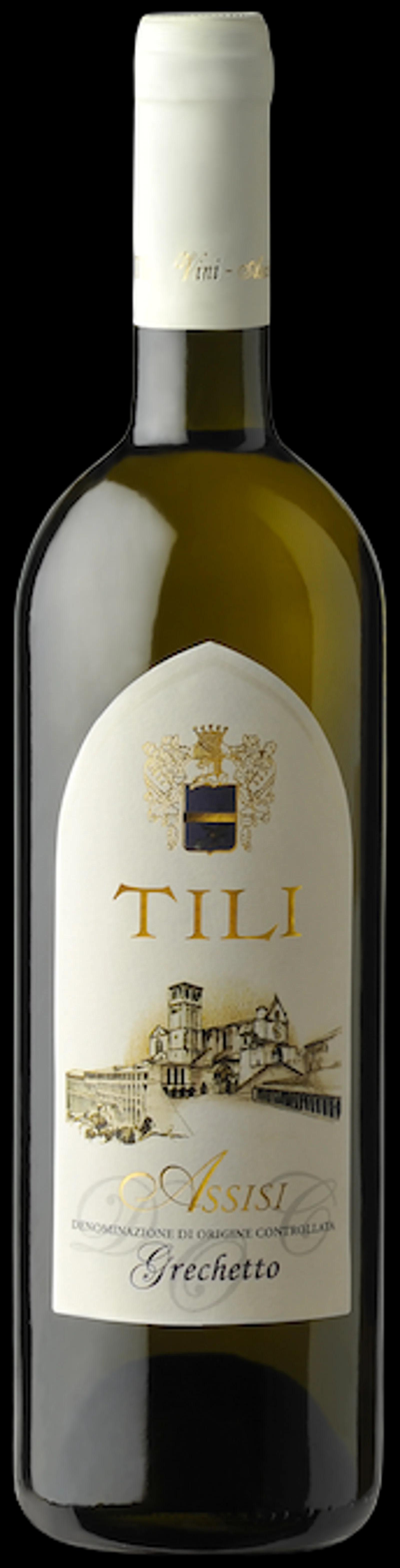
Grechetto wine is made from one of central Italy's most distinctive white grapes, grown across Umbria and into parts of Tuscany and Lazio. The producers below work with it directly, from the vineyards where it has been cultivated for centuries.

A naturally high-acid variety that ranges from crisp and mineral to rich and textured, depending on where and how it is grown.

Color

Dropdown arrow

Type

Dropdown arrow

Country

Dropdown arrow

Region

Dropdown arrow

Grape

Dropdown arrow

Pairing

Dropdown arrow

Sort by

Sort arrow
Grechetto

Grechetto wines

Grechetto has been grown in Umbria for centuries and sits at the centre of some of the region's most recognised appellations, including Orvieto and Torgiano. It tends toward naturally high acidity and a clean, mineral quality in cooler vineyard sites, while warmer exposures and extended skin contact or barrel ageing push it toward something rounder and more textured. On Free Grape Society, each bottle is shipped directly from the producer's own cellar, with no importer or warehouse in between.

Previous1 of 1Next

Grechetto mixboxes

A mixbox is the producer's own selection of six bottles — put together as the recommendation they would make if you visited their cellar. For a grape like Grechetto, that often means tasting the variety across different styles or sites from one estate, where the same grape shows how much it can shift in character with small changes in elevation or winemaking approach. Free Grape Society is a society of producers, independent experts and wine lovers, not a shop.

View all mixboxes

Wineries

The wineries below all work with Grechetto as part of their range, whether as a single-variety bottling or blended into the appellation wines of Umbria. Reading a producer's own notes is often the quickest way to understand the choices behind their style — how much oak, how long on the lees, whether the fruit comes from a single vineyard or across the estate. The wine-advice service is there if you would rather talk through the options before choosing.

View all wineries

Wine experts

Grechetto is less widely reviewed than the major international varieties, which makes an informed second opinion genuinely useful. Independent wine experts on Free Grape Society review wines they have personally tasted, and their notes are visible on each wine page and on the expert's own profile. Several of the experts below have reviewed Grechetto wines featured on this page, so you can read what they found before deciding.

View all wine experts

Frequently asked questions

How do I order Grechetto wine on Free Grape Society?

Browse the Grechetto wines listed on this page, add bottles to your basket, and complete your order. Each bottle ships directly from the producer's own cellar to your door. Free shipping is included, and you pay securely with Klarna or card. Delivery typically takes 4–14 days, with an average of around 8–9 days.

What happens if a bottle arrives broken or doesn't taste right?

Send a photo to Free Grape Society customer support within 7 days of delivery. We will arrange a replacement or a refund. Because producers ship directly, quality issues are handled with the producer's direct involvement. Shared responsibility is built into how FGS works.

Can I order Grechetto from more than one producer in a single order?

Yes. You can add wines from different producers to the same basket. Each producer ships their own bottles separately, so you may receive more than one delivery if your order includes wines from multiple wineries. Shipping is free regardless of how many producers are involved.

How long does delivery take?

Average delivery is 8 to 9 days from order to door. The full range is 4 to 14 days depending on the producer's location and your delivery address. Wines ship directly from the producer's cellar, not from a central warehouse.

How do I choose between the different Grechetto wines on this page?

Start with region and style. Grechetto from Orvieto tends to be lighter and more mineral; expressions from Todi or Torgiano are often fuller and more structured. If you want something unoaked and fresh, look for younger vintages from higher-altitude sites. If you prefer more weight and texture, look for producers who mention lees ageing or barrel contact in their notes.

Why does Grechetto taste so different from one producer to the next?

Grechetto is sensitive to site and winemaking decisions. Altitude, soil type, and harvest timing all affect how the natural acidity and aromatics develop. Some producers pick early for freshness; others wait for fuller ripeness. Oak use, skin contact, and lees ageing can shift the wine substantially, which is why bottles from the same appellation can taste quite different.

Which Grechetto wine expert can recommend something for me?

Several independent wine experts on Free Grape Society have reviewed Grechetto wines and know the variety well. You can browse their profiles and reviews on this page, or use the wine-advice service to ask a question directly. An expert will come back to you with a personal recommendation based on what you are looking for.

Why don't you sell supermarket-brand Grechetto wines?

Free Grape Society lists wines from independent producers who grow their own grapes and bottle under their own name. Supermarket-label wines are typically blended and bottled by large commercial producers, often from bought-in fruit. The growers on this platform make site-specific wines where the origin and the person behind it are known — that is what the platform is built for.

Can I find Grechetto in shops or supermarkets in my country?

Grechetto from independent producers rarely reaches standard retail outside Italy. The variety is grown in relatively small quantities, and most of the interesting estates bottle in volumes that make export through conventional distribution channels uneconomical. Buying directly through Free Grape Society is often the only practical way to access these wines from outside Italy.

Where Grechetto comes from and what makes it distinctive

Grechetto is a white grape native to central Italy, grown primarily across Umbria and the neighbouring Marches. Despite its name suggesting Greek origins — a common etymology for ancient Italian varieties — it is now considered an Italian native, most likely brought to the peninsula in antiquity and long since naturalised. It exists in two main biotypes: Grechetto di Orvieto and Grechetto di Todi, the latter carrying more body and aromatic intensity. Both are used in the DOC wines of the Orvieto appellation, one of central Italy's most established white wine zones, where Grechetto is typically blended with Trebbiano. Producers in Umbria who bottle it as a single variety tend to show the grape at its most expressive — and several of them sell directly through Free Grape Society. You will find related producers on the Umbria wineries page, and a broader view of the region's whites on the Tuscany wines and Italian white wines pages.

How Grechetto wine tastes and what to drink it with

Grechetto produces dry white wines with firm acidity, moderate body, and a flavour profile that runs from almond and white blossom through to riper stone fruit when the vintage is warm. One of its more distinctive traits is a slight bitter finish — characteristic of the variety and often described as the marker that distinguishes genuine Grechetto from the blended Orvieto styles that carry it in smaller proportions. It ages better than most central Italian whites: a little time in bottle fills out the texture without losing freshness. At the table, it sits naturally alongside pasta dishes with white sauces, grilled fish, or the truffle-heavy cooking of Umbria itself. For exploratory pairings, the broader Italian white wines page shows what else grows in similar terrain.

Buying Grechetto directly from independent producers

Grechetto is not a grape that travels far — most of what is made stays in Italy and is consumed domestically or in local restaurants, which is part of why it rarely appears on supermarket shelves outside the country. On Free Grape Society, the wines come from independent producers who bottle their own, and they ship directly from their own cellars to your door, with no importer or warehouse adding cost or handling time along the route. That matters with a variety like Grechetto, where freshness and the producer's specific site choices account for much of what ends up in the glass. If you want to explore further before ordering, wines tasted before listing means each bottle has been reviewed for quality. You can browse related varieties from central Italy — including Sagrantino, Verdicchio, and Trebbiano — or look at Umbria wineries for the producers behind the bottles. Free Grape Society is a society of producers, independent experts and wine lovers, not a shop.