Graciano: Spain's high-acid blending grape, now bottled on its own

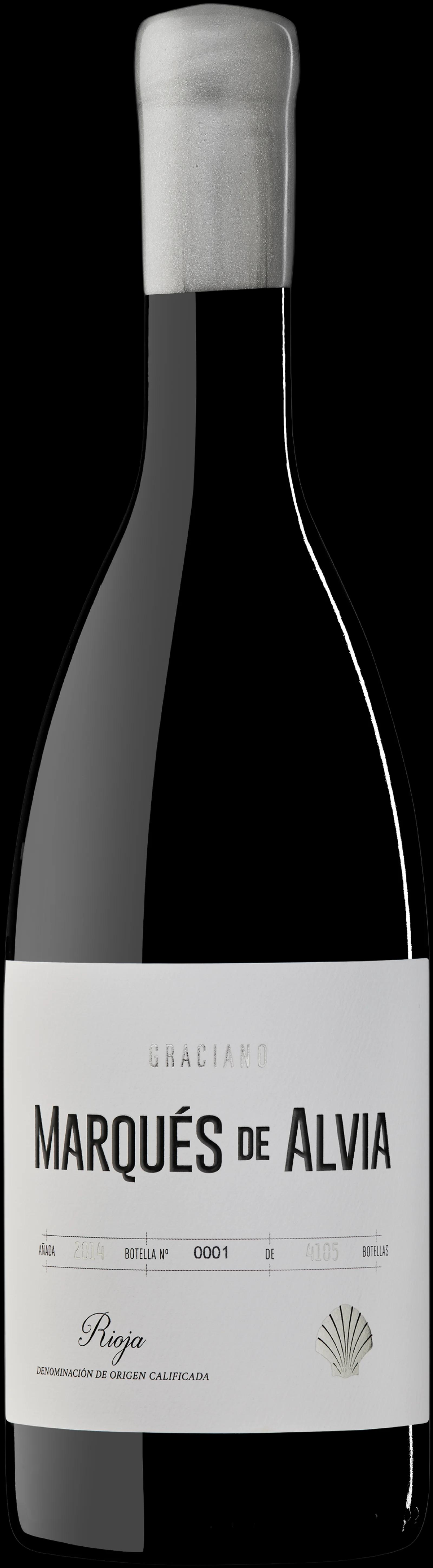
Graciano wine is rare as a single-variety bottling — most of it disappears into Rioja blends, where it adds backbone and freshness. The producers below are among the few who grow enough to bottle it alone.

Firm tannin, deep colour and natural acidity that holds its structure for decades.

Color

Dropdown arrow

Type

Dropdown arrow

Country

Dropdown arrow

Region

Dropdown arrow

Grape

Dropdown arrow

Pairing

Dropdown arrow

Sort by

Sort arrow
Graciano

Graciano wines

Graciano is a grape that most wine drinkers encounter without knowing it. It has been grown in Rioja for centuries and contributes acidity, colour and structure to blends — qualities that are increasingly valued as producers look for freshness in warm vintages. As a single-variety wine it is intense and age-worthy, with darker fruit and firmer structure than Tempranillo. On Free Grape Society, each bottle ships directly from the grower's own cellar, with no importer or warehouse in between.

Previous1 of 1Next

Graciano wine cases

A wine case here is a producer's own selection of six bottles — the recommendation they would make if you turned up at their cellar door. For a grape like Graciano, that often means a producer pairing it with the other varieties they grow, so you can taste how it fits into their broader range. Free Grape Society is a society of producers, independent experts and wine lovers, not a shop.

View all mixboxes

Wineries

The growers below work with Graciano in its Spanish heartland, mostly in Rioja and neighbouring regions where the grape has been cultivated for generations. Some bottle it as a single variety; others blend it with Tempranillo or Garnacha. Reading a producer's own notes is the clearest way to understand how they use it — and the wine-advice service is there if you want a recommendation before you choose.

View all wineries

Wine experts

Graciano is not a grape with a large body of single-variety reviews, which makes independent perspective genuinely useful here. Wine experts on Free Grape Society review wines they have personally tasted, and their notes appear on each wine page and on the expert's own profile. Several of the experts below have reviewed Graciano wines or Rioja blends where Graciano plays a significant role.

View all wine experts

Frequently asked questions

How do I order a Graciano wine on Free Grape Society?

Browse the wines above and add bottles to your basket. Each wine ships directly from the producer's cellar, so your order may arrive in more than one delivery if you buy from multiple growers. Shipping is free, and payment is handled securely by Klarna or card.

What happens if a bottle arrives broken or doesn't taste right?

Send a photo to Free Grape Society customer support within 7 days of delivery. We will arrange a replacement or a refund. Because producers ship directly, quality issues are handled with the producer's direct involvement. Shared responsibility is built into how FGS works.

Can I order Graciano wines from more than one producer in a single order?

Yes. You can add wines from different producers to the same basket. Because each producer ships independently from their own cellar, bottles from different growers will arrive in separate deliveries. Shipping is free regardless.

How long does delivery take?

Average delivery is 8 to 9 days from order to door. The full range is 4 to 14 days depending on the producer's location and your delivery address. Wines ship directly from the producer's cellar, not from a central warehouse.

How do I choose between different Graciano wines?

Look at where the wine is made and how it is labelled. A single-variety Graciano will be structured and age-worthy with firm tannin; a blend where Graciano plays a supporting role will be softer. Producer notes on each wine page describe the style clearly, and the wine-advice service can help you choose if you are unsure.

Why are there so few Graciano wines available as single-variety bottlings?

Graciano is a low-yielding grape and historically grown as a blending component in Rioja, where it adds acidity and colour to Tempranillo-based wines. Only a small number of producers grow enough of it to bottle separately. The selection on this page represents those who do.

Which Graciano wine expert can recommend something for me?

The independent wine experts listed on this page have tasted wines from the regions where Graciano is grown. Fill in the advice form with what you are looking for — a food pairing, a style, a budget — and an expert will respond with a personal recommendation.

Why don't you sell supermarket-brand Graciano wines?

Free Grape Society works with independent producers who grow, make and bottle their own wine. Supermarket-label wines are typically produced by large négociants or contract wineries and sold under a retailer's brand. The growers here have their own names on the bottle and ship directly from their own cellars.

Is Graciano available in European supermarkets or wine shops?

Single-variety Graciano is rarely stocked in mainstream retail. Most European supermarkets and wine chains carry blended Rioja where Graciano is present but unlabelled. Finding it as a named single-variety wine generally means going directly to the producers who grow enough of it to bottle on its own.

Where Graciano comes from and what makes it rare

Graciano is one of Spain's oldest red grape varieties, with its heartland in Rioja and Navarra, where it has been grown alongside Tempranillo for centuries. It ripens late, yields little, and is prone to disease — which is exactly why it largely disappeared from commercial vineyards during the twentieth century, when high volumes mattered more than character. What stayed behind, mostly in the hands of smaller family estates, turned out to be some of the most interesting raw material in Spanish wine. A few growers in Aragon and Castilla-La Mancha also work with it, though Rioja remains its spiritual home. Its French alter ego, Morrastel, survives in isolated pockets of Languedoc-Roussillon, where it plays a supporting role in southern blends. The independent producers on Free Grape Society who grow Graciano tend to be the ones who chose character over convenience — estates that kept the variety because they believed in what it could do, not because it was easy.

How Graciano wine tastes, and what to drink it with

Graciano produces wines with naturally high acidity, firm tannin and deep colour — a structural combination that is rare in warm-climate Spanish reds and that gives it genuine ageing potential. The aromas lean toward dark fruit, dried herbs, leather and a distinct floral lift, sometimes compared to violets, that sets it apart from the richer, more generous profile of Tempranillo or Garnacha. When blended into Rioja, it adds freshness and longevity; when bottled as a single-variety wine, it can be austere in youth but opens into something complex and layered with time. At the table it suits roasted lamb, game, aged hard cheeses, and dishes with a savoury, herb-driven quality — the acidity cuts through fat, and the tannin structure holds up to strong flavours. It also pairs well with the kind of slow-cooked meat dishes common to the regions where it grows. If you are choosing between a young Graciano and a few years of bottle age, the patience is usually rewarded.

Buying Graciano wine direct from independent producers

Most commercially available Graciano is blended into Rioja and never labelled by variety, which is part of why single-variety bottles from growers who believe in it are worth seeking out. On Free Grape Society, each wine is shipped directly from the producer's own cellar — there is no importer or warehouse handling it between the estate and your door. That direct relationship also means the story behind the wine travels with it: why the grower kept Graciano when others pulled it out, how they handle its low yields, what they think it becomes with time in bottle. You can explore the full range of Spanish red wines or go deeper into the regions where Graciano is grown, including Rioja and Aragon. For producers working across Spain's wider red-wine landscape, the Spanish wineries page gives a picture of who is growing what. Free Grape Society is a society of producers, independent experts and wine lovers — not a shop — and Graciano, with its long history and difficult temperament, tends to attract the kind of grower that fits that description.