Barbera: Piedmont's high-acid red, grown by independent producers

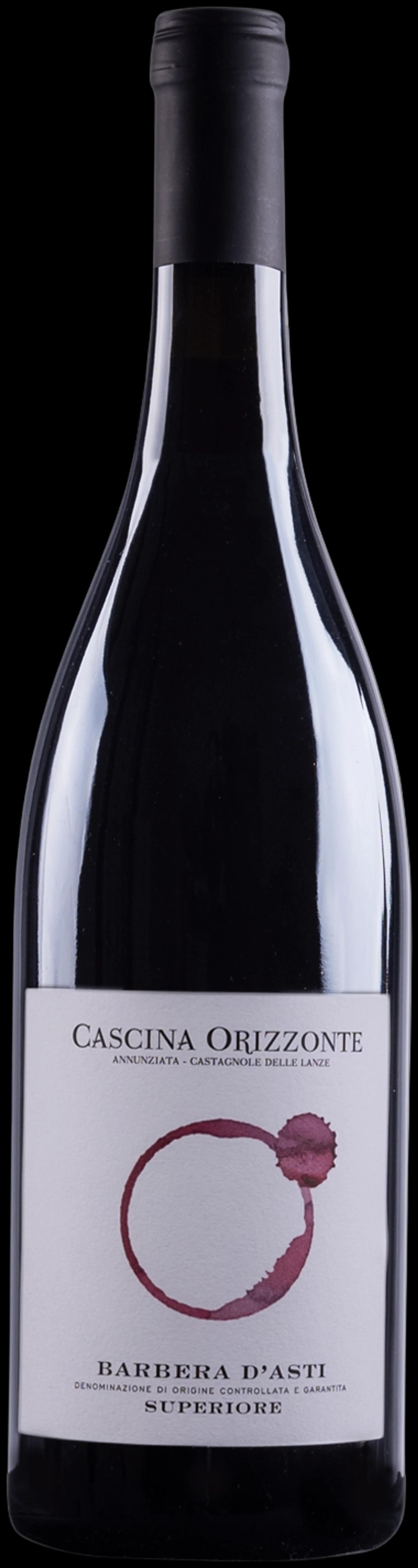
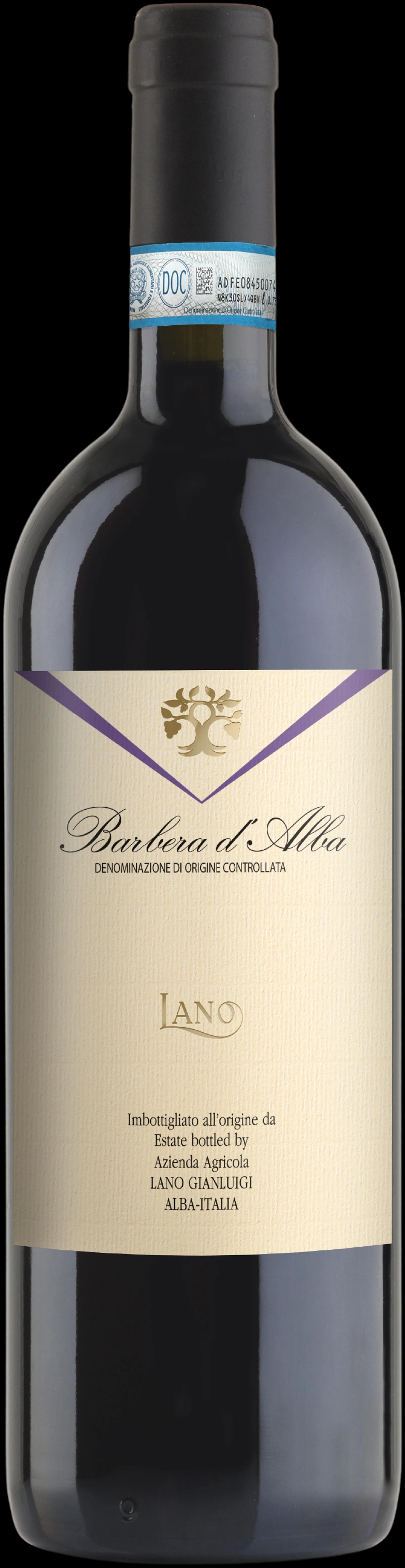
Barbera wine is one of Italy's most widely planted reds, producing wines that range from bright and juicy to rich and concentrated depending on where and how it is grown. The producers below grow it across Piedmont and beyond.

From Alba and Asti to everyday tables across northern Italy — versatile, food-friendly, and rarely oaked into submission.

Color

Dropdown arrow

Type

Dropdown arrow

Country

Dropdown arrow

Region

Dropdown arrow

Grape

Dropdown arrow

Pairing

Dropdown arrow

Sort by

Sort arrow
Barbera

Barbera wines

Barbera is one of the most planted red grapes in Piedmont, where it has been grown for centuries and has long been the everyday wine of the region — high in acid, low in tannin, and built to go with food. It sits in the shadow of Nebbiolo in terms of prestige, but many growers argue it is the more honest expression of the land. On Free Grape Society, each bottle is shipped directly from the producer's own cellar, with no importer or warehouse in between.

Previous2 of 2Next

Barbera wine cases

A mixbox is a producer's own selection of six bottles, composed as the recommendation they would make if you came to visit. With Barbera, that often means tasting one estate's approach across a range — from a younger, unoaked style to a more structured version that has spent time in barrel. Free Grape Society is a society of producers, independent experts and wine lovers, not a shop.

View all mixboxes

Wineries

The growers below all work with Barbera, but they approach it differently — some vinifying it with minimal oak to keep the freshness, others ageing it longer to build weight and complexity. Reading each producer's own notes is the most direct way to understand what sets their wines apart, and the wine-advice service is there if you would rather talk through the choice before ordering.

View all wineries

Wine experts

Barbera rewards a second opinion, particularly when choosing between an unoaked and an oaked style. Independent wine experts review wines they have personally tasted, and their notes are visible on each wine page and on the expert's own profile. Several of the experts below have reviewed Barbera wines featured on this page, so you can read what they found before deciding.

View all wine experts

Frequently asked questions

How do I order Barbera wine on Free Grape Society?

Browse the Barbera wines above, add bottles to your cart, and pay securely with Klarna or card. Each bottle ships directly from the producer's cellar to your door. There are no intermediaries. Shipping is free, and delivery typically takes between four and fourteen days depending on where the producer is based.

What happens if a bottle arrives broken or doesn't taste right?

Send a photo to Free Grape Society customer support within 7 days of delivery. We will arrange a replacement or a refund. Because producers ship directly, quality issues are handled with the producer's direct involvement. Shared responsibility is built into how FGS works.

Can I order Barbera from more than one producer in the same order?

Yes. You can add wines from different producers to a single order and check out together. Each producer ships their own wines directly, so you may receive separate deliveries if your order spans multiple estates. The total shipping cost remains free regardless.

How long does delivery take?

Average delivery is 8 to 9 days from order to door. The full range is 4 to 14 days depending on the producer's location and your delivery address. Wines ship directly from the producer's cellar, not from a central warehouse.

How do I choose between different Barbera wines on the page?

Barbera's two main expressions are the unoaked, high-acid style — bright red fruit, early drinking — and the oak-aged version, which is fuller and more structured. If you are new to the grape, start with a Barbera d'Asti or Barbera d'Alba from a producer whose notes emphasise freshness. If you want more depth, look for one described as aged in barrel. The wine-advice service can help if you are unsure.

Why does Barbera taste so different from one producer to the next?

Barbera is a high-acid, low-tannin grape, which gives producers a lot of room to shape the wine through decisions about yield, harvest timing, and whether to use oak. Grown in cooler parts of Piedmont it stays lean and food-focused; in warmer sites or with extended barrel ageing it becomes richer and darker. The same variety can read as a light lunch wine or a full evening red depending on those choices.

Which Barbera wine expert can recommend something for me?

Several independent wine experts on Free Grape Society have reviewed Barbera wines and can point you toward the right bottle. Use the wine-advice service to ask a specific question — about style, food pairing, or which producer suits your budget — and an expert will respond with a personal recommendation based on what is currently available.

Why don't you sell supermarket-brand Barbera wines?

Free Grape Society works exclusively with independent producers who grow and bottle their own wines. Supermarket-label Barbera is typically produced at scale by large négociants or cooperatives with no direct connection to a specific grower or site. The wines on this page come from estates where the person who grew the grape also made the wine — that traceability is the point.

Can I find Barbera in wine shops or supermarkets in the UK and Europe?

Some Barbera d'Alba and Barbera d'Asti reaches retail, but the selection tends to be limited to the largest producers and most commercial styles. Smaller estates that grow Barbera on specific sites and vinify it without heavy intervention rarely reach supermarket shelves. Free Grape Society connects you directly with those growers, without the filter of an importer deciding what the market is ready for.

Where Barbera comes from and how region shapes it

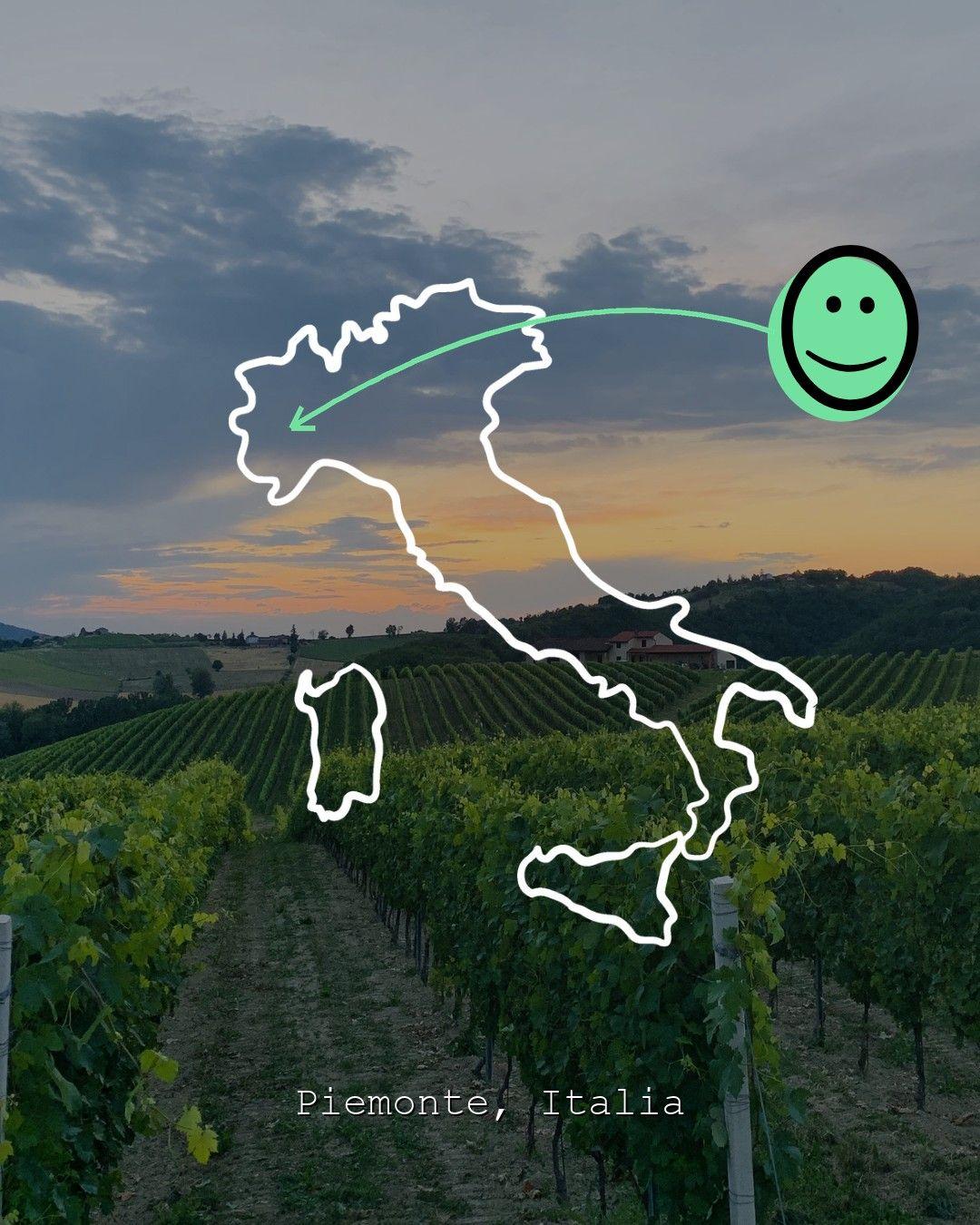
Barbera is native to Piedmont in north-west Italy, where it has been cultivated for centuries and remains the most widely planted red grape in the region. It ripens reliably and produces generously, which historically made it the everyday table wine of Piedmont while Nebbiolo was reserved for Barolo and Barbaresco. That everyday reputation undersold it. In the right hands, Barbera produces wines with deep colour, firm acidity, and plummy, red-fruit character that holds up well at the table. The two benchmarks are Barbera d'Asti and Barbera d'Alba, both DOCG appellations, each shaped by slightly different soils and mesoclimates. Asti tends toward rounder, more fruit-forward wines; Alba, grown on the same Langhe hills as Nebbiolo, often shows more structure. Beyond Piedmont, Barbera is grown across northern Italy — in Lombardy, where it contributes to blends in the Oltrepò Pavese, and more widely in Veneto and Sicily. Independent producers who grow it and ship it directly to buyers are gathered on the Italian wines page and on the Barbera wines listing.

How Barbera tastes, and what to drink it with

Barbera's defining characteristic is its acidity — higher than most Italian reds, which gives the wine a freshness and lift that makes it one of the most food-friendly grapes in the country. Tannins are typically low to moderate, so the wine rarely feels grippy or demanding. Colour is deep, often inky, and the fruit profile sits around ripe cherry, blackberry, and plum, with floral notes in cooler vintages. Unoaked versions are lively and direct; those aged in oak — particularly the larger Slavonian casks traditional in Piedmont, or smaller barriques — gain more weight and complexity while keeping the acidity intact. For food, Barbera's high acid makes it a natural with tomato-based pasta dishes, grilled sausage, and braised meats. It also works well alongside mushroom risotto and aged hard cheeses. Producers in Piedmont often make both a straightforward and an oak-aged version, and the difference between the two is a useful way to understand what the grape can do at different levels of ambition. Other Italian reds grown in similar terrain include Nebbiolo, Dolcetto, and Freisa — all worth exploring alongside Barbera.

Buying Barbera direct from independent producers

Most Barbera found in supermarkets and large retail chains comes from high-volume producers, where the grape's natural generosity and reliable yields are used to produce wine at scale. The Barbera wines on Free Grape Society come from a different place — small and mid-sized independent estates in Piedmont and elsewhere in Italy, where the producer grows the grapes, makes the wine, and ships it directly from their own cellar. There is no importer, agent, or warehouse in between. That means the price reflects what the producer actually charges, not what a distribution chain adds on top. Wines tasted before listing are part of how quality is maintained at Free Grape Society, and independent wine experts add their own ratings and reviews over time, visible on each wine page. Free Grape Society is a society of producers, independent experts and wine lovers, not a shop. You can browse Barbera alongside the rest of Italy's grape variety pages — including Sangiovese, Nero d'Avola, and Aglianico — or go directly to the Piedmont wineries to find producers who work with the grape in its home region. Mixboxes from Italian producers, including selections from Piedmont, are available on the Italy mixboxes page.