Chardonnay in France — how region shapes the grape
Chardonnay is native to Burgundy, and the genetic evidence points to the village of Meursault as one of its earliest documented cultivation sites. That origin matters because it explains why French Chardonnay and Burgundian Chardonnay are often treated as synonyms — but they are not the same thing. Chardonnay grown in France spans a range of climates, soils, and altitudes that produce structurally different wines from the same variety.
In Burgundy, the key soil variable is limestone. Kimmeridgian and Bajocian limestone in the Côte de Beaune retains cold during the night, slowing ripening and preserving acidity. The result is a grape that builds extract slowly, producing wines where phenolic ripeness and acid structure arrive at the same time rather than one outrunning the other. Meursault, Puligny-Montrachet, and Chassagne-Montrachet each sit on subtly different limestone formations — differences that producers working with single-vineyard fruit argue are detectable in the glass.
In Champagne, Chardonnay is primarily a blending component, though Blanc de Blancs — made from Chardonnay alone — shows what the grape does at the northern edge of its viable cultivation zone. Chalk soils and cool temperatures produce a version of the grape with very high tartaric acid and low sugar accumulation. That acid does not soften without extended lees aging, which is why Blanc de Blancs from Champagne typically require several years before they show balance.
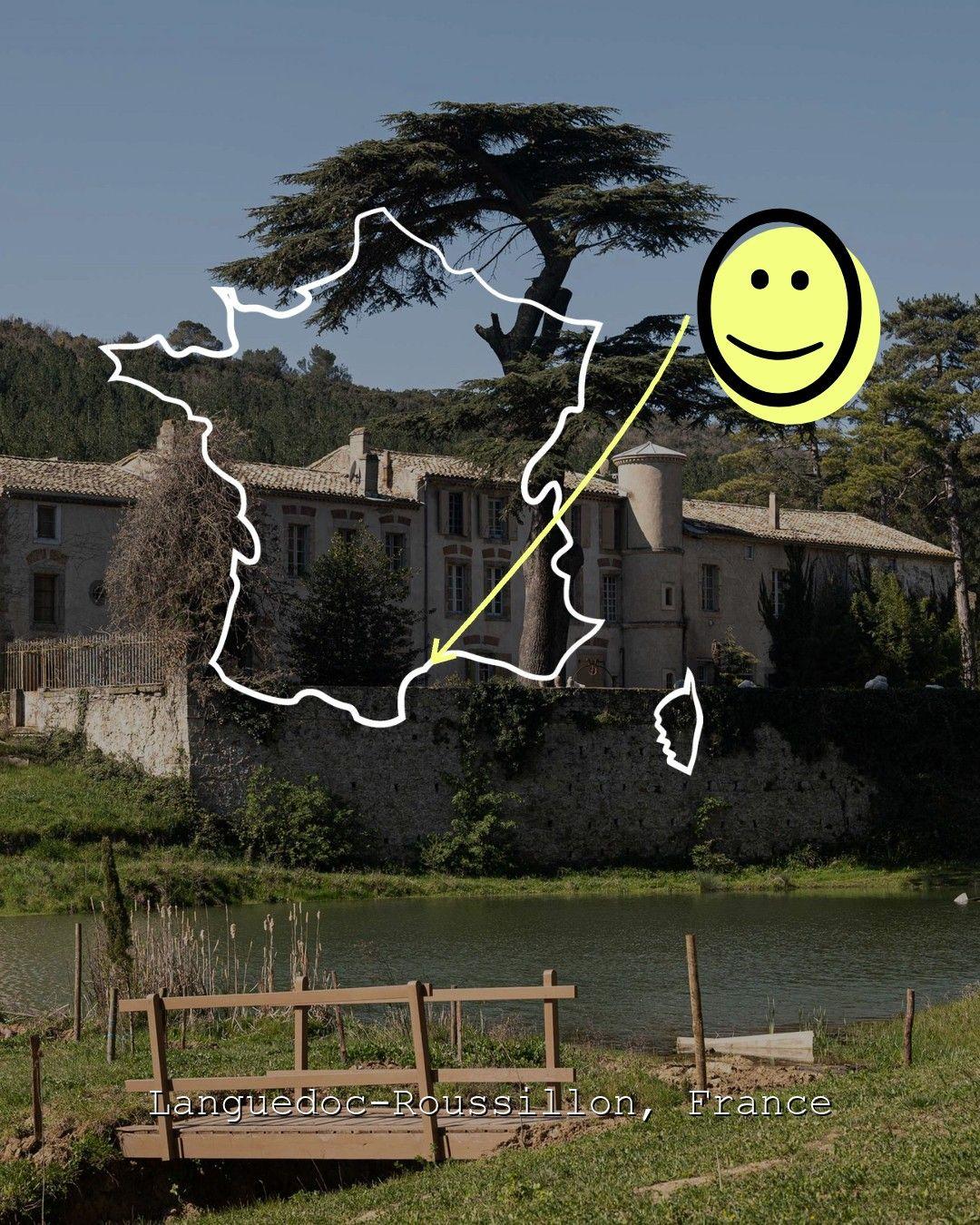
In Alsace, Chardonnay is a minor variety, mostly used in Crémant d'Alsace rather than still wine. The Loire Valley uses it occasionally but the structural focus there sits with Chenin Blanc and Melon de Bourgogne. Languedoc-Roussillon produces IGP Chardonnay at warmer temperatures — lower acid, riper fruit, often made without oak — structurally distinct from the Burgundian model. Comparing a Limoux Chardonnay to a Meursault is not a comparison of quality. It is a comparison of two different interpretations of the same grape under different climatic conditions.
How French Chardonnay compares to Chardonnay grown elsewhere
Chardonnay as a variety is planted across most of the world's wine-producing regions, which makes France's version worth describing precisely rather than generally. The grape itself is low in flavor precursors, meaning it expresses its environment more directly than many other white varieties. It does not have the aromatic intensity of Riesling or Sauvignon Blanc to fall back on. What it has is structural plasticity — it responds to soil, climate, and production decisions with unusual fidelity.
In Burgundy specifically, that plasticity is managed through two production decisions that distinguish French Chardonnay from most international versions. First, malolactic fermentation: in Burgundy, most white wines undergo full or partial malo, converting sharp malic acid to softer lactic acid. This is why Burgundian Chardonnay can carry high alcohol without tasting flat — the acid conversion reduces harshness without eliminating structure. Second, oak aging in neutral barrels: the Burgundian approach is typically 12–18 months in used barrels, where the wood contributes texture and micro-oxygenation rather than flavor. New oak, which dominated Californian and Australian Chardonnay production through the 1990s, is used sparingly in serious Burgundian producers today.
Italian Chardonnay, particularly from Trentino-Alto Adige, shares altitude-driven acid retention with northern Burgundy. Spanish Chardonnay is rare outside Catalonia and mostly appears in Cava blends. The French version — particularly from white wine producing regions — remains the structural reference point for how oak aging and malolactic management interact with the grape's natural characteristics.
Producers listing on Free Grape Society from French Chardonnay appellations set their own prices directly. No importer, no wholesaler. The price you see is the price the producer agreed to.
Styles of Chardonnay from France — dry, aged, unoaked
French Chardonnay is not one style. The range runs from the bone-dry, high-acid Chablis — where producers use steel or concrete, not oak, and where the wine retains a chalk-mineral quality from the Kimmeridgian soil — to the broad, texture-forward whites of Meursault, where full malolactic fermentation and extended barrel aging produce a richer, more lanolin-like structure.
Chablis deserves a separate note on its oak policy. The appellation has been divided since the 1980s between producers who use new or moderately new oak and those who age exclusively in stainless steel or large neutral vessels. The oak-free camp argues that oak obscures the mineral specificity of the Kimmeridgian terroir. The debate is ongoing, but the steel-aged style has become more common at the premier cru level over the past decade.
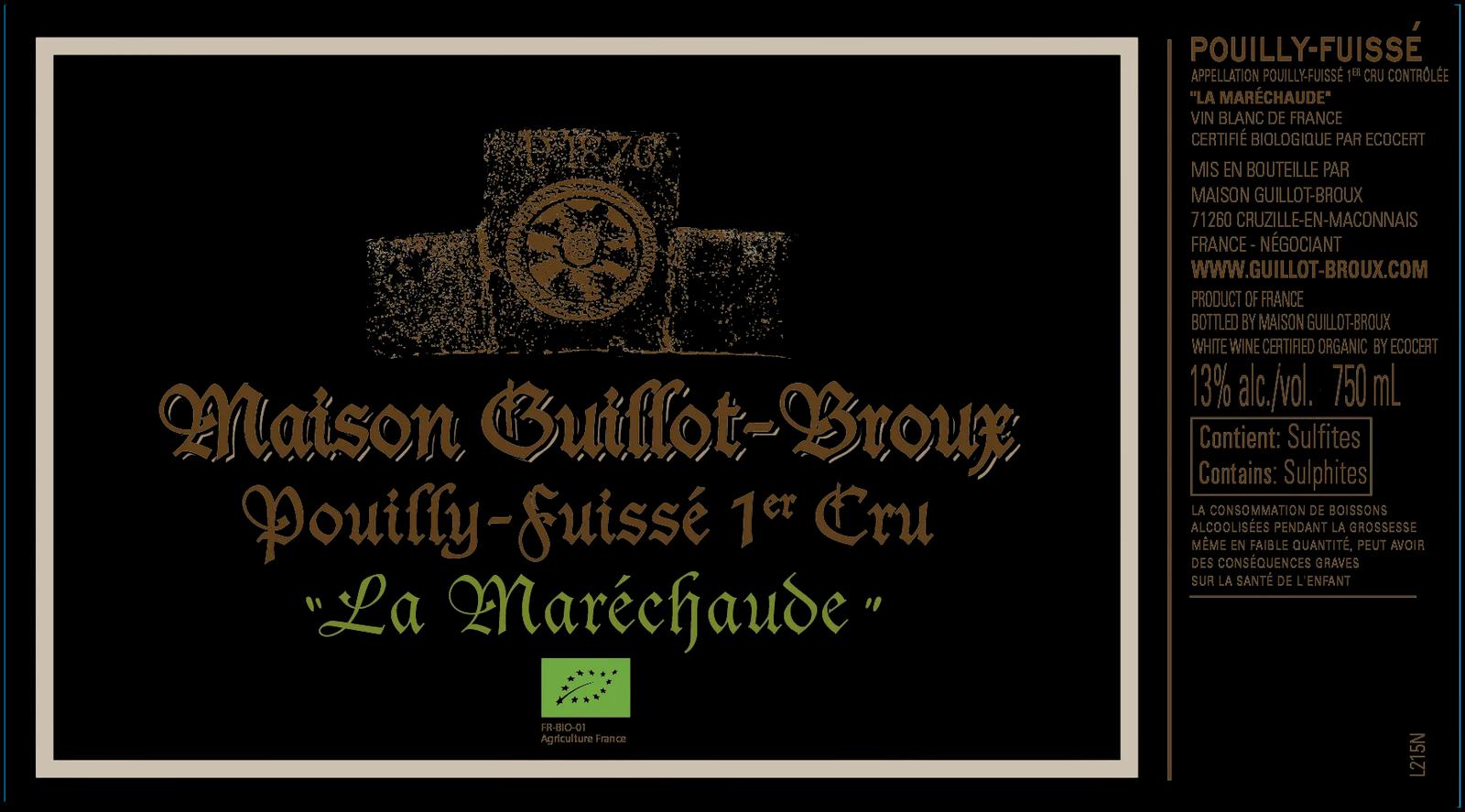
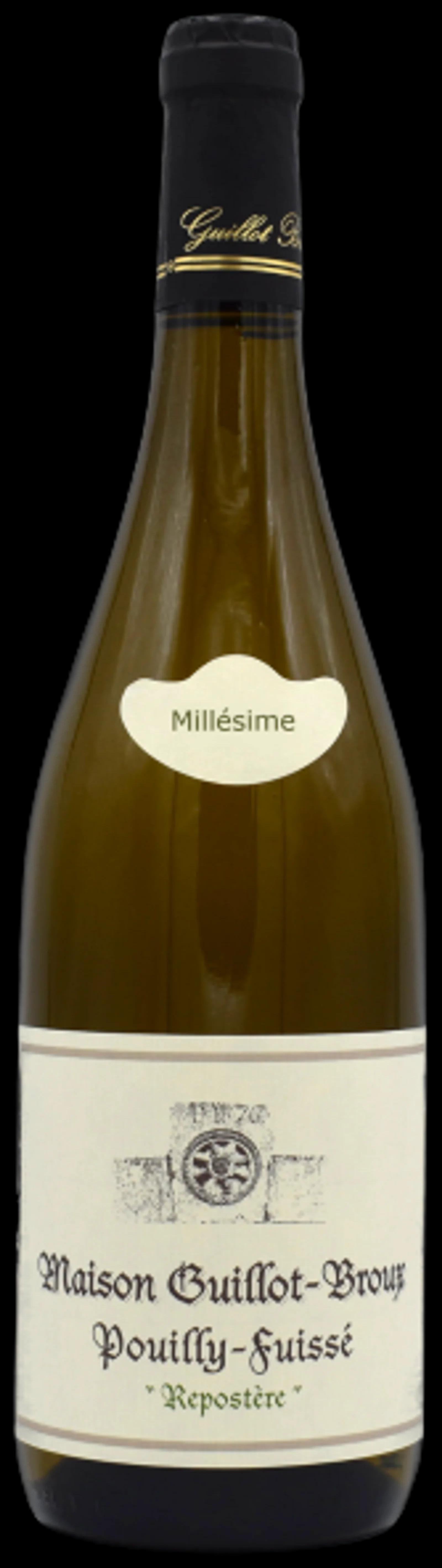
Mâconnais Chardonnay — from appellations like Pouilly-Fuissé, Saint-Véran, and Viré-Clessé — sits between Chablis austerity and Côte de Beaune richness. Limestone soils and a slightly warmer climate than the Côte de Beaune allow fuller ripening without the loss of acid that would come from a hot climate. These wines are typically vinified with moderate oak influence, if any, and are often the most accessible entry point for French Chardonnay at producer-direct pricing.
For related grapes in the French white wine category, Pinot Gris and Grenache Blanc represent contrasting styles from different regions. For a broader view of white wine from France across all varieties, or for the France wine overview, those pages cover what Chardonnay shares with the country's wider white wine production. Producers from Burgundy, Champagne, and Languedoc working with Chardonnay are each listed under their respective regional pages.