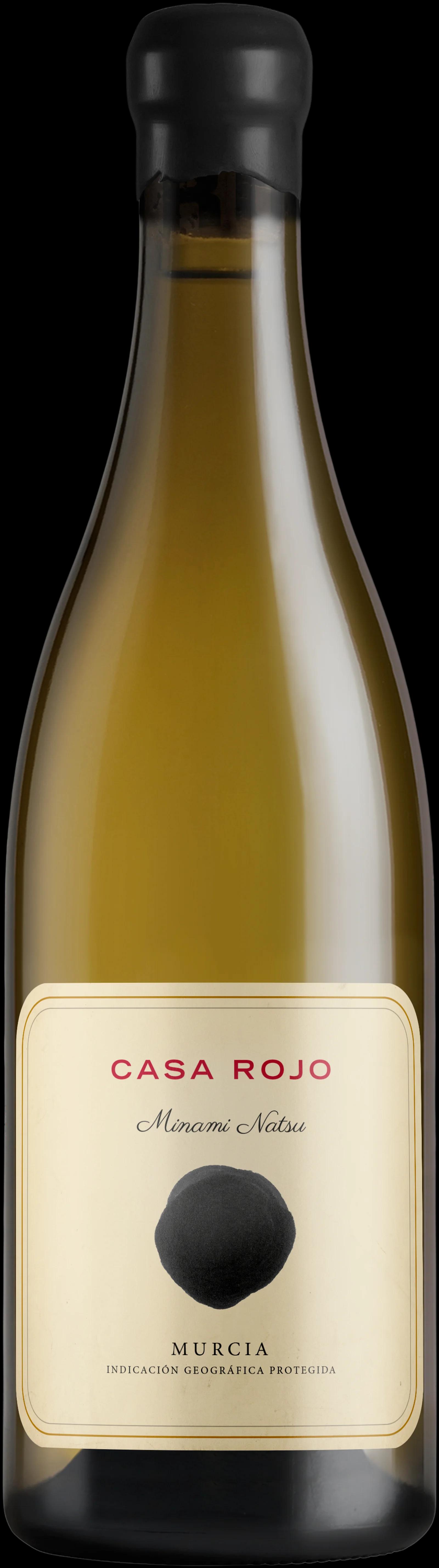
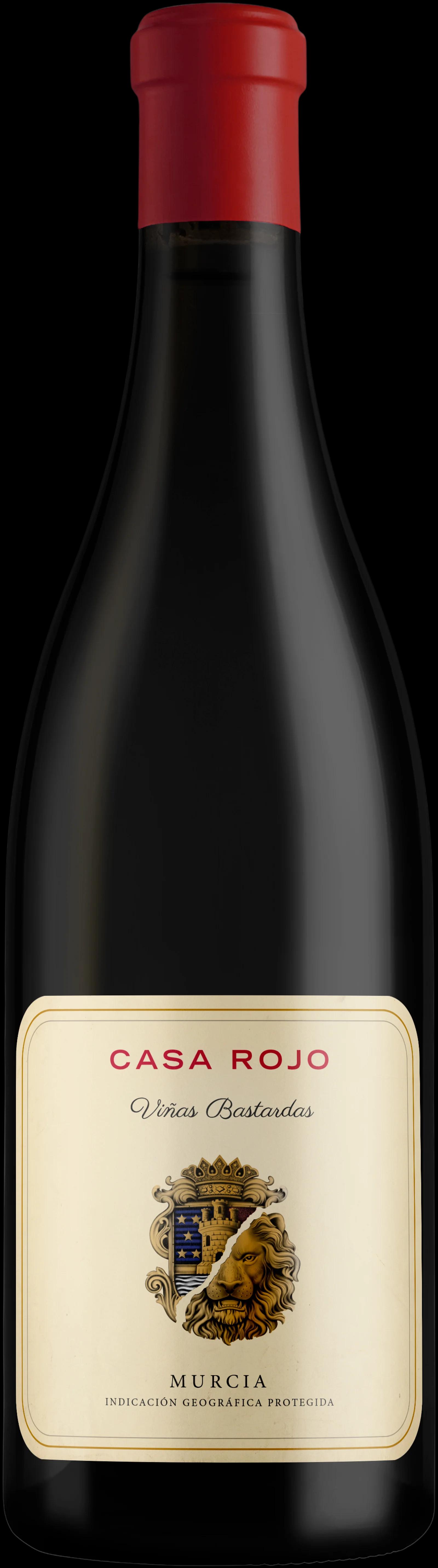



Wie bestelle ich Wein aus Murcia?
Wählen Sie eine Flasche oder Weinkiste aus, legen Sie sie in den Warenkorb und schließen Sie die Bestellung ab. Der Wein wird direkt aus dem Keller des Winzers in Murcia verschickt, ohne Zwischenlager.
Murcia liegt im Südosten Spaniens und ist die Heimat der Monastrell-Traube, die hier auf kargen, kalkhaltigen Böden wächst. Entdecken Sie Weine direkt von unabhängigen Winzern der Region.
Farbe

Typ
Land
Region (1)
Rebsorte
Paarung
Sortieren
Murcia zählt zu den heißesten Weinbauregionen Spaniens, und genau diese Hitze formt seine Weine: dicht, dunkelfruchtig und oft mit beachtlichem Alkoholgehalt. Monastrell, hier oft auf alten, unbewässerten Rebstöcken angebaut, liefert die Grundlage für die kraftvollen Rotweine der Region, während zunehmend auch frischere, kühler ausgebaute Stile entstehen. Die hier gelisteten Weine kommen von Winzern, die ihre eigenen Parzellen bestellen und ihren Stil selbst bestimmen.
14 von 14 Weinen
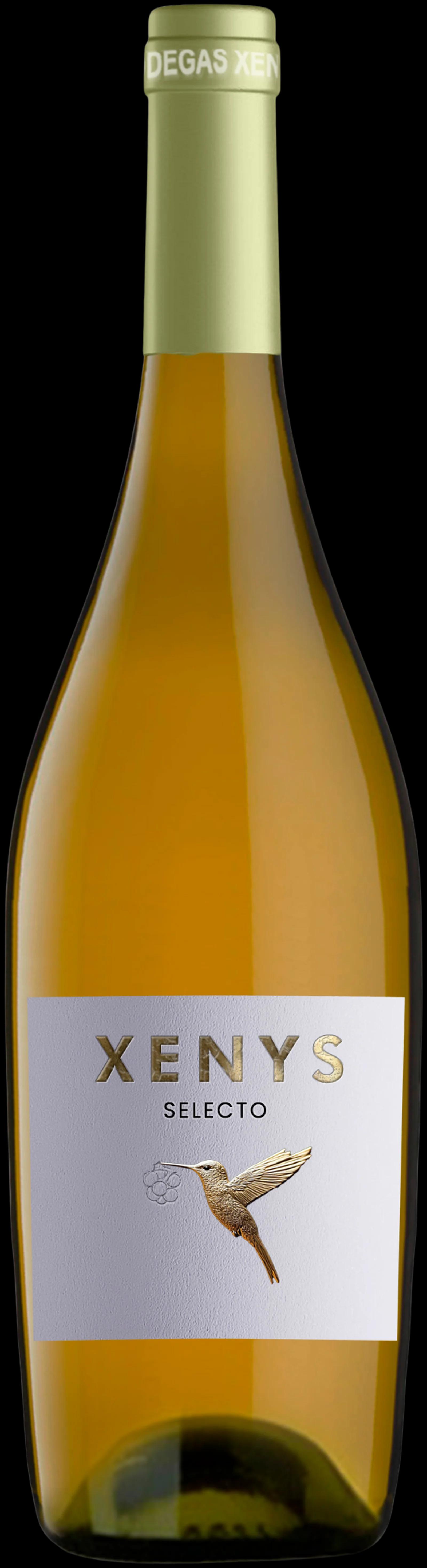
192,97SEK
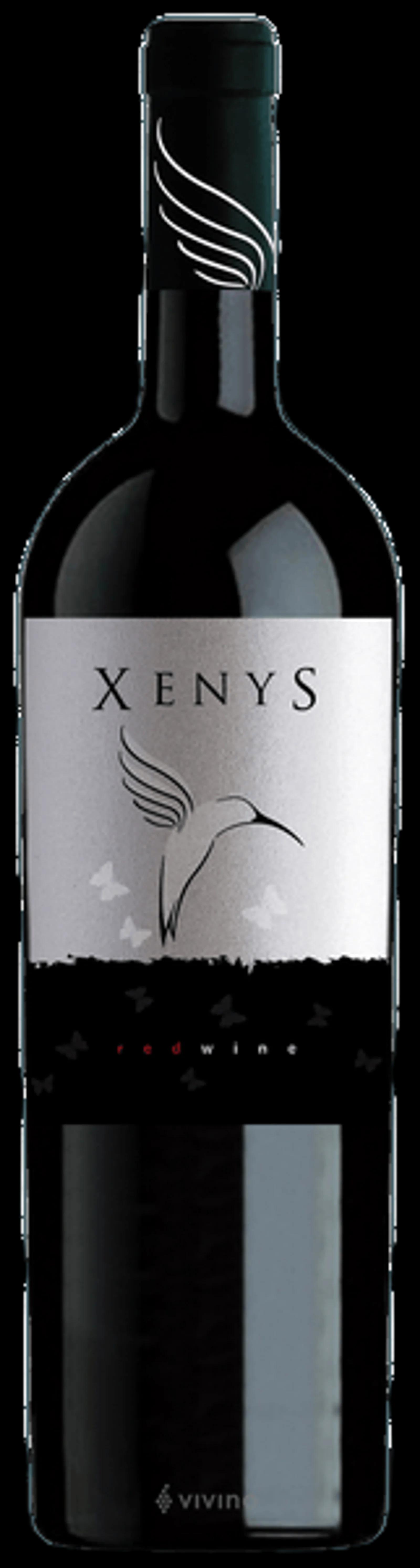
164,33SEK
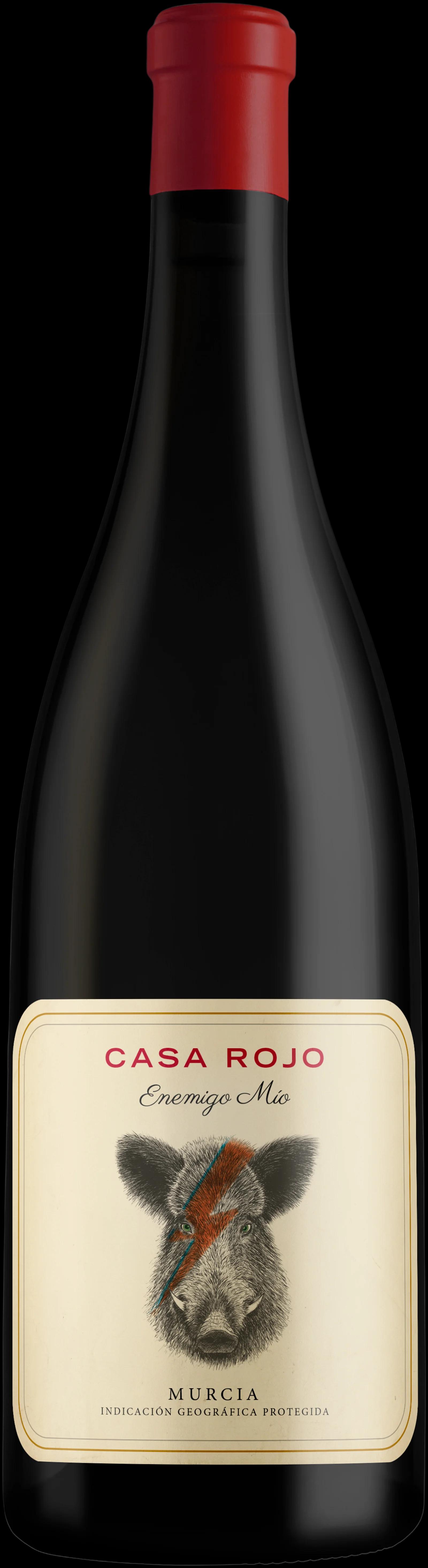
238,39SEK
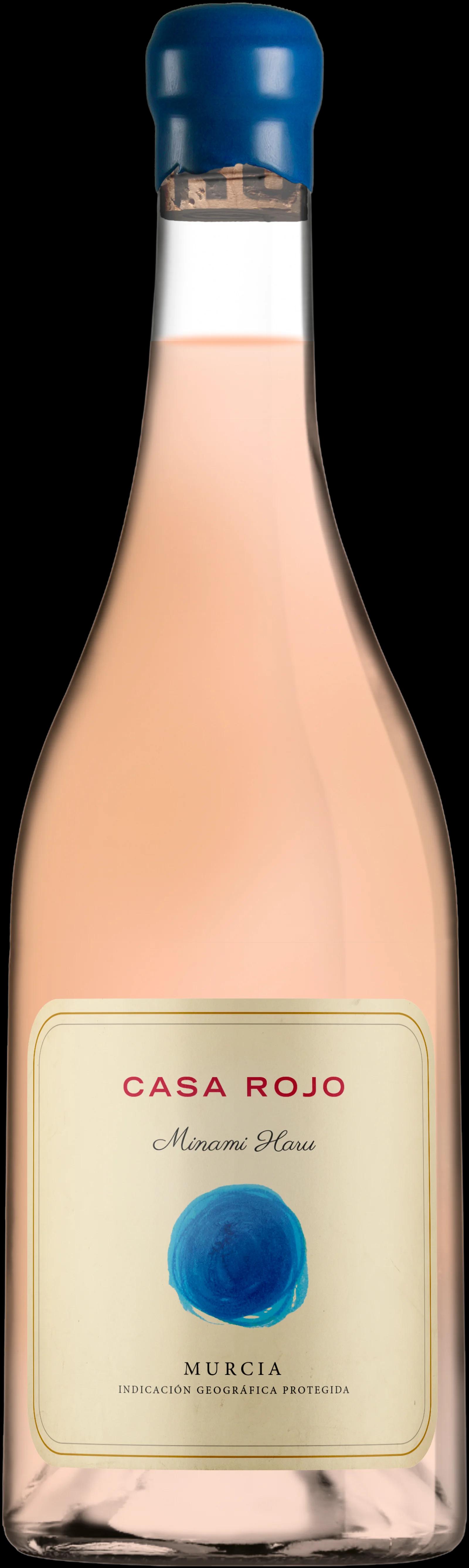
261,05SEK
Eine Weinkiste aus Murcia enthält sechs Flaschen eines einzigen Winzers, zusammengestellt als dessen eigene Empfehlung und nie über mehrere Erzeuger gemischt. Free Grape Society ist eine Gemeinschaft aus Produzenten, unabhängigen Experten und Weinliebhabern, kein Shop, und die Kisten spiegeln das wider: Sie erhalten eine persönliche Auswahl direkt aus dem Keller, der sie gemacht hat.
Die Weingüter Murcias sind oft familiengeführte Betriebe, die mit alten, trockenresistenten Monastrell-Stöcken arbeiten, manche über hundert Jahre alt. Diese Nähe zur kargen Landschaft prägt den Charakter der Weine. Bei Free Grape Society verkaufen und versenden die Winzer direkt aus ihrem eigenen Keller, ohne Importeur oder Zwischenlager, sodass der Erzeuger Ihr direkter Ansprechpartner bleibt.
Unabhängige Weinexperten bewerten Weine, die sie selbst verkostet haben, und ihre Rezensionen sind auf der jeweiligen Weinseite sowie im Expertenprofil einsehbar. Mehrere der unten aufgeführten Experten haben Weine bewertet, die auf dieser Seite zu finden sind.


Wählen Sie eine Flasche oder Weinkiste aus, legen Sie sie in den Warenkorb und schließen Sie die Bestellung ab. Der Wein wird direkt aus dem Keller des Winzers in Murcia verschickt, ohne Zwischenlager.
Senden Sie innerhalb von 7 Tagen nach der Lieferung ein Foto an den Kundenservice der Free Grape Society. Wir kümmern uns um Ersatz oder Rückerstattung. Da die Erzeuger direkt versenden, werden Qualitätsprobleme unter direkter Einbeziehung des Erzeugers gelöst. Geteilte Verantwortung ist Teil der Funktionsweise von FGS.
Sie erhalten genau die bestellten Flaschen, sorgfältig verpackt und direkt vom Weingut versendet. Bei Weinkisten sind es immer sechs Flaschen desselben Produzenten.
Die durchschnittliche Lieferzeit beträgt 8 bis 9 Tage von der Bestellung bis zur Haustür. Insgesamt liegt die Spanne je nach Standort des Erzeugers und Ihrer Lieferadresse bei 4 bis 14 Tagen. Die Weine werden direkt aus dem Keller des Erzeugers verschickt, nicht aus einem Zentrallager.
Filtern Sie nach Rebsorte, Stil oder Winzer, um Weine aus Jumilla, Yecla oder Bullas zu entdecken. Die Produktbeschreibungen geben Auskunft über Ausbau, Alter der Reben und Charakter.
Ja, deutlich. Traditionell ausgebaute Monastrell-Weine sind kraftvoll und tanninreich, während jüngere Winzer kühler fermentierte, frischere Stile mit weniger Alkohol und mehr Frucht anbieten.
Mehrere unabhängige Weinexperten auf unserer Plattform haben Weine aus Murcia verkostet und bewertet. Nutzen Sie das Kontaktformular, um Ihre Frage an einen Weinexperten zu richten und eine persönliche Empfehlung zu erhalten.
Wir arbeiten direkt mit unabhängigen Winzern zusammen, die ihre eigenen Parzellen bestellen und ihren Stil selbst bestimmen. Supermarktmarken folgen oft standardisierten Rezepten großer Kellereien, was nicht unserem Ansatz entspricht.
Im traditionellen Weinhandel durchläuft eine Flasche oft mehrere Zwischenstationen, bevor sie im Regal steht. Bei Free Grape Society kommt der Wein direkt aus dem Keller des Winzers in Murcia zu Ihnen, ohne Importeur oder Großlager dazwischen.
Murcia liegt im Südosten Spaniens, dort wo das Mittelmeerklima auf lange, heiße Sommer und kaum Regen trifft. Die Reben wachsen hier oft als niedrige, freistehende Büsche statt an Drahtrahmen, eine alte Anbauform, die den Stöcken hilft, mit wenig Wasser auszukommen. Die Böden sind steinig und mineralisch, was den Weinen aus der Region eine kräftige, konzentrierte Struktur verleiht. Historisch war Murcia vor allem für einfache Fassweine bekannt, doch in den letzten Jahrzehnten haben unabhängige Winzer begonnen, das Potenzial der alten Rebstöcke gezielter auszuschöpfen und Weine mit mehr Tiefe und Charakter zu erzeugen.
Die Rebsorte Monastrell, international auch als Mourvèdre bekannt, ist die dominierende rote Rebe in Murcia. Sie liebt Hitze und Trockenheit und liefert dunkle, dickschalige Beeren, aus denen kraftvolle, würzige Rotweine mit reifer Frucht und oft samtigen Tanninen entstehen. Innerhalb der Region prägen vor allem die Anbaugebiete Jumilla, Yecla und Bullas das Bild, jedes mit eigenen Höhenlagen und Bodenprofilen, die den Charakter der Monastrell-Weine leicht verschieben. Daneben finden sich auch Garnacha und internationale Sorten wie Cabernet Sauvignon, meist als Ergänzung im Verschnitt.
Auf Free Grape Society kaufen Sie Weine aus Murcia direkt bei den Erzeugern, ganz ohne Zwischenhändler oder Großlager dazwischen. Free Grape Society ist eine Gemeinschaft aus Winzern, unabhängigen Experten und Weinliebhabern, kein gewöhnlicher Shop. Wer lieber ein ganzes Sortiment eines einzelnen Betriebs entdecken möchte, findet in den Mixboxen aus Murcia eine von den Winzern selbst zusammengestellte Auswahl von sechs Flaschen. Und wer die Menschen hinter den Flaschen kennenlernen möchte, wirft am besten einen Blick auf die Weingüter aus Murcia selbst.