Where Welschriesling comes from and what the name means
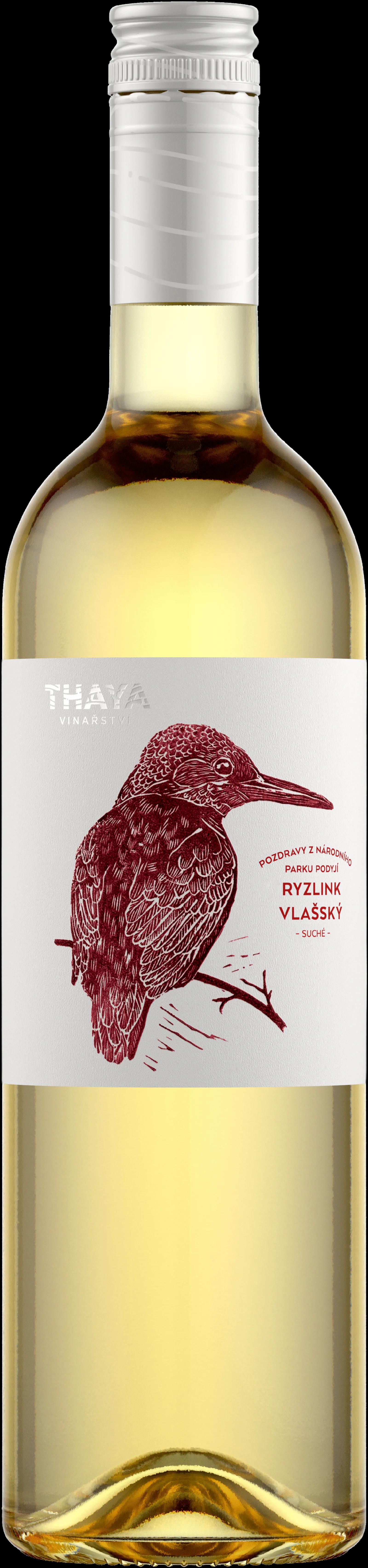
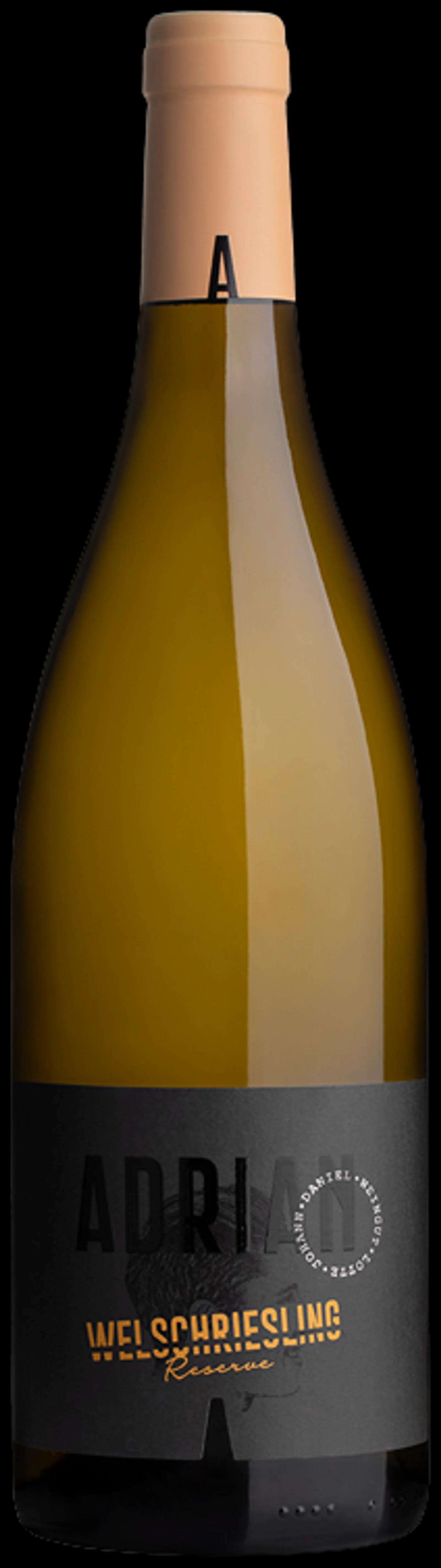
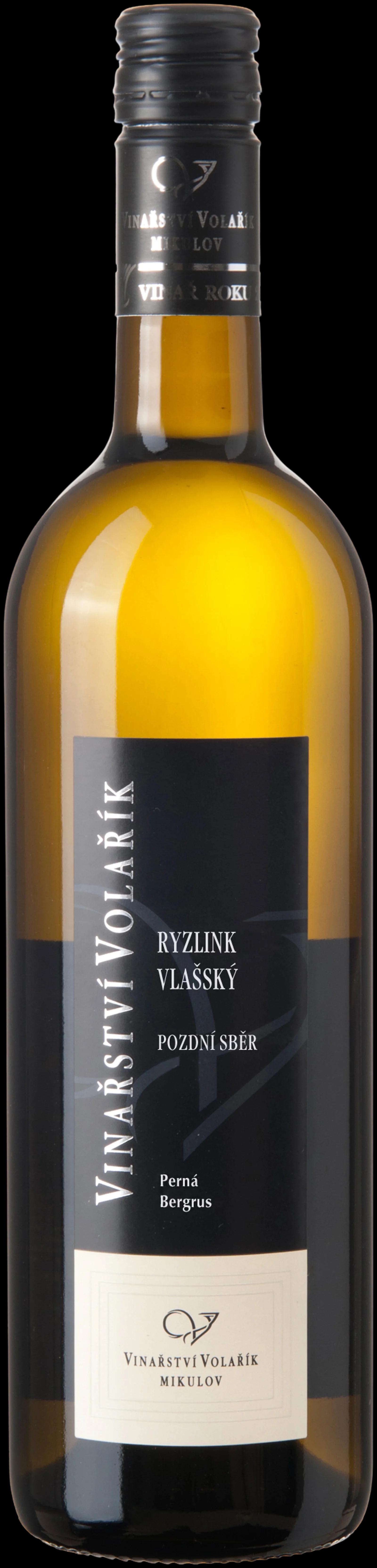
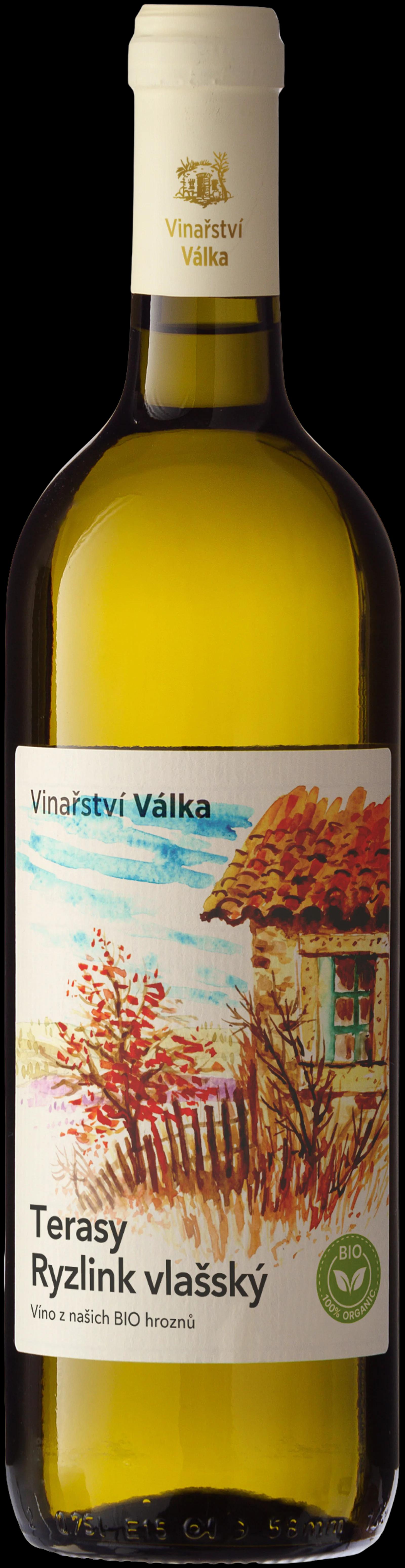
Welschriesling is a white grape variety grown widely across Central Europe, particularly in Austria, Slovenia, Croatia, and the Czech Republic. Despite sharing part of its name with Riesling, it is an entirely different grape with no known genetic relationship. The name is thought to derive from an old Central European word for "foreign" or "Romance," suggesting the variety arrived from somewhere to the west, though its exact origins remain uncertain. In Austria, where it is most prominent, it ripens relatively late and performs especially well in Niederösterreich, Burgenland, and Steiermark. In the Czech region of Moravia, it is one of the most planted white varieties, often called Ryzlink vlašský. Across these regions the grape goes by several names — Welschriesling in Austria and Germany, Laški Rizling in Slovenia, Olasz Rizling in Hungary — which can make it easy to overlook on a label if you do not know what to look for.
How Welschriesling tastes and what to drink it with
At its lightest, Welschriesling produces dry, high-acid whites with green apple, citrus, and a faintly herbal edge — lean wines suited to seafood, light salads, and fresh cheeses. Grown in warmer sites or harvested later, it develops more body and stone-fruit character while keeping its natural acidity, which makes it a reliable match for roasted chicken, white fish, or vegetable-led dishes. In Austria, particularly around the Neusiedlersee in Burgenland, the grape's thin skin makes it susceptible to botrytis, and it is used to produce Beerenauslese and Trockenbeerenauslese — some of the richest sweet wines made anywhere in Europe. The same variety that makes a brisk, dry everyday white in Moravia can, under the right autumn conditions, become something entirely different. That range is part of what makes it interesting to follow across producers and regions.
Buying Welschriesling direct from independent producers
Because Welschriesling sits outside the better-known international varieties, most bottles reach consumers through local retail or specialist importers — channels that add cost and distance between you and the producer. On Free Grape Society, producers ship directly from their own cellar, with no importer or warehouse in between, which means the wines on this page come to you at the price the winery sets, not a price shaped by several layers of distribution. The producers working with this grape tend to be family estates in Austria, Czech Republic, and neighbouring Central European regions — growers who know the variety well and often make wines from it at more than one ripeness level. If you want to explore the range — from dry and high-acid to late-harvest styles — browsing by producer rather than by style is often the most direct route. Free Grape Society is a society of producers, independent experts and wine lovers, not a shop, and wines are tasted before listing.